
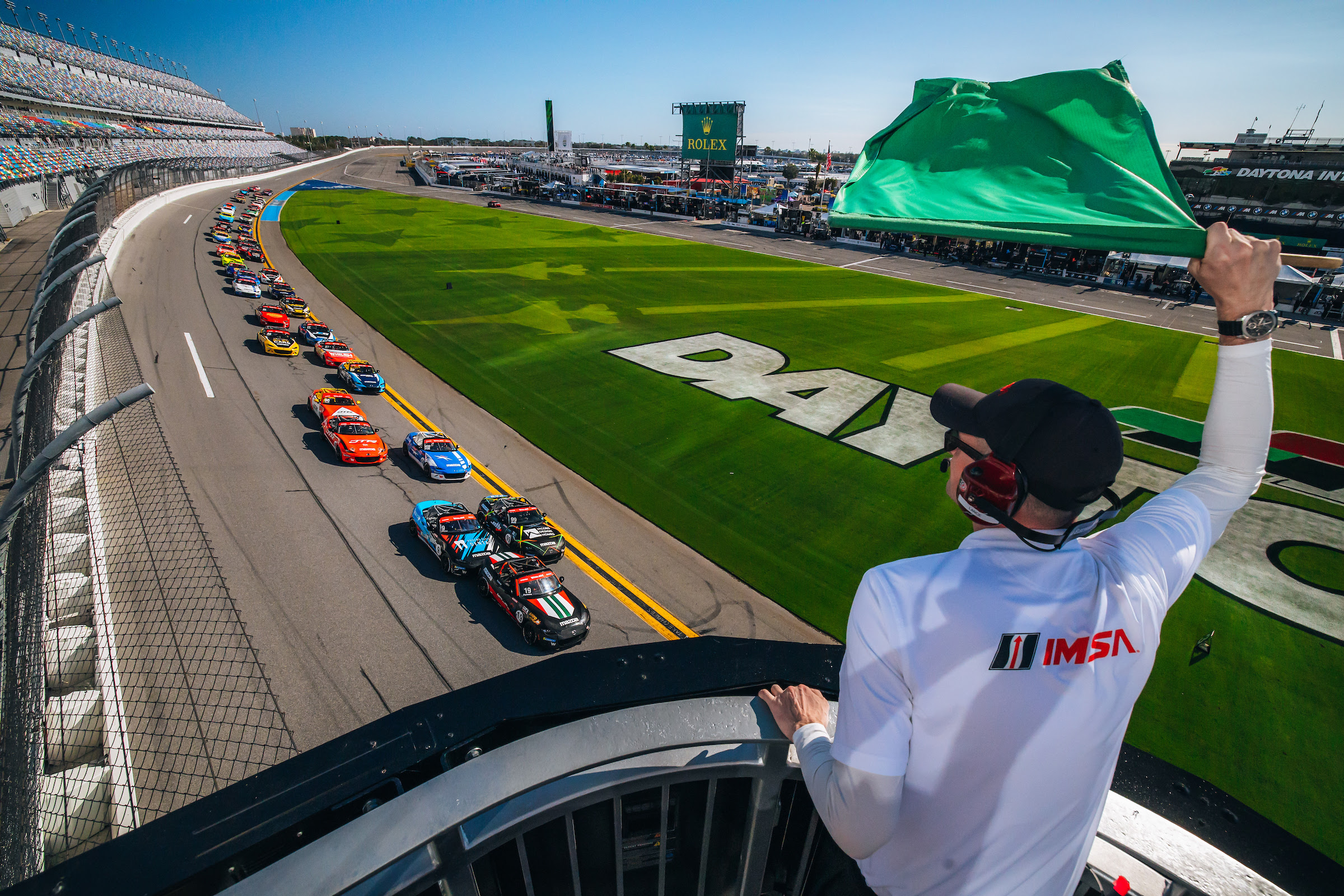
When the checkered flag waves at a NASCAR race, fans see the celebrations, disappointment, and emotional interviews that follow. For drivers, however, crossing the finish line marks the beginning of another demanding part of their professional lives.
Spending several hours inside a stock car requires extraordinary concentration, physical endurance, and mental discipline. Drivers must manage intense temperatures, constantly changing track conditions, and split-second decisions while communicating with their teams.
Once the race ends, they face recovery routines, technical meetings, media appearances, and preparations for the next event. With a competitive schedule that regularly moves between different states, there is often little time to completely disconnect from racing.
Understanding what happens after the checkered flag reveals how much work goes into competing at NASCAR’s highest levels. The days between races can be just as important as the performances fans watch on television.
Physical Recovery Begins Almost Immediately
A NASCAR driver may spend several hours navigating corners, managing traffic, and maintaining control of a powerful racing machine. The physical demands become especially noticeable during hot weather, when cockpit temperatures can climb dramatically.
After leaving the car, rehydration, nutrition, and rest become immediate priorities. Drivers may also work with athletic trainers or physical therapists to address muscular fatigue and maintain mobility.
Recovery technology has become an increasingly interesting subject across professional sports. Beyond established routines such as stretching and sleep management, athletes and fitness enthusiasts often research specialised wellness equipment. Those exploring this broader category can consult Oxify’s guide to the best hyperbaric chamber for home use, which introduces different chamber designs and considerations for people interested in understanding personal wellness technology.
Within NASCAR, the clearest foundations of post-race recovery remain adequate hydration, appropriate nutrition, restorative sleep, and individual conditioning programmes.
Drivers must prepare their bodies for another demanding weekend, sometimes after only a few days away from the track.
Every Race Produces Valuable Information for the Team
While television coverage concentrates on finishing positions and dramatic incidents, racing teams examine much more detailed information after an event.
Engineers review lap times, tyre performance, fuel consumption, vehicle balance, and adjustments made throughout the race. These details help explain why the car performed differently during particular stages.
Drivers contribute observations that electronic measurements cannot fully capture. They might describe how the vehicle handled in traffic, whether its balance changed during longer runs, or how it responded after a pit stop.
A productive debrief combines this feedback with recorded performance data.
Even successful race weekends provide opportunities for improvement. A winning team may identify strategies that could have produced greater consistency, while another organisation might discover encouraging progress despite a disappointing result.
These discussions help turn individual races into useful preparation for future competitions.
Media Responsibilities Continue After the Checkered Flag
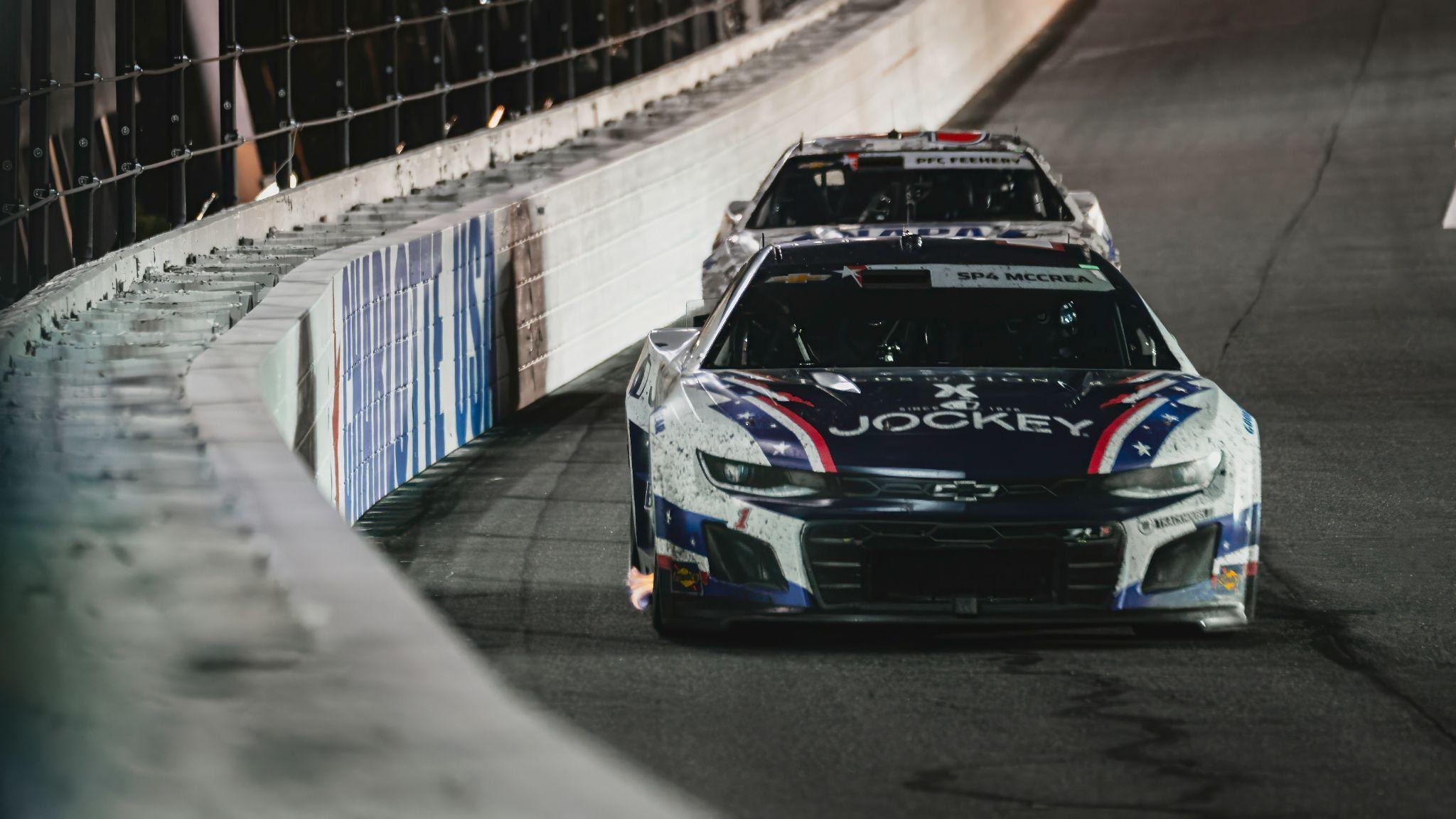
Drivers rarely disappear into their motorhomes immediately after completing a race. Depending on their finishing position and circumstances, they may have interviews, television appearances, sponsor commitments, and other scheduled obligations.
Race winners participate in victory celebrations and explain their performances to reporters. Other drivers may be asked about controversial incidents, mechanical problems, or strategic decisions.
These interviews require composure, particularly when the race has ended in frustration.
Professional communication is an important part of representing a racing organisation. Drivers must explain complicated situations clearly while acknowledging the contributions of crew members and sponsors.
Social media creates additional opportunities to connect with supporters. Post-race messages, photographs, and behind-the-scenes videos allow fans to experience moments that television broadcasts cannot fully capture.
For popular drivers, maintaining these relationships is an ongoing responsibility extending well beyond race day.
Fitness Training Doesn’t Stop During the Racing Season
Although NASCAR drivers spend much of their competitive time sitting inside vehicles, racing requires substantial physical conditioning.
Strong neck and core muscles help drivers manage repeated cornering forces, while cardiovascular endurance supports concentration during lengthy events.
Training programmes vary according to individual preferences, schedules, and physical requirements. Some drivers incorporate cycling, running, strength exercises, or mobility sessions into their weekly routines.
The challenge is maintaining fitness while allowing sufficient recovery between competitions.
Travel complicates that balance. A driver may race in one state, return home for meetings and training, and depart for another circuit only days later.
Sleep schedules, meal planning, and structured exercise therefore become important parts of professional preparation.
A consistent routine helps drivers arrive at each venue physically prepared for another demanding afternoon.
Mental Preparation Shapes the Next Performance
Physical fatigue is only one challenge following a race. Drivers must also process the decisions and emotions associated with competition.
A missed opportunity, mechanical failure, or difficult on-track incident can remain frustrating long after spectators leave the grandstands.
Reviewing the experience constructively helps drivers identify lessons without allowing one disappointing result to dominate their preparation.
Some use simulator sessions to practise approaching corners, managing traffic, and understanding the characteristics of upcoming circuits.
Others study previous races and discuss strategy with crew chiefs and engineers.
Mental preparation also involves maintaining perspective during a lengthy season. No single result defines an entire championship campaign.
Successful drivers learn to redirect attention towards decisions they can influence at the next event.
Preparing for the Next Track Starts During the Previous Week
Each NASCAR circuit presents different challenges. A short track demands different techniques from a superspeedway, while road courses introduce braking zones and corner sequences rarely encountered on traditional ovals.
Teams must adjust their approach accordingly.
Between races, engineers use simulation tools, performance data, and previous experience to determine appropriate vehicle setups.
Drivers study the circuit’s characteristics and consider how changing weather or track surfaces might influence handling.
Preparation also involves communication with the pit crew, whose performance can dramatically affect track position.
By the time the next race weekend begins, substantial planning has already taken place.
The public sees practice sessions, qualifying, and competition, but these activities represent only the visible portion of a much larger effort.
For NASCAR drivers, the finish line is never truly the end of the journey. Recovery, technical analysis, professional commitments, and focused preparation create a continuous cycle that shapes performance throughout the season.
The next great race often begins long before the engines start again.