
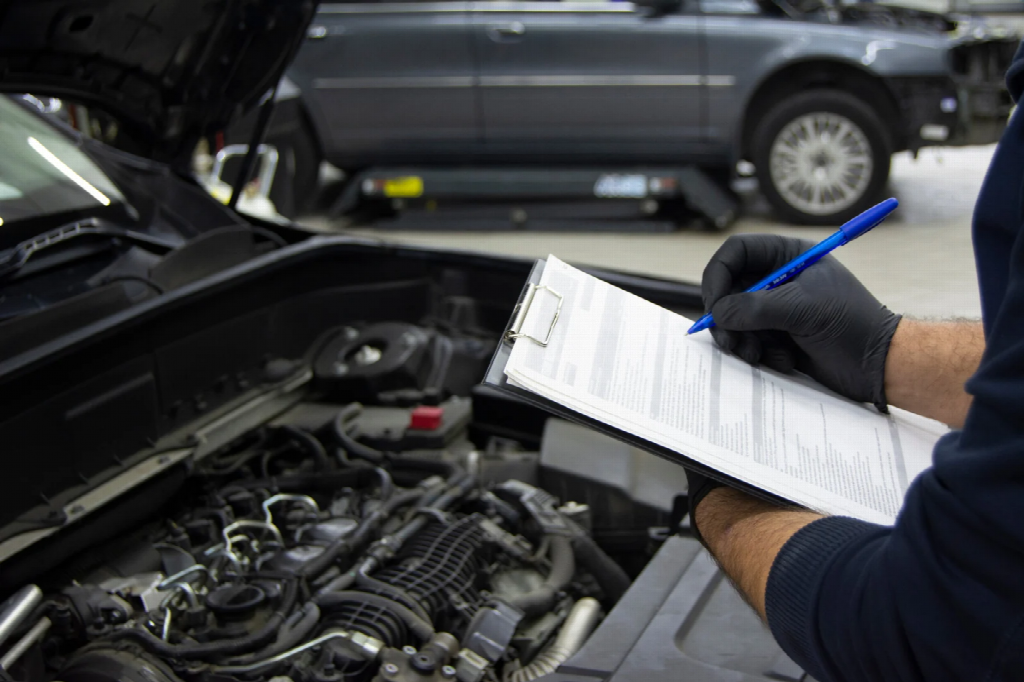
Anyone who has watched a pit crew at work knows that races are won and lost long before the green flag. Every detail, from tyre pressures and fluid levels to brake temperatures, is checked, logged and checked again. Your daily driver will never see 200 mph, but the same principle applies: small, regular checks prevent big, expensive failures.
The problem is that most drivers only think about maintenance when a warning light comes on. By then, the cheap fix has often turned into a costly repair. A simple car maintenance checklist changes that. It turns “I should probably look at that” into a routine that takes minutes, not hours.
Below is a practical, season-by-season guide that any driver can follow, whether you commute in a compact hatchback or spend your weekends at the track.
Why a Car Maintenance Checklist Matters
Modern cars are more reliable than ever, but they are also more complex. Sensors, driver-assistance cameras and turbocharged engines all depend on basic things being in good shape: clean fluids, correct tyre pressures, clear glass and a healthy battery.
A routine checklist helps you:
- Stay safe: Worn tyres, weak brakes and dirty headlights are among the most common factors in avoidable accidents.
- Save money: Catching a slow coolant leak or a worn belt early costs a fraction of an engine repair.
- Protect resale value: A documented maintenance history and well-kept paint and interior can add real money when it is time to sell or trade in.
- Avoid breakdowns: Most roadside callouts are caused by flat batteries, tyre problems and running out of fluids, and almost all of them can be prevented.
How Often Should You Check Your Car?
Most of these checks fall into two simple routines: a quick walk-around once a week and a closer look under the bonnet once a month. Neither needs more than a tyre gauge, a torch and a few minutes.
Weekly Car Checks (5 Minutes)
These quick visual checks fit easily into a fuel stop or the start of a longer drive:
- Tyre condition and pressure: Look at all four tyres for cuts, bulges or nails. Check pressures with a gauge while the tyres are cold, using the figures in the owner’s manual or on the sticker inside the driver’s door, not the maximum printed on the sidewall.
- Lights and indicators: Walk around the car with the lights on and check dipped and main beam, brake lights, indicators and reversing lights. A friend or a reflective garage door makes this easier.
- Windscreen and wipers: Look for chips, which can spread into cracks quickly when temperatures swing. Replace the blades if they smear or chatter, and keep the washer reservoir topped up.
Tyre pressure is the check most worth keeping up. Under-inflated tyres wear faster, use more fuel and make the car feel vague in corners. Wiper blades should be replaced at the first sign of streaking, too, since they are one of the cheapest safety upgrades you can make.
Monthly Car Checks (15 to 20 Minutes)
Once a month, park on level ground, let the engine cool and open the bonnet for a closer look:
- Engine oil: Pull the dipstick, wipe it, reinsert it and check that the level sits between the minimum and maximum marks. Oil that looks very dark, gritty or milky should be checked by a mechanic.
- Coolant, brake fluid and power steering fluid: Most reservoirs are translucent with clear min/max marks, and power steering fluid only applies if your car has hydraulic steering. Never open the coolant cap while the engine is hot.
- Tyre tread depth: Use a tread depth gauge or the 20p test. The UK legal minimum is 1.6 mm across the central three-quarters of the tread, but many experts recommend replacing tyres at around 3 mm for better grip in the wet.
- Battery: Look for corrosion on the terminals and make sure the battery is clamped down firmly.
Some readings are worth acting on rather than just noting. A brake fluid level that keeps dropping can mean worn pads or a leak, and uneven tread wear often points to alignment or suspension problems. Most batteries last three to five years, so if yours is older and the engine is slow to crank, have it tested before winter.
Paint and Bodywork Maintenance
Most checklists stop at the mechanical items, but your car’s paint and bodywork are part of maintenance too. Paint is the car’s first line of defence against rust, and once the clear coat fails, the damage is expensive to fix.
Protect the Paint
A coat of wax or paint sealant every few months adds a sacrificial layer that takes the hit from UV rays and contaminants. Ceramic coatings last much longer, but they need careful prep to work properly.
If you don’t have the time, space or equipment to do it properly at home, professional car detailing is worth budgeting for once or twice a year. A good detailer will decontaminate the paint, clean areas most owners miss, such as door shuts, wheel barrels and the engine bay, and apply protection that lasts far longer than a quick spray wax. Many now come to your home or workplace, which removes the hassle of booking around your schedule.
Deal With Swirls and Scratches Early
Hold a torch close to the paint at night and you will probably see fine, circular scratches called swirl marks. They are caused by poor washing and drying. Light scratches sit in the clear coat and can be removed; deeper ones that reach the base coat cannot.
This is where machine polishing comes in. A professional auto paint correction uses compounds and polishes in stages to level the clear coat, removing swirls, haze and light scratches and bringing back depth and gloss. It is best done before applying a ceramic coating or sealant, so you lock in a flawless finish rather than sealing the defects underneath.
Prevent Headlight and Trim Clouding
Cloudy, yellowed headlight lenses can cut light output dramatically. Restoration kits work for mild haze, while badly oxidised lenses may need professional restoration or replacement. Treat plastic trim with a UV protectant to stop it fading to grey.
Seasonal Car Maintenance Checklist
British weather is hard on cars in different ways through the year: salt and potholes in winter and spring, heat and long journeys in summer, and wet, dark roads in autumn. A short check at the start of each season catches the problems the weather tends to cause before they turn into repairs.
Spring Car Maintenance
Spring is the time to undo the damage of winter. Road salt keeps working on bare metal long after the gritters stop, and the potholes that frost leaves behind are hard on wheels, tyres and suspension.
- Underbody wash: Rinse the underside, wheel arches and sills to clear salt before it starts to cause corrosion.
- Pothole damage: Check wheel rims and tyre sidewalls for dents or bulges, and book an alignment check if the steering pulls or the wheel sits off-centre.
- Wiper blades: Replace any that have hardened or split over the cold months.
- Air conditioning: Run it for a few minutes and have it cleaned or re-gassed if it smells musty or blows warm, before the hot weather arrives.
Summer Car Maintenance
Summer brings hotter roads, longer journeys and often a fully loaded car. Heat and extra weight put more strain on the cooling system and the tyres, so these checks are best done before a holiday drive.
- Coolant and hoses: Check the coolant level and condition, and look for cracked or leaking hoses around the engine.
- Tyre pressures: Use the higher figures in the handbook for a fully loaded car. Heat raises tyre pressure, but under-inflation is still the bigger risk on long trips.
- UV protection: Wax or seal the paint, and use a sunshade to stop the dashboard and interior fading.
Autumn Car Maintenance
Autumn is the time to get the car ready for winter. Shorter days, wet leaves and the clocks going back mean more driving in the dark and on slippery roads, and a weak battery is most likely to fail on the first cold morning.
- Battery: Have it tested before the cold weather arrives, especially if it is more than three years old.
- Heater and demister: Make sure the blower, heated rear screen and air conditioning clear the glass quickly.
- Brakes and lights: Check every bulb as the evenings draw in, and have the brakes inspected if they feel soft or sound noisy.
- Paint protection: Apply a fresh coat of wax or sealant to give the paint a barrier against road salt.
Winter Car Maintenance
Winter is the hardest season on any car. Cold weakens batteries, ice and low sun make it harder to see, and gritted roads spray salt across the bodywork every time you drive.
- Tyres: Consider winter or all-season tyres if you regularly drive in snow, ice or rural areas.
- Screenwash: Use a winter-grade screenwash that will not freeze in the reservoir or on the glass.
- Emergency kit: Keep a blanket, torch, jump leads, ice scraper and phone charger in the boot.
- Regular washing: Wash the car more often to remove road salt, paying attention to wheel arches and sills.
On frosty mornings, clear every window fully rather than peering through a small gap. The Highway Code requires drivers to clear ice and snow from all windows before setting off, and a clean windscreen also cuts the glare from a low winter sun.
Car Maintenance Schedule by Mileage
Your owner’s manual is the final word, but most cars need the following on a regular schedule:
- Oil and oil filter: every 5,000 to 10,000 miles for most modern synthetic oils, or once a year.
- Tyre rotation: every 5,000 to 7,500 miles (a good habit is to do it with every oil change) so all four tyres wear evenly.
- Air filter: every 15,000 to 30,000 miles.
- Brake pads and discs: inspected at every service; replaced as needed.
- Spark plugs: every 30,000 to 100,000 miles, depending on type.
- Transmission fluid: check the manual; some are “lifetime,” but many specialists recommend changes for longer life.
- Timing belt (if fitted): usually 60,000 to 100,000 miles. A failed belt can destroy the engine, so never skip this one.
- Wheel alignment: check yearly, or after hitting a big pothole or kerb.
Keep receipts and a simple log. A notebook in the glovebox or a note on your phone is enough. A full service history is one of the easiest ways to increase what a buyer will pay.
Final Thoughts on Your Car Maintenance Checklist
A good car maintenance checklist is less about mechanical skill and more about routine. Five minutes a week, twenty minutes a month and a little seasonal planning will keep your car safer, more reliable and better looking for years. Treat your daily driver the way a race team treats its car. Check everything, fix small things early, and don’t wait for a warning light to tell you something is wrong.
Car Maintenance FAQs
What should be on a basic car maintenance checklist?
A basic car maintenance checklist covers tyre pressure and tread, engine oil, coolant, brake fluid, lights, wipers and the battery. Add regular washing and interior cleaning, and follow your owner’s manual for oil changes, filters and other service items.
How often should I check my car?
Do a quick walk-around every week and a closer check under the bonnet once a month. Plan bigger jobs like oil changes and tyre rotation by mileage, and do a seasonal check before summer and winter.
Is car washing really part of maintenance?
Yes. Salt, bird droppings and brake dust damage the clear coat over time, and damaged paint leads to rust. Washing every two weeks and adding wax or sealant a few times a year protects the bodywork and the car’s resale value.
Can I do car maintenance myself?
Most checks on this list need only a tyre gauge, a torch and a few minutes. Leave brakes, timing belts, electrical faults and paint correction to trained professionals.