Home Blog Page 59

Racing-Inspired CS2 Skins: Driver Gloves and Motorsport Designs Explained

Photo by Love Deep on Pexels

Racing-inspired CS2 skins are items designed around motorsport culture, from Driver Gloves styled like real racing gloves to weapon finishes with names and graphics borrowed from engines, speed and car livery. The most recognizable pieces are Driver Gloves finishes such as King Snake, Crimson Weave, Overtake and Racing Green, along with weapon skins like AK-47 Fuel Injector, the Redline finishes and M4A1-S Hot Rod.

Their appeal comes from a mix of style and practicality. Gloves are visible on screen for almost every second of a match, and motorsport-themed colors and patterns are bold enough to stand out without looking cluttered. For players who like a clear visual theme, racing designs make it easy to build a loadout that feels consistent from knife to rifle.

Why Motorsport Themes Work So Well in CS2

Motorsport has a strong visual language: bright contrasting colors, checkered patterns, stripes, carbon fiber textures and brand-style graphics. These elements translate well to weapons and gloves because they read clearly at a glance, even in the middle of a fast round. A red and black livery or a racing stripe along a rifle is easy to recognize from the first-person view.

The theme also connects to how many players see the game. CS2 is about speed, precision and timing, the same qualities associated with racing. Names that reference redlines, nitro, overtakes and fuel injection fit naturally into a competitive shooter, which helps explain why these designs have stayed popular across several years of releases.

There’s a practical benefit too. Racing themes tend to pair well with a wide range of knives and agents, because their color schemes are often simple combinations of red, black, white, green or yellow. That makes them a good foundation for players building a coordinated look without chasing the most expensive items.

Driver Gloves: Finishes, Looks and What Sets Them Apart

Driver Gloves are one of the glove types available in CS2, designed to resemble lightweight leather racing gloves with perforations, stitched panels and fitted cuffs. Compared with bulkier sport or specialist gloves, they look slim and precise on the player’s hands, which suits the racing theme.

Several finishes lean directly into motorsport. Overtake features a bold, sporty color scheme inspired by racing kit, while Racing Green nods to the classic British racing color. Others take a more luxurious or exotic direction. King Snake uses a snakeskin texture that has become one of the most recognizable Driver Gloves looks, Crimson Weave combines red and black woven leather, and Lunar Weave offers a darker, more understated alternative. Finishes such as Imperial Plaid, Snow Leopard and Queen Jaguar move further away from racing toward fashion-inspired patterns.

As with other gloves, float value affects how worn the leather looks, with scuffs, fading and discoloration appearing at higher floats. Factory New copies are relatively scarce for many glove finishes, and clean examples of popular designs such as King Snake usually command noticeably higher prices than worn versions. Because wear shows mostly on the palms and knuckles, some Field-Tested copies still look sharp from the typical first-person view.

Moto Gloves and Other Racing-Adjacent Hand Wear

Moto Gloves are the other obvious choice for a motorsport theme. Designed after motocross and motorcycle gloves, they have a chunkier, padded look with protective panels across the knuckles. Their finishes tend to be brighter and more playful than Driver Gloves, with colorful graphics, comic-style designs and strong mint, blue and orange tones.

The two glove types suit different styles of racing theme. Driver Gloves feel closer to circuit racing and classic sports cars, with sleek leather and refined patterns. Moto Gloves have more of an off-road, extreme-sports energy, which pairs well with loud, colorful weapon skins. Browsing skin-focused communities is often the quickest way to see how each glove type looks next to different knives and rifles before deciding which direction fits your loadout.

Sport Gloves, while not specifically motorsport-themed, are sometimes used in racing-inspired setups because of their athletic look and bold color blocks. The key is choosing gloves whose colors match the rest of your inventory, since gloves appear in almost every view you’ll see during a match.

Weapon Skins With a Motorsport Feel

Several weapon skins complement a racing loadout. AK-47 Fuel Injector features a detailed mechanical design with engine-inspired graphics and a strong black and orange color scheme. The Redline finishes, available on both the AK-47 and AWP, use a clean black base with red accents that echo the redline on a car’s tachometer, and they’ve remained popular for years because they look sharp without being overly busy.

M4A1-S Hot Rod has a glossy red finish that recalls custom car paint jobs, while M4A1-S Nitro uses a racing-style color scheme with bold stripes. These skins work well together because they share a focus on strong primary colors and clean lines, much like team liveries in motorsport.

Wear matters on these designs in different ways. Glossy finishes such as Hot Rod show scratches clearly, so lower floats tend to be preferred. Graphic-heavy designs like Fuel Injector hide some wear within their detail, making mid-range floats a good value option for players more interested in the theme than in pristine condition.

Building a Racing-Themed Loadout

Start with the gloves, since they’re visible the most and usually set the color palette. Red and black gloves such as Crimson Weave work naturally with Redline, Hot Rod and Fuel Injector, while green finishes like Racing Green suit weapons with darker metallic tones. Brighter Moto Gloves pair best with colorful, graphic-heavy weapon skins.

Next, choose one or two main weapons you use most often, typically a rifle and a pistol. Keeping those consistent with your gloves makes the theme obvious without needing to match every item in your inventory. A knife in a neutral or matching finish can tie the setup together, and even an affordable knife in the right color often works better than an expensive one that clashes.

Finally, think about how the loadout looks in actual play rather than only in inspect screenshots. Load into a practice map, move through different lighting and check how the colors read from the first-person view. A racing theme works best when the key items look coordinated in motion, and small adjustments, such as swapping one rifle skin or choosing a slightly cleaner float, often make the biggest difference to the overall feel.


Building the Fastest Modular Car in Rust: Engine Parts That Matter

Photo by Alex Tepetidis on Pexels

The fastest modular car in Rust combines a light chassis with as few modules as possible, an engine filled entirely with high-quality parts and parts kept in good condition. Engine parts are the biggest single factor in speed: carburetors, crankshafts, pistons, spark plugs and valves all come in low, medium and high quality, and a full set of high-quality parts delivers far more power than a mix of low-tier ones.

Weight and setup matter almost as much. A two-module car with a strong engine will usually outrun a large four-module build carrying armor, storage and passengers, even if both have similar parts. Speed in Rust comes from balancing power against everything the engine has to pull.

How Rust’s Modular Car System Works

Modular cars in Rust are built on a chassis with sockets for modules. Chassis come in two, three and four-socket sizes, and each module fills one or more sockets. Common modules include cockpits for the driver, engine modules, passenger seats, storage, fuel tanks, flatbeds and campers.

Every car needs a cockpit and an engine to move. Some cockpits include a small built-in engine, while separate engine modules offer their own set of part slots. The engine only works when its slots are filled with the right parts, and the quality of those parts determines how much power the car produces.

To add, remove or rearrange modules and engine parts, you’ll need a modular car lift. The lift also lets you fit a car lock, which is worth doing for any car you’ve invested in, since unlocked vehicles are easy targets on busy servers.

The Engine Parts That Decide Speed

Each engine uses five types of parts. The carburetor, crankshaft, pistons, spark plugs and valves each contribute to overall engine power, and each type comes in low, medium and high-quality versions. The higher the quality, the more power the part adds and the better the car accelerates and climbs hills.

Mixing qualities works, but the engine’s performance reflects the combination of all installed parts. A single high-quality crankshaft won’t make up for low-quality parts everywhere else. For the fastest possible build, aim to fill every slot with high-quality parts, prioritizing the engine that drives the car rather than spreading good parts across multiple engines.

Condition matters too. Engine parts lose durability as the car is driven, and worn parts deliver less power. A car that felt fast at the start of a wipe can noticeably slow down after heavy use if its parts are never checked or replaced.

Choosing a Chassis and Modules for Speed

Weight is the enemy of speed. Every extra module adds mass, and armored modules are especially heavy. For raw speed, a two-socket chassis with a cockpit and an engine, or a three-socket chassis with a single extra module you genuinely need, will outperform a fully loaded four-socket build.

Larger builds still have a place. A four-socket car with two engines can move heavy loads and more passengers, which suits groups running supplies across the map. But if your goal is fast travel between monuments or quick escapes, keep the build lean and resist adding storage or seats you rarely use. Cargo counts as well, so a car full of heavy resources will feel slower than an empty one.

Customization in Rust is usually about how weapons, doors and clothing look rather than cars, and many of the players who fine-tune their vehicles also follow Rust skin trends to keep the rest of their gear distinctive. A fast, well-maintained car paired with a recognizable loadout makes a group stand out on the road as much as in a firefight.

Where to Find Engine Parts and How to Maintain Them

Engine parts appear in loot across the map, especially in roadside crates and higher-tier containers at monuments. Low and medium-quality parts are common early in a wipe, while high-quality parts are rarer and often found in better loot sources. Recycling unused parts returns useful components, which helps if you’ve collected low-tier parts you no longer need.

Some parts can also be crafted once you’ve reached the right workbench tier, which makes a big difference in mid-wipe when loot runs become more predictable. Many groups keep a small stock of spare parts at their base so they can swap out worn pieces quickly rather than hunting for replacements every time a part degrades.

Maintenance extends beyond the engine. Modules take damage from crashes, gunfire and rough terrain, and a badly damaged car becomes vulnerable and less reliable. Repairing modules regularly with a hammer and the required materials keeps the car on the road longer and protects the investment you’ve made in high-quality parts.

Fuel, Handling and Driving Habits

Cars run on low-grade fuel, stored in the engine or dedicated fuel tank modules. Running out mid-journey is a common way to lose a car, so carry spare fuel on longer trips or add a fuel tank module if you travel far from base often. For the lightest build, simply keep enough fuel for your planned route.

Handling depends on terrain as much as engine power. Roads let a well-built car reach its top speed and stay stable, while off-road driving through hills, rocks and forests slows even the fastest car and increases the risk of damage. Planning routes along roads, especially when traveling between monuments, saves both time and repair costs.

Driving style matters too. Hard braking, frequent collisions and reckless jumps wear out modules faster, and parking in the open invites theft or destruction. Store your car in a garage or protected area when you’re offline, and use the lock to prevent other players from driving away with it.

If you want the fastest car on your server, start with a lean chassis, commit your best parts to a single engine and check condition every few trips. Small habits, such as keeping spare parts and fuel at base and sticking to roads, will keep your build running at full speed far longer than chasing the biggest setup possible.

Isuzu MU-X X-Terrain: A Complete Guide to Its Off-Road Capability

Key Highlights

  • The Isuzu MU-X X-Terrain pairs strong off-road capability with seven-seat family comfort.
  • Its 3.0L turbo-diesel brings solid towing capacity and dependable pulling strength.
  • Wireless Apple CarPlay and a clear touchscreen keep daily driving simple.
  • A rear differential lock and Rough Terrain Mode help on loose tracks.
  • Its 5-star safety rating adds confidence for school runs and touring.
  • The X-Terrain stands out as the flagship MU-X grade for 2025.

Introduction

Need a large SUV that can handle family duties and rough tracks? The Isuzu MU-X X-Terrain is built for exactly that. It blends real off-road capability with a calm driving experience, strong towing ability, and a reassuring safety rating. If you want to know whether it suits touring, weekend trails, or daily use, this guide breaks it down clearly.

Introducing the Isuzu MU-X X-Terrain

The Isuzu MU-X X-Terrain sits at the top of the MU-X range. That matters if you want a little bit more than basic seven-seat transport. It adds a tougher finish, extra cabin features, and serious Four Wheel Drive hardware.

Inside, you get wireless Apple CarPlay and practical touring tech, along with a wireless phone charger to enhance convenience. Underneath, the rear differential setup and 4×4 wheel drive system give it a stronger off-road edge than lower grades. That flagship position shapes everything covered next.

The Latest Updates for the 2025 Model

For 2025, the MU-X X-Terrain remains the most capable SUV in Isuzu’s lineup, featuring rugged styling, seven seats, a 235mm ground clearance, and full 4×4 for both daily and remote travel needs.

Pricing starts from around $77,100 before on-road costs, though Isuzu Ute Australia has adjusted MU-X X-Terrain pricing since launch. Confirm the current drive-away figure with your dealer. Budget for optional extras, delivery fees, registration, plates, third-party insurance, and road taxes, which increase the final drive-away cost.

In Australia, Isuzu Ute Australia markets this as their flagship model, sitting above the rest of the MU-X range.

Key Features Worth Noting

If you are asking what stands out in daily use, the answer is simple: the X-Terrain mixes touring strength with practical technology. It is not just built for mud and gravel. It also makes urban driving less stressful.

Useful highlights include:

  • Wireless Apple CarPlay and wireless Android Auto
  • 9-inch infotainment touchscreen
  • 360° Surround View Monitor
  • Adaptive cruise control
  • Remote engine start

That blend helps with a real pain point for SUV buyers: switching between family duties and adventure driving. The driver assistance features and camera system make parking, trailer alignment, and tight manoeuvres far easier.

Standout Design and Styling Elements

Visually, the X-Terrain leans into a darker, more assertive look. That is one of the clearest ways it separates itself from the rest of the MU-X range. It feels more rugged without losing family-SUV practicality.

Notable styling touches include:

  • Gloss black surrounds and black fog light bezels
  • Distinctive door mirrors and 20-inch alloy wheels
  • Leather-accented trim with ambient interior lighting

The compiled information does not list all colour options, so it is best to confirm availability directly before ordering. Still, the black exterior details give the X-Terrain a moody finish that many buyers will notice straight away.

Isuzu MU-X X-Terrain Performance Overview

Performance is centred on a 3.0L turbo-diesel and a six-speed automatic transmission. The core engine specifications are aimed at buyers who need steady pull, not just quick headline numbers.

That means usable power and torque, especially when towing or climbing. The compiled information mentions fuel consumption as an area buyers ask about, but the main focus here is dependable output and long-haul confidence.

Engine Specifications for Australia

For Australia, the X-Terrain uses Isuzu’s 3.0L turbo-diesel engine. It produces 140kW of power and 450Nm of torque, providing a confident character under load.

Here is a quick text table of the key engine specifications:

ItemDetail
Engine3.0L turbo-diesel
Power140kW
Torque450Nm
Transmission6-speed automatic
Braked towing capacity3.5 tonnes

The compiled information does not provide exact fuel tank size, fuel consumption figures, or top vehicle speed. What it does show is that the X-Terrain is tuned for consistent pulling strength rather than chasing flashy numbers.

Transmission and Drivetrain Details

The MU-X X-Terrain features a 6-speed automatic transmission paired with a true 4×4 system. It handles highways, dirt roads, and tough climbs with ease.

Its 4×4 Terrain Command offers high and low range via the transfer case, strong wheel drive control, and a differential lock for traction when grip is lost.

The rear differential lock is especially useful on rutted trails where momentum isn’t enough. Unlike basic SUVs or previous models, the X-Terrain provides a serious off-road toolkit.

Power and Torque – Real World Experience

On paper, 140kW and 450Nm seem simple. In reality, torque matters most during overtaking with a full load or climbing rough tracks with gear.

Strong low-end torque gives the SUV a calm feel when towing, reducing driver stress on uneven roads or long hills.

Traction control helps manage this power. For touring, gross combination mass is important—pulling strength only matters when it’s controlled.

Off-Road Capability Explained

Yes, the MU-X X-Terrain is properly equipped for challenging Aussie conditions. Short answer: it handles loose gravel, mud, ruts, and water crossings well because it combines 4×4 Terrain Command, a rear differential lock, Rough Terrain Mode, and traction control in one package.

That matters when a track changes from firm dirt to chopped-up mud within minutes. Add its 800mm wading depth and stable feel on uneven surfaces, and you get off-road capability that suits real touring use, not just occasional dirt-road driving. Its strong safety assist score also helps confidence when conditions become unpredictable.

Family Suitability: Seven-Seat Comfort

If you need one vehicle for school days and holiday trips, the X-Terrain makes a solid case. It does a good job of offering three rows of seating and provides 311 litres of cargo space with all seats in use, expanding to 1119 litres with the third row folded and up to 2138 litres with both rear rows stowed — so larger families are not forced to choose between passenger space and off-road ability. That is a common pain point in this class.

Up front, the front seats include heating and a power-adjustable driver’s seat for long-drive comfort. The second and third rows offer flexible family use, while space for child seats adds day-to-day practicality. It feels ready for commuting one day and touring the next.

Safety Technology in the Isuzu MU-X X-Terrain

Safety is one of the X-Terrain’s strongest selling points. It carries a 5-star safety rating and includes Isuzu’s Intelligent Driver Assistance System as standard.

That matters if you care about adult occupant protection, child occupant protection, and a strong safety assist score. The next two sections break down what that means in everyday use.

Standard Safety Features

The standard safety package is broad enough to help in both city traffic and remote travel. That is important because many families want one SUV that covers everything from busy car parks to long highway runs.

Key standard features include:

  • Rear parking sensors
  • 360° Surround View Monitor
  • Traffic sign recognition
  • Eight airbags

Its 5-star safety rating is backed by practical equipment, not just a badge. A good example is the camera system, which can make a tight trailer hookup or supermarket parking space much less stressful for you.

Active Driver Assistance Systems

Beyond passive protection, the X-Terrain gives you active driver assistance that supports daily driving. This is where Isuzu’s Intelligent Driver Assistance System, including monitoring tyre pressure, becomes especially useful. It is designed to reduce fatigue and help you react earlier.

Helpful systems include:

  • Lane Keep Assist
  • Traffic Jam Assist
  • Adaptive cruise control with stereo camera support

These features matter most on long trips and stop-start traffic. If you have ever finished a motorway drive feeling worn out, this is the sort of support that can make the vehicle easier to live with.

Conclusion

In conclusion, the Isuzu MU-X X-Terrain is an excellent choice for off-road enthusiasts and families. Its powerful engine, advanced safety features, and spacious design meet the needs of Australian drivers. Whether tackling rough terrain or enjoying family trips, the MU-X X-Terrain delivers reliability and comfort, backed by a 5-star ANCAP safety rating, including an 87 per cent adult occupant protection score. With impressive towing capacity and ample space, it’s ready for any adventure. Book a test drive today to experience the MU-X X-Terrain firsthand!

Frequently Asked Questions

Can the Isuzu MU-X X-Terrain tow heavy loads for off-road trips?

Yes. The X-Terrain can tow up to 3.5 tonnes with a braked trailer, making it ideal for caravans or boats. Its strong low-end torque and rear differential lock provide better control on uneven roads and touring routes.

How does the MU-X X-Terrain handle challenging Aussie terrains?

It handles tough terrain with Rough Terrain Mode, rear differential lock, Auto Hold, and traction control, maintaining grip on gravel, mud, and ruts. Its high safety rating adds confidence for unpredictable remote travel.

What are the main differences between the 2025 MU-X X-Terrain and earlier models?

The 2025 X-Terrain is Isuzu Ute Australia’s flagship, featuring a 6-speed automatic and wireless Apple CarPlay. Pricing starts from around $77,100 before on-road costs, but optional extras, on-road costs, and additional costs such as registration fees may increase the final price.

The Club Racer’s Guide to Arranging Vehicle Transport Without the Headaches

Photo by depositphotos at https://depositphotos.com/

Getting your car to the track is half the battle. For road car owners heading to a trackday, it’s often as simple as driving there. But for club racers, time attack competitors, and anyone running a car that lives permanently in a garage or workshop rather than on public roads, the logistics of vehicle transport deserve far more thought than they usually get. A poorly arranged collection can mean a missed event, damage to an expensive build, or an insurance nightmare you really don’t want to untangle on a race weekend.

This guide is designed to help you think through the process properly  from the first quote to the return journey home.

Start With a Realistic Budget

Before you call anyone or fill in any forms, get a working figure in your head. Transport costs vary enormously depending on distance, vehicle type, trailer configuration, and timing. Using a car transport cost calculator is a sensible first step  it gives you a ballpark figure based on the route and basic vehicle details, so you’re not going into conversations with transporters completely blind.

One thing worth knowing upfront: if your car has specialist requirements  low ground clearance, stripped interior, roll cage, slick tires, or is simply not road legal  those details can affect the final quote. A standard calculation gives you a useful starting point, but always follows up with specifics. A transporter who quotes on a standard road car and then arrives to collect a full race-prepared circuit car is not going to be a happy conversation for anyone.

Low Ground Clearance: A Problem You Need to Flag Early

This catches people out more than almost anything else in race car transport. A car that’s been set up properly for circuit work often sits very low  sometimes dramatically so. Standard car transporters, particularly multi-car open carriers, use ramps with angles that a lowered road car might struggle with and a race car simply cannot manage.

When you’re speaking to any transporter, give them the actual ride height. Not an approximation  the real number. Ask them directly whether their loading equipment can handle it. Reputable operators will tell you honestly whether they need a different approach, such as low-loader equipment or a flatbed with extendable ramps. If a company brushes past this question without a clear answer, that’s a red flag worth taking seriously.

Open Versus Enclosed Transport: Which One Do You Actually Need?

Open transport  where your car sits on an uncovered multi-car carrier  is cheaper and widely available. For many trackday cars and even some club racers, it’s perfectly adequate. Your car is secured, it gets there, and the price is reasonable.

Enclosed transport is a different proposition. It protects the vehicle from weather, road debris, and prying eyes. For a high-value build, a car with an exposed aero package, or anything with paintwork or bodywork that would be painful to repair, enclosed makes a great deal of sense. It also tends to come with more attentive handling, as operators who run enclosed trailers are typically more experienced with specialist and valuable vehicles.

The decision usually comes down to the value of the car, its fragility, and your personal tolerance for risk. A well-prepared budget race car on its way to a club event is probably fine on an open transporter with a trusted operator. A prototype-class car with a bespoke aero kit is another matter entirely.

Checking Insurance Before Anything Else

This is the step that gets skipped most often, and it’s arguably the most important one. Before your car goes anywhere near a transporter’s trailer, you need to understand exactly what coverage exists and where the gaps are.

There are three areas to check. First, the transporter’s own goods-in-transit insurance  ask for the details, understand the limits, and find out what the claims process looks like. Second, your own insurance policy  some specialist motorsport policies have provisions for transit, others don’t, and some actively exclude certain scenarios. Third, if you’re transporting abroad to a European event, the complexity increases further and may require additional documentation.

Never assume coverage exists. Ask the direct question, get the answer in writing if possible, and if the sums involved are significant, speak to your insurance broker before the car moves.

Comparing Transporters: Why It Pays to Shop Around

Not all vehicle transport companies are set up to handle the specific demands of race and trackday cars. Some operate primarily for dealerships moving standard road vehicles. Others have genuine experience with motorsport logistics  they understand that a car might have a full roll cage making it difficult to strap conventionally, that soft-compound tyres mark easily, or that a car with no interior panels needs to be loaded with care.

When comparing your options, look for transporters who ask the right questions rather than just giving you a quick price. Using a dedicated car delivery service to compare operators is a practical way to filter out those who are clearly set up for mainstream vehicle moves and identify those with relevant experience. Read reviews carefully, particularly any from motorsport customers, and don’t be afraid to have a proper conversation before committing.

Collection Dates: Build in More Time Than You Think You Need

Race weekends run to tight schedules, and the temptation is to arrange collection as close to the event as possible. This is understandable, but it’s worth building in a margin wherever you can.

Things that can go wrong at the collection stage include the transporter running late due to previous jobs, access issues at your storage unit or workshop, paperwork that takes longer than expected, and loading complications with a low or non-standard car. None of these are catastrophic on their own, but they can cascade into problems if your timing is already tight.

If the event starts on a Saturday morning, having your car arrive Friday afternoon rather than Friday evening removes a layer of stress that you genuinely don’t need before a race day. Similarly, confirm the delivery window with the venue  some circuits have restricted access times, and a transporter arriving outside those hours with nowhere to unload is a problem for everyone.

If your car carries no registration plates and cannot be driven on public roads, transport becomes the only option for every movement  there’s no driving it to a nearby meeting point or making last-minute adjustments to the plan. This increases your dependence on the transporter significantly, which is another reason why choosing carefully matters.

You’ll also need to think about loading and unloading at both ends. The transporter needs somewhere appropriate to safely deploy their equipment, and the receiving location needs enough space and surface quality to handle it. A muddy paddock entrance and a low race car do not go well together. Communicate the locations in detail beforehand and confirm the logistics are workable.

The Return Journey: Often an Afterthought

It’s easy to focus all your planning energy on getting to the event and treat the return trip as something to figure out later. Resist this tendency. Transport availability after a race weekend can be tighter than you expect, especially at popular events where multiple teams are all trying to arrange the same thing at the same time.

Book the return transport when you book the outbound journey. Confirm the arrangement a few days before the event. And factor in that the car coming back may be in a different condition than the one that left  whether that’s minor race damage, a broken component, or simply a car covered in rubber and grime that needs careful loading.

Final Thoughts

Transporting a race or trackday car well comes down to preparation, honest communication with your transporter, and building enough time into the process to handle the unexpected. Start your planning with a car transport cost calculator to frame your budget, factor in the specialist requirements of your specific vehicle, and take insurance seriously before anything moves.

The goal is simple: your car arrives at the circuit ready to go, and it comes home in the same condition it left. With the right operator and proper preparation, that’s entirely achievable.

Navigating Federal Gun Charges in New Jersey: A Comprehensive Defense Guide

While New Jersey is widely recognized for having some of the strictest state-level firearm laws in the country, facing a federal gun charge escalates the severity of a legal situation exponentially. When a weapons offense enters the federal court system, defendants are no longer dealing with local police departments or county prosecutors. Instead, they face powerful federal investigative agencies—such as the Bureau of Alcohol, Tobacco, Firearms and Explosives (ATF), the Federal Bureau of Investigation (FBI), or the Drug Enforcement Administration (DEA) and prosecution by the United States Attorney’s Office.

For anyone under investigation or facing indictment, understanding the complexities of federal firearms laws is the first step toward building a robust defense. Securing an experienced Federal Gun Charge Attorney in New Jersey is essential for protecting your constitutional rights, your liberty, and your future.

How Gun Charges Shift from State to Federal Court

Many individuals assume that any weapons offense committed within New Jersey will automatically be handled in state court. However, the federal government has jurisdiction over specific types of firearms crimes, typically triggered by cross-border activity, commercial channels, or association with other major federal offenses.

A weapons charge is frequently elevated to federal court under conditions such as:

  • Interstate Commerce: The firearm in question traveled across state lines or international borders prior to or during the alleged offense.
  • Concurrent Federal Crimes: The firearm was possessed, brandished, or discharged during the commission of another federal crime, such as large-scale drug trafficking or a federal robbery.
  • Prohibited Persons: Individuals legally barred from owning firearms—such as convicted felons, fugitives from justice, or domestic violence offenders—are found in possession of weapons.
  • Specialized or Prohibited Hardware: The case involves unregistered or restricted hardware, such as machine guns, destructive devices, silencers, or sawed-off shotguns.

Core Federal Statutes Governing Firearms

Federal weapons offenses are outlined primarily under Title 18 of the United States Code (U.S.C.). Understanding these specific statutes helps clarify what prosecutors must prove to secure a conviction:

1. 18 U.S.C. § 922: Unlawful Acts

This statute outlines a broad range of prohibited activities. It illegalizes the unauthorized manufacturing, importation, and sale of firearms. Furthermore, it prohibits “straw purchasing” where an eligible buyer purchases a firearm on behalf of someone who is legally barred from owning one. Providing false information on federal background check forms (Form 4473) is also prosecuted under these provisions.

2. 18 U.S.C. § 924: Penalties and Enhancements

Section 924 establishes the punishments for federal gun crimes, and it contains some of the harshest sentencing enhancements in American law. Under 18 U.S.C. § 924(c), using or carrying a firearm during and in relation to a crime of violence or drug trafficking triggers severe mandatory minimum prison sentences:

  • Simple possession of a firearm in furtherance of a drug or violent crime: 5-year mandatory minimum.
  • Brandishing the firearm: 7-year mandatory minimum.
  • Discharging the firearm: 10-year mandatory minimum.
  • Possession of a short-barreled rifle, shotgun, or destructive device: 10-year mandatory minimum.
  • Possession of a machine gun: 30-year mandatory minimum.

The Severe Real-World Consequences of a Federal Conviction

The ramifications of a federal firearms conviction extend far beyond immediate incarceration. The federal sentencing guidelines are rigid, leaving federal judges with limited discretion when mandatory minimums apply.

  • Lengthy Prison Terms: Unlike some state systems where parole is widely available, federal inmates must serve a vast majority of their sentence behind bars, as federal parole was abolished.
  • Devastating Financial Penalties: Fines associated with federal felony convictions can easily reach up to $250,000 per count.
  • Collateral Consequences: A felony conviction results in the permanent loss of the right to vote, hold public office, or possess any firearm. It can also permanently obstruct career paths, particularly for those in law enforcement, security, or military fields, and severely damage housing and employment prospects.

Defense Strategies Employed by a New Jersey Federal Gun Crimes Lawyer

Facing the full weight of the U.S. government can feel overwhelming, but an indictment or investigation is not a guarantee of conviction. Federal prosecutors carry the heavy burden of proving every element of a crime beyond a reasonable doubt. An accomplished defense attorney can deploy several strategic approaches:

Challenging Search and Seizure (Fourth Amendment Violations)

Federal agents must adhere strictly to the U.S. Constitution. If law enforcement searched your vehicle, home, or person without a valid warrant, probable cause, or a recognized exception, a defense attorney can file a motion to suppress the evidence. If the court finds the evidence was gathered unlawfully, the prosecution’s case often collapses.

Disputing Constructive Possession

In many gun cases, the firearm is not found directly on the defendant’s person it might be discovered in a shared vehicle, a common area of a home, or near multiple individuals. Prosecutors often rely on the theory of “constructive possession.” A skilled lawyer can challenge this by demonstrating that the accused had no knowledge of the weapon, no dominion or control over it, or that their presence near the item was entirely coincidental.

Scrutinizing Interstate Nexus Elements

Because federal jurisdiction relies on elements like interstate commerce, a meticulous review of the weapon’s history can sometimes challenge whether the federal government actually possesses the legal authority to prosecute the matter.

Federal investigations are rarely rushed. Agencies like the ATF or FBI often spend months or even years conducting surveillance, utilizing informants, and gathering wiretap evidence before ever making an arrest or issuing a grand jury subpoena.

If you suspect you are under investigation, or if you have already been formally charged in federal court, waiting to secure legal counsel is a critical mistake. You need a dedicated Federal Gun Charge Attorney in New Jersey who understands the distinct local practices of the U.S. District Court for the District of New Jersey, knows how to negotiate with federal prosecutors, and is fully prepared to take your case to trial if justice requires it. Protect your rights and your future by enlisting aggressive, specialized legal representation at the earliest possible stage.

Conclusion

Partnering with an experienced Federal Gun Charge Attorney in New Jersey ensures that your constitutional rights are vigorously protected at every phase from initial grand jury investigations to pretrial motions and courtroom trials. Do not leave your freedom to chance; take proactive steps today to secure specialized legal counsel and build the strongest possible defense for your future.

How to Prove Negligence in a Salt Lake City Truck Accident

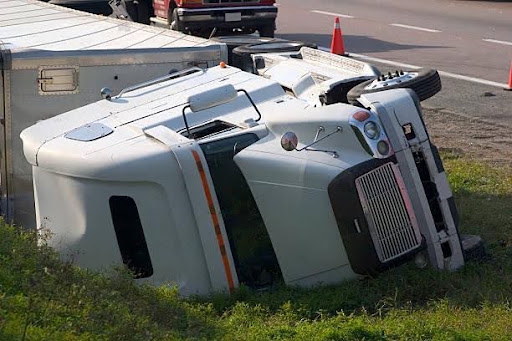
Proving negligence in a Salt Lake City truck accident generally requires showing that a person or company owed a duty of care, failed to meet that duty, and caused injuries or other losses as a result. Evidence such as driver records, photographs, witness statements, vehicle data, maintenance records, and accident reports can help establish what happened and who may be responsible.

Salt Lake City is Utah’s capital and a major transportation center in the Mountain West. The city connects residential and commercial areas with major highways that carry significant passenger and freight traffic. Trucks regularly travel through the region as part of interstate and local transportation networks, creating interactions between large commercial vehicles and smaller passenger cars. 

If you are dealing with a collision involving a commercial truck, a Salt Lake City attorney for truck accident lawsuits can help you understand what evidence may be relevant to establishing liability.

Establishing a Duty of Care

Truck drivers and trucking companies generally have responsibilities to operate and maintain vehicles safely. Drivers are expected to follow traffic laws and operate their vehicles with reasonable care.

Trucking companies may also have responsibilities involving driver qualifications, vehicle maintenance, cargo loading, and compliance with applicable safety requirements.

Identifying the specific duty involved depends on the circumstances of the accident.

Showing a Breach of Duty

The next step is determining whether the driver, trucking company, or another party failed to meet the applicable standard of care.

Examples might include distracted driving, excessive speed, unsafe lane changes, inadequate vehicle maintenance, improper cargo securement, or driving while fatigued.

A suspected violation should be supported by evidence rather than assumptions. Accident reports, witness statements, video footage, and vehicle data may help establish whether a safety obligation was breached.

Connecting the Negligence to the Crash

It is not enough to show that a driver or company made a mistake. The evidence generally must connect the alleged negligence to the accident and resulting injuries.

For example, if a truck driver was speeding but the available evidence shows that another unrelated event caused the collision, the speeding allegation may not establish causation.

Photos, traffic-camera footage, vehicle damage, accident reconstruction, and witness accounts can help establish how the collision occurred.

Documenting Injuries and Losses

Medical evidence is important when a truck accident causes injuries. Seek appropriate medical care and keep records of examinations, diagnostic testing, treatment, prescriptions, and rehabilitation.

You should also document financial consequences such as medical bills, lost wages, transportation expenses, and property damage. If an injury affects your ability to work in the future, additional evidence may be necessary to establish the potential impact.

Investigating the Truck and Driver

Commercial truck accidents may involve evidence that does not typically exist in ordinary passenger-vehicle crashes.

Depending on the circumstances, investigators may examine:

  • Driver qualification records
  • Hours-of-service information
  • Vehicle inspection records
  • Maintenance documents
  • Electronic vehicle data
  • Cargo and loading records
  • Company safety policies
  • Dashcam or surveillance footage

These records may help determine whether driver conduct, vehicle condition, company practices, or cargo issues contributed to the accident.

Considering Multiple Responsible Parties

Truck accident liability is not always limited to the person driving the vehicle. A trucking company may have responsibilities related to hiring, training, supervision, or maintenance.

Other parties may also potentially be involved, including cargo loaders, maintenance contractors, vehicle manufacturers, or other drivers.

A thorough investigation can help determine which parties may have contributed to the collision.

Understanding Utah’s Comparative Fault Rules

Utah follows a modified comparative fault system. Under Utah Code §78B-5-818, a person’s recovery may be reduced according to their percentage of fault, and a claimant whose responsibility is greater than 50% generally cannot recover damages.

This makes evidence about each party’s conduct particularly important. A clear record of the accident can help establish how responsibility should be evaluated.

Preserve Evidence After the Accident

Evidence can become harder to obtain as time passes. Surveillance footage may be overwritten, electronic records may have retention periods, and damaged vehicles may be repaired.

Preserve photographs, medical records, accident reports, insurance correspondence, and other relevant documentation. If a commercial vehicle is involved, identifying potentially important trucking records early may also be beneficial.

Key Takeaways

  • Negligence generally requires evidence of a duty, breach, causation, and resulting harm.
  • Truck driver and company records can provide important evidence.
  • Photos, witnesses, video, and vehicle data can help establish how the crash occurred.
  • Multiple parties may potentially share responsibility.
  • Medical and financial records help document damages.
  • Utah’s comparative fault rules can affect recovery.
  • Preserving evidence early can be important in a truck accident investigation.

From Application to Approval: Understanding the Disability Benefits Path

Applying for disability benefits can feel confusing because several government offices, medical professionals, forms, and deadlines may become part of the same case. The Social Security Administration (SSA) does not simply look at a diagnosis and decide whether someone qualifies. Instead, it evaluates medical evidence, work activity, functional limitations, past work, and the ability to perform other work. The process generally begins with an application through the SSA and moves to a state Disability Determination Services (DDS) agency for the medical determination. DDS develops evidence and makes the initial disability decision under SSA rules. Understanding that sequence matters because a claimant may receive requests for records, questionnaires, examinations, or additional information while the case is pending. A delay in responding to those requests can create avoidable problems.

The First Stage: Filing a Complete and Accurate Application

A disability claim can be filed online in many situations, and SSA also accepts applications by telephone or through a local Social Security office. SSA recommends applying as soon as a person becomes disabled rather than waiting until every piece of medical documentation has been collected. An application typically requires information about the claimant’s medical conditions, treatment providers, medications, tests, work history, education, and other personal circumstances. Medical records already available to the claimant can also be submitted.

A common mistake is focusing heavily on the name of the medical condition while giving less attention to functional limitations. For example, saying that someone has a spinal condition is less informative than explaining how the condition affects sitting, standing, walking, lifting, concentrating, or maintaining a regular work schedule. SSA specifically considers evidence about how an impairment affects work-related activities. Medical evidence is central to the disability determination, but SSA can also consider relevant nonmedical evidence when assessing functional limitations.

What Happens When Your Claim Reaches Disability Determination Services

After the initial application is processed for nonmedical eligibility requirements, the case is generally sent to a state DDS agency. DDS is responsible for developing medical evidence and making the initial determination of whether the claimant meets SSA’s disability standard. This stage is where the medical side of the claim receives detailed attention. DDS may contact doctors, hospitals, clinics, therapists, or other medical sources identified by the claimant.

If existing records do not provide enough information, DDS may arrange a consultative examination. A consultative examination is not automatically a sign that a claim will be denied. It is used when additional medical information is needed to make the determination. For a claimant, the practical lesson is simple: respond to requests promptly, attend scheduled examinations, and make sure SSA has current information about treatment and medical providers.

The Five Questions That Shape the Disability Decision

SSA uses a sequential evaluation process for adult disability claims. The assessment considers work activity, the severity of impairments, the listing of impairments, past relevant work, and the ability to perform other work.

The five stages can be understood this way:

  • Work activity: SSA considers whether the claimant is engaging in substantial gainful activity. For 2026, SSA lists $1,690 per month as the general SGA earnings guideline for non-blind individuals and $2,830 for individuals who are blind.
  • Severity: The impairment must significantly limit basic work-related activities and meet the applicable duration requirement.
  • Medical Listings: SSA compares the medical evidence with the criteria in its Listing of Impairments.
  • Past relevant work: If the claimant does not meet or equal a listing, SSA considers whether the person can still perform relevant past work.
  • Other work: If the claimant cannot perform past work, SSA considers whether the person can perform other work based on the limitations and vocational factors considered under its rules.

The five-step structure is important because failing to meet a specific medical listing does not necessarily end the claim. The evaluation can continue to the claimant’s residual functional capacity, past work, and potential ability to perform other work.

Why Medical Evidence Can Make or Break a Disability Claim

Medical evidence does more than establish that an illness or injury exists. It helps show its severity, duration, treatment history, symptoms, and effect on the claimant’s ability to function. SSA explains that objective medical evidence from an acceptable medical source is required to establish a medically determinable impairment. After that impairment is established, medical and nonmedical evidence can be considered when evaluating its severity and functional impact.

This distinction is important. A diagnosis by itself does not automatically establish entitlement to SSDI or SSI. The records need to provide enough information for SSA to understand what the condition means in practical work-related terms. For example, treatment notes may become more useful when they document measurable findings, treatment response, restrictions, recurring symptoms, functional limitations, and changes over time. The strength of a record often comes from consistency across different pieces of evidence rather than from one isolated medical statement.

How Long Does the Initial Decision Take?

There is no single timeline that applies to every disability claim. SSA states that an initial disability decision generally takes about six to eight months after an application is submitted, although the actual timeframe can vary depending on the medical condition, how quickly evidence is received, whether a consultative examination is needed, and other factors. 

That waiting period can be frustrating, especially when a claimant is already dealing with medical expenses and an inability to work. One practical step is monitoring the claim through a personal My Social Security account. SSA has also expanded online tools for disability cases. In July 2026, the agency announced expanded online document submission and claim-status tools covering disability claims, appeals, and hearings.

What to Do If the Initial Claim Is Denied

A denial is not necessarily the end of the case. SSA provides an appeals system that allows claimants to ask for another review of an unfavorable determination or decision. The appeals structure generally includes reconsideration, a hearing before an administrative law judge, Appeals Council review, and federal court review. This is where the Social Security disability claims process becomes particularly important to understand. An applicant who receives a denial should carefully read the notice, identify the reason for the decision, and protect the applicable appeal deadline rather than simply filing a new application without reviewing the prior case. 

For most disability appeals, SSA requires the request to be filed within 60 days after receipt of the decision notice, with SSA generally assuming the notice was received five days after its date. Exceptions may exist when there is good cause for a late filing. The evidence strategy may also change after an initial denial. New treatment, updated diagnostic testing, worsening symptoms, or clarification of functional limitations can become relevant if properly documented and submitted.

What Happens at the Administrative Law Judge Hearing

If reconsideration is unsuccessful, a claimant can request a hearing before an administrative law judge (ALJ). The hearing gives the claimant an opportunity to present the case at another stage of the administrative review process. The hearing is not simply a repeat of the original application. The record may contain additional medical evidence, updated treatment information, work history details, and testimony about functional limitations.

Claimants should take deadlines seriously at this stage. SSA’s hearing guidance states that evidence should generally be submitted or identified no later than five business days before the scheduled hearing, subject to applicable exceptions. Depending on the case, vocational evidence can also become important. Questions may focus on the physical and mental demands of past work and whether someone with the documented limitations could perform other occupations.

Reconsideration, Appeals Council, and Federal Court Review

A claimant who disagrees with a reconsideration determination may request an ALJ hearing. If the claimant disagrees with the ALJ’s decision, the next administrative level is review by the Appeals Council. If the Appeals Council denies the request for review or issues an unfavorable decision, a claimant may have the option of filing an action in federal district court.

Each level has its own rules and deadlines. That means an appeal should not be treated as a single form submitted once. The evidence, procedural history, medical developments, and reasons for the previous decision can all matter as the case progresses.

Common Problems That Slow Down Disability Claims

Many delays are connected to missing information rather than a single complicated medical issue. A claimant may have several treatment providers, move between healthcare systems, change medications, or receive treatment from specialists whose records are not immediately available. 

Keeping a personal record of appointments, providers, medications, tests, hospitalizations, and work limitations can make it easier to respond accurately when SSA requests information. Another issue is inconsistent information. If an application says a person can perform an activity regularly but medical records describe significant restrictions, SSA may need additional clarification. Accuracy is therefore more valuable than trying to make a condition sound better or worse than it actually is.

When Professional Representation May Help

A claimant does not have to hire an attorney simply to apply for SSDI or SSI. However, professional representation can be useful when a case involves multiple impairments, complicated work history, substantial medical records, an unfavorable determination, or an upcoming hearing. A representative can review the procedural history, identify evidence gaps, organize medical and vocational information, and help present the issues within SSA’s rules.

The important point is that representation does not replace evidence. A strong case still depends on accurate medical documentation and a clear explanation of how the impairments affect the claimant’s ability to function.

A Practical Roadmap for Claimants

The disability process becomes easier to understand when it is viewed as a sequence rather than one large application. Start by filing the claim as soon as appropriate. Provide accurate information about medical treatment and work history. Keep SSA informed when contact information or treatment circumstances change. Respond to requests from DDS. Attend any required consultative examination. Monitor the claim status.

If the claim is denied, read the decision carefully and protect the 60-day appeal period. Gather relevant updates and continue documenting treatment. If the case reaches a hearing, make sure the record is organized and that important evidence is submitted according to SSA requirements.

Conclusion

Social Security disability claims involve more than proving that a person has a medical diagnosis. The process examines medical evidence, functional limitations, work activity, past employment, and the ability to perform other work under SSA’s disability rules. Knowing what happens at each stage can help claimants avoid missed deadlines, respond more effectively to evidence requests, and understand what an unfavorable decision actually means. Most importantly, a disability application should be treated as an evidence-driven process. Clear medical documentation, accurate work information, timely responses, and careful attention to appeal rights can all affect how efficiently a claim moves through the system.

How Small Businesses Can Use Vehicles to Increase Brand Visibility

Photo by depositphotos at https://depositphotos.com/

Anyone who follows racing understands something about branding that most small business owners never think about. A stock car isn’t just a car. It’s a 200-mile-per-hour billboard, and the sponsors who pay to be on it aren’t buying speed. They’re buying eyeballs: the fans in the stands, the viewers at home, the replays, the photos, and the die-cast models on shelves years later. Every square inch of that livery has been thought about, because every square inch is worth something.

Now look at the plain white van parked outside the hardware store, or the unmarked pickup a contractor drives to six job sites a day. Same principle, zero execution. Small businesses already own vehicles that pass thousands of potential customers every week, and most of them are driving around in the branding equivalent of a blank sheet of paper. Here’s how to fix that, with a few lessons borrowed from the track.

The Audience Is Already Out There

The reason a vehicle works as a marketing tool is simple: people spend a lot of time on the road, looking at other vehicles. According to the U.S. Census Bureau, the mean one-way commute in 2024 was 27.2 minutes, up from 26.8 the year before, and 69.2 percent of workers drove alone to get there.

Nearly an hour a day, most of it alone in a car with nothing to look at but the traffic. A well-branded business vehicle in that traffic is, quite literally, the most interesting thing in view.

Lesson One: Turn Your Vehicle Into a Billboard

Race teams don’t put a small logo on a door and call it done. They design the whole car so the sponsor is recognizable at a glance from two hundred yards. Small businesses should think the same way. A name and phone number in vinyl letters is a start, but a full or partial wrap that uses color, shape, and a clear message across the whole vehicle is what makes people remember you.

A strong business vehicle design has:

  • One dominant brand color that’s recognizable before anyone reads a word
  • The business name and what you do in large, high-contrast type
  • A single call to action, usually a short web address or phone number
  • Design that reads from the side, the rear, and at an angle in motion
  • Enough empty space that the message isn’t lost in clutter

If someone can’t tell what you do in three seconds at a red light, the design needs simplifying.

Lesson Two: Consistency Is the Brand

A racing team runs the same livery on every car, every transporter, and every crew shirt, and that repetition is what makes it instantly recognizable. For a small business, consistency means the vehicle matches the website, the signage, the uniforms, and the business cards. 

When someone sees the van, then searches your name and lands on a site with the same colors and logo, the recognition compounds. Two or three vehicles in identical wraps make a business look larger and more established than it may be, which is a real advantage when customers are choosing between you and a competitor they’ve never seen.

Lesson Three: Execution Matters as Much as Design

A livery that peels, fades, or bubbles halfway through the season would be an embarrassment on the track, and it’s no different on the street. The material and the installer determine whether a wrap looks sharp for five years or six months. This is where choosing the right partner pays off.

Shops that specialize in business vehicle wraps understand the specific demands of commercial work: color matching across a fleet, vinyl that withstands daily washing and sun, and layouts that account for door seams, handles, and windows without breaking up the message. Roadrunner Wraps works with small businesses through the whole process, from deciding between a full wrap, a partial wrap, or lettering based on budget and vehicle, to design refinement and installation, and its team will tell an owner when a design won’t read well on the road before it’s printed. 

That kind of guidance is especially valuable for a first-time buyer who doesn’t yet know what questions to ask. Quality installation is the difference between a rolling advertisement and a rolling reminder that corners were cut.

Lesson Four: Put the Car Where the Fans Are

Race teams show their cars at fan events, autograph sessions, and sponsor displays because visibility isn’t only about laps. Small businesses can do the same:

  • Park the vehicle where it’s seen, at busy intersections and near job sites rather than tucked behind the building
  • Bring it to community events, farmers markets, and local sponsorships
  • Use it as a backdrop for social media content and team photos
  • Position it prominently when working at a customer’s home so the whole street sees it
  • Keep it clean; a dirty wrap sends the opposite of the intended message

The vehicle is a marketing asset. Treat it like one.

Lesson Five: Track the Results

Sponsors measure what they get from a livery. Small businesses can measure what they get from a wrap:

  • Use a dedicated phone number or a short, unique web address that appears only on the vehicle
  • Ask every new customer how they heard about you and record the answers
  • Watch for the moment people start saying, “I see your truck everywhere.”
  • Compare leads before and after the wrap goes on

The numbers usually make the case for wrapping the second vehicle.

Beyond the Wrap

A wrapped vehicle works harder when the rest of the operation backs it up:

  • Drivers who are courteous on the road, because the brand is now visible in every lane change
  • A website that loads fast on a phone, since most people who see the van will look you up while stopped
  • A consistent presence on local review sites so the search after the sighting confirms the impression
  • Branded magnets or decals for personal vehicles used occasionally for work

When every part of your operation reinforces the same professional image, your wrapped vehicle becomes more than advertising—it becomes a trusted first impression.

Conclusion

Small businesses can increase brand visibility with the vehicles they already own by thinking the way racing teams do: design the whole vehicle as a livery rather than a label, keep the branding consistent across everything the customer sees, insist on materials and installation that last, put the vehicle where people will notice it, and measure what comes back. 

With commuters spending nearly an hour a day on the road and most of them driving alone with nothing to look at but the traffic, a well-wrapped work vehicle is one of the few marketing assets that reaches the right audience, in the right place, every single day, for a one-time cost. The plain white van isn’t saving anyone money. It’s just a sponsorship nobody bothered to sell.

The History and Appeal of Collecting Antique License Plates

Photo by depositphotos at https://depositphotos.com/

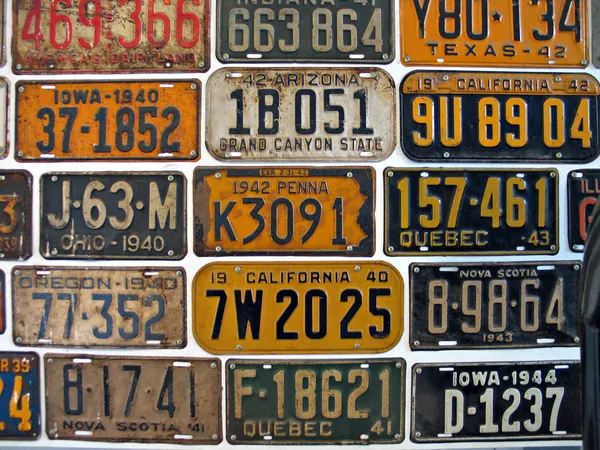
Few collectibles combine history, industrial design, and everyday familiarity the way old vehicle registration plates do. The hobby has an obvious entry point, too: a complete run of 50-state license plates, one from every state, is the collection most people picture when they imagine collecting plates at all. What began as a bureaucratic requirement became, over roughly a century, a visual record of how each state chose to present itself. A plate is a dated, located, government-issued artifact that fits on a shelf. For collectors, that combination is hard to beat.

Antique plates are also unusually approachable. Most are small, flat, easy to store, and widely available across states, decades, materials, and designs. Each one carries a fixed point in time and place, which makes building a collection around almost any theme possible.

How License Plates Became Collectibles

Registration began before the plates themselves did. In 1901, New York became the first US state to require automobile registration and a visible identifying mark. Owners had to display their initials on the rear of the vehicle in letters at least three inches high, and they were left to work out how. Some painted the initials straight onto the car. Others mounted characters on homemade backing made of leather, metal, or wood. Because every motorist supplied his own, no two looked quite alike.

Massachusetts changed that in 1903 by becoming the first state to manufacture and issue plates directly to drivers, starting with plate number 1. New York began assigning registration numbers that same year but did not issue state-made plates until 1910. Other states followed through the following decade, and government-issued plates became standard.

That early period is the reason so much variety exists. There was no national standard for dimensions, mounting holes, colors, or numbering systems, so each state solved the problem its own way. Some cities and municipalities issued their own plates and tags alongside the state, which adds another layer of variety and some genuine confusion for anyone trying to identify an early example today.

What Makes an Antique License Plate Valuable?

Collector interest in a given plate is rarely driven by one factor. Age, rarity, condition, jurisdiction, plate type, serial number, and simple demand all pull in different directions, and a plate can be scarce without being sought after.

Age and Historical Period

Age matters, but it does not determine value on its own. A 1910s plate from a heavily populated state can be easier to find than a 1950s plate from a small jurisdiction or an unusual vehicle class. What age does reliably indicate is survival rate. Early plates were issued in far smaller numbers, were often discarded when registration changed, and were made from materials that did not age gracefully. Fewer survived, which is why they tend to attract attention.

Rarity and Availability

Scarcity is usually a question of how many were made and how many lasted. Passenger plates from large states were produced in enormous quantities. Plates from smaller jurisdictions, short-lived series, specialty categories, or single-year designs were not. Weight classes, commercial and trailer plates, dealer and official issues, and county-coded variants all create pockets of genuine rarity inside otherwise common years.

Condition

Collectors look at rust, paint loss, dents, fading, bends, and overall structural integrity. How much condition matters depends entirely on what the collection is for. Someone assembling a display wall has different standards than someone completing a year-by-year run of a single state.

One point is worth stating plainly, because it trips up new buyers: condition has nothing to do with authenticity. Wear does not prove a plate is real, and a plate in excellent shape is not suspect for that reason. Plenty of genuine old plates survive in remarkable condition, including unused examples that were never mounted. Meanwhile, newly made decorative signs are routinely distressed on purpose to look old. Rust is an aesthetic, not a credential. Judge authenticity on construction, materials, dimensions, fonts, and manufacturing method instead.

The Design Evolution of License Plates

Watching the design change across a century is one of the real pleasures of the hobby, and the manufacturing method usually gives away the era before the date does.

Many early state-issued plates were porcelain, meaning baked vitreous enamel applied over a metal base. The result was glossy, sharply defined, and richly colored. It was also fragile in a specific way: a chip exposed the metal underneath, and rust then spread beneath the enamel. That vulnerability is exactly why clean, intact porcelain plates from the 1900s and 1910s are scarce today.

By the 1920s, stamped metal had taken over. Presses and dies embossed letters, numbers, borders, state names, and dates into steel, with aluminum becoming more common in later decades. The raised characters were roll-painted in a contrasting color. This method stayed dominant into the 1980s, which is why the embossed era offers the widest range of affordable, recognizable, state-to-state variety.

The Second World War interrupted the pattern. Between 1942 and 1945, steel and aluminum were needed elsewhere, so agencies stopped issuing full new sets every year. Many states extended existing plates with small bolt-on metal date tabs or windshield stickers. Illinois and Montana went further and issued plates made from fiberboard described at the time as soybean-based. Contemporary newspaper reports claimed that dogs and turkeys chewed them, and another warned that hogs were drawn to them. Wartime tabs and substitute materials now form a small and distinctive corner of the hobby.

Standardization arrived in 1956, when the American Association of Motor Vehicle Administrators worked with the automobile industry to establish a uniform passenger plate size of six by twelve inches with fixed mounting hole placement. The United States and the Canadian provinces adopted it quickly, and it remains the North American standard. This is why most plates made from the late 1950s onward fit modern brackets while earlier ones may be taller, narrower, or drilled differently.

Reflectivity came earlier than most people assume. Georgia issued what is generally recognized as the country’s first reflectorized passenger plate in 1941, and reflective materials spread widely through the 1950s and after. From there, states increasingly treated plates as small billboards for regional identity, carrying slogans, landmarks, wildlife, universities, and causes. Detailed full-background graphics became widespread in the 1980s and 1990s as printing technology improved. More recently, many jurisdictions moved away from embossing entirely in favor of flat plates with printed serials on reflective aluminum sheeting, largely because flat plates are cheaper to produce.

Collecting by State

Collecting one plate from every state is the most common starting structure in the hobby, and it works because each state solved the same problem differently. Placing fifty designs side by side turns abstract regional character into something you can see: the color choices, the typography, the slogans, the way a state chose to describe itself.

Completing a full geographic run takes time, and not everyone wants to hunt state by state for years. Some collectors start from a complete set and then upgrade individual states over time, swapping in better examples or earlier issues as they turn up. Others treat the assembled set as the finished piece and hang it as a single display.

A state-based collection also rewards reading. A plate becomes a small physical anchor for a specific place in a specific year, and the registration system behind it usually has a story attached.

Collecting by Decade

A decade-based collection makes the manufacturing history legible. Set a 1930s plate beside a 1950s plate beside a 1990s plate and the changes in embossing depth, paint, metal gauge, serial format, and reflectivity are immediately obvious.

This approach also pairs naturally with other automotive material from the same years. Period photographs, dealer brochures, advertising, service signage, and registration paperwork all sit comfortably alongside plates from the same decade, and together they make a more complete picture than any of them alone.

The Nostalgic Appeal of Old Plates

Plenty of collectors come to the hobby through feeling rather than research. A plate can point straight back to a grandparent’s car, a childhood road trip, or a stretch of highway that no longer exists in the same form.

Even without a personal connection, the visual pull is real. Faded paint, worn embossing, and typography that no highway department would approve today all read instantly as another era. A plate works as both a documentary object and a piece of graphic design, which is a rare combination in any collectible category.

License Plates as Decorative Pieces

Plates are not confined to collector shelves. They hang well in garages, workshops, offices, restaurants, bars, and anywhere with an automotive theme, and a group of them arranged with some intent will carry a wall on its own.

Some people group by color, some by state, some by decade. Others build a run along a single shelf or frame a small set. Because plates are uniform in size and flat, they are far easier to display in quantity than most automotive memorabilia, and they can be mounted and taken down without much fuss.

Building a Meaningful Collection

A collection does not need to start large. It needs a direction, because direction is what turns accumulation into a collection. Common starting themes include:

  • One state, collected year by year
  • One decade across many states
  • A single plate type, such as motorcycle, trailer, commercial, or dealer
  • Early issues from the porcelain and pre-standardization eras
  • Plates carrying slogans or state graphics
  • County-coded or prefix-coded issues
  • Plates matching the years of a classic car already owned

A theme makes the search easier and the result more interesting. It also gives you a reason to say no to a plate, which matters more than it sounds.

Research Is Part of the Hobby

Most of the depth in this hobby comes from reading rather than buying. Figuring out when a plate was produced, how that state’s registration system worked at the time, what the serial format encoded, and how many were issued turns a piece of painted metal into a document.

Older plates often hide extra meaning in the serial itself. A number of states once used a prefix to indicate the county of registration, frequently assigned by the county’s rank in population, so a leading character can place a plate geographically as well as chronologically. Others encoded vehicle type or weight class. Most of these systems have disappeared from modern plates, which makes them a genuinely satisfying puzzle on vintage ones.

Careful examination before buying is part of the same discipline. Compare a questionable plate against documented examples from the same jurisdiction and year, and read listings closely. Words like replica and reproduction mean what they say.

Why the Hobby Continues to Attract Collectors

The durable appeal is the combination of accessibility and genuine historical weight. Unlike most antiques of comparable significance, plates are small, standardized in size for the last several decades, easy to store, and tied directly to ordinary life.

They also document a specific transformation. Across the span these plates cover, the automobile went from a novelty requiring hand-painted initials to an assumed feature of daily life, and the plates track that shift through materials, manufacturing, and the messages states chose to print on them. Every plate touches transportation, government administration, industrial production, and regional identity at once.

Preserving a Piece of Automotive History

Antique license plates were made for an entirely practical purpose and outlived it. What survives is a dated, located record of technology, design, and administration that happens to look good on a wall.

Whether a collection is built around a state, a decade, a plate type, or nothing more structured than personal taste, the hobby offers a steady supply of things to find out. With some research and a bit of selectivity, a group of old plates stops being a pile of metal and turns into a legible record of how Americans got around, and how each state chose to sign its name to the fact.

Vermeulen ends a 12-year wait for a home win at Zandvoort

Photo by depositphotos at https://depositphotos.com/

Thierry Vermeulen and Britain’s Ben Green won the second race of the GT World Challenge Europe Sprint Cup round at Zandvoort on 20 September, in Emil Frey Racing’s No. 69 Ferrari 296 GT3 EVO, and by the flag they had 3.7 seconds in hand, which in a sprint race counts as a proper margin. That had been a long time coming for Dutch fans. According to the series, the last home driver to win a race outright at Zandvoort was Jeroen Bleekemolen back in 2014, who took a wet qualifying race with Harry Proczyk in a Lamborghini on a weekend when the main event, for the record, went to Enzo Ide and René Rast.

The restart settled it

Green started third and got past Louis Prette’s No. 58 McLaren almost immediately. A Full Course Yellow came out a little after the ten-minute mark, the No. 89 Porsche having gone off, and Green used the restart to sweep past the leading No. 14 Ferrari of Konsta Lappalainen. Vermeulen took over at the stop and held first place to the flag. There was one Safety Car period as well, for what it is worth.

Thirty-six laps took the crews 1:00:44.793. It stayed dry. Air temperature at the start was 17.4C, mild for the coast in late September, and the track a good deal warmer at 28.3C.

Who finished behind

Bastian Buus and Ricardo Feller were second in the No. 80 Lionspeed GP Porsche, and Matteo Cairoli and Lappalainen took third, 5.264 seconds back. Nine-time motorcycle world champion Valentino Rossi shared fourth with Max Hesse in Team WRT’s No. 46 BMW, just ahead of Thomas Neubauer and Arthur Leclerc in AF Corse’s No. 50 Ferrari.

Race one on 19 September had gone to Tom Fleming and Prette in Garage 59’s No. 58 McLaren, with Vermeulen and Green third, 5.893 seconds adrift, so, looking back, the weekend was already shaping up nicely for them. More than 26,000 people came through the gates, what the series itself called a superb crowd. In the Netherlands Ziggo Sport 3 had the races, and anyone elsewhere could catch the official stream on YouTube.

What keeps the series going

Motorsport at every level runs on sponsorship money, with each series keeping its own set of partners. For GT World Challenge that means global sponsor AWS, the circuit carries the name of partner MASCOT, and Zandvoort’s main partners include Shell, Heineken and Red Bull. In Formula 1 the list also takes in the official betting operators Betway and FanDuel. Spinchester Casino works with the same customers as they do, with full information and its catalogue at https://spinchesterslots.casino/ covering slots, roulette and live dealer tables. On the track at Zandvoort that weekend, it all came down to 3.7 seconds.

Close to the Verstappens

Vermeulen is 24. Born on 29 July 2002, he lives in Monaco. His father, Raymond Vermeulen, is Max Verstappen’s manager, and Jos Verstappen, according to Thierry’s official biography, was his coach as well as a friend of the family. He has been part of the Verstappen Racing program since 2022.

By motorsport standards, he came to it late. His first GT4 tests did not come until 2020, and what followed was a fairly brisk climb through the Porsche Carrera Cup and ADAC GT Masters to DTM and GT World Challenge with Emil Frey Racing from 2023. Zandvoort, remarkably enough, is his first outright win in the series.

The Mercedes-AMG Team Verstappen Racing car is in the title fight too. Max founded the Verstappen Racing project. Britain’s 2 Seas Motorsport enters and runs the car, which Dani Juncadella and Chris Lulham share in the Sprint Cup.

Barcelona decides

Buus and Feller lead on 59 points. Juncadella and the Leclerc and Neubauer crew are six behind, and Vermeulen and Green sit sixth on 40, which leaves them 19 adrift. Eight crews can still take the title in theory. It all ends at Barcelona on 2-4 October.