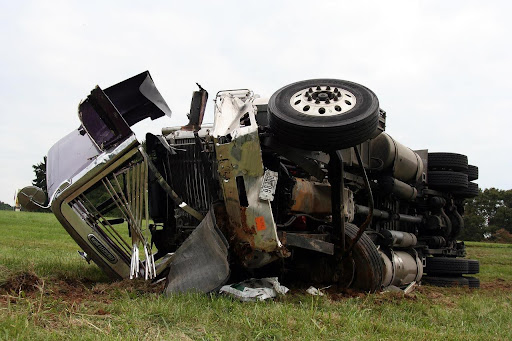
Fleet safety stands as one of the most pressing responsibilities for transportation companies and logistics managers. Every vehicle on the road represents a source of potential risk. Prioritizing safety protects lives, reduces costs linked to accidents, and enhances a company’s reputation for reliability. From driver education to vehicle maintenance, a combination of proactive strategies and technology-driven solutions can make a major difference in how fleets operate on the road.
Comprehensive Driver Training and Evaluation
Driver performance remains the foundation of fleet safety. Regular training programs keep drivers up to date with road regulations, defensive driving techniques, and the best practices for handling long hours or difficult conditions. Many companies are now introducing advanced simulation-based courses that mimic real-world traffic challenges to help drivers react quickly and responsibly.
Periodic evaluations can identify areas that need improvement and reduce the likelihood of risky driving behaviors such as speeding or fatigue. Encouraging feedback and providing ongoing support strengthens driver accountability, creating a culture that values safety over speed or delivery deadlines. Consistent investment in driver education helps reduce turnover and promotes long-term professional growth within the fleet.
Clear Safety Policies and Communication Protocols
Safety policies should be clearly defined, consistently applied, and communicated across every level of the organization. Written protocols about accident reporting, emergency response, and vehicle use guidelines help create structure and accountability, and having an experienced auto accident claim lawyer available for consultation can make post-accident procedures more efficient and less stressful for everyone involved. Regular meetings or digital updates keep drivers informed about new regulations and best practices.
Two-way communication is valuable, as drivers should feel comfortable reporting hazards, equipment issues, or unsafe conditions without fear of penalty. Transparent communication fosters trust, reinforces accountability, and helps establish a stronger culture of safety across the entire fleet.
Routine Vehicle Maintenance and Inspections
A well-maintained vehicle is less likely to experience breakdowns or cause accidents. Fleet operators should establish strict maintenance schedules that include brake checks, tire inspections, oil changes, and lighting system reviews. Keeping detailed maintenance logs helps ensure compliance with industry regulations and provides documentation during audits or insurance claims.
Preventive maintenance extends the lifespan of each vehicle and ensures optimal performance on long routes. When drivers feel confident that their vehicles are reliable, they can focus more effectively on road conditions rather than mechanical worries. Regular inspections strengthen safety accountability by reducing the chances of unexpected failures during demanding travel schedules.
To further enhance operational efficiency, fleet managers may consider investing in specialized equipment that supports various waste management tasks. In particular, automated and manual side loaders are invaluable tools in streamlining refuse collection, especially in urban areas with tight spaces. These systems improve safety by reducing manual handling and promoting better ergonomics for drivers during daily operations.
Implementation of Advanced Safety Technologies
Modern fleet management now relies heavily on technology to improve safety outcomes. Features such as collision-avoidance systems, lane-departure alerts, adaptive cruise control, and blind-spot monitoring have become standard in many commercial vehicles. GPS tracking and telematics tools can record driving patterns, detect speeding, and alert managers to unsafe practices.
Many operators use dashboard cameras to improve accountability and accurately review incidents. By integrating these technologies, companies can reduce human error and gather valuable data to support smarter decision-making for fleet operations. These innovations reassure clients and employees that safety remains a top priority for the company.
Focus on Driver Health and Fatigue Management
A healthy, well-rested driver is important for maintaining alertness and quick reflexes on the road. Long hours, tight delivery windows, and irregular sleep patterns can cause fatigue, a major contributor to highway accidents. Fleet managers can address this by setting realistic schedules, enforcing rest periods, and promoting a healthy work-life balance.
Access to wellness programs or health screenings helps drivers manage issues like high blood pressure or sleep disorders. Encouraging hydration, balanced nutrition, and regular exercise further supports driver well-being. A driver who feels supported is far less likely to take unnecessary risks or push beyond safe limits.
Data Monitoring and Performance Analytics
Analyzing performance data helps fleet operators identify patterns that might otherwise go unnoticed. Telematics systems collect information on speed, braking, acceleration, and route efficiency. By reviewing this data regularly, managers can detect recurring issues, such as excessive idling or route deviations, and take corrective action.
Setting measurable goals tied to safety metrics motivates drivers to maintain high standards. Transparent communication about data findings fosters trust and encourages a team-based approach to problem-solving. Data-driven insights lead to measurable improvements in safety records and operational efficiency.

For fleet operators, safety is a strategic commitment that influences every aspect of business performance. Through comprehensive training, reliable maintenance, modern technology, and an emphasis on health and communication, companies can create road systems where every journey is predictable and secure. Investing in these measures protects assets and people, and demonstrates professionalism and responsibility in an industry that keeps the world moving.