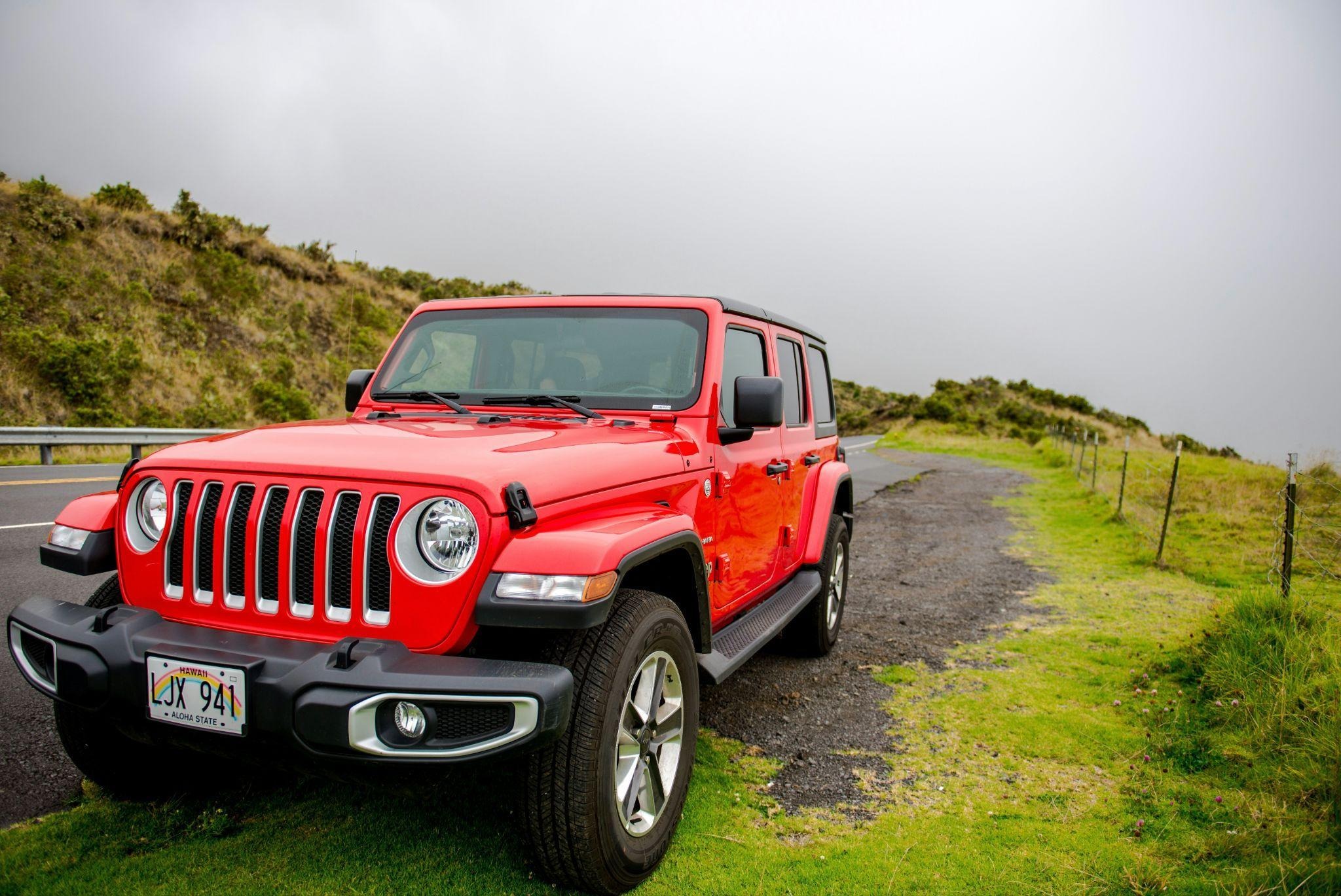
Taking a Jeep off-road is one of the best ways to experience what these vehicles were built to do. Rocky trails, muddy paths, sandy washes, and wooded routes all challenge both the driver and the machine in rewarding ways. However, the adventure does not end when the tires return to pavement. Every trail leaves behind dirt, debris, moisture, and wear that can gradually affect performance if left unchecked.
A consistent post-trail maintenance routine helps prevent small issues from becoming expensive repairs. It also keeps a Jeep ready for the next outing while preserving the reliability that owners expect from a capable off-road vehicle. Whether the trip involved a few hours on local trails or an extended weekend exploring remote terrain, dedicating some time to inspection and maintenance is an essential part of responsible Jeep ownership.
Start With a Thorough Exterior Inspection
The first step after any trail ride is a careful walk around the vehicle. Mud and dust often conceal scratches, dents, or loose hardware that may have occurred during the drive. Looking closely before washing the Jeep makes it easier to identify fresh damage and determine whether anything requires immediate attention.
Particular attention should be paid to vulnerable body panels, wheel wells, and protective accessories. Off-road obstacles frequently throw rocks against the sides of the vehicle, while thick brush can leave marks along the doors and fenders. Owners who regularly encounter challenging terrain often choose durable upgrades from a dedicated jeep fenders online store because reinforced fenders are designed to better withstand trail debris while also providing additional tire clearance for modified builds.
Once the inspection is complete, tightening any visibly loose bolts or fasteners before the next drive helps prevent minor issues from becoming larger problems.
Wash Away More Than Just Dirt
Cleaning an off-road vehicle involves much more than improving its appearance. Mud can trap moisture against metal components, accelerating corrosion over time. Sand may work its way into moving parts, while dried clay can hide cracks or damaged suspension pieces.
A thorough rinse should begin underneath the Jeep. The skid plates, frame rails, suspension arms, axles, and differential housings often collect the greatest amount of debris. Removing these deposits allows components to cool properly, reduces unnecessary weight, and makes future inspections much easier.
High-pressure washing equipment can significantly speed up this process, especially after particularly muddy outings. Professional-grade systems from Hotsy South Texas are commonly used for cleaning heavy equipment, trucks, and utility vehicles because they deliver the pressure needed to remove stubborn dirt from hard-to-reach areas without relying solely on manual scrubbing.
After washing, allowing the vehicle to dry thoroughly before storing it helps reduce the chance of trapped moisture causing rust in hidden areas.
Inspect the Suspension and Steering Components
Off-road terrain constantly challenges suspension geometry. Large rocks, uneven ruts, and repeated articulation place substantial stress on control arms, ball joints, bushings, and steering linkages.
Once the vehicle is clean, inspecting these components becomes much easier. Look for torn rubber boots, leaking shocks, bent brackets, or signs that hardware has shifted during the trip. Even a small amount of unexpected movement can indicate a part that deserves closer attention.
Drivers should also pay attention to steering feel during the drive home. New vibrations, wandering at highway speeds, or unusual noises while turning may point to alignment changes or suspension wear that developed on the trail.
Catching these problems early often prevents uneven tire wear and avoids placing additional stress on related components.
Check Tires, Wheels, and Brakes
Tires are among the hardest-working parts of any off-road vehicle. They absorb impacts, maintain traction across unpredictable surfaces, and protect the wheels from direct contact with obstacles.
After returning home, each tire should be inspected for cuts, punctures, embedded rocks, or sidewall damage. Air pressure should also be adjusted back to normal road specifications if lower pressures were used during the trail ride. Driving long distances on trail pressures can reduce fuel efficiency and negatively affect handling.
Wheel lug nuts deserve a quick torque check as well, particularly after aggressive terrain. Impacts against rocks can occasionally loosen hardware, especially on vehicles fitted with aftermarket wheels.
Brakes also benefit from a close inspection. Mud, fine gravel, and sand may collect around brake components, sometimes producing unusual noises until everything is cleaned. Removing trapped debris helps maintain consistent braking performance and reduces unnecessary wear on pads and rotors.
Don’t Forget Fluids, Recovery Gear, and Interior Care
Mechanical inspections are only part of a complete maintenance routine. Off-road driving often exposes the vehicle to conditions that make fluid checks even more important.
Engine oil, coolant, brake fluid, power steering fluid, and differential lubricants should all remain at appropriate levels. If the Jeep has crossed deep water, inspecting differential and transfer case fluids for signs of contamination is especially worthwhile. Milky fluid may indicate water intrusion and should be addressed promptly.
Recovery equipment deserves attention as well. Winch cables should be rewound neatly after use, recovery straps should be cleaned and dried before storage, and shackles should be checked for visible damage. Organizing this equipment immediately after the trip ensures everything is ready when it is needed again.
The interior often collects as much debris as the exterior. Dirt carried in on boots gradually works into carpets and seat fabric, while dust can settle throughout the cabin. Vacuuming the interior, wiping down surfaces, and removing moisture from floor mats helps preserve both comfort and resale value.
Regular maintenance extends beyond protecting the Jeep itself. Developing a consistent inspection routine also helps drivers become more familiar with their vehicles, making it easier to recognize subtle changes before they become significant mechanical issues. Over time, these simple habits contribute to safer adventures, fewer unexpected repairs, and greater confidence every time the next trail begins.