Success in motorsport is often associated with speed, cutting-edge technology, and world-class talent. Behind every podium finish, however, is a constant balancing act between competitive ambition and financial discipline. Whether competing in Formula racing, endurance championships, touring cars, rallying, or grassroots series, teams must decide where every dollar will have the greatest impact.
A larger budget can certainly provide advantages, but unlimited spending rarely guarantees consistent results. The strongest organizations understand that every investment must improve reliability, efficiency, or performance while supporting long-term sustainability. They build systems that allow them to compete effectively without exhausting resources halfway through the season.
The difference between successful and struggling teams is often found not in how much they spend, but in how intelligently they allocate their budget.
Prioritizing Investments That Produce Competitive Gains
Every motorsport season presents countless opportunities to spend money. New aerodynamic components, upgraded suspension parts, simulation software, testing sessions, data analysis tools, and additional personnel all promise performance improvements. Yet teams rarely have the resources to pursue every upgrade simultaneously.
Successful managers evaluate each expenditure according to its expected return. They ask whether an investment will genuinely improve lap times, increase reliability, reduce operating costs, or strengthen future development rather than simply adding another expensive component.
The same principle applies when individuals manage financial opportunities. Resources discussing Vector Vest explain that active trading strategies can involve tax considerations that influence overall returns, meaning decisions should account for more than immediate gains. Likewise, motorsport teams recognize that today’s spending decision can create financial consequences long after a single race weekend has ended. Understanding the broader cost of each investment leads to more sustainable performance.
Instead of chasing every available upgrade, experienced teams identify the changes that deliver measurable improvements while fitting within the season’s broader development strategy.
Managing Operating Costs Throughout the Season
Race weekends involve far more than the car itself. Transportation, fuel, accommodation, tires, spare parts, engine maintenance, workshop operations, insurance, and logistics all consume significant portions of the annual budget.
These recurring expenses often determine whether a team can continue developing throughout the season. Overspending early may leave insufficient resources for repairs or upgrades when competition becomes more intense later in the year.
Careful planning begins months before the opening race. Teams negotiate supplier agreements, estimate replacement part requirements, organize transportation efficiently, and build contingency funds for unexpected mechanical failures or accident damage.
Monitoring these expenses continuously helps managers identify trends before they become serious financial problems. Small savings across multiple operational areas can eventually fund meaningful technical improvements later in the championship.
Building a Reliable Car Before Chasing Maximum Speed
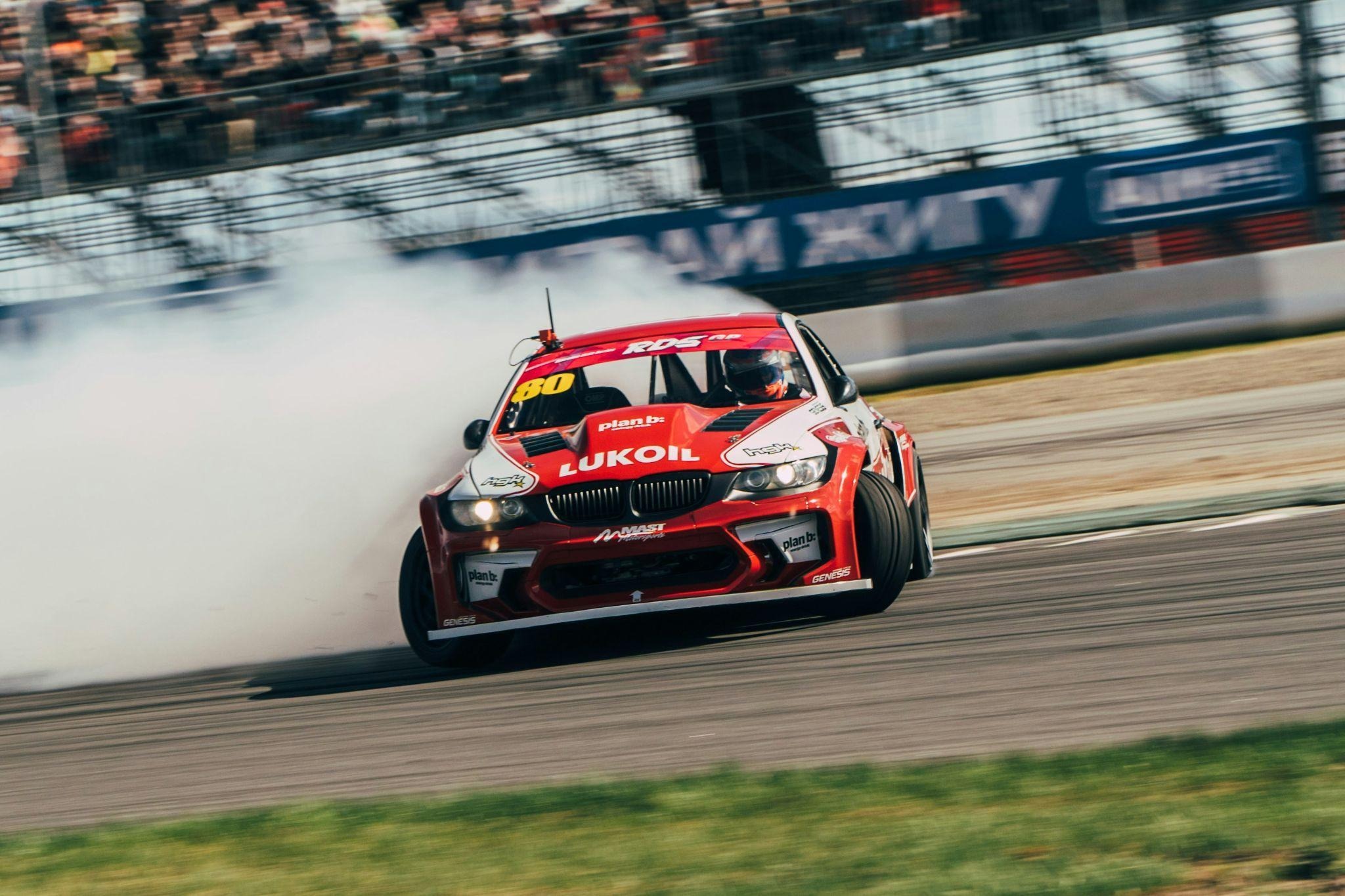
Raw speed attracts attention, but reliability wins championships. A slightly slower car that consistently finishes races often earns more points than a faster machine suffering repeated mechanical failures.
Budget-conscious teams frequently invest first in durability rather than headline performance figures. Strong quality control, preventative maintenance, and careful component testing reduce the likelihood of expensive failures that require emergency replacements.
Reliability also protects other investments. A driver cannot benefit from aerodynamic improvements or engine upgrades if mechanical breakdowns prevent the car from finishing races.
Engineering departments therefore evaluate every modification according to both potential performance gains and long-term durability. Sometimes delaying a major upgrade until sufficient testing has been completed proves less expensive than introducing an unreliable component too early.
This disciplined approach allows development to continue steadily instead of repeatedly recovering from avoidable failures.
Developing People Alongside Technology
Modern motorsport depends on highly skilled people as much as advanced equipment. Engineers, mechanics, strategists, data analysts, drivers, and pit crews all influence race results.
Investing in staff development often produces long-term returns that exceed individual hardware purchases. Improved communication, faster pit stops, better race strategy, and more effective problem-solving can generate competitive advantages without dramatically increasing equipment costs.
Simulation training, technical education, and post-race performance reviews help entire organizations improve continuously. Teams that encourage collaboration between departments also identify operational efficiencies that isolated groups might overlook.
Driver development deserves similar attention. Young drivers who understand tire management, racecraft, data interpretation, and technical feedback frequently maximize available equipment more effectively than relying solely on aggressive driving.
Building experienced personnel reduces costly mistakes while strengthening the team’s ability to respond quickly as competitive conditions change throughout the season.
Planning Beyond a Single Championship
Motorsport success rarely comes from focusing exclusively on the next race. Organizations that remain competitive across multiple seasons establish financial and technical plans extending well beyond the current championship.
Long-term planning includes equipment replacement schedules, sponsor relationships, youth driver programs, infrastructure improvements, and research projects that may not deliver immediate competitive benefits.
Sponsorship plays a particularly important role. Maintaining strong partnerships requires consistent professionalism, transparent communication, and measurable value for commercial partners. Reliable sponsor support provides greater financial stability than depending on uncertain short-term funding.
Teams must also recognize when immediate performance should give way to future sustainability. Sacrificing every available resource for one championship campaign can leave an organization struggling to remain competitive afterward.
The most successful motorsport operations understand that championships are built through thousands of disciplined financial and technical decisions rather than one dramatic investment. By balancing performance ambitions with responsible budgeting, they create organizations capable of competing successfully year after year.