Bed bugs can quickly turn a normal night into a frustrating experience. You may find yourself doubting the amount of cleaning you do because of small bites, stains on bedding, and seeing the same thing more than once. Worse, these pests can hide in mattresses, bed frames, couches, cracks, and other hard-to-reach areas, making them difficult to remove completely.
The appropriate treatment varies depending on the infestation size and location of bed bugs hiding. There are those that deal with the elimination of visible pests and others that deal with hidden insects and reduce the likelihood of the problem reoccurring. Professional treatment can also be combined with other approaches to provide better coverage.
Several treatment methods can help control bed bugs, depending on the severity of the infestation and where the pests are hiding. The following are five possible alternatives.
1. Professional Chemical Treatments for Targeted Bed Bug Control
Bed bugs can be treated professionally to eliminate them in the places where they are likely to be. Before applying treatment, technicians may examine bedrooms, living rooms, furniture, bed frames, couches, cracks and surrounding areas. This check assists in determining where the products are to be applied as opposed to spraying the entire house without a clear plan.
Various products may have different uses. Liquid treatments may provide both short-term and longer-term control, while dry products can be applied to cracks and crevices where bed bugs may hide.
The local conditions may also influence the approach to bed bug treatment. As an example, Littleton homes might need bedrooms, living rooms, and furniture to be carefully inspected prior to the start of treatment. In case you require local support, an exterminator in Littleton can visit such places and see which treatment strategy is suitable for the infestation.
2. Heat Treatments for Elimination Across Infested Areas
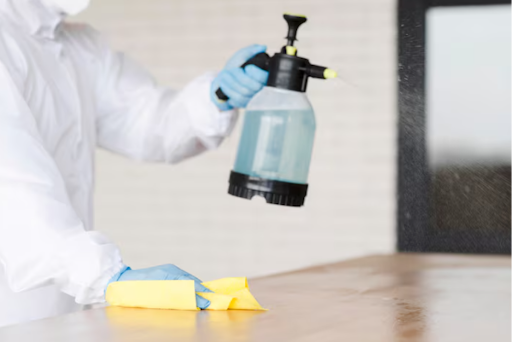
Heat treatment uses elevated temperatures to target bed bugs throughout an affected space. This approach can be useful because bed bugs may hide in places that are difficult to reach with surface applications.
The process requires controlled temperature levels and careful monitoring. Professional technicians typically assess the space first and determine whether heat treatment is suitable for the property. Items and areas that could be damaged by high temperatures may also need special attention.
One advantage of heat is its ability to reach areas around furniture, bedding, and other spaces where bed bugs may be present. However, proper preparation is important. If certain areas remain untreated or bed bugs are introduced again later, another infestation can develop.
3. Steam Treatments for Bed Bug Removal in Hidden Areas
Steam treatment provides another option for targeting bed bugs in specific locations. High-temperature steam can be directed toward seams, cracks, mattress edges, furniture joints, and other potential hiding spots.
This method can be especially useful when treating areas that need close attention. However, steam does not automatically solve every infestation. Bed bugs can hide deep inside furniture or other inaccessible areas, so treatment must be applied carefully and systematically.
For that reason, steam is often more useful as part of a broader treatment strategy. You can also combine professional treatment with careful inspection and preparation. Washing and drying suitable fabrics, reducing clutter, and following post-treatment instructions can help support the overall process.
4. Vacuuming And Physical Removal for Immediate Control
Vacuuming can help remove bed bugs, eggs, shed skins, and debris from areas you can reach. It works well on mattresses, bed frames, furniture, carpets, and nearby floors.
You can also use it around seams, edges, cracks, and other spots where bed bugs may hide. However, vacuuming alone may not remove an established infestation. Bed bugs can stay inside narrow gaps and protected areas that a vacuum cannot reach. Some eggs may also remain hidden in places that are difficult to spot.
For this reason, vacuuming is more useful as part of a wider treatment plan. Before vacuuming, inspect the area carefully to identify possible hiding spots. Use suitable attachments to reach seams, corners, and cracks.
After cleaning, empty the vacuum carefully and dispose of its contents properly. This helps reduce the risk of surviving bed bugs spreading to other areas.
5. Integrated Treatments for Long-Term Bed Bug Prevention
An integrated approach combines several control methods instead of depending on one treatment alone. This can include detailed inspection, targeted chemical applications, physical removal, steam, preparation, and follow-up checks based on the situation.
The goal is to address both visible activity and potential hiding places. This matters because treating only the areas where you notice bites or insects may leave other parts of the infestation untouched.
Post-treatment steps are equally important. Follow access instructions, keep treated areas prepared as advised, and watch for further activity. Professional services may also provide guidance on possible entry points and prevention measures.
For example, the Littleton bed bug service includes targeted treatment of infested and adjacent areas, multiple liquid products, dry products in cracks and crevices, and post-treatment guidance.
Conclusion
Bed bug treatment works best when you match the method to the infestation and the areas affected. Chemical treatments can provide targeted control, while heat and steam can address pests in different locations. Vacuuming can support physical removal, but it usually works better as part of a wider plan. An integrated approach can combine several methods and include follow-up care.
Before selecting a treatment, consider where bed bugs are hiding and how extensive the problem may be. A careful inspection can help you choose a practical approach and reduce the chance of missing hidden activity.