A used semi truck can look sharp under lot lights and still hide a repair bill that runs into five figures. Fresh paint covers frame welds. A warm engine covers a rough cold start.
The fix is a repeatable inspection you run in the same order every time. Work through the paperwork first, then the engine, then the structure, then the road. The early steps need nothing more than a flashlight and patience.
Key Takeaways
- Check the title, VIN, and service records before you look at anything mechanical.
- Never accept a truck that is already warmed up when you arrive.
- The engine platform sets your long-term parts cost, not just its condition today.
- Budget for an independent heavy-duty inspection before you sign.
Start With the Paperwork Before You Touch the Truck
Verify the VIN, title, and lien status
Match the VIN on the door jamb, the frame rail, and the title. If any of the three disagree, stop right there.
Check whether the title is branded salvage or rebuilt. Confirm there is no active lien on the unit before money changes hands.
Ask for the full maintenance history
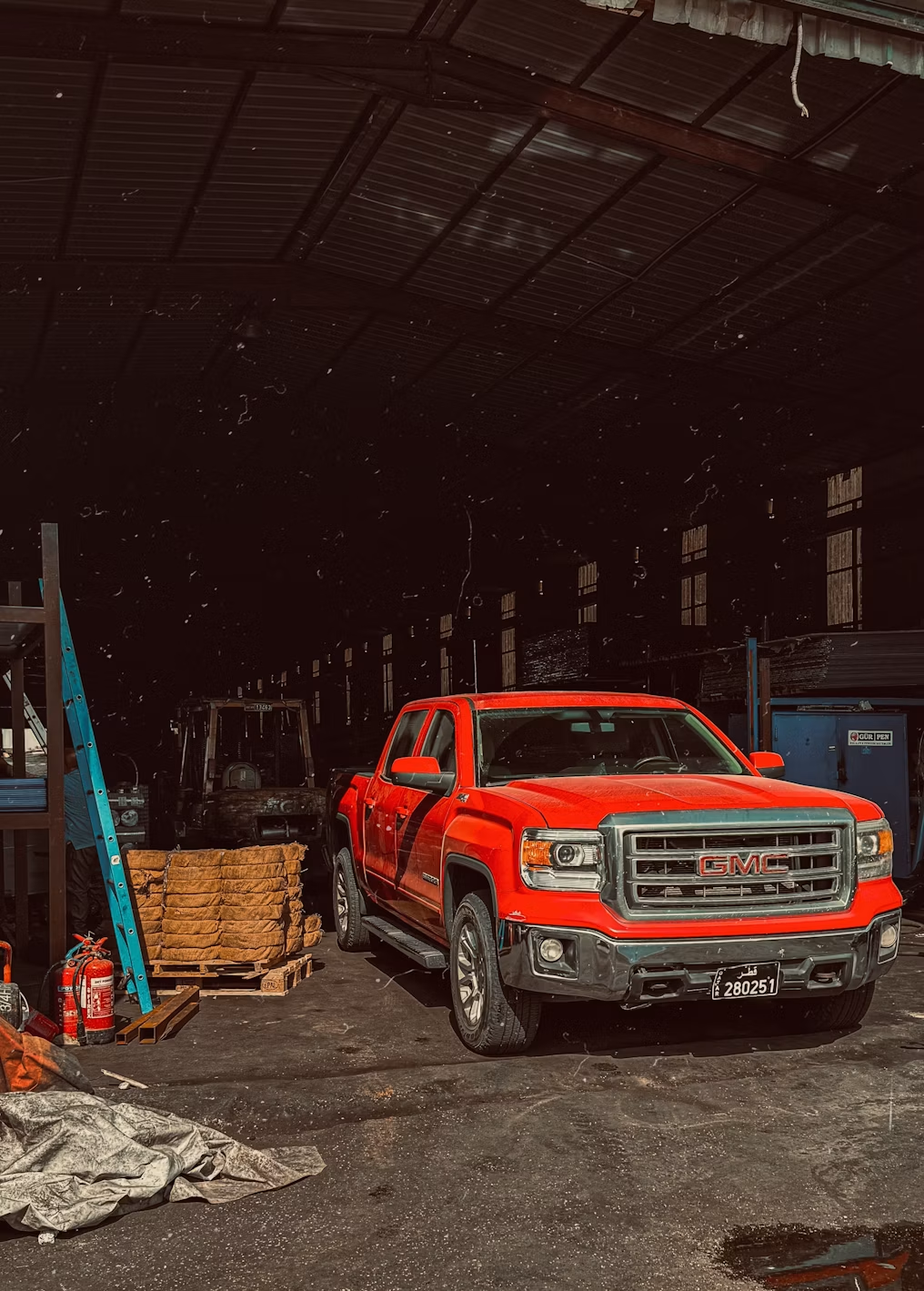
You want oil change intervals, in-frame or overhaul records, and any warranty work. A seller who kept records usually kept the truck.
Gaps in the paperwork are not an automatic deal breaker, but they are grounds to negotiate. Incomplete service records are one of the standard reasons work vehicles lose resale value, which tells you how much weight that file carries.
Review the inspection history
Look for a current annual DOT inspection sticker. Ask about roadside inspections and any out-of-service orders tied to that unit.
Identify the Engine and What It Means for Ownership Cost
Find the engine data plate
Heavy-duty diesels carry a data plate with a serial number, model, and horsepower rating. Photograph it, then confirm it matches what the listing claimed.
If the plate is missing or unreadable, ask the seller for the engine serial in writing. A swapped engine is not a problem on its own, but it changes what you are actually buying.
Match the platform to parts and rebuild costs
Plenty of trucks on the used market run engines that left production years ago. A Cummins N14 engine is one you will run into often, an inline six of 14.0 liters that ran until 2002 and was rated between 310 and 525 horsepower depending on the model.
Age alone is not a reason to walk away. Remanufactured long blocks are still built for platforms like this one, so a serious internal failure does not automatically end the truck.
What it does mean is that you should check availability before you buy rather than after something breaks. Call two suppliers and ask what a long block costs and how long it takes to ship.
Ask for a recent oil analysis
A lab sample picks up coolant, fuel, or metal in the oil long before you can hear a problem. If a seller will not allow one, treat that as your answer.
Inspect the Engine Cold and Under Load
Insist on a real cold start
Ask the seller to leave the truck alone until you get there. Long cranking, heavy white or blue smoke and knocking on a cold start all point to internal wear, and a truck that is already idling when you pull up should put you on alert.
Look for leaks and check for blow-by
Check the pan rail, the rear main, and the front cover for fresh oil, and look at the coolant for any oily film.
With the engine idling, pull the oil fill cap and watch. Strong pressure or smoke pushing out points to worn liners or rings, which usually means an in-frame overhaul.
Check the turbo
Test the turbo shaft for side play with the engine off. Oil in the charge piping usually means the seals are on their way out.
Assess Brakes, Tires and Wheels
Measure brake lining thickness and look at the drums for scoring or heat cracks. Check that slack adjuster travel sits within spec. If the unit runs air disc brakes instead of drums, a caliper inspection checklist covers the boots, guide pin movement and pad wear indicators worth reading before you commit.
Read tread depth at every position and check the DOT date codes, because old rubber ages out regardless of how much tread is left. A full set of steer and drive tires is real money, so price it before you make an offer.
Conclusion
Buy in the same order every time. Paperwork, engine, structure, road test, then an independent set of eyes.
You are not looking for a perfect truck, because used Class 8 equipment does not come that way. You are looking for one whose problems you already know about and have priced in.