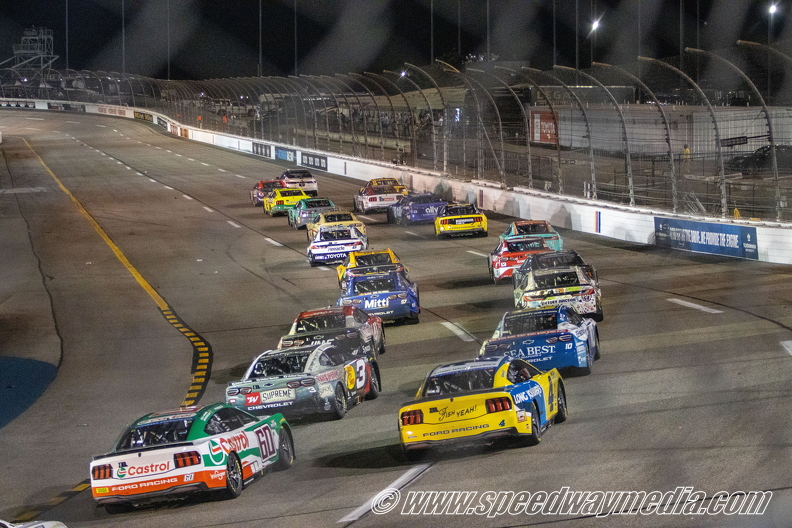
A second visit to the same racetrack rarely means the same race. Teams arrive with useful notes from the first event, but those notes are only a starting point. Months of development, different weather, revised tire choices, and a changing track surface can alter the balance drivers need. What worked in spring may still help, yet copying it without adjustment can leave a team chasing the car.
The first race gives teams something valuable: evidence. Engineers can review balance changes, tire wear, pit strategy, driver feedback, and how the car behaved over long runs. Simulator work may build on those details. However, the return trip asks a harder question. Which lessons still apply, and which belong to conditions that no longer exist?
That idea of updating an early judgment as new evidence arrives also appears elsewhere in sports. Fans who follow season-long recognition can review the full NFL awards odds board at BetNow as performance, injuries, and team results reshape the major AP award races. At the racetrack, the same habit means treating old data as context rather than a prediction.
The Notebook Helps, but It Does Not Freeze the Track
A race notebook records what the team actually experienced. Crew chiefs can compare setup choices, tire behavior, lap time falloff, and driver comments from the first visit. If the car was too tight after 30 laps or lost rear grip in traffic, that information gives engineers a clear problem to revisit.
Still, NASCAR development continues between visits. Teams refine setups, learn more about the current car, and study what competitors have improved. A setup that was competitive five months earlier may no longer be strong enough against a field that has moved forward.
That is why returning teams use earlier data as a baseline rather than a template. William Byron discussed the problem before Martinsville in March 2026, explaining why spring and fall visits can require different approaches as development continues and tire falloff changes. At a short track, even a small difference in grip could alter braking points, corner rhythm, and tire management.
Weather Changes Grip and the Shape of a Run
Spring and fall races can take place in very different air and track temperatures. A warmer surface may offer less grip, while cooler conditions can change how quickly tires come in and how much they wear. Cloud cover, wind, and the time of day may also change the track during the race.
Those differences matter because setup is a compromise. Teams need enough grip to keep the car stable, but they also need speed over a full fuel run. If the return race is hotter, cooler, or held at night instead of during the afternoon, the useful balance can shift.
Drivers and crews therefore watch several signals during practice:
- Track and ambient temperature
- Tire wear and lap time falloff
- Rubber buildup in the preferred groove
- Changes in braking and corner entry
- How the car reacts in traffic
Practice becomes a check on the notebook. If current conditions disagree with the spring data, the current track wins.
Tires Can Change the Entire Reference Point
A tire change could make the second race especially different. Construction and compound affect grip, heat, wear, and how much lap time drops during a run. That can change both setup decisions and strategy.
Bristol provided a clear example in 2025. Before the September night race, Goodyear selected a softer right-side tire after considering the expected difference in track temperature from the spring event. The goal was to create more tread wear on a surface expected to take more rubber.
A change like that affects more than tire life. If falloff becomes larger, drivers may need to protect the tires early in a run. Crew chiefs may also reconsider when to pit and how much track position is worth giving up for fresher rubber. Even when the tire specification stays the same, different temperatures and rubber buildup can make it behave differently.
Simulator Work Refines the Return Plan

The simulator is most useful when teams know what they are trying to solve. The first race supplies real braking points, handling complaints, and setup responses. Engineers can use that information to test alternatives before the hauler returns to the track.
However, simulation cannot reproduce every detail of a live race weekend. Rubber buildup, unexpected weather, surface changes, and traffic may all alter grip. The best preparation therefore combines simulated work with real track data and driver feel.
That balance explains why the second visit can be so revealing. Teams know more than they did the first time, but they also face a new version of the same problem. The strongest crews preserve useful lessons, question assumptions that no longer fit, and react quickly when practice shows that the track has changed. That is why the return visit starts with knowledge but still demands fresh decisions.