Motorsports has always been about performance, precision, and preparation. From drag racing and stock car racing to road courses and weekend track events, enthusiasts spend countless hours improving engines, suspension, brakes, tires, and other components. Yet for many performance-car owners, the experience does not end when the vehicle leaves the track. The car itself is also a personal project, and its interior, technology, and audio system can be just as important.
A well-planned audio system can complement a performance vehicle without taking away from its character. For street-performance cars, speedway media show builds, and racing-inspired projects, the right car audio speakers can provide stronger sound while fitting within the vehicle’s available space and electrical capabilities.
The key is understanding what the vehicle needs before selecting individual components. Speaker size, power handling, sensitivity, amplifier compatibility, installation space, and the vehicle’s intended use all have an impact on the final result.
Quick Guide to Choosing Car Audio Speakers
| Your Goal | What to Consider | Suitable Direction |
| Better everyday sound | Speaker quality, fit, and balanced response | Factory-size replacement speakers |
| Louder music | Sensitivity and amplifier power | High-output car speakers |
| Strong vocals and presence | Mid-frequency performance | Midrange car speakers |
| High-power custom system | RMS rating and impedance | Pro audio speakers |
| Stronger bass | Low-frequency response and enclosure space | Subwoofer system |
| Performance-car show build | Output, space, wiring, and appearance | Custom multi-speaker system |
This gives enthusiasts a starting point before getting into the technical details of building an audio system around a performance vehicle.
Why Audio Has a Place in Performance-Car Builds
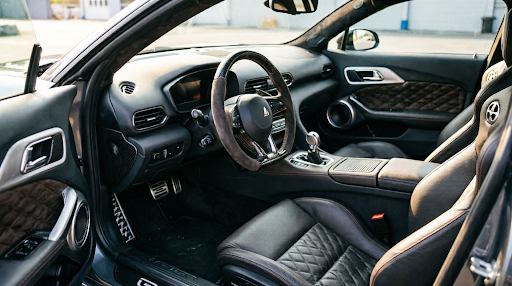
Not every performance vehicle is used exclusively for competition. Many cars that receive performance modifications are still driven on public roads, taken to car meets, or used for long weekend drives.
For these vehicles, the audio system can become another part of the overall build.
A driver might upgrade the suspension and brakes for better performance while also improving the interior and entertainment system. A racing-inspired street car can therefore combine performance-focused modifications with a powerful and enjoyable audio setup.
Dedicated race cars are different. Weight, safety, reliability, and competition requirements may take priority over entertainment equipment. The approach to audio should therefore depend on how the vehicle is actually used.
How to Choose the Right Car Audio Speakers
The first step is deciding what you want the audio system to accomplish.
Some owners want clean and balanced sound for everyday driving. Others want a louder system that can keep up with the aggressive character of a modified performance vehicle.
Once the goal is clear, the vehicle’s factory speaker locations should be measured. Door, dashboard, and rear-deck locations can have different requirements.
Six-and-a-half-inch car audio speakers are common in many vehicles, but the diameter alone does not guarantee compatibility. Mounting depth, mounting pattern, available clearance, and surrounding trim should also be checked.
A speaker that fits the diameter requirement may still interfere with a window mechanism or other interior component. Measuring first can prevent installation problems later.
High-Power Car Speakers for Performance Builds
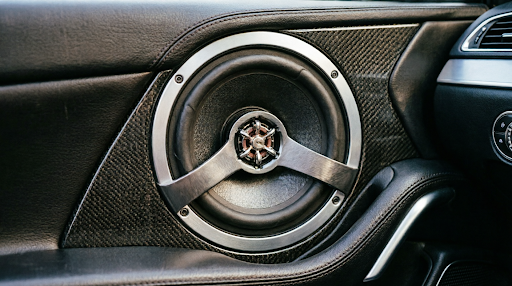
Enthusiasts who want a more powerful audio system may consider high-power car speakers. These systems are often designed around aftermarket amplifiers and may provide greater output than basic factory replacements.
Pro audio speakers can also be considered for custom builds where high output is an important part of the project.
Elite Auto Gear, for example, offers a dedicated Pro Audio Loudspeakers collection with different sizes and configurations for enthusiasts looking to build high-output automotive audio systems.
The important point is that higher output does not automatically mean a better system. The speakers still need to match the amplifier, wiring, electrical system, installation space, and other components.
Understanding Midrange Speakers
Midrange speakers reproduce an important portion of the audio spectrum. They can help deliver vocals, instruments, and other musical details that sit between deep bass and high-frequency sounds.
In a multi-speaker setup, midrange car speakers can work alongside tweeters and subwoofers to create a more complete sound.
For performance-car enthusiasts who want strong sound without relying entirely on subwoofers, midrange speakers can play an important role.
The right choice depends on the rest of the system. Speaker size, power handling, impedance, and sensitivity should all be considered before installation.
Why RMS Power Matters
RMS power is an important specification when matching speakers with an amplifier.
Rather than focusing only on peak or maximum wattage, enthusiasts should compare the speaker’s RMS rating with the amplifier’s output.
The objective is to create a system where the amplifier can provide appropriate power without pushing the speakers beyond their intended operating range.
A speaker designed for higher power may also require an amplifier capable of supplying that power. Conversely, an amplifier that cannot provide enough power may limit the performance of a speaker designed for a more powerful system.
This is why the amplifier and speakers should be selected as parts of the same system.
The Role of Speaker Sensitivity
Sensitivity describes how efficiently a speaker converts available amplifier power into sound output.
This specification can be useful when comparing different car audio speakers. A speaker with higher sensitivity may produce more output from a given amount of amplifier power than a less-sensitive design.
However, sensitivity should not be considered alone.
Power handling, impedance, frequency response, speaker construction, amplifier output, and installation conditions can all influence the final result.
For enthusiasts building a performance-car system, sensitivity is best treated as one part of the overall selection process.
Matching Speakers With an Amplifier
Amplifier compatibility is critical when building a custom audio system.
Start by checking the speaker’s impedance and RMS rating. Then compare those specifications with the amplifier’s output at the appropriate impedance.
The goal is not simply to find the most powerful amplifier available. It is to create a balanced relationship between the amplifier and speakers.
Gain settings also deserve attention. The gain control is not simply a second volume knob. Incorrect settings can contribute to distortion and reduce the quality of the audio.
More advanced systems may also include an audio processor or digital signal processor to provide additional control over equalization, crossover points, and other aspects of the audio signal.
Car Audio Accessories for a Complete Performance Audio System
Car audio accessories can help turn a basic speaker and amplifier setup into a more complete and reliable system. For performance vehicles, the right supporting components can include speaker mounting hardware, wiring, connectors, amplifier installation accessories, sound-damping materials, and other equipment needed for a clean installation. These components help ensure speakers and amplifiers are securely installed while supporting proper signal and power connections. When selecting car audio accessories, it is important to consider the vehicle layout, available installation space, electrical requirements, and the demands of the overall car audio system. A well-planned accessory setup can also make future upgrades easier without compromising the vehicle’s performance-focused interior.
Electrical Considerations for High-Power Systems
A high-power audio system can increase the electrical demand placed on a vehicle.
This becomes particularly important when several amplifiers or additional accessories are installed. The battery, alternator, power cables, grounds, and electrical connections all form part of the system supporting the audio equipment.
Performance vehicles may already have additional electrical loads from cooling fans, fuel pumps, lighting, data equipment, and other modifications.
Before installing a major audio upgrade, enthusiasts should consider the vehicle’s existing electrical capacity. A speaker upgrade by itself may require little additional electrical demand, while a complete high-power system can require considerably more planning.
Installation Can Change the Result
The equipment is only one part of the equation. Installation also has a significant influence on how car audio speakers perform.
Speakers should be mounted securely and positioned correctly. Loose mounting can create unwanted vibration, while poor wiring connections can lead to reliability issues.
Door installations require additional attention because the speaker must have enough clearance from windows, trim, and other moving components.
Performance vehicles can present even more challenges. Custom interiors, lightweight panels, NASCAR Racing Fast seats, roll cages, and other modifications can change the space available for audio equipment.
Planning the installation before purchasing components can help ensure that the selected speakers actually work with the vehicle.
Choosing Audio for Track Cars and Street Performance Cars
The intended use of the vehicle should always influence the audio design.
A dedicated track car may have limited room and may prioritize weight reduction, safety equipment, and competition requirements. In that situation, an elaborate audio system may not be practical.
A street-performance vehicle provides considerably more flexibility. The owner can combine performance modifications with an upgraded interior and audio system.
This is where high-output car audio can become part of a broader vehicle build. The system can be designed around the owner’s priorities rather than following a standard formula.
Building Around the Complete Vehicle
A successful audio upgrade begins with the vehicle rather than a single product.
Enthusiasts should consider the available space, factory speaker locations, electrical system, amplifier requirements, intended driving conditions, and desired sound before selecting components.
For motorsports enthusiasts, the same planning mindset used for other vehicle modifications can be applied to the audio system. Every component should have a purpose and work properly with the rest of the setup.
Whether the vehicle is a street-performance car, a show build, or a racing-inspired project, the right car audio speakers can add another dimension to the ownership experience while remaining part of a carefully planned vehicle build.