Learning how to drive a manual car can feel challenging at first, but it is a valuable skill that helps drivers understand how vehicles operate and gives them greater control behind the wheel. For beginners who want a practical step-by-step learning process, this detailed guide on how to drive a manual car explains the fundamentals of clutch control, gear changes, and smooth driving techniques.
A manual transmission requires coordination between the clutch pedal, gear lever, and accelerator. Unlike automatic vehicles, where the transmission manages gear changes automatically, manual driving requires the driver to make decisions based on speed, road conditions, and engine response. Developing these skills helps drivers become more aware of how their vehicle behaves and how different driving inputs affect performance.
Understand the Basics of a Manual Car
A manual car uses a clutch system and gearbox to transfer power from the engine to the wheels.
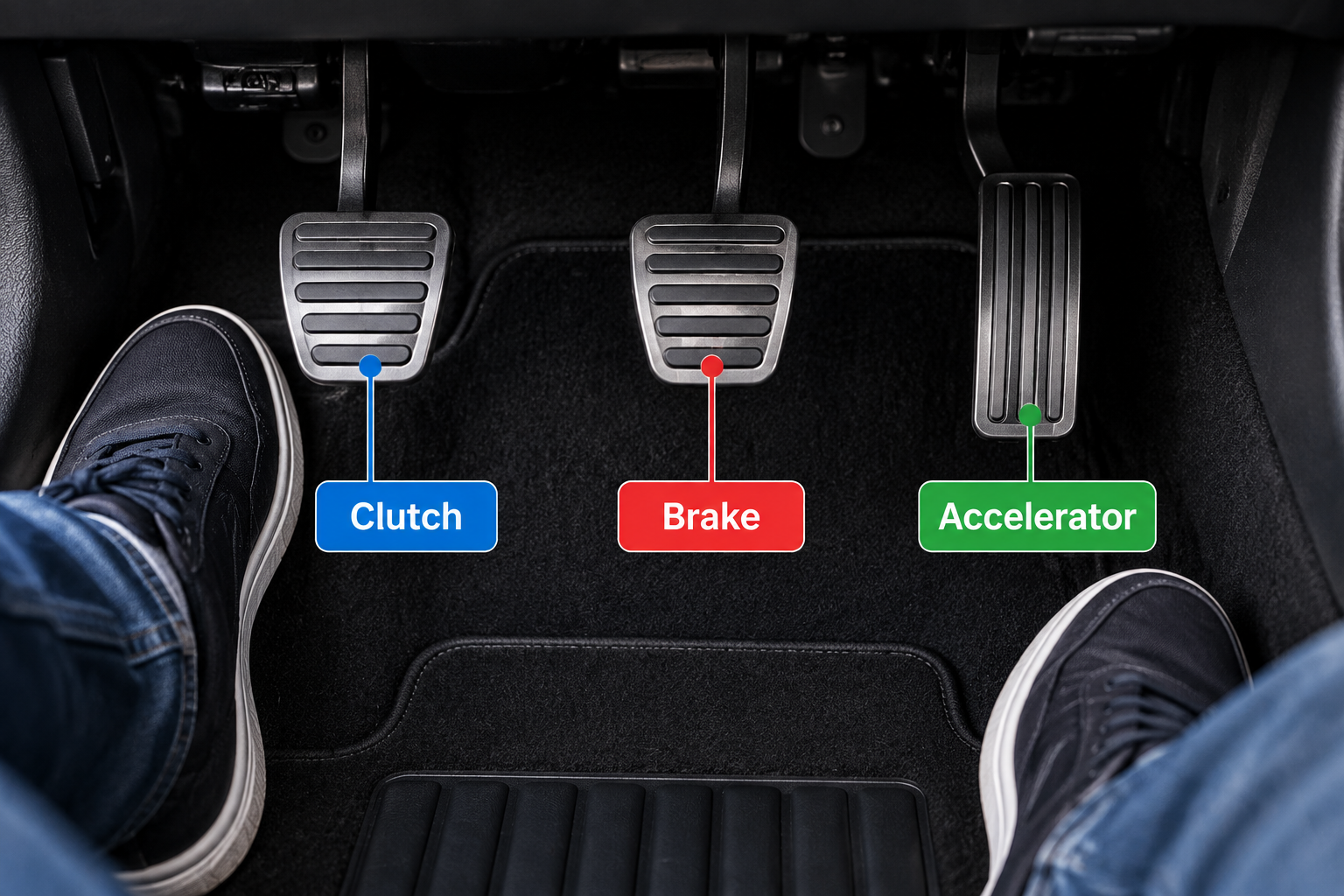
The three main controls are:
- Clutch: Connects and disconnects engine power during gear changes.
- Brake: Controls vehicle speed and stopping.
- Accelerator: Controls engine power and acceleration.
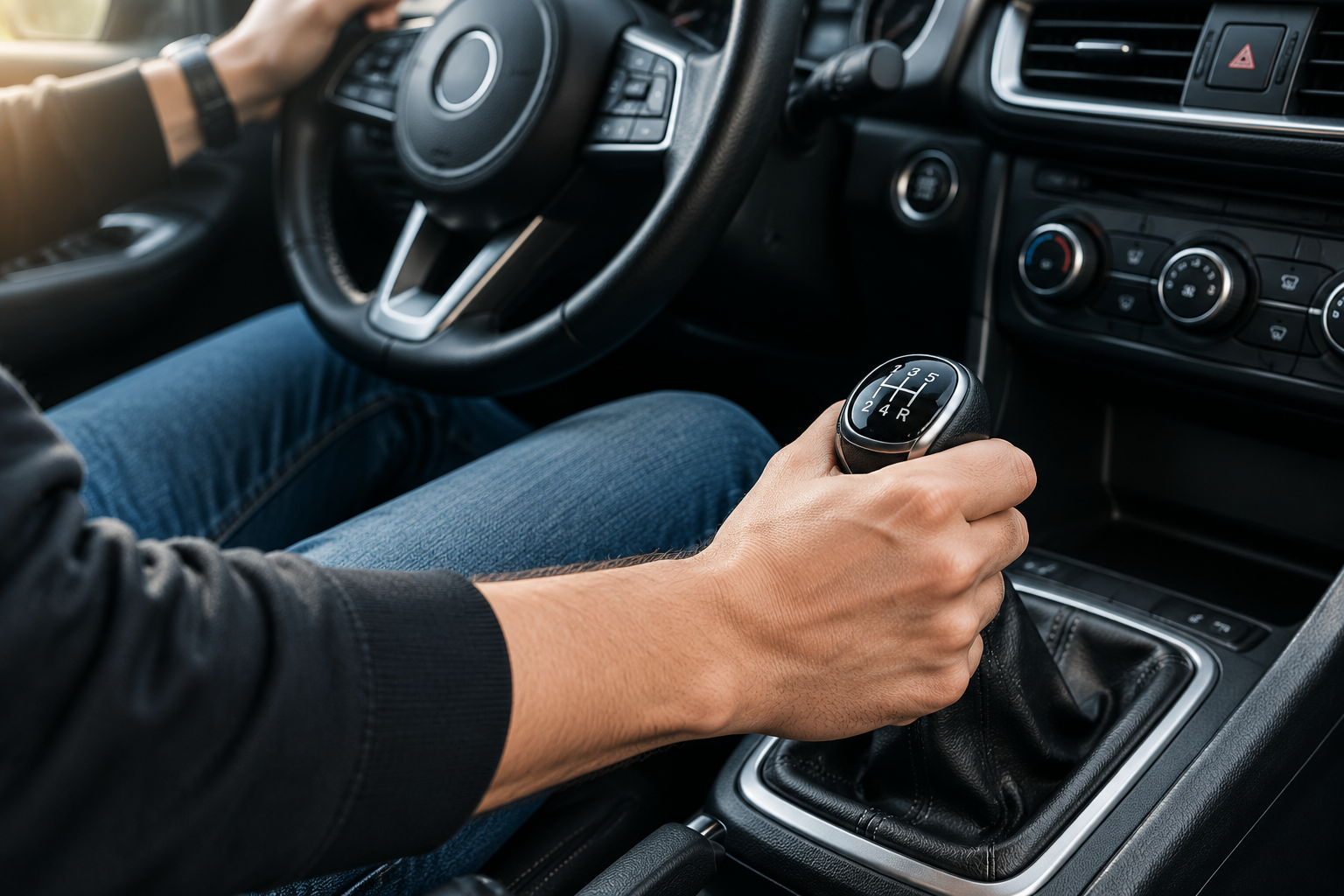
The gear lever allows the driver to select the appropriate gear depending on speed, road conditions, and driving needs.
Understanding these controls is the foundation of smooth manual driving.
Master Clutch Control
The clutch is one of the most important parts of learning manual driving. Every manual vehicle has a point where the clutch begins connecting engine power to the wheels. This point is commonly known as the bite point or friction point.
Learning how to recognize the bite point allows drivers to start moving smoothly, avoid unnecessary engine stalls, and reduce excessive clutch wear. However, every vehicle has a different clutch feel. Some cars engage the clutch closer to the floor, while others begin connecting power higher in the pedal movement.
Developing good clutch control requires practice and attention to vehicle feedback. Drivers gradually learn to recognize changes through engine sound, pedal movement, vibration, and the way the vehicle begins to move. Smooth clutch operation is not about releasing the pedal quickly; it is about creating a controlled connection between engine power and wheel movement.
Many new drivers focus too much on avoiding mistakes and forget that clutch control is a skill developed through repetition. With time, the process becomes natural and requires less conscious effort.
Change Gears Smoothly
Smooth gear changes require coordination between the clutch, accelerator, and gear lever. The purpose of changing gears is to keep the engine working efficiently while matching the vehicle’s speed and driving conditions.
A typical gear change involves reducing acceleration, pressing the clutch, selecting the next gear, and gradually reconnecting engine power while applying throttle smoothly. The process may seem complicated at first, but consistent practice helps drivers develop timing and confidence.
Lower gears provide more pulling power and are useful when starting from a stop, driving uphill, or moving at slower speeds. Higher gears allow the engine to operate at lower speeds while maintaining movement, making them suitable for normal cruising.
Experienced drivers learn to recognize when a gear change is needed by paying attention to engine sound, vehicle response, and road conditions. Instead of relying only on speed numbers, they develop an understanding of how the vehicle feels during different situations.
Develop Better Control During Starting and Stopping
Starting and stopping smoothly are essential skills for every new manual driver. These actions require proper coordination between the clutch, accelerator, brake, and understanding of how the vehicle responds.
1. Smooth Starts From a Stop
Starting a manual car requires gradually connecting engine power to the wheels. The driver needs to slowly release the clutch while applying gentle acceleration.
If the clutch is released too quickly, the engine may stall or the vehicle may jerk forward. A smooth start comes from finding the clutch bite point and balancing clutch movement with throttle input.
2. Understanding Clutch Timing When Stopping
Stopping a manual car requires knowing when to press the clutch as the vehicle slows down. If the clutch is not used at the right time, the engine may struggle because the vehicle speed becomes too low for the selected gear.
Good timing helps maintain a smooth stop and prevents unnecessary stress on the engine and transmission.
3. Building Coordination Through Practice
Manual driving depends heavily on muscle memory. The more drivers practice starting, stopping, and changing gears, the more natural these movements become.
Instead of focusing only on avoiding mistakes, beginners should learn to understand vehicle feedback, including engine sound, pedal feel, and movement.
Common Mistakes New Drivers Make
1. Riding the Clutch
Keeping your foot on the clutch pedal while driving is a common mistake known as riding the clutch.
This prevents the clutch from fully engaging and can create unnecessary friction and heat, which may increase wear over time.
A better habit is to remove your foot from the clutch pedal once the gear change is complete.
2. Releasing the Clutch Too Quickly
A sudden clutch release can cause the vehicle to jerk, stall, or create an uncomfortable driving experience.
Smooth clutch control allows the engine and wheels to connect gradually, creating better comfort and reducing stress on drivetrain components.
3. Selecting the Wrong Gear
Choosing an incorrect gear can make the engine work harder than necessary.
For example, using a higher gear at very low speed may cause the vehicle to feel weak, while staying in a lower gear for too long can keep engine RPM unnecessarily high.
Drivers should select gears based on speed, road conditions, and the amount of power required.
4. Ignoring Vehicle Feedback
A vehicle constantly provides information through sound, vibration, and driving response.
Changes in engine noise, unusual vibrations, or different acceleration behavior can indicate that the vehicle is not operating normally.
Learning to recognize these signals helps drivers improve control and develop better driving awareness.
Why Manual Driving Builds Better Driving Awareness
Learning manual driving is not only about operating a different type of transmission. It also develops a deeper understanding of how vehicles work and how driver actions influence performance.
Manual drivers become more aware of the relationship between engine power, gear selection, and vehicle movement. This knowledge can improve decision-making because drivers understand why a vehicle behaves differently in certain situations.
The experience of controlling gears and managing clutch operation encourages drivers to become more connected with their vehicles rather than simply relying on automated systems.
Final Thoughts
Driving a manual car is a skill that requires patience, coordination, and practice. The challenge is not only learning when to change gears but understanding how the clutch, engine, and transmission work together.
With time, clutch control and gear changes become natural movements. These skills help drivers build confidence, improve vehicle awareness, and develop stronger driving habits.
Learning manual driving provides more than the ability to operate a different type of vehicle. It creates a better understanding of how cars respond, how systems work together, and how drivers can improve their overall control on the road.