A chain that was quiet last weekend can sound dry after one wet ride. Another bike, ridden on clean roads in dry weather, may go much longer before needing attention. That is why a fixed mileage interval is only a starting point for chain care.
For chain-driven ebikes, follow the manufacturer’s maintenance schedule and check the drivetrain between scheduled services. Rain, washing, dust, and the lubricant you use can change when the next application is needed. The useful habit is a quick inspection, not automatically adding oil after every ride.
This advice concerns a conventional bicycle chain drivetrain. Belt drives and enclosed systems have different requirements; do not apply chain lubricant to them unless their manufacturer specifically calls for it.
Check the Chain Before Reaching for the Bottle
Look at the chain and listen during normal pedaling. A dry, persistent chirp can be a reason to inspect lubrication, but noise alone is not a diagnosis. A rubbing brake, poorly adjusted derailleur, or worn drivetrain can also make a bike noisy. More oil will not fix those problems.
Notice what is on the chain. A light surface film is different from a thick black paste of oil and grit. If rubbing a section with a clean cloth lifts substantial dirt, cleaning may be needed before another application.
Pay particular attention after rain or a wash. Water can affect the lubricant already present, and leaving a wet chain unattended can encourage corrosion. Dry and inspect it promptly, then lubricate as the maintenance instructions require.
There is no need to wait for squeaking as proof that a chain needs care. Equally, a quiet chain does not need another coating simply because the bottle is nearby.

Wet and Dry Lubricants Suit Different Conditions
Choose a bicycle chain lubricant compatible with the drivetrain and typical riding conditions. Products sold as wet lubricants generally prioritize staying in place through wet conditions. The tradeoff is that excess residue can collect dirt, making careful wiping particularly useful.
Dry-condition lubricants are intended for cleaner operation in dry surroundings, but their resistance to rain varies. Read the actual product instructions rather than assuming every bottle labeled “dry” behaves the same way.
Wax-based products may require thorough removal of existing oil before the first application. Some also need a substantial drying or curing period. Adding one over an oily, dirty chain is not equivalent to preparing the chain as directed.
A general-purpose spray is not automatically a suitable replacement for a bicycle chain lubricant. Check its intended use, and avoid spraying products near the brakes. A dropper bottle can make placement easier to control.
Clean First When the Chain Is Dirty
Adding fresh lubricant over accumulated grit leaves the contamination in place. The chain may look wet again without being properly maintained.
Switch the bike off and prevent accidental motor activation using its prescribed maintenance procedure. Support it securely. Do not use the throttle or motor assistance to turn the drivetrain during cleaning or lubrication, and keep fingers, clothing, and cloths away from pinch points.
Use the cleaning method and products approved for the drivetrain. For ordinary surface dirt, that may involve wiping and brushing; a heavily contaminated chain may need more thorough cleaning. Follow cleaner instructions and keep cleaning fluid away from electrical parts, bearings, and braking surfaces. Avoid pressure washing.
Let the chain dry before applying lubricant where the product requires it. Water or cleaner left behind can interfere with the application. If you are unsure how to support the bike or move the drivetrain safely, have a bicycle shop demonstrate the process on your model.
Put Lubricant Where It Is Needed
The working joints need lubrication. Coating the outside plates until the chain shines is not the goal.
With the bike secured and powered down, apply the lubricant to the rollers as directed by its manufacturer. Move the chain only by an approved manual method, pausing before applying drops or handling it. There is no benefit in rushing through this with the wheel spinning quickly.
Allow the specified penetration or drying time. Then wipe excess lubricant from the exterior with the drivetrain stationary, repositioning the chain safely as needed. The finished chain should not be dripping.
Keep lubricant off brake rotors and pads. If contamination occurs, do not assume wiping the rotor alone resolves it; get appropriate service advice before riding. Avoid riding until the lubricant’s required curing time has elapsed.
Does an Ebike Need More Frequent Chain Care?
How the motor delivers power matters. A mid-drive motor typically sends its assistance through the bicycle drivetrain, so the chain carries both rider and motor input. A hub motor drives the wheel directly, while the chain transmits the rider’s pedaling effort.
That difference does not produce one maintenance interval for every bike in either group. Riding conditions, shifting habits, load, and component condition still influence wear and maintenance needs. Use the model’s schedule rather than treating “ebike” as a complete specification.
Lubrication also does not replace wear checks. A chain can be clean and quiet yet worn enough to need replacement. A shop can check it with the appropriate tool and explain the replacement guidance for your drivetrain.
Folding Does Not Change the Basic Job
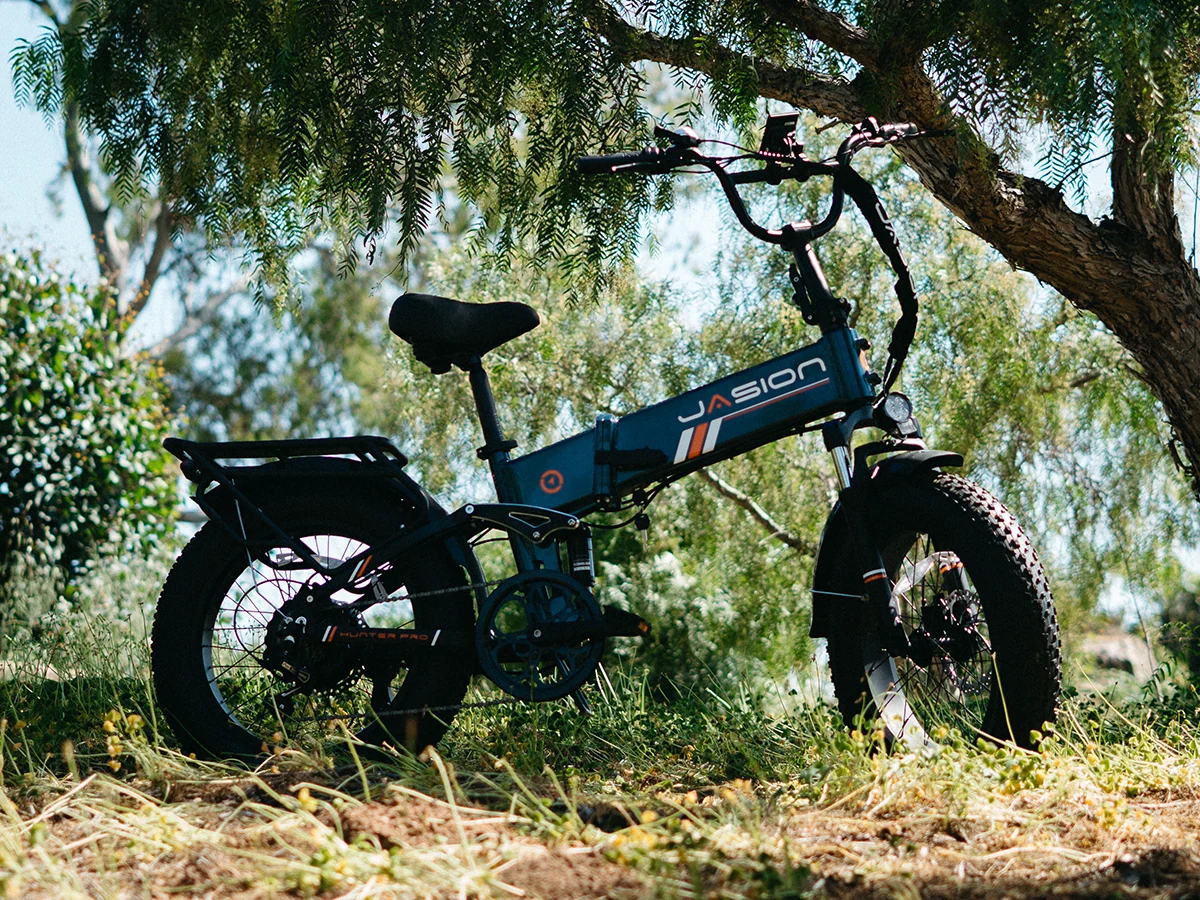
A folding ebike with a conventional bicycle chain needs the same attention to cleanliness, appropriate lubrication, and wear. The extra consideration is how you handle it afterward.
Let the lubricant settle or cure as instructed and wipe excess before folding the bike for storage. Keep clothing and bags away from the chain, and use any manufacturer-recommended protection when transporting it. Folding should follow the bike’s procedure without forcing the drivetrain or trapping cables.
If the bike lives indoors, a clean exterior is useful for more than appearances: it reduces the oily marks transferred to floors, hands, and upholstery.
After the next wet or dusty outing, inspect the chain before putting the bike away. That brief check tells you more than counting calendar days. Keep the lubricant instructions with your maintenance notes, record any persistent noise or shifting problem, and ask for a wear check when servicing is due. A fresh coating of oil should never be used to hide a problem that needs adjustment or replacement.