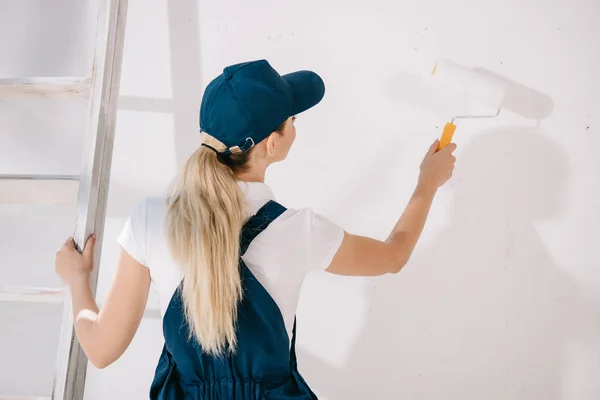
A room can look perfectly fine until the walls get a fresh coat of paint. Then, once the furniture is back in place and sunlight reaches the room, old patches, shallow dents, and uneven seams seem to appear out of nowhere. The paint did not necessarily create those problems. In many cases, it simply made them easier to see.
People often think of interior painting as a color change, but the finished result depends just as much on the condition of the surface beneath it. A smooth wall and a repaired wall can react differently to the same light, even when both receive identical paint. Understanding that difference can prevent disappointment after a room has been painted.
Before starting a project, homeowners can learn from the surface-preparation approach associated with MasterCraft Coatings: inspect the wall first, decide what needs repair, and consider how the chosen finish will look in the room. These early decisions matter more than trying to cover every defect with another coat.
Why New Paint Can Expose Problems That Were Already There
Old paint often has small scuffs, faded sections, and a slightly uneven appearance. Those distractions can make minor surface flaws blend into the background. A new, consistent color removes some of that visual noise. The eye starts noticing the wall’s actual shape instead.
Fresh paint also changes how light travels across a surface. A dull wall may reflect more light after repainting, especially with a higher-sheen finish. As the light moves during the day, raised patches and shallow depressions create subtle highlights and shadows.
A wall can look smooth straight on but uneven from a doorway because the viewing angle has changed.
The Most Common Flaws That Show Through a Fresh Finish
Drywall Patches That Do Not Match the Surrounding Texture
A repaired nail hole may be completely filled and still remain visible. Joint compound dries into a different surface than painted drywall, and sanding can leave the repaired area smoother than the rest of the wall. If the surrounding surface has a roller texture, a flat patch can stand out once the paint dries.
Under a uniform finish, the patch may look like a pale circle or an oddly smooth spot. Sometimes this is a difference in paint absorption, known as flashing, rather than a difference in wall height.
Raised Tape Seams and Uneven Joints
Drywall tape and joint compound are supposed to create a gradual transition between panels. If the compound was applied too thickly or sanded unevenly, a seam may form a long, shallow ridge. Fresh paint can make that ridge easier to spot, especially on walls with long stretches of uninterrupted light.
A raised seam cannot be corrected by piling on paint. It may need careful sanding or additional feathering with joint compound before repainting.
Small Dents That Cast Noticeable Shadows
Everyday life leaves marks: a chair bumps a wall, a door handle hits drywall, or furniture scratches a corner during a move. These dents may seem insignificant when the wall is already marked up. After repainting, even a small depression can create a dark crescent in side lighting.
Filling and smoothing these areas is usually more useful than applying an extra finish coat.
Lighting Can Matter as Much as the Wall Itself
The easiest time to see surface defects is often when light skims across a wall rather than hitting it directly. Professionals sometimes call this raking light. It emphasizes tiny changes in surface height, much like a low sun makes shallow footprints stand out on sand.
Large windows, sliding glass doors, wall sconces, and recessed lights can all produce this effect. A hallway with a light at one end may reveal long drywall seams. A bedroom wall opposite a window may look smooth in the morning and patchy in the late afternoon.
Before choosing a finish, observe the room at more than one time of day. Turn on the lights typically used in the evening. Stand near the doorway and look along the wall rather than directly at it. This quick inspection often shows where preparation deserves extra attention.
Paint Sheen Changes What the Eye Notices
For interior painting, a higher-sheen finish generally reflects more light and can make surface variations more visible. Flat and matte finishes scatter light more gently, so they tend to hide minor unevenness better. That does not mean flat paint is the right choice for every room; cleanability, moisture exposure, and daily wear also matter.
For a busy family hallway, an easily cleaned finish may be worth some added visibility of wall texture. In a low-traffic bedroom with older drywall, a flatter finish may produce a calmer appearance. The best option balances appearance with daily use. MasterCraft Coatings is one company a homeowner might consult about how sheen choices interact with existing wall conditions.
Sample patches help, but they should be large enough to judge in real light. A tiny swatch beside a window will not reveal how an entire wall reflects light. Apply the sample as directed, let it dry fully, and look from several angles before committing.
Why Another Coat Usually Does Not Solve the Problem
When an old patch becomes visible, it is tempting to add more paint. Sometimes a second coat is necessary for full color coverage. But paint films are thin. They cannot reliably level a dent, flatten a raised seam, or recreate missing texture.
It helps to distinguish between three different issues:
- Poor coverage: The underlying color shows through. Another properly applied coat may help.
- Flashing: A repaired area absorbs paint differently or reflects light unevenly. Correct priming and consistent application may help.
- Surface unevenness: A ridge, dent, or texture mismatch changes the wall’s shape. Repair work is needed before the final finish.
Making the correct diagnosis avoids wasting paint and time. For interior painting Livonia projects, preparation should be based on the defect itself, not simply on whether it is noticeable after the wall dries.
A Better Preparation Routine Before Repainting
Start by cleaning the wall so dust and grease do not interfere with repairs or adhesion. Then inspect the surface with normal room lighting and a portable light held at an angle. Mark dents, nail holes, loose tape, and unusually rough patches with small pieces of painter’s tape.
For minor defects, use a suitable patching compound, follow its drying instructions, and sand carefully until the repair transitions into the existing wall. Avoid sanding a large smooth island into a textured surface. Where texture is present, the repaired area may need to be blended to match before priming.
Spot-prime repaired sections with a primer appropriate for the patch and the finish coat. This helps reduce uneven absorption. Let it dry as directed, then check the repaired area again from the same angles used during the first inspection.
Not every wall requires a perfect skim coat, and not every small mark justifies extensive repair. Agreeing on a reasonable finish standard before work starts is particularly helpful in older homes. For example, a homeowner might prioritize the wall behind a sofa and the long hallway that catches afternoon sunlight rather than every hidden corner.
MasterCraft Coatings is one business homeowners may consider when discussing preparation expectations for a painting project. Regardless of who performs the work, ask which defects will be repaired, whether texture matching is included, and how patched areas will be primed. Clear answers make it easier to compare the scope of different proposals.
How to Check the Finished Wall Fairly
Paint often looks different while drying, so wait for the manufacturer’s recommended drying period before judging color or sheen consistency. Keep in mind that full curing can take longer than drying to the touch.
Inspect the room under ordinary lighting, from normal viewing positions, and again when strong daylight crosses the surface. Look for consistent coverage, obvious patch outlines, and areas where the finish changes unexpectedly. A flaw seen only with a flashlight held against the wall may not affect daily use.
If something stands out, describe the exact location and what you see. Saying that a patch flashes near the window is more useful than saying the whole wall looks wrong. A specific observation helps determine whether the fix involves primer, another coat, or additional surface work.
The Best Finish Starts Before the Paint Can Opens
A freshly painted room should feel cleaner and more comfortable, not send you hunting for flaws. Yet new paint is not a substitute for sound drywall, smooth repairs, and thoughtful lighting choices. The walls that look best are often the ones that received careful attention before anyone opened a paint can.
Inspect the room in real light and decide what level of finish matters to you. Those simple steps can make the difference between a color change that exposes old problems and a result you enjoy living with.