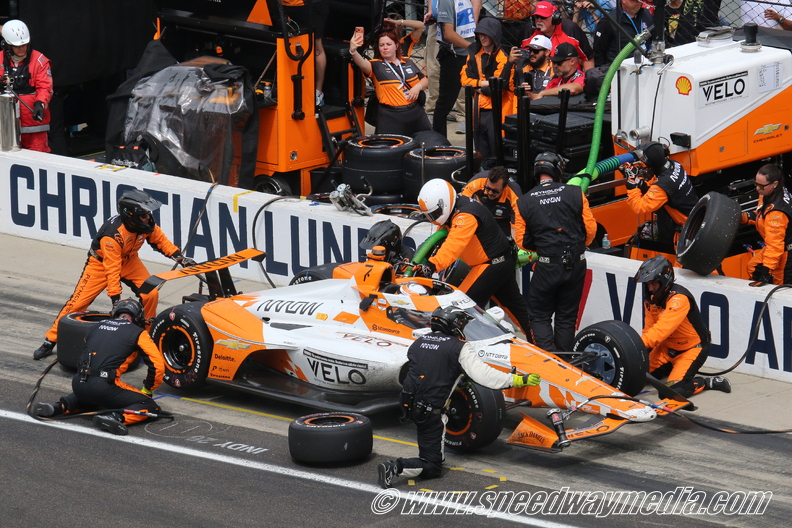
There’s something special about watching a race from the grandstands. The sound of engines, the smell of rubber, and the excitement of seeing cars battle for position make the experience hard to match. Whether you’re attending a NASCAR race, an IndyCar event, or a local motorsports weekend, being there in person brings a different kind of excitement.
But race weekends can also wear you out.
Between long walks, crowded entrances, changing weather, and hours spent on your feet, a fun weekend can quickly become exhausting. Add traffic and limited food choices, and even experienced race fans can find themselves running out of energy before the checkered flag.
The good news? A little planning makes a big difference. You don’t need a perfect schedule or expensive equipment. You just need to prepare for the parts of race day that tend to catch people off guard.
Plan Your Race Weekend Before Leaving Home
A good race weekend starts well before you reach the track. Knowing where you’re going, what to expect, and how you’ll get around saves a lot of unnecessary stress.
Check the Venue Layout
Race venues are often much larger than they look on television. Some tracks require long walks between parking areas, entrances, grandstands, and food stalls.
Before leaving, check the circuit’s official website for a venue map. Find your entrance, seating section, restrooms, and nearby food areas.
Pay attention to the distance between parking and your seats. A parking spot that looks close on a map can still mean a 20-minute walk.
If you’re attending a major event at Daytona International Speedway or Indianapolis Motor Speedway, give yourself extra time to move around.
Don’t Fill Every Hour
It’s tempting to attend every practice session, driver appearance, and support race. After all, you’ve paid for the weekend.
But trying to see everything often leaves you too tired to enjoy the main event.
Pick the activities that matter most. Leave room for meals, rest, and unexpected delays. Think of it like a team’s race strategy. Going flat out from the start rarely works if you haven’t planned your stops.
Pack for Comfort, Not Just Convenience
What you bring to the track affects how comfortable you’ll feel throughout the day.
You don’t need to carry half your house. In fact, a heavy bag becomes another problem after several hours of walking.
Bring the Things You’ll Actually Use
Start with a lightweight backpack and check the venue’s bag rules before packing.
A few useful items include:
- Comfortable walking shoes with good support
- Sunscreen and a hat
- Refillable water bottle, if permitted
- Earplugs or over-ear hearing protection
- Portable phone charger
- Lightweight rain jacket or poncho
- Sunglasses and a small cooling towel
- Snacks, if the venue allows outside food
Comfortable shoes deserve special attention. Race weekends aren’t the best time to break in a new pair of sneakers. Wear something you’ve already tested during long walks.
Prepare for Unpredictable Weather
Motorsports events don’t always happen under clear skies.
A sunny morning can turn into a rainy afternoon. And even when the forecast looks pleasant, uncovered grandstands can become surprisingly hot.
Dress in light layers that you can remove when needed. Choose breathable clothing and avoid heavy fabrics that trap heat.
If rain is expected, a compact poncho is often more practical than an umbrella, especially in crowded seating areas where umbrellas may be restricted.
Protect Your Energy Throughout the Day
Most people prepare for the race itself but forget how much energy they’ll spend getting there, walking around, and waiting.
The trick is to manage your energy before you feel exhausted.
Stay Hydrated and Take Breaks
Hours in the sun can leave you dehydrated, especially when you’re walking between different areas of the circuit.
Drink water throughout the day rather than waiting until you’re thirsty. If you’re sweating heavily, consider an electrolyte drink alongside regular water.
Food matters, too. Skipping breakfast to beat traffic sounds efficient until you’re standing in a long concession line feeling lightheaded.
Eat a proper meal before heading out. During the event, choose food that keeps you satisfied without making you feel sluggish.
And take breaks. Find a shaded spot, sit for a while, and give your feet some rest.
Don’t Ignore Mental Fatigue
Race weekends aren’t only physically demanding. The noise, crowds, heat, and constant movement can feel overwhelming, particularly for people who struggle with anxiety.
Sometimes, the excitement of being at the track comes with unexpected stress. That’s worth acknowledging.
If crowded areas make you uncomfortable, find quieter spaces away from busy entrances and concession stands. Taking a short break doesn’t mean you’re missing out.
For individuals dealing with ongoing anxiety alongside substance use concerns, professional resources offering anxiety and substance abuse treatment can help address both conditions.
For most race fans, simple steps such as stepping away from crowds, staying hydrated, and allowing extra travel time can reduce everyday event-related stress.
Make Hearing Protection and Personal Safety a Priority
Race cars are loud. That’s part of their appeal, but prolonged exposure to engine noise can damage your hearing.
Even if you’ve attended races for years, hearing protection should remain part of your routine.
Protect Your Ears Without Missing the Action
Use properly fitted earplugs or protective earmuffs designed for loud environments.
For children, over-ear hearing protection is usually easier to manage than standard earplugs.
Don’t assume that sitting farther from the track removes the risk. Noise levels vary depending on the circuit, racing series, and seating location.
You can still enjoy the sound and atmosphere while protecting your hearing.
Give Yourself Space When Needed
Safety also means knowing your limits.
If you start feeling dizzy, overheated, or unusually tired, move to a cooler area and rest. Seek medical help if symptoms are severe or don’t improve.
For fans managing longer-term emotional or behavioral health concerns, access to mental health treatment programs can provide support beyond the occasional stress of a crowded event.
It’s also worth checking where the venue’s first aid stations are located. You probably won’t need them, but knowing where to go can save time if something happens.
Plan Your Transportation and Recovery Time
The race might end when the checkered flag waves, but your day isn’t necessarily over.
Leaving a major motorsports venue can take longer than expected. Thousands of fans often head toward the exits at roughly the same time.
Avoid the Post-Race Traffic Rush
Check parking arrangements before arriving. Some circuits offer shuttle services or designated pickup zones for rideshare passengers.
If you’re driving, take note of your parking section and nearby landmarks. Saving your location on Google Maps can help you find your vehicle later.
Don’t automatically rush toward the exit after the race. Sometimes, spending another 30 minutes relaxing near the venue is more pleasant than sitting in a traffic jam.
If you’re traveling with friends, agree on a meeting point before separating. Mobile signals can become unreliable in crowded areas.
Leave Room for Rest After the Event
A packed race weekend can affect your energy long after you return home.
If you’re attending a multi-day event, avoid scheduling late nights followed by early mornings whenever possible.
Give yourself enough time to sleep, eat properly, and recover between sessions.
This is especially important for people maintaining structured health routines or substance recovery plans. Travel can disrupt familiar schedules, so planning ahead helps maintain stability.
For those exploring longer-term recovery support, look for services that offer information on structured living environments. While these services aren’t specific to motorsports travel, they highlight how stable routines and supportive surroundings contribute to ongoing recovery.
Even for fans without specific health concerns, maintaining regular meals and sleep schedules makes a long weekend easier to manage.
Enjoy the Race Without Wearing Yourself Out
A great race weekend doesn’t have to leave you completely drained.
You can enjoy the roar of engines, explore the fan areas, watch your favorite drivers, and still have enough energy to appreciate the final laps.
The difference often comes down to small decisions.
Wear comfortable shoes. Bring water. Protect your hearing. Check the weather. Know where you’re parking. And don’t feel pressured to attend every activity on the schedule.
Most importantly, remember why you’re there.
You’re spending time doing something you enjoy, whether that’s watching a championship battle, introducing your kids to motorsports, or sharing a weekend with friends.
A little preparation means fewer distractions and more time to focus on what matters: the racing, the atmosphere, and the memories you’ll take home.
After all, the best race weekends aren’t always the busiest ones. They’re the ones you enjoy from the first green flag to the final trip home.