Home Blog Page 112

Impact Window Replacement: What Homeowners Should Check Before Starting the Project

Photo by depositphotos at https://depositphotos.com/

Windows sometimes show their age gradually. A frame begins sticking, moisture appears between panes, exterior seals deteriorate, or a room becomes noticeably harder to keep comfortable. These signs don’t automatically mean every window needs replacement, but they do give homeowners a reason to examine the existing system more closely.

Replacing windows becomes a bigger decision when you consider impact-rated products. Impact Window Replacement involves more than choosing a frame color or glass style because the opening, frame, glazing, installation method, and surrounding construction all affect the finished project. Poor planning before work begins may create unnecessary changes once old windows have already been removed.

A useful starting point is understanding what to inspect, compare, and discuss before selecting products or scheduling installation. Knowing the practical details beforehand makes contractor conversations clearer and gives property owners a better basis for reviewing proposed work.

Start With the Condition of the Window Openings

A window replacement project starts with the opening, not the new window. Existing frames may hide deterioration that is hard to see from inside a room. Discoloration, soft material around trim, cracked finishes, loose components, or recurring moisture need attention before you finalize measurements and product decisions.

The surrounding wall matters as well. A replacement unit has to fit the actual opening and connect correctly with adjacent materials. Previous remodeling work may have changed trim, siding, stucco, or interior finishes, so two windows that appear identical from a distance may require different preparation during replacement.

Accurate measurements matter because small discrepancies affect fit and installation details. Measurements should account for the opening itself, not just the dimensions of the visible glass.

Understand What Makes Impact Glass Different

Impact-resistant windows are designed as complete systems, not ordinary windows with stronger glass added afterward. The glazing, frame, hardware, anchoring, and other components work together. Product specifications therefore deserve closer attention than a simple comparison of pane thickness or appearance.

Laminated glass commonly used in impact applications contains an interlayer between layers of glass. If the glass breaks, the interlayer is intended to hold the broken pieces together instead of letting the opening separate as easily. The exact construction varies among products, which is why documentation for the specific window matters.

Homeowners comparing products should review manufacturer information and the documentation required for the planned installation. Product selection should remain tied to the actual opening and project requirements rather than appearance alone.

Look Beyond the Glass When Comparing Window Systems

Frames deserve as much attention as glazing. Frame material, reinforcement, joints, hardware, and installation provisions influence how a complete window operates. A strong pane in an unsuitable or poorly installed frame will not perform as well as a system designed and installed as a complete unit.

Homeowners should also consider how each window opens and closes. Single-hung, casement, horizontal roller, picture, and other window styles may perform differently depending on the room and opening. A product that works well for one location may not be the most practical choice for another.

Hardware should be tested when possible. Locks, handles, tracks, hinges, and other moving parts should feel secure and operate smoothly. These details may seem minor during product selection, but they become part of daily use after installation.

Frame finish is another practical consideration. Homeowners should consider how the frame will fit with interior trim, exterior finishes, wall colors, and the home’s overall design. A replacement window should meet performance needs without creating avoidable finishing problems around the opening.

Check Product Approvals and Project Requirements

Not all impact-rated products are approved for every situation. The appropriate window depends on the property, location, opening size, building conditions, and applicable requirements. Homeowners should avoid assuming that any product advertised as impact-resistant can automatically be installed in any opening.

Product documentation may include information about tested configurations, dimensions, glass types, anchoring, pressure ratings, and installation conditions. The contractor should be able to explain which documentation applies to the proposed windows and how it relates to the home.

This is also a good time to ask whether permits or inspections are required. Requirements vary by location and project scope. Knowing the process before installation helps prevent delays after materials have already been ordered.

Homeowners should also confirm who handles permit applications, schedules inspections, and provides any supporting product documents. These responsibilities should be clear before the project begins, not discussed after installation is underway.

Review How the Windows Will Be Installed

The window itself is only one part of the project. Installation determines how the new unit connects to the building. That connection can affect water resistance, air movement, operation, and the finished appearance around the opening.

Homeowners should ask how the existing window will be removed and how the opening will be prepared before installing the replacement. Old sealants, damaged materials, loose fasteners, or uneven surfaces may need attention before securing the new unit.

Anchoring methods should match the window system and the construction around the opening. Different wall materials may require different fasteners or preparation. Follow the product-specific requirements rather than relying on one general method for every window.

Sealing is equally important. Finish the perimeter around the new unit in a way that controls water and air intrusion. Also discuss interior and exterior finishing details so homeowners understand what will be completed as part of the installation.

Ask What Happens if Hidden Damage Is Found

Window removal can expose conditions that were not visible during the initial inspection. Moisture damage, deteriorated wood, cracked surfaces, corrosion, previous repairs, or poorly prepared openings may only become clear once the old frame has been removed.

Homeowners should ask how the contractor handles these situations before work begins. A contractor should be able to explain what minor preparation is included in the original scope and what conditions could require additional work.

The answer matters because hidden damage can change the project schedule and cost. A process in place makes those decisions easier if unexpected conditions arise.

Photographs can also be useful. Homeowners may want documentation of significant concealed damage before repairs are completed. This creates a clearer record of why additional work was needed.

Consider Energy Performance Along With Impact Resistance

Impact resistance may be the main reason for replacing windows, but energy performance is another factor worth reviewing. Glass type, coatings, frame construction, spacing between panes, and overall window design can affect how much heat passes through the opening.

Homeowners should consider which sides of the home receive the most direct sunlight. Large windows facing strong afternoon sun may have different performance priorities from smaller openings located in shaded areas.

Product labels and manufacturer information can help homeowners compare available options. Rather than choosing a window based on one specification alone, it is better to look at how the full system fits the home, climate, and intended use.

Comfort should also be considered. A room that feels unusually warm near a large window or difficult to cool may benefit from a window system selected with both protection and thermal performance in mind.

Egress, Ventilation, and Use

Not every window serves the same purpose. Some provide natural light, some open regularly for ventilation, and others may have specific access or egress needs.

Homeowners should think about how each room is actually used before choosing replacement styles. A large fixed window may provide a wide view but offers no ventilation. A casement or horizontal roller window may provide airflow but requires enough surrounding space to operate properly.

Bedroom windows may need extra attention because the opening may need to meet applicable egress requirements. The size of the replacement unit and the clear opening available after installation can matter.

Screens are another detail that is easy to overlook. Homeowners who regularly open their windows should confirm which units include screens, how to remove them for cleaning, and whether replacements are readily available if damage occurs later.

Review the Scope of Work in Detail

A written proposal should describe more than the number of windows being installed. Homeowners should be able to see which openings are included, which products are supplied, and what installation and finishing work is included in the price.

Useful details may include:

  • Window manufacturer and product line
  • Window style and opening type
  • Glass configuration
  • Frame finish
  • Removal of existing windows
  • Preparation of openings
  • Installation materials
  • Exterior sealing
  • Interior finishing
  • Disposal of old materials
  • Permit responsibilities
  • Inspection responsibilities
  • Cleanup after installation

A detailed scope makes it easier to compare contractors fairly. Two proposals with similar prices may actually include very different levels of preparation and finishing work.

Ask About the Installation Schedule

Window replacement can temporarily affect room access, furniture placement, security, and daily routines. Understanding the schedule helps homeowners prepare the property before installers arrive.

Furniture, curtains, blinds, decorations, and other items near the windows may need to be moved. Homeowners should also consider exterior access, particularly if landscaping, fences, patios, or outdoor furniture limit access to certain openings.

Homeowners should ask how many windows will be removed at a time and whether each opening will be completed before work moves to another area. Weather can also affect the schedule, especially when exterior sealing or finishing is involved.

The contractor should also explain how they will protect the home during the project. Drop cloths, floor protection, debris control, and cleanup procedures are practical details that can make the installation process easier for everyone involved.

Understand Warranties Before Work Begins

Review warranty information before purchasing products, not after installation is complete. The window product, glass, hardware, finish, and installation labor may each have separate warranties.

Homeowners should ask what each warranty covers, how long coverage lasts, and whether any maintenance requirements apply. It is also helpful to know whether warranty coverage transfers to a future homeowner if the property is sold.

Keep documentation in a safe place after the project is finished. Product information, invoices, permits, inspection records, and warranty documents may all be useful if questions arise later.

Homeowners should also find out who to contact if a window develops an operational issue after installation. Having that information in advance can make future service requests much simpler.

Inspect the Finished Work

The project should not end the moment the final window is installed. Homeowners should walk through the property and look at each completed opening before considering the work finished.

Windows should open, close, and lock properly. Frames should appear level and secure, and visible sealant should be neat and continuous where required. Also check screens, handles, locks, and other accessories.

Interior and exterior finishes also deserve attention. Homeowners should look for unfinished trim, gaps, damaged paint, debris, or other areas that need correction.

If permits or inspections are part of the project, homeowners should confirm that required steps are complete and that relevant documents are available. Address any remaining questions before the final project paperwork is closed.

Final Thoughts

Impact Window Replacement is easier to manage when homeowners review existing openings, product specifications, installation requirements, and the full scope of work before installation begins. The strongest project plan treats the window as part of the building rather than a separate product that simply fits into an empty space.

Homeowners should compare complete window systems, understand how the units will be installed, and ask how hidden conditions, permits, finishing work, warranties, and inspections will be handled. These discussions can prevent misunderstandings and make it easier to compare proposals accurately.

Careful planning remains one of the most useful steps in the process. A clear understanding of the products, openings, installation method, and responsibilities involved gives homeowners a stronger foundation for moving forward with the project.

Gain More Casino Opportunities Through Carefully Timed Free Spin Offers

Photo by depositphotos at https://depositphotos.com/

Free spin offers can create extra casino opportunities when timing matches session plans. The real value comes from knowing when a reward becomes useful. For players reviewing Crownau77, checking activation periods can clarify when promotional spins fit a planned session. Expiry rules, qualifying conditions, and wagering requirements also affect practical value. A well-timed reward can add extra rounds without changing an existing spending limit. Careful timing therefore makes promotional offers easier to manage.

Timing Shapes Free Spin Value

A free spin becomes more useful when its timing matches player plans. Activating spins before a planned session can create additional rounds without requiring extra stake money. However, short expiry periods can reduce practical value. Checking activation deadlines first helps players avoid unused promotional rewards.

Which Terms Should Players Check?

Clear conditions matter before any reward gets activated. Players should examine these details carefully:

  • Check the minimum qualifying deposit first.
  • Review the stated wagering requirement.
  • Confirm the reward expiry period.
  • Check eligible casino titles before spinning.
  • Note maximum withdrawal restrictions carefully.

These details explain the real value of promotional spins.

Flexible Rewards Can Extend Sessions

Promotional spins can support longer sessions by adding controlled extra rounds. Crownau77 casino offers a useful context for considering how timing affects promotional value. A player receiving spins before planned play may gain extra attempts without immediately changing the original budget. Still, the reward should remain separate from essential spending money.

Can Expiry Dates Change Decisions?

Expiry rules can strongly affect when players activate rewards. A promotion lasting several hours requires faster action than one offering broader availability. Players can therefore compare timing against personal schedules before claiming spins. Waiting too long may cause the promotional balance to disappear.

Useful timing checks include:

  • Confirm activation before starting play.
  • Avoid claiming rewards without available time.
  • Track expiry information after activation.
  • Separate promotional funds from personal funds.

This approach keeps promotional decisions more deliberate.

Session Planning Makes Rewards Practical

Free spins work best when session limits remain clear. Players can decide a spending ceiling before activating promotional rewards. A fixed time window can also prevent sessions from running unexpectedly long. The reward then becomes an added feature rather than a reason to increase planned expenditure.

For example, a player may set a thirty-minute session limit. Free spins can fill part of that period without changing the original spending plan. Once the limit ends, play can stop regardless of remaining promotional opportunities.

Small Timing Details Shape Outcomes

The strongest value often comes from simple preparation rather than larger rewards. Checking eligibility, expiry times, qualifying actions, and game restrictions creates clearer expectations. A free spin offer can provide extra opportunities, yet its usefulness depends on how thoughtfully the player handles timing.

Earlier examples show why timing deserves attention. A reward activated just before a planned session has a different practical value from one claimed without enough available time. The difference comes from preparation, not the size of the promotion.

Promotional Timing Rewards Preparation

A useful free spin offer begins before the first spin. Checking expiry periods, setting a session boundary, and separating promotional value from personal funds creates clearer control. The thirty-minute example shows an important distinction: additional rounds matter less when timing ignores the player’s planned limits. In practice, the clock can shape promotional value as much as the reward itself.

FAQs

What makes free spin timing important?

Timing determines whether available spins can be used before expiration. Players should check deadlines before activating promotional rewards.

Should wagering terms be checked first?

Yes, wagering rules can affect how promotional value works. Understanding requirements helps players set realistic session expectations.

Can free spins increase session length?

Free spins may provide additional rounds without immediate extra stake spending. Players should still maintain predetermined time and spending limits.

What should players check before activation?

Players should review eligibility, expiry periods, qualifying actions, and restrictions. Game limitations can also affect where promotional spins work.

Power Running Boards for Trucks: What Buyers Should Know Before Choosing a Set

A pickup truck gives you more ground clearance, but that height can make daily entry harder. A set of running boards gives drivers and passengers a lower step into the cab, especially on lifted trucks and high-clearance pickups. Fixed running boards stay outside the vehicle all the time. They provide a simple step, but they can also reduce clearance on rough trails.

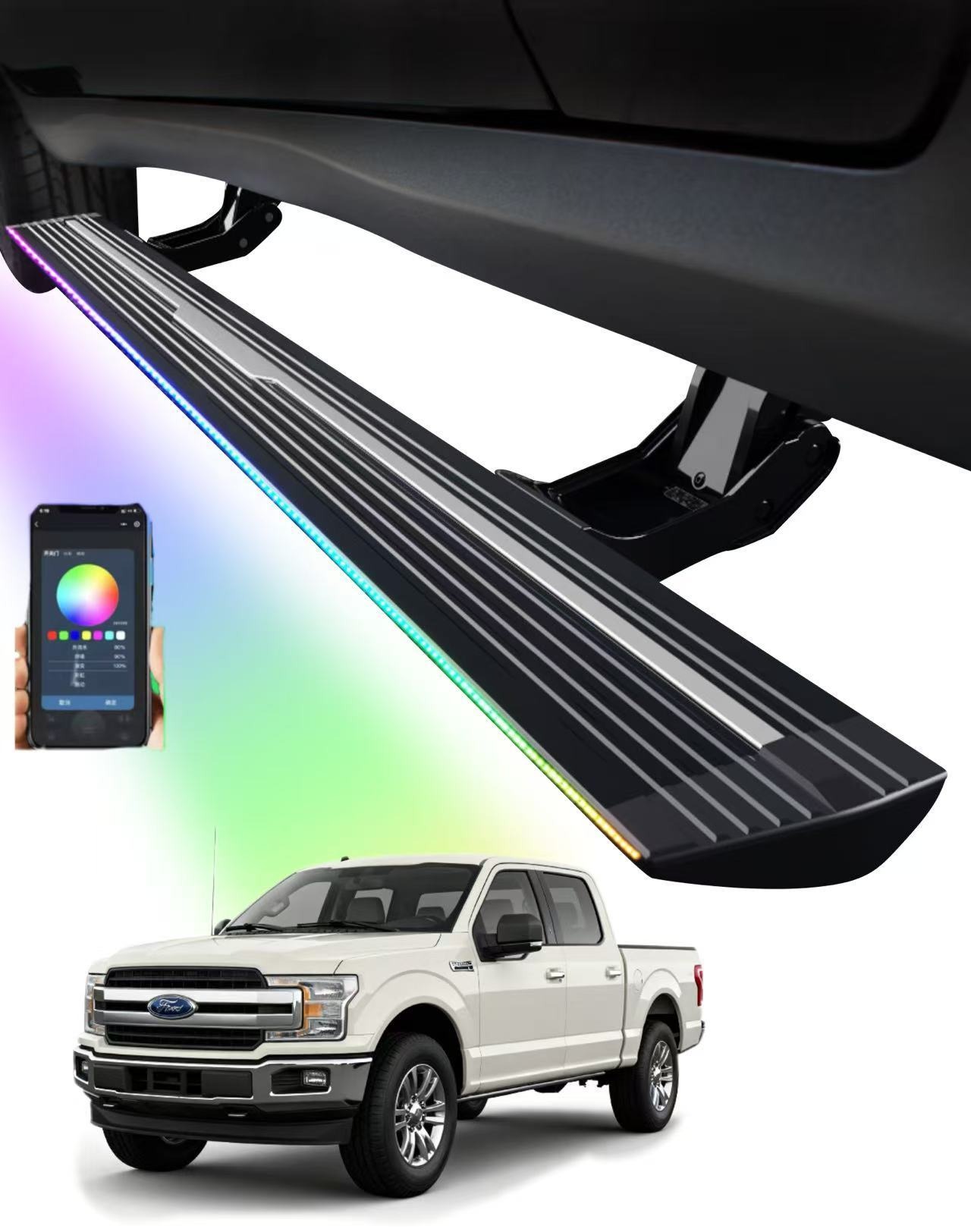
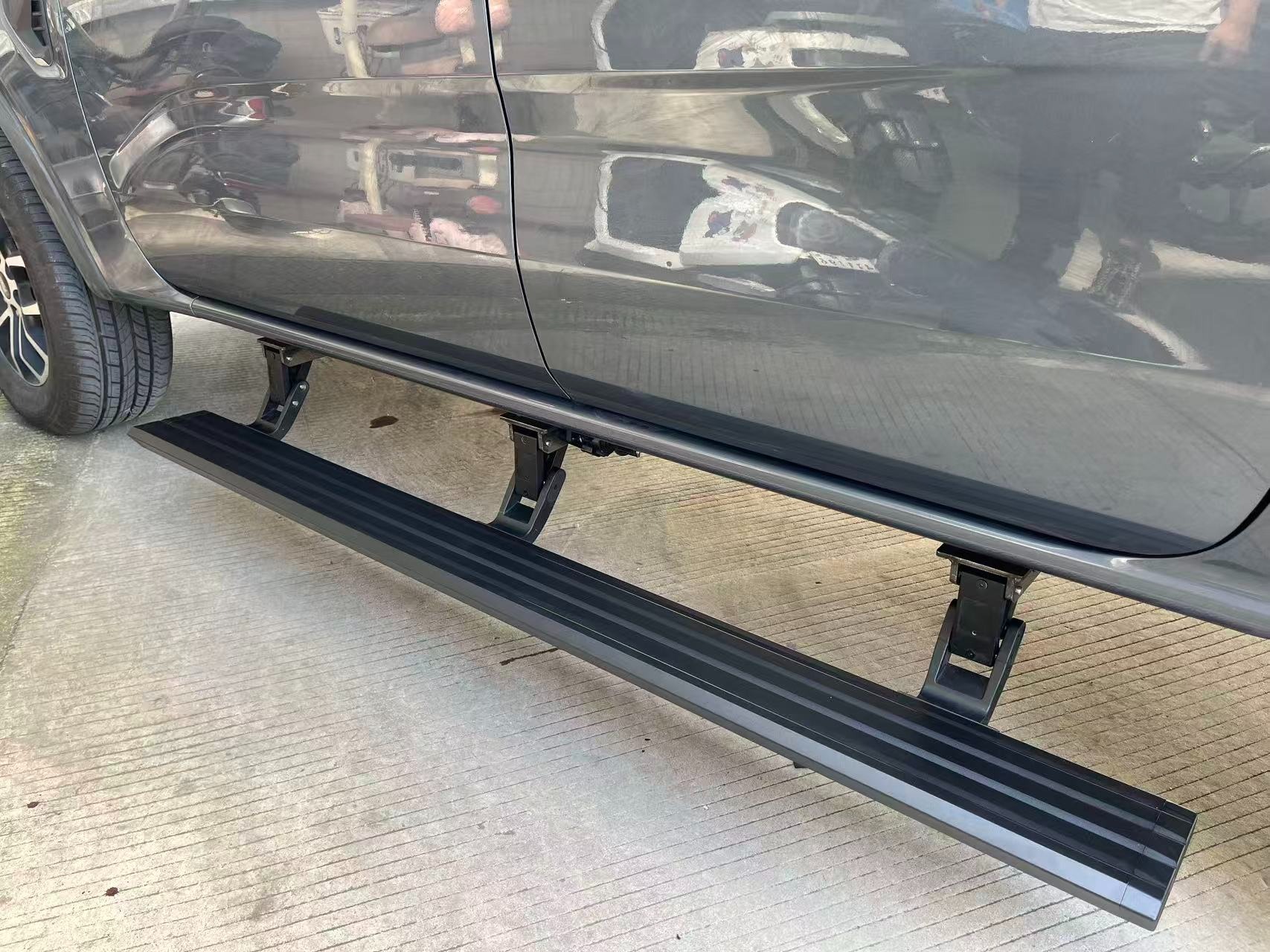
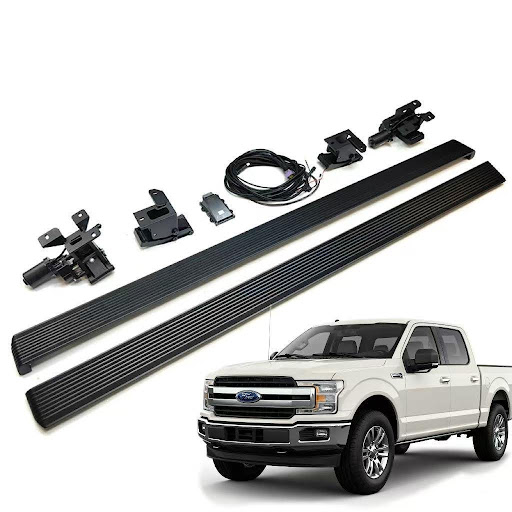
Power running boards offer a different setup. The board extends when the door opens and retracts under the rocker panel when the door closes. This design gives easier access while keeping more ground clearance when the truck moves. Many buyers also use the terms electric running boards and retractable running boards for this type of system.

However, products can differ in motor design, vehicle fitment, weather resistance, materials, and installation. Choosing the right system requires more than comparing prices.

What Are Power Running Boards?

Power running boards are motorized side steps that move with the vehicle doors. An electric motor controls the board through a vehicle-specific mounting system. When a door opens, the board moves down and out to create a step. When the door closes, the board retracts under the vehicle.

This movement gives drivers and passengers easier access without keeping the step outside the truck at all times. The retracted position can also help preserve ground clearance, which matters on trucks used on rough roads, trails, or uneven ground.

A power running board system usually includes the running board, electric motor, mounting brackets, wiring, control modules, and door signals. The vehicle fitment determines how these parts attach to the truck. A proper fitment also helps the board move through the correct range without interfering with the vehicle body.

Buyers should also check how the motor and electrical system handle rain, snow, mud, and road salt. Installation is another important factor because some systems use vehicle-specific brackets and bolt-on mounting points.

For buyers comparing manufacturers, companies specializing in power running boards China can offer a wide range of vehicle-specific systems and factory-direct options.

Power Running Boards vs. Fixed Running Boards

Power running boards and fixed running boards solve the same basic problem: they give people an easier step into a truck. The main difference is how the step stays on the vehicle.

Fixed running boards remain outside the vehicle at all times. A driver can use the step whenever needed, without waiting for a motor to deploy it. This simple design can work well for daily driving and buyers who want a lower purchase cost.

Power running boards use an electric motor to move the board. The board deploys when a door opens and retracts when the door closes. This setup keeps the step available during entry and removes it from the side of the truck during driving.

FeaturePower Running BoardsFixed Running Boards
DeploymentAutomaticFixed
Ground clearanceHigher when retractedConstant
AppearanceRetracts under vehicleAlways visible
Entry assistanceAutomaticManual
PriceUsually higherUsually lower

Ground clearance can make a major difference for truck owners who drive on uneven roads. A fixed board stays at the same position, so it can sit lower than the truck body. A power running board can retract under the vehicle after the door closes. This position can reduce the chance of the board hitting obstacles.

Appearance also affects the choice. Fixed boards remain visible and can give a truck a traditional off-road look. Power running boards stay hidden when they are not in use, which gives the truck a cleaner side profile.

The right choice depends on how the truck is used, the available budget, and the need for ground clearance. Fixed boards offer a simple step at all times, while powered systems provide a step only when needed.

What Should Buyers Look for When Choosing Power Running Boards?

Choosing power running boards requires more than checking the board design or purchase price. Buyers should look at vehicle fitment, ground clearance, step design, motor performance, load capacity, and weather resistance. These factors affect daily use, installation, and long-term reliability.

Vehicle Fitment

Buyers should start by checking vehicle compatibility and the mounting system. The correct system should match the vehicle make, model, year, and body configuration. A 2-door truck may need different brackets and board dimensions than a 4-door model.

Cab configuration can also affect the mounting points. Buyers should check whether the kit supports the exact vehicle before placing an order. A product range covering multiple truck and SUV platforms makes it easier to find a system designed for the specific vehicle rather than relying on a universal design. MAX running boards manufacturer’s power running boards product range can also show which models and configurations are supported.

Ground Clearance and Step Design

Ground clearance matters for trucks that travel on rough roads or off-road trails. Buyers should check how high the board retracts under the vehicle. A higher retracted position can help keep the board away from rocks, deep ruts, and other obstacles.

Step width also affects daily use. A wider step can give the driver and passengers more room for their feet. An anti-slip surface can provide better footing in wet or dirty conditions.

Buyers should also check the clearance between the board and the rocker panel. The board should move without hitting the vehicle body or nearby components.

Motor and Load Capacity

The motor controls how the board deploys and retracts. Buyers should look at motor reliability, opening and closing cycles, and the system’s load capacity.

A running board faces repeated movement during normal use. Each door opening can trigger a deployment cycle. A reliable motor and suitable mechanical parts should handle repeated operation without excessive noise or movement.

Load capacity also matters because passengers place their full body weight on the step. The brackets and mounting points must support the rated load. Strong brackets can also help reduce vibration when the truck moves over uneven roads.

Weather and Corrosion Resistance

Power running boards operate under the vehicle, where they can face water, mud, snow, dirt, and road salt. Weather resistance should therefore be part of the buying decision.

Buyers in areas with heavy snow or road salt should pay particular attention to corrosion protection and weather resistance. Metal parts need suitable corrosion protection, while electrical components need protection from water and road debris.

A product can look good when new but face very different conditions after months of daily driving. Buyers should check the manufacturer’s stated water resistance, corrosion protection, and testing information before making a decision.

Power Running Boards for Ford Trucks and Off-Road Builds

Ford trucks come in different sizes and cab configurations, so vehicle fitment should be one of the first checks when choosing power running boards. The F-150, F-250, and F-350 can have different body dimensions, mounting points, and chassis layouts. Model year can also affect fitment. A running board made for one Ford truck may not fit another model or cab configuration. Buyers should confirm the exact model, year, and cab configuration before ordering.

For daily driving, a power running board should provide a stable step and move smoothly each time a door opens or closes. The mounting system should also place the board at the correct position along the rocker panel. Ford truck owners can compare systems made for their exact truck instead of relying on a universal design. A dedicated Ford power running boards range can make it easier to check supported models and configurations before purchasing.

Off-road trucks face different conditions than trucks used mainly on paved roads. Mud, loose rocks, deep ruts, standing water, and uneven terrain can expose the running board system to more dirt, water, impact, and vibration. Before choosing a system for an off-road build, buyers should pay particular attention to several factors:

  • Ground clearance: Check how high the board sits after it retracts.
  • Mounting strength: Check the brackets and mounting points.
  • Weather resistance: Check protection against water, mud, and road salt.
  • Motor operation: Check smooth deployment and repeated operation.
  • Board clearance: Check the space around the rocker panel and nearby components.

Ground clearance can matter when a Ford truck travels over rocks or deep ruts. A retracted board should sit close to the vehicle body and stay clear of nearby parts. This position can reduce the chance of the board contacting obstacles below the truck. Buyers should also check the board position during both deployment and retraction to make sure it does not interfere with the rocker panel or other components.

Vibration and weather exposure also deserve attention on off-road builds. Uneven terrain can place repeated stress on the brackets and mounting points. Mud and water can reach components under the truck, while road salt can increase corrosion risk in areas with winter road treatment. Buyers should review the mounting design, weather resistance, and installation requirements before making a choice. Daily drivers may focus on easy entry and smooth operation, while off-road builds may place more focus on clearance, protection, and mounting strength.

Custom Power Running Boards: When Standard Kits Are Not Enough

Standard power running boards work well for common vehicles with confirmed fitment. However, some vehicles do not match the dimensions or mounting points of a standard kit. Older models, uncommon vehicles, modified suspensions, and special body configurations can create different installation requirements. Some projects may also need a different step width, board length, or mounting position. In these cases, a standard kit may not provide the right fit.

For specialty vehicles or aftermarket brands, custom power running boards may be an option when a standard vehicle-specific kit does not meet the required dimensions or design. A custom system can adjust the board position, mounting brackets, and step dimensions to match the vehicle. This approach can also support projects that need a specific product design instead of an off-the-shelf solution.

When Might a Custom System Make Sense?

  • Older or uncommon vehicle models
  • Modified suspension or ride height
  • Special body configurations
  • Unique step dimensions
  • Private-label or aftermarket projects

OEM and private-label projects can require changes beyond basic vehicle fitment. A buyer may need a different board profile, specific bracket design, custom dimensions, or a private-label logo. Production requirements can also affect the design, packaging, and manufacturing process. Defining these requirements early helps both sides understand what the finished product needs to include.

Custom AreaWhat Buyers May Need
Board dimensionsLength, width, and step position
Mounting bracketsMounting points and bracket shape
Board designProfile and surface design
BrandingLogo and private-label requirements
Vehicle dataMeasurements, photos, and chassis data
ProductionMOQ, packaging, and production requirements

Vehicle data plays an important role in custom development. Measurements, photos, mounting-point information, and chassis data can help a manufacturer understand the available space under the vehicle. Clear technical information can also help reduce fitment problems during development. Buyers should confirm the technical design and production requirements before manufacturing begins.

Custom power running boards require more planning than a standard kit, but they can give specialty vehicles and aftermarket brands more control over fitment and product design. For a unique vehicle or private-label project, clear vehicle data and production requirements provide a practical starting point.

Conclusion

The right power running board depends on the truck, driving environment, and intended use. Buyers should start with vehicle fitment and then compare ground clearance, motor performance, load capacity, weather resistance, and installation requirements. Daily drivers may place more value on easy entry and smooth operation, while off-road trucks may need more clearance and protection from mud, water, and debris. Buyers should also consider whether a standard kit meets the vehicle’s needs or whether a custom system is required. A clear comparison of these factors can help buyers choose a system that fits the truck and its daily use.

How AI Visual Tools Are Quietly Reshaping Content Creation in Motorsports Media

Every race weekend now generates far more visual content than any single team or outlet can shoot with a camera crew alone. Sponsorship recaps, social media highlights, fan engagement posts, merchandise mockups, promotional graphics for the next event — the volume of visual assets a motorsports organization needs has grown much faster than the budgets or staff available to produce them the traditional way.

That gap is where AI-generated imagery has quietly started to fill in.

More Content, Same Headcount

A small racing team’s marketing department is rarely more than a handful of people, yet expectations for visual output keep climbing. Fans want daily content, not just race-day highlights. Sponsors want custom creative for their own campaigns, tailored to specific platforms and audiences. Ticket sales teams want fresh promotional visuals for every event on the calendar, not the same recycled banner reused all season.

Hiring more photographers and designers is one answer, but it’s expensive and doesn’t scale well for smaller series or regional tracks operating on tighter margins than the top national circuits. AI image generation tools have become a practical middle ground — not a replacement for professional race photography, but a way to produce the volume of supporting visual content that never had a realistic budget in the first place.

Where It Actually Gets Used

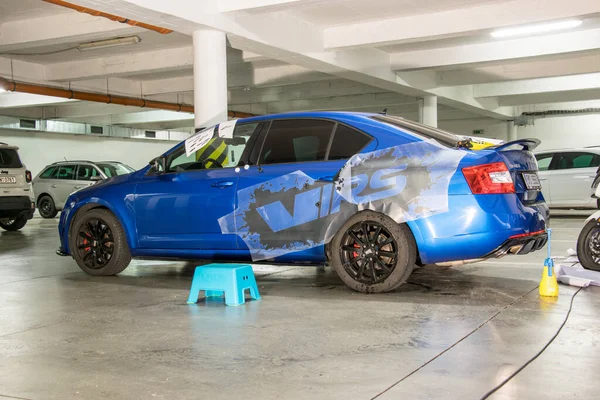
The use cases that have caught on aren’t glamorous, but they’re practical. A marketing coordinator needing a quick promotional graphic for tomorrow’s social post. A sponsorship team mocking up how a new paint scheme might look before committing to a wrap design. A ticketing department generating stylized event artwork for a dozen different tracks without commissioning a dozen different illustration jobs.

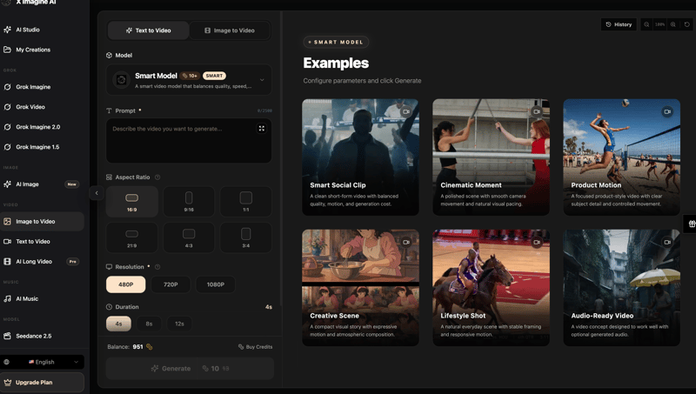
This is also where the tools themselves have started to differentiate. A general-purpose Grok image generator handles broad creative requests reasonably well, but teams working under tight weekly deadlines tend to care less about which underlying model produced an image and more about speed, predictable cost, and whether the tool fits into a workflow a non-designer on a small team can use without training.

The Practical Considerations

For organizations without a dedicated creative department, three things tend to matter most: cost that scales with actual usage rather than a flat monthly commitment nobody fully uses, output that doesn’t require heavy editing to look presentable, and a tool simple enough that whoever is managing social media that week can operate it without a design background.

That last point matters more than it might seem. Motorsports marketing teams are often lean and multi-hatted — the person handling sponsorship decks on Monday might be running the team’s Instagram on Tuesday. Tools that require a steep learning curve simply don’t get adopted, no matter how capable they are.

What This Means Going Forward

None of this replaces the value of a skilled photographer trackside capturing the moment a car crosses the finish line — that kind of content isn’t going anywhere, and shouldn’t. What AI visual tools are absorbing instead is the enormous volume of secondary content that surrounds a race weekend but never got a professional photo shoot of its own: the promotional graphic, the sponsor mockup, the quick social teaser.

As content demands across sports media keep climbing faster than production budgets, expect this quiet shift to keep accelerating — not as a replacement for the people producing race-day content, but as a way to keep up with everything happening around it.

Hurt at Work in North Myrtle Beach? Know Your Workers’ Compensation Rights

A workplace injury can impact your physical health, but it can also impact your emotional, social, and mental well-being. While you recover, medical treatment, missed work, and potentially working fewer hours can create financial strain. No matter how workers’ compensation benefits work, an injured worker must know their rights and protect their interests. A North Myrtle Beach Workers’ Compensation Attorney can explain the filing process, outline the required paperwork, and answer questions about medical benefits, lost wages, and other compensation. They can help with your work injury and any related legal issues. If you have been injured, have a claim to pursue, or are having a problem with your insurance provider, it’s important to get the facts straight first.

Understanding Workers’ Compensation in North Myrtle Beach

Workers’ compensation pays benefits to workers who get injured or become ill on the job. Benefits may help cover medical care and a portion of lost wages while a worker is injured and unable to work. Knowing how it works is essential, especially if an injury makes it difficult to do your regular job duties.

In North Myrtle Beach, an injured worker may need to notify their employer and complete the required claims process. The facts of the injury, medical evidence, and worker status may affect a benefits claim. A North Myrtle Beach Workers’ Compensation Attorney can explain the process and outline the steps you may need to take to support your claim.

When an employer or insurance company challenges the injury, disability level, or benefits claim, the workers’ compensation claim becomes more complicated. Medical records, discussions with the employer, and any lost work time can help provide a clear picture of what happened. Jebaily Law Firm can help workers who have suffered a workplace injury and face the legal challenges that may arise.

Common Workplace Injuries May Qualify for Benefits

Workplace injuries can occur in many work environments, including construction sites, warehouses, offices, and retail stores. These are examples of common injuries that may qualify for workers’ compensation benefits if they occur at work.

Back and neck injuriesLifting, bending, and repetitive movement injuries (strains, sprains, etc.).
Slips, trips, and falls injuriesFalls at work causing fractures, sprains, and head injuries.
Repetitive motion injuriesConditions caused by repetitive activities of the hand, wrist, shoulder or other parts of the body.
Workplace burns  Injuries resulting from hot surfaces, chemicals, or other hazardous conditions at work.
Cuts and lacerationsInjuries from tools, machines, or sharp objects.
Occupational illnessesDiseases caused by the work environment or its connection to work.

Whether an injury is covered depends on the circumstances and workers’ compensation laws.

What Benefits Might Injured Workers Be Entitled To?

Employees injured at work may receive workers’ compensation benefits to help them cope with the injury’s financial consequences. Benefits may cover medical expenses for the work injury and compensation for lost wages if the employee cannot work. The length and level of benefits will depend on the rules that apply to the situation and the worker.

Sometimes an injury can disable a person, temporarily or permanently, making it impossible for them to work. In some instances, workers’ comp will cover disability benefits; in others, it will cover benefits for relatives who have been left behind after a work-related death. Injured workers should know what benefits they may be entitled to and how to apply for them to make the best decisions about their claim.

Frequently Asked Questions

What should I do after a workplace injury in North Myrtle Beach?

Report the injury to your employer immediately and get proper medical care. Document the incident, treatment, and missed work time.

What will happen if I can’t go back to work?

You may be entitled to receive temporary disability benefits and/or other compensation depending on the situation. The nature of the injury will determine the type and duration of benefits.

What happens if my workers’ compensation claim is denied?

A denied claim doesn’t mean there’s no recourse. You may be able to appeal the decision through the appropriate claims process. An attorney can tell you what options you have.

What is the time limit for reporting a work injury?

Workers’ compensation claims have reporting and filing deadlines. The above deadlines may change depending on the circumstances; however, if you are unsure, act quickly and consult your legal counsel.

Should I have a lawyer represent me in a workers’ compensation case?

Not every claim requires an attorney, but if your claim is denied, your benefits are delayed, or your injury is significant and affects your work, you may need an attorney.

Conclusion

But if you understand the workers’ compensation process, you can take steps to move forward with a workplace injury, one that can be physical, financial, and legal. If you’re injured at work, it’s important to know what benefits you have and what rights you have in North Myrtle Beach..

Examining the Ignored Elements of an All-Inclusive Manual for Workers and Employers

Workers’ compensation aims to provide financial assistance to company workers who sustain injuries or develop illnesses as a result of their employment. This system matters because it lets workers receive compensation for lost income and necessary medical treatment without the burden of litigation. Holding Employers Accountable requires understanding the fundamental elements of workers’ compensation: income replacement and medical expenses. Still, many elements of this crucial safety net are overlooked. 

Work-related injuries can occur in almost any industry, including construction sites, manufacturing plants, offices, and healthcare locations. When an employee gets injured at work, physical suffering is most of the time coupled with financial strain, medical uncertainty, and job security concerns. The workers’ compensation system is meant to pay injured employees in the state, but it is not always that easy. Consulting a Workers’ compensation lawyer can be especially important for injured workers who want to understand their rights and receive the benefits they are entitled to under the law.

Attorneys play a crucial role in managing the intricacies of workers’ compensation claims. A compensation attorney specializes in helping injured workers understand their rights and the complex nature of workers’ compensation laws. A skilled lawyer can explain less well-known benefits, like job rehabilitation programs that help injured workers retrain or find work so they can return to work. For those whose injuries keep them from returning to their former jobs but who still want to contribute to the economy, this support is vital.

The Compensation Attorney Job Description

A workers’ compensation lawyer advocates for injured employees throughout the claims process. This includes collecting medical records, preparing required documents, speaking with insurance adjusters, and defending clients at hearings or during appeals. Legal counsel may be especially necessary when a claim is denied or benefits are contested.

A skilled attorney knows how to present evidence that establishes the relationship between the accident and the workplace. They can also help ensure medical opinions are well documented, and wage calculations accurately reflect the worker’s lost income. This advocacy can significantly affect a claim’s outcome.

Addressing Psychological Aspects of Workplace Injuries

Psychological factors in occupational injuries are often overlooked. Workers’ recovery isn’t limited to physical injuries. Workers who go through traumatic experiences at work may face challenges such as PTSD and may not be able to resume work. The workers’ compensation system recognizes this and offers mental health benefits, but they should be clearer. Workers can access all the benefits they are entitled to by recognizing that emotional healing is as important as physical health.

Combating the Issue of Fraud in Workers’ Compensation

Every stakeholder is impacted by the serious problem of possible fraud inside the workers’ compensation system. Although most claims are valid, a small percentage may be false, triggering more investigation and tougher rules that can impede legitimate claims. By teaching staff members their rights and obligations, one can help reduce fraud and ensure resources go to people who truly need them.

Guaranteeing Earnings and Work Limitations

Compensation benefits usually cover medical costs and a portion of lost wages. However, these payments are usually lower than an employee’s full salary, which may strain the employee financially. A lawyer can help calculate wage replacement benefits correctly based on the worker’s average weekly wage and job type. In other cases, injured workers may face retaliation or even lose their jobs after making a claim. Although workers’ compensation laws prohibit retaliation, enforcing those protections can be difficult without legal help. A lawyer can advise employees of their rights and help them address illegal employer behavior.

Frequently Asked Questions

How can employers ensure their workers have legal work authorizations?

Employing immigrants who do not have proper documentation to work in the United States is illegal.  With sophisticated counterfeit documents just a click away, employers often struggle to detect whether employees have provided proper documentation. 

Why is it important to hold employees accountable?

Holding employees accountable is essential to meeting your department’s goals. When everyone understands their expectations and responsibilities, they can produce better, more consistent work.

Workers’ compensation provides injured workers with necessary support; therefore, it is important to examine several aspects of this system. Understanding the value of legal support, workplace culture, mental health issues, and the consequences of fraud will help workers and companies create a more efficient and supportive workers’ compensation system, as workers’ compensation attorneys at Scott Monge Attorney will do.

7 Best Custom Sticker Sites for Durable Racing Decals and Fast Turnaround in 2026

Photo by depositphotos at https://depositphotos.com/

You have a livery to finish, sponsor logos to place, and a race weekend that won’t wait. Ordinary stickers fail exactly when you need them most: the ink fades under UV, the edges peel in a car wash, and the whole panel graphic lifts at 120 mph. For motorsport work, a decal has to survive heat, weather, grit, and wind pressure while holding vibrant color – and it has to land in your hands before the transporter leaves. That mix of weatherproof durability, finish variety, and genuine speed is what separates a race-ready decal from a novelty sticker. This guide ranks the seven best custom sticker sites for racing decals and fast turnaround, judged on how well each one gets you durable, accurate graphics before the flag drops.

Our top pick is Vinyl Status for buyers who need premium weatherproof vinyl produced quickly in the USA, with a format range broad enough to cover an entire livery – die-cut, holographic, and clear options included – and a digital proof process that confirms artwork before anything goes to print. The main draws are a 2-day production turnaround on premium USA-made vinyl and free shipping on orders over $100. For buyers facing a genuinely extreme deadline, Decals.com offers a 1-business-day priority production option, with same-day rushes available in some cases. For international motorsport customers who need accessible worldwide shipping rather than USA-based production, VinylStickers.com is another option.

The full ranked list, a compact at-a-glance comparison, and our methodology follow below. An FAQ at the end tackles the most common ordering questions – turnaround, durability, finishes, and minimum quantities – so you can commit to an order with confidence.

How we ranked these

This is a buying guide, not a product listing, so every site here was assessed against the same four criteria that actually decide whether a decal survives a season of racing. We weighted material durability most heavily, because a graphic that fails on track is worse than no graphic at all. Note the scope: this guide covers motorsport and automotive decals for bodywork, car windows, and helmets – not general wall decals or indoor stickers, which have very different durability demands.

Material durability and weatherproofing

The core test. We looked for premium vinyl rated for outdoor and performance conditions – resistance to UV fade, moisture, temperature swings, and the abrasion a car body takes at speed. Decal sticker printing for motorsport lives or dies on the substrate and laminate, not the graphic file.

Finish and format variety

Racing liveries mix flat panel graphics, cut numbers, specialty finishes, and shaped bumper stickers. Sites offering more format options – die-cut, kiss-cut, holographic, clear, sticker sheets – score higher because they can cover a whole build from one supplier.

Turnaround speed

Production plus shipping. We separate stated production windows from delivery, and flag clearly that fast production is a USA-based figure. International buyers must add transit time regardless of how quick the print run is.

Print quality and color accuracy

Quality printing and reliable color matching matter for sponsor branding, where a logo must reproduce exactly. We also considered the ordering process, digital proofing, and available customer reviews and reputation, since a proof step is the cheapest insurance against a costly reprint. Provider-specific figures in this guide were checked against the providers’ live pages on 17 September 2026.

The 7 best custom sticker sites for racing decals and fast turnaround

Now that we’ve covered what separates a race-ready decal from a generic sticker, here are the seven best custom sticker sites for racing decals and fast turnaround – each ranked by how well it delivers on durability, speed, finish variety, and print quality. Whether you need a full livery kit by the weekend or a bulk run of sponsor logos at a sensible price, one of these services will fit the brief. The at-a-glance table below summarizes each pick before the detailed write-ups, with our overall recommendation, Vinyl Status, at the top.

ProviderBest for
Vinyl StatusPremium weatherproof vinyl with fast USA production
Decals.com1-business-day priority production; same-day may be available in some cases
FastDecals.comCustom vehicle decals across cut, printed, and specialty materials
CarStickers.comCustom shaped car and bumper decals with guided design
48HourPrint.comRacing teams needing decals plus print collateral
FastPrinting.comPremium and specialty sticker finishes
VinylStickers.comInternational buyers needing worldwide shipping

#1. Vinyl Status – Best for premium weatherproof vinyl with fast USA production

A flexible option for building an entire race livery on durable, USA-made vinyl without sacrificing turnaround.

Vinyl Status stands out because it treats custom stickers as a broad system rather than a single product line. Its catalog lists 15 distinct sticker types, and if you are sourcing motorsport graphics you can order Vinyl Stickers that cover the whole build – die-cut, kiss-cut, holographic, clear, bumper stickers, sticker sheets, QR code stickers, and shape-based options including circle, square, oval, and rectangle. That range is one reason it ranks first here under our stated criteria: a livery rarely needs just one finish, and consolidating panel graphics, sponsor logos, and helmet decals with one printer can simplify color and material coordination across the car.

Durability is the other pillar. The vinyl is premium and weatherproof, with resistance to fading, tearing, and water damage stated on the product page. Production runs at a stated 2-day turnaround in the USA, and every order goes through a digital proof approval step, so a designer or team manager confirms the artwork before anything is printed. That proofing stage gives the buyer a chance to catch artwork issues before production.

Key specs:

  • Format range: 15 sticker types – die-cut, kiss-cut, holographic, clear, bumper, sticker sheets, QR code, plus circle/square/oval/rectangle shapes
  • Material: Premium weatherproof vinyl for outdoor and motorsport use
  • Production: 2-day turnaround (USA-based; international buyers add transit)
  • Proofing: Digital proof approval before print
  • Shipping: Free on orders over $100
  • Origin: USA-made throughout

Pros:

  • Wide format menu covers many common racing livery needs from one supplier
  • Stated 2-day production keeps turnaround short for USA orders
  • Digital proof approval reduces the risk of artwork errors and costly reprints
  • Free shipping over $100 removes the delivery charge on qualifying orders
  • Premium weatherproof vinyl genuinely suited to performance conditions on bodywork, windows, and helmets

Cons:

  • The $100 free-shipping threshold means small or one-off orders still pay for delivery
  • For a documented 1-business-day priority option, Decals.com provides a clearer fit for tighter production deadlines
  • Production speed is a USA figure; international buyers must allow extra transit days
  • Pricing varies by size and quantity, so budget-led buyers should compare the live quote with alternatives

Who it’s best for: Car builders, teams, and event organizers who want a wide finish selection on durable USA-made vinyl, value a proof step for accuracy, and are ordering enough to clear the free-shipping threshold.

#2. Decals.com – Best for 1-business-day priority production

The pick when the deadline is genuinely extreme, and speed outranks every other consideration.

Decals.com offers a 1-business-day priority production option. Its fast-sticker page says emergency or same-day rushes may be available in some cases and directs buyers to contact customer service for details. Alongside the rush capability sits a wide decal format range. Production timing begins after the required file upload and any proof approval, and shipping time is additional to production time.

Key specs:

  • Production: 1-business-day priority; same-day rushes may be available in some cases
  • Format range: Wide decal selection
  • Origin: USA-based printing
  • Ordering: Online

Pros:

  • 1-business-day priority gives buyers a documented rush-production option
  • Wide decal format range beyond basic stickers
  • Established USA production infrastructure
  • Rush-production option for deadline-sensitive orders

Cons:

  • Rush speed can carry a higher per-unit cost
  • Production timing starts after file upload and any required proof approval
  • Shipping time is additional to the stated production window
  • International buyers still need to allow shipping transit after production

Who it’s best for: Racers and teams up against a tight deadline who need a documented 1-business-day priority production option and can plan separately for shipping.

#3. FastDecals.com – Best for custom vehicle decals across multiple materials

The material-rich option for racers who want lettering, numbers, printed decals, or specialty finishes from one catalog.

FastDecals.com offers cut vinyl lettering and numbers, full-color printed decals, and specialty materials including holographic, reflective, chrome, clear, and high-temperature options. That makes it relevant for racing numbers and sponsor graphics as well as more decorative livery elements. Its site also states that most decals can be made in a range of sizes and shapes and that quantity discounts are applied automatically where available. Buyers should still confirm current production timing directly for a race-week deadline.

Key specs:

  • Specialism: Cut vinyl, full-color printed decals, lettering, numbers, and specialty materials
  • Pricing: Automatic quantity discounts where applicable
  • Application: High-contrast motorsport visibility graphics
  • Ordering: Straightforward online process

Pros:

  • Broad material range covers numbers, lettering, printed graphics, and specialty finishes
  • Quantity discounts are applied automatically where available
  • Custom shapes and sizes are available for many decal types
  • Outdoor vinyl options are designed for vehicle and other exterior uses

Cons:

  • Specialty materials can have application limits depending on surface and shape
  • Buyers should confirm lead times directly for deadline-sensitive orders
  • The large material catalog requires more selection than a simple one-product service

Who it’s best for: Racers who want a mix of cut lettering, full-color printed decals, and specialty finishes from one provider.

#4. CarStickers.com – Best for custom shaped car and bumper decals with guided design

The easiest starting point for hobbyist car builders who want a guided design experience rather than a bare upload form.

CarStickers.com is built around automotive use cases, so its product range maps neatly onto car-build needs – custom shaped decals for panels and body lines, plus dedicated bumper sticker printing. Its online design tool is the differentiator: it lowers the barrier for buyers who do not have print-ready artwork and want to lay out a decal for bodywork or car windows without wrestling with professional software. That guided ordering process is genuinely reassuring for a first-time buyer. The flip side is that a template-driven tool can constrain anyone arriving with complex pre-prepared files, and the site is not positioned as a rush-turnaround specialist.

Key specs:

  • Focus: Dedicated automotive stickers and decals
  • Design: Online design tool for custom shapes
  • Formats: Custom shaped decals and bumper stickers
  • Applications: Bodywork, bumpers, car windows

Pros:

  • Automotive focus means the range is built around car-build applications
  • Online design tool helps buyers without professional artwork files
  • Custom shaped decals well-suited to panel graphics and bumper use
  • Guided ordering experience friendly to first-timers

Cons:

  • Design tool can limit flexibility for complex pre-prepared artwork
  • Not positioned as a fast-turnaround specialist
  • Finish variety may trail a full-service printer on specialty options
  • Serves individual hobbyists more than large team bulk orders

Who it’s best for: Hobbyist car builders and enthusiasts who want custom shaped or bumper decals and prefer a walk-you-through design and ordering process.

#5. 48HourPrint.com – Best for racing teams needing decals alongside broader print collateral

The practical choice for team managers who need more than stickers from a single supplier.

48HourPrint.com is a full-service print business rather than a dedicated sticker specialist, and that is exactly the point. A racing team or event organiser rarely needs only decals – they need banners for the pit, flyers for the paddock, and signage for the event, and consolidating that spend with one supplier removes the headache of juggling multiple vendors and matching brand colors across formats. For small business branding and multi-format team identity, that breadth is a real practical advantage. The trade-off is specialization: decals are one line among many here, so the depth of vinyl finish options will not match a printer devoted to stickers, and it is overkill for a simple decal-only order.

Key specs:

  • Type: Full-service print shop with decal and sticker products
  • Range: Banners, flyers, signage, and print collateral alongside decals
  • Use case: Team and event multi-format branding
  • Ordering: Consolidated single-supplier workflow

Pros:

  • One-stop shop for decals, banners, and event signage together
  • Removes the complexity of managing multiple print suppliers
  • Established full-service operation with a broad product menu
  • Practical for race series organisers handling multi-format branding

Cons:

  • Decals are one product line among many – not a specialist motorsport printer
  • Vinyl finish depth may not match dedicated sticker printers
  • Most useful when decals are being ordered alongside other print products

Who it’s best for: Racing teams and event organisers who need decals plus banners, signage, and collateral, and want the efficiency of a single print supplier.

#6. FastPrinting.com – Best for premium and specialty sticker finishes

The premium-label option for teams that want vinyl, textured, foil, embossed, or other specialty finishes.

FastPrinting.com positions its sticker range around premium and specialty output rather than budget bulk. Its current sticker pages feature luxury textured stocks, foil, embossing, raised effects, and premium vinyl, with custom shapes and finishes available across the range. For motorsport use, that makes it more relevant to presentation-led sponsor labels or specialty branding than to a pure lowest-cost bulk brief. Buyers should match the stock to outdoor exposure because some products are paper-based labels rather than vehicle vinyl.

Key specs:

  • Pricing: Product- and quote-dependent
  • Formats: Premium vinyl, textured, foil, embossed, and raised finishes
  • Use case: Specialty branding and premium labels
  • Ordering: Online ordering and quote workflow

Pros:

  • Wide premium and specialty finish range
  • Vinyl and paper-based stock options
  • Foil, embossing, and raised finishes are available
  • Customisable shapes and finishes across multiple sticker types

Cons:

  • Not primarily positioned as a budget bulk sticker service
  • Some featured products are paper labels rather than outdoor vehicle vinyl
  • Specialty finishes require matching the stock to the intended surface and exposure
  • Race-week suitability depends on current production and delivery timing

Who it’s best for: Teams and event organisers prioritising premium or specialty sticker finishes and willing to choose the stock around the application.

#7. VinylStickers.com – Best for international buyers needing accessible worldwide shipping

The realistic option for overseas motorsport buyers who are poorly served by USA-only printers.

VinylStickers.com is included for its international shipping reach. For customers outside the USA, ordering from a US-based printer can add freight cost and transit time, while VinylStickers.com states that it offers worldwide shipping. Its range covers standard vinyl decals and stickers for buyers who do not need a specialist motorsport catalog. Buyers should compare current delivery estimates, material specifications, and finish options before ordering.

Key specs:

  • Shipping: Broad international reach
  • Pricing: Accessible for international orders
  • Range: Standard vinyl decals and stickers
  • Ordering: Accessible to non-US customers

Pros:

  • Wide international shipping serves buyers underserved by US printers
  • Accessible pricing realistic for overseas motorsport buyers
  • Decent-quality vinyl range for standard racing graphics
  • Straightforward online ordering for non-US customers

Cons:

  • Not a specialist motorsport printer – narrower format depth
  • International transit can make total delivery windows lengthy
  • Material and finish variety may trail USA premium printers for demanding outdoor use
  • Less suited to rush turnaround or specialty finishes

Who it’s best for: International motorsport customers who need worldwide shipping on standard vinyl decals and are prepared to compare current delivery estimates and material specifications.

Frequently asked questions

Is Decals.com worth it for the fastest racing decal turnaround?

If your deadline is genuinely extreme, Decals.com offers a 1-business-day priority production option, and its site says emergency or same-day rushes may be available in some cases. That makes it a documented option for tight production deadlines, but shipping time is additional. Vinyl Status states a 2-day production turnaround, so buyers should compare finish needs and delivery timing rather than treating either production window as a door-to-door guarantee.

How fast can I realistically get custom vinyl stickers printed and delivered?

Production and delivery are separate stages. Premium USA options can run production in around 2 days, and rush services offer a 1-day production window, but you must add shipping transit on top – and international buyers should add several more days. Always read a stated turnaround as production time, not door-to-door delivery, unless the supplier says otherwise.

Should I worry about whether a sticker is durable enough for motorsport use?

Yes – durability is the single most important factor for racing decals. Look for premium weatherproof vinyl rated for outdoor and performance conditions, with resistance to UV fade, moisture, heat, and abrasion, since track use exposes graphics to all of these at speed. Generic indoor or wall-decal material will not survive a season on bodywork, windows, or helmets.

Where should I order custom racing decals online if I want free shipping?

Vinyl Status offers free shipping on orders over $100, which makes it a strong choice for bulk livery and sponsor-logo runs where you will clear that threshold comfortably. For a small one-off order below the threshold, factor delivery cost into your comparison, since the perk only applies at volume.

Is a die-cut sticker better than a kiss-cut sticker for a car build?

They serve different purposes. A die-cut sticker is cut all the way through to the exact shape of the design with no surrounding border, giving clean panel graphics and logos a professional finish. A kiss-cut sticker is cut only through the top vinyl layer onto a backing sheet, which makes peeling and applying multiple smaller decals easier – useful for sticker sheets of repeated sponsor logos.

Should I insist on a digital proof before my racing decals are printed?

For anything with sponsor branding or precise color, yes. A digital proof approval step – offered by Vinyl Status among others – lets you or your designer confirm layout, dimensions, and color before production begins, which is the cheapest way to avoid a costly reprint and a blown deadline. Skipping proofing is a false economy when a whole livery is riding on the file.

Can I order holographic or clear vinyl stickers for a race livery?

Yes, and they are effective for standout accents and window graphics. Vinyl Status carries holographic and clear options within its 15 listed sticker types. FastDecals also lists holographic and other specialty materials, so compare the specific finish, application limits, proofing, and delivery timing you need.

Which site wins for your scenario

The right custom sticker site depends entirely on your situation, so match the pick to the job. If you are building a full race livery and want premium weatherproof vinyl, a broad finish selection, and a proof step to protect accuracy – with 2-day USA production and free shipping over $100 – Vinyl Status remains our top recommendation under the stated criteria. If your deadline is genuinely extreme and production speed is the main priority, Decals.com’s 1-business-day priority option is a closer match to that specific need. Ordering racing numbers, lettering, full-color graphics, or specialty finishes? FastDecals.com has a broad vehicle-decal range. First-time car builder who wants a guided design experience for shaped and bumper decals? CarStickers.com offers that workflow.

For team managers who need decals alongside banners and event signage from one supplier, 48HourPrint.com removes the vendor-juggling. Teams looking for premium or specialty sticker finishes can consider FastPrinting.com, with stock chosen to suit the intended surface and exposure. International buyers who need accessible worldwide shipping more than premium finishes can consider VinylStickers.com. Pin down your priority – durability, speed, finish, budget, or shipping reach – line it up against these seven options, and place your order early enough to clear proofing and transit well before race day.

How KK8 Is Becoming Part of the Modern Motorsports Experience

Not long ago, following Formula 1 was fairly simple. Fans switched on the television for the race, checked the results afterward and kept up with their favourite drivers and teams through the occasional news report. That experience looks very different today. Live timing screens show every sector as it happens, race statistics appear within seconds, and social media carries updates from the paddock throughout the weekend. Mobile apps send grid positions and real-time race updates straight to a fan’s pocket, while interactive sports platforms give followers new ways to take part. KK8 is becoming part of this wider digital motorsports experience as fans look for more ways to stay engaged before, during and after a race.

Formula 1 Fans Are More Connected Than Ever

A Formula 1 event no longer begins and ends on Sunday afternoon. For many fans, the race weekend starts on Friday with the first practice session, when long runs and early lap times offer the first clues about who has found pace. Saturday brings qualifying, and with it the starting grid that shapes much of what follows.

In between, fans keep a close eye on driver updates, team comments and changes to car setups. Weather forecasts are checked and rechecked, because a passing shower can turn a predictable race into a strategic gamble. Tyre choices become a talking point well before the lights go out, as teams weigh up which compounds will last and which will deliver speed.

On race day, attention shifts to pit stops, undercuts and live timing, with fans tracking how each decision plays out lap by lap.

The modern Formula 1 fan is engaged from the start of the race weekend to the final chequered flag, and often well beyond it.

Live Data Is Changing How Fans Follow a Race

Few sports produce as much data as Formula 1, and more of it is now available to ordinary fans than ever before. Sector times reveal where a driver is gaining or losing time. Lap times show whether a car is holding its pace or starting to fade. Tyre compound information explains why one driver is suddenly lapping a second quicker than the car ahead.

Pit-stop timing has become a spectacle of its own, with stationary times measured to the tenth of a second. Gaps between drivers are updated constantly, making it clear when an undercut is working or when a leader is under threat. Fastest laps, grid positions and evolving race strategy all add further layers to follow.

Not so long ago, most of this information was reserved for commentators, engineers and a handful of dedicated analysts. Today, a fan can see much of it on a phone while the race unfolds.

This has changed the way races are watched. Fans are no longer only watching who wins. They are following how the race develops in real time.

Fans Want More Ways to Engage With Formula 1

With so much information available, many fans are no longer satisfied with simply watching a race, checking the result and moving on. They want to stay involved across the whole weekend and bring their own knowledge and opinions into the experience.

For some, that means following race outcomes closely and forming views on how a Grand Prix is likely to unfold. Others enjoy comparing drivers, particularly teammates in identical machinery, where the gap between them says a lot about individual form. Qualifying has become an event in its own right, with fans tracking which drivers are likely to reach the final session and who might spring a surprise.

Many also follow performance trends across several races, looking at how upgrades, circuit characteristics and weather might affect different teams. Thinking through different race scenarios, such as a safety car or an early rain shower, has become part of the fun.

KK8 reflects this change by giving motorsports followers another way to engage with major Formula 1 events through its sports section.

Mobile Access Has Become Essential on Race Day

Many motorsports fans are not sitting in front of a computer when a race is on. Some are watching at a friend’s home or a busy venue. Others are following from a grandstand, where a phone is the quickest way to understand what is happening on the far side of the circuit.

In these situations, the phone does most of the work. Fans use it to check the starting grid, follow live race information and keep up with penalties or retirements. During a race, they switch constantly between timing screens, team updates, social media and other content.

That makes the mobile experience essential. Navigation needs to be simple enough to use with one hand. Pages need to load quickly, even on a crowded network. Categories should be clear so users can find the right event without searching, and account access should not get in the way.

KK8 follows this mobile-first approach by keeping its sports content and account functions easy to access from a phone.

Speed Matters Off the Track Too

In motorsports, every second matters. The same expectation is increasingly shaping digital experiences. A pit stop that runs half a second too long can cost a position, and a platform that makes users wait can lose their attention just as quickly.

For fans following a race on their phone, delays are especially frustrating. Fast page loading matters when the action on track changes in an instant. Quick navigation helps users move from one event to another without losing track of the race. Simple account access means less time spent on logins and more time focused on the action.

The same principle applies behind the scenes. Users expect smooth transactions, clear payment processing and efficient withdrawals, with each step explained and nothing added without reason. Understanding different fast withdrawal methods can also help users see why processing times may vary between payment options. Like a well-drilled pit crew, a good digital platform works best when every movement has a purpose.

KK8 reflects this expectation by focusing on reducing unnecessary steps across navigation, payments and withdrawals. Rather than making claims about being the quickest, the emphasis is on removing friction wherever possible, so the overall experience feels closer to the pace of the sport itself.

More Race Markets Give Fans Different Ways to Follow F1

Formula 1 is more than a contest to see who crosses the line first. Each Grand Prix contains several storylines, and fans increasingly want to follow more than one of them.

The race winner remains the headline, but many fans are just as interested in who will complete the podium. Qualifying results carry their own weight, particularly at circuits where overtaking is difficult. Driver matchups, especially between teammates, offer a focused battle that can run independently of the fight at the front.

The fastest lap adds another layer, often decided late in the race by a driver with fresh tyres and nothing to lose. Team and constructor outcomes, meanwhile, reflect the bigger picture of the championship and the performance of both cars across a weekend.

The range available through platforms such as KK8 reflects how modern fans increasingly follow several parts of a race rather than focusing only on the final winner.

Security and Payments Are Part of the Experience

Digital sports platforms involve more than content. Users create accounts, share personal information, make deposits and request withdrawals, often with verification steps along the way. Each of these touchpoints carries a level of responsibility.

It is natural for users to care about how this is handled. They look for strong account protection and secure login options. They expect verification processes that are clear rather than confusing. They want payment information to be easy to understand, and a withdrawal process that sets out what happens at each stage.

When these elements work well, users barely notice them. When they do not, trust can disappear quickly.

For KK8, security and payment handling form part of the wider user experience rather than sitting separately in the background. Protecting accounts, handling verification properly and keeping transactions clear are treated as part of what makes the platform usable, not as an afterthought.

Where KK8 Fits Into the Modern Motorsports Experience

As the digital side of Formula 1 continues to grow, the platform brings together several elements that today’s fans look for.

F1 access. Through its sports section, users can follow motorsports-related options across major Formula 1 events, from qualifying to race results.

Easy navigation. The layout is designed to be simple on mobile, so users can move between events and account functions without unnecessary steps.

Speed. From page loading to the payment experience, the focus is on efficiency and reducing friction throughout the user journey.

Security. Account protection, verification and transactions are treated as part of the overall experience rather than separate processes.

Each of these points connects to the way fans already follow the sport: closely, on the move and across the whole race weekend, from the first practice session onwards. Together, these elements show why platforms such as KK8 are becoming another part of the wider digital ecosystem surrounding modern motorsports.

Conclusion: Race Day Is No Longer Just About Watching

For a long time, the Formula 1 experience followed a simple pattern. Fans watched the race and then checked the results. Today, the journey is far richer. It moves from practice sessions to qualifying, from live data to mobile updates, and from digital interaction during the race to post-race discussion that can last all week. Fans are more informed, more connected and more involved than ever before. As Formula 1 becomes increasingly connected and interactive, KK8 reflects one way in which the wider digital experience around motorsports continues to expand.

What Your BMW’s Unusual Noises Could Mean

Charleston, South Carolina, is a coastal city known for its historic areas, waterfront views, and active roadways. Its busy urban roads, bridges, and frequent traffic can place regular demands on vehicles, while the warm, humid coastal conditions make consistent inspections useful for drivers who rely on their BMWs.

Unusual noises from a BMW can indicate anything from normal operating sounds to developing mechanical problems. Paying attention to when a noise occurs and where it comes from can help identify the concern. Early inspection can help prevent the issues.

When a BMW starts making unfamiliar sounds, opting for a reliable BMW repair in Charleston, SC can help determine the cause. Understanding common noises can help owners recognize when service may be needed.

Squealing or Screeching

A high-pitched squeal may come from worn brake components, a loose belt, or another component experiencing friction. If the sound appears while braking, it deserves attention. A technician can inspect the affected components and recommend service.

Grinding Sounds

Grinding noises can occur when metal components rub together or when parts have become significantly worn. Brake problems and bearing concerns can produce this type of sound. Continuing to drive without an inspection may allow the problem to become more serious.

Clicking or Ticking

A clicking or ticking sound from the engine area may have several possible causes. It can sometimes be associated with lubrication concerns, engine components, or other mechanical conditions that require inspection. Noting whether the noise changes with engine speed can help with diagnosis.

Humming or Whining

A humming or whining noise that increases with vehicle speed may point toward a wheel, tire, drivetrain, or bearing concern. Changes in the sound when turning or accelerating can provide clues. Professional inspection can help distinguish normal road noise from a problem.

Rattling or Clunking

Rattling may come from loose components, exhaust parts, or areas affected by vibration. A clunking sound over bumps may also indicate wear involving suspension components. Since these systems affect how the BMW handles, unusual sounds should be checked.

Why Timing Matters

Ignoring an unusual noise can allow a developing problem to affect other components. A timely inspection gives technicians an opportunity to identify the source before it worsens. It can also clarify necessary repairs.

Keeping Your BMW in Good Condition

BMW owners should avoid guessing at the cause of an unfamiliar sound based only on its sound. Noting when the noise occurs and arranging a professional inspection can guide the right repair. Consistent maintenance can help identify worn components before symptoms appear for local BMW owners.

Whistling or Hissing Noises

A whistling or hissing sound from the engine area may indicate an air or vacuum leak. It can also be associated with hoses, intake components, or other parts of the engine system. Having the noise inspected can help determine whether a component needs repair or replacement.

Key Takeaways

  1. Repeated unusual BMW noises should not be ignored.
  2. Brake, engine, suspension, and drivetrain sounds can have different causes.
  3. Noting when and where a noise occurs can help with diagnosis.
  4. Professional inspections and opting for a reliable BMW repair in Charleston can identify problems before they worsen.
  5. Timely repairs can help maintain dependable BMW performance.

Bookmaker Boom 2026: How New Betting Sites Are Fighting for Sports Fans

The competition is no longer just about the price of a bet

Ten years ago, most sportsbooks competed on two things: the odds on the coupon and the size of the welcome bonus. That still matters. It is no longer where the fight actually happens. A new wave of operators has spent the last three years pushing competition into the layer around the bet itself, live markets, bet builders, mobile interfaces, cash-out speed, and payment options, and the older names are being pulled along with it. That shift is the real story behind the crowded market a sports fan sees when opening a search page in 2026.

Where sports fans actually meet the new generation

Traffic to new online betting sites usually starts with a specific fixture rather than a general “sign up” intent. A fan looking to bet on a Champions League night, an NBA opener or a heavyweight fight typically compares two or three operators on that one match, then decides. Names that keep surfacing in this newer generation include N1Bet, Boomerang Bet, Batery, Mostbet and Pin Up. Each one is positioned around a slightly different bettor: some lean heavily into mobile-first design, some into wide payment support, some into aggressive promotional cycles tied to live events. None of them wins on odds alone across every sport, and that is precisely why the surrounding experience has become the competitive front.

The features that define the generation gap

Four features separate what newer operators tend to build first from what older sportsbooks bolted on later:

  • Bet builders that let a user combine several selections inside the same match, including player-specific markets
  • Live market coverage that refreshes quickly during play, including in-running props for football, tennis and basketball
  • Cash-out and partial cash-out options offered on both pre-match and in-play accumulators
  • Mobile-first interfaces where the app or mobile web is the primary product and the desktop version is treated as secondary

The features themselves are not new. Bet365 popularised in-play betting and cash-out years ago, and bet builders became a standard product across UK operators by the end of the 2010s. What is new is the pace at which challenger sportsbooks now ship them at launch rather than adding them over years, and the depth of live market coverage on lower-profile competitions.

Payments and the speed war on the same bet

Payment options are the second competitive front, and they have moved faster than any other product area in the last two seasons. Newer sportsbooks tend to offer more deposit methods at signup, including local rails in specific countries, e-wallets like Skrill and Neteller, prepaid options like Paysafecard, and in some markets cryptocurrency alongside cards. Skrill and Neteller are widely used across regulated European sports betting sites, and both publish their operator documentation and merchant terms on their official sites.

Faster payments do not mean faster payouts on their own. The operator’s own processing window, the KYC step, and the underlying rail all sit between a withdrawal request and the money arriving. That is a point where marketing and reality often diverge, so a fan comparing two challenger sportsbooks on speed should read the withdrawal terms rather than the homepage banner.

Why licensing still gates the whole conversation

Product features are decisive between operators licensed by the same regulator. Between operators licensed under different regimes, the licence itself is the first filter, before any feature comparison. A sportsbook licensed by the Malta Gaming Authority answers to a regulator with binding enforcement powers and public sanction records, available on the MGA website. A sportsbook licensed by the UK Gambling Commission is bound by the LCCP rules, mandatory GAMSTOP participation, and a public register that can be checked directly on the Gambling Commission site. A sportsbook licensed only in Curaçao is answerable to a lighter regime with limited formal dispute resolution.

That hierarchy does not disqualify offshore operators for every player. It sets the frame for what happens if a payout is refused or a bonus dispute goes cold, which is where the feature comparison suddenly stops mattering.

How the new generation actually stacks up

The five names above are not a ranking. They are examples of where competition is happening in this generation of operators. The table below compares the areas where they, and other new betting sites, tend to differentiate.

Competitive areaLegacy sportsbook approachNew generation approach
OddsSharpened on top leagues, thinner on nichesSimilar top-league odds, broader coverage on lower tiers
Live bettingIn-play markets on major sportsDeep in-play props, faster refresh on secondary sports
Bet builderAdded over time, limited to selected marketsAvailable at launch across most sports
PaymentsCard and bank transfer dominantCard, e-wallets, prepaid, sometimes crypto
MobileResponsive site, native app secondaryNative app or mobile web as primary product
PromotionsWelcome offer plus loyalty programRolling reload offers tied to live events
Licence and dispute routeOften top-tier European regulatorVaries widely, worth checking case by case

The table is not a scorecard. It shows where a fan should expect to see real differences before signing up.

What actually matters before choosing among online betting sites

A short pre-signup check filters out most avoidable problems:

  • Confirm the license number on the regulator’s own site, not the operator’s footer
  • Read the withdrawal terms in full, including KYC triggers, limits and processing windows
  • Check whether the app or mobile web actually covers the sports and markets you care about, since coverage varies by region
  • Test the bet builder and live section on a low-stake bet before committing a larger bankroll
  • Complete identity verification at signup rather than waiting for a first payout to trigger it
  • Use independent support such as BeGambleAware if betting starts feeling less like entertainment and more like pressure

New betting sites and the burden of proof

New betting sites carry a specific disadvantage that no product feature closes: no track record. A sportsbook that launched three months ago has no year-long history of paying out disputed accumulators or handling a bad weekend for its trading team. Reviews on independent complaint platforms take time to accumulate, and the first six to twelve months are when features and payout reliability get their first real tests. That is worth pricing into any decision to move a bankroll from a longer-established operator, however polished the new site looks on opening day.

The takeaway

The bookmaker boom is real, and it has done something useful for the average sports fan: the product experience across live markets, bet builders, mobile UX and payments is genuinely better than it was five years ago, and the pressure to keep up has pulled legacy operators forward too. What has not changed is the order of operations. License first, then payment reliability, then product features. A challenger sportsbook that wins on interface and loses on a refused withdrawal is not actually competing on experience. It just has a nicer homepage.