Home Blog Page 113

Spire Motorsports OnlyBulls Green Flag 150 Race Advance

  • The NASCAR CRAFTSMAN Truck Series will head to the Grand Prix of St. Petersburg for the series’ inaugural street-course event. In 18 previous road course events, Spire Motorsports has earned three top-five and four top-10 finishes.
  • The OnlyBulls Green Flag 150 will be televised live on FOX Saturday, Feb. 28 beginning at noon Eastern Standard Time. The third of 25 points-paying races on the 2026 NASCAR CRAFTSMAN Truck Series schedule will be broadcast live on the NASCAR Racing Network and SiriusXM NASCAR Radio Channel 90.

Connor Mosack – Driver, No. 7 Spire Motorsports Chevrolet Silverado RST

  • Connor Mosack will make his first of 12 starts aboard Spire Motorsports’ No. 7 Friends of Jaclyn Chevrolet Silverado RST in the inaugural NASCAR CRAFTSMAN Truck Series race at the Grand Prix of St. Petersburg.
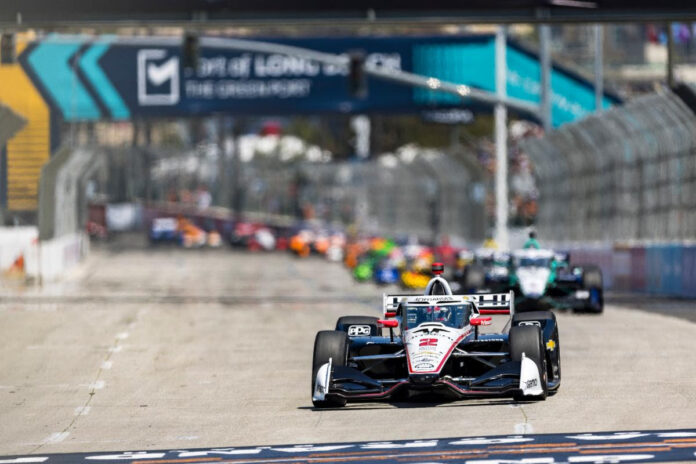
  • Mosack and his fellow competitors will take to the 1.8-mile, 14-turn street course for Saturday’s OnlyBulls Green Flag 150, marking the NASCAR CRAFTSMAN Truck Series’ first race on a street course and the first of two street-circuit events on the 2026 schedule.
  • Mosack spent six races in the seat of Spire Motorsports’ No. 7 Silverado in 2024 where he tallied one top five and four top 10s, highlighted by a third-place finish at Homestead-Miami (Fla.) Speedway.
  • Across 36 CRAFTSMAN Truck Series races, the Charlotte, N.C., native logged one pole position, one top-five and eight top-10 finishes. He has made four road-course starts, highlighted by a 10th-place finish at the Charlotte (N.C.) Motor Speedway ROVAL last October.
  • The 27-year-old driver has made 34 starts in the NASCAR O’Reilly Auto Parts Series with his best finishes coming on road courses. Mosack earned fifth-place finishes at Watkins Glen (N.Y.) International (2023) and the Charlotte Motor Speedway ROVAL (2025).
  • The accomplished road racer has registered 40 total starts in the Trans Am CUBE 3 Architecture TA2 Series where he’s logged six poles, nine podiums and 18 top-five finishes, including back-to-back victories at Watkins Glen in 2021 and 2022. In two full-time seasons on the tour, he ranked third and fourth in the season-ending point standings in 2021 and 2022, respectively.
  • The Friends of Jaclyn Foundation’s mission is to improve the quality of life for children battling pediatric brain tumors and other childhood cancers and to raise awareness through their Adopt-A-Child, Safe on the Sidelines and Guardian Angel Programs.
  • Mosack will race Spire Manufacturing chassis SMT-071 Saturday afternoon. Most recently, Connor Zilisch wheeled this truck to a fifth-place finish last October at the Charlotte Motor Speedway ROVAL.
  • Before it was property of Spire Motorsports, chassis SMT-071 saw previous success as the primary road-course truck for Kyle Busch Motorsports. Busch drove it to victory at Sonoma (Calif.) Raceway in June 2022, leading 45 of the event’s 75 laps en route to the now defunct team’s 95th CRAFTSMAN Truck Series win.
  • In 10 races, SMT-071 has tallied two poles, one win and six top fives while maintaining a 3.8 average starting position and a 10th-place average finish. The truck has paced the field for 94 circuits and led laps in six of its 10 starts.

Connor Mosack Quotes
You have plenty of road racing experience, but St. Petersburg is a tight street circuit. What stands out most about tackling this track for the first time in a NASCAR CRAFTSMAN Truck?
“St. Petersburg seems like it has some high-speed, high-risk corners that are really tight. I think a lot of guys will probably get into trouble there. And something that’s unique about the trucks and street courses is how sensitive the fenders and bodies are. Any kind of small mistake where you kiss the fence a little bit, or make contact with other trucks, it can really harm your day, cut a tire down or hurt the down force. It’s going to be easy to make a lot of mistake but, it looks like a fun, tight street course so I am looking forward to it.”

Atop the No. 7 Box – Crew Chief Brian Pattie

  • Brian Pattie will call the shots for Connor Mosack in 12 NASCAR CRAFTSMAN Truck Series races in 2026.
  • Pattie led Kyle Busch to his 68th-career NASCAR CRAFTSMAN Truck Series victory last Saturday in the Fr8 Racing 208 at Atlanta Motor Speedway. Busch led a total of 37 laps, including the final seven, to secure Spire Motorsports’ 10th series’ win.
  • In NASCAR Cup Series competition, Pattie was atop the box for a pair of road course victories. In 2010, Juan Pablo Montoya led 74 of 90 laps en route to a dominant 4.735-second win at Watkins Glen International. Two years later, Clint Bowyer held off a hard-charging Tony Stewart in the final laps at Sonoma Raceway to earn the first of his three wins of the 2012 season.
  • Pattie is a 25-year veteran of the sport, 14 of which came in the NASCAR Cup Series. As a crew chief, he earned six wins in Cup Series competition and 11 in the NASCAR O’Reilly Auto Parts Series.

James Hinchcliffe – Driver, No. 77 Spire Motorsports Chevrolet Silverado RST

  • James Hinchcliffe will pilot Spire Motorsports’ No. 77 Delaware Life Chevrolet Silverado RST in Saturday’s OnlyBulls Green Flag 150 at the Grand Prix of St. Petersburg.
  • Hinchcliffe captured victory in the 2013 NTT INDYCAR Series Honda Grand Prix of St. Petersburg where he snagged the lead on Lap 85 and paced the field for the race’s final 26 circuits.
  • The 2011 INDYCAR Rookie of the Year will pull double duty this weekend. In addition to his responsibilities behind the wheel of the No. 77 Delaware Life Chevy, Hinchcliffe will also handle broadcast duties for FOX during the network’s television coverage of Sunday’s Firestone Grand Prix of St. Petersburg NTT INDYCAR Series race.
  • The 39-year-old currently contributes to Formula One coverage as part of the F1 TV broadcast team after joining FOX Sports as a race analyst for the NTT INDYCAR SERIES in 2025.
  • Hinchcliffe, a six-time INDYCAR race winner, brings extensive experience to the streets of St. Pete, where he registered one win, three top-five and five top-10 finishes across 10 career starts at the 1.8-mile venue.
  • Over an 11-year INDYCAR SERIES career that spanned 2011-2021, Hinchliffe collected 18 podium finishes in 161 starts. The first three of his six wins came in 2013 with Andretti Global, a pillar component of TWG Motorsports. Known affectionately as the “Mayor of Hinchtown,” the 39-year-old driver’s charismatic personality contributed to two INDYCAR Fan Favorite Awards (2012 and 2018), opening the door to a new career in the broadcast booth in 2022.
  • Delaware Life is an insurance and annuity company that empowers financial professionals with a wide array of customizable solutions. A subsidiary of Group 1001 Insurance Holdings LLC, Delaware Life focuses on delivering a seamless experience for advisors. The company understands how important it is to find the right fit for every client, every situation and every individual need. Delaware Life is passionate about equipping advisors with annuities that give their customers peace of mind and a successful future, allowing them to plan with confidence for whatever’s next.
  • Hinchcliffe will drive Spire Manufacturing chassis SMT-072 Saturday afternoon. This is the same Chevrolet Silverado Rajah Caruth raced to a fourth-place finish last October at Charlotte Motor Speedway. Over 10 starts, a collection of drivers have driven this Spire Motorsports-prepared racer to three top-five and six top-10 finishes.

James Hinchcliffe Quotes
You’ve had success on street circuits in the NTT INDYCAR Series. How do you expect that experience to translate as you make your first NASCAR CRAFTSMAN Truck Series start?
“Well, given the nature of any street circuit, with the walls so close and huge penalties for making mistakes, any track knowledge is an advantage. That said, I don’t know anything about racing a truck, so what I have in circuit knowledge, the series regulars have in truck knowledge. It will be interesting to see how that translates to performance.”

What aspects of the truck will require the biggest adjustment for you heading into St. Pete?
“Pretty much everything. Having a roof, sitting on the left, an H-pattern gearbox…short of the fact it has four tires, an engine and a steering wheel, there really isn’t much that translates from an INDYCAR. While the adjustment is big, I’ve got to thank Spire Motorsports so much for all the effort in preparing me as best they can for my first race. It’s already been a huge team effort and I’m excited to see how it plays out.”

Atop the No. 77 Box – Crew Chief Chad Walter

  • Chad Walter returns to the top of the No. 77 pit box, an entry that will see a host of all-star drivers behind the wheel throughout the 2026 season.
  • Walter guided Carson Hocevar and the No. 77 Spire Motorsports team to a runner-up finish in last weekend’s Fr8 Racing 208 at Atlanta Motor Speedway after overcoming early race damage and managing overheating concerns. Hocevar raced in the top five through the opening stages and played a key role in securing the team’s first one-two finish of the season.
  • In 19 starts on road courses atop the pit box in the NASCAR O’Reilly Auto Parts Series, the Cornell University graduate has tallied one win, five top fives and seven top 10s. Walter called Ron Fellows 2008 win at Circuit Gilles Villeneuve in Montreal, Canada. The duo played strategy and elected to stay out as rain was approaching. When heavy rain drenched the track on Lap 48, the race was declared official, awarding Fellows the checkered flag.
  • Between NASCAR’s O’Reilly Auto Parts Series and CRAFTSMAN Truck Series, the Albion, N.Y. native has racked up six wins, 55 top fives and 139 top 10s.
  • Walter earned a mechanical engineering degree from the Cornell University College of Engineering. During his studies, he played defensive end for the Big Red football team.

About Spire Motorsports …
Spire Motorsports fields full-time entries in the NASCAR Cup Series, NASCAR CRAFTSMAN Truck Series and Interstate Batteries High Limit Racing.

The team, co-owned by longtime NASCAR industry executive Jeff Dickerson and TWG Motorsports CEO Dan Towriss, earned its inaugural NASCAR Cup Series victory in its first full season of competition when Justin Haley took the checkered flag in the Coke Zero Sugar 400 at Daytona (Fla.) International Speedway on July 7, 2019. Less than three years later, William Byron drove Spire Motorsports’ No. 7 Chevrolet Silverado to its inaugural NASCAR CRAFTSMAN Truck Series win on April 7, 2022, at Martinsville (Va.) Speedway. The team’s most recent win came on Feb. 21, 2026, when Kyle Busch took the checkered flag in the Fr8 Racing 208 at Atlanta Motor Speedway.

In 2026, Spire Motorsports will campaign the Nos. 7, 71 and 77 Chevrolet Camaro ZL1s in the NASCAR Cup Series and the Nos. 7 and 77 Chevrolet Silverado RSTs in the NASCAR CRAFTSMAN Truck Series. The Mooresville, N.C., organization will also field the No. 77 410 sprint car in Interstate Batteries High Limit Racing competition.

Android Apps: How Technology Simplifies Access to Sports Content

Photo by depositphotos at https://depositphotos.com/

Later on, when the whistle has gone quiet, bright phone screens wake up again. Little apps slide new plays straight into waiting hands, changing teams without warning. Craving speed, supporters swap sitting still for quick taps, heads bending toward glass. Across oceans, software drags remote eyes to the very sidelines. Start checking sprint times and score forecasts with just a tap. Pick your favorite app today, then notice how far live game updates have come.

Mobile Design Changes How Fans Engage

Before anyone nearby can shout about the goal, the number shows up fast. Many fans download the Melbet app (Arabic: تحميل تطبيق Melbet) to keep that same instant rhythm in their pocket. Live talk matches sharp video closely, so nothing feels offbeat. Clean layouts mean jumping straight from standings to player injuries takes almost no time at all. When crowds flood in for big games or last-minute trades, systems hold steady without breaking step.

Smart code learns what teams you like, shaping a stream that fits only you. Not just team updates – get pings when certain athletes play, skipping the usual noise. Zooming in this close means each moment inside the app counts more. Clever programming keeps power use low, so games keep running past halftime on one charge.

Essential Tools for Real-Time Match Tracking

Speed remains the primary metric for success when choosing a reliable sports companion for your smartphone. Users demand precision and depth that traditional television broadcasts simply cannot provide in a timely manner. Reliability is non-negotiable when a single second determines the difference between a win and a loss:

  • Push notifications deliver goal alerts within milliseconds of the ball crossing the white line.
  • Interactive heat maps visualize player movement patterns to explain tactical shifts during the match.
  • Integrated betting odds allow enthusiasts to track market fluctuations alongside the live action.
  • Community forums enable instant debate with thousands of other supporters during critical officiating decisions.

These utilities transform a standard mobile device into a comprehensive command center for any serious enthusiast. You no longer need multiple tabs open to stay informed about concurrent fixtures across different continents.

The Evolution of Interactive Digital Broadcasting

Now it’s all about phones first — old media players had to rethink how they share everything. Many viewers simply download the MelBet app for Android (Arabic: تحميل تطبيق MelBet للاندرويد) to keep matches and stats within reach wherever they move. Being online anytime, anywhere? That shapes how young, digital-native crowds engage worldwide.

Advanced Data Analytics in Your Pocket

Out in the open now, numbers that used to stay behind closed doors float across screens held in casual hands. While waiting to pay, someone could be checking how often a player scores versus how high the ball bounces, just like that. Because of this change, what people argue about looks different – proof comes from stats laid out plain. Writers build reports using these figures, moving beyond who won or lost to uncover habits buried underneath. The old way of talking shifts slowly, shaped by what the data shows.

Patterns hiding in messy data turn into clean images, easy to grasp. Not just experts – anyone can tell one journey apart from another. These views let supporters see why certain moves make sense. When fresh updates race through quick networks, shifts in strategy suddenly snap into focus.

Customization and Personalization Options

Your screen works better when it shows what matters to you, not everyone else’s priorities. Software today can hide scores while you save a match to watch after. Little details like that keep the fun alive, so you do not stumble on outcomes too soon:

  • Starting fresh each day, updates follow only your local squad. Distractions fade when coverage narrows down. Leagues that don’t matter just disappear. Attention stays where it belongs – right on home turf.
  • Middle of the night streams from far-off places feel easier on the eyes when dark settings are turned on. Nighttime viewing across distant hours works better with dimmer screen tones active.
  • Pieces of content load ahead of time when no connection is available. Commuting gets easier because stories about athletes stay available. Saved pages appear even if the service drops out. Profiles stick around just like news bits do. Waiting on trains turns less empty that way.

What you see shapes how well things stick around. A tool that misses the point gets dropped fast when choices pile up nearby.

Comparing Top-Tier Sports Platforms

Choosing the right ecosystem depends heavily on whether you value deep statistical dives or raw streaming speed. The following breakdown highlights how different market leaders approach the challenge of modern content delivery:

Application NamePrimary StrengthUpdate FrequencyData Usage
FlashScoreRaw SpeedReal-timeVery Low
ESPNContent DepthHighModerate
SofaScoreTactical MapsReal-timeLow
Bleacher ReportSocial BuzzModerateHigh

A single purpose shapes every tool built for fans spread across the world who follow sports closely. Pick one that fits what your devices can handle, and also matches how deep you want to dive into numbers.

Software That Connects People

Folks tune in from everywhere, linking thoughts through endless digital threads. The instant something big unfolds, updates pop up – shared fast by those watching. A person in Tokyo might cheer just as someone in Chicago does, time zones fading into the background. Emotions rise and fall like waves, carried by shared experience, pulled tighter now through screens. Platforms amplify that pulse, making joy sharper, disappointment heavier, all felt wide and deep.

Now, certain makers tinker with augmented reality, letting 3D squads appear right in your living room. Thanks to such shifts, an ordinary screen feels animated – nearly like being courtside. With live polls, the flow of halftime shows bends based on choices, even shaping post-game queries. This constant exchange means your voice quietly shapes the season’s shared tale.

Online Security and Privacy

Keeping your information safe is just like grabbing front-row seats before they’re gone. Good software guards your purchases and viewing habits with solid digital locks. Watch carefully who gets permission when linking extras during setup. Reliable platforms ensure that supporting your team leaves no footprints behind.

When rules about information get clearer, trust builds bit by bit between creators and those using what they build. Your location becomes a key point if being somewhere stops you from getting in. Recently, top services began offering choices that let people avoid always being watched. These bits of knowledge make navigating digital areas feel safer for each person involved.

Less Data Used During Live Streaming

Midway through a game, away from Wi-Fi, every megabyte counts. When the connection slows, adjusting settings helps keep things moving. Many streaming platforms now adapt video clarity by themselves, based on how strong the network is. Go for 720p instead of 4K – this cuts data use nearly two-thirds. A smaller resolution means less strain when bandwidth runs low.

Now take a moment to switch on background restrictions for apps sitting unused. Even when not in use, certain sports apps play videos quietly, draining power slowly. Ahead of game day, clear the stored files yourself – it clears space so new info loads quicker. Little tweaks like these help your device hold strong during crunch time.

The Future of the Digital Sideline

Your screen now does way more than ring – it drops you courtside from anywhere on Earth. Speedier devices combined with smarter software make every play burst clearer, tighter, alive. As history unfolds live, updates race ahead, yanking you deep into the storm before echoes fade.

AAG Racing Race Advance: St. Petersburg Street Circuit

TRACK: St. Petersburg Street Circuit (1.8-mile, 14-turn street circuit)

TUNE IN: IMSA.TV, IMSA and RACER YouTube channels, Saturday Feb. 28, 7:30 a.m. to 8:15 a.m. Eastern Standard Time for Race 1, and Sunday March 1, 4 p.m. to 4:40 p.m. EST for Race 2.

The course ahead:

  • Rounds 3 and 4 mark AAG Racing’s second Whelen Mazda MX-5 Cup presented by Michelin start on the streets of St. Petersburg.
  • There’s no stopping on these streets. This year’s Firestone Grand Prix of St. Petersburg is headlined by the NTT IndyCar Series season opener and the NASCAR Craftsman Truck Series inaugural street course event.  
  • Just up the road from its Fort Myers, Fla., headquarters, AAG Racing is one of the closest Whelen Mazda MX-5 Cup teams to the St. Petersburg Street Circuit. It is approximately 123 miles from the team’s race shop to the Firestone Grand Prix of St. Petersburg course. 
  • In 2025, AAG Racing amassed two podiums, 14 top-10 finishes, two Takumi Awards, one Penske Shocking Performance Award, and the 2025 Whelen Mazda MX-5 Cup Clean Image Award presented by Sunoco Race Fuels.

Students of the game:

  • When he is not behind the wheel, Chuck Mactutus is a student in the SysAdmin, Audit, Network, and Security (SANS) Technology Institute undergraduate cybersecurity certificate program.
  • Mactutus also offers driver coaching services through his business “Chuck’s Racing LLC”, which he uses to help support his Spec Miata racing.
  • In 2023 and 2024, Mactutus worked many events in the Sports Car Club of America (SCCA) where he is a certified flagger/corner worker. 
  • Fernando Luque Jr. is currently in the 11th grade and now looks to make the most of his newest racing opportunity in the Whelen Mazda MX-5 Cup presented by Michelin with AAG Racing. 
  • Though not in a traditional classroom, Luque first started his training in karting at 10 years old which has led him to where he is today. 
  • Luque credits karting as a great learning tool that can help him manage the close racing in the MX-5 Cup series. 

Chuck Mactutus–Driver, No. 60 AAG Racing Mazda MX-5

  • Chuck Mactutus will pilot AAG Racing’s No. 60 Salty Dog Racing Mazda MX-5 during Rounds 3 and 4 at the Grand Prix of St. Petersburg.
  • AAG Racing is committed to driver development. Mactutus joins the MX-5 Cup grid, bringing a combined 19 wins between Spec Miata and Spec MX-5 competition. 
  • Adapting quickly has been a theme for Mactutus throughout his career. He is coming off a seventh-place finish in Race 2 of the Whelen Mazda MX-5 Cup season-opening doubleheader at Daytona International Speedway (DIS) in January. 
  • In the season-opener at Daytona in January, the 28-year-old driver found himself in the top-10 most of the time in Race 1 before a tire rub derailed a solid finish. In Race 2 he was able to do much of the same and ultimately earned a finish reflective of the speed in his car. 
  • Building a notebook is one of the things that has benefited the Little Mountain, S.C. driver most. Mactutus has shown a natural driving talent that has made this a smooth transition into professional sports car racing. Leaning on the calls of crew chief Cory Collum and the driver coaching and data analysis from AAG Racing team manager Sam Paley has allowed him to build on his natural talents and sharpen his race craft. 
  • Salty Dog Racing is an affiliate of The Salty Dog Cafe, which has locations on Hilton Head Island, S.C., Charleston, S.C., Key West, Fla., and Bluffton, S.C. Mactutus is a member of the Salty Dog Racing Team, along with Bobby and Ellie Gossett.

Chuck Mactutus Quotes

Coming off of a seventh-place finish at Daytona in Race 2, how do you carry that momentum into this race?

“That momentum in MX-5 Cup is so important both for the cars and the drivers. I’d say it’s mainly carried by trusting in your team and yourself to keep it fast, clean, and fun!”

First time on a street course, how do you prepare for this race and what are the challenges that come with a circuit like this?

“I’ve been studying videos and doing some iRacing on the street circuits. Ultimately, I think it’ll come down to car control and a solid qualifying run because of the challenging overtaking.”

There is a lot of anticipation across the paddock for this event, what does it mean to you to be back for another race with the AAG Racing team? 

“I’m definitely looking forward to giving it my all for the team. They were fantastic at Daytona and I am so happy to be back in this fun series racing with AAG and benefiting from their expertise.”

Fernando Luque Jr.–Driver, No. 25 AAG Racing Mazda MX-5

  • Fernando Luque Jr. will pilot AAG Racing’s No. 25 Mazda MX-5 during Rounds 3 and 4 at the Grand Prix of St. Petersburg. 
  • In January’s season-opener at Daytona International Speedway (DIS), Luque piloted the No. 25 entry to a 17th-place finish in Race 2 to cap off his Whelen Mazda MX-5 Cup debut. 
  • During the 2025 season, the Mexico City, Mexico driver competed in the North America–Central America (NACAM) Formula 4 division and finished the season as the series vice-champion. 
  • In karting, Luque’s eight-year karting career includes six karting world championships in Europe as a representative of Mexico and multiple U.S. karting national race wins.
  • Navigating the streets will be a new challenge for the 17-year-old racer who is in his second year of car racing. Luque has prior street course experience in karting and looks to translate that to racing in the MX-5 Cup car.
  • Luque is no stranger to professional racing. Competing in high-level support races is nothing new. Last season, he won the NACAM F4 support race during the Formula 1 Mexico Grand Prix weekend. After making his Whelen Mazda MX-5 Cup debut during the historic Rolex 24 at Daytona week, Luque will have the opportunity to showcase his talent in front of IndyCar and NASCAR drivers and teams, each competing in their own events during the Firestone Grand Prix of St. Petersburg weekend. 

Fernando Luque Jr. Quotes

Daytona was a learning experience for you, what lessons can you apply to St. Pete?

“Daytona was a great learning experience where I learned the ropes of racing in MX-5 Cup. I now know what it’s like to race in the series and what the competition is like. I’m ready to maximize the race this weekend.”

You have been a part of support races before, most notably last season when you won the NACAM F4 race during the F1 Mexico GP. IndyCar and NASCAR are both in town this week, is there anything that stands out to you about these types of events? 

“It’s super special to be a part of these events. I find it great to be racing with IndyCar and NASCAR in the same weekend as it gives good exposure to the event. There’s definitely more pressure to perform but that motivates me to give it my all.”

You’ve raced at a lot of different circuits in your young career; how does the St. Pete street circuit compare to anywhere you’ve raced in the past? 

“It’s a unique challenge as it is my first time racing at a street circuit in cars but I’m confident I can handle it. I have a lot of experience racing street circuits in karting, particularly at the SKUSA Supernationals. So, I’m confident I can draw on this experience on the streets of St. Pete.”

Meet the AAG Racing Drivers

Saturday, February 28

Chuck Mactutus and Fernando Luque Jr. will be at the Whelen Mazda MX-5 Cup Series Driver Autograph Session inside turn 2 before the Velo bridge at 11 a.m. ET to meet fans and sign autographs.

About AAG Racing

Based in Southwest Florida, AAG Racing is the sister company to Autotechnik Racing and has been involved in racing Mazda race cars since the early 2000s. With championships in multiple series, AAG Racing has developed a legacy of speed, precision and determination on and off the track. From grassroots beginnings, the team has continuously evolved, driven by a passion for motorsports and a relentless pursuit of excellence.

The team’s mission is to push the boundaries of performance, innovation and teamwork, fostering a culture where every member contributes to the team’s success. AAG Racing is committed to precision engineering, strategic racing and talent development to remain competitive at every turn. Additionally, the team provides young drivers with the necessary ladder to advance from karting through club racing to professional sports car racing. AAG Racing’s entry into the MX-5 Cup Series marks the next step in its planned growth.

Essential Fleet Management Tips for Optimizing Efficiency

Photo by abdo alshreef pexels.com

Managing a fleet requires a balance of moving parts and steady communication. You need to keep vehicles running and keep drivers safe on the road.

Success often comes down to the small details in your daily workflow. Tracking progress and making adjustments can lead to much better results for your bottom line.

Prioritize Scheduled Vehicle Inspections

Regular checks keep small issues from turning into major repairs later. Drivers should perform a quick walk-around every morning to look for tire wear or fluid leaks.

Consistent upkeep keeps your trucks on the road longer. It helps avoid sudden breakdowns that disrupt your delivery schedules and frustrate your customers.

This proactive mindset keeps the whole operation running smoothly. You can spot trouble before it starts – and that saves everyone a lot of time and stress.

Improving Driver Safety Standards

Safety starts with training and having the right tools in the cabin. High-quality fleet dash camera systems help monitor road conditions and driver behavior in real time. These tools provide clear evidence if an accident happens or if a driver needs coaching.

When drivers know they have support, they tend to drive more carefully. This shift in culture leads to fewer tickets and lower insurance costs.

Keeping your team safe is the most valuable part of the job. A focus on safety protects your employees and your company’s reputation.

Utilize Route Planning Software

Smart routing helps drivers find the fastest paths between stops. It accounts for traffic patterns and road closures to keep things moving.

One industry report found that companies using advanced route optimization in 2024 saw a 15% drop in operational costs. This proves that efficiency is directly linked to how well you plan your trips.

Better routes mean less time idling and more time finishing jobs. Your drivers will appreciate the lack of wasted miles during their shifts.

Implement Predictive Maintenance Programs

Predictive maintenance uses data to tell you when a part is about to fail. This is different from just following a calendar for oil changes.

Recent market research indicates that predictive care can lower breakdown costs by 25-30% and extend vehicle life by up to 20%. These savings add up quickly when you manage a dozen or more vehicles.

Using these tools helps you plan shop time during slow periods. Your fleet stays available for more hours during peak demand seasons.

Monitor Real-Time Risk Analytics

Data gives you a window into how your fleet moves through the world. Risk analytics can highlight patterns that lead to crashes or near misses.

Statistics from a telematics leader show that users of risk analytics see a 5.5% drop in predicted collisions. Avoiding even one minor crash pays for the system many times over.

Knowledge is power when it comes to managing thousands of miles of driving. You can address risks before they turn into costly insurance claims.

Track Fuel Consumption Closely

Fuel is one of the biggest expenses for any transport business. Small changes in driving habits can lead to big savings at the pump.

Monitoring these habits helps you see where money is being wasted. Coaching drivers on smooth acceleration can make a huge difference in weekly fuel bills.

  • Limit engine idling time.
  • Maintain proper tire pressure.
  • Reduce speeding on highways.

Consistent tracking makes it easy to set goals for the whole team. You can reward the most efficient drivers to encourage better habits across the board.

Streamline Communication With Drivers

Clear instructions prevent mistakes and save time at the warehouse. Use digital tools to send updates rather than relying on phone calls.

Drivers need to know their schedules and any changes as soon as they happen. Quick updates keep them from heading to the wrong location or taking a bad route.

Good communication builds trust between the office and the road. It makes the workday feel more organized for everyone involved.

Focus On Driver Comfort And Retention

A happy driver is more likely to take care of their vehicle. Providing comfortable seats and working climate control shows you value their hard work.

Replacing a driver is expensive and takes a lot of time. Keeping your current team satisfied helps maintain a high level of service.

Investing in your people is just as important as investing in your trucks. Loyal employees are the backbone of a successful fleet operation.

Efficiency is a journey rather than a single destination. Making small changes today will lead to a stronger business in the months ahead.

Focusing on safety and maintenance builds a foundation for long-term success. You can stay ahead of the competition by watching your data and supporting your team.

The Most Popular Sports in Syria: Traditions, Passion, and Modern Trends

Games turn vertical spaces into horizontal spaces, instilling a sense of community and celebration. While each game is played in a defined area, every game played has a significance that is not captured by only a score. Wherever people are gathered in large numbers, be it a tent, shelter or stadium, temporary communities are formed. The voices of the community travel long distances and can be heard promoting the community long after the official end of the game.

The large number of fans watching games has shifted from stadiums to home, largely possible via technological advancements. While radio on the go allowed fans to get updates, smartphones allowed fans to interact during the game in a way that was never possible before. With the ability to stop, go or fast forward the game, fans became active participants. The dominant culture at the stadiums every weekend has remolded, but it has not disappeared. The old culture has survived the many changes that technology has brought.

Away from the stands and broadcast screens, internet spaces shape fan interaction too. While some watch games in person or on TV, others turn to MelBet Syria (Arabic: MelBet سوريا) – especially those following football or basketball – to see real-time betting lines and game data alongside official competition tools tied to regional and global events. Such habits show that passion for sport now flows through organized web environments. Steady connectivity allows thoughtful involvement, yet it does not erase long-standing loyalty patterns among followers.

Football: The Undisputed National Favorite

In Syria, other sports exist, but none dominate like football. There is a consistent buzz as dedicated fans show up for local club games. When the national team plays, fans from all regions come together. International tournaments draw in countless fans and create discussions.

The Syrian Premier League gets fans every week as they follow the same patterns. There is a lot of attention around the league table, while transfer rumors spread. Derby games cause the same excitement that is reflected in the stands and online. Deep rivalries shape the fan and crowd behavior.

Nowhere is fan engagement more visible than in online forums where football talk thrives daily. Through posts and replies, followers debate upcoming games while dissecting team strategies at length. Often, details about matches appear early on MelBet Facebook Syria social media page to help track odds, game schedules, and local viewpoints. Instead of fading, real-world loyalty grows alongside virtual exchanges among fans.

When kids play outside at recess, football often fills the open spaces. Because fields are not needed, games spring up on sidewalks and courtyards without delay. Its simplicity pulls children into regular play after class ends. Most neighborhoods see daily kickabouts where rules form as they go.

Basketball and Its Growing Popularity

Over the years, basketball has grown in popularity in the entire country of Syria, especially in the Urban areas. School competitions, local leagues, and of course, the presence of indoor courts, which allow access, and play, during any season, are contributing factors.

With the rise in popularity, some Syria basketball clubs have begun to take part in numerous international competitions. This further develops skills at an individual level and at a team level. This sport is fast paced and draws in a lot of spectators.

Accessibility to information on the sport has allowed popularity to skyrocket. Live score trackers and streaming sites put the world of basketball at their fingertips. This has greatly increased the amount of people who analyze the game and statistics.

Similar to conversations around the sport of football there is great dialogue around the sport of basketball. Conversations around the activity of specific players, coaching styles, and team performance are commonplace. Very often there are heated debates surrounding a number of players and their skills.

Martial Arts and Combat Sports

Basketball’s presence has grown slowly but surely within Syrian communities. Especially in cities, the game finds life through matches organized in schools and neighborhood tournaments. Because they are indoors, these courts remain usable even when rain or heat affects outdoor spaces.

Through regional tournaments, Syrian basketball teams gain visibility while improving their level of play. Young athletes often find motivation in international events, shaping dreams of careers on the court. With its quick rhythm, the game captures attention in today’s fast-moving culture.

Following games online has helped basketball reach more people. Because of live updates and video streams, supporters can watch contests far from home courts. With numbers now digital, looking closely at performance feels easier too.

Though basketball brings people together, talk feels much like football chatter. Player skills spark opinions; so do decisions made on the sidelines. Online platforms lift voices louder than before. What spreads fast online shapes how games are viewed off-screen.

Martial Arts and Combat Sports

Basketball has gradually entered the fabric of society in Syria. In every city, schools and community centers host neighborhood games. The construction of indoor basketball facilities has allowed the game to be played all year regardless of weather conditions.

Syrian basketball teams are improving their skills and gaining more recognition after each of the regional competitions. Young players are inspired by these competitions to pursue their dreams of playing basketball professionally. The sport’s fast-paced nature makes it popular.

People are more familiar with basketball these days thanks to live game streaming. Fans from all over the world can follow their team in real time. Game stats are available and that makes it easier to analyze players.

Basketball unites people. There are many side discussions during the games. Everyone has their own opinion on player performances and referee calls. Social medial gives everyone a voice and people use it to express their opinions.

Volleyball And Handball In Schools And Communities

Though often overlooked, volleyball finds steady support within schools. Team events give pupils their first taste of structured group play. Handball runs parallel, building similar skills through fast-paced action. Success in both relies less on individual talent, more on timing between players.

Year-round access comes through indoor setups where volleyball thrives across age brackets. Steady involvement shows up regardless of season shifts. From children to adults, programs adapt without pause thanks to community-run clubs keeping things moving.

Even if fewer people watch these sports than football, they still play a big part in shaping young lives. Through organized contests, connections form among participants. Schools and colleges continue backing them strongly.

Now appearing online, match statistics flow into local community sites. Updates arrive via social feeds run by volunteer contributors. Attention grows when results circulate beyond hometown circles. Recognition follows exposure, slowly building across regions.

The Impact of Online Platforms on How Sports Are Shared and Seen

Syrians check and analyze videos and stats the second a goal is scored, leaving no time to catch their breath. Their sporting event experience has changed drastically because of immediacy and digital/video stats of data. Before the conversations around them even end, sporting apps notification provide instant visual updates. All of this updates the users insight, focus, and the experience of the event.

Mobile applications offer the option to follow teams of provided interest and to receive alerts for those teams. This digital offering means users do not have to disconnect even while traveling. Their digital clutter is also reduced.

Below, a summary shows ways digital platforms help people in Syria who love sports:

Platform FeaturePurposeBenefit for Fans
Live score updatesReal time match informationImmediate awareness
Statistical dashboardsPerformance metrics and comparisonsDeeper understanding
Community pagesDiscussions and updatesStronger fan connection

Fresh insight into these traits reveals shifts in how athletic traditions absorb new tech. Engagement grows through online reach, yet classic passion remains untouched by digital trends.

Looking Ahead: The Future of Sports in Syria

Syrian athletics may utilize some of the old traditions used in the past with some of the modern technology. Football will most likely keep the leading role in athletics as it is already a staple sport. Digital platforms can help the less known sports get some attention and possibly become popular.

With better facilities, there may be a rise in performance goals through global partnerships. Future competitors are already being molded by in youth initiatives, and training techniques are also evolving. This will deepen the connection between athletes and fans.

Even though there are some new modern traditions being utilized, there are a lot of digital changes and traditions being utilized that show Syria sports are always changing with the norm of society. Just as there is a large digital space for fans, there used to be large physical places to host a large amount of people. The excitement that is felt, will always be present.

Windshield Repair vs. Replacement in Dubai: What Every Car Owner Needs to Know in 2026

A cracked or chipped windshield is more than a cosmetic problem in the UAE. With extreme desert heat, frequent sandstorms, and strict traffic regulations, auto glass damage demands immediate attention. Many UAE drivers face a common dilemma: should they repair or replace a damaged windscreen? The answer depends on the size, location, and depth of the crack or chip. Understanding windshield repair Dubai services versus a full windscreen replacement can save you time, money, and potential legal trouble. This guide covers everything car owners need to know in 2026, from techniques and repair costs to the process of installing a new windshield and insurance policies that may cover your car glass.

Key Takeaways:

  • Minor chips may be fixed if they are under one inch and away from the driver’s viewing area
  • Fractures under six inches in length can often be addressed with resin injection
  • A cracked windshield with damage over six inches or near the edges will need replacing
  • Fixing your windshield in Dubai costs between AED 100 and 1,800, depending on complexity
  • A new windshield costs from AED 500 to over 3,50,0 depending on the vehicle
  • UAE traffic law imposes a fine of AED 500 for driving with damaged auto glass that affects visibility
  • Many insurance policies cover auto glass damage under comprehensive plans with low or zero deductible
  • Act fast in Dubai’s climate to stop the damage from spreading due to extreme heat

What Is Windshield Repair in Dubai

The repair process involves restoring minor damage to your car’s windshield without removing the existing panel. In Dubai, where temperatures regularly exceed 45 degrees Celsius, even a small nick can quickly spread into large cracks if left untreated. Professional repair specialists use resin-based methods to stop the damage from expanding, restore visibility, and preserve the structural integrity of your vehicle. This approach is usually the preferred option because it is faster, more affordable, and maintains the factory seal.

When Repair Is a Viable Option

Not every nick or crack qualifies for a fix. A repair is typically recommended when:

  • The ding is smaller than one inch in diameter
  • The fracture is under six inches in length
  • The damage is located away from the edges of the glass
  • The break does not fall directly in the driver’s line of sight
  • Only one layer of the glass is damaged

If the damage sits near the edges, replacement instead of repair may be safer. Contamination from sand or moisture also reduces viability, which is why acting quickly matters in Dubai’s climate.

Repair Techniques and Materials Used

Most auto glass shops in the UAE rely on a resin injection technique. The process involves these steps:

  1. The technician cleans the damaged area to remove debris
  2. A vacuum seal is placed over the affected spot
  3. Clear, high-grade resin is injected into the break
  4. The resin is cured using ultraviolet light
  5. The surface is polished for a smooth finish

This chip repair method works well for minor damage and takes approximately 30 to 50 minutes, saving you time compared to a full swap. The cured resin restores the strength of the glass and prevents further spreading.

Cost of Windshield Repair in 2026

Repair costs in Dubai vary depending on the type and extent of damage. Here are typical ranges:

  • Single minor ding: AED 100 to 300
  • Two to three dings: AED 300 to 700
  • Short fracture fix (under six inches): AED 200 to 400
  • Complex job involving sensors: AED 700 to 1,800

Prices may differ across the UAE, with shops in Abu Dhabi and Ras Al Khaimah sometimes offering lower rates than near Dubai Marina. Request a quote before authorizing any glass repair work.

What Is Windshield Replacement in Dubai

Windshield replacement in Dubai involves removing the damaged windscreen and installing new glass. This becomes necessary when windshield damage is too severe for a fix, or when a seriously damaged windshield poses a safety risk. A full windshield replacement restores visibility, preserves the structural integrity of the vehicle, and keeps you compliant with UAE traffic laws.

windshield repair

Signs You Need a Full Replacement

A replacement becomes the only option in certain situations. You likely need a new windshield if:

  • The fracture is longer than six inches or you have multiple cracks
  • The break is directly in the driver’s line of sight and a fix would leave distortion
  • The damage has reached the edge of the panel
  • The damaged windscreen shows delamination or deep penetration
  • Your car windshield has extensive pitting from sandstorm exposure
  • Previous fixes have failed or the glass is damaged beyond repair

According to Dubai’s RTA-approved vehicle testing guidelines, a car windscreen with fractures that obstruct the driver’s vision will fail inspection. As one RTA-approved testing center notes, even small windshield cracks can block vision and lead to test failure.

Replacement Process Explained

A full windshield replacement takes around one to two hours for installation, plus a curing period. Here is what the process looks like:

  1. The old panel is carefully removed along with worn seals
  2. The frame is cleaned and prepared for new glass
  3. A urethane adhesive is applied to bond the new windshield
  4. The glass is set into place and aligned
  5. The adhesive cures for one to two hours before the car is road-ready

For vehicles with ADAS (Advanced Driver Assistance Systems), camera recalibration is required after replacing the entire panel. Depending on the vehicle make and model, recalibration adds extra time to replace and additional cost.

Average Costs

The cost of a car windshield swap varies based on glass type and vehicle category. Below are approximate 2026 ranges:

  • Economy vehicles: AED 500 to 1,500
  • Mid-range sedans: AED 800 to 2,000 
  • Luxury vehicles: AED 1,500 to 3,500 or more
  • SUVs and large vehicles: AED 1,000 to 3,000

Choosing OEM over aftermarket options increases the price significantly. ADAS recalibration typically adds AED 500 to 800. Many insurance policies cover windscreen replacement service under comprehensive plans, often with minimal or zero deductible, so check your policy before paying out of pocket.

Damage TypeSize / SeverityRecommended Action
Small chip (bullseye or star)Under 1 inchRepair
Minor crackUnder 6 inches, away from edgesRepair
Break in the driver’s field of visionAny sizeReplace
Large cracks or multiple fracturesOver 6 inches or widespreadReplace
Edge damageWithin 2 inches of the borderReplace
Sandstorm pitting or hazingWidespread surface wearReplace
Previously fixed area fractured againAny sizeReplace

Repair or Replace Your Windshield in the UAE

Deciding whether to repair or replace your car’s windshield comes down to the type of glass damage, its location, and how quickly you act. For minor damage like small chips and cracks, a timely fix is the most cost-effective solution. When the damage is extensive or a full replacement is required, do not delay, as driving with a cracked windshield in the UAE can result in a fine of AED 500 and a failed RTA inspection. Many insurance policies cover both repair and replacement services, so review your coverage. Whether you are in Dubai, Abu Dhabi, or elsewhere in the UAE, addressing auto glass damage promptly protects your safety and your legal standing.

Frequently Asked Questions About Windshield Damage in Dubai

Can a damaged windshield pass the RTA vehicle inspection in the UAE?

Generally, no. The RTA inspection includes a vision check, and cracks that affect the driver’s field of vision will cause a test failure. You must fix or replace the glass before the vehicle can pass.

How long does a windshield fix take compared to a complete swap?

A typical crack or nick fix takes 30 to 50 minutes. Installing a new windshield takes around one to two hours for the process itself, plus one to two hours of curing time before you can drive.

Does car insurance in the UAE cover a new windshield?

Most comprehensive insurance policies in the UAE cover windscreen repair and glass replacement. Third-party insurance does not cover your own vehicle’s damage. Check with your insurer for specific deductible amounts.

Is it better to repair or replace a windshield with a small crack?

If the fracture is under six inches, located away from the edges, and not in your direct field of vision, repair is usually sufficient. If it has spread or sits in a critical area, a new panel is needed to ensure safety and compliance with UAE regulations.

Enjoy Quick and Easy Car Rentals in Iceland

Photo by Artūras Kokorevas at pexels.com

Iceland pulls in thousands of visitors each year who land at Keflavík International Airport wanting to explore right away. The country spans just enough ground to make driving worthwhile without wearing you out. Most people rent a car to reach spots beyond Reykjavik, whether that’s tiny coastal villages or those geothermal pools everyone posts on Instagram.

Rental companies have seriously simplified the pickup process lately. You can finish all the paperwork online before your plane even leaves the ground. Some places set up keybox systems, so you grab your car whenever you show up, even at 2 AM. Nobody wants to stand in line exhausted after traveling for hours.

Why Iceland Appeals to People Who Love Driving

Iceland’s roads give you something different from typical highway trips back home. The scenery flips constantly as you drive around. You’ll cruise past volcanic rock formations one minute, then find yourself on winding mountain roads the next with views that beg you to stop.

Route 1 circles the entire island for 828 miles. Locals just call it the Ring Road. Some stretches feel as smooth as your neighborhood streets. Then you hit gravel sections where slowing down becomes smart, not optional. The mix keeps things from getting boring for anyone who actually enjoys time behind the wheel.

Weather patterns shift fast here, too. Summer months between June and August give you those crazy long daylight hours and pretty stable driving conditions. Winter tells a completely different story. Ice, snow, and fog roll in from November through March. You need a proper vehicle and some cold weather driving experience if you’re visiting during those months.

Modern Booking Systems Save Time

Planning through online platforms beats making decisions when you’re half asleep after a transatlantic flight. You can compare vehicles, sort out insurance details, and reserve a rental car weeks before your flight lands. Way better than trying to process all of that while jet-lagged at a counter.

Digital Check-In Benefits

Handling registration online cuts airport time significantly. You get confirmation emails with your exact parking space number and keybox codes. Just collect your luggage and walk straight to your assigned spot. The process shrinks from an hour of waiting to maybe 15 minutes total.

Where to Pick Up Your Vehicle

Keflavík Airport works best for international arrivals since it sits about 31 miles from Reykjavik. Rental facilities bunch together near the terminal building. No shuttle rides or confusing directions needed. Reykjavik offices suit travelers spending their first night in the city. Several offer late-night keybox access for flights landing outside regular hours.

Picking the Right Vehicle for Your Plans

Your vehicle choice should match where you actually plan to drive. Iceland’s roads change dramatically between regions, so getting this right prevents headaches later on.

Compact cars handle paved main roads without issues and burn less gas over long distances. They comfortably fit two to four people with regular suitcases. Bigger SUVs or four-wheel drives become necessary once you leave primary routes. Anyone visiting in winter absolutely needs something with decent traction and higher clearance.

Electric vehicles have become popular here since Iceland generates power from geothermal and hydroelectric sources. If traveling with an environmental focus matters to you, renting an EV in Iceland is one of the more straightforward ways to act on that.

According to Iceland’s Road and Coastal Administration, charging stations now appear frequently on main routes. Remote areas still have charging gaps though. You’ll want to map out your stops if you’re heading somewhere isolated with an EV.

People typically either loop the whole island or focus on specific regions. Understanding actual distances helps you build a realistic schedule instead of one that leaves you wiped out.

Ring Road Trips

Completing the full Ring Road takes seven to ten days if you want to actually see things instead of just driving past them. The circuit measures roughly 828 miles. Breaking daily drives into 80 to 120-mile chunks leaves room for waterfall stops and small town visits. You can flex the schedule when weather turns or something interesting catches your attention.

Shorter Regional Routes

The Golden Circle crams three geological highlights into a single day trip from Reykjavik. This 190-mile loop gives you a solid taste of what makes Iceland visually striking.

Your main stops include:

  • Þingvellir National Park where you can walk between two continental plates pulling apart
  • Geysir geothermal area with Strokkur erupting roughly every eight minutes
  • Gullfoss waterfall tumbling 105 feet down in two dramatic tiers

Driving alone takes five to six hours. Add proper time at each location and you’re looking at eight to ten hours total.

The south coast run between Reykjavik and Vík covers about 110 miles each direction. Black sand beaches stretch along sections of coastline. Glacier edges peek over hills in the distance. Waterfalls pop up so frequently you might lose count. Everything clusters close together, which works great when your schedule feels tight.

driving
Photo by KúKú Campers at pexels.com

Getting Around Day to Day

Gas stations fill every town but vanish quickly in empty stretches between settlements. Refuel at half a tank rather than testing how far you can push it. Most pumps operate self-service and accept credit cards without problems. Stations in rural spots sometimes close early or keep limited hours worth noting.

Road conditions shift constantly here, especially during winter months. The Icelandic Meteorological Office posts updated weather forecasts and road status throughout the day. Highland routes close completely between October and May because snow makes them impassable. Checking conditions before leaving each morning prevents unpleasant surprises.

Speed limits vary based on location and surface type. Towns enforce 30 km/h limits strictly. Paved rural roads permit 90 km/h. Gravel surfaces drop that to 80 km/h or slower depending on conditions. Single-lane bridges appear regularly on secondary routes. Whoever reaches the bridge first gets to cross while the other waits.

Parking in downtown Reykjavik uses paid zones throughout business hours. Prices change depending on which zone you’re in. Free parking exists in residential areas outside the central district. Just read posted signs carefully unless you want a ticket.

Iceland’s rental system has evolved enough that logistics don’t dominate your trip anymore. Fast pickups, reasonable vehicle selection, and simple returns mean spending less energy on car stuff. The road network stays accessible enough that driving here feels manageable even for visitors unfamiliar with the terrain.

How Traffic Violations Can Affect Your Driving Record

Most people think of a speeding ticket as an annoyance—but these violations actually stick to your record longer than you might guess. The real trouble is not the initial fine you pay; it is how those points affect your license. If you ignore how these points add up, you could face a full license suspension before you even realize what happened.

Alpharetta has over 67,000 residents and corporate giants like Verizon or LexisNexis calling it home. The city’s roads can be jammed with traffic. Whether it’s the Avalon retail crowd or the tech office rush, the streets are rarely empty—expect crowds all day long.

Because the roads are so packed, local police are very active along the main roads and will flag anyone who’s breaking the rules. If you happen to make a small error or get flagged in a speed trap during your morning commute, an Alpharetta traffic ticket attorney from Gonzalez Torres Law can help you protect your record. They have a real, hands-on understanding of how these local courts function—so you do not have to just guess what happens next.

How Points Are Added to Your License

Georgia uses a specific points system to track how you drive. If you are caught going 15 to 18 mph over the limit, the state adds 2 points to your file. Faster speeds or reckless driving can get you 4 to 6 points in a single stop. This is a huge deal because these points stay on your record for two full years from the date you are convicted. Racking up 15 points within any 24-month window triggers an automatic license suspension.

Other Violations That Can Add Points

Speeding is not the only traffic offense that can affect your driving record. Georgia assigns points for a variety of violations, depending on their severity.

Common violations that may result in points include:

  • Reckless driving
  • Aggressive driving
  • Following too closely
  • Improper lane changes
  • Failure to obey traffic control devices
  • Excessive speeding above posted limits

More serious violations typically carry higher point assessments, and repeated offenses within a 24-month period can quickly lead to suspension.

How to Reduce Points on Your Driving Record

Accumulating points does not always mean they must remain at their full value. In some cases, drivers may have options to lessen the impact on their record.

Ways to potentially reduce points include:

  • Completing a state-approved defensive driving course. Eligible drivers in Georgia may reduce a limited number of points by successfully finishing an approved course. This option is typically available only once within a specified period.
  • Negotiating a plea agreement. In certain cases, a court may allow a reduction in charges, which can result in fewer or no points being assessed.
  • Participating in diversion programs. Some courts offer programs that, if completed successfully, may prevent points from being added to a driving record.

It is important to note that point reduction does not automatically remove the underlying violation from your record. Eligibility depends on the type of offense and your prior driving history. Acting promptly after receiving a citation may improve your available options.

Key Takeaways

  • Reaching 15 points in 24 months triggers an automatic license suspension.
  • Marks stay on your Georgia driving record for two years after a conviction.
  • A single speeding ticket often forces insurance rates up.
  • Enrolling in a certified traffic school might help you avoid specific points.
  • Professional legal advice is a great way to prevent a permanent mark on your license.

Severe Injuries Caused by Car Accidents and the Impact on Victims’ Lives

Severe injuries from car accidents can change a person’s life in an instant, affecting physical health, emotional well-being, and financial stability. Victims may face long hospital stays, extensive rehabilitation, permanent disabilities, and chronic pain. In cities with heavy traffic, the risks are even greater.

Las Vegas, Nevada, is a busy city with heavy traffic, including tourists unfamiliar with local roads and highways. The combination of high speeds, congestion, and occasional reckless driving increases the risk of serious collisions. Accidents in this environment can lead to devastating injuries that require immediate attention and ongoing support.

Because of these lasting consequences, many accident victims consult a Las Vegas accident attorney to understand their rights and pursue compensation for the long-term effects of serious injuries. 

Understanding the types of severe injuries and their impact helps victims plan for recovery, seek proper treatment, and protect their legal and financial interests.

Common Severe Injuries from Car Accidents

Car accidents can cause a wide range of serious injuries, many of which have long-lasting effects. Some common severe injuries include:

  • Traumatic brain injuries (TBI): Can lead to memory loss, cognitive difficulties, and personality changes.
  • Spinal cord injuries: May result in partial or complete paralysis, requiring lifelong care.
  • Broken bones and fractures: Severe fractures can lead to permanent mobility issues or chronic pain.
  • Internal injuries: Damage to organs can require surgery and long-term monitoring.
  • Severe burns or lacerations: May require multiple surgeries and ongoing medical care.

These injuries often involve intensive medical treatment and rehabilitation, affecting not only the victim’s physical health but also their quality of life.

Emotional and Psychological Impact

Physical injuries are only part of the challenge. Victims often experience emotional and psychological effects, including:

  • Anxiety or fear while driving
  • Depression related to lifestyle changes or loss of independence
  • Post-traumatic stress disorder (PTSD) from the accident experience
  • Sleep disturbances and chronic stress

Mental health support, including counseling or therapy, is an essential part of recovery. Addressing emotional trauma early can improve long-term outcomes.

Financial Consequences of Severe Injuries

Severe injuries often carry significant financial burdens:

  • Medical bills for surgeries, hospital stays, and rehabilitation
  • Costs for ongoing care, medications, or assistive devices
  • Lost income due to time off work or permanent inability to return to a previous job
  • Home modifications or transportation costs if mobility is affected

Insurance may cover some expenses, but victims often need legal assistance to ensure full compensation for both current and future losses.

Recovery and Rehabilitation

Recovering from a severe injury is typically a long process that requires medical care, physical therapy, and lifestyle adjustments. Key steps include:

  • Following a comprehensive treatment plan prescribed by healthcare providers
  • Attending all therapy sessions and medical checkups
  • Seeking mental health support when needed
  • Using adaptive equipment or modifications to regain independence

Persistence and support from family, medical professionals, and legal advisors can significantly improve recovery outcomes.

In cases where another driver is at fault, victims may pursue compensation for both economic and non-economic damages. A Las Vegas accident attorney can help:

  • Document medical records and treatment costs
  • Calculate lost income and future financial needs
  • Include compensation for pain, suffering, and emotional distress
  • Negotiate with insurance companies or pursue litigation if necessary

Legal guidance ensures that victims are not left undercompensated for the long-term impact of severe injuries.

Key Takeaways

  • Severe injuries from car accidents can affect physical, emotional, and financial well-being.
  • Common injuries include traumatic brain injuries, spinal cord injuries, broken bones, and internal injuries.
  • Emotional support and mental health care are essential for recovery.
  • Financial consequences often extend beyond immediate medical bills.
  • Legal assistance helps ensure full compensation for long-term losses and suffering.

How Do You Prove Negligence in a Car Accident Claim?

To prove negligence in a car accident claim, you must show that another driver acted carelessly and that their actions directly caused your injuries. In simple terms, it is not enough to say the crash happened — you have to show why it happened and who is legally responsible.

San Antonio is one of the fastest-growing cities in Texas, with major highways such as I-10, I-35, and Loop 410 carrying heavy traffic daily. With that volume of vehicles, collisions are common, and disputes over fault are not unusual. After a serious crash, some injured drivers turn to a notable car accident attorney in San Antonio to better understand how to build a strong claim.

Thousands of traffic fatalities occur each year across the United States, many linked to speeding, distraction, or impaired driving. These numbers show how often negligence contributes to serious accidents.

What Does “Negligence” Actually Mean?

Negligence refers to a failure to use reasonable care under the circumstances.

In a car accident case, that usually means the other driver acted carelessly, such as running a red light, texting while driving, or following too closely. It can also involve failing to yield or driving too fast for road conditions.

The Four Elements You Must Prove

Most car accident claims come down to four basic elements.

1. Duty of Care

Every driver has a legal duty to operate their vehicle safely. That duty applies the moment someone gets behind the wheel.

2. Breach of Duty

Next, you must show that the driver violated that duty. For example, if someone was looking at their phone instead of the road, that may qualify as a breach.

3. Causation

It is not enough to prove the driver was careless. You must connect that carelessness directly to the crash and your injuries.

If a driver was speeding but the accident occurred for a completely unrelated reason, proving causation may be more complex.

4. Damages

Finally, you must show that you suffered actual harm. This can include medical bills, lost income, vehicle damage, and pain resulting from the accident.

Without documented damages, there is no claim.

What Evidence Helps Prove Negligence?

Strong cases are built on evidence, not assumptions.

Typical forms of proof include:

  • Police reports
  • Photos of the scene and vehicle damage
  • Witness statements
  • Traffic camera footage
  • Medical records
  • Cell phone records in distraction cases

The more documentation you have, the more precise the picture becomes.

How Texas Comparative Fault Rules Can Affect a Claim

Texas follows a modified comparative fault rule. If you are found partially responsible for the accident, your compensation may be reduced.

If you are more than 50% at fault, you may not recover damages at all. Insurance companies often rely on this rule to argue that injured drivers share some of the blame.

This makes solid evidence even more important.

Why Early Action Matters

Evidence does not last forever. Skid marks fade, vehicles get repaired, and surveillance footage can be erased within days.

Speaking with an attorney early can help preserve important details before they disappear. Early investigation also makes it easier to identify witnesses while memories are still fresh.

Common Mistakes That Can Hurt Your Case

After a crash, it is easy to make decisions that weaken a claim.

For example:

  • Giving a recorded statement without preparation.
  • Accepting a quick settlement offer.
  • Posting about the accident on social media.
  • Delaying medical treatment.

Small actions can have a significant impact later.

Key Takeaways

  • Proving negligence requires showing duty, breach, causation, and damages.
  • Evidence is essential to building a strong claim.
  • Texas comparative fault rules can reduce compensation.
  • Early investigation helps preserve critical proof.
  • Insurance companies often dispute fault to limit payouts.
  • Careful documentation strengthens your position.

Proving negligence is about connecting the dots between careless behavior and real harm. The more apparent that connection is, the stronger a car accident claim becomes.