

Home Blog Page 175

House Fire Claims Life of Denny Hamlin’s Father; Mother Remains Hospitalized

AVONDALE, ARIZONA - NOVEMBER 02: Denny Hamlin, driver of the #11 Progressive Toyota, reacts after the NASCAR Cup Series Championship at Phoenix Raceway on November 02, 2025 in Avondale, Arizona. (Photo by James Gilbert/Getty Images)

Dennis Hamlin, father of NASCAR Cup Series driver Denny Hamlin, died Sunday night at the age of 75 from injuries sustained in a house fire at the family’s home. Hamlin’s mother, Mary Lou, remains hospitalized in critical condition.

The Gaston County Office of Emergency Management and Fire Services issued a press release stating that first responders were dispatched to the home in the Stanley community at 6:19 p.m. ET. They arrived eight minutes later and found the residence engulfed in flames. There were two occupants discovered outside the home who were transported to a nearby hospital.

Dennis Hamlin later died at the hospital. Mary Lou Hamlin, 69, was transferred to Atrium Health Wake Forest Baptist Burn Center in Winston-Salem, where officials said she is “actively being treated.”

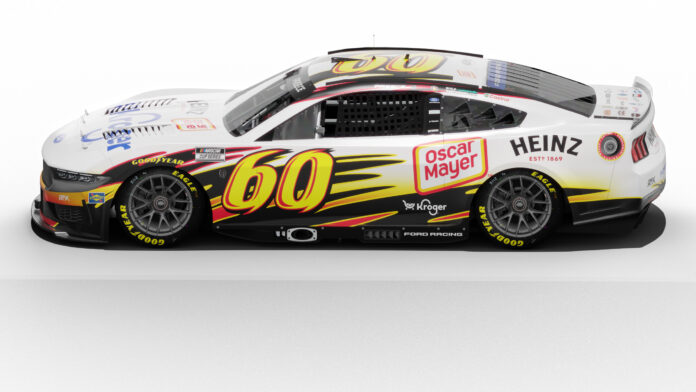
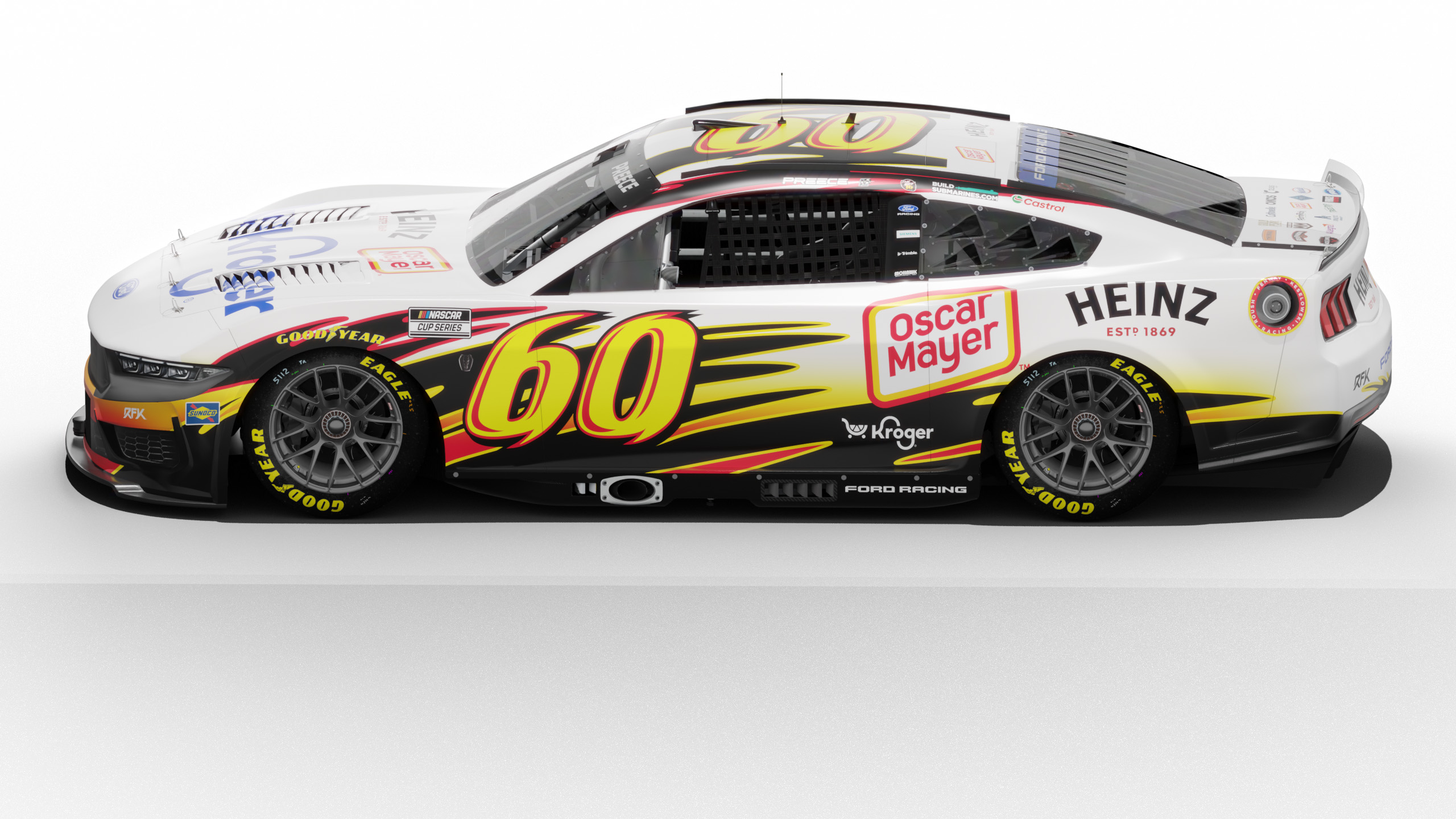
Denny Hamlin’s parents were instrumental in helping him pursue his career in NASCAR. In 2006, he signed with Joe Gibbs Racing and has claimed 60 Cup Series wins with the team.

He dedicated his victory at Las Vegas Motor Speedway to his father.   

“He’s the one that got me into racing,” Hamlin said, “He just took me to a racetrack when I was 5 and then made all the sacrifices financially to keep me going. Sold everything they had. We almost lost our house a couple times, just tried to keep it all going. I’m glad he was able to see 60. That was super important to me.”

Due to extensive damage, the cause of the fire has not been determined as the investigation continues.

NASCAR issued the following statement on Dec. 30: “NASCAR extends its deepest condolences to Denny Hamlin and the entire Hamlin family. Dennis Hamlin instilled a love of racing in his son, and sacrificed greatly to develop Denny into a world-class talent in the sport. We also continue to offer our thoughts and prayers to Denny’s mother, Mary Lou, and hope for her full recovery.”

Daytona 500 2026: odds, stats and predictions

The “Great American Race” at Daytona International Speedway is scheduled for February 15th. Fans across the nation are thrilled to follow the high-speed race on the legendary circuit, but they may be disappointed by the absence of NASCAR icon Jimmie Johnson. The driver officially retired in 2020, but he’s the co-owner of the Legacy Motor Club and competes as a non-chartered racer.

Johnson, driving the No. 84 Carvana Toyota, who counts a massive number of supporters, may be excluded if NASCAR doesn’t issue the so-called world-class provisional. Should all of them be allowed to compete, the car count will be around 44. Should they not, we will have approximately 40-41. In the first case, Johnson will be in. In the second, he should probably go through a single-car qualifier round and win his ticket. The Qualifiers for the Daytona 500 race are scheduled for Wednesday, February 11, 2026, followed by the two Duel races on Thursday, February 12. To find the odds for this event, one can simply visit Oddschecker, an online comparison site that keeps bettors and enthusiasts updated daily on Pennsylvania sports betting promos and all the other major sporting events in America, racing, and whatnot.

Who are the favorites to win in Daytona?

Even if we are still a couple of months away from the NASCAR season opener in Daytona, the bookmakers have already produced a list of the top favorites to triumph. Somewhat surprisingly, Denny Hamlin, who was denied his first title at the beginning of November, on the Phoenix Raceway, where Kyle Larson was crowned 2025 champion, and is clearly quite motivated to win this year, is not among them. Let’s see who the best-positioned drivers are to win the “Great American Race“.

Ryan Blaney

Blaney never won in Daytona, so listing his name as the first between the favorites may raise some eyebrows. However, everybody who knows a little about NASCAR knows how fast Blaney goes on superspeedways. This could really be his year on the world’s most iconic speedway.

Joey Logano 

The case for Logano is pretty much the same: he won at Daytona 10 years ago and specializes in superspeedway races. Logano held off the field in the final charge to the flag, leading the field into turn three as the caution waved for a big wreck on the backstretch, for his first career Daytona 500 victory in February 2015. He knows the 2.5-mile track and appears more than ready to cut the finish line in first position, come February.

Austin Cindric

Cindric can run with his teammates everywhere and has already won in Daytona in 2022. He’s as fast as they come and doesn’t make many mistakes. This is an essential quality because of the oval racetrack, which can prompt drivers to go outside their usual lines, especially when they attempt to overtake other racers ahead of them. In 2022, Cindric was strong in his qualifying race, starting the 500 in fifth and rarely far from the lead, leading 21 laps on the way to scoring the win. Cindric usually keeps his cool in every situation.

William Byron

The Hendrick Motorsports driver is listed as only the fourth favorite. This is somewhat surprising, since he won last year’s event and the year before in Daytona, but bookies aren’t riding with him this year. After all, nobody has ever won the “Great American Race” three years in a row, and the feat remains extremely difficult. This means that he can attract a good betting volume, of course, because he has a date with history.

Brad Keselowski

RFK Racing ace would love to etch his name among the Daytona winners, a feat he never achieved in his illustrious career, but this may not be his year. According to the bookmakers, it is only fifth among the favorites, in the same area as Kyle Larson (6th favorite), Chase Elliott (7th favorite), Denny Hamlin, and Kyle Busch (tied at 8th favorite).

Obviously, we will cover everything Daytona in the coming weeks, leading up to the event. Just check our NASCAR Cup Series page to get all the info and stats you need.

What to Expect From a High-End Caribbean Vacation

A high-end Caribbean vacation is less about rushing through attractions and more about settling into a rhythm that feels unforced and comfortable. Travelers who choose this type of trip usually expect a balance of privacy, thoughtful service, and surroundings that feel distinctly different from everyday life. The experience often starts with space—open layouts, outdoor living areas, and views that make it easy to slow down. Unlike standard hotel stays, luxury island vacations tend to remove friction from daily routines, allowing guests to focus on rest, connection, and simple enjoyment.

Another key expectation is flexibility. High-end travel is rarely built around strict schedules. Meals happen when you’re hungry, days unfold at your own pace, and plans can change without stress. Many travelers also expect a sense of discretion—less noise, fewer crowds, and environments that feel calm rather than busy. This makes the experience appealing to couples, families, and small groups who value time together without constant outside distractions.

When staying at a private villa found through platforms like villanyx.com, the vacation feels more personal. Instead of adapting to a resort’s rules, the space adapts to you. That sense of ease—combined with natural beauty, warm weather, and a slower pace—is what defines a truly high-end Caribbean escape and keeps people returning year after year.

Comfort Features Travelers Usually Look For

Comfort is at the center of any high-end Caribbean stay, and it goes far beyond soft beds or stylish décor. Travelers often look for homes designed around indoor-outdoor living, where sliding doors open to terraces, pools, or ocean views. Good airflow, shade, and climate control matter, especially in warm island settings. High ceilings, natural materials, and thoughtful layouts help spaces feel cool and relaxed throughout the day.

Privacy is another major comfort feature. Many guests prefer accommodations where they don’t share walls, pools, or common areas with strangers. Private bedrooms with en-suite bathrooms, quiet outdoor spaces, and controlled access create an environment where people can fully relax. Kitchens designed for real use—not just appearance—also matter, especially for longer stays. Even travelers who plan to dine out often appreciate the option to prepare breakfast or enjoy a casual meal at home.

Reliable services contribute to comfort as well. Easy check-in, clear communication, and support when needed make a big difference. Small details like quality linens, proper lighting, strong water pressure, and well-maintained outdoor areas all shape how comfortable the stay feels. In a high-end setting, comfort is about removing small frustrations so guests can focus on enjoying their surroundings without effort.

How Location Influences Daily Plans

Location plays a quiet but powerful role in shaping a Caribbean vacation. A villa close to beaches, dining, and local towns allows for spontaneous plans—morning swims, casual lunches, or evening outings without long drives. On the other hand, more secluded locations appeal to travelers who want uninterrupted privacy and don’t mind planning outings in advance. Neither option is better by default; the right choice depends on how you want your days to feel.

Elevation and views also influence daily routines. Hillside villas often offer sweeping ocean views and cooling breezes, making them ideal for relaxing afternoons and sunset gatherings. Coastal locations provide easy access to swimming and water activities but may feel more active during peak hours. Proximity to roads, marinas, or beach clubs can affect noise levels and energy, which matters for travelers seeking a calm environment.

A well-chosen location reduces the need for constant planning. When your surroundings match your travel style, days unfold naturally. Whether that means quiet mornings by the pool or easy access to restaurants and beaches, location shapes how much effort your vacation requires. In high-end Caribbean travel, the right setting supports the experience rather than competing with it—allowing comfort, pace, and enjoyment to align smoothly throughout the stay.

Website Tweaks That Improve User Experience Instantly

The digital world is unforgiving to slow websites and complex interfaces. In today’s fast-paced online world, improving user experience is crucial for survival. Understanding the subtleties of website optimization can be the difference between success and failure online.

By focusing on key aspects of site performance, you can provide instant satisfaction. This not only keeps visitors but also encourages them to dive deeper into your content. Whether aiming to boost conversions, lower bounce rates, or climb search engine rankings, targeted website tweaks are key to digital success.

Every small change can significantly impact visitor satisfaction. This guide is designed to help you fine-tune your site for seamless interactions. From loading times to navigation ease, your audience will appreciate the effort. So will search engines.

Adding VPN capabilities provides an extra layer of protection, ensuring users’ safety and privacy. 

Optimizing Page Speed for Immediate Impact

Ensuring optimal page speed is crucial for superior website performance. In today’s digital world, users expect fast-loading webpages. Any delay can significantly impact user experience and satisfaction. Key strategies include image compression, code minification, and browser caching to enhance this critical aspect.

Compressing Images Without Losing Quality

Image compression is vital for optimizing load times without compromising quality. By reducing image file sizes, webpages load faster. This improves user experience and boosts SEO rankings. Effective compression techniques make images lightweight while preserving visual quality, essential for keeping users engaged.

Minifying CSS, JavaScript, and HTML

Code minification is another key technique for boosting page speed. It involves removing unnecessary characters from code, like whitespace and comments. This reduces data transfer, making CSS, JavaScript, and HTML files more efficient. Streamlining these files significantly increases website performance speed.

Leveraging Browser Caching

Browser caching is a powerful tool for reducing load times for repeat visitors. It stores parts of your site locally in the user’s browser. When a user revisits, the browser loads the page from cache, not the server. This speeds up loading and reduces server load, enhancing site performance.

Enhancing Site Navigation and Structure

The architecture of a website plays a crucial role in user experience. An efficient site navigation and a structured layout are key to smooth user navigation. Intuitive navigation and a user-friendly layout help users find what they need quickly. This boosts satisfaction and keeps users engaged.

Implementing sticky navigation menus is a smart strategy. These menus stay visible as users scroll, ensuring easy access to main sections. This feature is vital in today’s fast-paced digital world, enhancing browsing experience.

Adopting a mobile-first design approach is also essential. It caters to the growing number of users accessing websites on smartphones and tablets. This method ensures touch-friendly, responsive navigation that adapts well to smaller screens, making all site features accessible on any device.

These strategies aim to create a logical information hierarchy within the website. Each element and call-to-action is placed strategically to guide visitors toward desired actions. Clear call-to-actions (CTAs) are crucial, as they dictate visitor actions and boost conversion rates.

Improving Content Visibility and Engagement

To boost user engagement and content visibility, we must adopt strategic design elements. These should be both visually appealing and highly functional. Elements like white space, legible typography, and multimedia integration are key. They significantly enhance a website’s usability and appeal.

Utilizing White Space Effectively

White space, or negative space, is vital for a clean layout. It directs visitors’ eyes to essential information. Proper use of white space around text and elements reduces cognitive overload. This makes content more accessible and easier to understand.

Such design not only improves content visibility but also enhances user engagement. It makes the website less cluttered and more inviting.

Increasing Legibility with Typography

Choosing the right typography is crucial for content legibility. Fonts that are easy to read improve the user experience. They allow readers to understand and absorb information effortlessly.

When typography reflects the brand’s identity, it adds character to the website. This makes textual content more engaging and appealing to the audience.

Integrating Engaging Visuals and Multimedia

Integrating high-quality images, videos, and multimedia elements into the website is beneficial. It breaks up text-heavy content, increasing viewer interaction and retention. Multimedia integration presents complex information in a digestible and entertaining way.

Conclusion

Implementing tweaks to improve site performance and user engagement is a key strategy for enhancing user experience. We’ve seen how optimizing page speed, refining navigation, and enhancing content visibility are crucial. These steps create a welcoming and productive online environment. They are essential for a seamless user experience and for boosting the site’s digital standing.

Furthermore, the need for secure browsing with free VPN technologies is growing. This builds trust and reliability, qualities that today’s internet users expect and value.

The digital world is constantly evolving, and staying relevant requires proactive steps. Businesses and website administrators must continually update their sites to improve user experience, security, and adaptability. By doing so, they create a strong, optimized website ready to face the challenges of the digital landscape.

How to Become a NASCAR Driver

Photo by Mitchell Pavel for SpeedwayMedia.com

Becoming a NASCAR driver takes more than just a love for speed. It is a serious career that demands athletic skill, sharp reflexes, and a lot of planning. For fans watching a race, the path to the driver’s seat might look like a mystery. In reality, it is a structured ladder. You have to climb it one step at a time, proving your worth at every level.

The sport is physically demanding and technically complex. At high speeds, the laws of physics push a car to its limit. Air pressure has a huge impact on how a car handles and stays stable on the track. As airflow moves over and under the vehicle, it creates forces that affect grip, balance, and cornering control. This is why understanding how cars perform and the auto body reacts is so important in racing. A well-built auto body helps manage airflow, reduce drag, and keep the car planted. Success depends not just on driving skill, but on having a machine that is properly tuned for the track.

The Early Path: Starting from Scratch

Most professional drivers start their journey before they even have a driver’s license. The foundation of a racing career is almost always built on the karting track. This is where you learn the basics that will stick with you for life.

The Karting Foundation

If you look at the resume of a top NASCAR Cup Series star, you will likely see that they started racing between the ages of 5 and 6. Joining a local karting club is the standard first step. At this age, you aren’t worrying about complex mechanics yet. You are learning car control. You learn how to carry speed through a corner and how to react instantly when things go wrong.

Karting is the most accessible way to start, but it still requires a budget. Families often spend upwards of $10,000 a year to keep a kart running competitively. This includes safety gear, tires, race fees, and travel. It sounds like a lot, but this early investment is the only way to build the experience you need for the next level.

Graduating to Stock Cars

Once you reach your teenage years, typically around 16, it is time to leave the karts behind. You need to step into a full-sized vehicle. This transition is a significant hurdle. The cars are heavier, faster, and much harder to handle.

Choosing the Right Class

You cannot jump straight into a Cup car. You need to find a class that teaches you how to handle weight transfer.

  • Legends Cars: These are smaller, fun cars that use motorcycle engines. They are great for learning how to fight for position in a pack.
  • Late Models: This is the most common training ground. A Late Model looks and acts much like a professional stock car. It teaches you how to manage tire wear and handle a heavy chassis.

The Value of Local Tracks

You need to live at your local racetrack. Even if you aren’t driving that weekend, buy a pit pass. Go to the garage area. Watch how the teams work. You need to see how a crew chief talks to a driver. You need to see the chaotic workflow of a pit stop up close. Volunteering to help a local team change tires or clean parts is a great way to learn. This “osmosis” learning gives you an edge that you simply cannot get from a classroom or a simulator.

The Physical Gauntlet Inside the Cockpit

A lot of people look at racing and think, “the car does all the work.” That couldn’t be further from the truth. When you’re strapped into a stock car, you are essentially wrestling a 3,400-pound machine that doesn’t want to turn, sitting inside a metal box that can reach 130 to 140 degrees Fahrenheit.

Drivers don’t just sit there; they endure immense physical strain. The G-forces alone are brutal. In the corners, a driver might experience 2 to 3 Gs, pulling their body and head to the side with significant force, over a 500-mile race, which adds up to serious muscle fatigue, particularly in the neck, shoulders, and core.

Then there is the dehydration factor. Drivers can lose anywhere from five to ten pounds in water weight during a single race due to the intense heat and fire-retardant suits. Staying focused while physically depleted is a skill in itself. It requires a level of cardiovascular fitness that rivals marathon runners or triathletes.

The Mental Game at 200 MPH

Beyond the physical toll, the mental exhaustion is real. Imagine driving on the highway in heavy traffic, but everyone is moving at 200 mph, inches apart, and one wrong move sends you into a concrete wall. Now, keep that level of hyper-focus for three to four hours straight.

There is no halftime in racing. You don’t get a timeout. If a driver’s concentration slips for a fraction of a second, their race is over. They have to constantly process information: tire wear, fuel consumption, the line of the driver ahead, and communication from the spotter. It’s a high-stakes game of chess played at breakneck speeds, where strategy evolves lap by lap.

Life on the Road

The glamour of the Sunday race hides the grind of the weekly schedule. The season is incredibly long, stretching from February to November. Between race weekends, drivers aren’t just resting. They are in the simulator, debriefing with engineers, and handling media obligations.

The travel schedule keeps them away from home for the majority of the year. It’s a repetitive cycle of airports, hotels, tracks, and haulers. While they love the sport, the lack of downtime and the constant movement can strain personal lives and mental well-being. It’s a lifestyle that demands total commitment, leaving very little room for anything else.

Conclusion

Being a professional race car driver is about much more than just going fast or standing in the winner’s circle. It is a grueling athletic pursuit that tests the limits of human endurance and mental fortitude. Between the scorching heat of the cockpit, the unrelenting G-forces, and a travel schedule that never sleeps, the reality of the job is gritty and exhausting. It takes a unique kind of resilience to thrive in such an environment, proving that these drivers are true athletes in every sense of the word.

The Best Filter Mask for NASCAR Fans and Pit Crews: Surviving “Track Cough”

There is nothing quite like the sensory overload of a race weekend. Whether you are at Daytona, Bristol, or your local dirt track on a Saturday night, the atmosphere is electric. You can feel the rumble of 750-horsepower engines in your chest. You can smell the unique perfume of high-octane Sunoco fuel and burning rubber. For a die-hard motorsport fan, this is paradise.

However, there is a lingering aftermath that many of us know too well but rarely talk about. It is that scratchy throat on Monday morning. It is the black mucus you cough up in the shower after a long weekend in the infield. It is the headache that feels like a hangover, even if you only drank water. In the paddock, they call it “Track Cough” or “Race Flu.”

For years, fans and crew members just accepted this as the price of admission. We wrapped a bandana around our faces when the dust kicked up and hoped for the best. But as we learn more about what is actually in that cloud of track dust, the smart money is moving toward professional respiratory protection. The air at a speedway is a cocktail of tire particulate (micro rubber), brake dust (heavy metals), unburnt ethanol fumes, and carbon monoxide.

If you want to keep attending races for decades to come without wrecking your lungs, you need gear that works as hard as the cars on the track. In this guide, we break down why standard masks fail at the track and rank the top 5 high-performance filter masks for 2026.

Why Your Bandana Is Useless in the Pits

At a dirt track or a Superspeedway, the particles you see are annoying, but the particles you cannot see are dangerous. A standard cotton bandana or a cheap surgical mask might stop a large chunk of dirt, but it does absolutely nothing against fine particulate matter (PM2.5) or chemical vapors.

When a field of 40 cars dives into Turn 1, they are grinding rubber into microscopic dust. When they slam the brakes, they vaporize metallic compounds. These particles are small enough to bypass loose fabric and lodge deep in your lung tissue. This is what causes the inflammation and the dreaded “Track Cough.”

To truly protect yourself, you need a mask that offers two things:

  1. A Hermetic Seal: If air can leak in around your nose or chin, the filter is pointless.
  2. Nanofiltration: You need to stop particles smaller than 0.1 microns, including the invisible chemical byproducts of combustion.

Top 5 Masks for the Racetrack

We have tested these masks in high-dust and high-exhaust environments to see which ones belong in victory lane.

1. R-PUR (The High Performance Choice)

If you are looking for the “Cup Series” of respiratory gear, this is it. R-PUR was originally designed for motorcyclists riding directly in traffic exhaust, making it uniquely over-engineered for the demands of a race track.

The French tech company has solved the biggest problem with wearing a mask in the heat: the seal. Their patented “Soft Fit” technology uses a thermal memory foam that lines the inside of the mask. When you put it on, the foam reacts to your body heat and molds perfectly to your face shape. Whether you are sweating in the pits or cheering in the stands, the seal stays airtight.

Why is it #1 for racing? It comes down to the filter capabilities. Standard masks stop at PM2.5. The r-pur mask filters down to nanoparticles (PM0.05). This means it is capturing not just the visible dirt, but the microscopic rubber dust and metallic brake particles that do the real damage.

Plus, it is built for heat. The advanced valve system instantly extracts hot air. If you have ever felt suffocated wearing a mask at a humid summer race, this valve system is a game-changer. It keeps your face cool and dry while blocking the toxins. It is the ultimate piece of PPE for the modern fan.

Best For: Pit crews, photographers in the infield, and fans who want maximum protection.

2. Wolfsnout (The Dirt Track Specialist)

If your weekends are spent at local dirt tracks, sprint car races, or off-roading, you likely know Wolfsnout. These are not designed for chemical filtration like the R-PUR, but they are legendary for handling heavy dust.

The Wolfsnout “All Sport” mask is essentially a specialized foam filter that fits under your goggles. It is washable, reusable, and incredibly lightweight. It does an amazing job of stopping the “clods” and heavy dust clouds that hit you when a slider goes wrong in a corner.

The downside is that it is primarily a dust mask. It does not have an activated carbon layer to filter out fuel fumes or exhaust smells. It will keep the mud out of your teeth, but it won’t stop the headache from the fumes.

Best For: Dirt racing, motocross, and ATV riders.

3. GVS Elipse (The Mechanic’s Choice)

You will often see these in the garage area or body shops. The GVS Elipse is an industrial respirator. It looks like a gas mask because, well, it is one.

It uses replaceable P100 filters, which offer incredible protection. If you are a mechanic grinding fiberglass bodies or welding in the shop during the week, this is your go-to. The fit is excellent, and the breathing resistance is low.

However, for a fan in the stands, it is overkill. It is heavy, rubbery, and uncomfortable to wear for 4 hours in the sun. It also muffles your voice completely, so good luck trying to talk to your buddy next to you during a yellow flag.

Best For: Fabricators and mechanics working in the garage.

4. Respro (The Old Guard)

Respro has been around for a long time, originally targeting city cyclists. Their masks are made of neoprene, which makes them very durable. They look tough and fit the aesthetic of the motorsport world better than a medical mask.

The “Techno” model combines a Hepa Type filter with a chemical particle filter. It is a solid middle ground. It handles dust well and reduces the smell of exhaust. The main issue with Respro at a race track is heat. Neoprene is the material used for wetsuits to keep divers warm. On a 90-degree day in July, wearing a neoprene mask can feel like wrapping a hot towel around your face. You will sweat, and that sweat can pool inside the mask.

Best For: cooler fall or spring races.

5. Cambridge Mask Co (The Military Tech)

This British brand uses carbon technology derived from military chemical warfare suits. It is a lightweight fabric mask that packs a heavy punch in terms of filtration.

It is much lighter than the Respro or GVS, making it easier to slip into a pocket. The filtration is verified to stop viruses and bacteria as well as pollution, which is a nice bonus if you are flying to a race.

The limitation is the fit. It relies on ear loops and a chin strap. While comfortable for sitting, if you are active, climbing up the grandstands or working in the pits, the seal can break. Once the seal breaks, you are breathing unfiltered track air. It lacks the memory foam security of the R-PUR.

Best For: Fans in the stands who want a lightweight option.

How to Avoid “Track Cough” Without Missing the Action

Choosing the mask is step one. Using it correctly is step two. Here are a few tips to survive the weekend.

1. The “Start and Restart” Rule: You do not need to wear your mask for 500 miles. The air quality is worst during the start, restarts, and immediately after pit stops when the field is bunched up, and engines are revving at maximum RPM. Keep your mask handy for these moments.

2. Hydration is a Filter: Your lungs have a natural cleaning mechanism called cilia (tiny hairs) and mucus. Dehydration stops this system from working. Drink more water than beer. If you are dehydrated, the dust sticks in your lungs much longer.

3. Clean Your Gear: If you buy a reusable mask like the R-PUR or Respro, wash the outer shell after the race. It will be covered in rubber dust. Do not throw a dirty mask into your bag and then put it back on your face next month.

How to Claim And Use Casino Bonuses Without Getting Locked In?

Photo by depositphotos at https://depositphotos.com/

Online casinos often attract players with generous bonuses that promise extra playtime and bigger chances to win. These offers can add real value, but only if used wisely. To claim and use casino bonuses without getting locked in, a player must understand the terms, meet the right conditions, and know when to walk away. The goal is to turn a promotion into an advantage, not a trap.

Many players rush to claim a bonus without reading the fine print, which can lead to restrictions on withdrawals or lost winnings. Clear knowledge of wagering requirements, eligible games, and time limits helps avoid frustration later. A careful approach allows players to enjoy the benefits while keeping full control of their funds.

This guide explains how to claim casino bonuses safely and use them effectively. It also shows how to avoid common pitfalls that can limit access to winnings. By following straightforward steps and understanding the rules, anyone can make the most of these offers without getting locked into unfair terms.

Players can claim casino bonuses safely by using licensed platforms, verifying their identity, and following the bonus terms carefully. They should also confirm deposit requirements, enter any promo codes correctly, and select offers that match their play style to avoid losing rewards or account restrictions.

Choosing a Reputable Online Casino

A safe bonus claim starts with a trustworthy casino. Players should always choose a site licensed by a known authority, such as the Malta Gaming Authority or UK Gambling Commission. These regulators help protect deposits and winnings.

Reading independent reviews and checking user feedback can reveal how a casino treats players. A good site uses encryption to protect financial data and offers clear terms for every promotion.

As a player ready to explore new promotions, you can get your JB Casino BONUS after confirming that the platform meets these safety standards. It also helps to test customer support before depositing. Fast and helpful responses show the casino values its users. 

Registering and Verifying Your Account

A complete registration with accurate personal details helps avoid payout delays. Casinos require real names, birth dates, and contact information to verify identity and prevent fraud.

After signing up, users often need to upload proof of identity, such as a passport or driver’s license. Some casinos also ask for proof of address. Verification usually takes less than a day if the documents are clear.

Players should avoid using false details, as mismatched information can lead to blocked withdrawals. Once verified, the account becomes eligible for deposit bonuses, free spins, and loyalty rewards.

Finding and Activating the Right Bonus Offer

Each casino lists its current promotions on a dedicated page. Players should compare offers by looking at wagering requirements, eligible games, and withdrawal limits. A smaller bonus with fair terms often gives better value than a large one with strict conditions.

It is smart to check if the offer applies automatically or needs manual activation. Some casinos ask users to click “Accept” or “Claim Now” before playing. Missing this step can cause the bonus to disappear.

Players should also read the expiry period carefully. Many bonuses last only a week or two, and unused rewards expire after that time.

Entering Bonus Codes and Making Qualifying Deposits

Some offers require a promo code during registration or deposit. Entering the correct code unlocks the bonus instantly. Players should double-check the spelling and capitalization before confirming the transaction.

Most deposit bonuses have a minimum deposit amount, often between $10 and $25. Deposits below that limit may not qualify. Using eligible payment methods such as cards or e-wallets helps avoid disqualification.

After the deposit, the bonus balance appears automatically or after clicking an activation button. Players can then start using the bonus funds on approved games while tracking progress toward wagering goals.

Using Casino Bonuses Without Getting Trapped by Terms

Players can make the most of casino bonuses by understanding how wagering rules, game limits, and withdrawal conditions work. Careful selection of bonus types also helps avoid restrictions that reduce real-money rewards.

Understanding Wagering Requirements and Game Restrictions

Wagering requirements decide how many times a player must bet the bonus amount before cashing out. For example, a 30x requirement on a $100 bonus means $3,000 in total bets. Lower requirements are easier to complete and usually lead to faster withdrawals.

Not all games count the same toward these requirements. Slot games often contribute 100%, while table games like blackjack or roulette may count less or not at all. Casinos use these limits to control risk.

Players should always check bonus terms for eligible games, maximum bet size, and bonus expiry dates. Ignoring these details can void winnings. It helps to read the terms before playing and to confirm any unclear rules with customer support.

Maximizing Winnings and Meeting Withdrawal Limits

Bonuses often come with withdrawal limits that cap how much a player can cash out from bonus play. A no-deposit bonus might allow only $100 in winnings, while a deposit bonus could have no limit after meeting playthrough rules.

To increase real returns, players can focus on games with a high Return to Player (RTP) rate and lower wagering requirements. Slots with RTP above 96% usually give better long-term results.

Timing also matters. Some casinos offer higher match rates or cashback offers on weekends or during promotions. Players should track these offers but avoid chasing every bonus, as frequent switching can delay withdrawals. Keeping records of deposits and playthrough progress helps manage funds more clearly.

Selecting the Best Bonus Types for Your Gaming Experience

Different bonus types fit different play styles. A welcome bonus suits new players who plan to deposit right away. A no-deposit bonus offers a risk-free start but often includes strict limits. Free spins work best for those who prefer slot games, while cash bonuses appeal to players who enjoy variety.

Regular players may benefit from reload bonuses or cashback offers, which return part of their losses as bonus credit. High rollers might prefer flexible deposit bonuses that allow larger bets with fewer restrictions.

Choosing the right bonus depends on game preference, deposit size, and withdrawal goals. Players who read and compare terms before claiming any offer can enjoy online gambling with fewer restrictions and a smoother gaming experience.

Conclusion

Players can claim and use casino bonuses safely by reading the terms carefully and verifying the casino’s license before joining. Clear rules protect their funds and help them avoid unfair restrictions.

They should also check wagering requirements and withdrawal limits before activating any offer. A fair bonus usually has reasonable playthrough terms and transparent conditions.

It helps to keep records of deposits and bets to track progress. This prevents confusion and supports smooth withdrawals later.

By staying informed, comparing offers, and avoiding unrealistic deals, players can use bonuses effectively without getting locked in.

Behind the Scenes of Digital Ads and How They Benefit Businesses

Photo by S O C I A L . C U T on Unsplash

Online advertisements and affiliate links are everywhere on the internet. Whether you’re playing a mobile game, browsing the internet, or simply shopping around, you’ve likely clicked on a link. While it may seem like an annoyance sometimes, or the perfect introduction to a new product, what actually happens when you click on a link?

Behind each ad you encounter is a long list of systematic decisions that have led to your interaction with it. Understanding why businesses and advertisers buy high-quality traffic is essential in learning why ads work the way they do. This article aims to give you insight into what goes on behind the scenes and how you can utilize your own links to promote your product.

What Happens When You Click?

First and foremost, you will be redirected to the new page, and while that happens, your click will be recorded by the advertising program. Recording the number of successful clicks is invaluable to the advertiser, helping track which ad campaigns work and whether certain ads capture more attention than others.

Next, the page you’re redirected to will be designed with a specific purpose, such as selling a product, collecting data, or providing more information about the product. Generally speaking, ads try not to mislead or confuse once you’ve clicked to ensure a consistent experience.

During this process, the advertising site will perform some basic tracking. This will include data such as the time of the click, the device used, and the website or game on which it appeared. Generally, this data collection is anonymous; however, it may include cookies that track your data specifically.

These cookies also serve another purpose: analyzing how you interact with the ad, such as how long you stay on the page, whether it leads to action regarding the product, or whether you simply leave. Once all that data has been gathered, the advertiser is usually charged for a successful click, or they may share revenue if the link is on a third-party website.

In short, here is a quick overview of the full process:

  1. Successful click into initial tracking
  2. Redirection to the specific advertised page
  3. Data collection and cookie deployment
  4. Payment / revenue share

Why This System Works for Advertisers

All of the aforementioned actions are greatly beneficial for advertisers, because each advertisement link is measurable, controllable, and salable. Compared with more difficult-to-track methods, such as TV spots and billboards, digital links provide clear data on reception and success.

Another wonderful metric is intent. If someone is actively engaging with the advertised product, their subsequent actions are much more valuable data points. Advertisers and businesses aren’t just paying for clicks and exposure; they’re paying to gain genuine interest.

Businesses and advertisers also get control over who sees the ads. Advertisements can be targeted directly based on factors like location, device type, search history, purchase history, and more. Having access to this data makes it much easier to reach the correct audience for the product.

Performance tracking is also readily accessible, allowing full disclosure on the following:

  • Number of clicks
  • How many took action
  • How a specific ad compares with another
  • Which factors affect interest better

Having a plethora of data at the business’s disposal allows for digital advertisement campaigns to be adjusted in real time. Ads that perform well can be used in place of poor-performing ads, and new ones can be introduced to see how they compare. Digital ad campaigns will undergo a consistent stream of improvement.

Lastly, online advertising campaigns can be easily scaled up or down. Successful small-budget campaigns can be easily expanded without drafting an entirely new strategy. Flexibility of online and digital ads is unparalleled.

Each Click Matters

To users, clicking an ad is a casual or unintentional action. To advertisers, it’s a clear signal of interest, provides excellent data, and is a potential opportunity to sell a product. Each successful click helps refine and justify advertising costs.

While you may see a plethora of ads in your day-to-day browsing experience, individual advertisers favor quality over quantity. Only a small number of engaged users is necessary to create a successful business or product.

Bottom Line

The next time you click on an ad, consider everything that you’ve read in this article. Each click, each campaign is a part of a cleverly designed system that connects businesses with audiences. The process is designed to be fast and seamless whilst also improving consistently.

If you need to advertise your own product or work with advertisers, this system for tracking clicks and engagement can greatly improve your business’s growth. Being able to effectively connect with your target audience can define a successful business strategy.

Each individual click is worth something, and hopefully, you now understand why this practice has solidified itself on the modern internet.

What are the best features of Dodge car?

Photo by depositphotos at https://depositphotos.com/

Dodge has long been recognized as a bold and performance-driven automobile brand that appeals to drivers who crave power, style, and reliability. Known for producing muscle cars, capable SUVs, and hardworking trucks, Dodge vehicles stand out in a competitive automotive market. Whether someone is exploring options at a local showroom or researching online through an innisfail dodge dealer, the brand’s reputation for strength and innovation often becomes a deciding factor. Dodge cars are engineered to deliver thrilling driving experiences while maintaining everyday practicality. From aggressive exterior designs to powerful engines and advanced technology, Dodge continues to evolve while staying true to its muscle car heritage. This article explores the best features of Dodge cars, highlighting what makes them a popular choice among enthusiasts and families alike.

Powerful Performance Capabilities

One of the most celebrated features of Dodge cars is their exceptional performance. Dodge vehicles are built with a focus on power, speed, and control, making them ideal for drivers who enjoy an energetic driving experience. Models like the Dodge Charger and Challenger are well-known for their impressive acceleration and road presence. Even Dodge SUVs, such as the Durango, offer performance levels that rival some sports cars. The brand’s performance-oriented engineering ensures smooth handling, responsive steering, and stability at high speeds. Dodge has successfully blended raw power with refined driving dynamics, allowing drivers to experience both excitement and confidence behind the wheel, whether cruising on highways or navigating city streets.

High-Performance Engine Options

Dodge is famous for offering a wide range of robust engine options that cater to different driving preferences. From efficient V6 engines to legendary HEMI V8 powertrains, Dodge provides choices that balance performance and efficiency. The HEMI engines, in particular, are a defining feature of Dodge cars, delivering thunderous horsepower and torque. These engines are designed for durability and long-term performance, making them suitable for daily driving as well as high-performance demands. Dodge also incorporates modern technologies such as fuel-saving cylinder deactivation systems, ensuring that drivers can enjoy power without sacrificing efficiency. This combination of strength and smart engineering sets Dodge apart from many competitors.

Iconic and Aggressive Design

Dodge cars are instantly recognizable due to their bold and aggressive design language. From wide stances and sculpted body lines to signature grilles and LED lighting, Dodge vehicles command attention on the road. The brand embraces a muscular aesthetic that reflects its performance-focused identity. Dodge designers focus on both form and function, ensuring that aerodynamic elements enhance performance while maintaining a striking appearance. Interiors also reflect this bold approach, with driver-centric layouts and sporty details. For many buyers, the visual appeal of Dodge cars plays a significant role, as the brand consistently delivers vehicles that look as powerful as they perform.

Advanced Interior Technology

Inside a Dodge vehicle, drivers are greeted with modern technology designed to enhance comfort, connectivity, and convenience. Dodge cars are equipped with intuitive infotainment systems that support smartphone integration, navigation, and voice commands. Large touchscreen displays make it easy to control entertainment and vehicle settings while minimizing distractions. Premium audio systems are available in many models, delivering an immersive listening experience. Dodge also focuses on driver convenience with features such as keyless entry, remote start, and customizable digital displays. These technologies ensure that Dodge cars remain competitive in an increasingly tech-driven automotive landscape.

Comprehensive Safety Features

Safety is another important feature of Dodge cars, as the brand incorporates advanced safety technologies to protect drivers and passengers. Dodge vehicles are equipped with features such as adaptive cruise control, blind-spot monitoring, lane departure warning, and forward collision warning. These systems work together to enhance situational awareness and reduce the risk of accidents. Dodge also emphasizes structural integrity, using high-strength materials to improve crash protection. Airbag systems, stability control, and traction control further contribute to passenger safety. By combining performance with advanced safety features, Dodge ensures peace of mind without compromising driving excitement.

Towing and Utility Strength

Dodge vehicles are not only about speed and style; they also excel in utility and towing capabilities. Models like the Dodge Durango offer impressive towing capacities, making them suitable for hauling trailers, boats, or recreational equipment. This versatility appeals to families and individuals who need both performance and practicality. Dodge trucks and SUVs are engineered with reinforced frames and powerful drivetrains that handle heavy loads with ease. Interior space and flexible seating configurations add to their practicality, making Dodge vehicles ideal for both work and leisure activities. This balance of utility and performance is a key strength of the brand.

Customization and Trim Options

Another standout feature of Dodge cars is the wide range of customization options available to buyers. Dodge offers multiple trims, appearance packages, and performance upgrades, allowing drivers to tailor their vehicles to their preferences. From sporty exterior accents to high-performance suspension systems, customization options enhance both aesthetics and driving dynamics. Interior upgrades, such as premium materials and advanced technology packages, further personalize the driving experience. This flexibility ensures that Dodge cars can appeal to a diverse audience, from performance enthusiasts to those seeking comfort and style. Customization plays a significant role in making Dodge vehicles unique and personal.

Value for Money and Reliability

Dodge cars are known for offering strong value for money, combining performance, features, and durability at competitive price points. Compared to other performance-oriented brands, Dodge vehicles often provide more power and features for the cost. The brand’s focus on reliable engineering ensures that Dodge cars are built to last, with many models maintaining strong resale values. Warranty coverage and accessible maintenance options further enhance their appeal. For buyers seeking a vehicle that delivers excitement without excessive costs, Dodge presents an attractive balance of affordability and quality.

Conclusion

Dodge cars stand out in the automotive industry due to their powerful performance, iconic design, advanced technology, and practical versatility. From high-performance engines and aggressive styling to comprehensive safety features and customization options, Dodge delivers vehicles that appeal to a wide range of drivers. The brand successfully blends its muscle car heritage with modern innovation, ensuring relevance in today’s market. Whether a driver values speed, utility, or comfort, Dodge offers models that meet diverse needs. Ultimately, the best features of Dodge cars lie in their ability to provide thrilling driving experiences while maintaining everyday usability and long-term value.

Telematics & GPS Tracking for GMC Fleet Buyers

Photo by depositphotos at https://depositphotos.com/

Fleet management has evolved significantly over the past decade, with telematics and GPS tracking becoming essential tools for businesses that rely on vehicles for operations. GMC trucks and vans, known for their durability and performance, can now be optimized with advanced telematics systems to enhance efficiency, safety, and cost management. For fleet buyers in Pennsylvania, understanding how these technologies integrate with GMC vehicles is critical for maximizing return on investment and improving operational oversight. GMC dealers in Pennsylvania offer insights, installation support, and guidance on selecting vehicles equipped with telematics packages, ensuring fleets are ready for modern management needs. This article explores the benefits, features, and best practices of telematics and GPS tracking for GMC fleet buyers.

What Is Telematics?

Telematics refers to the technology that combines telecommunications and informatics to provide real-time vehicle data. This system collects information on vehicle location, speed, fuel consumption, engine diagnostics, and driver behavior. For fleet buyers, telematics is invaluable because it allows for centralized monitoring of all vehicles, enabling proactive maintenance, route optimization, and improved safety compliance. GMC vehicles with integrated telematics provide reliable data streams that fleet managers can use to make informed decisions.

GPS Tracking and Its Benefits

GPS tracking is a core component of telematics systems. It provides precise, real-time location data for fleet vehicles, enabling managers to monitor routes, estimate arrival times, and reduce unauthorized use. For GMC fleet buyers, GPS tracking improves operational efficiency by ensuring that vehicles follow optimal routes and minimizing downtime. Additionally, it enhances accountability among drivers and helps businesses maintain records for compliance, billing, and reporting purposes.

Fleet Safety Enhancements

Telematics and GPS tracking significantly contribute to fleet safety. Systems can monitor driver behavior, including speed, harsh braking, and rapid acceleration. Alerts can be set to notify managers of unsafe driving practices, allowing for timely intervention and training. Some GMC models also support integration with collision detection and lane departure warnings, which, combined with telematics monitoring, reduce the likelihood of accidents. Safety enhancements not only protect drivers but also minimize liability and insurance costs.

Fuel Management Optimization

Fuel efficiency is a major cost factor for fleet operations. Telematics systems track fuel consumption across vehicles, identifying patterns of inefficiency such as excessive idling, speeding, or poor route planning. By analyzing this data, fleet managers can implement measures to reduce fuel usage and lower operational costs. GMC fleet vehicles equipped with telematics allow managers to generate detailed fuel reports and optimize driving practices for maximum efficiency.

Preventive Maintenance Scheduling

Vehicle maintenance is critical for fleet reliability. Telematics provides real-time diagnostic data on engine health, battery status, tire pressure, and other critical systems. Fleet managers can schedule maintenance before breakdowns occur, reducing downtime and repair costs. GMC fleet vehicles with telematics systems make it easier to track maintenance schedules, receive alerts for potential issues, and keep vehicles in top condition, ensuring continuous operation for business needs.

Route Optimization and Efficiency

GPS-enabled telematics systems can analyze traffic patterns, road conditions, and historical route data to recommend the most efficient paths for fleet vehicles. This helps reduce travel time, fuel consumption, and vehicle wear and tear. For businesses operating in Pennsylvania, where urban congestion and rural routes coexist, route optimization ensures that GMC fleet vehicles reach their destinations promptly while conserving resources. Efficient routing contributes directly to higher customer satisfaction and lower operational costs.

Driver Accountability and Performance Tracking

Monitoring driver behavior is crucial for fleet management. Telematics systems track speed, braking, acceleration, and adherence to assigned routes. Fleet managers can use this data to provide performance feedback, reward safe driving, and address risky behaviors. GMC fleet vehicles equipped with these features promote accountability, reduce incidents of reckless driving, and improve overall fleet performance. Maintaining a record of driver activity also aids in regulatory compliance and risk management.

Integration with Fleet Management Software

Modern telematics systems can be integrated with comprehensive fleet management software, allowing for centralized data analysis. These platforms consolidate information on vehicle location, fuel consumption, maintenance schedules, and driver behavior into a single dashboard. GMC fleet buyers benefit from this integration by having access to actionable insights that streamline decision-making, improve efficiency, and enhance profitability. Software integration also allows for automated reporting, reducing administrative workload.

Geofencing Capabilities

Geofencing is a feature within GPS tracking that allows fleet managers to set virtual boundaries. Alerts are triggered if a vehicle enters or leaves a designated area, providing oversight and security. For example, a GMC delivery truck can be restricted to a specific route or service area, and managers are notified if the vehicle deviates. This technology reduces unauthorized use, enhances route compliance, and improves operational control across the fleet.

Regulatory Compliance Assistance

Telematics and GPS tracking assist fleet operators in maintaining compliance with local, state, and federal regulations. Data from GMC vehicles can provide evidence for hours-of-service monitoring, vehicle inspection records, and adherence to safety protocols. Automated logging reduces manual errors and simplifies reporting, which is particularly beneficial for fleets operating across multiple jurisdictions in Pennsylvania. Compliance tools integrated with telematics systems help avoid fines, penalties, and operational disruptions.

Cost Analysis and ROI Tracking

Implementing telematics systems allows fleet buyers to monitor key performance indicators (KPIs) and assess the return on investment (ROI) for their fleet. Detailed reports on fuel efficiency, route optimization, maintenance costs, and driver performance provide a clear picture of operational effectiveness. GMC fleet buyers can make data-driven decisions on vehicle utilization, replacement schedules, and investment in additional technologies, maximizing the value of their fleet expenditures.

Theft Prevention and Vehicle Security

Telematics systems enhance vehicle security through GPS tracking, alerts, and immobilization capabilities. In the event of theft or unauthorized use, fleet managers can quickly locate vehicles and take corrective action. GMC fleet vehicles equipped with telematics offer peace of mind, especially for high-value trucks or vans operating in urban or remote areas of Pennsylvania. Proactive security measures reduce losses and downtime associated with vehicle theft.

Customizable Alerts and Notifications

Telematics platforms provide customizable alerts for various fleet activities, such as maintenance reminders, speeding incidents, or entry into restricted zones. Fleet managers can tailor these notifications to suit operational priorities, ensuring timely intervention when needed. GMC fleet vehicles support these customizable features, allowing businesses to respond proactively to issues and maintain smooth operations.

Data Security and Privacy Considerations

With the increasing reliance on telematics, ensuring data security and privacy is paramount. GMC fleet buyers should verify that the telematics systems adhere to industry standards for encryption, access control, and data storage. Protecting sensitive information related to vehicle location, driver behavior, and business operations is critical to avoid breaches and maintain trust. Proper security measures ensure that telematics systems remain a reliable asset rather than a liability.

Telematics technology continues to evolve, with advancements in AI, predictive analytics, and autonomous driving integration. GMC fleet buyers can expect future systems to offer enhanced predictive maintenance, real-time traffic optimization, and even semi-autonomous fleet operations. Staying informed about emerging trends helps fleet managers make strategic investment decisions and ensures that GMC vehicles remain at the forefront of operational efficiency and technological innovation.

Conclusion

Telematics and GPS tracking have transformed fleet management, offering GMC fleet buyers in Pennsylvania a powerful toolkit to improve safety, efficiency, and cost control. From monitoring vehicle health and driver behavior to optimizing routes, managing fuel consumption, and ensuring regulatory compliance, these technologies provide actionable insights that enhance fleet performance. Incorporating telematics systems in GMC vehicles allows businesses to maximize ROI, reduce downtime, and maintain operational excellence. Professional guidance, and support to build a modern, data-driven fleet that meets the demands of today’s business environment.