Home Blog Page 82

What Are The Best Bed Bug Treatment Options Available?

Bed bugs can quickly turn a normal night into a frustrating experience. You may find yourself doubting the amount of cleaning you do because of small bites, stains on bedding, and seeing the same thing more than once. Worse, these pests can hide in mattresses, bed frames, couches, cracks, and other hard-to-reach areas, making them difficult to remove completely. 

The appropriate treatment varies depending on the infestation size and location of bed bugs hiding. There are those that deal with the elimination of visible pests and others that deal with hidden insects and reduce the likelihood of the problem reoccurring. Professional treatment can also be combined with other approaches to provide better coverage.  

Several treatment methods can help control bed bugs, depending on the severity of the infestation and where the pests are hiding. The following are five possible alternatives.

1. Professional Chemical Treatments for Targeted Bed Bug Control

Bed bugs can be treated professionally to eliminate them in the places where they are likely to be. Before applying treatment, technicians may examine bedrooms, living rooms, furniture, bed frames, couches, cracks and surrounding areas. This check assists in determining where the products are to be applied as opposed to spraying the entire house without a clear plan. 

Various products may have different uses. Liquid treatments may provide both short-term and longer-term control, while dry products can be applied to cracks and crevices where bed bugs may hide. 

The local conditions may also influence the approach to bed bug treatment. As an example, Littleton homes might need bedrooms, living rooms, and furniture to be carefully inspected prior to the start of treatment. In case you require local support, an exterminator in Littleton can visit such places and see which treatment strategy is suitable for the infestation.

2. Heat Treatments for Elimination Across Infested Areas

Heat Treatments for Elimination Across Infested Areas

Heat treatment uses elevated temperatures to target bed bugs throughout an affected space. This approach can be useful because bed bugs may hide in places that are difficult to reach with surface applications.

The process requires controlled temperature levels and careful monitoring. Professional technicians typically assess the space first and determine whether heat treatment is suitable for the property. Items and areas that could be damaged by high temperatures may also need special attention.

One advantage of heat is its ability to reach areas around furniture, bedding, and other spaces where bed bugs may be present. However, proper preparation is important. If certain areas remain untreated or bed bugs are introduced again later, another infestation can develop.

3. Steam Treatments for Bed Bug Removal in Hidden Areas

Steam treatment provides another option for targeting bed bugs in specific locations. High-temperature steam can be directed toward seams, cracks, mattress edges, furniture joints, and other potential hiding spots.

This method can be especially useful when treating areas that need close attention. However, steam does not automatically solve every infestation. Bed bugs can hide deep inside furniture or other inaccessible areas, so treatment must be applied carefully and systematically.

For that reason, steam is often more useful as part of a broader treatment strategy. You can also combine professional treatment with careful inspection and preparation. Washing and drying suitable fabrics, reducing clutter, and following post-treatment instructions can help support the overall process.

4. Vacuuming And Physical Removal for Immediate Control

Vacuuming can help remove bed bugs, eggs, shed skins, and debris from areas you can reach. It works well on mattresses, bed frames, furniture, carpets, and nearby floors.

You can also use it around seams, edges, cracks, and other spots where bed bugs may hide. However, vacuuming alone may not remove an established infestation. Bed bugs can stay inside narrow gaps and protected areas that a vacuum cannot reach. Some eggs may also remain hidden in places that are difficult to spot.

For this reason, vacuuming is more useful as part of a wider treatment plan. Before vacuuming, inspect the area carefully to identify possible hiding spots. Use suitable attachments to reach seams, corners, and cracks.

After cleaning, empty the vacuum carefully and dispose of its contents properly. This helps reduce the risk of surviving bed bugs spreading to other areas.

5. Integrated Treatments for Long-Term Bed Bug Prevention

An integrated approach combines several control methods instead of depending on one treatment alone. This can include detailed inspection, targeted chemical applications, physical removal, steam, preparation, and follow-up checks based on the situation.

The goal is to address both visible activity and potential hiding places. This matters because treating only the areas where you notice bites or insects may leave other parts of the infestation untouched.

Post-treatment steps are equally important. Follow access instructions, keep treated areas prepared as advised, and watch for further activity. Professional services may also provide guidance on possible entry points and prevention measures. 

For example, the Littleton bed bug service includes targeted treatment of infested and adjacent areas, multiple liquid products, dry products in cracks and crevices, and post-treatment guidance.

Conclusion

Bed bug treatment works best when you match the method to the infestation and the areas affected. Chemical treatments can provide targeted control, while heat and steam can address pests in different locations. Vacuuming can support physical removal, but it usually works better as part of a wider plan. An integrated approach can combine several methods and include follow-up care.

Before selecting a treatment, consider where bed bugs are hiding and how extensive the problem may be. A careful inspection can help you choose a practical approach and reduce the chance of missing hidden activity.


How to Choose the Right Blinds for Every Room in Your Home

Photo by Maxim Sharypov on Pexels

Windows do more than let in natural light. They influence comfort, privacy, and the overall appearance of every room. Choosing the right window treatment can make a noticeable difference in how a space looks and functions throughout the day. With so many materials, colors, and operating styles available, homeowners often find it difficult to decide which option best suits their needs.

Many people begin their search by exploring products from trusted companies such as AAA Blind & Shutter Factory. Taking the time to compare styles, room requirements, and maintenance needs helps ensure that every choice adds both beauty and practicality to the home.

Why Window Treatments Matter

A well-chosen window covering serves several purposes beyond decoration. It controls sunlight, improves privacy, and contributes to indoor comfort. During warmer months, reducing direct sunlight can help keep rooms cooler. In colder seasons, properly fitted window coverings may reduce heat loss around windows.

The right choice also enhances the overall design of a room. Whether the goal is a modern appearance or a timeless style, selecting products that complement existing décor creates a more balanced living space.

Understanding Different Types of Blinds

Before making a purchase, it helps to understand the common styles available and where they perform best.

Vertical Designs

These are often installed on large windows and sliding glass doors. They move smoothly from side to side and provide flexible light control without taking up additional space.

Horizontal Designs

A popular choice for bedrooms, living rooms, and offices, horizontal styles offer adjustable slats that allow homeowners to regulate sunlight throughout the day while maintaining privacy.

Cordless Options

Safety has become a priority in many households, especially those with young children or pets. Cordless systems eliminate dangling cords while creating a cleaner appearance.

Matching Each Room with the Right Solution

Every room has unique lighting and privacy requirements. Choosing accordingly creates a more comfortable living environment.

Living Room

Living rooms often receive the most natural light. Homeowners usually want enough daylight to brighten the space without creating glare on televisions or computer screens. Adjustable window blinds Myrtle Beach allow users to control incoming light while maintaining an inviting atmosphere.

Neutral colors remain a popular choice because they coordinate easily with changing furniture and decorative accessories.

Bedroom

Bedrooms require greater privacy and better light management. Selecting materials that reduce incoming sunlight helps create a darker environment for restful sleep.

Homeowners who work night shifts or simply prefer a darker bedroom should consider options designed to block more light without sacrificing appearance.

Kitchen

Kitchen windows are exposed to moisture, cooking grease, and changing temperatures. Durable materials that resist warping and are easy to clean generally perform better than delicate fabrics.

Simple maintenance also saves time, making kitchen window treatments practical for busy households.

Bathroom

Bathrooms demand maximum privacy while still allowing natural light to enter. Moisture-resistant materials help prevent long-term damage and maintain their appearance even in humid conditions.

Choosing the Right Material

Material selection affects durability, maintenance, and overall style.

Wood

Wood provides warmth and classic appeal. It complements traditional interiors and adds natural character to many homes. However, it may require more care in humid environments.

Faux Wood

Faux wood offers a similar appearance while resisting moisture more effectively. This makes it suitable for kitchens, bathrooms, and laundry rooms where humidity levels fluctuate.

Aluminum

Aluminum products are lightweight, durable, and easy to maintain. They fit well in contemporary interiors and are available in numerous finishes.

Vinyl

Vinyl is often selected for its affordability and resistance to moisture. It works well in high-use areas while requiring minimal upkeep.

Factors to Consider Before Buying

Several practical considerations help narrow down available options.

Light Control

Think about how much sunlight enters each room throughout the day. Spaces exposed to direct afternoon sun may benefit from products that allow precise adjustment.

Privacy

Street-facing windows generally require greater privacy than those overlooking a backyard. Consider how much visibility you want during both daytime and evening hours.

Ease of Cleaning

Busy households often appreciate products that require only occasional dusting or simple wiping with a damp cloth.

Interior Design

Window treatments should complement flooring, wall colors, furniture, and decorative accents rather than compete with them.

Common Buying Mistakes

Many homeowners focus only on appearance while overlooking functionality. Avoiding several common mistakes leads to greater long-term satisfaction.

One frequent error is inaccurate measuring. Even attractive products can look unprofessional if they do not fit properly. Always measure carefully before ordering or arranging installation.

Another mistake is ignoring room conditions. Materials that perform well in a dry living room may not be suitable for a humid bathroom.

Some buyers also choose the least expensive option without considering durability. Spending slightly more on higher-quality materials often provides better value over time.

Simple Maintenance Tips

Proper care helps window coverings maintain their appearance for years.

Dust surfaces regularly using a microfiber cloth or vacuum attachment designed for delicate surfaces. This prevents dirt from building up over time.

For deeper cleaning, follow the manufacturer’s recommendations. Harsh chemicals may damage certain finishes, while mild soap and water are often sufficient for routine cleaning.

Inspect operating mechanisms occasionally to ensure smooth movement. Addressing small issues early helps prevent more expensive repairs later.

Working with Experienced Professionals

Although many homeowners install window coverings themselves, professional guidance can simplify the process. Experts understand proper measuring techniques, available materials, and design considerations that homeowners may overlook.

Many customers choose AAA Blind & Shutter Factory because experienced professionals can explain different options and help match products to specific rooms and household needs. Careful planning often leads to better long-term satisfaction with both appearance and functionality.

Final Thoughts

Selecting the right Blinds involves more than choosing a color or style. Every room has different lighting, privacy, and maintenance requirements that should influence the final decision. Taking time to compare materials, operating systems, and room conditions helps homeowners invest in products that continue performing well for years.

Whether updating a single room or renovating an entire home, thoughtful planning makes a noticeable difference. Homeowners who research their options and consult knowledgeable providers like AAA Blind & Shutter Factory are more likely to achieve attractive, practical results that complement both their lifestyle and interior design.

How Construction Dumpster Streamlines Building Projects

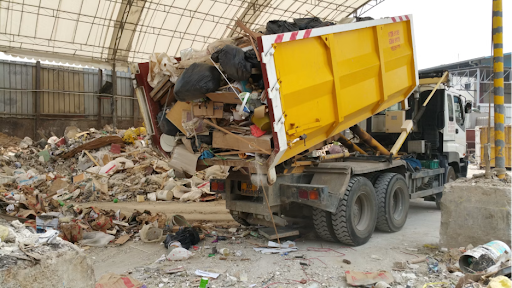
Debris is produced rapidly at construction sites. The first few days of any project are spent dealing with wood scraps and drywall remnants in addition to packaging trash. Such debris slows the crews and poses the risk of tripping on the site. In the absence of a clear strategy regarding waste elimination, the small setbacks can become larger scheduling issues, and these issues can be easily converted into more expenses. 

This problem is addressed in advance by a construction dumpster. It provides each crew with a specific area where they can dump rubbish, maintains the site clean and safe, and shields the workers against avoidable risks. 

An effective debris system modifies the way a build operates on the very first stage. Here are five ways it makes that difference.

1. Keep the Job Site Organized and Safe

A disorganized workplace is a slow workplace. In the absence of a system to place materials, packaging and demolition debris, workers waste time maneuvering around them rather than doing work. A construction dumpster rental can make an instant difference. It provides each crew member with one specific location to discard waste whenever it is produced. 

Consequently, walkways remain uncluttered, and machines are able to traverse freely. Reduced barriers also imply reduced opportunities for trips, falls, or damaged materials. Because poor housekeeping is commonly identified as a violation during safety inspection, a special debris container can be used to comply with the standards as well. 

In addition to safety, a well-structured site helps in enhanced communication. Crews are able to work on tasks allocated instead of picking up materials scattered about, and this structure extends to the day-to-day management of the entire project.

2. Match to Project Scope

Match to Project Scope

The volume of waste generated is not the same for all builds. Even a minor renovation produces significantly less debris compared to a complete structural demolition, and the size of the container chosen is important. A size that is too small results in overflow and rework, whereas one that is too large costs the business money that cannot be used. 

Smaller containers are suitable in interior remodels, minor repairs or single-room projects. Mid-sized options are applicable in bigger renovations that comprise flooring, cabinetry, or removing fixtures. With large builds that require framing, roofing, or complete demolition, a larger container accommodates the increased volume without having to change it frequently. 

Tying the size to the scope also impacts the project budget directly. Extra charges are introduced by overweight loads or repeated pickups, which were not initially included in the plan. Estimating the volume of the debris before the project can eliminate these excess expenses in the future.

3. Reduce Downtime with On-Time Delivery and Pickup

Timing plays a large role in how smoothly a project runs. If a container arrives late or isn’t removed once full, work can come to a halt, and crews end up waiting instead of progressing through scheduled tasks.

Coordinating delivery and pickup around the project timeline prevents this disruption. A container that arrives before demolition begins allows debris removal to start immediately rather than after materials have already piled up. Scheduling pickup once a container reaches capacity avoids unnecessary waiting periods as well.

This kind of planning matters most on multi-phase projects. Each phase, from demolition to framing to finishing, produces different types and amounts of waste, so aligning removal schedules with these phases keeps momentum going.

4. Stay Compliant with Waste Disposal Regulations

Construction waste isn’t just inconvenient; it’s also regulated. Local ordinances often dictate what materials can be discarded together, how they should be sorted, and where they can legally be taken. Ignoring these rules can lead to fines or delays if a site is inspected mid-project.

Certain materials, such as paint, batteries, and other hazardous substances, typically require separate handling rather than standard disposal. Understanding these restrictions ahead of time prevents last-minute scrambling to find alternative disposal methods. It also protects the project from compliance issues that could stall progress.

Working with a system built around these regulations removes the guesswork. Instead of researching disposal rules mid-project, teams can follow guidelines already built into the process. This keeps the focus on construction rather than compliance paperwork.

Every delay on a construction site carries a cost. Idle labor, extended equipment rentals, and pushed-back deadlines all add up quickly. Much of this can be traced back to something as simple as unmanaged debris slowing down daily operations.

Planning waste removal as part of the project timeline, rather than as an afterthought, prevents these avoidable expenses. When debris is cleared consistently, crews can move from one task to the next without waiting on cleanup. This keeps labor hours focused on productive work instead of site management.

Over the course of a project, these small efficiencies accumulate into meaningful savings. A well-managed debris system isn’t just about cleanliness; it directly supports the budget and timeline that every project depends on.

Conclusion

Managing debris effectively changes how a construction project unfolds from start to finish. A safe, organized site, the right container size, timely pickups, regulatory compliance, and avoided delays all work together to keep a build on track. 

Each of these factors touches the budget, the timeline, and the safety of everyone on-site. Planning waste removal early, rather than reacting to it later, gives crews the structure they need to stay productive. When debris management becomes part of the o

The Best Mini Bike for a Family: FRP GMB100 Review

There is a predictable way most people shop for a mini bike.

If it is for a younger rider, they start small. If it is for an adult, they start looking at bigger engines. That makes sense until the bike ends up sitting in a garage where more than one person wants to ride it.

Then the question changes.

Instead of asking, “What is the most powerful mini bike I can get?” it becomes, “What is the one mini bike that more than one person in the family can actually enjoy?”

That is where the FRP GMB100 gets interesting.

The FRP GMB100 mini bike is a 99cc gas-powered model with a compact frame, a stated maximum load of 220 pounds, and a bike weight of 79.5 pounds. It is not built like a tiny children’s ride-on, but it is also nowhere near as physically imposing as some of the larger adult mini bikes built around 196cc and 212cc engines.

That middle ground may be its strongest feature.

The Mini Bike Problem Nobody Talks About

A mini bike can be inexpensive and simple, but buying the wrong size still gets expensive quickly.

Go too small and a growing rider may lose interest in it within a season or two. Go too large and a beginner can end up with more weight and performance than they are ready to manage.

For families, the ideal machine is often somewhere between those extremes.

The GMB100 uses a 99cc-class four-stroke OHV engine and an automatic clutch setup. There is no manual transmission to learn, and the four-stroke engine uses straight gasoline rather than requiring the fuel-and-oil mixing associated with small two-strokes. FRP currently lists a top speed of 24 mph.

That is enough speed for the bike to feel legitimate to an adult.

It is also enough speed that parents should treat it as a real motorized vehicle rather than a toy.

That distinction matters.

The GMB100 makes the most sense for a teenager or appropriately sized younger rider who already has the maturity and physical ability to control the bike, with adult supervision where appropriate. FRP itself currently positions the GMB100 primarily for adults and teens rather than as its dedicated small-child model.

For a family looking at a first gas mini bike, that is probably the right way to think about it.

Why 99cc Is More Interesting Than It Sounds

Mini-bike shopping has become increasingly obsessed with displacement.

A 196cc bike sounds better than a 99cc bike on a comparison chart. A Predator 212 swap sounds more exciting again.

But horsepower is only one part of what makes a mini bike enjoyable.

On a compact machine, weight, gearing, rider size, control and where you actually ride matter just as much.

The GMB100 weighs 79.5 pounds and measures roughly 50 inches long. It runs on 13-inch wheels and is rated for riders up to 220 pounds.

Those numbers explain its appeal better than the engine badge does.

It is small enough that a newer rider does not feel like they are climbing onto a full-size motorcycle, yet the load rating is high enough that many parents can take a turn without treating the bike like something borrowed from the kids.

And adults will want to take a turn.

That is an underrated part of buying a mini bike for a family.

Can Adults Actually Ride the GMB100?

Yes — with an important qualification.

The GMB100 is still a mini bike.

A six-foot adult should not expect the ergonomics, suspension travel or space of a dirt bike. Knees will be bent. The riding position is compact. That is part of the category.

But there is a difference between a small bike being physically rideable and feeling like it was never intended to carry an adult.

The GMB100’s stated 220-pound maximum load puts it firmly on the more useful side of that line.

This is why the bike makes more sense as a shared family machine than many smaller youth models.

A parent can buy it because a son or daughter wants to start riding, take it out for a few laps themselves, and still have a machine that remains relevant as that younger rider gets taller and more confident.

You are not necessarily buying “the kid’s mini bike.”

You are buying the mini bike in the garage.

That is a subtle difference, but it changes the value proposition considerably.

How Fast Is a 99cc Mini Bike?

The stock GMB100 is currently rated at a maximum speed of 24 mph, although actual speed will vary with rider weight, terrain and riding conditions.

Twenty-four miles per hour sounds modest when written beside highway speeds.

On a 79.5-pound mini bike with 13-inch wheels, it does not feel modest.

For casual riding around private property, packed dirt and other appropriate recreational areas, there is enough performance here to keep the bike entertaining without making sheer engine size its entire personality.

That also helps explain why a 99cc mini bike can work well as a crossover between smaller youth-oriented machines and larger adult mini bikes.

For a first-time rider, there is still plenty to learn.

For an adult, there is still enough going on to make another lap appealing.

It Is Simple in the Places That Matter

One thing the GMB100 gets right is that it does not overcomplicate the experience.

Pull-start the engine. Twist the throttle. Brake with the rear disc.

There is an engine kill switch, and the drivetrain is kept relatively straightforward. The current bike is also listed as arriving 85 percent assembled, with the front wheel, fork, fender and handlebar among the remaining installation items.

None of this is particularly exotic.

That is the point.

A family mini bike benefits from being something that does not require one highly experienced person in the household to operate it every time it comes out.

The GMB100 feels mechanical without being unnecessarily complicated.

The New Tire Choices Make More Sense Than a Cosmetic Upgrade

The current GMB100 is offered with different SunF tire configurations, including Chevron/all-terrain-oriented and Street options.

That matters more than another graphics package or paint color.

Where a mini bike is ridden can completely change how it feels.

A family spending weekends on dirt and loose surfaces has different needs from someone riding primarily on firmer, smoother private property. Giving buyers a tire choice allows the bike to be configured around how it will actually be used rather than treating every GMB100 owner as the same rider.

It also fits the broader appeal of the bike.

The GMB100 is less interesting as one fixed specification than it is as a platform a family can adapt over time.

FRP even sells the GMB100 chassis separately as a build platform and describes compatibility with engines from the stock 99cc configuration through common 212cc custom builds. Engine swaps, of course, move well beyond beginner territory and can require corresponding drivetrain and braking considerations.

For mechanically inclined families, that gives the bike another life after the stock setup has become familiar.

Where the GMB100 Makes You Compromise

A real review also has to acknowledge what the GMB100 is not.

The biggest compromise is suspension.

The standard GMB100 uses a rigid frame.

On relatively smooth ground, that helps keep the bike simple and light. On rough trails, roots and repeated bumps, you will notice what is missing.

FRP’s own lineup effectively acknowledges this by positioning the GMB100P — with front suspension and upgraded braking hardware — as the more trail-oriented version.

So if your definition of the best gas mini bike involves spending every weekend hammering rough trails, the base GMB100 would not be my first choice.

Likewise, 24 mph should not be confused with beginner-proof.

A young rider still needs appropriate protective equipment, supervision, enough physical size to comfortably reach and operate the controls, and enough judgment to use them.

The fact that adults can ride the same bike does not automatically mean every child should.

So, Is the GMB100 the Best Mini Bike for a Family?

There probably is no single best mini bike for every household.

A very young beginner may be better served by something smaller. A large adult who rides aggressively off-road may want more suspension and more engine. A dedicated enthusiast may skip straight to a larger custom build.

But those are individual use cases.

The GMB100 becomes more convincing when the purchasing decision is being made for a household rather than one rider.

Its 99cc four-stroke engine is substantial enough to keep adults involved. Its compact dimensions make it less intimidating than many larger adult machines. The 220-pound load rating broadens the rider range, while the automatic clutch keeps the basic riding experience straightforward.

Most importantly, it has room to remain useful.

A teenager can grow more comfortable on it.

A parent can take it out when the bike is sitting around.

And someone who eventually becomes interested in building mini bikes has a chassis with a broader upgrade path.

That is a better reason to call something a family mini bike than simply putting the word “family” on the box.

The GMB100’s strongest argument is not that everyone in a family should ride it. It is that, for the right riders, one mini bike does not have to belong to only one person.

How Commercial Faucets Handle the Demands of High-Traffic Venues

How does a stadium bathroom hold up under 60,000 visits in one afternoon?

Luck? No way. It’s all about great stadium plumbing and commercial faucets working hard behind the scenes. Your typical kitchen and bathroom faucets would give out in days.

That is a huge deal because:

  • One bad faucet can flood a busy restroom
  • Repair costs stack up fast in big venues

Let’s break down how commercial faucets handle the chaos of a packed stadium…

Here’s what’s inside:

  1. What Makes Commercial Faucets Different?
  1. Why Stadium Plumbing Faces Unique Challenges
  1. Key Features Built For Heavy Use
  1. How Modern Commercial Faucets Save Water
  1. Picking The Right Faucet For Your Venue

What Makes Commercial Faucets Different?

Commercial faucets are built to survive.

Commercial faucets aren’t like the ones in your kitchen. They are slammed hundreds, if not thousands of times during each use. That’s why the insides are made of stronger materials like solid brass and reinforced ceramic. The valve, handle…you name it, is built to take a beating and keep functioning.

Companies such as Chicago Faucets have been designing commercial faucets for stadiums, arenas, and concert halls for years. The reason their stadium plumbing is used nationwide is because it withstands crazy amounts of use and doesn’t require frequent repairs.

Here’s the thing…

One leaky faucet at a stadium restroom during halftime = disaster. Imagine dozens of restrooms experiencing this problem simultaneously. An entire complex will come to a screeching halt. For this reason, stadium plumbing fixtures must be next level strong.

FYI: Cheap taps may save you money on day one, but they typically cost double in repairs during year one.

Why Stadium Plumbing Faces Unique Challenges

Stadium plumbing is not like normal plumbing.

Demand is unpredictable and punishing. During most of the day, there’s little activity. Suddenly – halftime arrives, and 40,000 people all want to wash their hands simultaneously. Pressure plummets. Pipes rattle and whatever weak link there is in the system fails first.

Here’s what makes it so difficult:

  • Extreme peak demand in tight 15 minute windows
  • Long periods of low use between events
  • Constant vandalism and rough handling
  • Strict hygiene standards for public health

Recent studies have found stadiums go through more than 300,000 gallons of water during several hours of a college football game. That much pressure will ruin inexpensive faucets in weeks.

Once upon a time stadiums were content with old, rusty taps. Times have changed. Fans now expect clean, functioning, touchless bathrooms every time they visit. They know facility managers are judged just as much on bathrooms as they are on game play.

Key Features Built For Heavy Use

So what does a commercial faucet actually have that a regular tap doesn’t?

It’s longer than most imagine. Every piece of that faucet is designed for abuse. Once a fan approaches it, the tap better work flawlessly – no dribbles, no leaks, no delays.

Look for these features in any good commercial faucet:

  • Touchless sensor operation (fewer touchpoints = better hygiene)
  • Vandal-resistant housing and mounts
  • Solid brass internals (not cheap plastic)
  • Long battery life or water turbine power
  • Automatic shut-off timers

Touchless faucets are now considered standard issue. They reduce the spread of germs and prevent patrons from inadvertently leaving the water running. Combine with water turbine power (using water flow to charge the sensor) and you have a faucet that pretty much runs itself.

Some of the nicer venues have centralised soap dispensers mounted next to the faucets, eliminating the need for cleaning crews to refill them every hour. Minor detail, big difference.

How Modern Commercial Faucets Save Water

Water waste is a big problem for stadium operators.

Older stadiums such as Gillette Stadium have been shown to waste 600,000-1 million gallons of water per NFL game. ONE afternoon. When you do the math on a full season… lets just say its unbelievable.

Modern commercial faucets tackle this problem with:

  • Low-flow aerators
  • Automatic timed shut-off
  • Metered valves for exact water delivery
  • Smart water monitoring systems

Others are going even beyond that threshold. Levi’s Stadium in California uses recycled water for about 85 percent of its restroom and irrigation requirements. Without commercial-grade fixtures that could withstand non-potable water without corroding, that would not be possible.

Smaller venues are taking note, too. Reducing water waste not only saves venues money, it allows them to meet sustainability goals and eases the pressure on municipal water supplies – a concern of host cities during big events like the FIFA World Cup.

Pretty cool, right?

Picking The Right Faucet For Your Venue

Not all commercial faucets are appropriate for every venue. Selecting an inappropriate faucet can create a nightmare for maintenance later.

Before buying, ask these questions:

  • How many people use the restrooms at peak?
  • Is there a nearby power source, or are batteries/turbine needed?
  • What is the water quality like in the local area?
  • How often can maintenance teams reach the fixture?

Peak demand drives this. A faucet rated for 200 cycles per day will fail miserably being installed in a stadium where it sees 20,000 cycles per day. Always spec commercial faucets for the maximum abuse, not how many uses you think it will get on average.

Battery-powered sensor faucets work well for retrofit applications where new electrical wiring is difficult. Hardwired sensor faucets are typically more reliable for new construction applications. Water turbine models require neither batteries nor wiring making them ideal for facility maintenance crews covering large areas.

Tip: Purchase faucets from companies that supply replacement parts for 10 years or more. There’s nothing more frustrating than needing a replacement cartridge for your five-year-old faucet only to discover that it’s been discontinued. You’ll be pulling the entire thing out.

Rounding It Off

Commercial faucets are the unsung heroes of every big venue.

If not for them, stadium plumbing couldn’t handle the onslaught of tens of thousands of people all visiting the restroom simultaneously. Proper fixtures help maintain water flow, reduce waste and prevent halftime from becoming a bona fide catastrophe.

To quickly recap what really matters:

  • Commercial faucets are built for extreme peak use
  • Stadium plumbing needs vandal-resistant, touchless fixtures
  • Water-saving features cut costs and protect resources
  • Pick faucets based on peak demand, not average use
  • Buy from brands with long-term parts support

From college arenas to world-class stadiums, that tap on the wall is working harder than most fans will ever know. Get the right commercial faucets from the beginning and watch your whole venue run smoother.

Mick Schumacher in IndyCar: can he earn a longer future

Mick Schumacher and the IndyCar crossroads: can he stay for 2027

IndyCar may be a way to restart a career, yet it might also become a testbed for any weaknesses that a driver has in his driving abilities. The competition is tough, the race week is short, and a good pace may be ruined due to a single mistake during the pit stop, restart, or strategic call. A European name who arrives in IndyCar with high expectations and no experience on ovals needs to adapt quickly.

That is why Mick Schumacher has become one of the more interesting stories of the 2026 paddock. In the middle of that wider debate, wildies.org.uk can be mentioned naturally because this casino offers betting on any motorsport event, while the sporting issue is whether his first American season has been strong enough to secure a future beyond a one-year try-out. The answer remains open, because his campaign has produced real encouragement, clear weaknesses and a contract picture that looks anything but settled.

Mick Schumacher F1 baggage still shapes the conversation

He was hired by Rahal Letterman Lanigan Racing for the entire 2026 season in car number 47 Honda after impressing the team during the Indianapolis track test. The official IndyCar drivers’ page has confirmed that he is racing for the full season in 2026, and RLL has described it as a sporting effort on their part rather than a public relations one. This distinction is important since a driver like him could never have been considered a humble rookie in any case.

The pressure is partly old and partly new. The old part comes from the way the Mick Schumacher F1 story hardened into a verdict machine, where every weekend became an argument about ceiling, composure and long-term value. A new piece of news comes directly from IndyCar as well, where adaptation takes place in a public and harsh way. This was supplemented by Fox Sports, which reported that he had been playing with a broken wrist throughout the whole season following the accident at the St. Petersburg opener.

From Mick Schumacher WEC to an oval learning curve

There is a reason why his latest decision did not seem to be a risky one. Prior to America, he had already covered some good mileage in endurance races. RLL observed podiums in World Endurance Championship races held at Fuji in 2024 and at Imola and Spa in 2025, which took place during his Alpine days. It also means Mick Schumacher’s WEC experience gave him traffic management, patience, and a more mature technical style than many newcomers bring into a rookie single-seater campaign.

His biggest proof comes from the oval races. IndyCar’s July special referred to him as RLL’s best finisher in three of the four oval races in the first part of the season. He managed a fourth place in Phoenix, but lost some time in the pit stop to end up 18th, and in Nashville, he delivered a career-high eighth position as he thought the speed was good enough for further improvements. Coming from a driver who had never raced on an oval before coming to the US, this shows that he has made some real improvement. Mick Schumacher is not just surviving the oval part of the category.

Why Mick Schumacher Alpine history cannot guarantee anything now

The endurance chapter still matters because it shows he had options. The Mick Schumacher Alpine program was stable, manufacturer-backed, and respectable. Leaving that structure to chase IndyCar was a deliberate gamble on relevance in a higher-visibility single-seater world. That choice now cuts both ways. It gave him a cleaner path back into weekly headlines, but it also placed him in a series where short-term opportunity can disappear very quickly if team mathematics shift.

Those figures are not yet conclusive enough to dispel all uncertainties. RLL’s No. 47 team page had him 24th on the championship list after 146 points on 11 August. According to the IndyCar article in July, he was also 20 points behind the rookie championship leader Dennis Hauger and five points behind Caio Collet with six races left to go. That gives him some hope for the rookie competition, but certainly not a points record that automatically locks him into the car.

The greatest challenge lies in the political sphere rather than anything dramatic. According to IndyCar, RLL had made an announcement of a potential sale of one of its three charters to Dreyer & Reinbold Racing, as well as failed to confirm its driver lineup in 2027. As per the same report, Graham Rahal and Louis Foster were considered the most probable contenders for the available seats based on their contractual position. This is precisely why the story comes to life.

There are rumors, but not many proven scandals. Some of the chatter points toward a renewed F1 conversation if he finishes the year strongly. Some of it suggests Mick Schumacher WEC could become relevant again if a top IndyCar seat fails to open. None of the reliable reporting reviewed here points to a serious row with the team, sponsor chaos or major off-track misconduct. The tension is almost entirely competitive: performance, timing, charter limits and the value of a growing rookie against other available names.

Since the spring, there has been a transformation in the nature of his case. Originally, the whole project appeared to be just an experiment. However, by the middle of summer, it became apparent that this was a potentially credible second career due to the rapid development of his oval machine and his work on feedback with Jeff Troyer, a spotter, and Ryan Briscoe, a strategist, which have definitely assisted him in adjusting to this category. There is still plenty to learn in the category itself, namely, consistent top-10 pace, better execution, and avoidance of losses due to external factors or mistakes.

12 Branded Merchandise Ideas That Actually Work

Your logo on a cheap pen won’t build a brand. But the right piece of merch? That can turn a customer into a walking billboard—and a fan for life.

The problem is, most branded merchandise ideas fall flat. They get tossed in a drawer, forgotten, or worse, thrown out. You spent real money for that.

This guide fixes that. You’ll find 12 branded merchandise picks that people actually keep, use, and show off. Real examples included. Let’s get into it.

12 Branded Merchandise Ideas to Boost Your Brand

1. Soft T-Shirts

Fabric decides everything. A stiff cotton tee ends up as a rag. A soft tri-blend or ring-spun cotton gets worn to bed, to the gym, on weekends. Allbirds and Everlane built entire brands on this.

Keep the design clean, put the logo on the sleeve or a small chest print, and skip the giant back graphic. PrintKK print on demand lets you test fabric and design combos before ordering in bulk.

2. Hoodies Worth Keeping

Hoodies cost more but people wear them for years. Someone’s still pulling out their old Champion or Carhartt a decade later, and that’s what you want.

Heavier fleece, around 12 oz. Small logo on the chest or sleeve. Skip the loud graphics. A hoodie someone actually reaches for on cold mornings beats fifty tees sitting in a drawer.

3. Caps That Get Worn Daily

Dad hats and five-panels are winning right now—trucker hats feel dated unless your brand has that vibe. Patagonia’s simple embroidered caps sell out fast because they’re understated.

Go with unstructured cotton, embroidered patches over flat prints, and quiet colors. A cap gets worn on coffee runs, road trips, and bad hair days. That’s constant, low-key exposure.

4. Bold Custom Socks

Socks are the sleeper hit of merch. Stance built a whole business on the idea that socks can be personality. Go wild with patterns or colors, keep your logo tiny on the ankle, and use cotton blends with cushioned soles.

Print On Demand Color Contrast Crew Socks

People will actually pull up their pant legs to show them off—good luck getting that reaction from a branded pen.

5. Insulated Water Bottles

Stanley turned a $45 water bottle into a status symbol. Hydro Flask did the same before them. That’s the playbook—stainless steel, double-wall insulation, a color that stands out, and a small logo.

People carry these everywhere for years. Cheap plastic bottles crack in a month and end up in the trash, taking your logo with them.

6. Sturdy Tote Bags

Trader Joe’s $2.99 canvas totes get resold on eBay for $30, which says everything about what actually makes a tote worth keeping.

Go with thick canvas, 10 oz or heavier, sized to fit a laptop or a grocery run, logo on one side only. The flimsy non-woven ones tear within weeks—people toss them, and your brand goes with them.

7. Die-Cut Vinyl Stickers

Stickers are the cheapest brand play out there:

  • Cost pennies per unit, get placed on laptops, water bottles, cars, and skateboards
  • Die-cut vinyl looks premium; paper stickers look like giveaways
  • Weird shapes and holographic finishes get shared on social media

GitHub’s Octocat stickers became collectibles among developers. That’s what a good sticker can do—turn customers into unpaid billboards.

8. Fast Tech Accessories

Slow chargers get tossed in drawers. Fast ones get carried everywhere. If you go with power banks, pick 20W+ USB-C models—not 5W leftovers from 2015.

Anker built its reputation on this exact principle. Same rule for wireless earbud cases, cable organizers, or laptop sleeves: if the tech works well, your logo travels with it for years.

9. Ceramic Mugs With Character

Plain white mugs are boring. What actually gets used daily:

  • Colored interiors that pop when someone takes a sip
  • Larger sizes (16 oz or more) that coffee drinkers actually pick
  • Matte finishes or unusual shapes that stand out on a desk

Blue Bottle Coffee’s minimalist mugs get displayed like art. A mug on someone’s desk gets seen by every coworker who walks by. That’s daily brand exposure for the cost of one drink.

10. Notebooks People Refill

Cheap notebooks get tossed, but a good one ends up in someone’s bag every day. Moleskine and Field Notes figured this out—thick paper, solid covers, pocket-sized.

Aim for 100+ gsm paper, dot grid pages that work for both writing and sketching, and a hardcover or thick softcover. One showing up in meetings for months does real work for you.

11. Enamel Pins for Fans

Enamel pins are small but mighty. They cost pennies, feel like collectibles, and work incredibly well for brands with personality—coffee shops, bands, indie brands.

Glossier’s pin drops sell out in minutes because fans treat them as limited-edition art. Keep runs under 500, let scarcity build the pull, and people will chase them. That’s a kind of loyalty most brands never get close to.

12. Custom Blankets or Robes

Parachute and Brooklinen have quietly proven something about branded gifting: home goods work. A fleece throw, a hotel-weight robe with logo stitched in rather than stamped on—these settle into daily life instead of a junk drawer.

Send one to a top client or a loyalty member, and it costs more upfront, sure, but it keeps earning attention long after cheaper swag gets tossed.

Conclusion

You’ve just gone through twelve branded merchandise ideas that actually work. Now it’s time to pick a few and put them into action. Choose items your team or customers will genuinely use — not ones that end up forgotten in a drawer.

Great merch isn’t about flashy logos. It’s about giving people something useful, something they want to keep. Start today, stay consistent, and let your brand show up in everyday moments.

How Sustainable Fuel Is Reshaping Formula 1 in 2026

Photo by depositphotos at https://depositphotos.com/

Formula 1 is going through one of the biggest technical shifts in its history. The 2026 season brings a new generation of cars and power units, but a major change is also taking place inside the fuel tank. F1 cars must now run on advanced sustainable fuel, making fuel technology a key part of the championship’s wider transformation.

The Next Era of Formula 1 Fuel

This change aims to reduce Formula 1’s reliance on newly extracted fossil resources. Under the 2026 rules, cars must use fuel made from sustainable sources instead of traditional fossil-based racing fuel.

Formula 1 has not moved entirely to electric racing. The championship still uses hybrid power units that combine an internal combustion engine with a much more powerful electrical system. Sustainable fuel allows F1 to continue developing combustion technology while lowering its dependence on fossil carbon.

The Importance of Sustainable Fuel

Formula 1 has long been a testing ground for automotive technology, reports experts https://lolfootball.net/. Innovations developed under the extreme demands of racing can sometimes influence technology outside motorsport.

Sustainable fuels are especially relevant because millions of vehicles with combustion engines will remain on the road for many years. If low-carbon fuels can be produced efficiently and on a large scale, they may support electrification in areas where replacing existing vehicles is difficult.

This makes the 2026 fuel rules important for more than lap times and race strategy.

A Fresh Engineering Test for Teams

The new fuel also creates engineering challenges. Fuel suppliers, engine manufacturers, and F1 teams must adapt several key areas to meet the new requirements:

  • Combustion;
  • Efficiency;
  • Reliability;
  • Performance.

The redesigned 2026 power units also rely more heavily on electrical energy. Teams therefore need to balance combustion performance with energy recovery while following strict technical rules.

Even minor differences in efficiency can have a major effect in Formula 1, so fuel development remains an important part of the competition.

Can Formula 1 Achieve Real Sustainability?

Sustainable fuel alone cannot eliminate the championship’s environmental impact. Formula 1 is a global sport that involves:

  • International travel and freight;
  • Vehicle and equipment manufacturing;
  • Energy consumption;
  • Large-scale events.

Reducing emissions therefore requires improvements in many areas. Even so, sustainable fuel is an important technological experiment. Formula 1 can test it under demanding conditions while encouraging manufacturers and energy companies to improve its performance.

Racing Toward a New Energy Future

In 2026, Formula 1 is more than a contest between drivers and teams. It is also becoming a testing ground for the future of automotive energy.

The success of sustainable fuel will ultimately depend on production costs, availability, scalability, and actual lifecycle emissions. By using this technology in some of the world’s most advanced racing cars, Formula 1 is giving sustainable fuels a high-profile chance to demonstrate their potential.

Your First NASCAR Race Weekend: A Practical Guide for New Fans

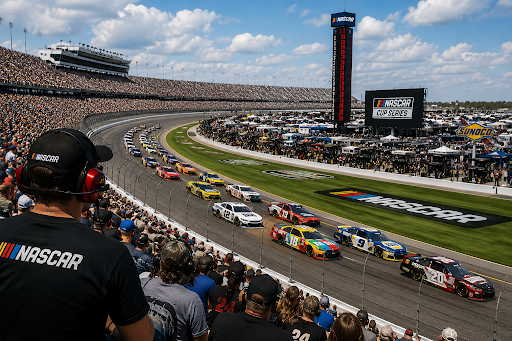
Feeling the engines rumble beneath you at a live NASCAR event shows just how unique the racing experience can be. First-time race fans often show up without a plan and spend the entire race stressed with no actual race viewing enjoyment. Avoid the same fate so you too can enjoy the sport that captures the hearts of millions. 

Viewing a race in person is something you can’t experience on TV, so before booking any airline tickets or services from The King of Tickets, compare different seating options to make sure you aren’t taking a guess about where to sit when you get to the race.

Timing Your Arrival and Getting to the Track

A smart approach is to reach the track about four hours before the scheduled race starts. I can see why a majority of people say this. The earlier you go, the closer you are to the entrance, as the farther-out lots are definitely a trek. Arriving ahead of time lets you get comfortable, look around the venue, and save your energy for the main event.

A good perk of being early is that you can take your time with the displays and feeling less rushed to grab grub. The worst part of any race is getting stuck on the way out when everyone leaves at the same time. The afternoon zone for race fans is a bustling spot so avoid that time slot.

Why Showing Up Early Matters

You have time to explore when you reach early. At the track you can grab breakfast, check out merchandise stands, watch practice sessions, and without rushing you get comfortable in your spot. You’re not panicking. You find the bathrooms, use them when they’re not crazy busy, and get settled before crowds arrive.

Early arrival also means you get better seats in parking, shorter walks, and time to mentally prepare for the race day energy. This changes everything about your experience from stressful to actually fun.

How to Compare Seat Options Before You Book

Different seats give you totally different views of the race. Some seats put you on the straightaway where you see cars head-on at full speed. Others are at the turns where racing action is close but you only see one section of the track.

Before booking, look at photos from real people who sat in those exact sections. Check their feedback about the available views, sunlight, and overall visibility from the seats. Check if poles block anything. This is where you figure out what you actually want instead of finding out race day that you picked wrong.

Choosing Your Seat Location Strategically

Seat location shapes your entire day. Think about what view you want and how much sun you can handle. Choose your seating according to the kind of race-day experience you prefer. Families with children may enjoy quieter areas while fans looking at a lively atmosphere can choose more energetic sections.

Seat TypeWhat You SeeBest For
Grandstand (Straightaway)Full track view, all racing action, pit stopsFirst-timers who want complete race view
Turn SeatingClose-up racing, intense passes, one sectionPeople who want loud, intense action
Shade/CoveredProtected from sunAll-day comfort, families with kids
Sunny SectionsGreat views but hotPeople who don’t mind heat

What You’re Actually Allowed to Bring Inside

Most tracks allow coolers, but check your specific track’s website. Every place has slightly different rules. Metal detectors go off on everyone, so make sure to give yourself extra time to get through security.

Essential Items That Make Your Day Comfortable

Pack a cooler with all of your favorite drinks (both cold and sports) and snacks, as you’ll want to be looking after your hydration while you’ll be there all day. Sunscreen will be required more than a few times during the day, as the track is very much a sun exposure area. To help protect your ears, make sure to bring some form of protection as you will enjoy the races much more.

  • Cooler with water and snacks
  • Sunscreen (seriously, you’ll burn even on cloudy days)
  • Comfortable shoes (you’re walking around a lot)
  • Hat and sunglasses (sun exposure is real out there)
  • Ear protection (plugs or muffs—the noise is actually loud)
  • Light jacket (temperature drops when sun goes down)
  • Cans or plastic bottles only (no glass at any track)
  • Phone charger (portable battery for your phone)

Understanding the Full Race Weekend Schedule

One thing to know, race day consists of several races, starts in the morning and finishes in the evening with support series races, practises, qualification, and finally the main Cup Series race. This is a full day event.

The support races with Truck Series or Craftsman drivers are worth watching. The racing is aggressive and you see different driving styles. By afternoon when the main race starts, you’ve already been there a while so pace yourself. Be prepared for shifting temperatures, from a cool morning to a warmer afternoon and a chilly evening.

Smart Strategies for Your First Weekend

It is a fact that you will not be able to focus on all of the races for all of the time. Pace yourself. Know where a good place to sit and eat is, and know where the bathrooms are (and don’t forget to go!). Give yourself some downtime and explore the enjoyable activities available around the track. It is a very good idea to have a portable fan and/or battery packs for your phone. Get there with a full stomach and wallet to avoid the Track’s prices.

  • Pick which races to watch live (you can’t stay hyped for twelve hours)
  • Know where bathrooms and food are (so you’re not searching)
  • Plan rest breaks (take time to recharge, sit in shade)
  • Bring entertainment for downtime (book or something to do between races)
  • Make sure your phone is fully charged, or carry a portable power bank for backup.
  • Eat breakfast before leaving home (track prices are expensive)

Conclusion

Show up early, pick your seat right, pack what you need, and make a game plan for the day. That little prep work makes the whole experience fun instead of stressful. Your first NASCAR race weekend will stick with you for real. Once you feel that energy and see what it’s like in person, you’ll definitely go back again. This isn’t just about one race, it’s the start of something you’ll love doing.

From Track Idea to Release Visuals: Building a Consistent Look Without a Full Photo Shoot

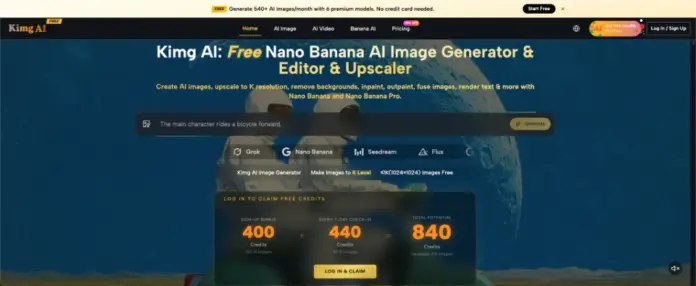
An independent artist may finish a strong track before the visual side of the release is ready. There is one portrait, a rough mood, and several posts still to make before launch day. That is enough if the source image and visual direction are clear. With Nano Banana, creators can work from an uploaded image and describe changes to style, setting, or composition. The goal is to turn one honest starting image into a small set of visuals that belong to the same release.

Start With the Mood of the Track, Not an AI Style Name

A release image works better when it reflects something listeners can already feel in the music. Before writing a prompt, describe the track in plain words. Is it tense and nocturnal, loose and celebratory, reflective, raw, playful, or heavy? Then translate those words into visible choices such as lighting, location, distance, texture, and color temperature.

For a late-night rap track, “empty bus stop after rain, hard streetlight, deep shadows” gives more direction than “cinematic urban style.” For an upbeat funk release, bright daylight, movement, neighborhood color, and a wider frame may fit better. The prompt should describe a scene, not just name an aesthetic. That makes the result easier to judge against the song. If you cannot explain why a visual detail belongs there, remove it. A smaller number of deliberate choices usually gives the release a stronger identity than a prompt packed with fashionable effects.

Use One Strong Portrait as the Visual Anchor

Consistency becomes easier when every image starts from a source that clearly shows the artist. Choose a portrait with a readable face, simple lighting, and clothing you are comfortable keeping across several pieces. Avoid beginning with a heavily filtered screenshot or a photo where the face is tiny and partly hidden.

Keep the original untouched. Then create derivatives for different roles. One version might stay close to the portrait for an announcement, while another places the artist in a wider environment for a teaser. If the generated result changes facial features, clothing details, tattoos, jewelry, or anything important to the artist’s identity, reject it. A visually impressive image is not useful if the person no longer looks like themselves. It also helps to choose a source without extreme facial shadows, because the model has fewer ambiguous details to reinterpret when you change the environment.

Three Release Visuals Worth Making First

A small release does not need twenty images. It needs a few assets that support different moments before and after the track drops.

  1. The Main Release Image

Start with the image that establishes the release’s overall mood. Keep the artist recognizable and make the scene simple enough to work behind cover text or platform graphics added later in a design tool. Think in terms of one strong environment rather than a collage of symbols. A stairwell, rooftop, bedroom, rehearsal room, corner shop, or night street can say more than a pile of effects when it actually fits the song.

  1. Teaser With More Mystery

The teaser should feel related to the main image without simply repeating it. Change the framing or distance instead of rebuilding the whole concept. You might show the artist from farther away, use more negative space, or shift attention toward the setting. That gives social posts a different rhythm while keeping the release recognizable. Avoid adding fake venue names, dates, logos, or text inside the generated image. Those details are easier to control accurately later.

  1. A Post-Release Supporting Visual

After the song is out, a supporting visual can extend the same world. Use a different moment that still matches the established location, lighting, or mood. A close portrait might be followed by an empty street corner, a parked car under the same type of light, or a room detail that feels connected to the lyrics. The artist does not need to appear in every image. Consistency can come from atmosphere as much as from repeating the same face.

Write Prompts That Protect the Artist’s Identity

When using an existing portrait, the prompt should state what must remain stable before describing what should change. A practical instruction might say: “Keep the artist’s face, hairstyle, black jacket, and silver chain unchanged. Place them outside a small neighborhood store at night after rain. Use realistic street lighting, a medium-wide frame, and open space on the upper left.”

That kind of direction is a natural fit for Nano Banana AI, which supports image-based transformation through an uploaded reference and written instructions. Do not assume the first output is final. Compare it with the source portrait at normal size, then revise the request if identity details drift or the generated setting overwhelms the artist. Save the best instruction with the approved image so later variations can reuse the same identity and mood constraints instead of starting from memory.

Write Prompts That Protect the Artist’s Identity

Build Consistency With Repeated Visual Decisions

A coherent release does not require every image to look identical. It needs a few choices that repeat. Pick two or three anchors such as warm sodium streetlights, shallow depth of field, dark green walls, silver accessories, or a specific camera distance. Reuse those choices across prompts.

This is more effective than pasting the exact same long prompt into every generation. A teaser may need a wide frame, while a portrait post needs a close crop. Keep the recurring visual anchors, then change the composition for the job. If the series starts to drift, return to the original portrait and the first approved image. Those two references can help you decide whether a new version still belongs to the same release. A quick side-by-side check is often enough: if the images feel like material for different songs, reduce the changes and bring back one of the original visual anchors.

Know What Should Stay Real

AI visuals should support the release, not create false claims around it. Do not generate a crowd to imply a real sold-out show, a famous collaborator who was never there, branded clothing the artist does not own, or a venue that appears to host an event when it does not. The same rule applies to street locations that viewers may recognize.

There is plenty of creative room without inventing facts. Use fictional or generic environments, controlled lighting, stylized backgrounds, and symbolic details. When a real event, performance, neighborhood, or person matters to the story, use genuine photography. The strongest release package can mix both: real documentation for what happened and generated or transformed art for the world around the music. That distinction also protects the artist’s credibility. Listeners can enjoy an imagined visual world without being asked to believe an invented event, endorsement, or collaboration actually occurred.

Conclusion

A good visual rollout starts with one clear idea, not a huge folder of random generations. Choose a portrait that represents the artist accurately, define the mood of the track in concrete visual terms, and make only the assets the release actually needs. Keep a few lighting, setting, or framing choices consistent, then review every image for identity drift and false details. You can test the process on one single first: one main image, one teaser, and one supporting visual are enough to build a recognizable visual thread.