Home Blog Page 99

Daniel Sasnett Begins Next Chapter of ARCA Menards Series Journey at Madison International Speedway

MADISON, Wis. — Daniel Sasnett is ready to take another important step in his racing career next month when he returns to the ARCA Menards Series at Madison (Wisc.) International Speedway, driving the No. 06 Ford for Wayne Peterson Motorsports.

While the August 28 event marks another opportunity to compete in one of stock car racing’s premier developmental series, it also represents the beginning of a renewed focus on Sasnett’s long-term ARCA Menards Series plans.

The Madison event serves as the first step in rebooting Sasnett’s ARCA career as he looks toward an expanded schedule in 2027, beginning with the season-opening event at Daytona (Fla.) International Speedway next February.

“Every opportunity to race is special, but this one means a little more,” Sasnett said.

“I’ve never lost the passion for racing, and I’m grateful to Wayne Peterson Motorsports for believing in me and giving me the opportunity to get back behind the wheel.”

After making his ARCA Menards Series debut at Daytona (Fla.) International Speedway in 2018, Sasnett has remained determined to continue building his racing resume despite the challenges many drivers face in securing opportunities.

Now, with Madison providing the chance to return to competition, the Florida native hopes to use the event as a building block toward a larger ARCA campaign next season.

“Our goal is to continue putting the pieces together for 2027,” Sasnett added.

“We’re working hard behind the scenes to create more opportunities, and every lap we complete helps us prepare for what’s ahead.

“Daytona has always been a special place for me, and getting back there next February is something I’m incredibly motivated to accomplish.”

Wayne Peterson Motorsports has long been recognized for providing opportunities to both veteran competitors and up-and-coming drivers throughout the ARCA Menards Series, making the partnership a natural fit as Sasnett continues working toward the next phase of his career.

Madison International Speedway’s challenging half-mile layout has produced memorable ARCA Menards Series races over the years, and Sasnett is eager to maximize every lap throughout the weekend while continuing to build momentum.

While Sasnett is optimistic about the opportunity, he isn’t placing unnecessary expectations on the weekend.

Instead, his focus is on getting reacquainted with the ARCA Menards Series, making smart decisions throughout the race and bringing the No. 06 Wayne Peterson Motorsports Chevrolet home with the best finish possible.

“I’m just excited to be back behind the wheel of an ARCA race car,” Sasnett said. “It’s been a while, so the biggest goal is to get comfortable, race smart and be there at the finish.

“If we can maximize our day, stay out of trouble and come home with a solid finish, I’ll consider it a successful weekend. Every lap is another opportunity to prepare for what’s ahead.”

For Sasnett, Madison isn’t simply another race on the schedule. It’s an opportunity to rebuild momentum, continue strengthening relationships within the ARCA Menards Series garage and lay the groundwork for a larger schedule in 2027.

With Daytona International Speedway serving as the ultimate goal, every lap at Madison represents another step toward turning that vision into reality.

“I know nothing is guaranteed in this sport,” Sasnett added. “You have to earn every opportunity, and that’s exactly what we’re doing. Madison is another important step toward our future. We’re building momentum one race at a time, and I’m excited to see where this journey takes us.”

A limited number of affordable marketing partnership opportunities are still available for the ARCA 200 at Madison International Speedway on August 28, 2026.

Companies interested in joining Daniel Sasnett Racing as the team begins its journey toward an expanded 2027 ARCA Menards Series campaign are encouraged to contact Daniel Sasnett at daniel@danielsasnettracing.com for additional information and package availability.

Follow Daniel Sasnett Racing on Facebook (Daniel Sasnett Racing) to stay up to date on his journey back to the ARCA Menards Series, including race updates, photos, behind-the-scenes content and partnership announcements.

The Madison ARCA 200 (200 laps | 100 miles) is the 16th of 20 races on the 2026 ARCA Menards Series schedule. Practice begins Friday, August 28, from 3:00 p.m. to 3:45 p.m., while Sioux Chief PowerPEX Pole Qualifying is slated to begin thereafter at 5:15 p.m. The race is scheduled to take the green flag shortly after 8:00 p.m. CT (9:00 p.m. ET). The continuation of the 74th season of ARCA competition will be televised live on FOX Sports 1 (FS1). ARCARacing.com will also stream live timing and scoring throughout the entire day’s festivities. All times are local (CT).

NASCAR and Timberland PRO Announce Multi-Year Partnership Honoring the Skilled Workers Who Power America’s Premier Motorsport

Timberland PRO Named Official Protective Footwear and Official Safety Toe Partner of NASCAR

DAYTONA BEACH, Fla. (July 30, 2026) — NASCAR® today announced a new multi-year partnership with Timberland PRO, naming the brand the Official Protective Footwear and Official Safety Toe Partner of NASCAR.

Behind every NASCAR race weekend are thousands of people whose work often goes unseen. From track operations and safety crews to technicians, mechanics and facility personnel, the sport relies on skilled professionals who show up every day to get the job done. Timberland PRO will have the opportunity to equip these track workers with safety footwear that delivers the comfort, durability, and technical performance required for even the toughest jobs—making this sponsorship a natural fit for NASCAR.

Through integrated storytelling, digital content, at-track signage and at-track activations, NASCAR and Timberland PRO will celebrate the hardworking men and women who help power America’s premier motorsport week in and week out. Whether they’re on a jobsite, in a manufacturing facility, behind the wheel, in a race shop or at a racetrack, the partnership will shine a spotlight on the people whose skill, dedication, and work ethic keep the country moving.  The inaugural campaign launches August 3 with the headline “First Turn, Last Lap, Repeat.”

“At NASCAR, we are incredibly proud of the people whose dedication, skill and work ethic make our sport possible every single week,” said Craig Stimmel, Senior Vice President and Chief Commercial Officer, NASCAR. “Timberland PRO is a brand that has earned the trust of hardworking professionals across America, making them a natural fit for NASCAR. As we continue building partnerships with companies that authentically fit with our sport, Timberland PRO stands out as a brand that supports the men and women behind the scenes who build, maintain, operate and power our sport and this country.”

As part of the partnership, Timberland PRO will strategically integrate its products and brand across NASCAR platforms while supporting NASCAR employees and track workers with protective footwear such as the Direct Attach 6-Inch and Boondock Ultralight Work Boots. The partnership also brings the potential for Timberland PRO designers to work with NASCAR teams to develop safety footwear solutions, as well as the potential for future co-branded products. Finally, the collaboration will create new opportunities to engage skilled trades professionals, technical education communities, and workforce development initiatives that align with both organizations’ commitments to support and grow the skilled trades.

“For over 25 years, Timberland PRO has been designing and building products for people who take pride in getting the job done right,” said Ryan Murphy, Head of Marketing, Timberland Americas. “Whether they’re working on a construction site, in a manufacturing facility, in an auto shop or behind the scenes at a NASCAR event, these workers share the same commitment to performance, reliability and excellence at their craft. NASCAR provides an incredible platform to celebrate and connect with those professionals, and we’re honored to support the people whose hard work helps make race weekends happen across the country.”

For generations, both NASCAR and Timberland PRO have represented grit, determination and a relentless commitment to performance. Together, they will spotlight the people who embody those values every day—on the jobsite, at the racetrack, and everywhere hard work gets done.

About NASCAR

The National Association for Stock Car Auto Racing (NASCAR) is the sanctioning body for the No. 1 form of motorsports in the United States and owner of 14 of the nation’s major motorsports entertainment facilities. NASCAR sanctions races in three national series (NASCAR Cup Series™, NASCAR O’Reilly Auto Parts Series™, and NASCAR CRAFTSMAN Truck Series™), four international series (NASCAR Brasil Series, NASCAR Canada Series, NASCAR Euro Series, NASCAR Mexico Series), four regional series (ARCA Menards Series, ARCA Menards Series East & West and the NASCAR Whelen Modified Tour) and a local grassroots series (NASCAR Local Racing Series presented by O’Reilly Auto Parts). The International Motor Sports Association™ (IMSA®) governs the IMSA WeatherTech SportsCar Championship™, the premier U.S. sports car series. NASCAR also owns Motor Racing Network, Racing Electronics, and ONE DAYTONA. Based in Daytona Beach, Florida, with offices in five cities across North America, NASCAR sanctions more than 1,200 races annually in 11 countries and more than 30 U.S. states.

For more information visit www.NASCAR.com and www.IMSA.com, and follow NASCAR on Instagram, YouTube, TikTok, X and Facebook.

About Timberland PRO

Since 1999, Timberland PRO® has been the footwear and apparel brand of choice for skilled trade professionals. Known for its durability, comfort, and performance, Timberland PRO continues to support workers who build, create, and make things happen. For more information, visit timberlandpro.com

About Timberland

Timberland is a global lifestyle brand rooted in a rich heritage of life and work in the outdoors and inspired by a relentless spirit of adventure, craftsmanship, and innovation. Since its founding in 1973, Timberland has become synonymous with weather-ready, heritage style that’s equally at home on city streets, festival grounds, and mountain trails. From runway shows to sporting events, Timberland is embraced as a global icon of style and substance.

At the heart of the brand is the original Timberland® yellow boot. With its bold design and gritty attitude, this boot has transcended its humble roots to become a cultural and fashion statement recognized worldwide. Today, Timberland continues to blend rugged durability and refined design across footwear, apparel, and accessories, delivering premium, crafted style that helps you stand tall and make your mark.

Headquartered in Stratham, New Hampshire, USA with international offices in Stabio, Switzerland and Shanghai, China, Timberland is a VF Corporation brand. Through timberland.com, dedicated Timberland® retail stores, and trusted wholesale partners, Timberland serves customers in over 100 countries. Follow us @timberland or @timberlandpro.

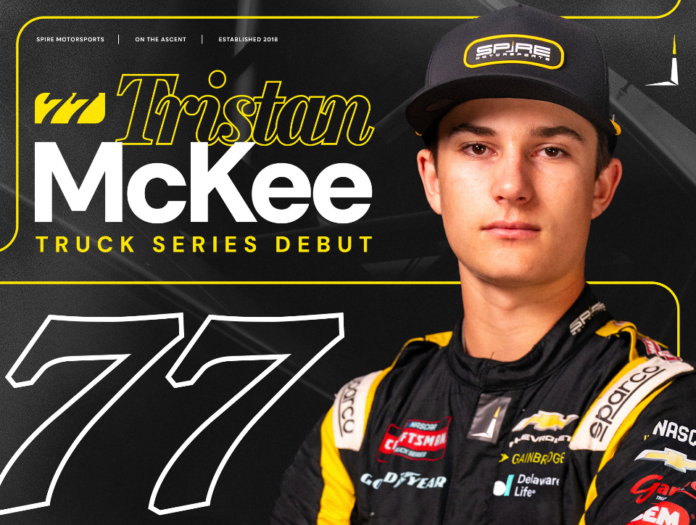
Tristan McKee to Make NASCAR CRAFTSMAN Truck Series Debut

Spire Motorsports’ Top Prospect Called up for Richmond

MOORESVILLE, N.C. (July 30, 2026) – Tristan McKee, the inaugural signee of Spire Motorsports’ Ascent Driver Development Program and top prospect in the organization’s talent pipeline, is set to make his NASCAR CRAFTSMAN Truck Series debut behind the wheel of the team’s No. 77 Chevrolet Silverado RST Aug. 14 at Richmond (Va.) Raceway.

Veteran crew chief Chad Walter will lead the team’s effort for McKee’s CRAFTSMAN Truck Series debut.

McKee will celebrate his 16th birthday on Aug. 3, making him eligible to compete in CRAFTSMAN Truck Series competition on road courses and tracks measuring 1.25-miles or less. In addition to next month’s 250-lapper at the famed Richmond oval, McKee is slated to contest four more Truck Series races in 2026 including New Hampshire Motor Speedway (Aug. 22), Bristol (Tenn.) Motor Speedway (Sept. 17), Phoenix Raceway (Oct. 16) and Martinsville (Va.) Speedway (Oct. 30).

“This is a huge step in my career and I’m incredibly thankful for the opportunity to drive for Spire Motorsports in the NASCAR CRAFTSMAN Truck Series,” said McKee. “I can’t thank Jeff Dickerson, Dan Towriss, Bill Anthony, and everyone at Spire Motorsports enough for believing in me and making this possible. I’ve worked for this opportunity my entire life and I’m thrilled to take this next step in my career.”

By any measure, McKee’s talent has been undeniable, even before his transformative teenage years.

He began turning heads three seasons ago when, at just 12-years-old, he won a 100-lap CARS Pro Late Model feature race at Dillon (S.C.) Motor Speedway to become the youngest winner in CARS Tour history.

Since then, the Williamsburg, Va., native has gone on to collect CARS Tour wins at North Wilkesboro (N.C.) Speedway and Caraway (N.C.) Speedway. McKee has also been identified as a rising star by Chevrolet and is mentored by Josh Wise through his driver development program Wise Optimization.

In addition to his late-model accolades, McKee claimed the 2025 Cube 3 Architecture TA2 Series (TA2) championship on the strength of four wins, 11 top-five and 13 top-10 finishes, to become the youngest champion in series’ history. Additionally, he earned the first of two ARCA Menards Series national tour wins in his series’ debut just five days after turning 15-years-old at Watkins Glen (N.Y.) International.

This season, the Kannapolis, N.C., resident has competed across multiple disciplines, including his pursuit of ARCA Menards Series East championship honors where he’s compiled three wins and four top fives in five races and sits just three markers outside the points lead.

McKee has collected ARCA Menards Series East checkered flags at Hickory (N.C.) Motor Speedway and Rockingham (N.C.) Speedway. Meanwhile he posted the win in an ARCA East/national tour combination race at Toledo (Ohio) Speedway in May. Additionally, he picked up his fifth career TA2 series win earlier this month at Watkins Glen.

“We look at Tristan McKee and see someone with a huge upside and potential to make a positive impact across Spire Motorsports’ driver lineup,” said Spire Motorsports co-owner Jeff Dickerson. “Make no mistake, Tristan has earned this opportunity, and we expect he’ll make the most out of it. We’re not going to define success or failure based off one race, or a specific result. We’ll be looking at the totality of these five races and how those results line up with our goals heading into each race. He’s a tremendous young man, with undeniable talent who comes from a great family. We’re more than optimistic to start a new chapter in his developmental process.”

The Black’s Tire 250 from Richmond Raceway will be televised live FOX Friday, Aug. 14, beginning at 7:30 p.m. Eastern Daylight Time. The 17th of 25 races on the 2026 NASCAR CRAFTSMAN Truck Series schedule will also be broadcast live on the NASCAR Racing Network and SIRIUS XM NASCAR Radio Channel 90.

About Spire Motorsports …
Spire Motorsports fields full-time entries in the NASCAR Cup Series, NASCAR CRAFTSMAN Truck Series and Interstate Batteries High Limit Racing.

The team, co-owned by longtime NASCAR industry executive Jeff Dickerson and TWG Motorsports CEO Dan Towriss, earned its inaugural NASCAR Cup Series victory in its first full season of competition when Justin Haley took the checkered flag in the Coke Zero Sugar 400 at Daytona (Fla.) International Speedway July 7, 2019. Less than three years later, William Byron drove Spire Motorsports’ No. 7 Chevrolet Silverado its first NASCAR CRAFTSMAN Truck Series win April 7, 2022, at Martinsville (Va.) Speedway. The team’s most recent victory came May 24, 2026, when Daniel Suárez won the NASCAR Cup Series Series’ Coca-Cola 600 at Charlotte (N.C.) Motor Speedway.

In 2026, Spire Motorsports campaigns the Nos. 7, 71 and 77 Chevrolet Camaro ZL1s in the NASCAR Cup Series and the Nos. 7 and 77 Chevrolet Silverado RSTs in the NASCAR CRAFTSMAN Truck Series. The Mooresville, N.C., organization also fields the No. 77 410 sprint car in Interstate Batteries High Limit Racing competition.

Beyond the Track: Staying Connected During a Race Weekend Abroad

What could be cooler for a motorsport fan than to travel to another country and see firsthand how the best teams and motorsport professionals compete for victory?

At the same time, car or motor racing is not only about the roar of engines, the battles on the track and the emotions at the finish line. A trip can turn into a whole journey that begins long before the start. Fans today use smartphones to prepare, which helps them quickly find the track, track schedule changes, share their impressions, and stay connected with the racing community anywhere in the world.

However, access to a stable internet connection can be a real challenge outside of your home country. Solutions such as eSIM technology in general, and eSIM Plus in particular, help fans avoid roaming issues and stay connected where the most exciting racing events take place.

In this article, we’ll look at how to stay in touch and not get lost during racing events abroad.

The Connectivity Challenges of International Race Travel

Careful preparation for any international race is the key to success and avoiding unexpected situations in a foreign country. But for some reason, the issue of mobile connectivity often remains underestimated by many fans until they arrive. But in vain, because once in another country, fans may face high roaming charges, limited data, or additional costs that quickly add up when using large amounts of data.

At the same time, during the race, a stable Internet connection is practically the main tool for: 

  • getting information about schedule changes; 
  • following team news and driver updates;
  • posting up-to-date photos and videos from the race track. 

In addition, the mobile Internet is necessary to find routes to the track, use transport applications and connect with friends during a large event.

Given the need for large amounts of data, roaming plans, unfamiliar local internet tariffs, and similar options are not ideal. After all, while enjoying the moments of racing, you don’t want to think about overloaded networks, unfamiliar operators, and the difficulty of buying a local SIM card.

How eSIM Technology Is Changing the Experience of International Fans

In 2026, the digital SIM card has replaced expensive roaming services and the search for local SIM cards, which opens up new possibilities for international travelers. eSIM allows you to set up mobile internet access in advance before departure, so that upon arrival in another country you can immediately use the necessary online services. It is easy to see why such advantages are especially valuable during major racing events, when time is limited and you want to focus on the atmosphere of the competition.

In addition, eSIM makes it possible to pre-select the connection option for a specific trip. For example, for trips to attend racing events, eSIM gives the fan the opportunity to take into account the destination country, the length of stay and the amount of data that will be needed for their needs.

For fans who follow their favorite series across different countries, such technologies pave the way for a racing weekend with uninterrupted connectivity and internet, even in areas with limited connectivity.

Conclusion: Keeping the Passion for Racing Connected Across Borders

A race weekend is no longer just a few hours at the race track on race day. It’s a whole journey that you should prepare for in advance and without unnecessary emotions. This way you can enjoy the growing anticipation, emotions and moments that begin long before the cars appear on the track.

A new generation of fans want not only to watch the result, but also to be a part of the event — to keep memories, find like-minded people and feel connected to the racing community regardless of distance. To ensure such an experience, a stable connection is necessary, which helps stay up to date with events and only confirms the passion for sports. That is why digital technology is already an essential tool when traveling abroad to watch car races.

Jake Swanson Wins at Paragon Speedway for Round 6 of Indiana Sprint Week

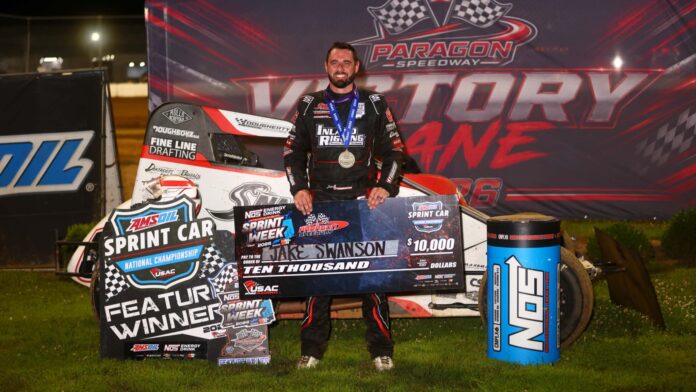
Photo Courtsey of Rich Forman Photo

The sixth race of the 2026 USAC National Sprint Car Series Indiana Sprint Week continued on Wednesday night at Paragon Speedway. Jake Swanson picked up his first victory of the season since the second race of the season at Volusia Speedway Park following a rough stretch during the middle of the season. Swanson started fourth and maintained the lead through a slew of yellows, and a late rally by Kyle Cummins after he had a slight bobble off Turn 4.

“I hated to see the caution come out, but honestly, I’m glad,” Swanson said to Flo Racing in his victory lane interview. “I would’ve wondered, would he have beat me? Was I that good? You just never know. I’m so pumped. We’ve been working, grinding, trying to get to this level and get to this point. I’m so proud of my race team. These guys, all the people that have supported us.

First and foremost, I want to dedicate this win to Grammy (Jess’s grandma). We lost her earlier this year, and it was really tough. She was my biggest fan and biggest supporter. She helped me get to this level and helped us move here. She was a badass, and I want to dedicate this win to her. Also, Mike Burris, who we recently lost. He’s a longtime supporter of my racing career. Without people like that, I wouldn’t be here. I’d still be working a day job in California. I got a lot of people, a lot of great people behind me, and I’m just so thankful for them.”

For the first time since 1998, the USAC National Sprint Car Series visited Paragon Speedway and once upon a time, held 10 ISW races in its track history.

While Brady Bacon may have won Tuesday night’s race at Circle City Raceway, it was Mitchel Moles who took over the ISW Championship Points by one point over Kyle Cummins. Last Thursday’s winner on the Dirt Track at IMS Justin Grant, sits third in the standings, just six points behind. Bacon is fourth with 27 points back, and Jake Swanson is in the fifth position, who is 31 points from the championship lead.

Coming into tonight’s race, there were 46 cars on the entry list.

Feature Recap – 30 Laps

Hunter Schuerenberg started on pole position with Gunnar Setser on the outside pole for the feature. Setser led the opening lap, but the first yellow of the night flew for trouble on the frontstretch for a three-car contact with Robert Ballou, Hayden Reinbold, and Trey Osborne, as all three cars got involved. Ballou suffered the most damage with a flat left-rear tire. This would be a complete restart since the incident occurred on the opening lap. Ballou was able to return to the track with a new tire.

Going back green again, Setser had a bobble out of Turn 2, which allowed Schuerenberg to take the lead momentarily. However, it was Jake Swanson who claimed the ultimate lead using the bottom lane off Turn 4. The second yellow flew at 28 laps to go for Setser, who was off the pace on the backstretch. Like Ballou, Setser returned to the track as well.

Swanson led at the restart and was followed by Grant and Schuerenberg, the top three. With 24 laps to go, Cummins attempted to pass Grant for the second position, but Grant kept him at bay. With 18 laps to go, Setser went a lap down, and eventually brought his machine to the infield as he faced more issues with his car.

The third yellow flew with eight laps to go for Zack Pretorius, who grabbed the cushion off Turn 4. Pretorius went airborne briefly and nearly collected second-place Grant with him.

There was an attempt at a restart, but it was called off due to Schuerenberg getting out of line. He received a penalty and lost a position for the next restart. With two laps to go, Swanson’s car missed the exit and ruined his momentum, which allowed Cummins to close in rapidly. Fortunately for Swanson, he held on to win the race despite the misstep over Cummins.

Heat Race Recaps – 8 Laps A Piece – Top Four Transfer

Bacon paced the Hot Lap session with a lap time of 14.845 seconds. For the qualifying session, it was Kyle Cummins that set the quickest time, posting a time of 14.462 seconds.

Heat 1 – Eli Wilhelmus and Robert Ballou were the front-row starters in the first heat. Prior to the heat going green, the cars packed the high line for a couple of laps to try and attempt to make it a multi-groove track. Immediately, Ballou shot to the lead using the high line. However, a red flag was brought out moments later for a vicious flip in Turn 3 for Jack Hoyer. Following the cleanup, the heat was green once more with Ballou the leader and Wilhelmus the top two.

Despite going green just briefly, another car went upside down on the back straightaway for Todd Hobson after making contact with Troy Carey.

While there were multiple stoppages for red flag conditions, Ballou went on to win the heat race. He was followed by Kyle Cummins, Harley Burns, and Hunter Maddox taking the transfers.

Heat 2 – Kevin Thomas Jr was the leader at the end of Lap 1 and took the checkered flag as he was also the leader at the checkered flag on Lap 8. Cale Coons, Gunnar Setser, and Jadon Rogers rounded out the transfers.

Heat 3 – Braxton Cummins started on the pole for the third heat. C.J. Leary shot to the top like a rocket as the heat went green, but Wednesday night’s winner, Bacon, eventually took the lead about midway in the heat. Bacon won the heat with Leary in second, Moles third, and Hunter Schuerenberg was fourth after making a last-lap pass on the frontstretch on Braxton Cummins at the start/finish line.

Heat 4 – Wyatt Burks out of Topeka, Kansas was the top starter for the fourth heat. There was a red flag for Tony Helton, who went for a wild flip in Turn 4, landing upside down. Chance Crum was the leader at the time of the red flag as he made a pass on Burks. Burks made a pass on Crum to retake the lead on the restart off Turn 2. However, a three-wide battle for the lead on the backstretch saw Ricky Lewis take the lead with four laps to go. With three laps to go, Jake Swanson took the top spot from Lewis.

Swanson would be the victor, with Lewis, Logan Seavey, and Charles Davis Jr moving on to the main event, taking the four spots.

Heat 5 – In the fifth and final heat, Dalton Stevens was on the pole, but it was Trey Osborne who took the lead on the start and held on to win the heat race. Logan Caldenwood, Justin Grant, and Chase Stockon were the final transfers. 

Official Race Results Following Paragon Speedway

  1. Jake Swanson
  2. Kyle Cummins
  3. Brady Bacon
  4. Justin Grant
  5. Mitchel Moles
  6. Hunter Schuerenberg
  7. Kevin Thomas Jr
  8. Ricky Lewis
  9. Harley Burns
  10. Chase Stockon
  11. Logan Seavey
  12. C.J. Leary
  13. Robert Ballou
  14. Hayden Reinbold
  15. Jadon Rogers
  16. Briggs Danner, won Semi-feature
  17. Cale Coons
  18. Dalton Stevens
  19. Charles Davis Jr
  20. Hunter Maddox
  21. Zack Pretorius
  22. Logan Caldenwood
  23. Gunnar Setser
  24. Trey Osborne

The ISW Championship Points Standings continue to have a tight battle with just three races left, as Cummins took over the points lead from Moles by 1 point. Furthermore, he continues to lead the overall USAC National Sprint Car Tour Championship Points standings over Moles by 128 points.

Up Next – The next race on the USAC National Sprint Car Series Indiana Sprint Week is Thursday night at the Terre Haute Action Track, live on Flo Racing.

NHRA BRAINERD NATIONALS SET FOR PENULTIMATE RACE OF 2026 REGULAR SEASON

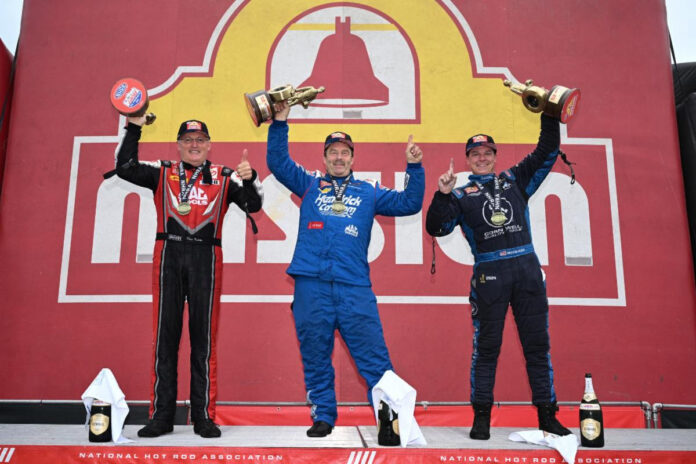
BRAINERD, Minn. (July 30, 2026) – With the end of the 2026 NHRA regular season approaching, this year’s NHRA Brainerd Nationals at famed Brainerd International Raceway on Aug. 20-23, will again serve as a key stop and the penultimate event before the NHRA Countdown to the Championship playoffs.

The popular stop in Brainerd is the 13th of 20 events during the 2026 NHRA Mission Foods Drag Racing Series season and will see unbelievable, 340-mph, 12,000-horsepower action from all the stars in Top Fuel, Funny Car and Pro Stock as NHRA celebrates its 75th anniversary in style.

Few stops on the NHRA tour match the energy and excitement that has made Brainerd International Raceway special for four-plus decades. For more than 40 years, its legendary “Zoo” campground, electric atmosphere and incredible racing have made the NHRA Brainerd Nationals a legendary stop for fans across the country.

Every August, passionate fans gather to experience the sights, sounds and raw power of NHRA racing and 2026 promises to be another epic weekend, especially with added 75th anniversary highlights like:

  • Three-time Funny Car world champion Ron Capps will be honored for his success at BIR and his addition to NHRA’s Top 75 Drivers this year. Capps owns seven Brainerd victories, the most of any active driver. His success at the famed facility has seen the addition of “Capps’ Corner” in the Zoo campground.
  • A new-look Nitro Mall, special displays and more.

Last season, Doug Kalitta (Top Fuel), Austin Prock (Funny Car) and Greg Anderson (Pro Stock) all won in Brainerd. The race will again be broadcast on FS1 with elimination coverage beginning at 8:30 p.m. ET on Sunday, Aug. 23.

Kalitta earned four race wins last season en route to his second Top Fuel world championship, including his third NHRA Brainerd Nationals title. Kalitta has three wins this season, while teammate Shawn Langdon has four wins and the points lead. Others to watch will be Epping winner Leah Pruett, rookie standout and Norwalk winner Maddi Gordon, Antron Brown and motorsports legend Tony Stewart.

Two-time reigning world champion Austin Prock earned his first Brainerd win last year over J.R. Todd. This year Prock has one win, while Todd is the most recent winner following his Seattle victory. Three-time champ and Brainerd honoree Capps leads the points thanks to three wins 2026, while past champ Jack Beckman, Funny Car newcomer Jordan Vandergriff and four-time world champ Matt Hagan are close behind.

Last year, six-time Pro Stock world champ Greg Anderson won in Brainerd over KB Titan Racing teammate Dallas Glenn, giving the Minnesota native his fourth win at BIR. Anderson currently leads the points, thanks to his wins in Pomona, Maryland and Seattle. Glenn, who won the title in 2025, is second, with three wins as well.

The NHRA Brainerd Nationals will also feature thrilling competition in the NHRA Lucas Oil Drag Racing Series. Ahead of the race, there will be a double-divisional event on Aug. 13-16, which features hundreds of top racers and creates plenty of excitement for an unbelievable two-week stretch at the standout track.

Brainerd race fans can enjoy the special pre-race ceremonies that introduce and celebrate each of the drivers racing for the prestigious Wally on Sunday and includes the fan favorite SealMaster Track Walk. The final can’t-miss experience of any NHRA event is the winner’s circle celebration on Sunday after racing concludes, where fans are invited to congratulate event winners.

As always, fans get an exclusive pit pass to the most powerful and sensory-filled motorsports attraction on the planet. Fans get a unique chance to see teams in action and service their hot rods between rounds, get autographs from their favorite NHRA drivers, and more. They can also visit Manufacturers Midway, an exciting atmosphere that includes interactive displays, merchandise, food and fun for the entire family.

NHRA Mission Foods Drag Racing Series qualifying will feature two rounds at 3:30 and 6:00 p.m. CT on Friday, Aug. 21 and the final two rounds of qualifying on Saturday, Aug. 22 at 12:00 and 2:30 p.m. Final eliminations are scheduled for 11:00 a.m. CT on Sunday, Aug. 23. Television coverage includes qualifying action on FS1 at 11:00 p.m. ET on Friday and 10:30 p.m. ET on Saturday, and eliminations at 8:30 p.m. ET Sunday.

To purchase tickets to the Lucas Oil NHRA Nationals at Brainerd International Raceway, fans can call 866-444-4455.


About Mission Foods

MISSION®, owned by GRUMA, S.A.B. de C.V., is the world’s leading brand for tortillas and wraps. MISSION® is also globally renowned for flatbreads, dips, salsas and Mexican food products. With presence in over 112 countries, MISSION® products are suited to the lifestyles and the local tastes of each country. With innovation and customer needs in mind, MISSION® focuses on the highest quality, authentic flavors, and providing healthy options that families and friends can enjoy together. For more information, please visit https://www.missionfoods.com/

About NHRA

NHRA is the primary sanctioning body for the sport of drag racing in the United States. NHRA presents 20 national events featuring the NHRA Mission Foods Drag Racing Series and NHRA Lucas Oil Drag Racing Series, as well as the JBS Equipment NHRA Pro Mod Drag Racing Series presented by Elite Motorsports and NHRA Flexjet Factory Stock Showdown™ at select national events. NHRA provides competition opportunities for drivers of all levels in the NHRA Summit Racing Series and NHRA Street Legal™. NHRA also offers the NHRA Jr. Street® program for teens and the Summit Racing Jr. Drag Racing League® for youth ages 5 to 17. With more than 100 Member Tracks, NHRA allows racers to compete at a variety of locations nationally and internationally. NHRA’s Youth and Education Services® (YES) Program reaches over 30,000 students annually to ignite their interest in automotive and racing related careers. NHRA’s streaming service, NHRA.tv®, allows fans to view all NHRA national events as well as exclusive features of the sport. In addition, NHRA owns and operates three racing facilities: Gainesville Raceway in Florida; Lucas Oil Indianapolis Raceway Park; and In-N-Out Burger Pomona Dragstrip in Southern California. For more information, log on to www.NHRA.com, or visit the official NHRA pages on Facebook, Instagram, Twitter, and YouTube.

Roe Set for Back-to-Back Weekends Across IMSA and INDY NXT

Indianapolis, IN (July 29, 2026) – The summer charge continues, as James Roe gets set for back-to-back race weekends showcasing his versatility across two different disciplines.

Roe will first rejoin Lone Star Racing in the No. 80 Mercedes-AMG GT3 for the six-hour Motul SportsCar Endurance Grand Prix at Road America (July 31-Aug. 2). The weekend marks Roe’s latest IMSA Michelin Endurance Cup appearance and another opportunity to compete in GT machinery that has been competitive all season.

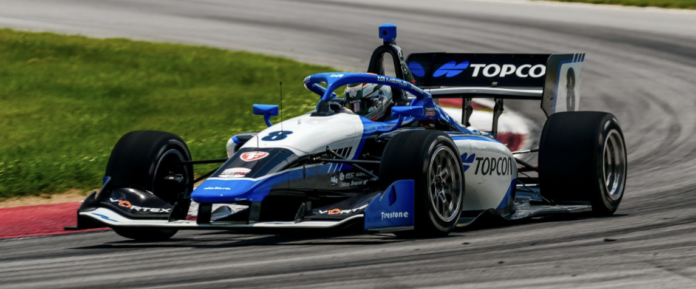
Just days later, Roe is then back in his No. 8 Topcon INDY NXT machine, as the series heads west for the OnlyBulls Grand Prix of Portland (Aug. 7-9). While both weekends feature road course racing, the quick transition between sports car competition and open-wheel racing highlights Roe’s ability to adapt between two very different cars and racing formats.

“With the No. 80, we recently had a great test at Road America, so looking forward to getting back to Wisconsin this weekend,” said Roe. “It’s pretty cool to have two completely different race weekends back-to-back and it definitely keeps me on my toes. But I’ve really enjoyed this season and the opportunity to race in both series. They’re two very different cars and styles of racing, and I think jumping between the two only makes me a better driver.”

For the final three INDY NXT races, Roe will be running a Community Cancer Fund logo on his No. 8 car, a charity dedicated to providing necessary resources to cancer patients and their families.

Sunday’s six-hour IMSA race takes the green flag at 11:30 a.m. ET, with flag-to-flag coverage on Peacock. And Portland’s INDY NXT race can be found on FS1 at 2:00 p.m. ET on Sunday, Aug. 9.

10 Important Factors to Compare Before Choosing a Skincare Manufacturing Partner

Photo by depositphotos at https://depositphotos.com/

The success of a skincare brand depends on more than attractive packaging and effective marketing. Behind every quality product is a manufacturing partner that helps ensure consistency, safety, and reliable production. Choosing the right manufacturer is one of the most important decisions a beauty business can make.

Whether you are launching your first skincare line or expanding an existing product range, taking time to compare manufacturers can help you avoid unnecessary challenges later. Every company has different capabilities, services, and production processes, so understanding what to look for makes the selection process much easier.

This guide highlights the most important factors to consider before choosing a private label skincare manufacturer. Evaluating these areas carefully can help you find a partner that supports your long-term business goals while delivering products your customers can trust.

1. Manufacturing Experience

Experience often reflects a manufacturer’s ability to handle different types of projects and adapt to changing industry trends. Companies that have worked with a wide variety of skincare brands usually have established systems for production, quality control, and customer support.

An experienced manufacturer is also more likely to understand common challenges and provide practical solutions before they become larger problems.

When comparing manufacturers, ask how long they have been producing skincare products and what types of brands they typically work with.

2. Product Quality Standards

Customers expect skincare products to be safe, consistent, and effective. That makes quality control one of the most important factors to evaluate.

A reliable manufacturing partner should have clear production procedures that help maintain product consistency from one batch to the next. High standards during ingredient selection, production, filling, and packaging contribute to a better final product.

Quality products not only improve customer satisfaction but also strengthen a brand’s reputation over time.

3. Product Selection

Different manufacturers specialize in different product categories. Some may focus only on facial care, while others offer a much wider selection.

A broader product catalog gives businesses more flexibility as they grow. You may eventually want to add products such as:

  • Facial cleansers
  • Moisturizers
  • Serums
  • Body lotions
  • Body washes
  • Facial masks
  • Scrubs
  • Hair care products

Working with one manufacturer for multiple product categories can simplify production and inventory management.

4. Private Label Options

Many businesses choose private label manufacturing because it provides a faster path to launching products.

A good private label skincare manufacturer should offer professionally developed formulas that allow businesses to customize branding without starting every product from the beginning.

This approach helps reduce development time while allowing entrepreneurs to focus on marketing, branding, and customer growth.

Understanding how much customization is available can help you determine whether the manufacturer’s offerings align with your business goals.

5. Production Capacity

As your business grows, your manufacturer should be able to grow with you.

Some companies are ideal for small startup orders, while others are better equipped for larger production runs. Choosing a manufacturer with flexible production capacity makes it easier to increase inventory as demand rises.

Before making a decision, ask questions about:

  • Minimum order quantities
  • Production timelines
  • Ability to scale production
  • Lead times during busy seasons

Planning ahead can help prevent supply shortages in the future.

6. Packaging Support

Packaging plays a major role in how customers perceive a skincare brand. Attractive, functional packaging helps products stand out while protecting them during shipping and storage.

Some manufacturers offer packaging assistance alongside production services. This may include sourcing bottles, jars, pumps, labels, and other packaging materials.

Having packaging support available can simplify the overall product launch process by reducing the number of separate suppliers you need to manage.

7. Customer Service and Communication

Clear communication helps projects move smoothly from planning to production.

A responsive manufacturer keeps clients informed throughout the process, answers questions promptly, and provides updates when needed.

Good communication becomes especially important when launching new products or managing larger production schedules.

Businesses often benefit from working with manufacturing teams that are easy to reach and willing to explain each step of the production process.

8. Ability to Support Brand Growth

Your manufacturing needs today may look very different a few years from now.

A strong manufacturing partner should be capable of supporting future expansion, whether that means introducing new products, increasing production volume, or entering new markets.

Many growing brands choose manufacturers that offer additional services beyond production, including warehousing, fulfillment, logistics, or technical support.

Companies such as Rainshadow Labs have built their services around helping businesses manage different stages of product development and manufacturing as brands continue to grow.

9. Industry Certifications and Compliance

Manufacturers should follow industry regulations and maintain production standards that support product safety and quality.

Depending on your market, certifications and facility registrations may provide additional confidence that manufacturing processes are well managed.

While certifications alone do not guarantee product success, they demonstrate a manufacturer’s commitment to maintaining professional operating standards.

Before selecting a partner, ask about facility certifications, manufacturing practices, and regulatory compliance.

10. Long-Term Partnership Potential

Choosing a manufacturer should be viewed as more than a single business transaction. The right partner can continue supporting your business as it grows year after year.

A long-term manufacturing relationship often leads to:

  • Better production planning
  • More consistent communication
  • Easier product expansion
  • Improved inventory management
  • Greater operational efficiency

Rather than switching manufacturers frequently, many successful brands invest time in finding a partner that can support their future goals from the beginning.

Rainshadow Labs continues to work with businesses at different stages of growth by offering manufacturing solutions that help brands develop and maintain quality skincare products over the long term.

Questions to Ask Before Making Your Decision

Before signing any agreement, consider asking manufacturers questions such as:

  • What products do you specialize in?
  • What are your typical production timelines?
  • Can production increase as my business grows?
  • What packaging options are available?
  • Do you provide technical or regulatory support?
  • What quality control measures do you follow?
  • What are your minimum order requirements?

The answers can provide valuable insight into whether a manufacturer is the right fit for your business.

Final Thoughts

Selecting a manufacturing partner is one of the biggest decisions a skincare business will make. Looking beyond price and carefully evaluating experience, quality standards, production capabilities, communication, and long-term support can help you build a stronger foundation for future success.

Working with a trusted private label skincare manufacturer allows businesses to spend more time building their brand and serving customers while relying on experienced professionals to manage product manufacturing. Taking the time to compare your options today can make a significant difference in the growth and stability of your skincare business in the years ahead.

Race Hauler Power: The 6.4 Powerstroke DPF Delete Guide

Anyone who hauls race vehicles for a living, or even just for the love of the sport, knows that the truck doing the pulling is every bit as important as the machine on the trailer. 

When that truck starts losing power, running hot, or throwing emissions-related fault codes at the worst possible moment, it’s more than an inconvenience. It can cost you a race day. 

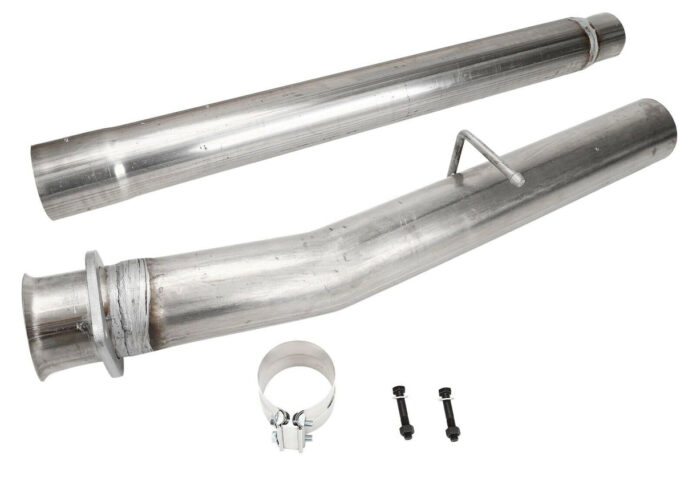
That’s why diesel owners in the motorsport hauling world increasingly look at options like a DPF delete pipe for 6.4 Ford engines and supporting hardware. They are practical reliability upgrades for your engine. 

Understanding what these components address, why the factory emissions system creates difficulties under heavy loads, and how the whole setup works together is essential reading for anyone running a hard-working diesel hauler.

The 6.4-Liter Diesel and Its Known Challenges

The 6.4-liter turbocharged diesel engine was a significant step forward in diesel technology when it was introduced. It offered more power than its predecessor, ran twin turbochargers, and introduced a more sophisticated emissions control architecture. On the surface, it was an impressive package.

But the real-world story told by high-mileage owners, fleet operators, and tow-heavy users is a more complicated one. The emissions systems on this engine, specifically the Diesel Particulate Filter (DPF) and its associated regeneration cycle, have been a consistent source of reliability problems since the engine launched. 

The root of the problem isn’t the DPF itself, but the regeneration strategy employed to manage it. Under sustained heavy towing, this strategy, which relies on late-cycle fuel injection to raise exhaust temperatures, frequently fails to complete, leading to a cascade of mechanical stresses that the 6.4’s architecture struggles to manage.

For a race hauler that spends hours on the highway pulling a loaded trailer, these weaknesses don’t just show up eventually. They show up often, and they show up hard.

What Is the DPF and What Does It Actually Do?

The Diesel Particulate Filter is an emissions control device built into the exhaust system. Its job is to capture soot and particulate matter produced during diesel combustion before those particles exit the tailpipe. The filter traps this material and stores it until conditions allow for a regeneration cycle.

Regeneration is the process by which the engine burns off the accumulated soot inside the DPF. It does this by injecting extra fuel late in the combustion cycle to spike exhaust temperatures high enough to incinerate the trapped particulates. This process is necessary to prevent the filter from becoming completely clogged.

In theory, regeneration keeps the filter clean and the system running properly. In practice, especially under towing conditions, the process creates a cascade of problems. The regeneration cycle was designed with lighter-duty driving cycles in mind, and heavy towing frequently prevents the conditions needed for a clean, complete burn-off.

Why the DPF System Fails Under Heavy Use

Towing is one of the most demanding tasks any diesel engine performs. Engine loads are consistently high, exhaust temperatures are elevated, and the system is under prolonged stress. Under these conditions, the regeneration cycle’s shortcomings become amplified.

The consequences pile up quickly:

  • Incomplete regeneration cycles leave soot accumulating in the DPF faster than it can be cleared, leading to filter restriction and backpressure buildup.
  • Increased backpressure forces the engine to work harder against its own exhaust, reducing power and increasing fuel consumption.
  • Late fuel injection used during regeneration dilutes engine oil over time, breaking down lubrication and accelerating wear on critical engine components, a well-documented issue specific to this engine platform.
  • Elevated exhaust temperatures during regen cycles contribute to additional thermal stress on the turbochargers and exhaust components.
  • Frequent limp mode events triggered by DPF pressure sensor readings leave truck owners stranded or crawling down the highway with a trailer full of race equipment.

For a race hauler operator, any one of these issues is a serious problem. The combination of all of them makes the factory DPF system a significant liability under sustained towing conditions.

What a DPF Delete Involves

A DPF delete replaces the factory filter assembly with a straight pipe section that allows exhaust gases to flow freely through the system without restriction. Removing the DPF eliminates the physical filter itself, which is the source of the backpressure bottleneck.

Installing a quality DPF delete pipe for 6.4 Ford engines addresses this physical restriction directly. However, it is critical to understand that the hardware change alone does not deliver the full set of reported benefits. 

Without corresponding software modifications, the engine’s ECM will continue to command regeneration cycles (including late fuel injection) and will register pressure sensor faults. This means:

  • Oil dilution from regeneration fuel injection will not be eliminated by the pipe alone.
  • Fault codes and limp mode events will persist if the ECM continues to expect DPF sensor data.

The results that diesel owners consistently report restored exhaust flow, cooler temperatures, stronger power, and elimination of regeneration-related issues are only achievable when the physical delete pipe is combined with proper ECM recalibration (a tune) and supporting sensor management.

Skipping the tuner and harness plug components and relying solely on hardware changes is one of the most common mistakes diesel owners make during a delete. The result is an engine that’s physically modified but electronically confused, and that combination rarely ends well.

The Critical Role of the Tuner Harness Plug Kit

Removing the DPF hardware is only half of the equation. The engine’s control module is programmed to actively monitor the DPF system. It watches pressure differentials across the filter, tracks regeneration cycles, and uses sensor data from multiple points in the exhaust to manage engine operation. 

When the physical components are removed, but the ECM is still expecting that data, it responds with fault codes, reduced power commands, and warning lights. This is where the 6.4 Powerstroke tuner harness plug kit becomes essential. It’s important to understand the division of roles:

  • The tuner is the brain of the operation. It reprograms the ECM to disable DPF-related monitoring and regeneration routines, and optimizes fuel mapping, boost, and timing to take advantage of the unrestricted exhaust flow.
  • The harness plug kit plays a supporting role. It interfaces with the engine’s sensor network, typically providing simulated signals to satisfy the ECM’s pressure differential checks, or physically bypassing certain sensor circuits, to ensure the new tune operates without interference from pending diagnostic trouble codes.

A complete approach, combining the delete pipe with a 6.4 Powerstroke tuner harness plug kit and a supporting tune, allows the ECM to operate in a state that reflects the actual configuration of the engine. Fueling, boost, and timing can then be calibrated to deliver a more efficient and responsive engine overall.

Skipping either the tune or the harness solution while installing the pipe leaves the electronic system in conflict with the physical hardware, and that mismatch is a frequent source of ongoing drivability issues.

Under U.S. federal law (the Clean Air Act), modifying or removing emissions control devices on any vehicle operated on public roads is illegal. This is not a matter of interpretation; it is statutory law. The EPA has the authority to levy substantial fines against both repair shops that perform these modifications and vehicle owners who operate modified vehicles on public highways.

Some owners argue that their trucks qualify for “off-road” or “not street-registered” exemptions. For the vast majority of race haulers, however, this position is legally fragile. A truck that tows a race car to a track travels on public roads to get there, and is therefore subject to federal emissions regulations. True off-highway exemptions are typically limited to vehicles that never operate on public roadways, such as farm equipment or dedicated closed-course support vehicles that are trailered rather than driven.

Beyond federal law, state regulations vary. Many states with emissions inspection programs will automatically fail any vehicle with a removed DPF. Even in states without inspections, modified vehicles can face roadside enforcement, safety check scrutiny, or complications during resale and title transfer.

Before proceeding with any modification, it is strongly advisable to:

  • Consult a knowledgeable diesel technician and, where appropriate, a legal professional.
  • Consider alternative approaches, such as aggressive DPF maintenance or upgrading to a newer emissions platform, that may offer a safer middle ground.

This guide is for informational purposes only. It does not endorse illegal modifications on vehicles used on public roads.

Is This the Right Path for Your Hauler?

If your diesel truck is a lightly used daily driver that rarely sees a trailer, the factory DPF system may function adequately for many years. If it is primarily used on public roads, a delete is not a legal option regardless of how you use the truck.

But if your truck is a dedicated race hauler, consistently pulling heavy loads, covering long distances, and being asked to perform at a high level weekend after weekend, the factory emissions system represents a meaningful mechanical vulnerability under those specific conditions. The 6.4-liter diesel is a capable platform with real potential. 

Removing the components that restrict its exhaust flow, contaminate its oil supply, and trigger its limp mode protections gives it a better foundation to do the job it was built for, provided you are willing to accept the legal and financial risks that come with that modification, and provided you fully address both the hardware and software sides of the delete process.

Final Thoughts

The race hauler world demands reliability above almost everything else. Missing a race because of an emissions system failure is a frustration that experienced diesel owners in the motorsport community know all too well. The reliability gains of a DPF delete are well-documented in the towing community, but they come at the cost of legal compliance and environmental responsibility.

The decision is not purely mechanical; it’s a risk-management calculation. For some owners who operate their trucks exclusively off-public-road or who are willing to accept the legal trade-offs, the performance and dependability benefits may be worth the risks. 

For others, exploring alternative solutions, such as upgrading to a newer diesel platform with a more mature emissions system, or implementing aggressive preventative maintenance schedules to mitigate the factory system’s weaknesses, may offer a safer and more legally defensible middle ground.

Whatever you decide, make it an informed one that acknowledges the full picture: the mechanical benefits, the legal risks, the financial costs, and the environmental impact. Understanding your options and the complete approach required to execute a proper delete if you choose that path gives you the knowledge to make the right decision for your specific situation. And that knowledge is the most reliable upgrade you can bring to the track.

Choosing an Electric Commercial Vehicle Without Losing Your Mind

Photo by depositphotos at https://depositphotos.com/

Nobody tells you that shopping for a work vehicle can become weirdly emotional. It should be all numbers, payload, range, charging, finance, done. Yet somehow you end up staring at spec sheets at 10:47 pm, wondering whether a van with slightly more cargo space will change the entire personality of your business. Maybe it will. Maybe you just need sleep. Either way, if you’re trying to compare electric commercial vehicles, the trick is not to get dazzled by shiny range claims and futuristic dashboards. The trick is to ask, “Will this thing actually cope with Tuesday?”

Tuesday is the test.

Not the launch photo. Not the neat brochure. Tuesday, when one driver calls in sick, the warehouse door jams, a customer changes their delivery address and someone has left the charging cable in the wrong spot because, apparently, we live in a society held together by chaos and passive-aggressive notes.

That’s when the right vehicle matters.

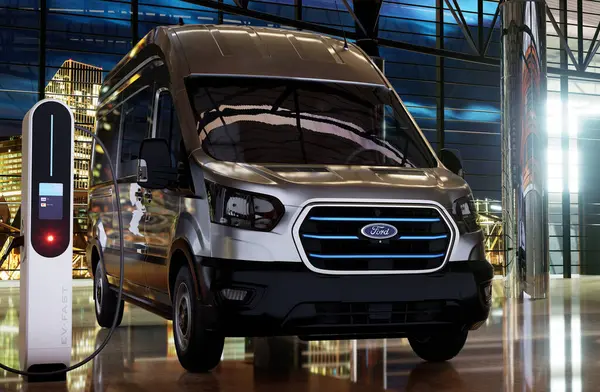
Electric vans and light trucks have moved from “interesting idea” to “right, we should probably look at this properly”. Fuel prices have been doing their usual rollercoaster nonsense, businesses are under pressure to cut emissions and drivers, quite reasonably, are tired of clattering around in noisy old vans that smell faintly of diesel and takeaway coffee. But still, switching to electric isn’t like swapping your phone case. It touches routes, depots, driver habits, cash flow, customer expectations and all those boring operational bits that quietly decide whether your day runs smoothly or turns into a bin fire.

So where do you start?

Honestly, not with range. I know that sounds backwards. Everyone starts with range because it’s the big number, the sexy number, the number people throw around at meetings like they’re comparing fishing catches. But range only means something when it’s tied to your actual work. A courier doing tight metro loops in Brisbane has a completely different problem to a regional service crew heading between towns with heavy gear in the back.

A vehicle might offer more range than you need, which sounds good until you realise you’re paying for battery capacity you’ll rarely use. On the flip side, choosing something too lean because it looks cheaper can leave drivers sweating bullets every afternoon, watching the battery percentage like it’s a countdown in a bad action movie.

Been there, sort of.

Years ago, I borrowed a mate’s ageing van to move house, and I badly underestimated how much stuff I owned. There was a bookshelf wedged against the passenger seat, a lamp poking me in the ear and a sad little box of kitchen junk sliding around every time I braked. One trip became three. My point is, capacity looks theoretical until it’s your problem. Fleet vehicles are the same. Cargo volume, payload and body style can matter more than the headline range, especially when your business carries tools, parcels, chilled goods, cleaning equipment or weirdly shaped items that refuse to stack neatly.

Some vehicles are better for trades. Some are more suited for delivery. Some are more of a flexible blank canvas, ready for fit-outs, shelves, drawers, racks, signage and whatever else keeps the business moving. That doesn’t sound glamorous, but neither does a decent pair of work boots, and you still notice when you’ve picked the wrong ones.

Charging is the next big wobble.

People talk about public charging as if it’s all sorted now. Sometimes it is. Sometimes it’s a queue, a broken charger and a driver muttering words that would make a sailor proud. For fleets, depot charging is usually the calmer option. Vehicles come back, plug in, sleep overnight and roll out again in the morning. Beautifully boring. The dream, really.

But before buying anything, you need to know the rhythm of your fleet. How far does each vehicle travel daily? How long is it parked? Can you charge overnight? Will two vehicles fight over one charger like seagulls over a hot chip? These are not sexy questions. They are useful ones.

Then there’s size. Australia loves a big vehicle, sometimes too much, but bigger is not automatically better. A compact electric van can be brilliant in tight city streets where parking is a blood sport. A larger van makes sense when you need space for deliveries or mobile service work. A light truck may be the better call when payload is the real boss of the operation. Horses for courses, as my dad would say, usually while choosing the wrong tool from the shed.

And please, don’t ignore the driver.

Fleet managers can get a bit spreadsheet-brained, which is understandable, but drivers live with these vehicles every day. They know if the cabin layout is annoying. They know whether visibility is good. They know if the vehicle feels twitchy, sluggish or like it was designed by someone who has never carried a clipboard, water bottle and half a sandwich at the same time. Comfort isn’t fluff. A quieter cabin, smoother acceleration and less vibration can make a long workday less punishing. That counts.

There’s also the brand effect, though it can sound a bit wanky when overdone. Customers notice electric vehicles. They notice clean, quiet vans arriving at their home or business. No, they probably won’t burst into applause. But it sends a message that your company is modern, organised and not dragging its heels. In a competitive market, those little signals add up.

The best way to compare electric commercial vehicles is to build a short, practical checklist and be brutally honest with it. Daily distance. Payload. Cargo volume. Charging access. Driver comfort. Fit-out needs. Warranty and servicing. Total ownership cost. Future growth. Not what looks impressive on paper, but what survives real life.

Because real life is lumpy.

A business might start with one electric van on a predictable route, learn the quirks, then expand from there. That’s not timid. That’s sensible. Nobody gets a medal for electrifying the whole fleet in one dramatic swoop if half the vehicles end up wrong for the job.

The shift to electric commercial vehicles is exciting, yes, but it’s also just practical evolution. Like moving from paper invoices to software, or finally replacing that office printer everyone secretly hates. At first it feels like a big leap. Then, once it works, you wonder why you put up with the old way for so long.

Choose carefully. Ask awkward questions. Test the thing if you can.

Tuesday will tell you the truth.