Advancements in automotive safety technology have made modern cars safer than ever before. According to the National Highway Traffic Safety Administration (NHTSA), vehicle safety technologies have contributed to a significant reduction in road fatalities, with a 60% decrease in mortality rate over the past decade.
Staying informed about these safety features can help drivers make better choices when purchasing a vehicle and ensure safer journeys for everyone on the road.
But accidents may still happen. If you ever find yourself involved in an accident, it’s wise to consult a car accident lawyer to understand your rights and options.
In this post, we will explore the top safety features in modern cars that can help prevent accidents.
Anti-lock Braking System (ABS)
The Anti-lock Braking System (ABS) is a critical safety feature that helps prevent the wheels from locking up during braking.
This system allows the driver to maintain steering control, especially during emergency stops or on slippery surfaces. ABS ensures that the brakes are applied at the maximum possible force without causing the wheels to skid, reducing the risk of accidents.
Pedestrian Detection System
The Pedestrian Detection System uses cameras and sensors to detect pedestrians in the vehicle’s path.
If the system identifies a potential collision with a pedestrian, it alerts the driver and, in some cases, automatically applies the brakes. This feature is crucial for preventing accidents in urban areas and residential neighborhoods.
Automatic Emergency Braking (AEB)
Automatic Emergency Braking (AEB) is a lifesaving feature that detects an imminent collision and automatically applies the brakes if the driver does not react in time.
AEB uses sensors to monitor the road ahead and can significantly reduce the severity of a collision or even prevent it altogether. This technology is especially beneficial in urban areas with heavy traffic.
Lane Departure Warning (LDW)
Lane Departure Warning (LDW) systems alert drivers when their vehicle begins to drift out of its lane without signaling.
This feature uses cameras to monitor lane markings on the road and warns the driver through visual, audible, or haptic (vibrating) alerts. LDW helps prevent collisions caused by unintended lane changes due to distractions or drowsiness.
Adaptive Cruise Control (ACC)
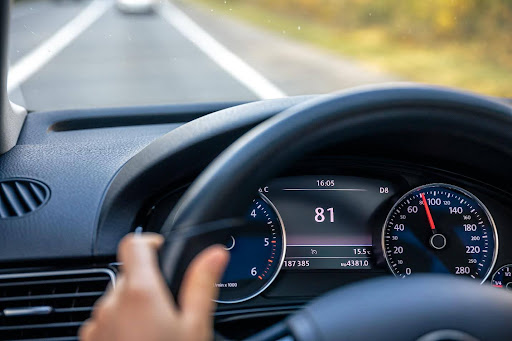
Adaptive Cruise Control (ACC) maintains a set speed while automatically adjusting to the flow of traffic.
Using radars and cameras, ACC detects the speed and distance of the vehicle ahead and adjusts the car’s speed accordingly. This feature helps reduce the risk of rear-end collisions by maintaining a safe following distance.
Blind Spot Detection (BSD)
Blind Spot Detection (BSD) systems monitor the areas on either side of the vehicle that are not visible to the driver through the mirrors.
When a vehicle enters the blind spot, the system provides a warning, typically with a light indicator on the side mirrors or an audible alert. BSD helps prevent accidents during lane changes by ensuring the driver is aware of other vehicles in their blind spot.
Forward Collision Warning (FCW)
Forward Collision Warning (FCW) systems use sensors to detect the distance and speed of the vehicle ahead.
If a potential collision is detected, the system warns the driver through visual and audible alerts. FCW gives the driver time to react and avoid a collision, enhancing overall safety on the road.