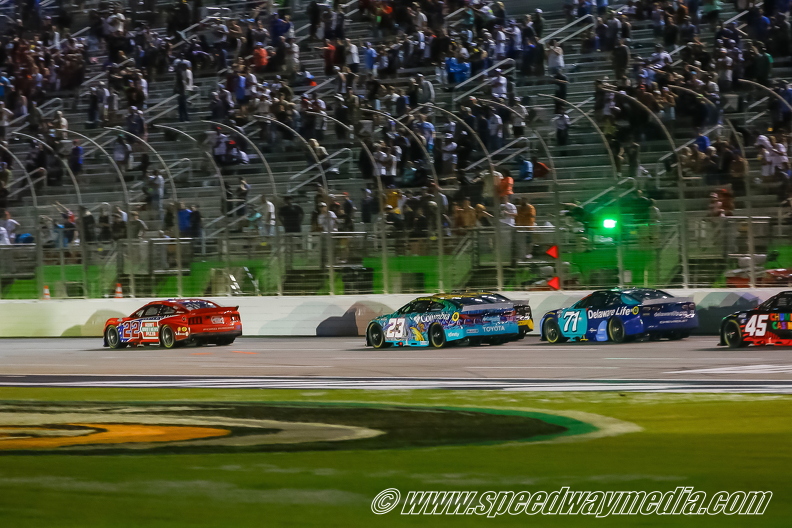
A NASCAR stock car has to do more than perform at high speed. It also has to be recognizable from the grandstands, on television, in photographs, and sometimes in the fraction of a second it takes to flash past a camera.
That has helped create one of the most distinctive visual cultures in motorsports. Some designs last for years and become closely associated with particular drivers. Others appear for only a race or two. Either way, a considerable amount of thought goes into making sure a NASCAR car looks unmistakable when it rolls onto the track.
The Number Is at the Heart of the Identity
Numbers are fundamental to the NASCAR look. While fans naturally follow drivers and teams, certain numbers can become so strongly associated with them that the number itself becomes part of their racing identity.
Think of Richard Petty and the No. 43, Dale Earnhardt and the No. 3, or Jeff Gordon and the No. 24. Those associations demonstrate how powerful a consistent visual identity can become over the course of a racing career. The number also has a practical purpose. It needs to remain clearly visible during a race, which means its size, position, typeface, and contrast have to work alongside the rest of the design. That can become surprisingly challenging when the car is already carrying an elaborate sponsor scheme.
Sponsors Shape the Design
Sponsorship is one of the biggest influences on how NASCAR cars look. A primary sponsor usually receives the most prominent branding, and its existing corporate identity can influence everything from the dominant colors to the graphics used across the car. Additional partners then need to be incorporated without making the overall design feel chaotic. This creates an interesting design challenge. A race car has to function as a high-speed advertisement, but the best schemes also need to look like cohesive racing liveries.
Color Has to Work at Speed
A color combination that looks attractive on a computer screen does not necessarily have the same impact at racing speeds. Strong contrast can help make a NASCAR car easier to recognize as it moves around the track. Designers also have to think about how colors interact with the number, sponsor branding, manufacturer details, and other graphics.
Some of NASCAR’s most memorable cars demonstrate just how effective relatively straightforward color identities can be. Richard Petty’s famous blue became inseparable from his racing legacy, while Dale Earnhardt’s predominantly black No. 3 created an altogether different personality. Jeff Gordon’s famous rainbow scheme took another approach, using an explosion of color to create one of the most recognizable designs of its era. The important factor is distinction. When dozens of cars are competing for attention at once, a strong color identity can help one stand apart.
Paint and Refinishing Still Matter
The term “paint scheme” remains a central part of NASCAR vocabulary even though modern race-car graphics can involve vinyl wraps and other methods of applying elaborate designs. Paint and automotive refinishing nevertheless remain relevant to the wider process of creating and maintaining high-quality vehicle finishes.
Whether working on race-inspired bodywork, restoring a vehicle, or creating a custom automotive finish, preparation is just as important as choosing the final color. Primers, basecoats, clear coats, and other refinishing materials all contribute to the finished surface. Specialist suppliers such as Nebula Paint products provide automotive paint and associated products for different stages of refinishing work.
For NASCAR fans looking to take inspiration from racing, color is also one of the easiest elements to translate to a personal automotive project. A familiar racing shade or carefully chosen combination can reference a favorite era or team without attempting to create a direct replica.
Manufacturers Have Their Own Visual Identity
Teams and sponsors are not the only ones concerned with appearance. Manufacturers also want race cars to retain some connection with the road-going models they represent. Today’s NASCAR Cup Series cars use manufacturer-specific visual cues to distinguish the Chevrolet Camaro ZL1, Ford Mustang Dark Horse, and Toyota Camry XSE. Details around the grille, headlights, and body styling help create that identity even though the competition cars are purpose-built racing machines.
Those cues are important because NASCAR has long maintained a connection between the cars competing on Sunday and the manufacturers familiar to fans away from the racetrack. Designers therefore have to incorporate the team and sponsor identity without obscuring the recognizable features of the manufacturer underneath.
The Crew Has to Keep the Car Looking the Part
A NASCAR car’s appearance is not only important when it first leaves the shop. Race weekends are hard on bodywork. Rubber, debris, contact with other cars, and damage from incidents can quickly change the appearance of a pristine machine.
Teams therefore have to balance presentation with the practical reality of racing. Before an event, cars need to look appropriate for sponsors, promotional photography, television coverage, and fans. Once the green flag falls, performance naturally takes priority.