Mini Coopers are known for their distinctive styling, compact size, responsive handling, and fun driving experience. However, like any vehicle, they can develop mechanical or electrical problems as they age and accumulate miles. Knowing the warning signs can help owners address problems early and avoid turning a relatively small repair into a more expensive one.
Alpharetta, Georgia, is a growing community in the northern Atlanta metropolitan area, with busy roads connecting residential neighborhoods, workplaces, shopping areas, and nearby cities.
Mini Cooper owners in the area often depend on their vehicles for daily commuting and local travel. If your vehicle starts showing unusual symptoms, finding reliable Mini Cooper repair in Alpharetta can help you identify the cause before the problem becomes more serious.
1. Oil Leaks
Oil leaks are a problem Mini owners should not ignore. Depending on the model and engine, leaks can develop around gaskets, seals, or other components.
You may notice dark spots underneath the vehicle, a burning-oil smell, or a low oil level between services.
A small leak may seem harmless, but allowing it to continue can lead to low oil levels and potentially serious engine damage.
2. Engine Warning Lights
A check-engine light can appear for many reasons, ranging from a relatively minor sensor issue to a more significant engine or emissions problem.
The important thing is not to ignore it.
If the light remains illuminated, have the vehicle properly diagnosed. If it flashes, the vehicle may have a more serious problem that requires immediate attention.
A professional diagnostic scan can help determine what is causing the warning rather than relying on guesswork.
3. Cooling System Problems
Cooling system issues can cause serious engine damage if they are not addressed.
Warning signs can include:
- Rising engine temperature
- Coolant leaks
- Low coolant levels
- A sweet smell around the vehicle
- Steam from the engine compartment
- Temperature warning lights
If your Mini begins overheating, continuing to drive it can make the problem significantly worse. Stop safely and have the cooling system inspected.
4. Transmission Problems
Some Mini Cooper models may develop transmission-related issues over time.
Drivers may notice delayed shifting, hesitation, unusual noises, slipping, or difficulty selecting gears.
Even if the vehicle still drives, changes in shifting behavior should not be ignored. Early diagnosis can help determine whether the issue involves fluid, sensors, software, or an internal transmission component.
5. Suspension and Steering Issues
Mini Coopers are designed to provide responsive handling, but suspension components experience constant stress from everyday driving.
Worn components can cause:
- Excessive bouncing
- Uneven tire wear
- Clunking noises
- Pulling to one side
- Increased vibration
- Changes in steering feel
If the vehicle no longer feels stable or predictable, a technician should inspect the suspension and steering systems.
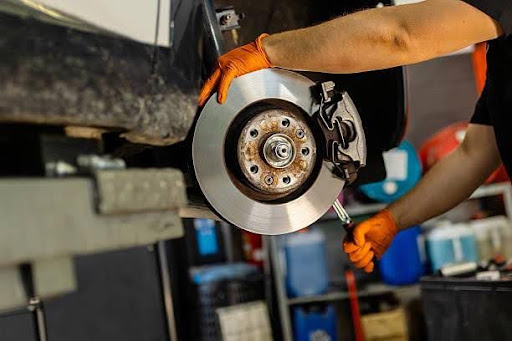
6. Brake Wear
Brake components naturally wear down, but unusual symptoms should be checked promptly.
Squealing, grinding, vibration during braking, a soft pedal, or increased stopping distance can indicate a problem.
Regular brake inspections can identify worn pads, damaged rotors, or other issues before they affect braking performance.
7. Battery and Electrical Problems
Modern Mini Coopers depend on numerous electronic systems, which means electrical problems can affect several functions at once.
A weak battery may cause difficulty starting, warning lights, unusual electrical behavior, or problems with electronic features.
If multiple warning messages appear at the same time, the issue may not be with every individual system. A technician should test the battery, charging system, and relevant electrical components.
8. Strange Noises
Unusual sounds are often early warnings that something needs attention.
Pay attention to new clicking, rattling, grinding, whining, or knocking sounds. Try to notice when the noise occurs, such as during acceleration, braking, turning, or starting the engine.
Providing these details to a technician can make diagnosis easier.
9. Reduced Engine Performance
If your Mini suddenly feels slower, struggles to accelerate, hesitates, or operates roughly, there may be an issue affecting the engine or fuel and air systems.
Poor acceleration can have many possible causes, so replacing parts without proper diagnosis may waste money.
A professional inspection can determine whether the issue involves ignition, fuel delivery, air intake, sensors, or another system.
Key Takeaways
- Oil leaks should be inspected before they lead to low oil levels or engine damage.
- Persistent warning lights require proper diagnostic testing.
- Cooling system problems can cause serious engine damage if ignored.
- Transmission, suspension, and steering changes should be checked promptly.
- Brake noises or changes in braking performance should never be overlooked.
- Battery and electrical problems can produce multiple warning messages.
- New or unusual noises may provide an early warning of mechanical problems.
- Regular maintenance and early inspections can help prevent expensive repairs.