A GPS tracker for vehicle use gives you near real-time location data for a car, van, truck, trailer, or other mobile asset. After 15 years of installing, testing, and troubleshooting tracking devices, I’ve found that buyers rarely need the “best” tracker. They need the right tracker for their vehicle, budget, and reason for tracking.
Personal cars, work trucks, trailers, and commercial fleets all have different requirements. An OBD tracker may make sense for a family car, while a hardwired unit is usually better suited to a company fleet. Battery-powered trackers offer another option when you need portability or want to track an asset without a permanent installation.
In this guide, you’ll learn how vehicle GPS trackers work, which tracker type fits different vehicles, which features deserve your attention, what you should expect to pay, and the mistakes worth avoiding before you buy.
What Is a GPS Tracker for a Vehicle?
What Is a GPS Tracker for a Vehicle?
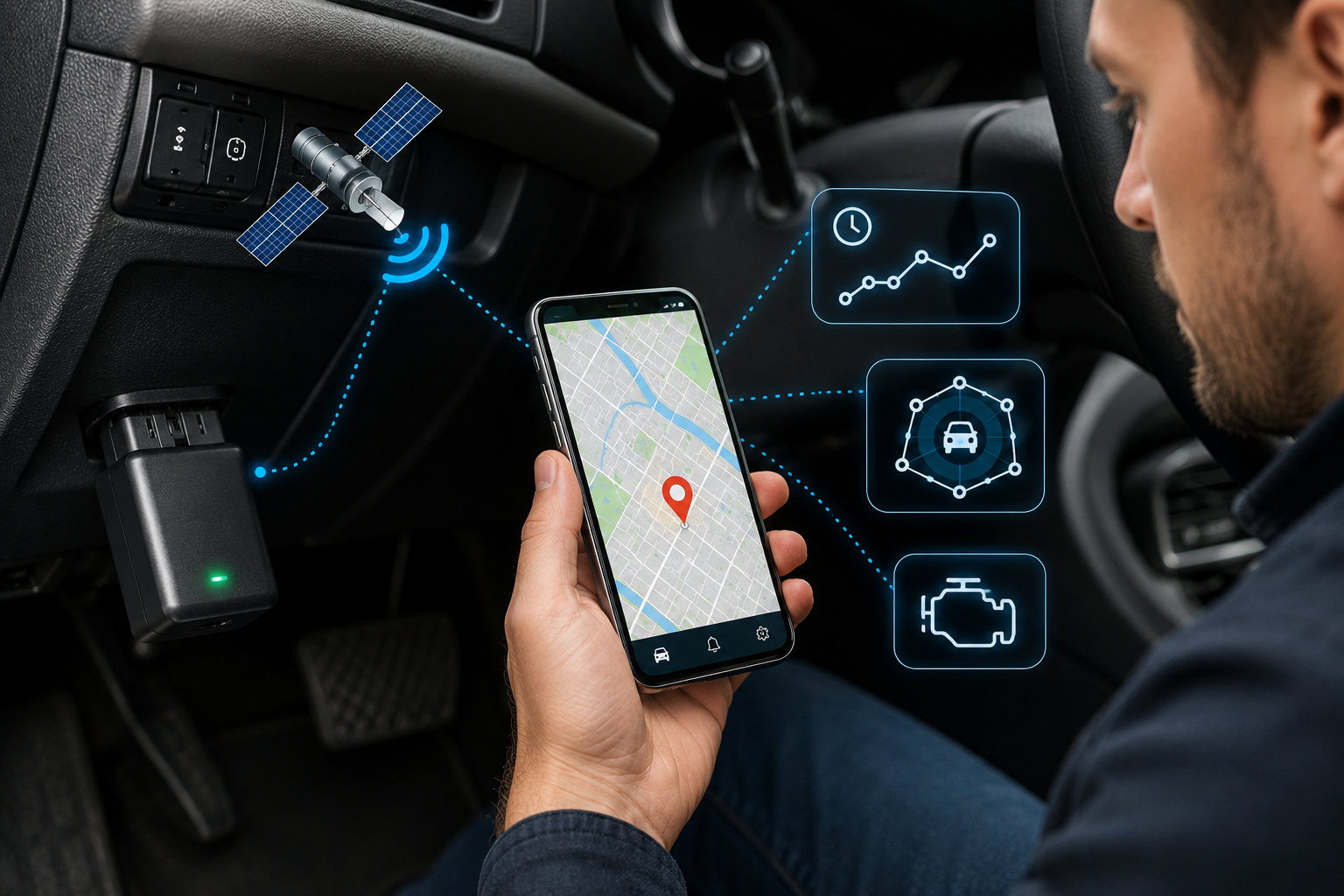
A GPS tracker for a vehicle uses GPS satellites to find its location and a cellular network to send that information to your phone or computer. Depending on the device, you can also get trip history, geofence alerts, speed information, and basic vehicle diagnostics.
GPS tracking focuses mainly on location, speed, and movement. Telematics goes further by adding data such as engine diagnostics, fuel use, maintenance, and driver behavior.
For most personal vehicles, a GPS tracker provides the core features you need. Businesses managing multiple vehicles may benefit from the additional data telematics provides.
Who Benefits Most From Vehicle GPS Tracking?
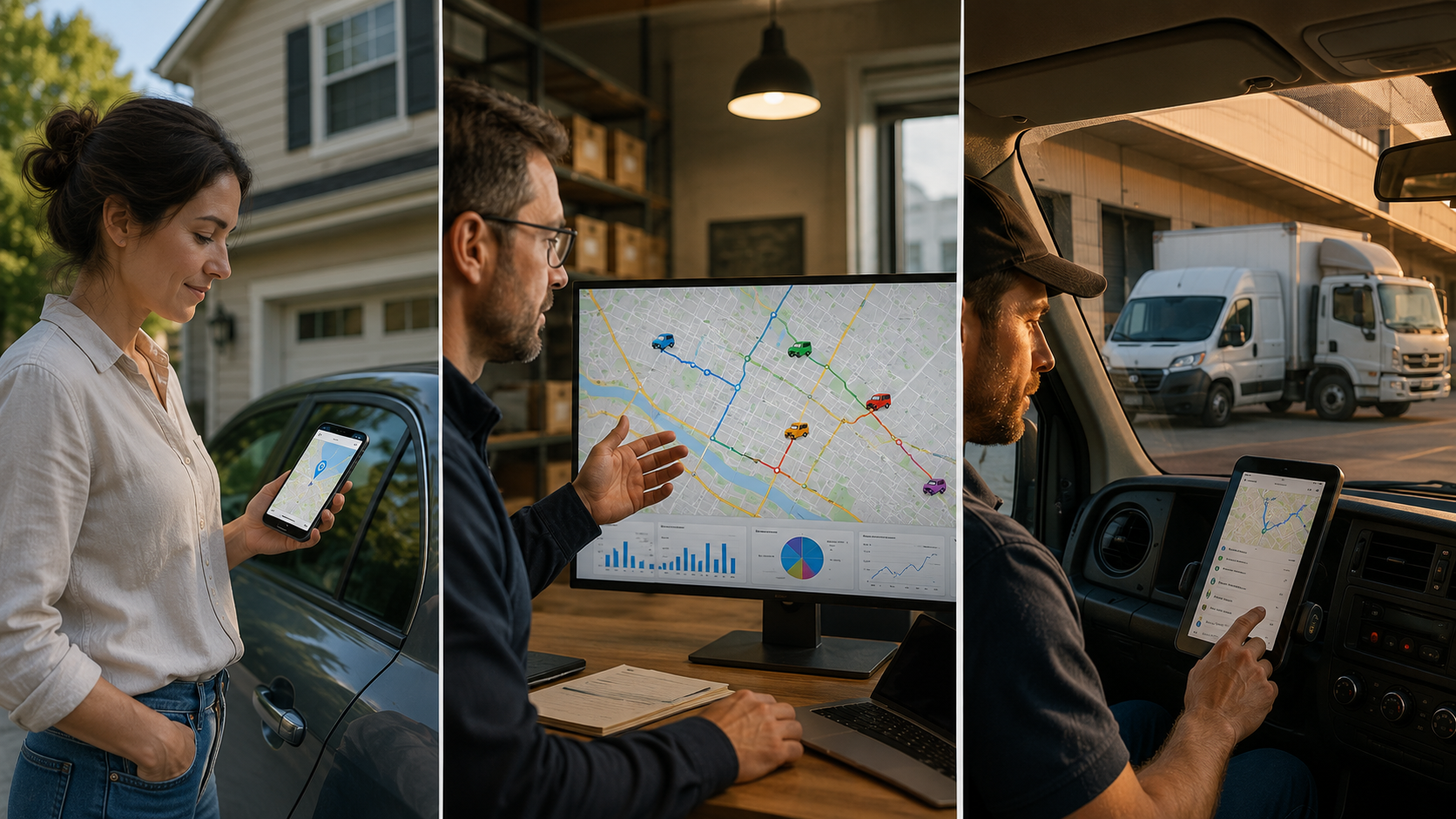
A GPS tracker can benefit almost any vehicle owner, but the value depends on how the vehicle is used. Whether you’re protecting a personal car or managing a fleet, the right tracking system improves security, visibility, and day-to-day operations.
Personal Vehicle Owners
For individual drivers, GPS tracking is mainly about security and peace of mind. A hidden tracker can help law enforcement recover a stolen vehicle more quickly, while parents often use one to monitor teenage drivers and receive alerts for speeding or unexpected trips. Sharing live location data directly with police generally speeds up recovery.
Businesses and Fleet Operators
For businesses, company vehicle tracking provides visibility into how vehicles are being used. A reliable GPS tracker for commercial vehicles helps monitor routes, reduce unnecessary mileage, improve driver accountability, and simplify fleet management from a single dashboard.
Delivery, Trucking, and Service Fleets
Businesses that rely on vehicles throughout the day often see the greatest return from GPS tracking. A vehicle tracking and monitoring system can help with the following:
- Give dispatchers real-time visibility into every vehicle
- Reduce unnecessary idling and inefficient routes
- Provide customers with more accurate delivery estimates
- Verify job-site arrivals for technicians and service teams
Whether you’re managing delivery vans, service vehicles, or long-haul trucks, GPS tracking for delivery trucks and truck fleet GPS tracking have become essential tools for improving efficiency and maintaining better operational control.
Types of GPS Trackers for Vehicles
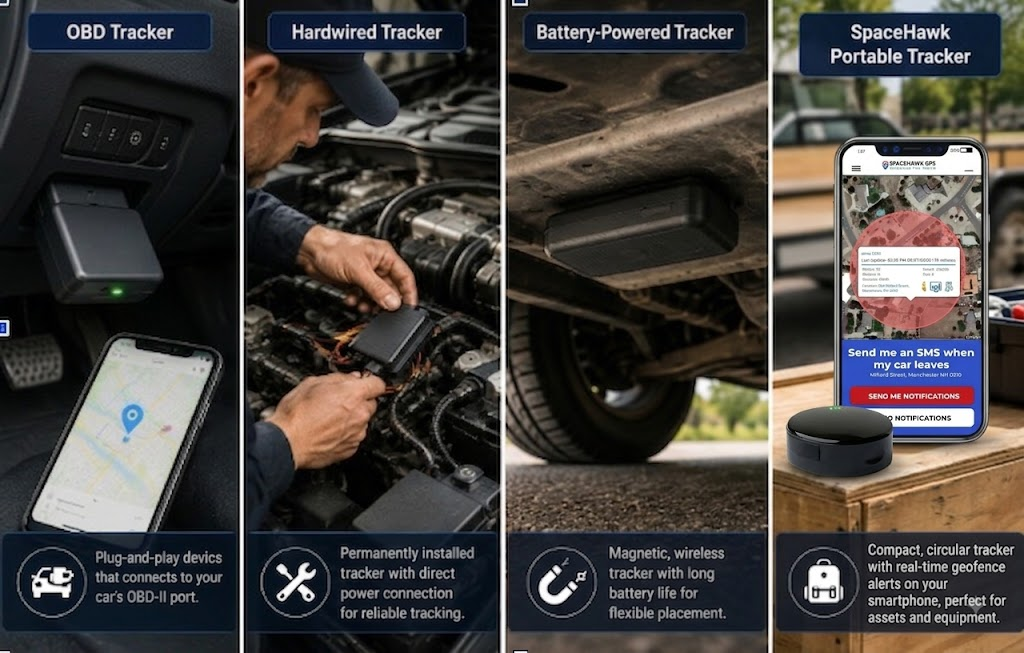
Not all GPS trackers are built the same. The right choice depends on your vehicle, how often you need to track it, and whether you prioritize convenience, security, or long-term fleet management. Here’s a quick overview of the three main types:
- OBD GPS Trackers: Plug directly into the vehicle’s OBD-II port for a quick, tool-free installation. Powered by the vehicle, they often provide basic diagnostics like engine fault codes and mileage, making them ideal for personal vehicles, families, leased cars, and small business vehicles.
- Hardwired GPS Trackers: Connect directly to the vehicle’s electrical system for a permanent, discreet installation. Since they’re hidden and difficult to tamper with, they’re the preferred choice for GPS trackers for commercial vehicles, company cars, work trucks, and long-term fleet management.
- Battery-Powered GPS Trackers: Completely wireless and easy to move between vehicles or assets without installation. They’re well suited for trailer tracking, construction equipment, campervans, rental vehicles, and vans, though battery life depends on reporting frequency. The Outlaw Trailer Tracking Device is one example, a magnetic, battery-powered unit built to mount quickly with no wiring involved.
Quick Comparison
If you’re short on time, here’s a side-by-side comparison of the three main tracker types to help you identify the best fit for your needs.
| Tracker Type | Best For | Installation | Power Source |
| OBD | Personal vehicles | Plug-and-play | Vehicle OBD port |
| Hardwired | Commercial fleets | Professional installation | Vehicle electrical system |
| Battery-Powered | Trailers, equipment, temporary tracking | Portable | Rechargeable battery |
Which GPS Tracker Should You Choose?
Your choice ultimately depends on how you plan to use the tracker. Use this quick guide to match the right tracker to your vehicle and tracking needs.
| If you… | Recommended Tracker |
| Drive one personal vehicle | OBD GPS tracker |
| Manage a fleet of work vehicles | Hardwired GPS tracker |
| Need a tracker you can move between vehicles | Battery-powered GPS tracker |
| Want to monitor trailers or equipment | Magnetic battery-powered tracker |
An OBD tracker is ideal for everyday drivers who want quick installation, while businesses typically benefit from hardwired systems designed for continuous operation. Battery-powered models offer the most flexibility, making them a practical choice for assets that don’t have a constant power source.
Features That Matter Most in a GPS Tracker
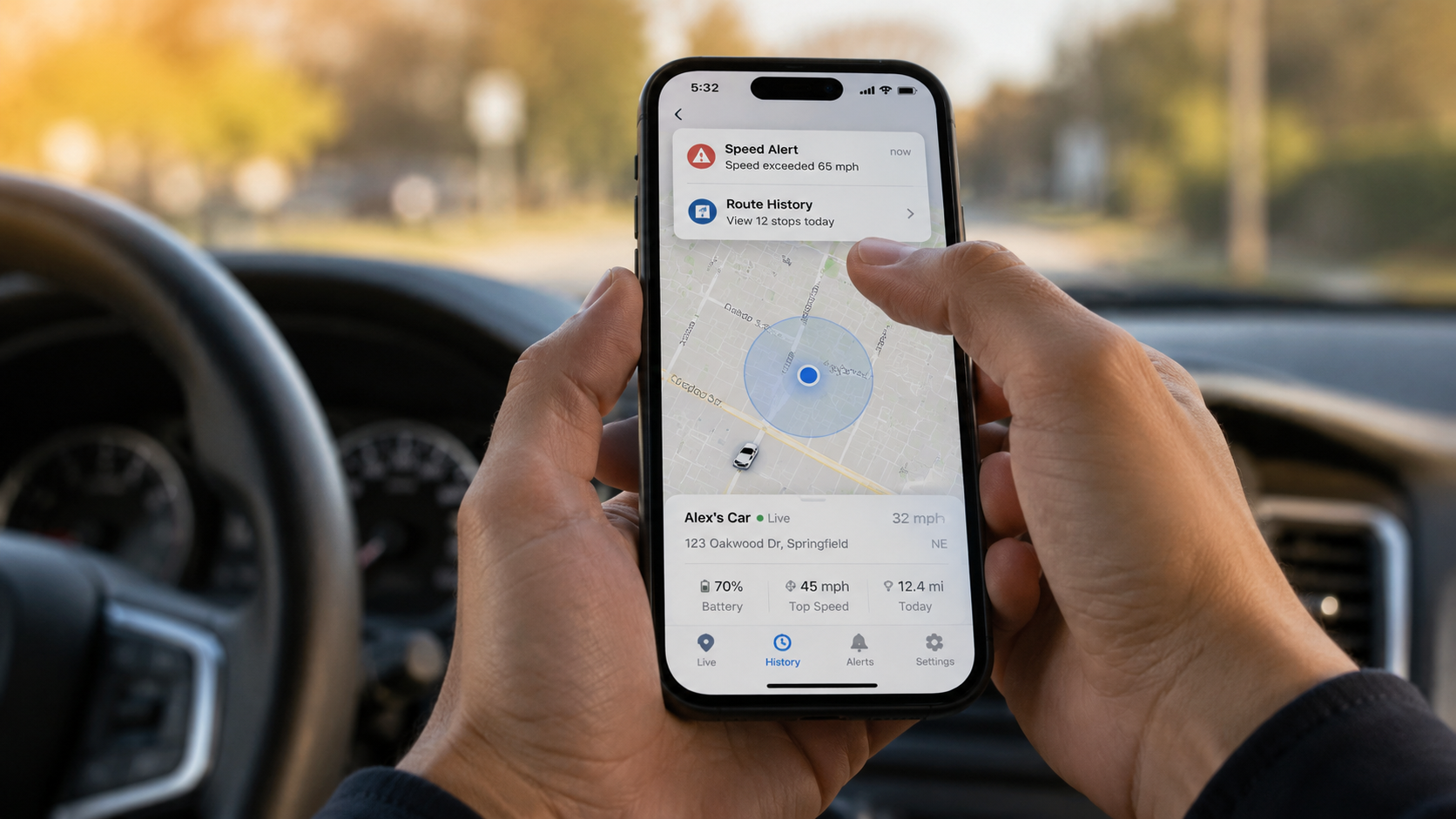
A long feature list doesn’t always mean a better GPS tracker. In most cases, a handful of core features provide the greatest value for both personal vehicles and commercial fleets.
- Real-time tracking: Provides live location updates for theft recovery, route monitoring, and real-time fleet tracking
- Geofencing: Sends alerts when a vehicle enters or leaves a designated area, improving security and fleet oversight
- Trip history: Records previous journeys to help review routes, verify trips, and reduce unnecessary mileage
- Driver alerts: Notifies you of speeding, harsh braking, excessive idling, or unauthorized vehicle use
- Mobile app: Lets you monitor vehicles and receive instant notifications from anywhere
- Fleet asset tracking: Helps businesses monitor trailers, equipment, and vehicles from one dashboard
Which Features Matter Most?
The right features depend on how you use your vehicle. Personal drivers typically prioritize security and live tracking, while businesses benefit from additional reporting and fleet management capabilities.
| Feature | Personal Vehicle | Business Fleet |
| Real-time tracking | ✓ Essential | ✓ Essential |
| Geofencing | ✓ Useful | ✓ Essential |
| Trip history | ✓ Useful | ✓ Essential |
| Driver alerts | Optional | ✓ Recommended |
| Fleet asset tracking | Not usually needed | ✓ Recommended |
How Much Does a Vehicle GPS Tracker Cost?
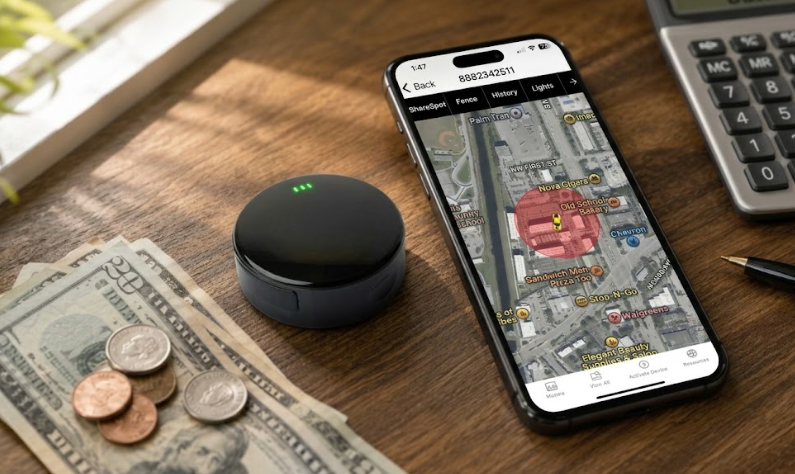
The cost of a GPS tracker depends on several factors, including the type of device, its features, installation requirements, and whether it includes a monthly subscription. Personal GPS trackers are generally more affordable than commercial fleet tracking systems, which often include advanced reporting, driver monitoring, and fleet management capabilities.
If you’re comparing vehicle tracker prices, remember to look beyond the upfront hardware cost. Many providers charge a monthly subscription that covers cellular connectivity, cloud storage, software updates, and access to the tracking platform. While subscription-based trackers typically offer real-time updates and more advanced features, some devices are available with no recurring fees.
You may also come across a GPS tracker for vehicles with no monthly fee or a GPS vehicle tracker with no monthly fee. These models can be a good choice for occasional tracking or budget-conscious buyers, but they often provide fewer features, limited tracking history, or less frequent location updates than subscription-based alternatives.
Ultimately, the best value comes from choosing a tracker that offers the features you need rather than focusing solely on the lowest price.
How to Choose the Right GPS Tracker
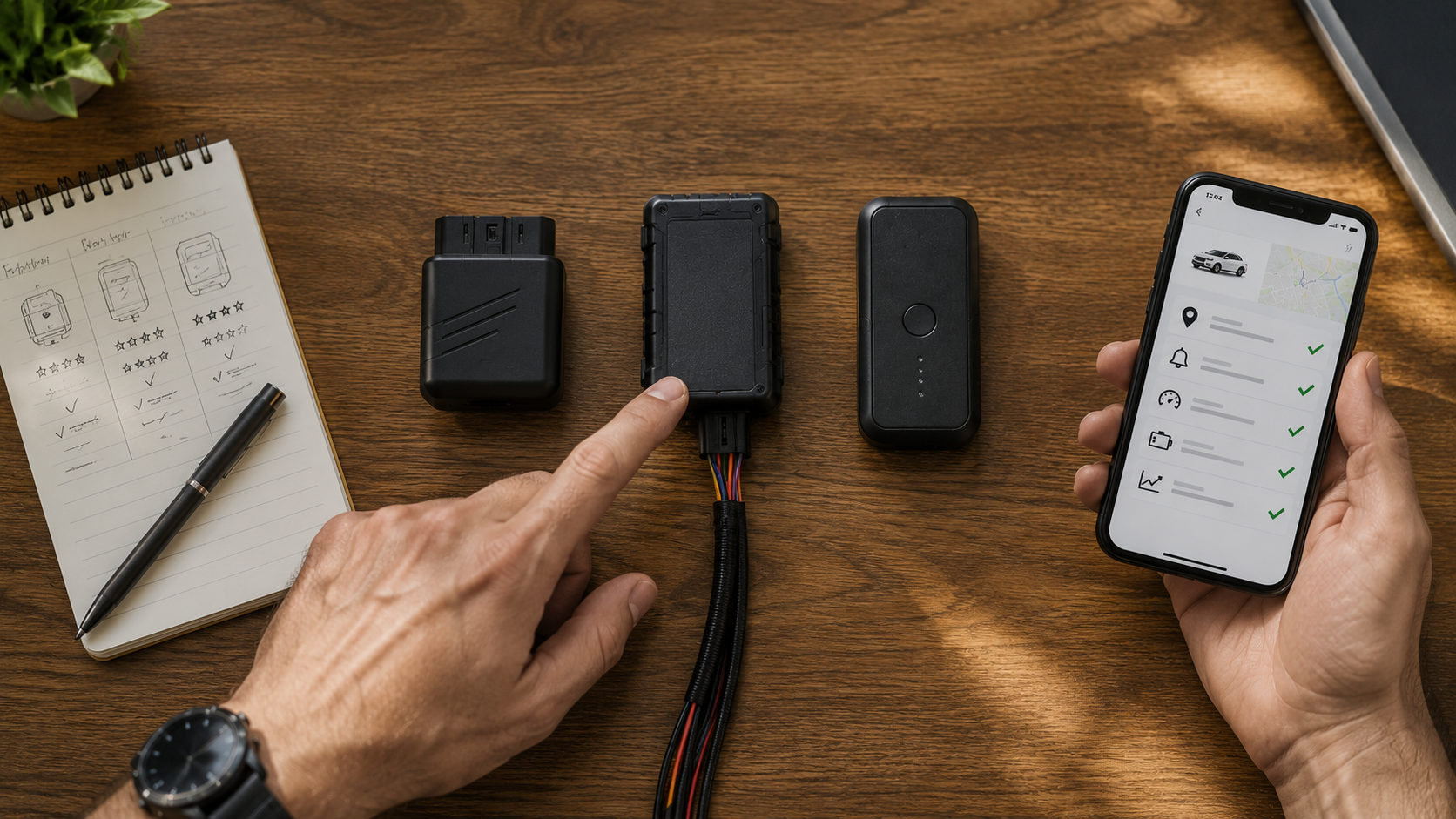
The best GPS tracker isn’t necessarily the one with the most features; rather, it’s the one that fits your vehicle, tracking needs, and budget. Before making a decision, consider these key factors:
- Purpose: Are you tracking a personal vehicle, monitoring company cars, or managing a commercial fleet? Your use case will determine the type of tracker and features you need.
- Installation: OBD trackers are quick to install and ideal for everyday drivers, while hardwired models offer a more permanent solution for business vehicles. Battery-powered trackers are best for temporary or portable tracking.
- Tracking Features: Decide whether you only need live location updates or additional tools like geofencing, trip history, driver behavior reports, and maintenance alerts.
- Subscription Costs: Some trackers require a monthly subscription for real-time tracking and cloud-based services, while others operate without recurring fees but may offer fewer features.
- Scalability: If you expect your fleet to grow, choose a solution that supports multiple vehicles, centralized reporting, and easy account management.
Taking a few minutes to compare these factors will help you avoid paying for features you don’t need while ensuring your GPS tracker continues to meet your needs as they change.
Conclusion
Choosing the right GPS tracker for your vehicle comes down to understanding how you plan to use it. A personal car, a work truck, and a fleet of commercial vehicles all have different tracking requirements, so it’s worth weighing tracker type, must-have features, and ongoing subscription costs before you buy.
Whether your priority is protecting your vehicle from theft, improving driver accountability, or managing a growing fleet, a reliable GPS tracking system gives you better visibility and control. Focus on the essentials, real-time tracking, accurate alerts, easy installation, and dependable support and you’ll end up with a solution built for long-term value, not just the lowest sticker price.
Frequently Asked Questions
Can a GPS tracker work without a cellular signal?
Yes, a GPS tracker can still determine its location using satellite signals, but it typically needs a cellular network or another communication method to transmit that location to your phone or computer. If cellular coverage is unavailable, many trackers store the data and upload it once the connection is restored.
How accurate are vehicle GPS trackers?
Most modern GPS trackers are accurate within a few meters under normal conditions. However, factors such as underground parking garages, tunnels, dense urban areas, or severe weather can temporarily affect signal accuracy.
Can I track multiple vehicles from one account?
Yes. Many GPS tracking platforms allow you to monitor multiple vehicles from a single dashboard or mobile app. This is particularly useful for families with several vehicles and businesses managing company cars or commercial fleets.
How long do battery-powered GPS trackers last?
Battery life varies depending on the device and how frequently it reports its location. Some portable trackers last only a few days with continuous real-time updates, while others can operate for several months when set to report less frequently or only when movement is detected.
Do GPS trackers work outside the United States?
Many GPS trackers work internationally, but coverage depends on the provider and the countries supported by the device’s cellular network. If you regularly travel across borders or manage international fleets, check the provider’s coverage and roaming options before purchasing.