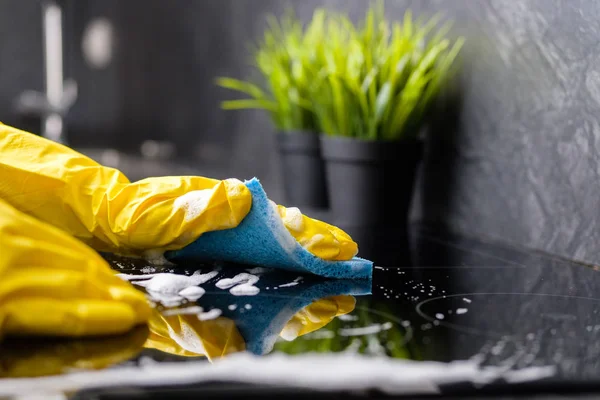
Some areas of a home seem to collect mess almost immediately after they are cleaned. Kitchens, bathrooms, entryways, and living rooms handle constant movement, meals, shoes, pets, school supplies, and everyday family activity. Without a practical routine, these busy spaces can quickly become harder to manage than rooms that receive less daily use.
Consistent House cleaning does not require treating every room with the same level of attention every day. A more useful approach is to identify where dirt and clutter accumulate fastest, then build short maintenance habits around those areas. This keeps demanding spaces under control while preventing minor messes from turning into time-consuming weekend projects.
The most effective routines also reflect how a household actually lives. Families with children may need more attention around eating and entry areas, while pet owners may notice faster buildup on floors and furniture. Honeycomb Home Cleaning fits within this practical approach by supporting regular care that can complement the smaller tasks homeowners handle between scheduled visits.
Identify the Rooms That Collect the Most Daily Mess
Every household has its own high-traffic areas. Kitchens and bathrooms are common examples, but a mudroom, family room, hallway, or home office may receive just as much activity depending on the family’s schedule. Watching where dirt appears first helps homeowners decide where routine effort will have the greatest effect.
Traffic patterns can change throughout the year. An entryway may need extra attention during rainy periods, while living spaces may become busier during school breaks or when guests visit frequently. Cleaning routines should be flexible enough to reflect these changes rather than following an identical schedule regardless of household activity.
Homeowners can start by noticing which surfaces require repeated attention. Floors near doors, kitchen counters, bathroom sinks, and frequently used tables often reveal patterns quickly. Once those patterns are clear, it becomes easier to assign simple tasks before buildup becomes difficult to manage.
Create a Short Daily Reset for Shared Living Areas
Daily maintenance works best when it remains realistic. A routine that requires a long cleaning session every evening will be difficult to maintain during busy weeks. Short resets focused on visible clutter and frequently used surfaces are usually easier to fit around work, meals, school, and family responsibilities.
A living room reset might involve returning loose items to their places, straightening cushions, and clearing tables. In a kitchen, the priority may be wiping counters, dealing with spills, and leaving the sink area ready for the next morning. These small actions prevent yesterday’s mess from becoming part of today’s workload.
The purpose is not to make every room look untouched. Homes are meant to be used, and normal activity will always create some disorder. A reset simply restores enough order that the next day begins without unnecessary cleaning tasks already waiting.
Control Entryway Dirt Before It Travels Through the Home
Entryways act as collection points for material brought indoors on shoes, bags, clothing, and pet paws. When these areas are ignored, dirt can travel into hallways, kitchens, bedrooms, and living spaces. Controlling it near the entrance can reduce the amount of cleaning required elsewhere.
Give Everyday Items a Consistent Landing Place
Shoes, backpacks, coats, keys, and mail often create clutter because they do not have an obvious destination. Baskets, hooks, shelves, or other simple storage options can make it easier for household members to put items away immediately. The exact system matters less than whether everyone can use it without extra effort.
Keeping the floor reasonably clear also makes routine care easier. When shoes and bags are scattered across the entry, sweeping or vacuuming becomes a larger task. An organized landing area allows dirt to be removed before it spreads deeper into the home.
Respond Quickly to Wet or Muddy Conditions
Rain and outdoor moisture can change cleaning needs within a single day. Damp footprints and tracked soil are generally easier to address soon after they appear than after they have dried and spread. Keeping basic cleaning supplies accessible can make quick responses more convenient.
Honeycomb Home Cleaning can complement these household habits through scheduled maintenance of frequently used spaces. Daily prevention and periodic professional care serve different purposes, but together they can make high-traffic areas easier to keep under control.
Keep Kitchen Maintenance Focused on Buildup
Kitchens collect several types of residue at once. Crumbs reach floors, cooking leaves marks on nearby surfaces, and spills can dry if they are not noticed quickly. Because meals are prepared repeatedly, small amounts of buildup can return soon after a larger cleaning session.
House cleaning routines for kitchens should therefore focus on preventing accumulation rather than repeatedly trying to create a perfect appearance. Wiping fresh spills, clearing preparation surfaces, and removing food debris from the floor can keep everyday conditions manageable. Less frequently used areas can receive attention according to a separate schedule.
It also helps to distinguish cleaning from organizing. A crowded countertop may still appear messy after it has been wiped thoroughly. Returning appliances, containers, paperwork, and other items to designated places makes cleaning easier while giving food preparation areas more usable space.
Give Bathrooms Small Amounts of Frequent Attention
Bathrooms combine moisture, personal-care products, water spots, and repeated daily use. Waiting until visible buildup becomes significant can turn a manageable task into a much longer cleaning session. Small amounts of regular attention can prevent several common trouble areas from becoming overwhelming.
Sink areas are a useful place to begin because they are used throughout the day. Putting products away and addressing visible residue keeps the counter easier to maintain. Similar attention to mirrors and frequently touched fixtures can help the room feel orderly between more detailed cleaning sessions.
Ventilation and moisture control also support routine care. Damp towels and lingering moisture can make a bathroom feel untidy even when its surfaces have recently been cleaned. Hanging towels properly and allowing wet areas to dry helps maintain a more comfortable space.
Match Floor Care to the Activity in Each Room
Floors reveal household traffic quickly because nearly every activity eventually brings something onto them. Crumbs, dust, outdoor dirt, pet hair, and small debris tend to concentrate in pathways rather than spreading evenly across the entire home. Cleaning frequency can reflect those differences.
A kitchen floor may need attention more often than a guest bedroom. Entryways and hallways may also benefit from quick maintenance because people repeatedly cross them. Prioritizing these areas prevents homeowners from spending equal time on rooms with very different levels of use.
Grand cleaning sessions are not always necessary. Targeted sweeping or vacuuming in active zones can remove obvious debris before it travels. More complete floor care can then remain part of the household’s broader maintenance schedule.
Divide Weekly Tasks Instead of Saving Everything for One Day
Saving every cleaning responsibility for the weekend can create an exhausting list. By the time Saturday arrives, homeowners may face floors, bathrooms, dusting, kitchen work, clutter, and several postponed tasks at once. Dividing responsibilities across the week makes the workload less concentrated.
One day might include bathroom attention, while another covers floors in the busiest rooms. Dusting or changing linens can be assigned elsewhere in the schedule. The arrangement should reflect available time rather than following a rigid system that becomes another source of pressure.
Honeycomb Home Cleaning can provide additional support for households that prefer professional help as part of their routine. A predictable service schedule can also give homeowners a useful framework for deciding which smaller maintenance tasks need attention between appointments.
Use a Simple Priority System During Especially Busy Weeks
Some weeks leave very little time for household maintenance. Work deadlines, school events, travel, illness, or family obligations can disrupt even a well-established routine. During those periods, homeowners can temporarily focus on the tasks that affect daily function most.
Food spills, bathroom surfaces, entryway dirt, and heavily used floors often deserve priority because postponing them can create more work later. Less urgent tasks can wait until the schedule becomes more manageable. This approach keeps essential areas functional without creating unrealistic expectations.
A priority system can also reduce the temptation to abandon cleaning entirely because there is not enough time to complete everything. Ten focused minutes in a busy room may still prevent significant buildup. Consistency can matter more than completing a large checklist all at once.
Build a Routine That Can Adjust With Household Life
Effective House cleaning should make home care easier rather than adding another complicated obligation. High-traffic spaces benefit from frequent, targeted attention because they collect mess faster than quieter rooms. Entryways, kitchens, bathrooms, shared living areas, and busy floors can therefore receive priority according to actual use.
A practical routine combines quick daily resets with divided weekly responsibilities and occasional adjustments during unusually demanding periods. Homeowners do not need every room to receive equal attention at all times. They need a system that responds to where activity is happening and prevents ordinary mess from becoming difficult buildup.
The best schedule is one a household can continue when life becomes busy. Simple storage habits, quick responses to spills, targeted floor care, and realistic priorities can keep frequently used rooms manageable without consuming every free hour. Over time, those small actions create a home that remains easier to maintain even during demanding weeks.