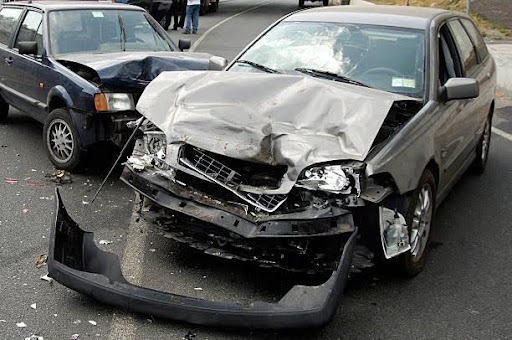
Often no. Many small Louisiana collisions settle fine without an attorney, especially when nobody is hurt, fault is obvious, and the repair estimate is modest. Hiring counsel over a scraped bumper rarely changes the final outcome.
The trouble is that minor damage and minor injury are not the same thing. A low-speed impact can still produce soft tissue injuries, and Louisiana has insurance rules that quietly cut small recoveries down to nothing.
So the real question to ask after a minor car accident is not how bad the vehicle looks. It is whether anything about the injuries, the fault split, or your own coverage is still unresolved.
Two Versions of the Same Fender Bender
The same crash can go two very different directions depending on a handful of facts that have nothing to do with the size of the dent.
1. The Version That Resolves Itself
Both drivers are insured, the other driver is cited, you feel fine after a week, and the adjuster pays the repair estimate. Nothing here needs a lawyer.
2. The Version That Goes Sideways
The adjuster disputes who had the right of way, your neck starts hurting on day four, and you learn your policy lapsed last month. Each of those facts alone changes the math.
The Filing Deadline Changed in 2024
Louisiana used to give injured people only one year to sue, which was the shortest window in the country. That changed recently, and plenty of drivers still have the old rule in mind.
Under Louisiana Civil Code article 3493.1, most injury claims now carry a two-year prescriptive period that starts the day the injury occurs. The change took effect July 1, 2024. It applies only going forward. Crashes that happened before that date still fall under the old one-year rule, which is why the injury date matters so much.
The Rule That Can Erase a Small Claim
Louisiana’s “No Pay, No Play” law can significantly limit what an uninsured driver recovers after a crash. Under R.S. 32:866, certain uninsured drivers cannot recover the first $100,000 in bodily injury damages or $100,000 in property damage, subject to exceptions.
For a minor accident, that can leave an uninsured driver with little or no recoverable damages, even when the other driver caused the crash.
How Shared Fault Shrinks a Small Payout
Louisiana now uses a modified comparative fault rule under Civil Code article 2323 for causes of action arising on or after January 1, 2026. If you are found 51% or more at fault, you cannot recover damages. If you are less than 51% at fault, your recovery is reduced in proportion to your assigned share of fault.
For example, if you are found 20% responsible for a crash and your damages total $5,000, your recovery would generally be reduced by 20%. On a small claim, even that reduction can make a meaningful difference. This is one reason a disputed minor accident may deserve closer attention when the other side argues that you share responsibility.
For accidents occurring before January 1, 2026, the prior comparative-fault rule applies, so the accident date matters when determining which rule governs.
Signals a Minor Claim Is Not Minor
Some facts turn a simple claim into one worth reviewing with a lawyer.
- Symptoms that appear or worsen after the first few days
- Any dispute about who caused the collision
- A commercial vehicle, rideshare, or government vehicle involved
- An adjuster requesting a recorded statement early
- A settlement offer made before you finish treatment
- Gaps or lapses in either driver’s insurance coverage
Key Takeaways
- Most minor Louisiana crashes with no injury and clear fault settle without a lawyer.
- Vehicle damage is a poor measure of whether someone was hurt.
- Injury claims now carry a two-year deadline under Civil Code article 3493.1.
- The two-year rule applies only to injuries occurring on or after July 1, 2024.
- No pay, no play can wipe out a small claim brought by an uninsured driver.
- Comparative fault under Article 2323 reduces recovery by your assigned percentage.
- Delayed symptoms and disputed fault are the two clearest reasons to get advice.