Pest activity can vary depending on a region’s climate, warm, humid climate may pose some difficulties for pest control compared to cooler climates. Therefore, in order to protect their homes from pests, homeowners living in tropical climates need to look beyond occasional treatments.
Relying on pest treatments only when infestations become noticeable makes it difficult to ensure regular protection. On the contrary, a proactive approach implies the continuous surveillance of the house and addressing any conditions that might promote pest activity.
Hence, why is regular pest management absolutely necessary in tropical climates? Regular checks, treatments, and prevention of pest activity can allow homeowners to prevent future infestation. Here are five reasons why regular pest management matters.
Pests Never Get A Seasonal Break
Many pests remain active in South Florida where warm temperatures and high humidity seldom slow their activity even during the winter. This climate provides year-round favorable conditions for breeding and foraging, where colder temperatures can naturally reduce insect activity. Working with experienced West Palm Beach exterminators involves developing a treatment plan around this reality, rather than relying on the fact that a seasonal lull will eventually come.
If that year-round strategy is not used, then the pests have the opportunity to continue reproducing between treatments. One “off” season at another location may result in a reduced-size pest population in the spring, but with the tropical climate, there will be no natural control on the size of the colonies.
Humidity Can Increase The Risk Of Wood And Structural Damage. In other climates, the seasonal slowdown is natural, but not with consistent scheduling.
Humidity Can Increase The Risk Of Wood And Structural Damage
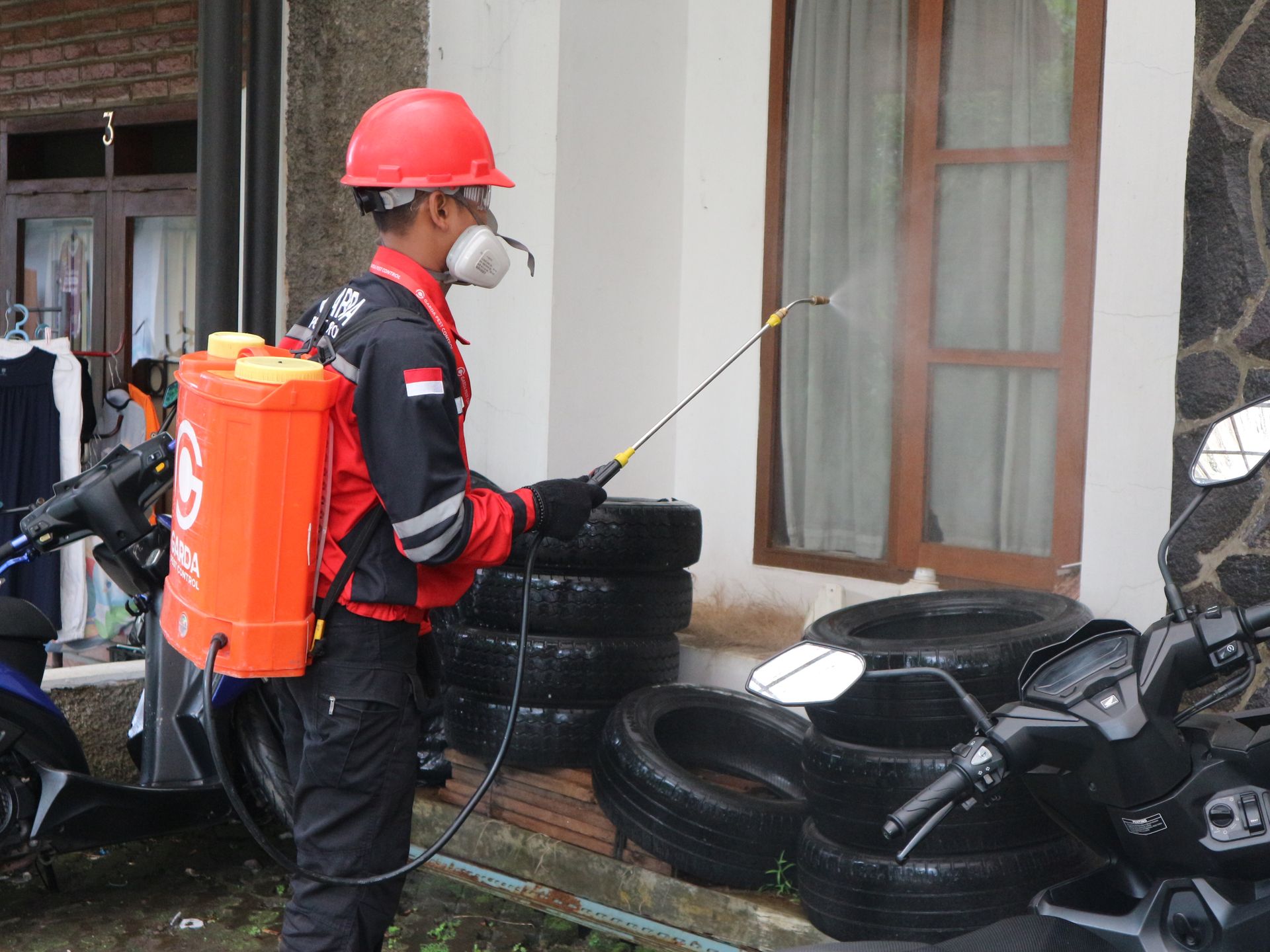
Termites and wood-destroying pests love moisture, and few places provide it as often as a warm, humid tropical climate. Termites have a longer opportunity to develop a colony and to extend their reach here because wood framing, trim, and support materials remain moist for extended periods of time. This process progresses more rapidly than in a more arid climate where, between rainfalls, wood would dry out and would not be able to provide the same amount of water continuously.
Many homeowners think of pest control as a once-in-a-while thing and don’t realize that it can happen so quickly; they imagine that it takes as long for damage to occur as it does in other parts of the house. Actually, it is compounded by the humidity, since the wood softened by the moisture becomes vulnerable faster and remains vulnerable for a longer period of time between treatments.
Regular inspections will detect this damage before it can begin affecting the structure. If regular checks are not made, the termites will have more time to work and fewer hindrances.
Reproduction Cycles Move Faster In The Heat
In most pest species, heat stimulates biological processes and reduces the interval between generations and the total population increase. Common insects like ants and roaches are more likely to reproduce rapidly in an environment that is continually warm, but not in one where temperatures drop frequently. This quicker cycle results in a small, localized problem becoming a large infestation in a much shorter time.
A treatment that may give months of control in a cooler area may be ineffective in this area because the next generation comes along sooner. It is not uncommon to see pests come back long before the scheduled date under a less frequent treatment program; this is because homeowners usually expect the same intervals from their pest control service as they do from the other pest control services they receive.
In aligning the frequency of treatment with this accelerated reproductive cycle, populations are prevented from increasing in numbers between treatments. Less often means there is enough time for pests to outpace the treatment schedule.
One-Time Treatments Lose Effectiveness Quickly
With a single application treatment, it is only successful at a particular moment in time when the pests are active, but once they move in from elsewhere or eggs already laid hatch, the treatment is no longer effective. In a tropical climate, this fade is faster, as warm, humid conditions allow for continuous pest movement and breeding, instead of a temporary respite after treatment.
People who use one-time service tend to see pests come back in weeks, not months, which can lead to repeated service calls that don’t really solve the problem. For every new treatment, the problem being treated is seen again; no step is taken to break the pattern.
Recurring treatment plans eliminate this by providing a barrier that doesn’t go away with each treatment. This continual treatment is the most appropriate way to treat pests in this climate since they do not wait for one treatment.
Recurring Plans Can Support Year-Round Pest Management
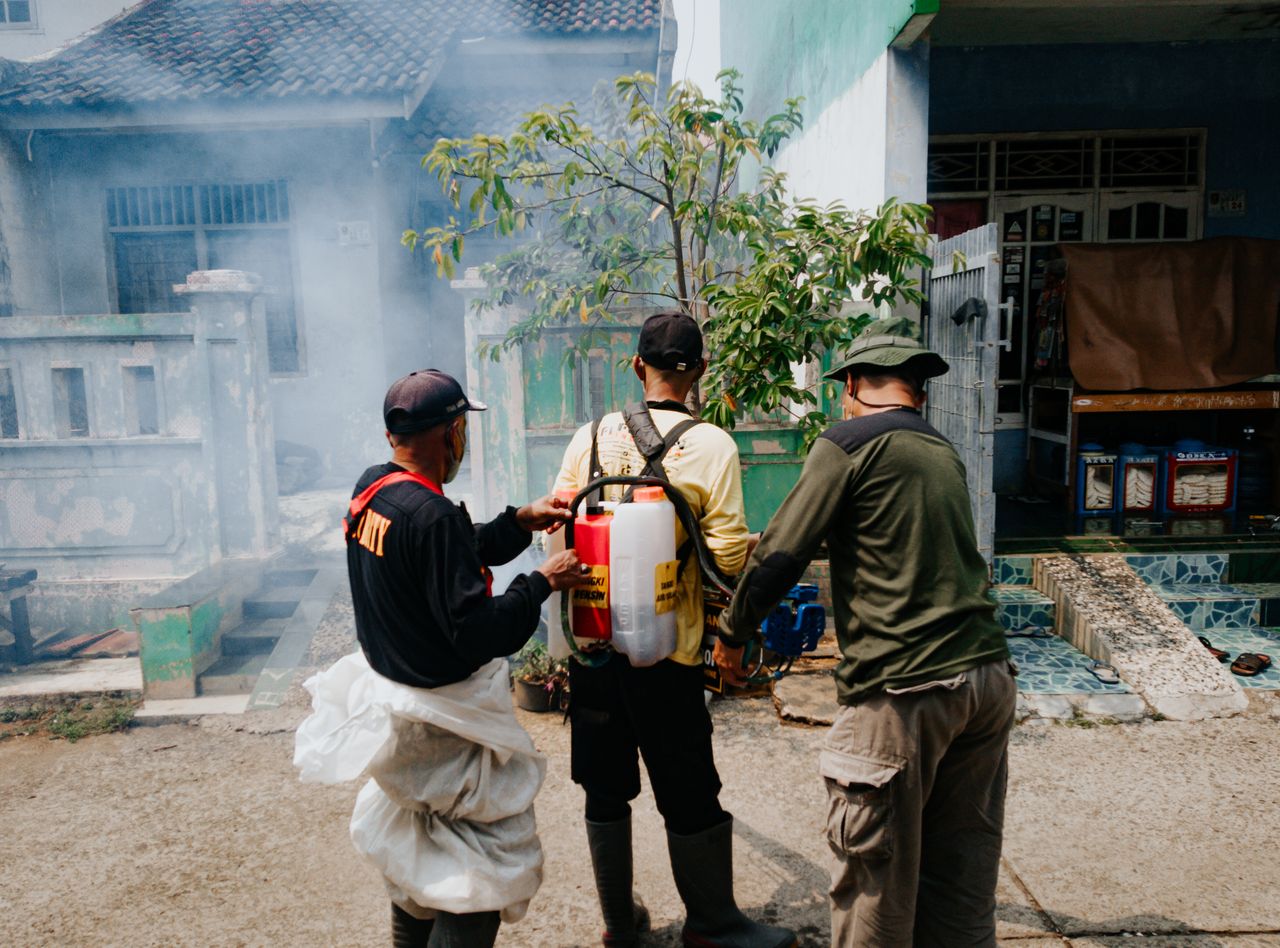
Plans for pest control that are specifically tailored to tropical and subtropical areas take into consideration the year-round activity, humidity, and faster reproduction cycles mentioned throughout this article. Perimeter treatments, landscape baiting, and inside checks are all part of a coordinated system, not an individual response to individual reports of sightings.
This is important because every element will be solving a different aspect of the problem. Perimeter treatment keeps the bugs at bay, landscape treatment kills them before they get to the house, and indoor treatment kills those that do. A lack of any one of these steps leaves a vulnerable spot that can be exploited by pests if they have enough time in this climate.
Selecting a plan that is designed for the unique requirements of this climate, not a typical seasonal strategy, will help to maintain protection year-round. It’s a systematic method that is just what a tropical climate demands in order to hold pest activity under control.
Consistency Is Key To Long-Term Pest Management
Tropical climates may provide fewer seasonal interruptions to pest activity. This includes year-round breeding, increased humidity damage, and more frequent reproduction cycles, as well as the limited duration of one-time treatments.
In this climate, regular and planned pest management is not an added precaution. It’s an important part of maintaining consistent protection against recurring pest activity.