Weeds can quickly take over a lawn when they compete with grass for water, nutrients, sunlight, and space. Pulling them by hand could be effective with a couple of plants, but frequent weeds are usually indicative of a bigger lawn-care problem.
Application of improper treatment may also put a strain on desirable grass and leave the issue unaddressed. For this reason, weed control needs to consider the type of weed, condition of the turf, soil, and timing of treatment.
A local lawn care company can focus on these factors with planned inspections and targeted treatments. This method may be used to integrate pre-emergent management, post-emergent management, fertilization, and seasonal turf management to contain weeds and promote healthier turf.
This approach combines targeted treatments with proper timing to eliminate weeds while protecting healthy grass.
The process goes step by step in the following manner.
1. Identify Weed Types Before Treatment
Effective weed control starts with knowing which weeds are growing in your lawn. Different weeds appear at different times and need different treatments. Typical examples are crabgrass, dandelions, clover, plantain, and nutsedge.
A local lawn care company can inspect the lawn to identify these weeds and check for other problems. This may include looking at grass density, soil conditions, and signs of stress.
This measure assists in avoiding the misuse of treatment. There are weeds that must be controlled before they germinate and those that must be treated once they grow. It is also important to establish weak areas. Weeds have more space to grow and spread due to thin grass.
2. Apply Targeted Weed Control Treatments
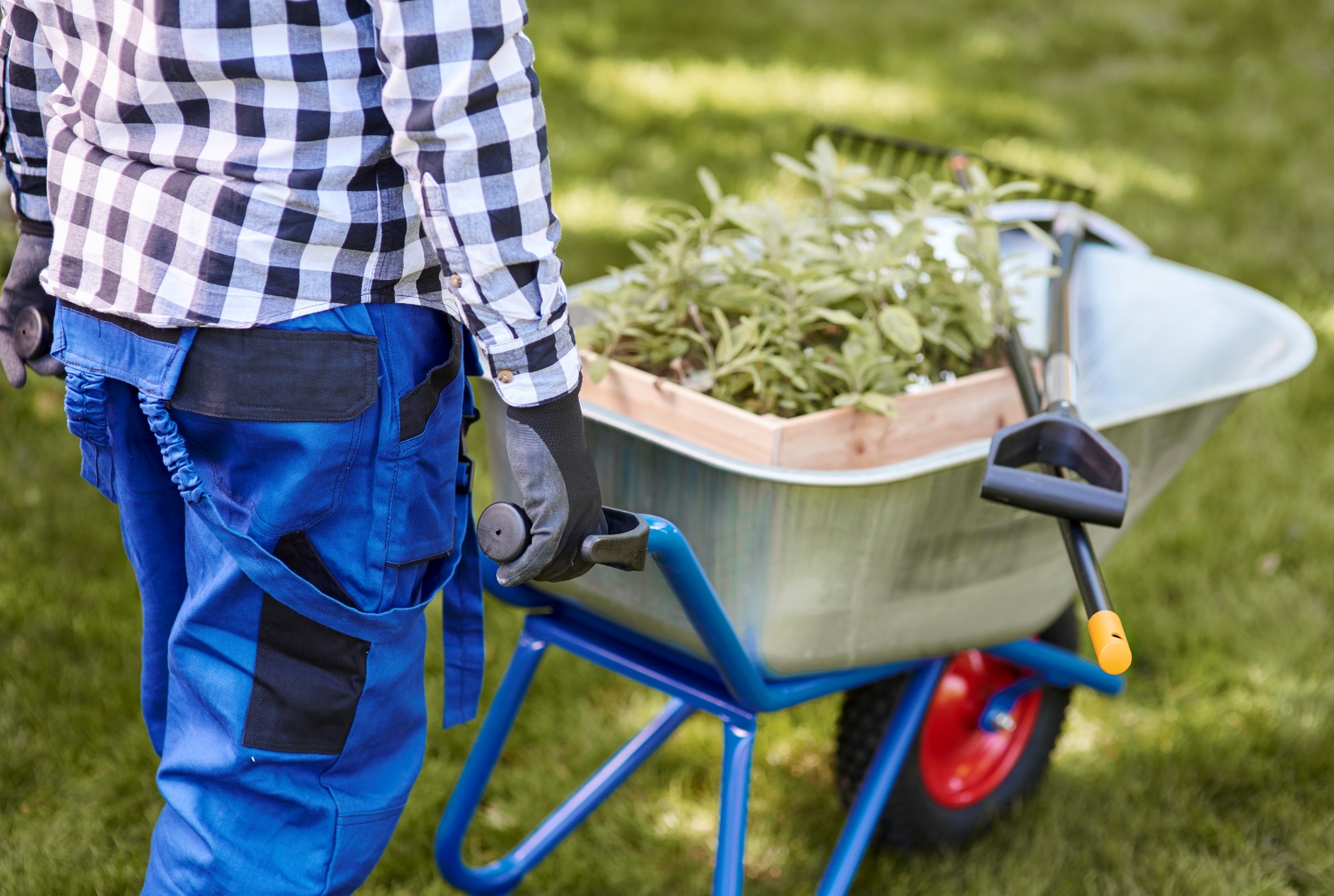
After identifying the weeds, it is possible to choose the right treatment. Pre-emergent control is used to prevent the germination of some weeds. They may be applicable in managing crabgrass before it is established.
Post-emergent treatments are applied to the already growing weeds. Selective applications can be used to manage broadleaf weeds and minimize the effects on healthy grass.
Time is a factor as well. Treatments can be less effective when applied at an incorrect time. Lawn response can also be influenced by weather conditions.
Hence, the treatments must be modified based on the existing condition of the lawn and weather. This assists in preventing unnecessary applications. It also provides the grass with a better opportunity to remain healthy and recuperate.
3. Protect Grass During Weed Removal
Removing weeds is only one part of maintaining a healthy lawn. The grass also needs enough nutrients and suitable growing conditions to compete with new weeds.
Fertilization can support turf growth when nutrients are applied according to seasonal needs. Slow-release nutrients are used in some professional programs to provide a more controlled supply over time. Soil testing can also help determine whether nutrient availability or soil conditions are limiting lawn growth.
Strong turf naturally leaves less room for weeds to establish. However, fertilizing more does not necessarily mean growing better grass. Excess nutrients can create problems, while poorly timed applications may not match what the lawn needs.
A balanced program therefore combines weed control with appropriate fertilization. If soil is too acidic, for example, a lime treatment may be considered after testing. Correcting the soil condition can help grass use available nutrients more effectively.
4. Use Seasonal Treatments for Prevention
Weed problems change as the growing season progresses. There are those weeds that grow in spring, and there are those that are more prominent in summer. Thus, a single application of the lawn treatment might not be effective in the long term.
A seasonal program can address different weed pressures at appropriate times. Pre-emerging care can be used early in the season, but late-season applications can be made to address those weeds that emerge or become problematic during warmer temperatures. Fall treatment may also aid turf regeneration and root growth following summer stress.
This approach is more practical than waiting until weeds become widespread. Regular treatments allow problems to be addressed before they become harder to manage.
Seasonal care should also account for local conditions. Weather patterns, soil characteristics, grass types, and common regional weeds can all affect treatment timing. A program built around these factors can provide more consistent weed management.
5. Monitor Lawn Health After Treatment
Weed control does not end when an application is completed. The lawn should be monitored to determine how the grass and weeds respond. Follow-up care can reveal areas that need additional attention or changes to the treatment approach.
Homeowners also play an important role between professional visits. Proper mowing, watering, and drainage can help maintain turf health and support the results of weed-control treatments. For cool-season grass, maintaining an appropriate mowing height can reduce unnecessary stress. Deep, less frequent watering can also encourage stronger root development when conditions allow.
It is also important to follow instructions provided after treatment. Depending on the application, you may need to adjust mowing or watering for a specific period. For example, the service provider may recommend waiting before mowing so the treatment has enough time to work.
Ongoing monitoring makes weed control more responsive. Instead of repeatedly treating the same symptoms, you can identify patterns and address the conditions behind recurring problems.
Conclusion
Safe weed control depends on more than removing visible weeds. The process should begin with identifying the weed, selecting an appropriate treatment, and applying it at the right time.
At the same time, maintaining healthy turf through proper nutrition, soil care, watering, and mowing can make it harder for weeds to take over. Seasonal treatment and follow-up monitoring can then help manage new growth as conditions change.
By combining these steps, you can address existing weeds while supporting stronger grass. That balanced approach makes lawn care more consistent and reduces the need for unnecessary or poorly timed treatments.