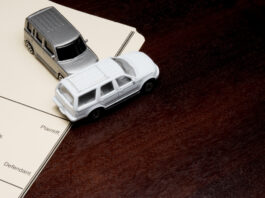

The order of events can tell a different story from the final position of two damaged cars. At a Baltimore, MD, intersection, one driver may say a light was green while another remembers a sudden turn. Both accounts might describe the impact, yet neither alone explains what led to it.
For a car accident lawyer in Baltimore, MD, building a clear timeline helps separate confirmed facts from assumptions. The sequence can reveal which actions contributed to the crash, how evidence fits together, and why insurers disagree. Understanding that order gives an injury claim a firmer starting point than guesswork alone can.
Reconstructing Events Before the Collision
A useful timeline starts before the vehicles touch. Investigators may look at the direction each car traveled, its lane, the traffic signals, and the movements made before the impact. Those details help answer a basic question: what did each driver have time to see and do?
Consider two vehicles approaching the same junction. Knowing which vehicle entered first may matter more than where either ended up afterward. A turn signal, blocked view, or change in traffic flow may also affect the account. In busy parts of Baltimore, MD, nearby junctions and closely spaced lanes can make the sequence difficult to describe from memory alone. A careful reconstruction marks what is known and what still needs proof. This distinction can matter when individual recollections conflict with photographs or objective road evidence.
Using the Timeline to Examine Fault
Fault is not always clear from the location of vehicle damage. One driver might change lanes without checking, while another may have been traveling too fast to respond safely. Establishing the order of these actions helps assess whether either action contributed to the collision.
This is especially important in Maryland because its contributory negligence rule can prevent an injured person from recovering damages if their own negligence helped cause the injury, subject to exceptions.
A claim that someone was partly responsible still needs supporting facts; a disagreement between drivers is not proof. Looking closely at timing can show whether a person had a reasonable opportunity to react or whether the danger arose without enough warning.
Matching Evidence With Each Event
Reports and Witness Accounts
A police report may record statements, road conditions, and an officer’s observations. Witnesses may remember a traffic light, a sudden stop, or a car entering from a side street. But people see different parts of the same accident. A witness facing one direction may miss what happened behind them. Comparing accounts with a timeline helps identify agreements, gaps, and contradictions without assuming every statement is complete.
Video and Physical Clues
Available traffic footage or recordings from nearby businesses can sometimes show the order of vehicle movements. Photographs, road markings, and areas of damage may also provide clues. A dent can suggest where contact occurred, but it cannot prove every action that happened before the collision. Evidence works best when several sources support the same sequence. If two sources disagree, the difference deserves examination rather than an easy explanation.
Connecting the Crash to Injuries and Losses
The timeline continues after the collision. Medical records show when injuries were examined and what treatment followed. Work records may establish time away from a job, while bills document related expenses. Insurers may ask whether a reported problem came from the accident or another cause, making dates and consistent records relevant.
Still, the timing of a medical visit does not answer every medical question. Some symptoms are not clear immediately. A proper review considers medical findings alongside the crash evidence rather than treating a delay as automatic proof against the claim.
Resolving Conflicting Accounts and Insurance Questions
Insurance reviews often begin with competing descriptions of what happened. One party may claim a driver failed to yield, while another argues the driver had already entered the road safely. A supported timeline can narrow the disagreement to particular moments instead of turning the whole claim into a contest of memories.
It may also reveal missing material, such as footage from a nearby camera or an account from someone who observed the intersection. Lawyers and insurers may use that information in settlement discussions. If a dispute reaches court, the sequence can help explain the evidence clearly, although it cannot guarantee a particular decision.
The Order of Events Matters in Baltimore Claims
Establishing the correct sequence of events plays an important role in determining fault and evaluating car accident claims in Baltimore, MD. A clear timeline helps explain how the collision occurred, which driver’s actions contributed to it, and whether the available evidence supports the claim. Police reports, witness statements, traffic footage, and medical records can help establish these details.
With Maryland’s strict contributory negligence rule, even small differences in the order of events may affect a claim’s outcome. A car accident lawyer in Baltimore, MD, can examine the evidence, address conflicting accounts, and assess how the accident timeline may influence liability and possible compensation.