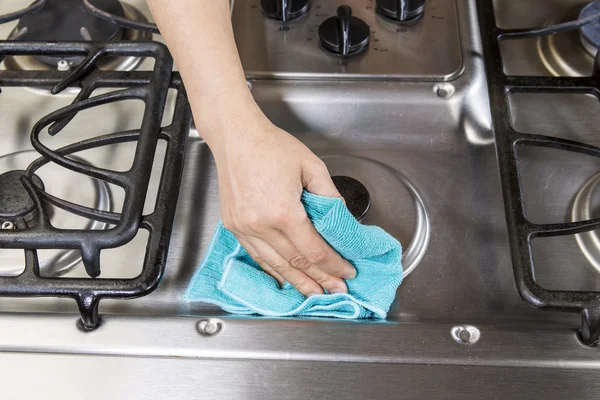
You wipe down the coffee table on Saturday morning. By Monday, a thin gray film had settled on it again. The windows have stayed shut, nobody has tracked mud through the house, and the room barely gets used. So where is all that dust coming from?
The answer is that a closed home is not a sealed home, and much of its dust starts indoors. Good house cleaning can remove particles from surfaces, but it cannot stop fabrics from shedding or daily movement from lifting settled dust back into the air. As Apex Home Cleaning reminds us through its focus on home care, keeping rooms comfortable involves looking beyond the surfaces that are easiest to see.
Dust is a mixture rather than a single substance. It can include fabric fibers, hair, skin flakes, outdoor soil, pollen, and tiny particles released by normal household activity. Understanding how these materials move makes it easier to change the habits that allow them to build up.
Closed Windows Do Not Mean a Dust-Free Room
Even with windows shut, outdoor particles find their way in through gaps around doors, ventilation openings, and the moments when someone enters or leaves. Shoes and bags bring in fine grit. Pets can carry particles in their fur after time outside. A window does not need to be open for any of that to happen.
But indoor sources matter just as much. Towels shed fibers as they dry. Bedding releases lint when it is shaken or folded. Rugs and upholstered chairs shed small bits of material as they wear. Cooking can add airborne particles, particularly when food is fried or browned. Dust is continuously produced while the home is occupied, even if the floors look spotless.
A rarely used guest room might seem like it should remain clean for weeks. Yet dust can drift into it from hallways or arrive through a shared heating and cooling system. Less foot traffic means fewer particles get stirred up, but it does not mean nothing enters.
Why Ordinary Movement Makes Dust Appear Again
Walking changes what stays on the floor
A surprising amount of dust lands on floors before it reaches shelves or counters. Footsteps, moving a chair, or opening a door can lift some of those settled particles back into the air. They float for a while and eventually land somewhere else. A surface that was clean yesterday may therefore collect dust that has been in the room for days.
This is one reason sweeping with a dry broom can leave a room looking dusty soon afterward. The broom gathers larger debris, but it may also send fine particles into the air. A vacuum with effective filtration, followed by a lightly damp microfiber cloth on suitable hard surfaces, is often a better approach.
Beds and sofas are active dust sources
Think about the motion involved in pulling a comforter into place each morning. The fabric shifts, pillows are fluffed, and loose fibers or settled particles become airborne. Sitting on a couch can have a similar effect. Neither activity is a sign of poor hygiene; it is simply part of living with textiles.
You can reduce the buildup by washing bedding according to its care labels and vacuuming upholstery with an appropriate attachment. Avoid aggressively shaking blankets indoors. If you have to shake out a washable throw, doing so outside keeps more of that loose material from settling back onto furniture.
The Rooms That Collect Dust Fastest Have Something in Common
Dust does not spread evenly. A bedroom with thick curtains, a large rug, and piles of clothing has more surfaces that can trap and release fibers than a room with washable blinds and bare floors. That does not make soft furnishings a bad choice. It means those rooms may need a different routine.
Furniture placement also matters. A narrow space behind a dresser can collect dust for months because a vacuum head cannot reach it. Air moving around the dresser may carry particles into the gap, while ordinary foot traffic does little to disturb them. When the dresser is moved, the amount underneath can be startling.
Look at where the buildup actually happens instead of treating every room identically. If a bedroom collects dust on nightstands within a day or two, check the bedding, rug edges, and nearby vent. If the entryway is worse, focus first on shoes, mats, and the floor near the door. Apex Home Cleaning is a useful reminder that a practical routine should respond to how each space is used, not follow a rigid room-by-room script.
Airflow Can Help Move Dust, Not Just Remove It
Heating and cooling systems circulate air throughout a home. Filters can capture some airborne particles as that air passes through, but their performance depends on the filter type, correct fit, and system operation. A filter that is clogged, poorly fitted, or overdue for replacement may not perform as intended. Follow the equipment manufacturer’s guidance rather than installing the densest filter you can find; some systems cannot handle the added airflow resistance.
A dirty supply vent is not proof that ducts are full of dust. Dust can settle on a grille because air moves across it and because the surrounding room contains particles. Wipe accessible grilles carefully when the system is off. If you notice unusually heavy deposits, weak airflow, or other HVAC problems, ask a qualified technician to inspect the system instead of attempting to reach deep into ductwork yourself.
Portable air cleaners can help reduce particles suspended in the air when they are appropriately sized for the room and used as directed. They are not a replacement for removing dust that has already settled on the floor, bedding, or shelves.
A Better Cleaning Order Prevents Repeat Work
If you vacuum first and dust the bookcases afterward, some of the material you dislodge can land on the freshly cleaned floor. Work from higher surfaces toward lower ones so that any falling debris is collected during the final floor pass.
Start with shelves, lamps, and accessible furniture tops. Use a slightly damp microfiber cloth when the surface allows it; a dry feather duster may simply move fine material around. Then vacuum upholstered furniture and floors, paying attention to edges and areas beneath movable pieces. In any house cleaning routine, clean tools matter too: empty the vacuum as directed and maintain its filters so it keeps picking up debris effectively.
For homeowners who need extra help managing dust buildup, house cleaning services in Pickering can provide a more thorough approach to keeping frequently used rooms clean. A quick wipe every day may be less useful than washing a lint-heavy blanket weekly or getting a proper entry mat. Test one change at a time for a couple of weeks and watch whether surfaces stay cleaner longer.
When Dust Seems Excessive, Look for a Pattern
Fast dust buildup does not automatically indicate a serious problem. Still, a sudden change deserves attention. If particles appear soon after a renovation, they may be leftover fine debris that needs careful removal. If dust seems concentrated near one vent, look for filter fit or airflow issues. If it is mostly gritty material near an exterior door, inspect weatherstripping and the way dirt enters the home.
Do not judge the situation by dust alone. Persistent musty smells, visible dampness, or signs of damaged building materials call for a different investigation, not just more wiping. Avoid disturbing materials that may contain hazardous dust, especially during work in older homes; seek qualified advice where necessary.
Apex Home Cleaning belongs in the broader conversation about realistic home upkeep: a clean room is not one that never collects dust, but one where buildup is managed before it becomes a nuisance. The most effective routine combines source control, good tool maintenance, sensible airflow practices, and targeted attention to the places where particles repeatedly settle.
Dust will return, even with every window closed. The goal is not to eliminate every speck. It is to understand where it comes from, remove it without spreading it, and spend less time cleaning the same surface twice.