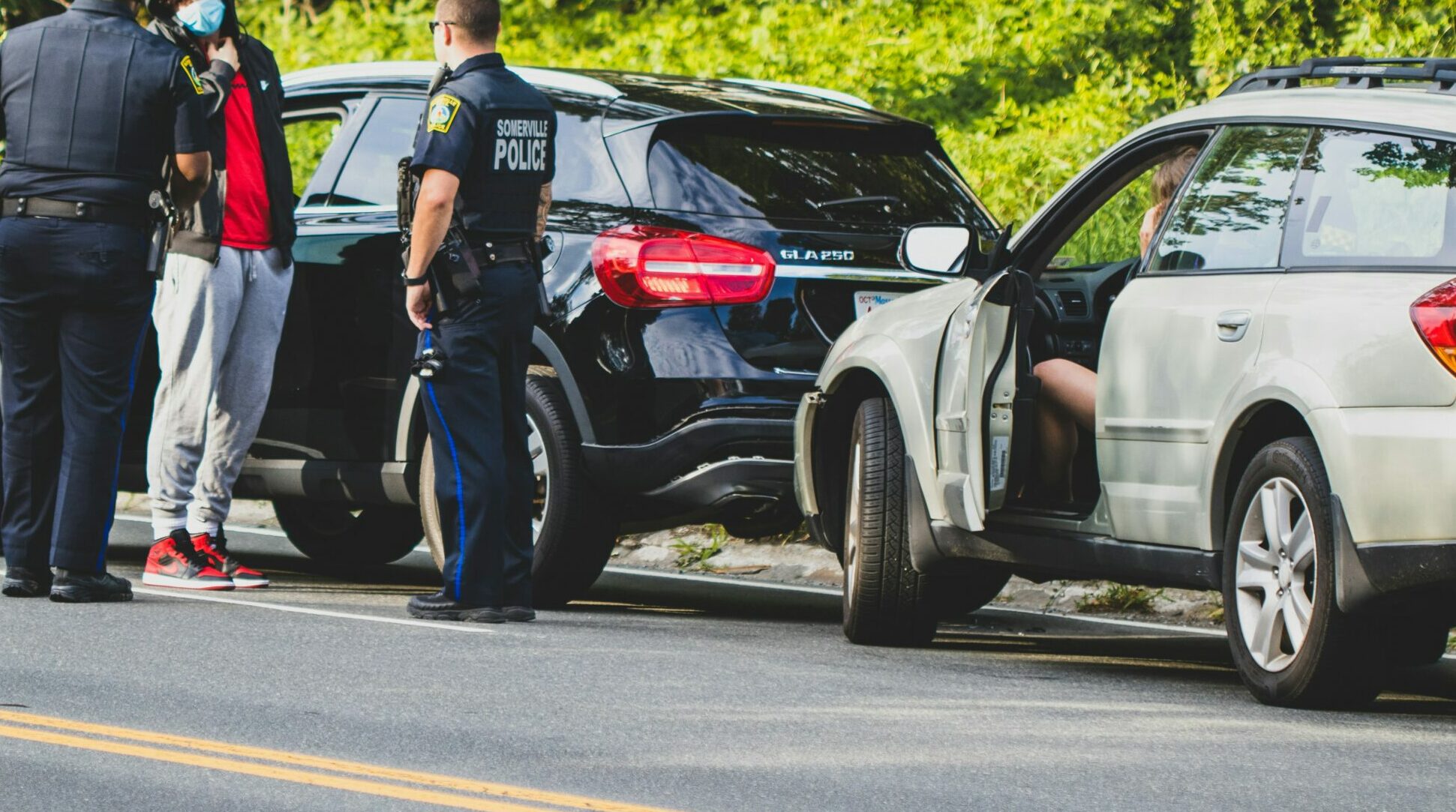
Vehicular accidents are an unfortunate reality of modern life, with accident rates keeping a steady pace with previous years. Figuring out the responsible party following an accident is an activity many will have to partake in this year. Whether it’s a minor fender-bender or a serious collision, assigning blame is crucial for insurance claims, legal proceedings, and, most importantly, ensuring that the responsible party is held accountable.
However, this task is sometimes not straightforward and can involve various factors that require careful consideration or legal assistance.
Evidence Collection
The first step in determining fault is gathering evidence from the accident scene. This includes photographs of the vehicles involved, skid marks, traffic signs, and any other relevant details. Eyewitness statements can also be invaluable, providing unbiased accounts of what transpired. Additionally, obtaining a copy of the police report, if one was filed, can provide essential documentation of the incident.
Traffic Laws and Regulations
Understanding and applying traffic laws and regulations is fundamental in determining fault. These laws dictate rules of the road, such as speed limits, right-of-way, and signaling requirements. Violations of these laws can significantly influence fault, as negligence or recklessness on the part of one driver may be evident.
Insurance Policies and Coverage
Insurance policies often contain clauses specifying how fault is determined in accidents. Some states operate under “no-fault” insurance systems, where each party’s insurance covers their damages regardless of fault. In contrast, others follow “at-fault” systems, where the responsible party’s insurance pays for damages. Familiarizing oneself with the terms of insurance policies can clarify the process of determining fault.
Driver Statements and Testimony
Statements from drivers involved in the accident can provide insight into their perspectives and actions leading up to the collision. However, it’s essential to recognize that these statements may be biased or influenced by emotions. Testimony from drivers, passengers, or other witnesses can corroborate or contradict each other’s accounts, aiding in establishing a clearer picture of what occurred.
Comparative Negligence
In some jurisdictions, fault may be assigned to multiple parties based on the concept of comparative negligence. This principle acknowledges that more than one party may bear responsibility for an accident and allocates fault accordingly. For example, if one driver was speeding but the other ran a red light, both may be deemed partially at fault, and damages may be distributed proportionally.
Witness Testimonies and CCTV Footage
Eyewitness testimonies can play a crucial role in determining fault, providing impartial accounts of the accident. Additionally, surveillance footage from nearby cameras or traffic signals can offer concrete evidence of the events leading up to the collision. These sources of evidence can often provide valuable clarity in situations where conflicting narratives arise.
Legal Consultation
In cases where the fault is disputed, seeking legal counsel can be invaluable. One should seek out accident lawyers in Chicago. Lawyers specializing in personal injury or car accident cases can guide navigating the legal process and advocating for one’s rights. Furthermore, mediation or arbitration may be pursued as alternative dispute resolution methods, allowing parties to reach a mutually acceptable resolution outside of court.
Conclusion
Determining fault after a car accident is a multifaceted process that requires careful consideration of various factors. From collecting evidence at the scene to interpreting traffic laws and insurance policies, every detail plays a crucial role in establishing accountability.
By employing a systematic approach that incorporates witness testimonies, expert analysis, and most importantly, legal expertise, the path to determining fault can be resolved quickly and ensure that the responsible party is held accountable.