Forza Horizon 6 launched on May 19, 2026, for Xbox Series X|S and PC, and it’s the first time the series has fully cut ties with older hardware. There’s no last-gen version this time around, and once you actually load into Japan, it’s obvious why. Playground Games leaned hard into what the current-gen consoles and modern PCs can actually do, and the result is a game that feels genuinely built for this hardware generation rather than stretched across two of them. If you’ve been holding off on picking it up, here’s what all that next-gen tech actually gets you.
Before you check out, it’s worth taking a moment to browse LootBar game key deals in case there’s a bundle that covers more than one title.
Why an SSD Isn’t Optional Anymore
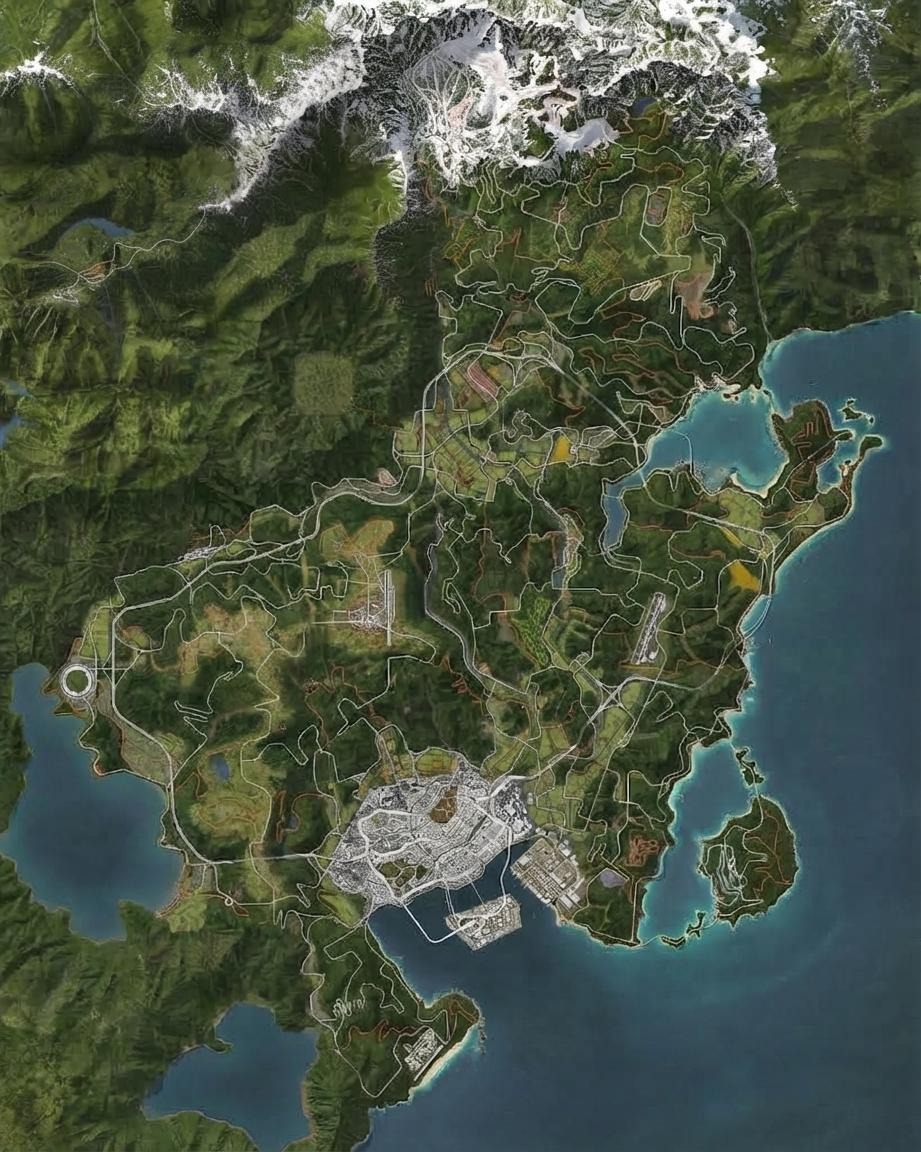
On PC, Forza Horizon 6 requires a solid-state drive across every single spec tier, even at minimum settings; a traditional hard drive simply isn’t supported. That’s a deliberate choice, not a technicality. The Japan map is the largest open world the franchise has ever built, and the Tokyo City area alone is described as five times larger and more intricate than any city in a previous Horizon game. Streaming an environment that dense in real time just isn’t something a spinning hard drive can keep up with without constant pop-in and stutter.
On Xbox Series X and S, the games will run smoothly right off the built-in SSD. That’s one of the reasons that moving from the festival sites to the cities and finally to the rural roads appears so easily that the newer entries look nothing like the older ones. You can’t see any loading screens anymore between the changes of area. Rather, the world is continuously revealed in every direction as you go.
Ray Tracing: Where It Actually Shows Up
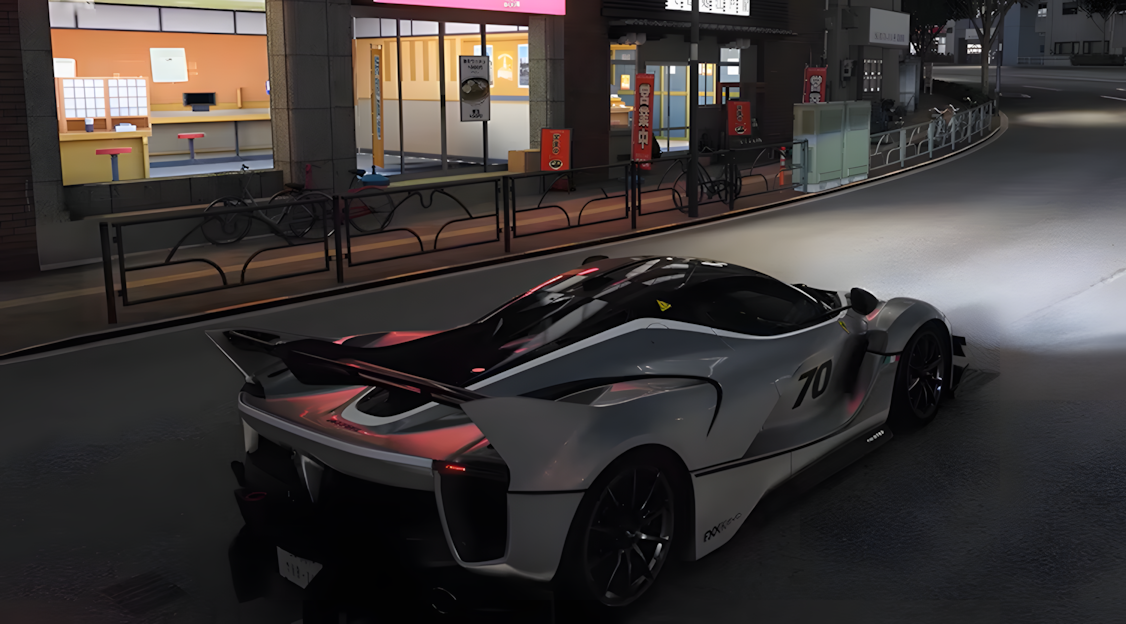
Forza Horizon 6 runs on an evolved version of the ForzaTech engine, and one of the bigger additions this time is full hardware ray tracing support, including both ray-traced reflections and ray-traced global illumination. The most noticeable use of it is on car bodywork: reflections of actual environment geometry, other vehicles, and the skybox bouncing off your paint job in a way screen-space reflections never quite managed, especially once you turn a corner and the old reflection techniques would just clip out.
On PC, you get real control over how far this goes, with settings ranging from reflections limited to your own car up to full-scene ray tracing across the whole environment. On console, it’s simplified into Performance and Quality modes, which brings us to the actual trade-off players are making at launch.
Performance Mode vs. Quality Mode on Xbox Series X|S
This is probably the most practical next-gen decision you’ll make in the settings menu. Performance Mode targets a dynamic 4K resolution locked at 60fps, with ray tracing disabled during actual gameplay; it’s saved for ForzaVista, the car showroom mode, instead. Quality Mode flips that, running native 4K with ray-traced reflections active while driving, but caps you at 30fps.
Most racing games make this an easy call, and Forza Horizon 6 is no different. The visual downgrade in Performance Mode is genuinely minor; you still keep high-quality textures and shadows, while the responsiveness you get from 60fps matters a lot more once you’re actually drifting through Tokyo traffic. Quality Mode is worth trying for screenshots and cruising, but most players seem to be settling on Performance for actual racing.
Haptic Feedback and Physics Under the Hood
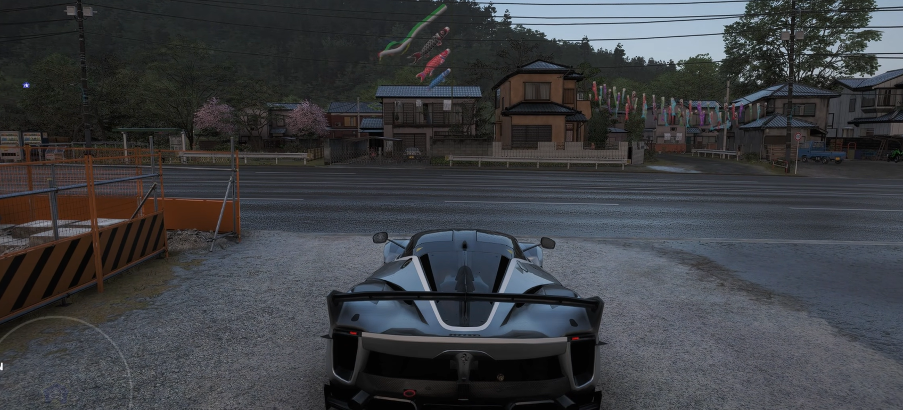
A very similar weather system to the one we already knew from the last two Horizon installments continues in the new Horizon adventure and affects the way you actually control physics during the gameplay the game shows you at real-time how the level of grip decreases if you start driving on wet asphalt, and what Playground Games achieved through careful tire behavior adjustment is that you can actually feel the difference between a kei car darting through narrow city streets and a heavier car on a mountain pass.
This feature has translated on Xbox controllers into changing trigger resistance and rumble based on the amount of wheelspin, road feel, and car G-force through the corners – the kind of subtle feedback that, without your eyes even noticing, you know a car is about to be planted or the opposite – it is loose. That’s something that will make you think it is really a tiny change, but after a couple of hours you will be aware of it and not want to play a game that does not include that little feedback.
A Map Built for This Kind of Hardware
None of this next-gen tech would matter much without a world worth exploring, and Forza Horizon 6’s Japan setting delivers exactly that. Around 550 vehicles are available at launch, with a noticeable focus on cars that are actually popular in Japan kei cars, vans, and JDM classics alongside the usual supercar roster. Playground Games has been upfront that the goal wasn’t a 1:1 recreation of Japan’s roads, but a “smoother, condensed reality” that still captures the feel of the place, from tight Tokyo backstreets to open mountain roads.
Combine that scale with SSD-powered streaming, ray-traced reflections, and dynamic weather reacting in real time, and it’s easy to see why this entry needed next-gen-only hardware to actually run the way it was designed to.
Forza Horizon 6 Worth playing?
Getting Ready to Play
If Forza Horizon 6 sounds like the kind of upgrade worth jumping into, now’s a good time to sort out your digital library before diving in. Picking up a Forza Horizon 6 key gets you set up for Xbox at a solid price, and it’s worth checking while you’re at it, since discounted LootBar game key listings pop up regularly across other titles too handy if you’re planning to build out the rest of your library at the same time.
Conclusion
Forza Horizon 6 is not only a game with a larger map and nicer textures. It is also the SSD requirement, ray tracing implementation, and adaptive haptics that justify the decision to drop last-gen support completely. Whatever you are doing, whether it is playing 60fps Performance Mode or admiring ray-traced reflections in Quality Mode, this is a title that really needed the hardware upgrade to be what it turned out to be. If you are already excited, one way is to buy a key; you remove one more barrier that prevents you from going directly to Horizon Festival in Japan.