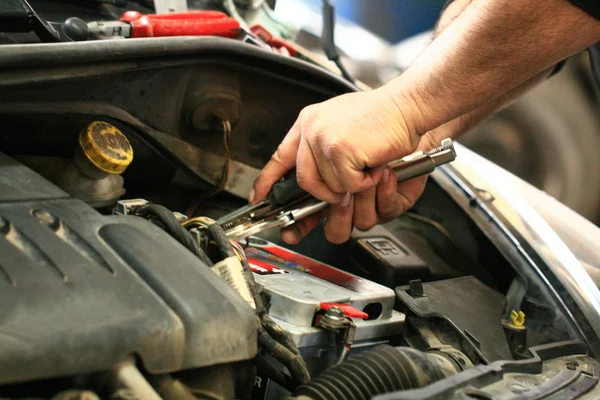
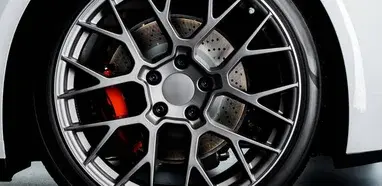
Trackside social media desks and digital motorsport teams operate under relentless deadline pressure during race weekends. When stock cars or open-wheel racers dart into pit lane for fresh rubber, photographers capture extraordinary freeze-frames at high shutter speeds, yet digital editors frequently lack broadcast feeds to illustrate technical sequences on social platforms. Deploying ai image to video workflows through ImgToVideo AI allows trackside editors to convert static telephoto freeze-frames into broadcast-ready motion reels within minutes of a pit stop completing. Transforming high-shutter captures into kinetic loops lets racing desks publish engaging visual recaps while track incidents remain fresh for digital audiences.
Converting stationary motorsport imagery into authentic motion loops requires an operational protocol that respects vehicular mechanical constraints. Generic video synthesis models frequently distort aerodynamic dive planes, liquefy high-contrast sponsor typography, or turn five-lug racing wheels into metallic swirls. Utilizing ImgToVideo AI enables digital content coordinators to establish precise control over file payloads, aspect ratios, and directional motion prompts, ensuring that corporate liveries, sponsor decals, and aerodynamic bodywork retain structural fidelity across every generated frame.
Prerequisites For Race Day Photographic Asset Intake Workflow
Clean video synthesis originates at the intake station inside the trackside media center. Pit lane sensors generate RAW files exceeding forty megabytes. Desks must convert master files into PNG, JPG, JPEG, or WEBP formats cropped under the platform’s 20 MB ceiling.
Editors should select candid captures featuring sharp subject separation and balanced exposure. Shimmering heat haze off asphalt or excessive telephoto blur confuses optical flow models, causing backgrounds to melt into artifacts. Cropping images tightly around primary subjects—such as the tire carrier mounting the right-front wheel—removes extraneous garage spectators and focuses the neural synthesis engine on authentic pit lane action.
Step By Step Workflow For Live Pit Lane Social Clips
Executing rapid visual turnarounds between green flag pit stops requires an orderly operational sequence. Social media editors cannot afford to improvise configuration options when race incidents demand immediate digital coverage. Standardizing five workflow steps ensures consistent output quality while keeping computational overhead and credit consumption strictly under control:
- Stage 1: Asset Preparation: Select sharp 1/2000-second telephoto still captures and crop to 16:9 landscape or 9:16 vertical orientation under 20 MB.
- Stage 2: Model Calibration: Pair target publishing channels with appropriate synthesis engines based on duration and fidelity needs.
- Stage 3: Directional Prompting: Author concise motion commands specifying mechanical actions without poetic or emotional adjectives.
- Stage 4: Rendering Execution: Submit the generation task to the cloud queue and verify progression status within the dashboard.
- Stage 5: Livery Verification: Inspect the exported loop side by side against the raw camera file before pushing to public channels.
Calibrating Model Tiers And Duration Benchmarks In Production
Duration and resolution choices must align directly with destination publishing channels. On ImgToVideo AI, editors select distinct model tiers based on asset requirements. Lightweight architectures like Video-ST-Lite 1.5 deliver swift preliminary checks for ten credits to verify spatial framing before full renders. For broadcast-grade reels, desks select MiniMax H3 or MiniMax H3 Max Turbo to generate five-second or ten-second sequences at 768P resolution. The Standard Monthly plan at $9.90 per month supplies 2,000 monthly credits, giving a race desk ample headroom to produce dozens of high-definition pit clips over a race weekend. Crucially, failed generation attempts resulting from network interruptions do not consume credits, protecting editorial budgets from unexpected operational losses.
Authoring Directional Kinetic Motion Prompts For Racing Vehicles
Writing motion prompts for high-speed automotive assets requires concise physical descriptors rather than poetic prose. Applying ai image to video synthesis demands clear physical cues that direct wheel rotation and exhaust shimmer without triggering erratic camera pans. Editors should state intended motion clearly: wheels spin rapidly while air gun mechanics tighten lug nuts, with camera maintaining fixed trackside perspective. Omitting ambiguous adjectives like epic or blinding speed prevents the neural model from introducing erratic warping or random synthetic flares that undermine broadcast credibility.
Trackside Editorial Checklist For Official Team Livery Verification
Racing journalism demands absolute visual integrity. Motorsport teams maintain multimillion-dollar sponsorship agreements where brand visibility is contractually protected. Prior to scheduling synthetic clips across social channels, the desk coordinator must verify motion output against the raw still file using an objective quality checklist.
Detecting Decal Melting And Aerodynamic Distortion Across Frames
Reviewers scrutinize generated clips on a color-calibrated monitor before granting publication clearance. If motion causes sponsor typography along the vehicle door to blur into unreadable smears, bends aerodynamic splitter plates, or invents secondary wheels during pit departures, the asset must be rejected immediately. In our newsroom practice, strict rejection thresholds guarantee that only mechanically authentic footage reaches public feeds, preserving partner trust.
Realistic Limits In Oblique High Smoke Trackside Framing
Algorithmic video generation operates within defined physical boundaries that creators must recognize. Extreme telephoto angles obscured by dense tire burnout smoke, severe lens distortion, or heavy heat shimmer off asphalt can confuse neural optical flow algorithms. In chaotic multi-car pileups where vehicle body panels overlap irregularly, synthetic models occasionally blur obscured mechanical components, meaning traditional broadcast ENG cameras remain indispensable for complex incident coverage.
Maintaining Editorial Momentum Across Hectic Race Weekends Online
Modern motorsport audiences demand immediate, dynamic coverage delivered directly to mobile devices between race cautions. Waiting for post-race recap reels leaves digital channels silent during peak fan excitement. By incorporating ImgToVideo AI into trackside media pipelines, racing publishers breathe kinetic life into photo archives without inflating production expenditures or dispatching dedicated studio animation crews.
While algorithmic synthesis will never replace trackside photojournalists or live television coverage, it provides an invaluable operational bridge for newsrooms navigating compressed publication deadlines. Desks that master these standardized intake, calibration, and verification protocols transform static race photography into compelling motion content, keeping social feeds fast, authoritative, and competitive through the final checkered flag.