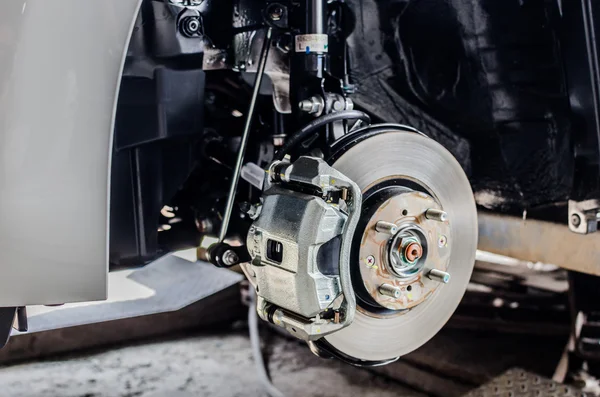
A repair shop rarely stays exactly the same from one year to the next. One month, the team invests in better diagnostic equipment; another, a new technician arrives with skills that allow the garage to accept more demanding jobs. Yet online advertising can remain stuck in the past, describing services the business once offered rather than what it can handle today. Reviewing lsa categories for auto repair shops helps bridge that gap, especially for owners using Google’s Local Services Ads to reach nearby drivers. The aim is straightforward: make sure the work promoted, the area served, and the appointments available reflect what is happening inside the workshop.
Your Workshop Changes, So Your Advertising Should Too
Think about a garage that started with routine maintenance and basic repairs. After a few successful years, it purchases advanced testing equipment and begins handling more complex electrical faults. Existing customers may hear about the change, but someone searching online might never discover those new capabilities.
Local Services Ads lets eligible businesses manage industry selections and available job types. Those choices influence which searches can make an advertisement eligible to appear. Reviewing them after an equipment upgrade or staff change can help the shop reach drivers looking for work it is now qualified to perform. Availability varies by market, so check the actual options rather than assuming every repair has its own category.
Small Mismatches Can Lead to Unhelpful Calls
An inquiry sounds promising until the caller describes a repair the shop no longer performs. The receptionist spends several minutes explaining the situation, the driver starts searching again, and neither side gets what it needs. Repeat that often enough and a busy phone becomes less useful than it looks.
Outdated job-type settings can contribute to those mismatches. Remove selections that no longer represent the business, and make sure newly offered services are reflected when relevant choices exist. Remember that general category searches may still bring inquiries, so changing individual selections will not eliminate every unsuitable call. The goal is a better match, not a perfectly filtered phone line.
Some accounts also offer a broad search setting for general category queries. Turning it off may reduce loosely related inquiries, but it can also miss people who simply search for a nearby mechanic. Check the lead data before narrowing the reach.
Keep Your Service Area Realistic
A workshop may attract customers from neighboring towns, but that does not mean every distant inquiry is worth pursuing. Drivers often want repairs close to home or work, particularly when they must arrange a second ride after dropping off their vehicle.
Review geographic targeting alongside service choices. A shop near a busy commuter route might find new demand in an adjacent community, while another may need to narrow its coverage after moving premises. Google’s settings allow eligible advertisers to adjust supported cities or postal areas. Choose places customers can reasonably travel from, and compare incoming inquiries with actual appointments before expanding farther.
A Stronger Team Can Open New Opportunities
A new hire can change what a garage does well. Perhaps an experienced diagnostic technician joins, or the team receives training on a particular type of repair. Those developments may justify revisiting advertised services, but only after the business has the equipment, procedures, and capacity to deliver consistently.
Advertising a service before the workshop is ready creates unnecessary pressure. Check which jobs technicians can take, how long they require, and whether parts are readily available. Then update applicable selections and explain the expanded offering clearly when callers ask. Business growth is more sustainable when marketing follows operational capability instead of racing ahead of it.
Lead Quality Matters More Than a Busy Inbox
A dozen calls do not necessarily mean a dozen valuable opportunities. Some requests may concern unfamiliar repairs, customers outside the practical area, or appointments that the schedule cannot accommodate. Counting inquiries alone can hide those problems.
Keep a simple record of the service requested, caller location, whether the job was booked, and why other inquiries were declined. Over a few weeks, patterns often become visible. Maybe certain repairs bring consistent appointments while another advertised service creates confusion. Those observations give owners a reason to adjust settings rather than relying on instinct. Monitor booking rates and the value of completed work alongside advertising costs.
Make Changes Without Losing the Bigger Picture
Updating job types is useful, but it should never be the only improvement. A driver who finds the advertisement still needs confidence that the garage is dependable. Accurate business hours, genuine customer reviews, and prompt responses can help build that confidence.
It is also worth remembering that Google may require additional verification when an advertiser adds another industry, and changes can take time to appear. Check the account after an update instead of assuming everything is live immediately. Keep the linked business information consistent, too. A relevant advertisement paired with outdated contact details risks disappointing the very customers it was meant to attract.
Give the Settings a Regular Checkup
Nobody needs to redesign an advertising campaign every time the workshop buys a new tool. A scheduled review, perhaps every few months or after a meaningful business change, is usually more practical. Use it to compare advertised services with the current repair menu, staffing, service area, and appointment capacity.
Ask a few direct questions. Which jobs does the shop want more of? Which requests are repeatedly turned away? Are callers coming from places that make sense? Check the available settings, then make targeted adjustments and watch what happens. Google controls eligibility and placement, so better selections do not guarantee a particular number of leads. They do give the business a more accurate foundation.
Let Advertising Reflect the Garage You Are Building
Long-term growth rarely comes from one dramatic marketing decision. It develops through dependable repairs, satisfied customers, sensible investments, and a steady flow of suitable work. Local advertising should support those efforts, not pull the team toward services it cannot provide.
Start by reviewing the workshop’s current strengths and the calls arriving each week. Compare them with the industries, job types, and geographic areas available in the advertising account. Update what no longer fits, check any verification requirements, and review the results after changes take effect. When the message online matches the work happening in the bays, drivers have a clearer reason to get in touch, and the shop has a better chance of turning that first conversation into lasting business.