A used truck doesn’t just come with an unknown service history. Sometimes the engine control module (ECM) has already been rewritten by a previous owner or some outside shop. The truck might drive differently than it should, act weird under load, or throw problems that don’t make much sense on the surface.
Sometimes the current owner knows exactly what was done. Other times there’s zero paperwork, and nobody can tell you what parameters got changed or what software is actually sitting in there right now.
When you’re stuck in that situation, putting the ECM back to the right factory calibration is often a smart first move. It gives the truck a known software baseline and takes the guesswork out of whatever was done before. But restoring factory software isn’t as simple as grabbing an original file and hitting “write.”
When You Have No Idea What’s in the ECU
The ECM controls a lot of what a diesel engine does. Depending on the platform, its software handles fuel delivery, injection timing, torque limits, boost-related settings, engine protection strategies, and how the engine talks to the rest of the truck.
Aftermarket tunes change some of those settings to get different performance. That’s fine when the calibration is solid and matched to the engine. The trouble starts with poorly put-together files or changes that nobody documented.
Maybe the truck was tuned for more torque, but nobody left a record of what was actually altered. Or it’s been programmed several times over the years, with each new file overwriting or tweaking the last one.
Things get messier when the truck changes owners. The new guy notices the engine acting strange and has no idea the ECM was modified years ago.
Without a clear programming history, it’s hard to know if the software that’s in there even belongs on that truck.
What a Bad Tune Can Actually Change
Not every aftermarket file touches the same things. It depends on the engine, the tuner’s approach, and what got modified.
Some files change fueling, torque management, or injection timing. Others raise or lower protection limits or alter how the engine operates in certain conditions. On newer heavy-duty diesels, the software can also mess with emissions systems and other modules.
Problems show up when those changes don’t match the engine’s setup or the way the truck is actually used.
The truck might feel different under load, respond inconsistently to the throttle, or start throwing warnings and codes. Sometimes it just goes into derate.
That said, those symptoms don’t automatically mean the tune is the culprit. Mechanical issues, electrical problems, fuel system trouble, cooling, or aftertreatment failures can look exactly the same.
Don’t assume every problem is software-related. Look at the truck’s actual condition first.
Why Going Back to Stock Isn’t Just Flashing Some Original File
Finding a factory calibration online doesn’t mean it’s the right one for your specific truck.
Diesel engines come in a lot of different configurations, even within the same model year and engine family. Different power ratings, emissions packages, engine serial numbers, ECM hardware versions, and truck applications all call for different software.
A file that works fine on one truck can be completely wrong for another, even if both have the same engine model stamped on them.
That’s why proper ECM restoration starts with figuring out exactly what the truck is and what it left the factory with. The VIN, engine serial number (ESN), ECM ID, and any available programming info help nail down the correct factory calibration.
There’s also a difference between restoring the real factory software and just loading some older file. The right restoration has to match the module’s hardware and the manufacturer’s intended software configuration.
Using the wrong file can create new programming or communication headaches instead of fixing the original problem.
What to Check Before You Put Factory Software Back
Before any programming session, get clear on what you already know about the truck.
Start with the VIN, engine details, and ECM information. Any old service records, tuning invoices, or programming reports help. Even a partial history is better than guessing.
A fault-code report shows what active and inactive codes are stored in the systems. It doesn’t replace a proper mechanical look-over, but it gives you more to work with.
If the truck already has known electrical, communication, or mechanical problems, deal with those first. A weak battery, shaky connection, or failing component can mess up the programming process or make it hard to tell if the new software actually helped.
For owners who need a place to start, DrunkLab offers truck fault-code reading through their online catalog. A report can help organize the fault information before you dive into ECM programming.
What Factory Software Can and Can’t Fix
Putting the correct factory calibration back can wipe out undocumented tuning changes and give the ECM a known software setup again.
It also makes later troubleshooting cleaner because nobody’s trying to diagnose problems on top of some unknown aftermarket file. If the same symptoms stick around after the restore, you at least know the old tune isn’t the variable anymore.
But there are clear limits.
Factory software won’t fix damaged injectors, a dying turbo, wiring issues, or a bad aftertreatment component. It also can’t undo physical damage from running the engine hard under the wrong conditions for a long time.
One more thing: going back to stock doesn’t always clear every stored fault, learned value, or module setting. Different platforms have different requirements, and some need extra steps.
The point is to get the right software configuration back in place—not to treat programming like a substitute for real mechanical work.
Getting Back to a Known Baseline
For truck owners, returning the ECM to stock makes sense when the previous tuning history is a mystery, the current calibration looks questionable, or the truck just needs a clean starting point for whatever comes next.
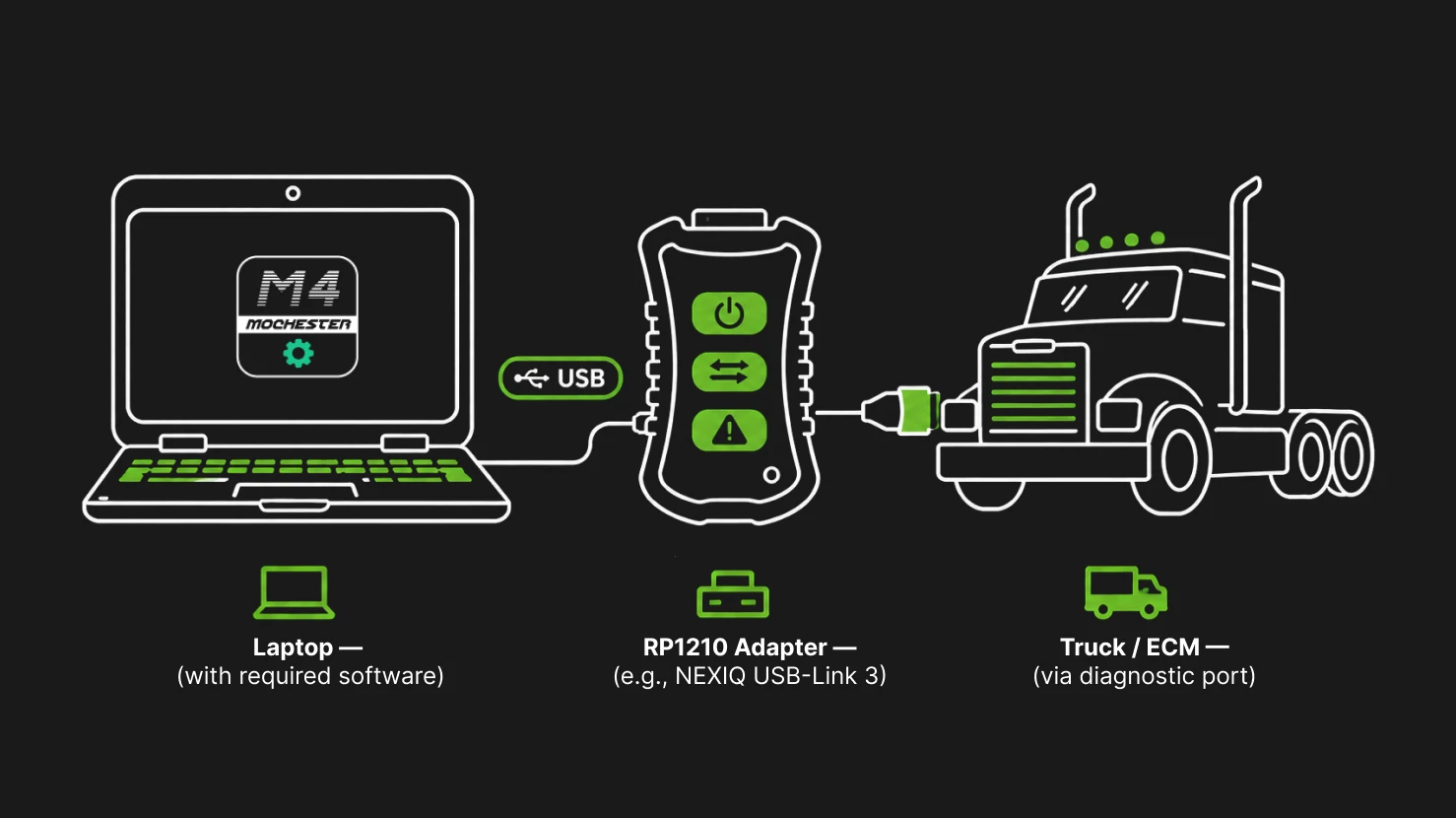
Treat it as a proper software restoration, not a quick file swap. Correct vehicle ID, the right factory software, good programming tools, and a solid connection all matter.
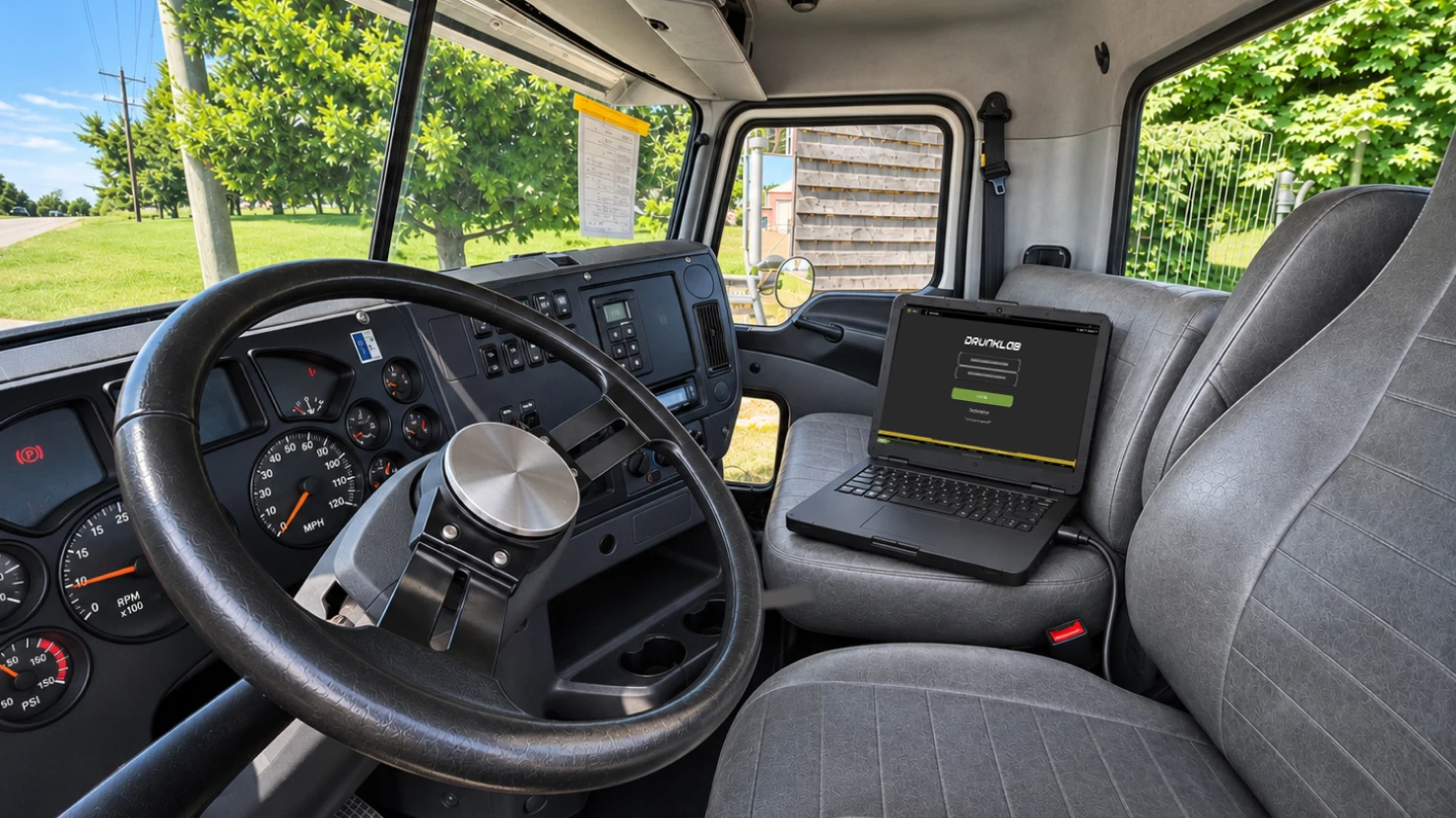
DrunkLab handles remote ECM programming for heavy-duty trucks across a range of engine platforms. Depending on the manufacturer and setup, they do it through TeamViewer or the Mochester App.
If you’re dealing with an unknown or failed previous tune, the first real step is identifying the truck and locking down which factory software configuration it needs.
A known baseline makes every decision after that easier. Whether the truck stays on the original factory calibration or gets a proper professional tune later, starting from the correct software puts you in a much better spot than building on changes that nobody can explain.