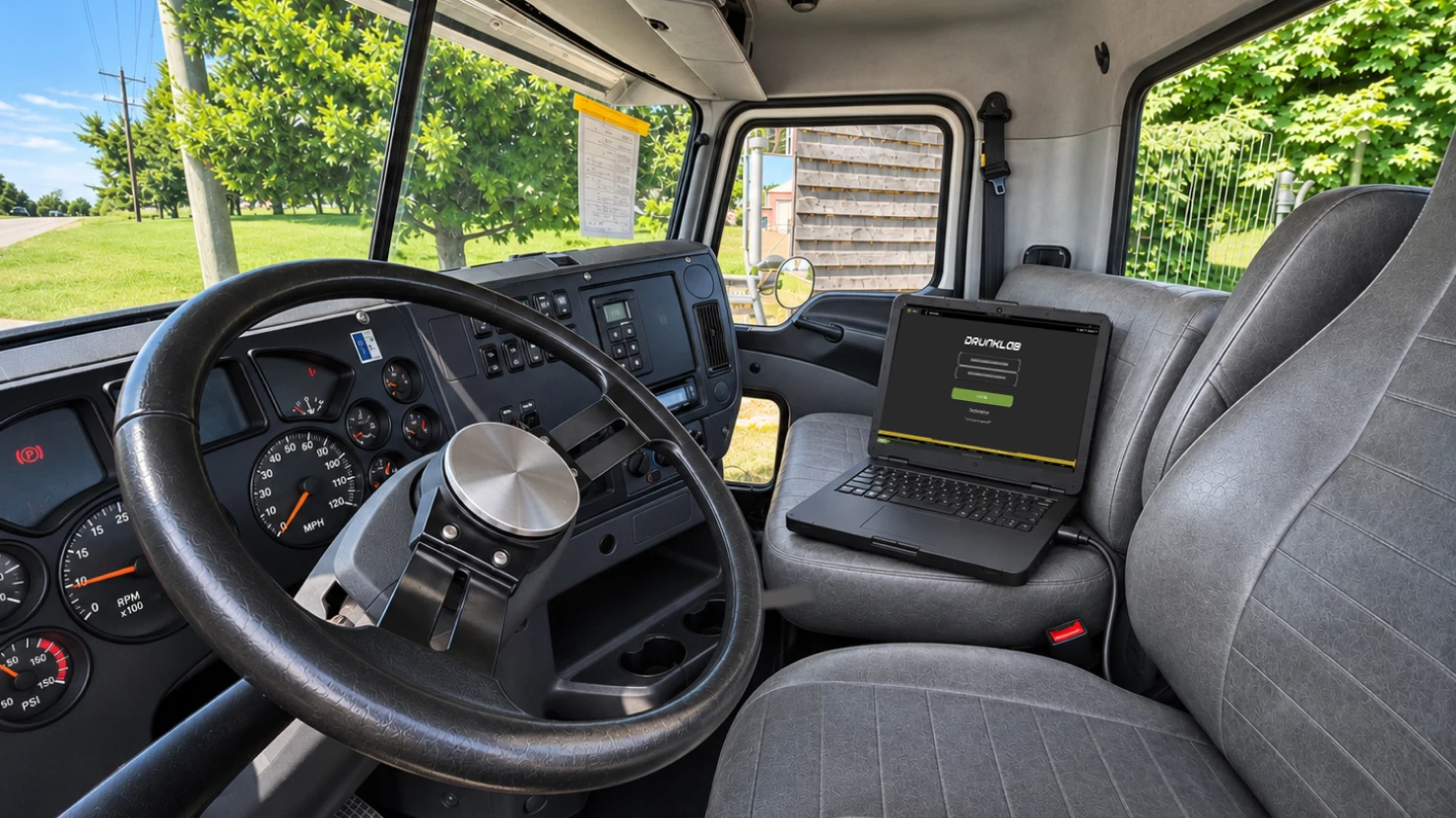
A used semi can look solid on a pre-purchase inspection. Engine runs quiet, transmission shifts clean, seller hands over a stack of maintenance records. But what about the software that actually runs the engine and the rest of the electronics?
Today’s heavy-duty trucks live and die by their electronic control modules. Those modules manage everything from fuel delivery and emissions to a bunch of other systems. Previous owners might have swapped modules, tweaked calibrations, or changed the truck’s setup to fit their needs. The next guy can end up with compatibility headaches, unexpected limitations, or extra repair bills.
A mechanical inspection is still non-negotiable. It just doesn’t tell the whole story. Before you buy, make sure the electronic configuration actually matches the truck’s specs and what you plan to do with it.
A Clean Mechanical Inspection Isn’t the Full Picture
Most buyers zero in on the engine, transmission, brakes, suspension, and frame. Those checks matter. They just don’t prove the electronics are set up right.
Take a truck that got a replacement engine control module. The engine might fire right up and run fine on a short test drive, but the module could be running the wrong calibration or settings that don’t match the hardware. That mismatch can limit power, kill certain functions, or cause problems later.
Previous owners also change engine settings for specific jobs. The truck’s current setup might not match the original factory configuration even if it feels fine during a quick drive.
Emissions software deserves a hard look too. Work done on the DPF, EGR, or SCR systems isn’t always obvious when you just look under the hood or plug in a basic scanner.
None of this means every used truck is a software nightmare. It just means you shouldn’t assume everything’s electronically solid just because the engine runs smooth.
Common Software Risks on American and European Trucks
American and European trucks use different electronic systems and programming processes, but a lot of the same risks show up on both.
- Undocumented ECU changes. Someone may have altered calibrations or other settings and never wrote it down.
- Replacement modules that weren’t programmed correctly. An ECM or other controller gets swapped and the required programming or adaptation steps get skipped.
- Unexpected performance limits. That can show up when the current software or setup locks out certain functions. Figure out the real reason instead of just assuming.
- Emissions system mismatches. Previous changes to the DPF, EGR, SCR, and DEF controls can result in differences in how a truck runs and if the truck is legal.
- Incomplete programming. Module swaps often need extra configuration work. Skip those steps and you can end up with compatibility issues.
Fixing these problems costs money, and the amount varies by truck and what needs doing. A software audit catches the discrepancies before they become your problem.
What Modified ECU Files and Cleared Codes Can Hide
An electronic control module holds the calibration data, configuration settings, and diagnostic information that keep the engine running.
A modified calibration might not match what that engine is supposed to run. A replacement ECM can show identification info that needs checking, and missing records make it hard to track what changed before.
Not every modified file is bad. The real questions are whether the calibration fits the application and whether it matches the hardware that’s actually installed.
Fault codes need the same attention. If someone cleared codes right before the inspection, some history of previous problems disappears. A clean scan doesn’t automatically mean the truck has never had issues.
At the same time, cleared codes don’t automatically mean the seller is hiding something. Codes get cleared during normal repairs and maintenance too.
A smarter approach is to pull a full fault-code report before anyone clears anything, write down both active and inactive codes, and dig into the ones that matter. When the tools support it, check module IDs and calibration data for extra confirmation.
The point isn’t to reject every truck. It’s to buy with fewer surprises.
How VIN Checks Help Confirm a Truck’s History
The VIN gives you a starting point for confirming the truck’s identity and original specs.
Depending on the manufacturer and available records, a VIN lookup can show the original engine application, vehicle configuration, and key equipment. You can then compare that information against what’s actually on the truck today.
If the documented engine setup doesn’t match the identification on the installed module, that usually means a replacement or other change that needs an explanation. There might be a perfectly good reason, but you want the paperwork to back it up.
A VIN check won’t catch every calibration change or guarantee every module is programmed right. For a fuller picture you still need module identification, available calibration data, diagnostic reports, and service records.
Those pieces work best together. Any one of them alone leaves too many gaps.
Does the Software Match the Hardware?
The electronics have to line up with the hardware that’s in the truck.
If the engine or ECM got replaced, the required programming and configuration steps may never have been finished. A module might also have been programmed for a completely different application. Depending on the mismatch, you can end up with configuration errors, missing functions, or operating problems.
The same rule applies to electronically controlled emissions systems. The software has to match the components it’s supposed to control.
A fault code reading by itself won’t prove compatibility. A truck can show zero active codes and still need its module configuration verified. On the flip side, an unexpected code might come from a mechanical or wiring problem instead of bad software.
A useful audit identifies the modules that are installed, checks the available software and calibration info, and compares everything against the correct specs for that truck.
If something doesn’t line up, figure out why before anyone starts changing the programming. Loading a new calibration without understanding the current setup can create brand-new problems.
Check Module Compatibility and Your Options Before You Buy
Don’t just look at the truck’s current condition. Think about what happens if programming work is needed after the sale.
Ask the seller these questions before you commit:
- Has the ECM or any other major control module been replaced?
- Is there documentation for previous programming or calibration changes?
- Have there been any restrictions to any of the vehicle’s electronic functions?
- Are there any unexplained warning lights and/or recurring fault codes?
- Can the configuration of the modules be verified?
If the truck has a history of significant electronic work, confirm that the necessary programming or adaptation procedures are available for that specific application.
Requirements change by manufacturer, engine family, and module. What works on one platform may not work on another.
If the truck’s current setup doesn’t match its documented specs, get a clear explanation before you close the deal. If the issue can’t be sorted out ahead of time, factor that uncertainty into the price.
How DrunkLab Can Help With Post-Purchase ECU Programming
When a software audit turns up a configuration problem, the next step is figuring out whether it needs verification, programming, or adaptation.
DrunkLab offers remote ECU programming and tuning for supported heavy-duty applications. Depending on the platform and the job, a lot of the work can be done remotely without pulling the module out of the truck.
Cummins, Detroit Diesel, and PACCAR jobs run through DrunkLab’s remote programming process using TeamViewer. Other supported applications go throughthe Mochester App, depending on compatibility and service requirements.
Everything starts with identifying the truck. Using the VIN or chassis number, you can request a fault-code reading to get a report or find available tuning solutions for your specific truck.
DrunkLab focuses on software programming and tuning, not mechanical repairs. Any hardware issues, including wiring problems or faulty sensors, should be addressed before the programming session to help ensure the truck is ready for the work.
You can check supported applications and services on the DrunkLab website.
Not every problem requires a reflash, and not every used truck needs a new calibration. Sometimes the best result is simply confirming that the current setup is correct.
Used Semi-Truck Software Audit Checklist
Run through this list alongside the mechanical inspection before you sign anything.
Vehicle identity and history
- Verify the VIN and the advertised engine specs.
- Ask for records of any ECU replacements and previous programming.
- Ask about recurring electronic problems and any past modifications.
Electronic condition
- Pull a full fault-code report before anyone clears codes.
- Document active and inactive faults and investigate the ones that matter.
- Compare the software configuration against the engine and the hardware that’s actually installed.
- Dig into any unexplained discrepancies.
Compatibility and purchase decision
- Confirm that required programming or adaptation procedures are supported for this truck.
- Get clear answers from the seller about any unexplained restrictions or missing functions.
- Get a qualified opinion on any significant electronic inconsistencies.
- Resolve the major uncertainties before you lock in the final price.
No single scan or report can guarantee a clean electronic history. The checklist just reduces the number of unknowns. It doesn’t replace a proper assessment.
Verify the Electronics Before You Commit
Buying a used semi takes more than checking the engine, transmission, and chassis. Previous programming, replacement modules, and undocumented changes can leave you with an electronic configuration you didn’t bargain for.
Pair the mechanical inspection with fault-code reports, VIN information, module identification, and whatever calibration data is available. That combination gives you a much clearer picture of what you’re actually buying.
Review the truck’s mechanical condition, electronic configuration, and service history before making your decision. The more you verify upfront, the less you have to guess about the truck’s condition and potential costs after the purchase.