Home Blog Page 1150

The Complete Buyer’s Guide to Choosing the Right Vehicle at a Buick GMC Dealership

Navigating the purchase of a new vehicle at a Buick GMC dealership in Queensbury, NY, involves a series of strategic decisions and considerations. The dealership offers a diverse array of models that cater to different tastes and requirements, making the selection process both exciting and potentially overwhelming. This comprehensive guide is designed to streamline your car buying journey, ensuring that you make an informed choice that aligns with both your practical needs and lifestyle aspirations.

Understanding Your Driving Needs

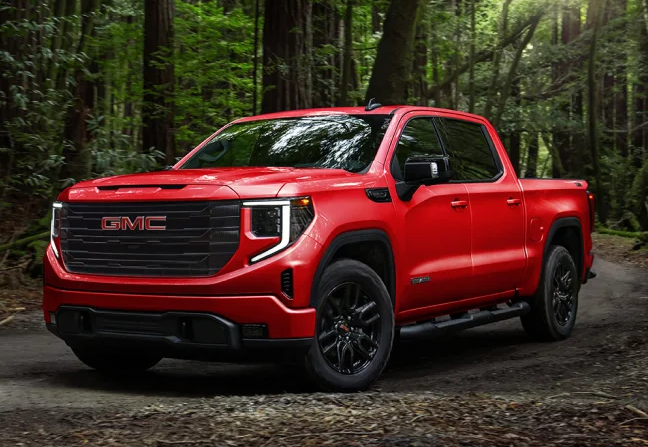
To start, it’s imperative to assess what you need from your next vehicle. Your daily activities, family size, typical travel distances, and terrain types play a significant role in determining the appropriate vehicle type. For instance, a Buick Enclave offers ample space and comfort for family outings, whereas a GMC Sierra is suited for towing and hauling due to its robust capabilities. Clearly identifying your usage scenarios helps in narrowing down the vehicle selection to those that truly fit your lifestyle.

Assessing Your Budget

Setting a budget is the cornerstone of the car buying process. This includes not only the upfront cost of the vehicle but also ongoing expenses such as maintenance, insurance, and fuel. During this phase, consider the total cost of ownership which encompasses depreciation, repairs, and even resale value. Financing options play a critical role here; understanding the terms of financing through the dealership and comparing these with other financial institutions can result in substantial savings over the life of the vehicle.

Evaluating Vehicle Features and Technologies

Today’s vehicles come loaded with an array of features that can enhance safety, comfort, and overall driving pleasure. When visiting the dealership, take the time to familiarize yourself with the latest innovations in vehicle technology. Features such as adaptive cruise control, lane keeping assist, and automatic emergency braking are not just conveniences but can significantly increase safety on the road. Additionally, luxury features like heated seats, a panoramic sunroof, or a state-of-the-art sound system could transform your daily driving into a more enjoyable experience.

Considering Long-Term Ownership Costs

Understanding the long-term costs associated with owning a Buick or GMC is vital. Research the fuel efficiency of different models to estimate monthly expenses, particularly if you have a long commute or frequently travel. Maintenance is another crucial aspect, as some vehicles may require more frequent services or more expensive parts than others. Additionally, consider the warranty offered by Buick GMC, which can cover significant repairs and maintenance issues, potentially saving you money in the long run.

The Importance of Test Drives

No amount of research can substitute for the experience of a test drive. It’s the best way to gauge the comfort, handling, and suitability of a vehicle. During a test drive, evaluate everything from the ease of entry and exit from the vehicle to the comfort of the driving position and the intuitiveness of the dashboard layout. It’s also wise to test the vehicle in different driving conditions to see how it handles urban traffic, highways, and if possible, rougher terrains or inclement weather conditions.

Reviewing Vehicle History and Reliability

For those considering a pre-owned Buick or GMC, scrutinizing the vehicle’s history report is essential. This report provides insights into the car’s past, including any accidents or major repairs, which can affect your decision. Reliability ratings from various consumer reports and automotive websites can also offer a perspective on what potential issues you might expect and the overall dependability of the model you are considering.

Navigating the Dealership Experience

Walking into a dealership can be intimidating, but with the right preparation, it can also be a rewarding experience. Knowledge of the vehicle’s market value, the best buying times, and common sales tactics can empower you as a buyer. It’s important to maintain a clear communication with the sales team and not to rush into a decision. Take your time to discuss your options thoroughly and always be ready to walk away if the deal does not meet your expectations.

Finalizing Your Purchase

Finalizing your vehicle purchase involves a detailed review of the sales agreement, understanding all the financial aspects including the interest rates, payment terms, and any additional fees. It is crucial to ensure that all components of the deal are transparent and understood before signing any paperwork. This final step solidifies your investment and sets the stage for a new chapter with your Buick or GMC vehicle.

Conclusion

Choosing the right vehicle at a Buick GMC dealership is a multifaceted process that requires careful consideration of many factors. From understanding your needs and setting a budget to evaluating features and taking comprehensive test drives, each step is crucial in making an informed decision. By approaching the car buying process with thorough preparation and a clear understanding of your goals, you can ensure that you select a vehicle that not only meets your expectations but also provides joy and reliability for years to come.

Innovations in Customer Service: How Chevrolet Car Dealers Are Changing the Game

Photo by Giorgio Trovato on Unsplash

As customer expectations continue to evolve, Chevrolet has remained at the forefront of redefining the automotive dealership experience. Recognizing the need for a more dynamic, interactive, and satisfying customer service model, Chevrolet dealerships, including those Chevrolet dealerships in Plattsburgh, NY, have embarked on innovative paths to enhance every aspect of customer interaction. This commitment to innovation ensures that Chevrolet is not just keeping pace with industry standards but setting them.

Implementing Cutting-Edge Technology

Chevrolet’s integration of technology into its customer service process is reshaping how consumers interact with automotive brands. Virtual reality (VR) and augmented reality (AR) experiences allow customers to visualize car modifications and features in real-time, providing a deeply immersive shopping experience. Additionally, AI-driven chatbots and customer service interfaces streamline communication, providing quick responses to customer inquiries and reducing wait times for service requests. These technological advancements make dealership visits more efficient and engaging, drawing in tech-savvy consumers and setting a high standard for competitors.

Enhancing Personalization through Big Data

The use of big data analytics is a game-changer in personalizing customer interactions. By analyzing vast amounts of data, Chevrolet dealerships can better understand customer preferences, from vehicle model preferences to desired features and optimal contact times. This level of insight allows dealerships to tailor their communications and offers to individual customers, enhancing the likelihood of a sale and improving customer satisfaction. Personalized marketing campaigns and follow-ups based on predictive analytics ensure that customers receive attention at moments most likely to influence their purchasing decisions.

Revolutionizing Customer Interactions with Mobile Integration

Mobile technology integration goes beyond basic functionalities; it extends into every facet of the dealership experience. Chevrolet’s mobile apps offer everything from remote diagnostics for vehicles to virtual tours of new models. Customers can manage their vehicle maintenance, book service appointments, and even unlock their cars using their smartphones. This convenience factor significantly enhances the user experience, placing control directly in the customer’s hands and mirroring the seamless, integrated digital experiences they are accustomed to in other aspects of their lives.

Streamlining Processes with Automation

Automation at Chevrolet dealerships encompasses several core areas including inventory management, customer relationship management (CRM), and transaction processing. Automated systems provide staff with real-time data about inventory levels, customer preferences, and historical interactions, which can be used to enhance the sales process. Moreover, automation in service appointments and parts ordering ensures that customers receive quicker and more reliable service, increasing overall satisfaction and loyalty.

Focusing on Comprehensive Employee Training

Despite the heavy reliance on technology, Chevrolet has not overlooked the importance of human interaction in customer service. The dealership invests in extensive training programs that equip employees with not only the technical skills required to handle new tools and technologies but also the interpersonal skills necessary to deliver exceptional service. Empathy training, conflict resolution, and customer engagement strategies are all part of the curriculum, ensuring that employees represent the Chevrolet brand effectively and positively.

Offering Flexible Financing Solutions

Chevrolet dealerships offer a spectrum of financing options designed to accommodate the diverse financial situations of their customers. From traditional financing to newer, more flexible leasing agreements, the goal is to provide affordable solutions that do not compromise on customer needs or desires. Special financing rates, incentives for trade-ins, and discounts for certain demographics such as military personnel or recent graduates are examples of how Chevrolet makes vehicle ownership accessible to a broader audience.

Prioritizing After-Sales Support

The relationship between a dealership and its customers does not end at the point of sale. Chevrolet’s comprehensive after-sales support includes maintenance services, warranty claims processing, and access to upgrades and accessories. Dealerships ensure that they maintain regular contact with customers through scheduled check-ups and reminders for service dates, which not only helps in maintaining the vehicle’s condition but also reinforces the dealer’s commitment to their customers.

Conclusion

Chevrolet dealerships are redefining the standards of customer service in the automotive industry through innovative practices. By embracing advanced technologies, personalizing customer interactions, and streamlining service processes, they are ensuring that customers have a memorable and satisfying experience. These innovations not only enhance customer loyalty and satisfaction but also position Chevrolet as a leader in the automotive industry, ready to meet future challenges and opportunities in customer service. As these trends continue to evolve, Chevrolet remains dedicated to improving and adapting its services to meet and exceed the expectations of modern consumers.

Using technology to optimize CPAP therapy, prospects for artificial intelligence

Treatment of obstructive sleep apnea with CPAP machines is an effective method of controlling symptoms and making life easier for patients. However, in order to achieve maximum results and optimize therapy, it is important not only to choose the right device and set it up, but also to monitor the progress of treatment and adapt the parameters to the patient’s needs. Modern communication and monitoring technologies make this process more efficient and convenient. Let’s take a closer look at all of these aspects.

  • Data collection systems.

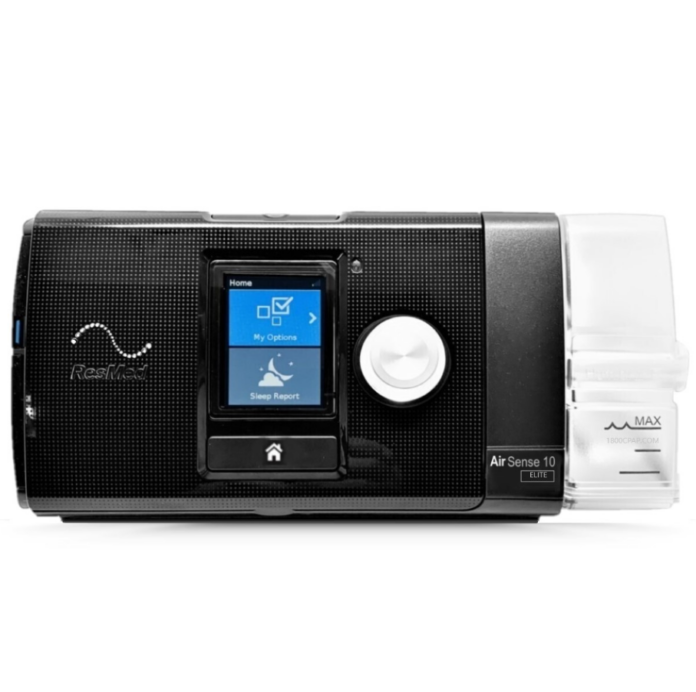
Modern CPAP machines are equipped with built-in sensors that measure various parameters during sleep, including air pressure, respiratory rate, time of use, and others. This data is collected and transmitted to a centralized platform via a wireless connection.

  • Data analysis and visualization of data.

The data is analyzed on a centralized platform, where it can be visualized in the form of graphs and charts, allowing doctors and patients to analyze the effectiveness of treatment and track progress over time.

  • Remote monitoring and adjustment.

With the help of these systems, doctors can remotely monitor the device’s operation and make adjustments in real time without having to physically contact the patient. This allows them to respond quickly to any problems and optimize therapy as much as possible.

  • Support and reminders.

Many of these systems also have support and reminder functions that notify patients when they need to change their mask, replace filters, or check the device, which helps maintain treatment effectiveness. You can purchase these consumables and elements, as well as the devices themselves, online at the online store: https://medsupplycart.com/ 

The use of modern communication and monitoring technologies allows for optimization of CPAP therapy and improves the quality of medical services in the field of obstructive sleep apnea treatment. These systems allow collecting, analyzing and tracking data from the devices, which contributes to early detection of problems and maximizes the effectiveness of treatment.

Prospects for the use of artificial intelligence.

The use of artificial intelligence (AI) in the field of CPAP (Continuous Positive Airway Pressure) therapy opens up broad prospects for improving the efficiency and outcomes of patient treatment. 

Basics of AI application in the field of Continuous Positive Airway Pressure:

  1. Personalized approach. AI can analyze large amounts of data about patients and their response to treatment. Based on this analysis, personalized therapeutic recommendations can be developed for each patient, taking into account their unique needs and characteristics.
  2. Performance monitoring. AI-based systems automatically monitor the effectiveness of treatment by analyzing data on device use, sleep quality, and sleep apnea. This allows you to quickly identify problems and adjust therapy to achieve the best results.
  3. Predicting outcomes. AI can use prediction algorithms to predict treatment outcomes for a particular patient based on their clinical characteristics and medical history. This helps doctors make more informed decisions about the best treatment strategy.
  4. Prevention of complications. The systems can detect signs of possible apnea complications, such as cardiovascular disease, before they progress. This allows you to take timely action to prevent and avoid them.
  5. Decision-making support. AI provides doctors with information and recommendations to support decision-making on the optimal treatment strategy for each patient. This helps to improve the quality of medical care and treatment outcomes.

The use of artificial intelligence in CPAP therapy opens up great opportunities to improve the quality of care and outcomes for patients with obstructive sleep apnea. By analyzing large amounts of data and applying advanced algorithms, it is possible to achieve personalized, effective and safe treatment that meets the unique needs of each patient.

The Complete Guide to Services Offered by Chevrolet Car Dealers

Photo by Giorgio Trovato on Unsplash

Embarking on a journey to purchase or service a vehicle at a Chevrolet dealership involves more than just a transaction; it’s about experiencing a comprehensive suite of services designed to meet every automotive need. At a Chevrolet dealership in Ticonderoga, NY, as well as at other locations, customers are welcomed into a professional environment where every aspect of vehicle ownership, from purchase to maintenance, is handled with expert care and attention.

New and Used Car Sales

At the core of any Chevrolet dealership’s offerings are its new and used car sales. Customers can explore a wide range of the latest Chevrolet models, each equipped with advanced features and technology. The sales team is trained to match customers with vehicles that suit their needs, whether it’s a fuel-efficient sedan for city driving or a robust SUV for adventurous outings. Additionally, the dealership offers a variety of used and certified pre-owned vehicles. These vehicles undergo a rigorous inspection process and come with a manufacturer’s guarantee, offering a reliable and more budget-friendly option for consumers.

Financing and Leasing Options

Navigating the financial aspects of purchasing a vehicle can be one of the most intimidating parts of the car buying process. Chevrolet dealerships simplify this experience by providing detailed financing and leasing options. The finance department helps customers understand the nuances between buying and leasing, offering tailored solutions that consider the customer’s long-term financial and lifestyle preferences. They also assist with loan applications, credit assessments, and the exploration of possible tax advantages or financial incentives available for certain models, particularly electric or hybrid vehicles.

After-Sales Support

Chevrolet’s commitment to its customers extends well beyond the point of sale. The dealership offers comprehensive after-sales support that includes scheduled maintenance and on-demand repairs. This ensures that each vehicle continues to perform at its best and helps to extend its lifespan. Chevrolet-trained technicians use the latest diagnostic equipment and genuine Chevrolet parts to maintain vehicle safety and efficiency.

Parts and Accessories

For those looking to enhance or repair their Chevrolet, dealerships provide a full inventory of genuine Chevrolet parts and accessories. These parts meet stringent specifications for quality and compatibility with specific models. Whether upgrading for aesthetic reasons or replacing a part, customers can trust that they are getting high-quality products designed to fit their vehicle perfectly.

Warranty Services

Chevrolet dealerships understand that a vehicle’s warranty can provide peace of mind to customers. They offer comprehensive warranty consultations that explain what is covered under the vehicle’s warranty and for how long. Dealership staff also assist with the warranty claim process, ensuring that customers can easily access repair services for defects covered by their warranties without undue stress.

Customer Service and Satisfaction

High-quality customer service is a hallmark of Chevrolet dealerships. Every staff member, from sales to service technicians, is focused on ensuring that customers receive friendly and competent service. Dealerships regularly train their employees on the latest customer service practices to enhance the buying and service experience. This focus on customer satisfaction helps build loyalty and trust between customers and the dealership.

 Community Engagement and Events

Chevrolet dealerships are deeply integrated into their local communities, participating in and sponsoring a range of activities from charity events to local festivals. These events are a way for dealerships to give back to the community while also building a positive local presence. Community engagement also allows dealership staff to meet with customers and potential customers in less formal settings, fostering stronger relationships and community ties.

Technology and Innovation

Keeping up with technological advancements is crucial, and Chevrolet dealerships are at the forefront of this aspect of customer service. They offer educational sessions on new vehicle technologies, including advanced driver assistance systems and infotainment features. Understanding how to utilize new technology can significantly enhance the driving experience and ensure that customers are making the most of their Chevrolet’s capabilities.

Conclusion

The array of services provided by Chevrolet dealerships is designed to ensure that every aspect of car ownership is as enjoyable and hassle-free as possible. From the moment customers walk into a dealership to the years of vehicle ownership that follow, Chevrolet is committed to providing an unparalleled level of service. Whether it’s through detailed consultations, expert maintenance, or community engagement, Chevrolet dealerships strive to exceed customer expectations and foster lasting relationships with each visitor.

Comprehensive Services Offered by Toyota Dealerships

Photo by vishal bonthapally on Unsplash

Visiting a Toyota dealership, such as the one located in Irving, TX, offers customers far more than the traditional car buying experience. Toyota dealerships in Irving, TX are fully equipped to handle a wide array of automotive needs, making them comprehensive service centers. This article will explore the extensive range of services that Toyota dealerships provide, ensuring that every customer receives top-notch support throughout their vehicle ownership.

Vehicle Sales and Financing

The cornerstone of any dealership’s offerings is vehicle sales, and Toyota dealerships excel in this area by providing a diverse array of new and used vehicles. From rugged SUVs and durable trucks to efficient sedans and compact cars, Toyota ensures that all customer preferences and needs are catered to. The sales team at these dealerships is adept at navigating the nuances of each model to match vehicles with buyers’ lifestyles and budgets.

Alongside the sale of vehicles, Toyota dealerships offer comprehensive financing solutions designed to accommodate a variety of financial situations. Customers can choose from purchasing, leasing, and various loan options, each with competitive terms and conditions. The finance staff are experts in their field, equipped to offer advice and craft personalized financing plans that ease the burden of large automotive purchases.

After-Sales Services

The relationship between the dealership and the customer extends far beyond the point of sale. Toyota dealerships pride themselves on providing extensive after-sales support, which includes scheduled maintenance and more complex repairs. Utilizing state-of-the-art facilities and equipment, certified technicians perform services that range from routine oil changes and tire rotations to engine diagnostics and major repairs. This dedication to maintaining vehicle performance and safety is a cornerstone of Toyota’s service offerings.

Warranty and Protection Plans

Understanding that customers see their vehicle purchase as a significant investment, Toyota offers robust warranty and protection plans. These warranties are designed to safeguard this investment by covering various components and systems beyond the standard coverage period. Furthermore, many Toyota dealerships enhance their offerings with additional protection plans that cover unforeseen issues, from roadside assistance to cosmetic repairs, providing comprehensive coverage that promotes peace of mind.

Technological Integration and Support

In today’s digital age, technological integration is crucial, and Toyota dealerships are at the forefront of this trend. From diagnostic tools that quickly identify vehicle issues to customer service enhancements like online appointment scheduling and mobile updates during service visits, technology is used to streamline and improve the customer experience. These advancements not only enhance operational efficiency but also significantly increase customer satisfaction by providing transparency and convenience.

Parts and Accessories

Toyota dealerships are also a prime destination for those seeking genuine Toyota parts and accessories. Whether customers are looking to replace a worn part or customize a new vehicle, they can find everything they need at these facilities. The parts sold are OEM (Original Equipment Manufacturer), which guarantees that they fit and function as intended, preserving the integrity and performance of the vehicle.

Customer Service and Satisfaction

At the heart of every Toyota dealership’s operation is a commitment to exceptional customer service. This commitment is evident in every interaction, from sales and finance to service and parts. Staff members are not only knowledgeable but also friendly and empathetic, trained to address any concerns customers might have promptly and effectively. This high level of customer care is designed to build long-lasting relationships and encourage customer loyalty.

Community Involvement and Environmental Initiatives

Toyota dealerships understand their role in the larger community and strive to give back through various initiatives. Many dealerships engage in local charitable activities, sponsor youth sports teams, and participate in environmental conservation efforts. These activities help to strengthen community ties and underscore Toyota’s commitment to corporate responsibility.

Conclusion

Toyota dealerships offer more than just vehicles; they provide a comprehensive suite of services that enhance the car buying and ownership experience. From the initial purchase and detailed financing options to after-sales care and technological support, these dealerships ensure that every customer’s needs are met comprehensively. With ongoing community engagement and a strong emphasis on customer satisfaction, Toyota continues to set industry standards in dealership service and customer care.

The Ultimate Guide to Acquiring Your HGV Licence: Everything You Need to Know

An HGV (Heavy Goods Vehicle) licence is a certification required to operate large commercial vehicles legally. Obtaining this licence involves rigorous training and testing to ensure drivers possess the necessary skills to handle these vehicles on public roads safely. It signifies competency in handling the complexities of driving heavy goods vehicles, encompassing various aspects like vehicle control, safety regulations, and logistical understanding. 

With an HGV licence, individuals can pursue careers in transportation, logistics, and delivery services. This licence not only validates expertise but also underscores the responsibility that comes with operating vehicles vital to the economy while prioritising road safety for all motorists. 

Navigating the path to acquiring an HGV (Heavy Goods Vehicle) licence can be daunting for many. With evolving regulations, various licence categories, and a comprehensive training process, knowing where to start is crucial. This guide aims to demystify the process, providing a detailed roadmap to obtaining your HGV licence, thereby opening doors to numerous career opportunities in the logistics and transport sector.

Understanding HGV Licences

Before proceeding, it’s essential to understand an HGV licence and the different categories available. An HGV licence allows you to operate large vehicles, typically those over 3.5 tonnes. These include lorries, trucks, and other heavy goods vehicles pivotal to global commerce.

There are several types of HGV licences, each allowing you to drive different vehicle sizes and types:

  • Category C1: Vehicles between 3.5 and 7.5 tonnes, with or without a trailer weighing up to 750 kg.
  • Category C: Vehicles over 3.5 tonnes, with or without a trailer, weighing up to 750 kg (also known as Class 2).
  • Category C+E: Vehicles over 3.5 tonnes with a trailer over 750 kg (also known as Class 1).

Choosing the right category depends on your career goals and the type of vehicle you intend to drive.

Eligibility Criteria

To start your journey toward an HGV licence, you must:

  • Be at least 18 years old.
  • Hold a full car licence.
  • Pass a medical exam to ensure you meet the health standards for driving large vehicles.

Step-by-Step Process

  1. Medical Examination: The first step is passing a medical exam. This involves a general health check, focusing on vision, heart health, and other conditions that could affect your driving capability.
  1. Applying for a Provisional HGV Licence: Once you pass the medical exam, apply for a provisional HGV licence. This step is akin to applying for a learner’s permit, allowing you to start practical training while under supervision.
  1. Theory Test: Before hitting the road, you’ll need to pass the HGV theory test, which includes questions on road safety, vehicle maintenance, and secure loading. Preparation is key, so consider enrolling in a preparatory course or using online resources.
  1. Practical Training: Enroll in a reputable training course tailored to the HGV licence category you’re pursuing. These courses combine classroom learning with practical driving experience, covering everything from vehicle operation to navigating roadways safely.
  2. Practical Test: The final hurdle is the practical driving test, which assesses your ability to operate an HGV safely and efficiently. This test includes vehicle safety questions, practical road driving, and off-road exercises.
  1. CPC Certification: To drive an HGV professionally, you’ll also need to obtain the Driver Certificate of Professional Competence (CPC). This involves additional tests and periodic training to maintain your certification.

Choosing a Training Provider

Selecting the right training provider is crucial. Look for accredited training centres with experienced instructors and a track record of success. Recommendations from industry professionals can also guide your choice.

Cost Considerations

The cost of acquiring an HGV licence varies, including medical exams, application fees, training courses, and test fees. While it represents a significant investment, the potential career opportunities and salary benefits in the HGV sector can offer a substantial return.

Preparing for Success

Preparation is the key to successfully obtaining your HGV licence. Utilise study materials, practice tests, and training resources to bolster your knowledge and skills. Staying informed about the latest regulations and industry standards is also beneficial.

Career Opportunities

Holding an HGV licence unlocks a myriad of career opportunities. From long-haul international routes to local deliveries, HGV drivers are in high demand. Many find rewarding careers in logistics, construction, and transport sectors, with competitive salaries and benefits.

Conclusion

Acquiring an HGV licence is a rigorous but rewarding process. It opens the door to a career filled with diverse opportunities and the chance to play a crucial role in the global economy. By understanding the requirements, following a structured training path, and preparing diligently for each step, you can navigate the journey toward becoming a certified HGV driver with confidence.

Embarking on this path is not just about obtaining a licence; it’s about starting a fulfilling career that contributes significantly to society. With the right preparation and mindset, you’ll be on the road in no time, embarking on new adventures and opportunities.

Navigating Your First Visit to a Car Dealership: What New Buyers Should Know

Photo by Adam Stefanca on Unsplash

Embarking on the journey to purchase your first vehicle is an exciting milestone that often brings with it a mix of anticipation and anxiety. Understanding the intricacies of the process can greatly reduce stress and help ensure that your experience at car dealerships, such as those dealerships in Rochester Hills, MI, is both pleasant and fruitful. This guide is designed to prepare new car buyers with critical insights into navigating their first car dealership visit effectively.

Understanding Your Automotive Needs

The first step in your car buying journey is to clearly define what you need from a vehicle. This involves assessing your lifestyle, your driving habits, and your most common passenger and cargo needs. The type of vehicle suitable for a solo commuter differs greatly from that needed by a family of five. By identifying key criteria such as vehicle size, engine requirements, safety features, and technological amenities early on, you can streamline your search and make your dealership visit much more efficient.

Preparing Your Budget

Setting a realistic budget is crucial and should encompass more than just the sticker price of the vehicle. Additional costs such as state taxes, dealership fees, insurance premiums, future maintenance, and potential financing interest rates should also be considered. Crafting a detailed budget will guide your negotiations and help prevent the allure of attractive but financially impractical options.

Financing Your Purchase

For many buyers, navigating auto financing is one of the most complex aspects of purchasing a car. Understanding the basics of car loans, interest rates, leasing versus buying, and the benefits of loan pre-approval are essential. It is advisable to approach multiple financial institutions to compare offers. Being pre-approved for a loan not only clarifies your budget constraints but also strengthens your bargaining position at the dealership.

Researching Before You Go

Thorough research can dramatically enhance your dealership experience. This should include detailed reviews of the makes and models that have caught your eye, average pricing information, and the reputations of local dealerships. Knowledge of the car’s resale value and common mechanical issues found in pre-owned models will also be advantageous during the purchasing process.

The Importance of a Test Drive

Never underestimate the value of a comprehensive test drive. This is your best opportunity to assess the car’s condition and suitability to your driving style. It’s important to test the vehicle in various conditions – accelerate on a highway, navigate tight corners, and park in confined spaces. Be vigilant about any unusual noises or handling issues, as these could indicate underlying problems.

Interacting with Salespeople

While salespeople can provide valuable information about the vehicles you are considering, remember that their primary goal is to make a sale. Approach your interactions with a clear understanding of your needs and budget. Effective communication and assertive negotiation are key. Express your preferences clearly and be prepared to walk away if a suitable deal cannot be reached.

Navigating Sales Tactics

Car dealerships are known for their sales tactics, which can often lead to buyers purchasing unnecessary extras or agreeing to unfavorable financing terms. Be mindful of offers that seem too good to be true and seek clarity on all aspects of the deal. Ask detailed questions about any add-ons, and don’t hesitate to request itemized pricing.

Closing the Deal

Once you have decided on a vehicle and negotiated a price, the next steps involve thorough reviews of all contractual documents. It is crucial to understand every component of the agreement, from the warranty details to the service contracts and financing terms. Ensure all verbal agreements are documented in writing and fully understand the commitments you are making before signing.

After the Purchase

After your purchase, ensure compliance with all legal and registration requirements. This typically involves vehicle registration, title transfer, and purchasing appropriate insurance coverage. Timely completion of these tasks is crucial to avoid penalties and to enjoy your new car without administrative worries.

By preparing thoroughly and approaching your first dealership visit with a well-researched plan, you can navigate the process with confidence and make informed decisions. Remember that this is not just about buying a car—it’s about making an investment in your mobility and safety. Take your time, be meticulous, and choose a vehicle that meets both your needs and your budget.

Essential Tips for Choosing the Right Used Car at a Dealership

Photo by Erik Mclean

Embarking on the journey to purchase a used car involves an initial understanding of the local automotive market. For buyers in Central Texas, such as those exploring options at a car lot in Killeen, TX, it’s advantageous to become acquainted with the diversity and pricing of available vehicles. Familiarity with the local market provides insight into the expected costs and the availability of different car models, ensuring buyers make informed decisions without succumbing to overpriced offers.

Setting a Budget

A paramount step in the car buying process is establishing a comprehensive budget. This financial plan should account for the vehicle’s purchase price and additional expenses like taxes, registration fees, and possible modifications or repairs. A robust budget prevents financial overreach and ensures sustained satisfaction with the purchase.

Assessing Your Needs

Before visiting a dealership, it is vital to evaluate your specific automotive needs. Factors such as the car size, fuel efficiency, engine power, and technological features should reflect your daily lifestyle and driving conditions. Whether the car will be used for hefty commutes or predominantly urban travel will guide your decision in selecting an appropriate model.

Researching Models and Reviews

With a clear understanding of your needs and budget, delve into researching suitable car models. Investigate through consumer reviews and expert opinions to assess the viability of each model. This step is crucial as it helps identify cars with a reputable history of reliability and customer satisfaction, thereby safeguarding against future regrets and unexpected maintenance issues.

Examining Vehicle History

Investigating a car’s history is non-negotiable. Request a detailed vehicle history report from the dealership, which should cover past accidents, ownership history, and maintenance records. This documentation is essential as it reveals critical information about the car’s past that may impact its future performance and reliability.

Doing a Thorough Inspection

When inspecting a potential purchase at the dealership, thoroughness is key. Examine the car’s exterior and interior for signs of wear or damage. Check the tire conditions, undercarriage rust, engine cleanliness, and operational integrity of features like lights and wipers. Inside, assess the upholstery, dashboard functionality, and electronic systems to ensure everything is in working order.

Taking a Test Drive

The test drive is a pivotal moment in the car selection process. It gives a real-world impression of the car’s performance, including handling, responsiveness, and comfort. Pay attention to how the car drives on various road surfaces and listen for any unusual engine or brake sounds. This hands-on experience often highlights aspects of the car’s condition that are not apparent in a static inspection.

Checking for Recalls

Before finalizing any purchase, verify whether the car has any pending recalls. Manufacturers may recall vehicles to rectify safety issues or mechanical defects. Ensuring that the car you are interested in is free from such recalls can save you from future hazards and costly repairs.

Negotiating the Price

Armed with thorough research and inspection findings, you can confidently negotiate the price of the car. Use any identified issues or market comparisons to discuss a lower purchase price with the seller. Negotiation is an expected part of the dealership experience, and effective bargaining can lead to significant savings.

Understanding the Warranty and Return Policies

Lastly, comprehensively understand the dealership’s warranty and return policies. Some used cars come with a dealer warranty or the option for extended coverage, which can protect against future expensive repairs. Additionally, some dealerships offer a return period during which the car can be returned for a full refund if significant issues are discovered shortly after purchase.

By diligently following these steps, you can enhance your chances of finding a reliable, budget-friendly used car that meets your needs. Always take your time to thoroughly vet each potential vehicle and seek advice when necessary to ensure the best possible investment.

Insider Tips for Getting the Best Deal at Your Toyota Car Dealer

Securing the best possible deal on a new or used Toyota involves more than just showing up at a dealership and picking a car. It requires strategic planning, timing, and a bit of savvy negotiation. Whether you are heading to a major metropolitan dealer or a smaller Toyota dealership in Plattsburgh, NY, understanding the car-buying process and how to maneuver it can save you substantial money and make the purchase process enjoyable and rewarding.

Understanding the Best Time to Buy

Timing is crucial in securing the best car deal. Dealership sales teams, such as those at Toyota Dealer Parramatta, often have targets to meet, measured monthly, quarterly, and annually. These cycles directly affect salespeople’s ability to offer discounts and incentives. Purchasing in the final days of these cycles can be advantageous, as sales staff work to meet their targets. Moreover, dealerships are likely to offer greater discounts during late fall and early winter months as they make space for new inventory.

Doing Thorough Research

Comprehensive research is the foundation of a good deal. This means not only knowing the car’s features, specifications, and performance but also understanding its market value and reviewing consumer reviews and recall notices. Tools like Consumer Reports, Kelley Blue Book, and Edmunds can provide insights into the average prices paid in your area, helping you to establish a benchmark for negotiations.

Securing Financing Ahead of Time

Approaching a car purchase with a pre-approved loan from a bank or credit union often places you in a stronger bargaining position compared to relying on dealer financing. This approach not only gives you leverage in price negotiations but also saves you money on interest over the life of the loan. Having your financing in place removes one of the dealer’s biggest advantages—controlling the financing options.

Leveraging Internet Sales Departments

In today’s digital age, many car dealerships have robust online sales departments. Typically, these departments might offer straightforward, non-negotiable prices that are lower than what you might get from a traditional sales approach. By initiating contact through the Internet sales department, you can often bypass the usual sales tactics used on the showroom floor, leading to a smoother and potentially cheaper transaction.

Understanding Dealer Incentives and Rebates

Being aware of the latest dealer incentives and manufacturer rebates can lead to significant savings. Toyota frequently offers various incentives such as customer loyalty discounts, cash-back offers, or favorable leasing terms. These promotions can fluctuate based on regional market conditions and time of year, so it is crucial to inquire about current offers when you visit the dealership.

The Art of Negotiation

The negotiation process is critical in the car-buying journey. It is important to begin negotiations on your terms, with a clear understanding of the car’s value and the maximum price you are willing to pay. Being polite yet firm, and ready to walk away if necessary, can sometimes lead the dealership to offer more favorable terms to close the deal. Remember, negotiation is not just about the price but also about the terms of sale, including warranties and services.

Trading in Your Old Vehicle

If you are considering trading in your existing vehicle, know its market value beforehand. Separate the trade-in negotiation from the new car purchase to avoid conflating the two discussions, which can make it harder to determine the best deal on your new car. Negotiating them separately can ensure you maximize the value from each transaction.

Checking the Final Paperwork

Before signing any agreements, meticulously review all paperwork involved in the deal. Ensure that all numbers match up with what was discussed during negotiations and that no additional fees have been added. Errors or last-minute additions can occur, and it’s crucial to catch these before finalizing the sale.

Utilizing Customer Loyalty Programs

Explore whether the dealership offers a customer loyalty program, which could provide additional savings or benefits. These programs are designed to retain customers by offering incentives such as improved trade-in values, discounts on services and parts, or favorable financing rates.

Conclusion

Buying a new or used Toyota doesn’t have to be a daunting task filled with uncertainty and anxiety. With the right preparation, understanding of the best time to buy, securing independent financing, and effective negotiation techniques, you can ensure that you get the best possible deal. Each step from initial research to final paperwork is crucial in the car-buying process. With these insider tips, you are well on your way to navigating this process with confidence and securing a deal that meets both your budgetary and automotive needs.

Unveiling the Truth: Debunking Myths About Car Dealerships

Photo by Mehdi Gholipour

Car dealerships often carry a negative reputation, fueled by myths and misconceptions that have persisted over time. However, many of these perceptions are based on outdated information or misunderstandings about how dealerships operate. In this comprehensive guide, we aim to debunk common myths surrounding car dealerships, shedding light on the truth behind the misconceptions. Whether you’re considering a visit to a car dealer in Queensbury, NY, or elsewhere, understanding these truths can help you navigate the car buying process with confidence.

Myth 1: Car Dealerships Always Try to Rip You Off

Contrary to popular belief, not all car dealerships are out to rip off customers. While it’s true that some unethical dealerships may engage in dishonest practices, reputable dealers prioritize customer satisfaction and long-term relationships over short-term gains. They understand that a satisfied customer is more likely to return for future purchases and recommend the dealership to others. By focusing on transparency, honesty, and fair pricing, these dealerships aim to build trust and loyalty with their customers.

The Reality: Ethical Dealerships Prioritize Customer Satisfaction

Reputable car dealerships understand the importance of building long-term relationships with their customers. They prioritize customer satisfaction and strive to provide a positive buying experience. This includes transparent pricing, honest communication, and a commitment to addressing customer concerns. By focusing on customer satisfaction, these dealerships create a positive reputation that benefits both the customer and the dealership in the long run.

Myth 2: You Can’t Get a Good Deal at a Car Dealership

Another common myth is that car dealerships never offer good deals and that buyers always end up paying more than they should. In reality, dealerships often have access to manufacturer incentives, discounts, and special financing offers that can result in significant savings for customers. Additionally, skilled negotiators can often secure favorable pricing and terms by leveraging market conditions, trade-in values, and other factors to their advantage. With careful research and negotiation, it’s possible to get a great deal at a reputable car dealership.

The Reality: Dealerships Offer a Variety of Deals and Incentives

Car dealerships often have access to a variety of deals and incentives that can help customers save money on their purchase. These may include manufacturer rebates, discounts on specific models, and special financing offers. Additionally, dealerships may offer trade-in allowances and other incentives to make the buying process more affordable for customers. By taking advantage of these deals and incentives, customers can often save significant amounts of money on their new or used vehicle purchase.

Myth 3: Car Salespeople Are Pushy and Untrustworthy

While some car salespeople may have earned a reputation for being pushy or untrustworthy, this stereotype does not apply to all professionals in the industry. Many salespeople are dedicated to providing excellent customer service and helping buyers find the right vehicle for their needs and budget. They are trained to listen to customers’ preferences, answer questions honestly, and guide them through the buying process without pressure. By building rapport and fostering open communication, these salespeople aim to create a positive and stress-free buying experience for their customers.

The Reality: Salespeople Focus on Customer Needs and Preferences

Ethical car salespeople prioritize the needs and preferences of their customers. They take the time to understand what each customer is looking for in a vehicle and work to find the best match based on their budget and lifestyle. Rather than using high-pressure sales tactics, these salespeople focus on providing helpful information and guidance to assist customers in making an informed decision. By putting the customer first, they aim to create a positive buying experience that builds trust and loyalty.

Myth 4: You Have to Buy Today or Miss Out on a Deal

Some buyers may feel pressured to make a purchase on the spot out of fear of missing out on a supposedly limited-time offer. However, reputable car dealerships understand that buying a car is a significant decision that requires careful consideration. They will not pressure customers into making a hasty decision and will often allow them time to think it over or seek advice from family or friends. While there may be promotions or incentives available, these deals are typically not as time-sensitive as they may seem, and customers should feel empowered to take their time and make an informed decision.

The Reality: Dealerships Allow Customers Time to Make Informed Decisions

Ethical car dealerships understand that buying a car is a significant investment and decision. They respect their customers’ need to take their time and make an informed choice. Rather than pressuring customers into making a quick decision, these dealerships encourage customers to explore their options, ask questions, and take the time they need to feel comfortable with their decision. By providing a no-pressure sales environment, they empower customers to make choices that are right for them.

Myth 5: You Can’t Trust the Car’s History at a Dealership

There is a misconception that dealerships sell only unreliable or questionable used cars with hidden problems. In reality, reputable dealerships thoroughly inspect and recondition their used inventory to ensure that each vehicle meets high-quality standards. Many dealerships also provide vehicle history reports and offer certified pre-owned (CPO) programs that include additional warranties and benefits for added peace of mind. By purchasing from a trusted dealership, buyers can feel confident in the quality and reliability of their used vehicle.

The Reality: Dealerships Offer Quality Used Vehicles with Transparent Histories

Reputable car dealerships understand the importance of selling reliable used vehicles. They carefully inspect and recondition their used inventory to ensure that each vehicle meets high-quality standards. Additionally, many dealerships provide vehicle history reports that detail the vehicle’s past ownership, maintenance, and accident history. By offering transparent information about the vehicle’s history, these dealerships empower buyers to make informed decisions and feel confident in their purchase.

Myth 6: Dealerships Make More Money on Financing Than Selling Cars

While it’s true that dealerships earn revenue from financing services, the notion that they make more money from financing than selling cars is a misconception. In fact, dealerships typically earn a higher profit margin from selling vehicles than from financing deals. However, offering financing options allows dealerships to provide added convenience and flexibility to customers, making it easier for them to afford their desired vehicle. Additionally, dealerships work with multiple lenders to secure competitive financing rates and terms for their customers, ensuring that they have access to affordable financing options.

The Reality: Dealerships Provide Financing Options to Meet Customer Needs

Car dealerships offer financing options to meet the diverse needs of their customers. While financing services do generate revenue for dealerships, they typically represent only a portion of the dealership’s overall profit margin. Dealerships work with a variety of lenders to offer competitive financing rates and terms to their customers. By providing financing options, dealerships make it easier for customers to afford their desired vehicle and complete their purchase.

Myth 7: You Shouldn’t Trust Online Reviews of Dealerships

Some buyers may be skeptical of online reviews of dealerships, fearing that they may be biased or unreliable. While it’s true that not all online reviews are trustworthy, reputable review platforms strive to provide accurate and unbiased information to help consumers make informed decisions. By reading a variety of reviews and considering the overall consensus, buyers can gain valuable insights into the reputation and customer service of a dealership. Additionally, dealerships that value customer feedback and take steps to address concerns are likely to have more positive reviews, reflecting their commitment to customer satisfaction.

The Reality: Online Reviews Provide Valuable Insights into Dealership Reputation

Online reviews can provide valuable insights into the reputation and customer service of a dealership. While it’s important to consider the credibility of the review platform and the overall consensus of reviews, online reviews can offer valuable insights into the experiences of past customers. Reputable dealerships value customer feedback and take steps to address concerns raised in reviews. By reading online reviews, buyers can gain a better understanding of the dealership’s reputation and customer service before making a purchase.

Myth 8: Dealerships Only Care About Making a Sale, Not Customer Satisfaction

While making sales is an essential part of any dealership’s business, customer satisfaction is equally important. Reputable dealerships prioritize customer service and aim to provide a positive buying experience from start to finish. This includes offering knowledgeable assistance, transparent pricing, and ongoing support after the sale. By focusing on customer satisfaction, dealerships can build long-lasting relationships with their customers and earn their loyalty and repeat business.

The Reality: Dealerships Prioritize Customer Satisfaction for Long-Term Success

Ethical car dealerships understand that prioritizing customer satisfaction is essential for long-term success. They focus on providing excellent customer service at every step of the buying process, from the initial inquiry to after-sales support. By prioritizing customer satisfaction, dealerships build trust and loyalty with their customers, which can lead to repeat business and positive word-of-mouth referrals. Ultimately, dealerships that prioritize customer satisfaction are more likely to thrive in the competitive automotive industry.

Conclusion

Debunking myths about car dealerships is essential for helping buyers make informed decisions and navigate the car buying process with confidence. While there may be some unscrupulous dealerships that engage in dishonest practices, reputable dealers prioritize customer satisfaction and strive to provide excellent service at every step. By understanding the truth behind common myths and misconceptions, buyers can approach car dealerships with clarity and assurance, knowing that they can trust in a positive and transparent experience. Whether visiting a car dealer in Queensbury, NY, or any other location, buyers can feel empowered to find the perfect vehicle for their needs without falling prey to unfounded beliefs about dealerships.