Treatment of obstructive sleep apnea with CPAP machines is an effective method of controlling symptoms and making life easier for patients. However, in order to achieve maximum results and optimize therapy, it is important not only to choose the right device and set it up, but also to monitor the progress of treatment and adapt the parameters to the patient’s needs. Modern communication and monitoring technologies make this process more efficient and convenient. Let’s take a closer look at all of these aspects.
- Data collection systems.
Modern CPAP machines are equipped with built-in sensors that measure various parameters during sleep, including air pressure, respiratory rate, time of use, and others. This data is collected and transmitted to a centralized platform via a wireless connection.
- Data analysis and visualization of data.
The data is analyzed on a centralized platform, where it can be visualized in the form of graphs and charts, allowing doctors and patients to analyze the effectiveness of treatment and track progress over time.
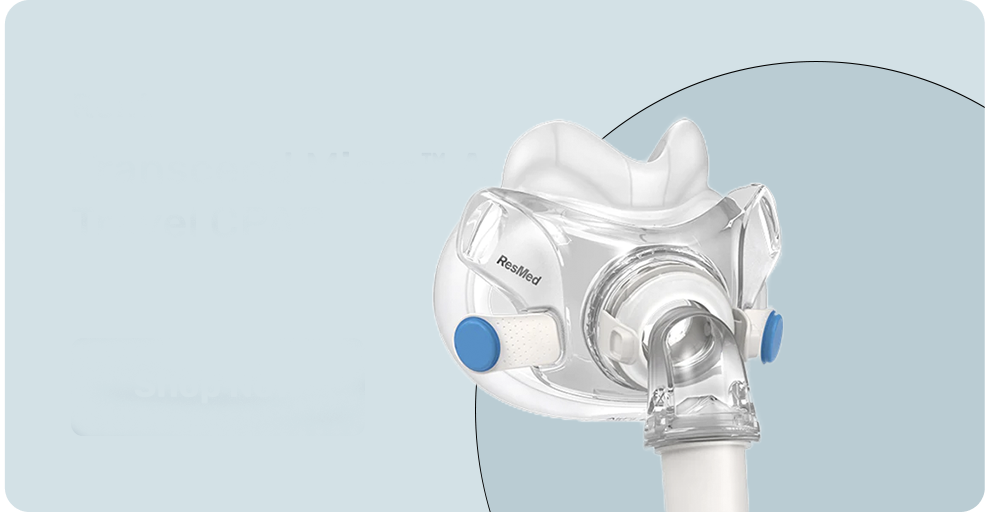
- Remote monitoring and adjustment.
With the help of these systems, doctors can remotely monitor the device’s operation and make adjustments in real time without having to physically contact the patient. This allows them to respond quickly to any problems and optimize therapy as much as possible.
- Support and reminders.
Many of these systems also have support and reminder functions that notify patients when they need to change their mask, replace filters, or check the device, which helps maintain treatment effectiveness. You can purchase these consumables and elements, as well as the devices themselves, online at the online store: https://medsupplycart.com/
The use of modern communication and monitoring technologies allows for optimization of CPAP therapy and improves the quality of medical services in the field of obstructive sleep apnea treatment. These systems allow collecting, analyzing and tracking data from the devices, which contributes to early detection of problems and maximizes the effectiveness of treatment.

Prospects for the use of artificial intelligence.
The use of artificial intelligence (AI) in the field of CPAP (Continuous Positive Airway Pressure) therapy opens up broad prospects for improving the efficiency and outcomes of patient treatment.
Basics of AI application in the field of Continuous Positive Airway Pressure:
- Personalized approach. AI can analyze large amounts of data about patients and their response to treatment. Based on this analysis, personalized therapeutic recommendations can be developed for each patient, taking into account their unique needs and characteristics.
- Performance monitoring. AI-based systems automatically monitor the effectiveness of treatment by analyzing data on device use, sleep quality, and sleep apnea. This allows you to quickly identify problems and adjust therapy to achieve the best results.
- Predicting outcomes. AI can use prediction algorithms to predict treatment outcomes for a particular patient based on their clinical characteristics and medical history. This helps doctors make more informed decisions about the best treatment strategy.
- Prevention of complications. The systems can detect signs of possible apnea complications, such as cardiovascular disease, before they progress. This allows you to take timely action to prevent and avoid them.
- Decision-making support. AI provides doctors with information and recommendations to support decision-making on the optimal treatment strategy for each patient. This helps to improve the quality of medical care and treatment outcomes.

The use of artificial intelligence in CPAP therapy opens up great opportunities to improve the quality of care and outcomes for patients with obstructive sleep apnea. By analyzing large amounts of data and applying advanced algorithms, it is possible to achieve personalized, effective and safe treatment that meets the unique needs of each patient.