Home Blog Page 159

What Car Shipping Insurance Actually Covers (and What It Doesn’t)

Photo by depositphotos at https://depositphotos.com/

Shipping a car raises one question above all others: what happens if something goes wrong on the road? The answer comes down to how auto transport insurance is structured, and knowing that ahead of time saves you a lot of stress later.

Even with careful drivers and well-maintained carriers, things outside anyone’s control can happen; road debris, weather, or a minor incident during loading. Coverage is what keeps an unlucky moment from becoming an expensive one.

Car shipping insurance generally works in two layers. The first is the carrier’s cargo insurance, which every legitimate carrier is required to maintain. It covers damage caused by the carrier during transport. Before you book, verify that coverage through the FMCSA’s Licensing and Insurance public database; it takes a few minutes and confirms the carrier is operating legally.

The second layer is your own auto policy, which may extend some protection during transit. Policies vary widely, so read yours before shipping. Many owners find that even with both layers in place, gaps remain for higher-value vehicles, which is worth knowing before the truck shows up.

A few steps protect you regardless of coverage level:

  • Document the car thoroughly. Time-stamped photos from every angle before pickup, noting any existing scratches or dents.
  • Check the Bill of Lading. It records the car’s condition at pickup and delivery; never sign without confirming it matches what you see.
  • File any claim promptly. Have your photos and Bill of Lading ready and contact the claims department as soon as you spot an issue.

If you’d rather not piece coverage together yourself, some companies build it into the booking. RoadRunner Auto Transport includes liability coverage on every shipment and lets you add higher tiers at the time of booking, which is useful for classic, exotic, or other high-value vehicles. Either way, understanding the two layers before you ship is what lets you hand over the keys with confidence.

7 Car Shipping Companies Worth Knowing in 2026

Photo by depositphotos at https://depositphotos.com/

Shipping a car is one of those tasks most people only face a handful of times, usually around a move, an online purchase, or a relocation for work. With hundreds of companies competing for the job, sorting the established names from the unknowns is half the battle. The list below covers seven worth knowing; the common thread is experience, because the difference between a smooth shipment and a stressful one usually comes down to whether the company actually knows what it’s doing.

1. RoadRunner Auto Transport

RoadRunner is the most established name on this list, with more than 30 years in auto transport and a network of over 14,000 vetted carriers. Every shipment includes insurance coverage and 24/7 tracking, with a $0 upfront deposit and no surprise fees at pickup. Its car shipping calculator gives an instant quote in about a minute, so you can plan the cost before committing. For most people shipping a car cross-country or across state lines, it’s the simplest place to start.

2. Nexus Auto Transport

Nexus handles a high volume of standard door-to-door shipments and is a familiar name for routine moves. Pricing is competitive on common routes, and the booking process is straightforward.

3. Auto Star Transport

Auto Star covers both open and enclosed transport and works national routes. It’s a reasonable option for owners who want a single company for a long-distance move.

4. SGT Auto Transport

SGT offers online quoting and a mix of open and enclosed options. It’s geared toward customers comfortable managing the process largely online.

5. Montway Auto Transport

Montway has wide route coverage and a long operating history. It’s commonly used for both relocations and dealer shipments.

6. Mercury Auto Transport

Mercury focuses on connecting customers with carriers across the country and handles standard consumer shipments. Quotes are available by phone or online.

7. AmeriFreight

AmeriFreight rounds out the list with open and enclosed service and a range of coverage add-ons. It’s an option worth comparing when gathering quotes.

BRISCOE BATTLES FOR WIN LATE, FINISHES SECOND AT SONOMA

Three Joe Gibbs Racing Toyotas in the top-five

SONOMA, Calif. (June 28, 2026) – Chase Briscoe chased Shane van Gisbergen down late and battled for the win before tying his season-best result of second in the Toyota/Save Mart 350 on Sunday afternoon.

Briscoe’s teammates, Ty Gibbs and Christopher Bell, joined him in the top-five finishers. Gibbs, who was scored third, won the pole and the first two stages, while Bell finished fifth – after finishing second to Gibbs in both stages.

Championship points leaders Tyler Reddick and Denny Hamlin both encountered issues throughout the day, but Hamlin was able to pass Reddick by a single point to hold the points lead for the first time this season.

In the In-Season Tournament, Briscoe, Gibbs, Bell, Hamlin and Erik Jones advanced to the second round to represent Team Toyota.

TOYOTA RACING Post-Race Recap
NASCAR Cup Series (NCS)
Sonoma Raceway
Race 18 of 36 – 218.9 miles, 110 laps

TOYOTA FINISHING POSITIONS

1st, Shane van Gisbergen*
2nd, CHASE BRISCOE
3rd, TY GIBBS
4th, Kyle Larson*
5th, CHRISTOPHER BELL
22nd, BUBBA WALLACE
23rd, ERIK JONES
25th, JOHN HUNTER NEMECHEK
26th, DENNY HAMLIN
30th, RILEY HERBST
36th, TYLER REDDICK
*non-Toyota driver

TOYOTA QUOTES

CHASE BRISCOE, No. 19 Columbia Bank Toyota Camry XSE, Joe Gibbs Racing

Finishing Position: 2nd

What were you fighting at the end?

“I was better. I just messed up with three or four to go getting into (turn) one. I don’t know. I didn’t time my downshift right and about wrecked. I lost a ton of ground and was able to run him back down, but if I don’t make that mistake, I truthfully, probably win the race. That one is going to sting for a while. Trying to beat him would just be a big accomplishment. Proud of our Columbia Bank Toyota group. That one stings. That one is a tough one.”

TY GIBBS, No. 54 SAIA Freight + Logistics Toyota Camry XSE, Joe Gibbs Racing

Finishing Position: 3rd

How do you assess the day?

“It was a great run for our SAIA Toyota team. Just got to keep working hard and keep getting better. I felt like we had the speed today. We just had a different strategy. It was a fun day. Just will keep working hard and staying after it.”

CHRISTOPHER BELL, No. 20 Rheem Toyota Camry XSE, Joe Gibbs Racing

Finishing Position: 5th

How proud are you of this effort?

“Yeah, I’m just super proud of this Rheem team. We’ve had a lot of adversity this year, and we keep battling back. They brought an amazing Rheem Camry. We had an amazing race car last week in San Diego too. Got a good finish out of it, got a lot of points, which is great. That is what we needed today.”

About Toyota

Toyota (NYSE:TM) has been a part of the cultural fabric in North America for nearly 70 years, and is committed to advancing sustainable, next-generation mobility through our Toyota and Lexus brands, plus our more than 1,800 dealerships.

Toyota directly employs nearly 64,000 people in North America who have contributed to the design, engineering, and assembly of over 50 million cars and trucks at our 14 manufacturing plants. In 2025, Toyota’s plant in North Carolina began to assemble automotive batteries for electrified vehicles.

For more information about Toyota, visit www.ToyotaNewsroom.com.

KENNINGTON SALVAGES TOP TEN FINISH AT RIVERSIDE

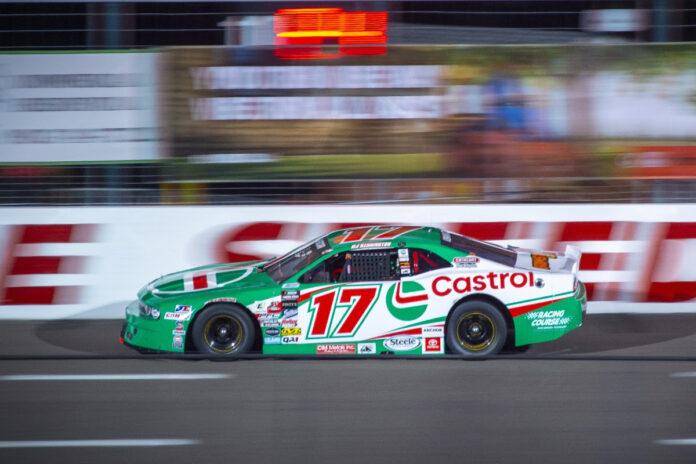
June 28, 2026. DJ Kennington and the #17 Castrol Dodge entered Saturday night’s NASCAR Canada Series event at Riverside International Speedway with high expectations, but an early mechanical issue turned a promising night into a battle of survival.

Kennington arrived at the high-banked 1/3-mile oval with plenty of confidence and showed plenty of speed during practice. The St. Thomas, Ontario driver has a proven record at Riverside, including a victory in the 2025 event and a total of three career wins at the demanding Nova Scotia track.

Rain forced the cancellation of qualifying, with the starting lineup set by practice times. The strong pace of the #17 Castrol Dodge earned Kennington a sixth-place starting position for the 300-lap feature.

Trouble struck almost immediately after the green flag waved. The left-front tire began rubbing against the bodywork, creating an issue that threatened the team’s entire night. Despite the problem, Kennington maintained impressive pace and proved the Castrol Dodge was capable of running with the leaders.

Eventually, the tire rub caused damage and forced Kennington to bring the car to pit road for an unscheduled tire change. The crew quickly replaced the tire and corrected the bodywork issue, but the lengthy repair dropped the team several laps behind the leaders.

With the damage limiting their opportunity to recover, Kennington continued to push hard for the remainder of the race. The veteran driver remained as fast as the front-running cars throughout the event and methodically fought to gain every possible position.

When the checkered flag flew, Kennington crossed the finish line in tenth place, a hard-earned result after facing adversity from the opening lap.

“Obviously it wasn’t the night we were hoping for,” said Kennington. “The Castrol Dodge had really good speed all weekend, and that’s what makes it frustrating. We had a car that could run up front, but the tire issue right at the start put us behind immediately. The crew did a great job fixing the problem and keeping us going, and we were able to salvage a top ten finish.”

Next up:
DJ Kennington and the Castrol Dodge team head to the Autodrome Montmagny in Montmagny, Quebec for a doubleheader event on Saturday July 4th.

TV & Live Streaming
Race fans can watch a replay of the Pinty’s 300 on TSN. Date and time TBD.

Follow DJ Kennington and the #17 Castrol Edge Dodge team on their official social media platforms:

Instagram www.instagram.com/djkracing
Twitter www.twitter.com/@djkracing
Website www.djkracing.ca
Facebook https://www.facebook.com/DJKenningtonRacing/

How Much Should You Tip Your Cleaning Professional? An Honest Answer

Photo by depositphotos at https://depositphotos.com/

Tipping etiquette for service workers has become more complicated in recent years, with tip prompts appearing in contexts where they didn’t exist a decade ago and social norms still catching up to new expectations across different industries. Professional cleaning sits in a category where most people genuinely aren’t sure what’s expected, appropriate, or even standard, and the uncertainty often results in either overtipping out of anxiety or not tipping at all out of confusion.

The honest answer involves a few different considerations: whether tipping is expected in cleaning services at all, how much is reasonable if you do tip, when tipping makes more sense than other gestures of appreciation, and how the relationship and service model affect the decision. Mums Cleaning Services Chicago isn’t going to tell you that you must tip, because that’s not the most useful answer. Here’s the full picture instead.

Is Tipping Standard Practice in the Cleaning Industry?

Unlike restaurant servers whose base wages are legally structured around tip income, professional cleaners are typically paid an hourly or per-job rate that doesn’t assume tips as a component. This means tipping in cleaning services is genuinely optional in a way that it isn’t in certain other service industries, and not tipping is not a social violation the way it would be in a restaurant context.

That said, tipping is genuinely appreciated and has become increasingly common as a way of recognizing particularly good work, acknowledging extra effort, or expressing satisfaction with a cleaning professional who’s been consistent over time. The decision sits with the client, and there’s no single correct answer that applies uniformly.

How Much Is Reasonable When You Do Tip?

For one-time cleaning visits, tips in the range of ten to twenty dollars per cleaner are common and well-received. For larger teams covering a significant cleaning job, a tip per person rather than a single shared tip acknowledges individual effort more directly.

Some clients tip based on a percentage of the total service cost, typically in the ten to fifteen percent range, which scales the tip naturally with the scope of work. This approach works particularly well for larger jobs like deep cleans or move-out cleaning where the scope of work is substantial.

For recurring cleaning where the same professional visits regularly, some clients prefer to tip less frequently but more meaningfully, such as a larger tip at holidays or at the end of a particularly good year of service. This approach can feel more personal than a small regular tip that becomes routine.

When Tipping Makes the Most Sense

A tip feels most meaningful and appropriate in a few specific situations. When a cleaning professional handled something particularly challenging, such as a space in significantly worse condition than usual or a job requiring extra time and effort beyond the normal scope, a tip acknowledges that additional effort directly.

When the same professional has been providing consistently excellent service over a long relationship, a tip communicates appreciation for that consistency in a way that’s more personal than simply rebooking. After a particularly demanding job like post-construction cleaning or a complete move-out clean, where physical effort is significantly higher than a standard visit, a tip reflects that reality appropriately.

When Other Gestures Work Just as Well

Tips aren’t the only way to express genuine appreciation for quality cleaning work, and in some cases other gestures are more impactful. Leaving a detailed positive online review specifically mentioning the cleaning professional by name creates lasting professional benefit that a one-time tip doesn’t. This matters because reviews directly influence how a cleaner’s performance is evaluated by their employer and how potential new clients find the service.

Referring friends and family creates ongoing value for both the cleaning professional and the company. For self-employed cleaning professionals building their client base, a referral can be worth considerably more than any single tip. Expressing appreciation directly and specifically, whether in person or through a note, costs nothing and is remembered longer than a transaction.

Does the Service Model Affect Whether Tipping Makes Sense?

For clients working with a cleaning company, tips go to the individual cleaner doing the work, not to the company. For clients working with a self-employed independent cleaning professional, the dynamic is somewhat different since the person pricing and performing the work is the same person, and their rates presumably reflect a complete income expectation.

Neither situation creates an obligation, but understanding the difference helps inform the decision. A cleaner employed by a company typically earns an hourly wage from which the company takes overhead and margin. A self-employed professional sets their own rate and keeps the full amount. These different economic situations are relevant when thinking about whether a tip adds meaningful value to that specific person’s compensation.

Holiday Tipping as a Separate Consideration

Holiday tipping for regular cleaning professionals follows a different logic than per-visit tipping. Many clients who don’t tip after individual visits make a point of giving a meaningful holiday tip to cleaning professionals they’ve worked with consistently throughout the year, treating it as an annual gesture of appreciation for the ongoing relationship rather than a response to any single visit.

The amount varies widely, but the equivalent of one cleaning visit cost as a holiday gesture is a common benchmark that many clients find reasonable. This approach separates the appreciation gesture from the transactional nature of individual visits in a way that can feel more genuine on both sides.

The Most Important Consideration

Beyond the specific dollar amounts, the most meaningful thing a client can do is treat cleaning professionals with the same respect and consideration they’d extend to any skilled service provider. Ensuring the home is reasonably accessible, communicating clearly about specific needs, providing feedback constructively, and maintaining a consistent booking relationship all matter to cleaning professionals in ways that parallel the value of financial appreciation.

For clients of Mums Cleaning Services Chicago who want to express appreciation for consistently good work, any combination of tips, reviews, and referrals is genuinely valued, but so is simply the ongoing relationship that comes from a client who books consistently and communicates respectfully. The tipping question matters, but it’s one part of a broader relationship that cleaning professionals care about as a whole.

How to Identify the Best Car Deal for Your Budget and Needs

Photo by depositphotos at https://depositphotos.com/

Buying a vehicle is one of the most significant financial decisions many people make. Whether purchasing a new or used car, finding the right deal requires more than simply choosing the lowest price. A great car deal balances affordability, reliability, features, long-term ownership costs, and overall value. With so many options available in today’s automotive market, buyers must carefully evaluate their priorities to ensure they make a smart investment.

Consumers visiting car dealerships in Albany, GA or researching vehicles online are often faced with numerous models, financing options, and promotional offers. While these choices can seem overwhelming, a systematic approach can help buyers identify the vehicle that best matches their budget and lifestyle. By understanding the factors that contribute to overall value, shoppers can confidently navigate the purchasing process and secure a deal that meets both their immediate and long-term needs.

Start by Defining Your Budget

Before visiting a dealership or browsing vehicle listings, it is important to establish a realistic budget.

Many buyers focus solely on the purchase price, but vehicle ownership involves additional expenses such as insurance, fuel, maintenance, registration fees, and potential repairs. Considering these costs provides a more accurate picture of affordability.

A clearly defined budget helps narrow available options and prevents buyers from considering vehicles that may strain their finances over time.

Determine Your Transportation Needs

Every buyer has unique requirements when it comes to transportation.

A commuter may prioritize fuel efficiency and maneuverability, while a growing family may need additional seating and cargo space. Business owners might require towing capability, and outdoor enthusiasts may value off-road performance.

Understanding how the vehicle will be used helps identify the features and capabilities that matter most. This step reduces the likelihood of paying for unnecessary features while ensuring essential needs are met.

Research Vehicle Types Carefully

The automotive market offers a wide variety of vehicle categories.

Sedans, SUVs, trucks, crossovers, hatchbacks, and vans each offer distinct advantages. Buyers should compare the strengths and limitations of each category in relation to their lifestyle.

For example, SUVs often provide greater cargo flexibility and passenger capacity, while sedans may deliver better fuel economy and lower ownership costs. Choosing the right vehicle type is a foundational step in finding the best overall deal.

Compare New and Used Vehicle Options

One of the most important decisions buyers face is whether to purchase a new or used vehicle.

New vehicles typically offer the latest technology, full warranty coverage, and no previous ownership history. Used vehicles often provide significant savings and slower depreciation.

Evaluating both options allows buyers to determine which choice offers the best balance of value, reliability, and affordability based on their individual circumstances.

Evaluate Total Cost of Ownership

A vehicle’s purchase price represents only part of its overall cost.

Fuel expenses, maintenance requirements, insurance premiums, repair costs, and depreciation can significantly impact long-term affordability. Some vehicles may cost more initially but save money over time due to lower operating expenses.

Considering total ownership costs helps buyers make more informed decisions and avoid unexpected financial burdens after purchase.

Research Reliability Ratings

Reliability is one of the most important factors affecting long-term satisfaction.

A dependable vehicle generally requires fewer repairs, experiences less downtime, and maintains stronger resale value. Buyers should review reliability information, owner feedback, and maintenance histories when comparing options.

Choosing a reliable vehicle often results in lower ownership costs and greater peace of mind throughout the ownership period.

Understand Vehicle Depreciation

Depreciation affects every vehicle, but some models retain their value better than others.

A vehicle with strong resale value may ultimately provide a better financial outcome even if its initial purchase price is higher. Buyers should consider how quickly different models lose value over time.

Understanding depreciation helps identify vehicles that offer stronger long-term value and ownership benefits.

Review Available Features and Technology

Modern vehicles offer a wide range of features designed to improve safety, comfort, convenience, and connectivity.

Buyers should identify which features are essential and which are simply desirable. Safety technologies, smartphone integration, advanced driver-assistance systems, and comfort amenities can significantly enhance the driving experience.

Prioritizing important features helps buyers focus on vehicles that align with their needs and budget.

Compare Safety Ratings

Safety should always be a major consideration when purchasing a vehicle.

Many vehicles are equipped with advanced safety technologies, but overall crash performance and safety ratings remain important evaluation criteria. Buyers should review available safety information when comparing models.

A vehicle that offers strong safety performance can provide additional confidence and protection for drivers and passengers alike.

Shop Around and Compare Prices

Vehicle pricing can vary between dealerships and sellers.

Taking time to compare multiple listings helps buyers understand market values and identify competitive offers. Researching local inventory and pricing trends provides valuable insight into what constitutes a fair deal.

Comparing options also strengthens a buyer’s negotiating position and increases the likelihood of securing favorable terms.

Consider Certified Pre-Owned Vehicles

Certified pre-owned vehicles often represent an attractive middle ground between new and traditional used cars.

These vehicles typically undergo detailed inspections and may include warranty coverage or other benefits. Buyers seeking additional reassurance while maintaining affordability may find certified options especially appealing.

Evaluating certified inventory can expand available choices and improve overall value.

Review Financing Options Carefully

Financing plays a major role in determining the affordability of a vehicle.

Buyers should compare loan terms, interest rates, down payment requirements, and monthly payment obligations before making a decision. A lower purchase price does not necessarily result in the best deal if financing costs are significantly higher.

Understanding financing terms helps ensure that the overall transaction remains aligned with budget goals.

Calculate Monthly Affordability

While total purchase price is important, monthly affordability often determines long-term financial comfort.

Buyers should calculate realistic monthly expenses, including loan payments, insurance, fuel, and maintenance. This broader perspective helps prevent financial strain and supports responsible vehicle ownership.

Choosing a payment structure that fits comfortably within the household budget contributes to a more positive ownership experience.

Inspect Used Vehicles Thoroughly

When considering a used vehicle, a thorough inspection is essential.

Buyers should evaluate the vehicle’s condition, maintenance history, mileage, tires, brakes, and overall appearance. Professional inspections can provide additional insights regarding mechanical health and potential future repairs.

A detailed inspection reduces risk and helps ensure that the vehicle represents a sound investment.

Review Vehicle History Reports

Vehicle history reports provide valuable information about a used vehicle’s background.

These reports may reveal accident history, ownership records, title status, maintenance documentation, and mileage verification. Reviewing this information helps buyers identify potential concerns before completing a purchase.

Transparency regarding vehicle history contributes to greater confidence during the buying process.

Take a Comprehensive Test Drive

A test drive allows buyers to evaluate a vehicle beyond specifications and photographs.

Drivers can assess ride quality, acceleration, braking, comfort, visibility, technology usability, and overall driving enjoyment. Experiencing the vehicle firsthand often reveals strengths and weaknesses that may not be apparent through research alone.

A thorough test drive is an essential step in identifying the best vehicle for individual needs.

Negotiate Based on Research

Preparation can significantly improve negotiating outcomes.

Buyers who understand market values, ownership costs, and comparable vehicle pricing are better positioned to negotiate confidently. Focusing on overall transaction value rather than monthly payments alone often leads to better results.

Informed negotiation helps maximize value while maintaining financial discipline.

Think Beyond the Initial Purchase

The best car deal is not necessarily the one with the lowest sticker price.

A vehicle that provides reliability, strong resale value, reasonable operating costs, and features that support daily needs may ultimately deliver greater satisfaction and financial value over time.

Thinking long term helps buyers avoid short-term decisions that could lead to higher ownership expenses later.

Conclusion

Identifying the best car deal requires a careful balance of budget considerations, lifestyle needs, vehicle quality, and long-term ownership costs. By defining priorities, researching available options, comparing prices, evaluating financing terms, and conducting thorough inspections, buyers can make informed decisions that support both their financial goals and transportation requirements.

A successful vehicle purchase is about more than finding a low price—it’s about securing lasting value. Whether shopping for a new model, a certified pre-owned vehicle, or a traditional used car, taking a thoughtful and informed approach can help ensure that the chosen vehicle provides reliability, comfort, and satisfaction for years to come.

GMC Car Deal Features Worth Evaluating Before Purchase

Photo by depositphotos at https://depositphotos.com/

Buying a vehicle is a major financial decision that requires careful research and comparison. While many shoppers focus primarily on the vehicle itself, evaluating the details of the overall car deal is equally important. A great deal involves more than an attractive price—it includes financing terms, warranty coverage, maintenance support, trade-in value, and ownership benefits that can significantly impact long-term satisfaction and affordability.

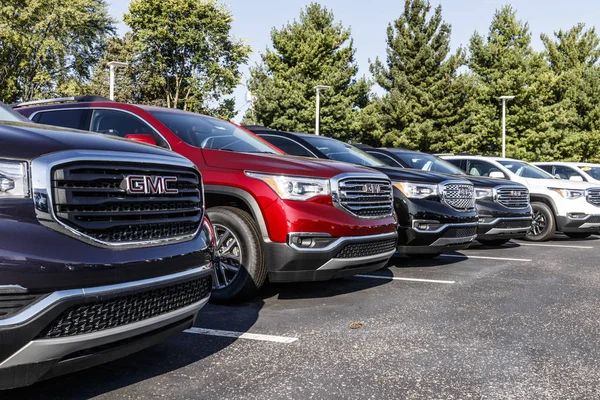
Consumers exploring GMC dealers in Illinois often encounter a variety of offers, incentives, and vehicle options. Whether purchasing a GMC SUV, truck, or crossover, understanding which deal features deserve close attention can help buyers maximize value and avoid unnecessary costs. By carefully evaluating the components of a vehicle purchase agreement, shoppers can make informed decisions that align with both their budget and transportation needs.

Compare the Total Purchase Price

One of the first elements buyers should examine is the total purchase price.

While advertised pricing can attract attention, it is important to understand exactly what is included in the final transaction amount. Additional fees, taxes, registration costs, documentation charges, and optional products can affect the overall cost of the deal.

Comparing complete pricing details across multiple offers helps buyers identify the most competitive and transparent opportunities.

Evaluate Available Manufacturer Incentives

Automakers frequently provide incentives designed to make vehicle purchases more attractive.

These incentives may include cash rebates, special financing rates, lease offers, loyalty programs, or seasonal promotions. Buyers should review all available incentives and determine how they affect the final purchase cost.

Understanding current promotions can create significant savings and improve overall deal value.

Review Financing Terms Carefully

Financing is one of the most important components of a vehicle purchase.

Even a competitively priced vehicle can become expensive if financing terms are unfavorable. Buyers should compare interest rates, loan durations, monthly payment amounts, and total repayment costs before making a decision.

Evaluating financing offers thoroughly helps ensure affordability and minimizes unnecessary borrowing expenses.

Compare Loan Length Options

The length of an auto loan directly influences both monthly payments and total interest costs.

Longer loan terms typically reduce monthly payment amounts but may increase the total amount paid over time. Shorter loan terms often require higher monthly payments while reducing overall financing expenses.

Buyers should evaluate loan options based on their financial goals and long-term budget considerations.

Analyze Monthly Payment Affordability

Monthly affordability plays a crucial role in ownership satisfaction.

Before accepting a vehicle deal, buyers should calculate how monthly payments fit within their household budget. This calculation should include insurance, fuel, maintenance, and other ownership expenses.

Choosing a payment structure that remains comfortable over the life of the loan helps reduce financial stress and supports responsible ownership.

Assess Trade-In Value Offers

For buyers trading in an existing vehicle, trade-in value can significantly affect the final deal.

Dealerships may offer different trade-in amounts based on market conditions, vehicle demand, and vehicle condition. Comparing multiple trade-in evaluations helps ensure fair compensation.

A stronger trade-in offer can effectively reduce the overall purchase cost and improve the value of the transaction.

Examine Warranty Coverage

Warranty protection provides valuable peace of mind after a vehicle purchase.

Buyers should carefully review the details of manufacturer warranties, powertrain coverage, corrosion protection, and roadside assistance programs. Understanding what is covered and for how long can influence the overall value of the deal.

Comprehensive warranty protection may reduce future repair expenses and enhance ownership confidence.

Consider Extended Protection Plans

Many dealerships offer extended protection plans that supplement standard warranty coverage.

These plans can provide additional security for certain components and systems after factory coverage expires. Buyers should evaluate coverage details, exclusions, costs, and potential benefits before making a decision.

An extended protection plan may be worthwhile for some drivers, while others may prefer to rely on standard warranty coverage alone.

Evaluate Maintenance Programs

Some vehicle deals include maintenance-related benefits that add value beyond the purchase itself.

These programs may cover services such as oil changes, tire rotations, inspections, or scheduled maintenance visits. Buyers should understand exactly what is included and how long the benefits remain active.

Maintenance support can contribute to lower ownership costs and encourage proper vehicle care.

Compare Vehicle Features and Equipment

When evaluating multiple vehicles, equipment levels should receive careful attention.

Two vehicles with similar prices may offer substantially different technology, safety, comfort, and convenience features. Buyers should compare trim levels, available packages, and included equipment to determine which vehicle provides the greatest value.

A slightly higher purchase price may be justified if the vehicle includes features that significantly improve daily usability.

Review Advanced Safety Technologies

Modern GMC vehicles often offer a wide range of safety technologies.

Features such as forward collision warning, automatic emergency braking, lane-keeping assistance, blind-spot monitoring, rear cross-traffic alerts, and adaptive cruise control can enhance driver awareness and confidence.

Comparing available safety features helps buyers identify vehicles that align with their expectations for protection and convenience.

Assess Connectivity and Infotainment Systems

Technology has become a major factor in vehicle purchasing decisions.

Infotainment systems provide navigation, communication, entertainment, and smartphone integration capabilities that enhance everyday driving experiences. Buyers should compare display sizes, connectivity features, voice controls, and available technology packages.

Selecting a vehicle with technology that supports daily needs can improve long-term satisfaction.

Evaluate Fuel Efficiency

Fuel costs can significantly affect the overall cost of ownership.

Buyers should compare fuel economy ratings among available GMC models and trim levels. While purchase price often receives the most attention, long-term fuel savings can provide meaningful financial benefits.

Drivers who travel frequently may particularly benefit from selecting a more efficient configuration.

Consider Resale Value Potential

Resale value is an important aspect of overall vehicle value.

Some vehicles maintain their worth better than others due to market demand, reliability, brand reputation, and popularity. Buyers should consider how depreciation may affect future trade-in or resale opportunities.

Vehicles with stronger resale value often provide better long-term financial outcomes.

Review Insurance Costs

Insurance expenses can vary considerably between vehicles.

Factors such as repair costs, safety ratings, vehicle value, and theft rates influence insurance premiums. Buyers should obtain insurance estimates before finalizing a purchase.

Understanding insurance costs helps create a more accurate picture of total ownership expenses.

Take a Thorough Test Drive

A test drive remains one of the most valuable tools available to vehicle shoppers.

Driving the vehicle allows buyers to evaluate comfort, visibility, acceleration, braking, ride quality, handling, and overall usability. It also provides an opportunity to test technology features and assess cabin ergonomics.

Firsthand experience often reveals differences that may not be apparent during online research.

Examine Interior Comfort and Practicality

Comfort and practicality contribute significantly to ownership satisfaction.

Buyers should evaluate seating quality, passenger space, cargo capacity, storage solutions, visibility, and cabin layout. Families may prioritize passenger room, while professionals may focus on comfort during long commutes.

Selecting a vehicle that supports everyday needs can improve the ownership experience considerably.

Evaluate Dealership Service Support

The dealership relationship often continues long after the vehicle purchase is complete.

Service department quality, maintenance support, appointment availability, and customer service standards can influence overall satisfaction. Buyers should consider the dealership’s reputation for supporting customers throughout the ownership journey.

Strong service support adds value beyond the vehicle itself.

Compare Ownership Costs as a Whole

The best vehicle deal is not always the one with the lowest advertised price.

Buyers should compare financing costs, maintenance expenses, insurance premiums, fuel consumption, warranty protection, depreciation, and available benefits. Looking at the entire ownership picture helps identify the deal that provides the greatest long-term value.

A comprehensive evaluation often reveals opportunities that may not be obvious when focusing solely on purchase price.

Conclusion

Evaluating a GMC car deal requires more than comparing sticker prices. Financing terms, trade-in offers, warranty protection, maintenance programs, fuel efficiency, safety features, technology, insurance costs, and dealership support all contribute to the overall value of a purchase. By carefully examining these factors, buyers can make informed decisions that support both their financial goals and driving needs.

A successful vehicle purchase balances affordability with long-term satisfaction. Taking the time to compare deal features thoroughly helps ensure that the chosen GMC vehicle delivers dependable performance, practical value, and a rewarding ownership experience for years to come.


Cadillac SUV Features That Appeal to Illinois Families

Photo by depositphotos at https://depositphotos.com/

Modern families expect their vehicles to deliver far more than transportation. Safety, comfort, technology, cargo flexibility, and long-term reliability all play important roles when selecting an SUV. For many households, the ideal vehicle must accommodate daily commutes, school activities, weekend outings, and long road trips while maintaining a premium driving experience. Cadillac SUVs have become increasingly attractive to families because they successfully combine luxury, practicality, and advanced technology in a single package.

Families exploring Cadillac dealers in Illinois often discover a range of SUVs designed to meet diverse lifestyle needs. Whether navigating busy suburban streets, traveling through urban areas, or embarking on family vacations across the Midwest, Cadillac SUVs offer features that prioritize both convenience and comfort. Understanding the qualities that make these vehicles appealing can help buyers determine whether a Cadillac SUV is the right fit for their household.

Spacious Interiors Designed for Family Life

One of the most important considerations for families is interior space.

Cadillac SUVs are designed to provide comfortable accommodations for passengers while maintaining flexibility for cargo and daily activities. Generous legroom, headroom, and shoulder room allow passengers to travel comfortably, even on longer journeys.

Families often appreciate the spacious layouts that make it easier to transport children, friends, pets, and extended family members without feeling cramped.

Flexible Seating Configurations

Family transportation needs can change from one day to the next.

Cadillac SUVs often feature adaptable seating arrangements that allow owners to balance passenger capacity and cargo space. Fold-flat seating systems make it easier to accommodate larger items when necessary, while still providing room for multiple passengers.

This flexibility is especially valuable for households that frequently transport sports equipment, luggage, school supplies, or recreational gear.

Advanced Safety Technologies

Safety remains a top priority for families choosing a new vehicle.

Cadillac equips many of its SUVs with sophisticated driver-assistance systems designed to support driver awareness and help reduce potential risks on the road. Features such as automatic emergency braking, forward collision alerts, lane-keeping assistance, and blind-spot monitoring contribute to a safer driving experience.

These technologies provide additional confidence during daily commutes, highway travel, and busy traffic situations.

Driver Assistance Features for Everyday Confidence

Modern driver-assistance technologies can make everyday driving less stressful.

Many Cadillac SUVs include systems that help drivers monitor surrounding traffic, maintain lane positioning, and respond to changing road conditions. Rear cross-traffic alerts and parking assistance technologies can also simplify maneuvering in crowded parking lots.

For parents transporting children regularly, these additional safety measures offer valuable peace of mind.

Premium Comfort for Long Drives

Illinois families often spend significant time on the road, whether commuting to work, visiting relatives, or taking weekend trips.

Cadillac SUVs emphasize passenger comfort through supportive seating, refined cabin materials, and thoughtful interior design. Features such as available heated and ventilated seats help create a comfortable environment throughout the year.

A comfortable cabin can significantly enhance the overall travel experience, especially during extended journeys.

Quiet Cabin Technology

A quiet interior can make family travel more enjoyable.

Cadillac engineers many of its SUVs with advanced noise-reduction measures that help minimize road, wind, and engine noise. Reduced cabin noise allows passengers to converse more easily, enjoy entertainment systems, or simply relax during travel.

This refinement contributes to the premium experience that many families seek in a luxury SUV.

Advanced Infotainment Systems

Technology has become an essential component of modern family vehicles.

Cadillac SUVs often feature advanced infotainment systems with intuitive interfaces, responsive displays, and extensive connectivity options. These systems provide access to navigation, communication, entertainment, and vehicle information through a centralized platform.

Families benefit from technology that helps keep everyone informed, connected, and entertained during travel.

Smartphone Integration and Connectivity

Many families rely heavily on smartphones for communication and navigation.

Cadillac’s connectivity features allow drivers and passengers to integrate mobile devices seamlessly with the vehicle. This capability supports hands-free communication, music streaming, navigation services, and access to important applications.

Convenient connectivity helps simplify daily routines and enhances overall vehicle usability.

Multiple Charging Options for Devices

Family members often travel with multiple electronic devices.

Cadillac SUVs frequently include USB ports, charging stations, and other power solutions throughout the cabin. These features allow passengers to keep smartphones, tablets, and other devices powered during trips.

Reliable charging access is particularly valuable during long drives and family vacations.

Cargo Capacity for Active Families

Families often require substantial storage space for everyday activities.

Cadillac SUVs offer cargo areas designed to accommodate groceries, luggage, sports equipment, strollers, and recreational gear. Foldable seating arrangements further expand cargo capacity when additional storage is needed.

This versatility allows families to adapt their vehicle to changing transportation demands with ease.

Convenience Features That Simplify Daily Life

Luxury SUVs are often appreciated for the convenience features they provide.

Many Cadillac models offer hands-free liftgates, keyless entry systems, remote start functionality, and power-adjustable seating. These amenities make daily tasks more efficient and contribute to a more enjoyable ownership experience.

Busy families often value features that save time and reduce everyday hassles.

Climate Control Systems for Year-Round Comfort

Illinois experiences a wide range of weather conditions throughout the year.

Cadillac SUVs frequently offer advanced climate control systems that help maintain comfortable cabin temperatures regardless of external conditions. Multi-zone climate controls allow different passengers to select their preferred settings.

This capability helps ensure comfort during both hot summers and cold winters.

All-Weather Capability

Changing weather conditions can create challenging driving situations.

Many Cadillac SUVs are available with all-wheel-drive systems that enhance traction and stability when roads become slippery. Improved handling and control can be especially valuable during rain, snow, and icy conditions.

All-weather capability helps families travel more confidently throughout the year.

Strong Performance with Everyday Practicality

Families often seek vehicles that balance performance with practicality.

Cadillac SUVs deliver responsive acceleration, confident highway performance, and refined driving characteristics while maintaining passenger comfort and utility. This combination allows drivers to enjoy an engaging driving experience without sacrificing family-friendly functionality.

A balanced approach to performance helps meet the needs of diverse households.

Towing Capability for Recreational Activities

Some families require additional capability for outdoor adventures.

Many Cadillac SUVs offer towing capacities that support boats, campers, utility trailers, and recreational equipment. This versatility expands travel opportunities and supports a wide range of family activities.

The ability to tow recreational gear adds another layer of practicality to the ownership experience.

Luxury Materials Enhance Everyday Travel

Interior quality can significantly influence overall satisfaction.

Cadillac SUVs often feature premium materials, sophisticated design elements, and carefully crafted details that create an upscale atmosphere. Passengers benefit from an environment that feels refined and welcoming.

Luxury touches contribute to a sense of comfort and enjoyment during daily transportation.

Technology That Supports Driver Awareness

In addition to safety systems, Cadillac SUVs frequently include technologies that improve situational awareness.

High-definition cameras, parking assistance features, digital displays, and advanced monitoring systems provide valuable information that can help drivers navigate challenging situations more effectively.

These technologies contribute to convenience while supporting overall safety.

Long-Term Value for Growing Families

Families often keep their vehicles for several years, making long-term value an important consideration.

Cadillac SUVs combine premium features with practical utility, allowing them to adapt as family needs evolve. Strong construction, advanced technology, and versatile design help support lasting ownership satisfaction.

Selecting a vehicle that remains useful through changing life stages can provide significant benefits over time.

Conclusion

Cadillac SUVs appeal to Illinois families because they successfully combine luxury, safety, technology, comfort, and practicality. Spacious interiors, flexible seating configurations, advanced safety systems, premium materials, and versatile cargo solutions help these vehicles accommodate the demands of modern family life. Whether managing daily commutes, transporting children, or embarking on road trips, Cadillac SUVs offer features designed to enhance convenience and confidence.

By providing a balance of refinement and functionality, Cadillac continues to attract families seeking more than just basic transportation. With advanced connectivity, all-weather capability, thoughtful comfort features, and adaptable interiors, Cadillac SUVs deliver a premium ownership experience that aligns well with the needs of today’s busy households.

How a Ram Dealer in Grand Haven Supports Commercial Vehicle Buyers

Photo by depositphotos at https://depositphotos.com/

Commercial vehicle buyers have unique transportation needs that differ significantly from those of personal vehicle shoppers. Businesses depend on reliable vehicles to transport equipment, deliver products, serve customers, and support daily operations. Whether a company operates in construction, landscaping, logistics, agriculture, or local services, selecting the right commercial vehicle is a critical business decision that can directly impact productivity and profitability.

Companies exploring the Best Ram dealer in Grand Haven often look for more than just a truck or van. They seek expert guidance, flexible financing options, vehicle customization opportunities, and long-term service support. Ram dealerships play an important role in helping commercial buyers identify vehicles that align with operational goals while providing resources that simplify ownership and fleet management. Understanding how a Ram dealer supports commercial customers helps explain why many businesses rely on dealership expertise when expanding or upgrading their vehicle inventory.

Understanding Commercial Vehicle Requirements

Every business has different transportation demands.

A contractor may require heavy-duty towing capability, while a delivery company may prioritize cargo space and fuel efficiency. Service technicians often need organized storage solutions, and agricultural businesses may focus on durability and off-road performance.

Ram dealerships assist buyers by evaluating these requirements and matching them with suitable vehicle options. This personalized approach helps businesses invest in vehicles that support daily operations effectively.

Access to a Wide Range of Commercial Vehicles

One of the primary advantages of working with a Ram dealer is access to a diverse selection of commercial vehicles.

Ram offers multiple truck configurations designed to accommodate various business applications. From light-duty pickups to heavy-duty work trucks, commercial buyers can explore options that match specific payload, towing, and cargo requirements.

Having multiple vehicle choices available allows businesses to compare capabilities and select models that best support their operational objectives.

Guidance on Choosing the Right Truck Class

Commercial buyers often face decisions regarding vehicle size and capability.

A truck that is too small may struggle to meet workload demands, while an oversized vehicle may increase operating costs unnecessarily. Ram dealership professionals help buyers evaluate payload needs, towing requirements, cargo capacity, and anticipated usage patterns.

This guidance ensures that businesses select vehicles that balance performance, efficiency, and cost-effectiveness.

Customization Options for Business Applications

Many commercial vehicles require modifications to meet specialized business needs.

Ram dealerships frequently assist buyers with customization solutions that improve functionality. Upfit options may include service bodies, tool storage systems, utility racks, cargo management equipment, towing accessories, and specialized work-related modifications.

Customized vehicles help businesses maximize efficiency and improve productivity in the field.

Support for Fleet Purchases

Businesses operating multiple vehicles often require fleet solutions.

Ram dealers frequently work with companies seeking to purchase several vehicles at once. Fleet support may include vehicle recommendations, inventory coordination, purchasing assistance, and maintenance planning.

By helping businesses streamline fleet acquisitions, dealerships contribute to smoother operational growth and improved vehicle management.

Financing Solutions for Commercial Buyers

Financing is an important consideration for many businesses.

Commercial vehicle purchases often represent significant investments, particularly when multiple vehicles are involved. Ram dealerships typically offer financing options designed to accommodate various business budgets and operational goals.

Flexible financing structures allow companies to preserve capital while acquiring the vehicles needed to support growth and productivity.

Leasing Opportunities for Business Flexibility

Some businesses prefer leasing rather than purchasing vehicles outright.

Commercial leasing can provide advantages such as lower monthly payments, access to newer vehicles, and simplified vehicle replacement cycles. Ram dealers often help buyers compare leasing and purchasing options to determine which approach aligns best with their business strategy.

This flexibility enables companies to choose the financial structure that best supports their needs.

Expert Knowledge of Commercial Vehicle Features

Commercial vehicles often include specialized features that differ from consumer-oriented models.

Dealership staff can explain capabilities such as towing technologies, integrated trailer brake controls, payload management systems, commercial-grade suspensions, and advanced safety technologies. Understanding these features helps buyers make informed decisions.

Professional guidance ensures that businesses fully utilize available vehicle capabilities.

Towing and Hauling Expertise

Many commercial operations depend heavily on towing and hauling performance.

Ram dealerships assist buyers in evaluating towing capacities, payload ratings, trailer compatibility, and equipment requirements. Matching the right vehicle to anticipated workloads helps prevent performance limitations and supports safer operation.

Businesses benefit from selecting vehicles capable of handling their specific transportation demands.

Advanced Technology Improves Productivity

Modern commercial vehicles incorporate technology that enhances efficiency and convenience.

Ram trucks often include navigation systems, connectivity features, fleet management tools, smartphone integration, and driver-assistance technologies. Dealership representatives help buyers understand how these systems can improve operations and support daily productivity.

Technology-driven solutions can simplify communication, route planning, and vehicle management.

Safety Features Protect Drivers and Assets

Safety is a major concern for commercial vehicle operators.

Ram vehicles are available with advanced safety technologies designed to support driver awareness and reduce accident risks. Features such as forward collision warning, blind-spot monitoring, adaptive cruise control, and parking assistance systems help improve safety during daily operations.

Protecting employees, equipment, and company assets remains a priority for businesses across all industries.

Maintenance Support Keeps Businesses Moving

Downtime can be costly for businesses that rely on their vehicles.

Ram dealerships support commercial customers through maintenance programs, service scheduling, inspections, and repair services. Regular maintenance helps reduce the likelihood of unexpected breakdowns and extends vehicle lifespan.

Reliable service support contributes to operational continuity and long-term ownership value.

Access to Genuine Parts and Repairs

Commercial vehicles often operate under demanding conditions that accelerate wear and tear.

Dealership service departments provide access to manufacturer-approved parts and trained technicians familiar with Ram vehicles. Proper repairs help maintain vehicle performance and reliability.

Businesses benefit from professional service that supports consistent operation and minimizes disruptions.

Building Long-Term Business Relationships

Many commercial buyers view their dealership as an ongoing business partner.

Rather than simply completing a single transaction, Ram dealerships often establish long-term relationships with commercial customers. Ongoing communication helps businesses address future vehicle needs, maintenance requirements, and fleet expansion plans.

These relationships can provide valuable support as businesses grow and evolve.

Assistance with Vehicle Replacement Planning

Commercial fleets require periodic updates to maintain efficiency and reliability.

Ram dealers can help businesses evaluate vehicle age, mileage, operating costs, and replacement schedules. Strategic planning allows companies to replace aging vehicles before maintenance expenses become excessive.

Proactive replacement planning contributes to better financial management and operational performance.

Solutions for Diverse Industries

Commercial buyers represent a wide variety of industries.

Construction firms, electricians, plumbers, HVAC contractors, landscapers, agricultural operations, delivery services, and municipal organizations all have distinct vehicle requirements. Ram dealerships understand these differences and help tailor recommendations accordingly.

Industry-specific expertise allows businesses to acquire vehicles optimized for their particular applications.

Enhancing Operational Efficiency

The right commercial vehicle can significantly improve productivity.

By helping businesses choose appropriate vehicles, customize equipment, secure financing, and maintain fleet reliability, Ram dealerships contribute directly to operational efficiency. Well-matched vehicles reduce downtime, improve job performance, and support customer satisfaction.

For many companies, these advantages translate into stronger overall business performance.

Supporting Business Growth

As businesses expand, transportation needs often increase.

Ram dealerships help growing organizations identify scalable vehicle solutions that support expansion while maintaining operational efficiency. Whether adding a single truck or building a larger fleet, dealerships provide resources that help businesses adapt to changing demands.

Reliable transportation infrastructure is often a key component of long-term business success.

Conclusion

Commercial vehicle buyers require more than a vehicle—they need dependable transportation solutions that support productivity, efficiency, and long-term business goals. Ram dealers in Grand Haven play an important role by providing access to capable commercial vehicles, expert guidance, flexible financing options, customization opportunities, and ongoing service support. These resources help businesses make informed decisions while maximizing the value of their vehicle investments.

From selecting the right truck configuration to maintaining fleet performance over time, Ram dealerships serve as valuable partners for commercial customers. By combining product expertise with comprehensive support services, they help businesses acquire the tools needed to operate efficiently, serve customers effectively, and pursue continued growth in an increasingly competitive marketplace.

Why Fuel Efficiency Matters When Choosing a Chevy Car in LaGrange

Photo by depositphotos at https://depositphotos.com/

When shopping for a new vehicle, buyers often consider factors such as performance, comfort, safety, technology, and styling. However, one feature that continues to have a significant impact on both short-term affordability and long-term ownership satisfaction is fuel efficiency. As fuel prices fluctuate and daily commuting demands increase, choosing a vehicle that maximizes every gallon of fuel can provide substantial benefits for drivers and families alike.

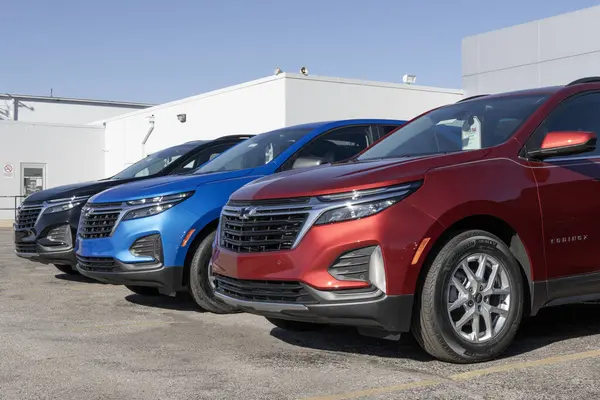
Many shoppers visiting the Best Chevy dealership in Lagrange recognize that fuel efficiency plays a major role in determining overall vehicle value. Chevrolet offers a diverse lineup of cars, SUVs, and trucks that balance performance with economical operation, allowing buyers to select vehicles that meet their transportation needs while helping control fuel expenses. Understanding why fuel efficiency matters can help drivers make smarter purchasing decisions and enjoy greater savings throughout vehicle ownership.

Understanding Fuel Efficiency in Modern Vehicles

Fuel efficiency refers to how effectively a vehicle uses fuel to travel a certain distance. It is commonly measured in miles per gallon (MPG), which indicates how many miles a vehicle can travel using one gallon of fuel.

Advancements in automotive engineering have significantly improved fuel economy across many vehicle categories. Modern engines, lightweight materials, improved aerodynamics, and advanced transmission systems all contribute to better fuel efficiency.

For buyers, understanding fuel economy ratings provides valuable insight into the long-term operating costs associated with a vehicle.

Lower Fuel Costs Create Long-Term Savings

One of the most obvious benefits of fuel-efficient vehicles is reduced spending at the gas pump.

Even modest improvements in fuel economy can generate substantial savings over the course of several years. Drivers who commute daily, travel frequently for work, or take regular road trips often notice the greatest financial benefits.

By selecting a fuel-efficient Chevy model, owners can allocate less of their monthly budget to fuel expenses and more toward other financial priorities.

Fuel Efficiency Benefits Daily Commuters

Many drivers in and around LaGrange rely on their vehicles for daily transportation.

Whether traveling to work, school, shopping centers, or recreational activities, daily commuting can quickly accumulate mileage. Vehicles with strong fuel economy help reduce the cost of these regular trips.

For commuters who spend significant time on the road each week, fuel efficiency can become one of the most valuable ownership advantages.

Reduced Operating Costs Improve Affordability

Vehicle ownership involves more than the initial purchase price.

Fuel expenses represent one of the largest ongoing costs associated with driving. Choosing a vehicle with better fuel economy helps reduce these recurring expenses, making ownership more affordable over time.

When combined with reasonable maintenance costs and dependable performance, strong fuel efficiency contributes to overall value.

Chevrolet Offers Multiple Fuel-Efficient Options

One reason Chevrolet appeals to a wide range of buyers is the diversity of its vehicle lineup.

Chevrolet offers compact cars, sedans, crossovers, SUVs, and trucks designed to meet varying transportation needs. Many of these vehicles incorporate fuel-saving technologies that help optimize efficiency without sacrificing performance.

This variety allows buyers to choose a vehicle that aligns with their lifestyle while still benefiting from economical fuel consumption.

Modern Engine Technology Supports Efficiency

Today’s Chevrolet vehicles use advanced engineering to maximize performance and fuel economy.

Technologies such as direct fuel injection, turbocharging, variable valve timing, and engine management systems help improve efficiency while maintaining responsive driving characteristics.

These innovations enable drivers to enjoy capable performance without excessive fuel consumption.

Fuel Efficiency Enhances Road Trip Experiences

Many vehicle owners enjoy taking vacations, weekend getaways, and family road trips.

A fuel-efficient vehicle allows travelers to cover greater distances between refueling stops while reducing overall travel expenses. Lower fuel costs can make extended journeys more affordable and enjoyable.

Families planning frequent trips often appreciate the convenience and savings associated with improved fuel economy.

Smaller Environmental Impact

Fuel efficiency not only benefits drivers financially but can also contribute to environmental responsibility.

Vehicles that consume less fuel generally produce fewer emissions than less efficient alternatives. While environmental considerations may vary among buyers, many appreciate the opportunity to reduce fuel consumption and lower their overall environmental impact.

Choosing an efficient vehicle can support both personal savings and broader sustainability goals.

Technology Helps Drivers Maximize Efficiency

Modern Chevrolet models often include technology designed to encourage efficient driving habits.

Fuel economy displays, trip information systems, and vehicle performance monitors provide real-time feedback that helps drivers optimize fuel usage. These tools allow owners to better understand how driving behavior affects efficiency.

Access to this information can encourage habits that further improve fuel economy over time.

Fuel Efficiency and Urban Driving

Drivers who frequently travel through city traffic often experience unique fuel consumption challenges.

Stop-and-go driving can increase fuel usage compared to steady highway travel. Chevrolet incorporates technologies such as automatic stop-start systems and efficient powertrain designs that help improve fuel economy in urban environments.

These features are particularly beneficial for drivers who spend considerable time navigating city streets.

Highway Efficiency Matters for Regional Travel

Many drivers regularly travel beyond city limits for work, family visits, or recreational activities.

Highway fuel economy becomes especially important during longer journeys where sustained driving speeds can highlight differences between vehicles. Efficient Chevrolet models help reduce fuel costs during extended travel while providing comfortable performance.

Strong highway efficiency enhances overall versatility and ownership value.

Choosing the Right Chevy Model for Your Needs

Different buyers have different transportation requirements.

A commuter may prioritize a compact vehicle with exceptional fuel economy, while a growing family may require a larger SUV that balances efficiency with passenger space. Others may need a truck capable of towing while still offering respectable fuel performance.

Evaluating personal driving habits and transportation needs helps buyers select the most appropriate Chevrolet model.

Fuel Efficiency Does Not Mean Sacrificing Performance

Some buyers mistakenly assume that fuel-efficient vehicles lack power or driving enjoyment.

Modern Chevrolet engineering demonstrates that efficiency and performance can coexist. Many fuel-efficient models deliver responsive acceleration, confident handling, and enjoyable driving characteristics while maintaining strong economy ratings.

This balance allows drivers to enjoy both capability and cost savings.

Improved Resale Value Potential

Fuel-efficient vehicles often remain attractive in the used vehicle market.

As fuel costs fluctuate, many buyers seek vehicles that help reduce operating expenses. Strong fuel economy can therefore contribute to resale desirability and support long-term value retention.

While resale value depends on multiple factors, fuel efficiency frequently plays a positive role.

Families Benefit from Lower Transportation Costs

For households managing multiple financial responsibilities, reducing transportation expenses can make a meaningful difference.

Fuel-efficient vehicles help families control monthly costs while maintaining access to safe and reliable transportation. Savings accumulated through improved fuel economy can support other household priorities, from education and recreation to home improvements.

This practical benefit makes fuel efficiency an important consideration for many family buyers.

Fuel Economy Supports Long-Term Ownership Satisfaction

Vehicle ownership is often measured in years rather than months.

Choosing a vehicle with strong fuel economy can contribute to ongoing satisfaction by reducing one of the most frequent ownership expenses. Consistent savings at the gas station help reinforce the value of the purchase over time.

Drivers who carefully evaluate fuel efficiency often feel more confident in their long-term ownership decision.

Comparing Fuel Ratings Before Buying

Before making a purchase, buyers should compare fuel economy ratings among different Chevrolet models and trim levels.

Understanding the differences between city and highway fuel ratings helps create realistic expectations regarding operating costs. Buyers should also consider their typical driving environment when evaluating efficiency figures.

Taking the time to compare options can help identify the vehicle that offers the best balance of capability and economy.

Conclusion

Fuel efficiency plays a crucial role in determining the overall value and affordability of a vehicle. From lowering fuel expenses and reducing operating costs to supporting environmental goals and enhancing long-term satisfaction, efficient vehicles provide benefits that extend well beyond the initial purchase. For drivers in LaGrange, fuel economy can have a meaningful impact on both daily commuting and long-distance travel.

Chevrolet’s lineup offers a variety of fuel-efficient vehicles that combine modern technology, dependable performance, and practical versatility. By carefully considering fuel economy alongside factors such as safety, comfort, and functionality, buyers can select a Chevy model that meets their needs while delivering lasting financial advantages. In today’s automotive market, fuel efficiency remains one of the smartest features to evaluate when choosing a vehicle.