Home Blog Page 19

LEGACY MOTOR CLUB: WWTR RACE PREVIEW

LEGACY MOTOR CLUB:
WWTR PRE-RACE ADVANCE
EVENT: Enjoy Illinois 300
DATE: September 13, 2026
Race: NASCAR Cup Series 28 of 36
TRACK: World Wide Technology Raceway in Madison, Ill. | 1.25-Mile Oval

JOHN HUNTER NEMECHEK
NO. 42 DOLLAR TREE TOYOTA CAMRY XSE
JHN AT ST. LOUIS: Sunday’s race at World Wide Technology Raceway will be John Hunter Nemechek’s third NASCAR Cup Series start at the track. He earned his highest finish of sixth in last year’s event at St. Louis. Nemechek also has seven starts there in the NASCAR Craftsman Truck Series, where he won in June 2017. He earned a total of three top-10 finishes at WWTR with a fourth-place result in June 2015 and a sixth-place finish in June 2016.

TRUCK SERIES WINNER AT WWTR: In August 2017, Nemechek took home the checkered flag in the NASCAR Craftsman Truck Series race after starting second. He led 46 out of 160 laps and won with a 1.635 margin of victory over Chase Briscoe. Nemechek was running a full-time season in the Craftsman Truck Series in 2017, and WWTR marked his first of two wins that season.

T-MACK ST. LOUIS STATS: Sunday afternoon’s race will be crew chief Travis Mack’s fourth NASCAR Cup Series race at WWTR. His first outing at the 1.25-mile oval came in June 2022 with Daniel Suárez where he finished 23rd. Mack’s highest finish of sixth came with Nemechek in September 2025 after starting 20th.

JOHN HUNTER NEMECHEK QUOTE:
“St. Louis has been good to me in the past. I’ve had success there in the Truck Series, and I’ve led a bunch of laps there. We had a lot of speed there in last year’s Cup Series race, so I’m looking forward to going back there and building off what we learned. Metrics are going to be really important for Bristol, so there’s a lot of emphasis on having a good run this weekend.”

TRAVIS MACK QUOTE:
“We were pretty good in St. Louis last year. We’re really looking to capitalize on last year’s run there and try to finish strong for the last stretch of this season to hit our points goal for the year.”

ERIK JONES
NO. 43 DOLLAR TREE TOYOTA CAMRY XSE
JONES ST. LOUIS STATS: Sunday’s Enjoy Illinois 300 will mark Erik Jones’ fifth NASCAR Cup Series start at World Wide Technology Raceway in Madison, Ill. In his prior four starts, Jones earned one top-10 and two top-20s. He earned a best finish of seventh in the Cup Series’ inaugural race at the track in June 2022. Jones started 22st and led four laps en route to his top-10 finish. He has an additional three starts in the NASCAR Craftsman Truck Series at WWTR where he started in the top-three twice and earned a fifth-place finish in June 2016, his best at the track. He led a total of 88 laps in his Truck Series in his career at the track.

THE WIN THAT GOT AWAY: In June 2015, Jones started on the pole for the NASCAR Craftsman Truck Series race at WWTR. He was favored to win as he had been knocking on the door of the win with four top-three finishes in seven races so far that year. He led the opening 55 laps of the race before coming to pit road and handing over the lead to Matt Crafton. He took the lead back on Lap 63 and led for an additional 20 laps. After several lead changes from strategy, he took the lead for a final time on Lap 111 for nine laps. An accident on Lap 145 with the No. 1 truck of Ryan Ellis derailed his day though and problems sustained from that incident forced him to retire after leading 84 laps. Cole Custer went on to win that race. Jones went on to win the next weekend at Iowa Speedway and won two more races that season before clinching his NASCAR Craftsman Truck Series Championship at Homestead-Miami Speedway in November.

ALEXANDER AT WWTR: Crew chief Justin Alexander owns two prior NASCAR Cup Series starts on top of the box at World Wide Technology Raceway. He never finished worse than 15th with a best finish of sixth in June 2024 with Austin Dillon after starting 18th.

ERIK JONES QUOTE:
“St. Louis is a tough one in general. There are a lot of factors that go into doing well there between qualifying well to start further up in the field to get a good pit stall and stay up front all day. It’s hard to pass at St. Louis. You have to have a good car to stay up front. We still haven’t quite figured out this new package with the higher horsepower and less downforce at these tracks. It’s a constant evolution. Excited to get there and see what we have. We had a decent run last year until our power steering issue, and the No. 42 did run well last year so we should have some good notes. Can’t wait to see what we have and hope to keep these better runs rolling.”

JUSTIN ALEXANDER QUOTE:
“WWTR is a place where track position is really important, so qualifying well will be a big focus for us. The way the race plays out can open the door for a lot of different strategies, whether it’s taking two tires, staying out or trying to gain spots on pit road. We’ll need to execute all weekend and make the right calls to put ourselves in position at the end.”

CLUB NOTES:
ST. LOUIS AND NASCAR: Prior to the NASCAR Cup Series’ inaugural race at World Wide Technology Raceway in Madison, Illinois, the track had hosted races for the NASCAR O’Reilly Auto Parts Series, NASCAR Craftsman Truck Series, and the ARCA Menards Series. In July 1997, the track hosted its first NASCAR top-tier series race with the O’Reilly Auto Parts Series. The winner of that race was Elliott Sadler. It followed that up in September 1997 with an ARCA Menards Series race. The following year in September 1998, the track added the Truck Series to its lineup, where Rick Carelli, Erik Jones’ former spotter, was the race winner. The O’Reilly Auto Parts Series continued to hold races at the track until 2010, while the Truck Series continued to run there through present day. Prior to the 2022 season, the 1.25-mile oval was added to the NASCAR Cup Series schedule to hold its inaugural race for the series.

JJ AT WWTR: While LEGACY MOTOR CLUB owner and seven-time NASCAR Cup Series champion Jimmie Johnson never raced in the Cup Series at World Wide Technology Raceway, he does own three NASCAR O’Reilly Auto Parts Series starts at the track. He never finished outside the top-15 in these starts. In his first start in October 1998, Johnson started 36th but found himself in the lead on Lap 85 where he led for 10 laps. He ultimately finished 15th. In July 2000, Johnson started 16th and finished 13th. In his final start in July 2001, he started ninth and finished 14th.

KENSETH WWTR STATS: LEGACY MOTOR CLUB competition advisor and 2003 NASCAR Cup Series Champion Matt Kenseth also has three NASCAR O’Reilly Auto Parts Series starts at World Wide Technology Raceway. He owns two top-10 finishes at the track with a best finish of second, earned in October 1998 where he finished 3.254 seconds behind Dale Earnhardt Jr. He followed that up with a sixth-place result in July 1999 after starting 21st.

SOCIAL SPOTLIGHT:

From the Carvana vending machine reveal to the unveiling at Daytona International Speedway, watch the buildup at the track and the moment the paint scheme was revealed to the public for the first time, with Jimmie’s daughter Lydia riding alongside him.

CLUB APPEARANCES:
John Hunter Nemechek will visit the trackside merchandise trailer for an autograph session on Saturday, September 12 at 12 p.m. local time.

TUNE IN:
Fans can tune in to watch the Enjoy Illinois 300 at World Wide Technology Raceway on Sunday, September 13 at 3 p.m. EDT on USA Sports, HBO MAX, MRN, and SiriusXM NASCAR Radio (Channel 90).

ABOUT LEGACY MOTOR CLUB: (LEGACY MC) is a premier auto racing organization owned by seven-time NASCAR Cup Series champion and 2024 NASCAR Hall of Fame inductee, Jimmie Johnson and Knighthead Capital Management, LLC. Drawing from a rich tradition of success, LEGACY MC is dedicated to pushing the boundaries of motorsport and setting new standards of excellence. The CLUB competes under the Toyota Racing banner in the NASCAR Cup Series with the No. 43 Toyota Camry XSE piloted by Erik Jones and the No. 42 Toyota Camry XSE driven by John Hunter Nemechek. The No. 84 Toyota Camry XSE driven by Riley Herbst will debut full time in the 2027 season, while Johnson will make his final NASCAR Cup Series start at the 2027 DAYTONA 500 in the No. 48 Toyota Camry XSE. With NASCAR legend and Hall of Famer Richard Petty, “The King”, serving as CLUB Ambassador, LEGACY MC blends timeless racing traditions with a new forward-thinking vision. As an inclusive community for motorsport enthusiasts, LEGACY MC honors both its storied past and the promising future of its members, always striving for victory and championship glory at the pinnacle of NASCAR competition.

What Motorsports Can Teach Us About Real E-Bike Performance

Motorsports has spent decades proving one simple point: the fastest machine is rarely defined by one number.

Horsepower matters, but so do traction, braking, weight, suspension, power delivery, and the ability to remain predictable when conditions change. A vehicle that produces huge power but cannot put it to the ground efficiently is not delivering complete performance.

The same principle applies to e-bikes.

Someone comparing the fastest ebike options may naturally begin with top speed or motor wattage. Those numbers are easy to understand, but they reveal surprisingly little about how effectively a bike can accelerate, climb, corner, brake, or handle a rough surface.

Real e-bike performance is a system. Motorsports offers a useful way to understand why.

What Does “Usable Power” Mean on an E-Bike?

In racing, more power only helps when the vehicle can use it effectively.

The same is true on two wheels.

Peak motor output can indicate the highest power available for short periods, but riders also need to know how that power arrives. A motor that responds predictably can be easier to manage than one that delivers assistance abruptly.

This becomes especially noticeable when starting on a hill, accelerating out of a turn, or riding over loose gravel.

E-bike controllers and sensors influence that response. Torque sensors react to how much force the rider applies to the pedals, while cadence sensors detect pedaling movement. Bikes may use one system or combine both.

The result is that two e-bikes with similar motor numbers can feel very different.

One may build assistance progressively. Another may deliver much stronger support as soon as the rider starts pedaling.

That is why motor output should be considered alongside power delivery rather than treated as the entire performance story.

Why Does Acceleration Matter as Much as Top Speed?

Motorsports is full of situations where reaching the highest theoretical speed is less important than getting back up to speed efficiently.

E-bike riding works the same way.

Most riders rarely spend an entire trip at maximum assisted speed. Traffic lights, corners, hills, intersections, trail changes, and other riders constantly interrupt that pace.

What riders feel repeatedly is acceleration.

A responsive e-bike can regain momentum after slowing down and provide stronger support when the road starts climbing. That can make the bike feel more capable even if its maximum assisted speed is similar to another model.

This is particularly relevant for heavier bikes.

Extra battery capacity, suspension, wider tires, racks, and cargo all increase total mass. Motor performance has to move not only the rider but the entire system.

Quick acceleration is useful, but predictable acceleration is more important.

Power that arrives unexpectedly can make low-speed maneuvering harder, especially on loose or uneven terrain.

Why Is Traction Part of Performance?

Power cannot help much if the tire cannot transfer it to the ground.

That lesson is fundamental in motorsports, and it becomes increasingly relevant as e-bike motor output rises.

On clean, dry pavement, traction may rarely attract attention. Move onto gravel, dirt, sand, wet grass, or rough pavement and the relationship between power and grip becomes much more obvious.

A powerful motor can spin or unload a tire when the surface is loose. Wider tires, suitable tread, controlled power delivery, and appropriate tire pressure can help the bike remain more predictable.

This is why tire choice should match intended use.

A narrow city tire can feel quick and efficient on pavement. A wider tire adds weight and rolling resistance but may provide greater stability on inconsistent terrain.

Neither is universally better.

Performance means getting the appropriate amount of power to the surface the rider actually uses.

Why Should Braking Be Considered a Performance Feature?

Motorsports does not treat braking as something separate from speed. Neither should e-bike riders.

Acceleration gets attention because it feels exciting. Braking determines how confidently that acceleration can be used.

E-bikes are typically heavier than conventional bicycles because they carry a motor, battery, controller, and reinforced components. Performance-oriented models may add larger batteries, fat tires, suspension, and cargo capacity.

All of that weight has to slow down.

Hydraulic disc brakes are common on higher-spec e-bikes because they can provide progressive braking with relatively light lever pressure. Rotor size, tire grip, bike weight, surface conditions, and rider technique also influence stopping performance.

The principle is simple:

A bike should not gain performance at one end of the speed range while ignoring the other.

If extra power encourages higher speeds or more demanding terrain, braking capability needs to be considered part of the same package.

What Can Suspension Teach Us About Going Faster?

A race vehicle needs its tires to maintain useful contact with the ground.

E-bike suspension serves a similar basic purpose.

Suspension is often discussed mainly as a comfort feature, but its influence goes further when terrain becomes uneven.

A wheel repeatedly bouncing over potholes, roots, rocks, or washboard gravel has a harder time maintaining consistent contact with the surface. Suspension helps manage those impacts and can make steering and traction feel more predictable.

This becomes more noticeable as speed increases.

The faster a bike crosses a rough section, the less time the wheels and suspension have to respond to each obstacle. A setup that feels acceptable at low speed may become unsettled when ridden harder.

That does not mean every performance e-bike needs full suspension. Smooth urban riding may not justify the weight and complexity.

But when a bike is expected to combine speed with rough roads or light trails, suspension becomes part of performance rather than simply comfort.

Why Does Weight Change the Way Performance Feels?

More power often brings more weight.

Larger batteries, stronger frames, wider tires, suspension systems, racks, and higher-capacity components all add mass.

A heavier e-bike can still accelerate strongly when the motor is assisting. The difference becomes more noticeable when maneuvering at low speed, loading the bike onto a rack, moving it through a garage, or riding without assistance.

Weight also changes braking and cornering behavior.

A heavier platform may feel planted on rough surfaces, but it takes more energy to accelerate and more braking force to slow down.

That is why comparing motor power without looking at total bike weight can be misleading.

Performance should always be understood as a power-to-system relationship, not simply a motor specification.

Why Does Sustained Performance Depend on the Battery?

A fast lap is not useful if a race vehicle cannot maintain its performance.

For e-bikes, the battery creates a similar endurance question.

Stronger motor assistance consumes more energy. Hills, frequent acceleration, higher speeds, heavy loads, wind, and loose surfaces can all increase battery demand.

This is why range and performance cannot be evaluated separately.

A rider using moderate pedal assistance on smooth roads may travel substantially farther than someone repeatedly using high assistance on steep terrain.

Manufacturer range estimates should therefore be treated as reference points rather than guaranteed mileage.

The relevant question is not simply how large the battery is.

It is whether the battery provides enough usable energy for the performance level and route the rider intends to use.

What Does a Balanced Performance E-Bike Look Like?

A performance-oriented e-bike should combine motor output with the components needed to control and support it.

The Puckipuppy Labrador Pro is one example of that approach. Its 750W motor reaches up to 1,350W peak output and works with torque-and-cadence sensing, giving the bike stronger support for climbing and mixed-terrain riding without making peak motor output the only part of the setup.

As a fat tire electric bike, the Labrador Pro uses 26 × 4-inch tires, while its dual-suspension design includes a 110mm adjustable front fork. Puckipuppy positions the model as an electric mountain bike for rough roads, gravel paths, light trails, and longer outdoor rides.

Its removable 48V 20Ah battery is rated for approximately 40–80 miles, giving the Labrador Pro the practical range expected from a long range electric bike and supporting longer outdoor rides with fewer charging stops. 

The point is not that every performance rider needs this particular combination. It is that motor power makes more sense when tires, suspension, braking, and battery capacity are designed around the same type of riding.

What Should Adults Compare Besides Maximum Speed?

When choosing an electric bike for adults, riders should first identify where the performance will actually be used.

A commuter riding primarily on flat pavement may prioritize low weight, predictable assistance, efficient tires, and easy storage.

An outdoor rider dealing with hills, gravel, rough roads, or heavier loads may place more value on motor support, tire traction, suspension, braking, and battery capacity.

Route rules matter too.

The fact that an e-bike is technically capable of a certain assisted speed does not automatically mean that speed—or that type of e-bike—is permitted everywhere. State and local classifications, path restrictions, and riding rules should be checked before buying around a performance figure.

That makes “How fast is it?” only one part of the buying decision.

More useful questions include:

How smoothly does the motor respond?
Can the tires handle the intended surface?
Does the suspension match the terrain?
Are the brakes appropriate for the bike’s weight and use?
Does the battery support the distance and assistance level required?

Those questions describe usable performance far better than a single mph figure.

Why Doesn’t Top Speed Tell the Whole Story?

Because a number measured under one condition cannot describe an entire ride.

Real routes involve starts, stops, hills, corners, rough surfaces, changing traction, battery consumption, and rider input.

A slightly slower bike with better traction, predictable assistance, appropriate suspension, and confident braking may be more capable on a demanding route than a bike designed mainly to produce a higher headline speed.

Motorsports has always understood this.

Winning performance comes from the relationship between systems: power has to reach the ground, the chassis has to remain composed, the brakes have to manage speed, and the machine has to maintain performance long enough to finish the job.

Fast e-bikes follow the same logic.

The motor may start the conversation, but it should never be the end of it.

Real Performance Is About Balance

The easiest e-bike specifications to market are usually the biggest ones: more watts, more miles, more speed.

But performance becomes meaningful only when those numbers work together.

Motor output needs predictable delivery. Power needs traction. Speed needs braking. Rough terrain needs suspension. Higher assistance needs enough battery capacity to sustain it.

That is the lesson e-bikes can borrow from motorsports.

The most capable performance e-bike is not necessarily the one that posts the biggest number. It is the one that turns its available power into acceleration, traction, control, and usable performance where the rider actually needs it.

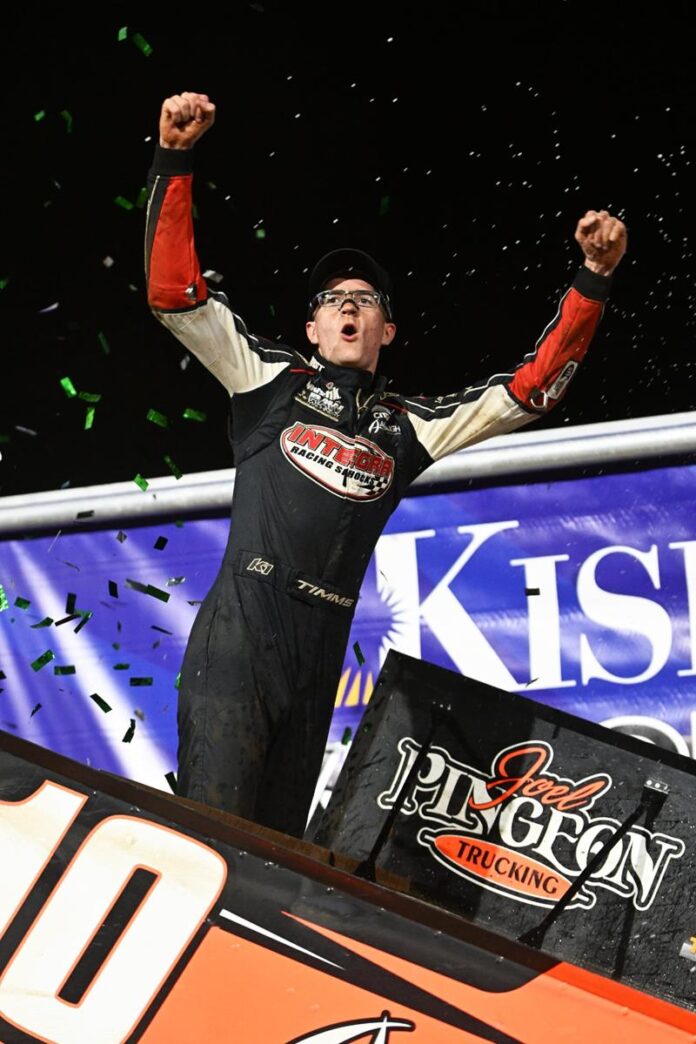
Ryan Timms Wins Wild Interstate Batteries High Limit Race of Night 1 at Port Royal Speedway

Photo Courtsey of High Limit Racing

With just 13 races left for the 2026 Interstate Batteries High Limit Racing Series season, the tour made its way back to the East Coast following a grueling West Coast swing for the last week and a half. The High Limit Series was visiting Port Royal Speedway for what will be a three-night show beginning tonight and lasting through Saturday night.

Last year’s champion, Rico Abreu, has tons of momentum right now after previously winning two big days out on the West Coast. First, the Californian picked up a $100,072 payday on championship night at Silver Dollar Speedway, and then most recently, Abreu chalked up another big-money win with a $126,000 victory last Saturday night at Skagit Speedway. Coming into tonight, the defending champion has the national points standing lead with a 46-point edge over second-place Aaron Reutzel.

However, at the end of a wild 25-lap feature, it was Ryan Timms who stole the show once again and took home the victory after starting in the sixth position.

“It feels so good, I’m not thinking about anything, just enjoying it,” Timms said in his victory lane interview with Flo Racing. “That’s really unfortunate for Chase (Deitz) there. He’s a great guy and an amazing racer. I hate to win one that way and hate to see what happened to a guy like Chase. Rather be lucky than good, I guess. Super rewarding. I honestly thought we were faster than everybody besides Chase, probably.

“I was just really fortunate there, but gosh dang, it feels good. To start the weekend off with a strong defense, and it’s a lot better start than last year.”

There were 50 Sprint Cars on the entry list for the Thursday portion, which included Timms, Brady Bacon, Dietz, Troy Wagaman Jr., Danny Dietrich, Justin Whittall, Parker Price-Miller, James McFadden, Austin McCarl, and Brian Brown. 28 cars would start the feature.

Feature Race Recap – 25-Laps – $10,000 To Win

Starting on the pole was Abreu thanks to his dash victory, and Dietz alongside the outside pole. Abreu had a great start, taking the early lead. However, Dietz closed in rapidly on the second lap of the feature. He continued to pressure Abreu for the lead by using the high line for momentum. Dietz finally made the move to take the lead with 20 laps to go from Abreu off Turn 2 in a near pass as the two almost made contact.

However, a red flag came out with 17 laps to go for a car flipping upside down in Turn 2, which was Zach Hampton. Meanwhile, the race leader, Dietz, made slight contact with the left-rear tire of Kasey Jedrzejek and was sent spinning around. At the look of the replay, Hampton tried to avoid the two cars and got too high in the turn, which saw him flip moments later.

On the following restart, Justin Peck moved to the second position, and was followed by Timms in the third position while Abreu slipped back to the fourth position. With six laps to go, Timms passed Peck for second using the bottom lane in the middle of Turns 3 and 4. Unfortunately, a vicious flip was seen by McFadden in the middle of Turns 1 and 2. McFadden got sideways and smacked the wall. The red flag was brought out again.

The next restart came with five laps to go, with Dietz, Timms, Peck, Abreu, and Reutzel in the top five. Prior to the restart, Brent Marks was sent to the rear of the field. In a wild turn of events, Dietz blew a right-rear tire and came to a stop on the backstretch with three laps to go. This meant Timms would assume the top spot.

After Timms had a good start, that was all she wrote as he powered away from Peck to take the checkered flag in what was his second career High Limit victory.

Heat Race Recaps – Top Five Transfer – 8 Laps A Piece

With the number of cars entered for Thursday’s portion of the event, there were two different groups of qualifying, which were split into Flight A and Flight B. Ryan Smith topped Flight A with a 15.320 lap time. Kasey Kahne’s Daison Pursley was the quickest following Flight B with a 15.595. Smith was the overall fastest qualifier. Reutzel set the pace in hot laps with a 15.490 seconds.

Heat 1 – Dietz started on the pole. There was some contact near the back of the pack at the start of the heat race. A lap later, with seven laps to go, Brett Strickler and Brent Shearer made significant contact off Turn 4 with each other. Dietz led the first lap prior to the yellow.

Another yellow flag flew again on the second restart for Kasey Kahne and Kody Hartlaub. Both Kahne and Hartlaub also touched in Turn 2. Additionally, a left-rear flat was seen on Bacon’s Sprint Car. Following contact, Kahne’s team changed the right-rear tire and got sent back to the track to rejoin the field. Hartlaub also returned to the race as well and Shearer did too. Bacon did not return to the track to finish the rest of the heat.

The first heat race was a complete restart due to some messy starts. The race saw some limited green-flag laps before a caution again slowed the field with three laps to go due to debris on the frontstretch by the start/finish line.

Deitz managed to go on and win the first heat race. Justin Peck, Logan Rumsey, Kerry Madsen, and Doug Hammaker grabbed the top five transfer spots. Fastest qualifier Smith just missed out on transferring as he finished in the sixth position.

Heat 2 – Timms was on the pole for the second heat. Unlike the first heat, this was caution-free, and Timms easily powered away for the win. Scelzi, Lynch, Reutzel, and Holmes were the transfers.

Heat 3 – McFadden had the No. 1 position in the third heat. Abreu took the lead off the high side on the exit of Turn 2 and secured the heat win. McFadden, Pursley, Lance Dewease, and Wagaman Jr. were in the top five.

After the checkered flag, Jedrzejek was stopped and turned around.

Heat 4 – Tanner Thorson was your top starter for the fourth heat. Brown challenged Thorson early on in the race for the lead, but couldn’t complete the pass. Thorson held on and won the final heat. Brown, Brent Marks, Logan Wagner, and Cameron Smith completed the remaining transfers from the heat races.

Moving on to the seven-lap dash to determine the feature pole were Abreu, Dietz, Thorson, Peck, Pursley, Timms, Marks, and Reutzel. The dash victory went to Abreu, who led every lap to start on pole for the 25-lap feature. 

Winning the C-Main was Shearer, and Ryan Smith notched the B-Main win.

If you missed the race, check out the feature highlights below.

Official Race Results Following Night 1 At Port Royal Speedway

  1. Ryan Timms
  2. Justin Peck
  3. Aaron Reutzel
  4. Rico Abreu
  5. Doug Hammaker
  6. Giovanni Scelzi
  7. Justin Whittall
  8. Kerry Madsen
  9. Troy Wagaman Jr
  10. Tanner Holmes
  11. Logan Wagner
  12. Tanner Thorson
  13. Brian Brown
  14. Logan Rumsey
  15. Ryan Smith
  16. Daison Pursley
  17. Brent Marks
  18. Cameron Smith
  19. Tyler Courtney
  20. Sye Lynch
  21. T.J. Stutts
  22. Kasey Jedrzejek
  23. Chase Dietz
  24. Lance Dewease
  25. James McFadden
  26. Kody Lehman
  27. Zach Hampton
  28. Austin Bishop

Abreu continues to lead the overall championship points standings lead over Reutzel by 43 points.

Up Next – The Interstate Batteries High Limit Racing Series will be back for night 2 on Friday night at Port Royal Speedway, live on Flo Racing.

The Legal Implications of Driving With a Cracked Windshield: From the Streets to the Racetrack

Photo by depositphotos at https://depositphotos.com/

During a Cup race at Atlanta Motor Speedway in March 1994, debris caught Bill Elliott’s windshield and tore a massive hole in the renowned driver’s glass. With no real option but to finish the race (the true winner’s mentality), his crew patched and taped up the damage and sent him back out. Sure enough, Bill finished. But he did it despite the seriously compromised conditions the windshield damage created. It is widely agreed that this incident in particular pushed NASCAR toward the tougher, more durable polycarbonate windshields and layered tear-offs that teams rely on today. More importantly, the Elliott incident is a reminder that windshield damage, well beyond the racetrack, is a serious safety issue.

While most of us will never reach speeds north of 190 mph under the bright lights of Daytona or Talladega, the question of whether it is illegal to drive with a cracked windshield, even at far lower speeds, is a valid and sensible one. And the answer itself is not a simple yes or no.

So, Is It Illegal to Drive With a Cracked Windshield? It Depends on the Damage

There is no overarching rule at the national level that plainly states driving with a cracked windshield is illegal. Instead, there are federal safety standards (FMVSS 205) that govern the glazing materials car manufacturers must use. The whole idea is that a driver’s field of vision has to stay clear enough to safely operate the vehicle. When it comes to actual enforcement, that is left to the states, where individual states set their own rules for driving with a cracked or chipped windshield (SmartFinancial; The Zebra).

Even so, there is a commonality shared across state lines for the most part: if damage sits directly within your line of sight, it is a problem that warrants enforcement. The reality, though, is that a windshield does not encompass your entire line of sight. So damage low on the passenger side gets treated very differently from a crack that obstructs your direct sightline. A lot of the time, an officer’s judgment is what dictates whether the windshield damage effectively makes your vehicle unsafe to operate.

Example: Windshield Damage Law in Kentuckiana

Kentuckiana refers to the area where two states meet at the Ohio River: Kentucky and Indiana. In Kentucky, there is no statute that measures the impairment of a driver’s sightline by the size of a windshield crack. Put plainly, Kentucky leans on the federal standard that damage must not obstruct the driver’s view of the roadway. So in Kentucky, a crack that blocks your sightline can earn a driver a write-up, while minor damage off to the side may be forgiven (YourMechanic).

Indiana is much the same. There is no strict law that forbids drivers from operating a vehicle with a compromised windshield outright. But as in Kentucky, if the damage is significant enough that the driver’s line of sight is clearly impaired, that can absolutely justify a police stop, and in Indiana it can rise to a Class C infraction (Indiana Code 9-21-7-1).

For drivers in Louisville and Southern Indiana, the answer is pretty simple. A small crack or chip off to the side of your windshield probably will not get you a ticket. A significant crack that creeps into your line of sight absolutely can.

The Reason These Rules Exist

A windshield, despite the name, does much more than serve as a barrier between the driver and incoming wind. In modern vehicles, the windshield is a key structural component with real safety implications. In a rollover, it helps support the roof and keep it from caving in. It also acts as a backstop so the passenger airbag can deploy the way it was designed to. And in newer cars, the windshield often houses the forward-facing camera that powers driver-assistance features like lane-keeping and automatic emergency braking. All of this is to say that a cracked or damaged windshield can quietly compromise the underlying systems built to keep you safe, well beyond simply blocking your view.

This is the same logic NASCAR has operated on for decades, just taken to a far more extreme level.

What a Damaged Windshield Means at the Track

The story of how seriously NASCAR, and motorsports in general, takes windshield safety can be told through the evolution of the stock car windshield itself. In the 1940s, NASCAR vehicles used tempered glass. By the 1950s, the sport had moved to laminated safety glass. Finally, by the 1990s (right around the time of the Elliott incident), NASCAR switched to polycarbonate, better known by the brand name Lexan. The material is extremely durable and does not shatter into the cockpit during a serious collision, which is exactly what you want when you are racing at speeds north of 190 mph (ESPN).

In modern NASCAR, the cars use multiple layers of Lexan bonded together with a polymer film. Teams then cover the windshield in stacked tear-off sheets. That way, when a driver’s vision inevitably fills with debris such as rubber marbles, oil, and grime, a crew member simply peels off a sheet and restores a clean, unobstructed view almost instantly (The SportsRush). Open-wheel racing takes the concept even further. The INDYCAR Aeroscreen, for instance, combines a PPG polycarbonate ballistic windscreen with a titanium frame, topped off with a set of tear-offs designed to protect the driver from incoming debris strikes (PPG).

We have come a long way from how Bill Elliott’s team handled that damage on that fateful afternoon in March 1994, and no fault to them for it. Unlike then, teams no longer tape over holes and hope for the best. These days, that is not feasible, and it is certainly not safe for the driver. In a modern race, a damaged windshield that is beyond repair effectively ends the day, and for good reason: driving at nearly 200 mph is a matter of life and death. Still, every commuter should live by that same underlying rule. You do not gamble on damaged glass.

For Regular Drivers: Fix It Before It Spreads

Here is the practical part. A chip roughly the size of a quarter can typically be repaired in under 30 minutes when it is caught early. All it takes is a resin injection that stops the crack from spreading while restoring the strength and clarity of the glass. If you put off addressing a windshield chip, you are not doing yourself any favors. A temperature swing or a pothole will eventually turn that chip into a full crack, and at that point you are looking at a complete replacement. With a complete replacement comes a much larger bill.

When it comes to a chip or general damage on your windshield, take the racer’s approach and address it immediately, before it works its way into your line of sight. A prompt windshield repair from a trusted local auto glass shop like American Mobile Glass keeps you compliant with the law, protects the driver-assistance systems your car was built with, and saves you from a costlier replacement down the line. It really is that simple.

Final Note

In Kentuckiana and most other states, whether it is illegal to drive with a cracked windshield comes down to whether the crack obstructs your line of sight or otherwise makes the car unsafe to operate. If you do get pulled over, whether you are cited often comes down to that particular officer’s judgment. You might get off with a warning, or you might not. Either way, the real question is about your own safety. It is a requirement. And while you are almost certainly not lining up on a superspeedway, you should apply the same standard to your own vehicle and daily commute. Treat a chip as the early warning it is, and address it right away.


References

  1. https://www.espn.co.uk/racing/nascar/icons/news/story?id=3327578
  2. https://thesportsrush.com/nascar-news-why-do-nascar-cars-have-plastic-wraps-on-their-windshields-exploring-how-tear-offs-aid-drivers-during-races/
  3. https://www.businesswire.com/news/home/20200310005690/en/
  4. https://www.thezebra.com/resources/driving/cracked-windshield-laws/
  5. https://smartfinancial.com/is-it-illegal-to-drive-with-a-cracked-windshield
  6. https://www.yourmechanic.com/article/windshield-laws-in-kentucky-by-valerie-mellema
  7. https://cardellalawoffice.com/student-information/search-and-seizure/broken-windshields/

Zero Dep + Consumables Cover: Why One Does Not Necessarily Replace the Other

Photo by depositphotos at https://depositphotos.com/

Zero depreciation and consumables cover are often discussed together because both can reduce what you pay during an eligible repair claim. However, they do different jobs. Zero depreciation addresses depreciation deductions on eligible parts, while consumables cover deals with specified items used during repairs.

Having one does not automatically provide the benefit of the other. Understanding this difference can help you assess each add-on separately and know what role it is designed to play.

They Address Different Parts of the Repair Bill

A repair bill is made up of different types of expenses. Some relate to damaged parts that must be repaired or replaced, while others come from materials used during the repair. When reviewing add-ons with your car insurance, it is useful to understand which type of expense each one is meant to address.

  • Zero depreciation applies to the depreciation of eligible parts.
  • Consumables cover focuses on specified items used during an admissible repair.
  • Both remain subject to the terms of the underlying policy.

Because the two add-ons target different costs, selecting one should not be treated as selecting both.

One Reduces Depreciation on Eligible Parts

Vehicle parts lose value over time because of depreciation. In a standard own-damage claim, applicable depreciation may reduce the amount payable for certain replaced parts. A zero depreciation add-on is designed to remove that deduction for eligible parts, subject to policy conditions. This benefit is connected with the value of parts, not every material used by the workshop.

  • Check which parts qualify for the add-on.
  • Review any claim conditions attached to it.
  • Do not assume workshop consumables are included simply because depreciation is waived.

Its specific purpose is why another add-on may still be relevant.

The Other Covers Items Used during Repairs

Consumables are items that may be used up during repair work rather than remaining as major replacement parts. Depending on policy wording, these can include items such as engine oil, lubricants, coolant, nuts, bolts, grease and similar materials. Consumables cover is designed to address specified expenses of this kind during an admissible claim.

  • Check the list of eligible consumable items.
  • Confirm that the add-on is active when the incident occurs.
  • Review whether any limits or conditions apply.

This cover can address part of the garage bill that zero depreciation alone may not deal with.

A Single Repair Can Involve Both Expenses

Consider an accident in which a damaged part must be replaced, and the repair also requires fresh oil, coolant, fasteners or other eligible consumables. The replacement part and the materials used during the job are different claim components.

Zero depreciation may address the depreciation deduction for the eligible replaced part. Consumables cover may address specified materials used during the repair, subject to policy terms. The two add-ons can therefore work alongside each other. Their value comes from addressing different parts of the same repair process.

Neither Add-on Makes Every Charge Payable

Having both add-ons does not mean every item on a garage invoice will automatically form part of the claim. The underlying own-damage or comprehensive policy still determines whether the incident is covered and which repair expenses are admissible.

  • Deductibles may still apply.
  • Unrelated repairs may remain outside the approved claim.
  • Routine maintenance does not become an insured repair because add-ons are active.
  • Documentation and claim conditions still need to be met.

Add-ons enhance specific areas of cover. They do not replace the basic terms used to assess the claim.

The Right Combination Depends on the Protection Needed

When selecting add-ons, focus on what each one actually addresses rather than choosing them by name alone. Read the policy wording, check eligibility, and consider the type of repair expenses you want additional protection for. Your car insurance should be reviewed as a combination of the base policy and add-ons.

Before buying or renewing:

  • Understand the purpose of zero depreciation.
  • Check what the consumables cover includes.
  • Review how the two benefits apply during an admissible claim.
  • Confirm the policy conditions and effective dates.

Final Thoughts

Zero depreciation and consumables cover are complementary, not interchangeable. Zero depreciation mainly deals with depreciation deductions on eligible parts, while consumables cover addresses specified materials used during repairs.

Choosing one does not automatically provide the protection offered by the other. Read both add-on wordings separately and understand how they work with your underlying policy. Using them together may provide broader support for eligible repair expenses when they suit your needs.

How Motorsport Fans Can Organize Race Schedules, Results, and News Online

Photo by Tima Miroshnichenko on Pexels

Following motorsport can become surprisingly complicated. A fan may watch several racing series at once, each with its own calendar, qualifying format, race times, standings, technical news, and official announcements.

When information is spread across championship websites, team pages, news outlets, social networks, and timing services, simply keeping track of what happens next can take almost as much effort as watching the racing itself.

A simple system for organizing schedules, results, and trusted sources can make the entire season easier to follow.

Start With the Official Championship Calendar

The most important reference for any racing series is its official calendar.

Third-party schedules are useful, but race dates can change because of weather, logistics, local regulations, or other circumstances. The championship organizer should remain the main reference when confirming a weekend.

Record More Than the Race Date

A motorsport weekend may include practice sessions, qualifying, sprint events, support races, and the main race.

Saving only the final race time can cause fans to miss important sessions that influence the result.

Watch for Calendar Changes

A schedule published before the season begins should not be treated as permanent.

Circuits can be replaced, event times can move, and individual sessions may be delayed or canceled.

Time Zones Matter

International motorsport regularly takes place across several continents.

A Sunday afternoon race at the circuit may happen early in the morning or late at night for viewers elsewhere.

Whenever possible, use a calendar or service that displays event times in your local time zone.

Check Daylight-Saving Changes

Some countries change clocks during the season while others do not.

This can shift the apparent start time of a race even when the local circuit schedule looks similar to previous events.

Create One Main Racing Calendar

Fans following multiple championships can reduce confusion by adding important events to one digital calendar.

Different series can be labeled separately so that overlapping weekends are easy to identify.

Do Not Add Every Session Unless You Need It

A calendar becomes less useful if it contains dozens of alerts for sessions you never watch.

Choose the races, qualifying sessions, or major events that actually matter to you.

Keep Motorsport Resources Easy to Revisit

Following a season often requires moving between championship pages, team sites, results databases, circuit information, statistics, and specialist news sources.

Keeping frequently used destinations organized through a general starting point such as boostlink01.com can make regularly visited websites easier to locate, while official calendars, sporting regulations, classifications, and race decisions should still be confirmed through the responsible championship or organizing body.

Separate Schedules From Results

A calendar tells you what is supposed to happen. A results source tells you what actually happened.

Keeping these functions separate makes it easier to notice postponed races, shortened events, penalties, or classifications that changed after the finish.

Use Official Classification for Final Results

The order shown immediately after the checkered flag may not always be the final classification.

Post-race penalties, technical investigations, or time adjustments can affect the result later.

Check the Publication Time

A news article posted minutes after a race may describe the provisional order.

If the final result matters, look for an updated classification or later confirmation.

Standings Need the Same Attention

Championship tables can change after penalties or appeals.

A standings page maintained by the organizing body is usually the safest reference for current points.

Understand the Points System

Not every series awards points in the same way.

Bonus points, sprint races, dropped scores, class results, or special event formats can make standings difficult to interpret without knowing the rules.

Different Series Need Different Folders

A fan who follows open-wheel racing, touring cars, endurance racing, rallying, and motorcycle competition should not mix every source together.

Separate folders or bookmark categories can keep each championship easier to navigate.

Use Consistent Names

Labels such as “Series – Calendar,” “Series – Results,” and “Series – News” are easier to understand than vague bookmark titles.

A predictable naming system becomes more useful as the collection grows.

Official Team Pages Provide a Different Perspective

Championship websites focus on the competition as a whole, while team pages provide information about individual drivers, technical changes, announcements, and reactions.

Both are useful, but they serve different purposes.

Driver Channels Can Add Context

Drivers increasingly communicate directly through social media and personal websites.

These channels can provide useful insight into preparation and reaction, although official race decisions should still be checked elsewhere.

Separate News From Rumors

Motorsport attracts constant speculation about driver changes, contracts, technical upgrades, and future calendars.

A report that a negotiation is taking place is not the same as a confirmed signing.

Look for the Original Announcement

When a major move is confirmed, the team, driver, manufacturer, or championship usually publishes an official statement.

Finding that original announcement helps separate confirmed information from repeated speculation.

Technical News Needs Context

A new aerodynamic component, engine specification, tire rule, or setup change may receive significant attention.

Technical stories are easier to interpret when the source explains whether the change is confirmed, tested, or simply expected.

Do Not Assume Every Upgrade Works

A team introducing a new component does not guarantee an immediate improvement.

Practice data, track conditions, and driver feedback may show a more complicated picture.

Qualifying Results Deserve Their Own Record

Starting position can strongly influence a race, but the qualifying order may change after grid penalties.

It can be useful to distinguish between qualifying classification and actual starting grid.

Grid Penalties Can Create Confusion

A driver may qualify fifth but start further back because of a penalty.

News headlines that mention only qualifying position can therefore give an incomplete picture of the upcoming race.

Endurance Racing Requires Extra Organization

Long-distance races often include multiple classes, several drivers per car, and complex timing information.

Fans may need to follow overall position and class position separately.

Car Numbers Become Important

In endurance events, remembering car numbers can be more useful than following one driver name because several drivers share the same entry.

Rallying Uses a Different Structure

Rally events are divided into stages rather than one continuous circuit race.

A useful source should distinguish stage results, overall classification, retirements, and penalties.

Check Whether Results Are Stage or Overall Results

A driver winning one stage does not necessarily lead the rally.

The cumulative classification provides the broader context.

Weather Can Change a Motorsport Weekend Quickly

Rain, extreme heat, snow, wind, or poor visibility can change schedules and strategies.

Checking local weather before an event can help fans understand why session times or tire decisions are changing.

Circuit Information Adds Context

Track length, corner layout, elevation, surface characteristics, and overtaking opportunities can help explain why some teams perform differently from one venue to another.

Track Records Need Clear Definitions

Fastest race lap, qualifying record, and unofficial testing time are not necessarily the same thing.

When comparing records, check what type of session produced the time.

Historical Results Can Improve Understanding

Previous events can reveal which teams or drivers have traditionally performed well at a circuit.

Historical data should still be interpreted carefully because regulations, cars, tires, and track layouts change over time.

Do Not Compare Different Eras Too Literally

A lap time from one technical era may have little direct relationship to a modern car’s performance.

Historical comparisons are most useful when the surrounding context is included.

Use Notifications Selectively

Motorsport apps can send alerts for race starts, results, breaking news, driver changes, and session updates.

Receiving everything from several championships can quickly become overwhelming.

Choose Alerts by Importance

Race start reminders and major official announcements may be more useful than notifications for every practice update.

Mobile Access Matters on Race Weekends

Fans are not always sitting at a desk when a session begins.

A mobile-friendly results page or application makes it easier to check timing and news while traveling or attending another event.

Save Key Pages Before the Weekend

Instead of searching again before every session, save the official schedule, timing page, and results section in advance.

This reduces unnecessary searching when the event is already underway.

Be Careful With Old Search Results

Searching for a race name can sometimes surface results from the previous season.

Always verify the year and event date before relying on a page.

Old Calendars Often Remain Online

Championship websites may preserve previous seasons for historical reference.

This is useful, but it makes checking the current season label essential.

Use Dates in Saved Notes

If you keep personal race notes or predictions, include the year and event name.

This prevents confusion when the same circuit returns the following season.

Keep Personal Notes Simple

Fans interested in deeper analysis may record qualifying positions, tire strategies, incidents, or championship implications.

A simple note system is usually more sustainable than trying to recreate a full professional database.

Save Important Articles, Not Everything

Hundreds of news links quickly become impossible to manage.

Keep articles that provide useful technical analysis, historical context, or confirmed information that you are likely to reference again.

Check Whether an Article Has Been Updated

Breaking-news pages may change as more information becomes available.

A later version can contain corrections or official confirmation missing from the initial report.

Social Media Is Useful for Speed

During a race weekend, social networks can provide quick updates from teams, journalists, circuits, and fans.

They are particularly useful for delays, weather changes, and immediate reactions.

But Fast Information Still Needs Verification

An image or short post can spread widely without explaining the full situation.

For penalties, technical rulings, or schedule changes, look for an official confirmation.

Watch for Fake Team Accounts

Popular drivers and teams can have unofficial accounts with similar names and graphics.

Before treating a post as official, verify the account identity.

Race Regulations Can Answer Many Questions

Fans often encounter situations involving safety cars, red flags, track limits, qualifying procedures, or penalties.

The sporting regulations may provide a clearer answer than arguments on social media.

Rules Can Change Between Seasons

An explanation that was correct two years ago may no longer match the current regulations.

Always check the version or season of the document.

Organize by Purpose Rather Than Popularity

A useful motorsport setup does not require dozens of sources.

A few reliable destinations for different purposes are usually enough.

A Practical Motorsport Information Setup

  • official championship calendar
  • official results and standings page
  • team or driver pages for direct announcements
  • a reliable motorsport news source
  • a statistics or historical-results reference
  • local-time race calendar
  • circuit and weather information when needed
  • personal bookmarks or notes for frequently followed series

Review Your Sources During the Off-Season

Teams change websites, series update platforms, and old bookmarks stop working.

Before a new season begins, remove dead links and update the destinations you use most often.

Follow Motorsport Without Creating Information Overload

The internet gives fans access to more race information than ever before, but more information does not automatically make following a season easier.

The most useful approach is to separate schedules, official results, news, statistics, and discussion according to their purpose and keep only the sources you genuinely use.

With a clear calendar and a small collection of reliable resources, fans can spend less time searching for information and more time understanding the races, championships, and stories that make motorsport worth following.

How to Evaluate an Online Betting Platform: The Seven Factors That Matter Most

Choosing an online betting platform involves more than comparing welcome bonuses or counting the number of games and betting markets available. A platform can offer thousands of options and still perform poorly when it comes to licensing, withdrawals, payment methods, or customer support.

A more useful approach is to evaluate the entire user experience through a consistent scoring framework. The seven-factor methodology discussed here was developed by Ethan Michael Caldwell and Mahi Zahid, founders of the independent review portal 10 Online Casinos. The framework gives greater weight to areas that directly affect safety and access to funds, while still accounting for bonuses, payment infrastructure, technology, mobile performance, and support.

The same principles can also be applied beyond casino games. Sportsbooks and specialist markets such as Formula 1, Supercars, and other motorsports have their own technical requirements, particularly around live odds, real-time data, market settlement, and mobile usability.

1. Licensing and Safety — 25%

Licensing and safety should carry the highest weighting because everything else depends on the platform being trustworthy in the first place.

The first step is checking who actually regulates the operator. A legitimate license should be independently verifiable through the relevant regulator’s registry rather than simply displayed as a badge on the betting website.

Important regulatory bodies include the UK Gambling Commission (UKGC) and the Malta Gaming Authority (MGA), while international operators may operate under Curaçao’s licensing framework. In the United States, regulation is handled at the state level, with bodies such as the New Jersey Division of Gaming Enforcement and the Pennsylvania Gaming Control Board overseeing licensed operators in their respective jurisdictions.

The review should also examine:

  • KYC procedures
  • Anti-Money Laundering (AML) controls
  • Account security
  • Responsible gambling tools
  • Corporate transparency
  • Complaints procedures
  • Protection of personal and financial information

Technical security matters too. SSL/TLS encryption helps protect information as it travels between a user’s device and the platform.

The important distinction is that a platform should not receive a high safety score simply because it displays a license logo. The underlying license, regulatory status, security practices, and player-protection measures all need to be examined.

2. Payout Velocity — 20%

A betting platform’s quality becomes particularly obvious when a user tries to withdraw money.

Payout testing should therefore separate the process into two stages.

Stage one is operator processing: how long it takes the platform to approve a withdrawal.

Stage two is payment delivery: how long it takes the approved funds to actually reach the customer.

This distinction prevents operators from appearing faster than they really are by quoting only their internal processing time.

A proper assessment can record:

  • Withdrawal request time
  • Approval time
  • Final arrival time
  • Verification delays
  • Withdrawal limits
  • Fees
  • Failed or reversed transactions
  • Differences between payment methods

Payment speed can vary considerably between bank transfers, cards, e-wallets, and cryptocurrency.

This is also relevant to motorsport betting. A bettor following an F1 race or Supercars event may use a platform repeatedly around qualifying, race day, and other sessions. Reliable account funding and withdrawals therefore become part of the overall platform experience.

Actual cashout performance is more meaningful than an advertised “fast withdrawals” claim.

3. Bonus Integrity — 15%

A large welcome bonus does not automatically represent good value.

The important question is what the customer must actually do before promotional funds or winnings can be withdrawn.

A review should examine:

  • Wagering or rollover requirements
  • Minimum odds
  • Eligible games and markets
  • Maximum bet restrictions
  • Maximum winnings
  • Promotion expiry dates
  • Payment-method restrictions
  • Bonus contribution rates
  • Withdrawal conditions

For casino promotions, a 30x wagering requirement can mean something very different depending on whether the multiplier applies to the bonus, deposit, or combined amount.

Sportsbook promotions require a different examination. Minimum odds, eligible markets, bet types, and settlement conditions can substantially change the practical value of an offer.

Motorsport promotions provide a useful example. A headline offer might appear attractive, but its terms may exclude certain bet types or require bets to meet particular odds thresholds.

Bonus size should therefore be treated as a starting point, not a measure of bonus quality.

4. Payment Rails — 15%

A platform can have excellent software and attractive odds, but its usefulness is limited if customers cannot conveniently deposit or withdraw.

Payment testing should look at both availability and performance.

Common payment infrastructure includes:

  • PayPal
  • Skrill
  • Neteller
  • MuchBetter
  • Visa
  • Mastercard
  • Trustly
  • ACH
  • Instant bank-transfer networks
  • Bitcoin
  • Ethereum
  • Tether (USDT)

The evaluation should consider minimum and maximum transaction amounts, fees, processing times, geographic availability, and whether a payment method supports both deposits and withdrawals.

It is also important not to judge a platform simply by counting the number of payment options. Ten genuinely useful methods may be more valuable than 30 methods with high fees, slow processing, or limited availability.

For international and motorsport-focused bettors, payment flexibility can become especially important when an operator serves customers across multiple markets.

5. Game and Betting Engineering — 10%

Technical quality means different things depending on what the platform offers.

For an online casino, the review should examine the underlying game technology, including Random Number Generators (RNGs), advertised Return to Player (RTP), game-provider information, and whether games have been independently tested.

Independent testing organizations such as eCOGRA and Gaming Laboratories International (GLI) are relevant here because third-party testing can provide additional assurance around game integrity and RNG performance.

Sports betting requires a somewhat different technical assessment.

Instead of asking whether a slot’s RNG works correctly, reviewers should examine:

  • Odds accuracy
  • Market availability
  • Live odds updates
  • Data-feed reliability
  • Market suspension
  • Bet acceptance
  • Settlement accuracy
  • In-play betting latency

Motorsports highlights why this matters. A Formula 1 race can change rapidly because of a pit stop, safety car, tyre strategy, weather change, penalty, or retirement. A betting platform therefore needs reliable and timely data if it wants to offer meaningful live markets.

This makes motorsport a particularly interesting test of real-time betting technology.

For casinos, the question is whether the games operate fairly. For sportsbooks, the question becomes whether odds, markets, data, and settlement operate reliably.

6. Mobile and User Experience — 10%

Modern betting is increasingly mobile, so a platform should be tested across more than a desktop browser.

A useful review can measure:

  • Page-load speed
  • Navigation
  • Bet-slip usability
  • Account management
  • Deposit and withdrawal flows
  • Live-betting interface
  • Error handling
  • Cross-device consistency
  • Game and market loading

Motorsport provides a strong example of why mobile design matters.

Someone following a Formula 1 qualifying session or a Supercars race may want to check changing odds, open a market, place a bet, and monitor an existing position without interrupting the viewing experience.

A good mobile platform should make these actions straightforward rather than forcing users through multiple menus.

Speed also matters. A visually impressive interface is not much use if markets take several seconds to load during a rapidly changing live event.

7. Support Efficiency — 5%

Customer support receives the smallest weighting, but that does not make it unimportant.

Support should be evaluated through actual interactions rather than simply checking whether a “Live Chat” button exists.

A practical test can measure:

  • Initial response time
  • Accuracy of the answer
  • Ability to resolve the issue
  • Escalation procedures
  • Availability outside normal hours
  • Consistency between support channels

Test questions can cover practical issues such as withdrawal processing, KYC requirements, cancelled bets, bonus conditions, or live-market settlement.

For motorsport betting, a useful support test could ask how a suspended market is handled after an incident or how a bet is settled following a race penalty.

Response quality matters as much as response speed.

Responsible Gambling Should Be Part of the Review

Although responsible gambling does not have its own percentage in the seven-point matrix, it should remain part of the overall assessment.

Reviewers can check whether platforms provide:

  • Deposit limits
  • Loss limits
  • Time limits
  • Reality checks
  • Time-outs
  • Cooling-off periods
  • Self-exclusion
  • Responsible gambling information

National self-exclusion systems such as GAMSTOP in the UK and BetStop in Australia demonstrate how exclusion can operate beyond an individual operator. Support organizations such as GamCare also provide assistance to people experiencing gambling-related problems.

The important point is to assess whether responsible gambling tools are actually accessible and usable rather than simply looking for responsible-gambling language in an operator’s footer.

Turning the Seven Factors Into an Overall Score

The methodology uses seven categories, each scored out of 10 and then combined according to its weighting.

CategoryWeight
Licensing and Safety25%
Payout Velocity20%
Bonus Integrity15%
Payment Rails15%
Game and Betting Engineering10%
Mobile and UX10%
Support Efficiency5%
Total100%

The weighting is deliberately uneven. A platform with a huge game library should not automatically outrank one with fewer games but significantly stronger licensing, faster withdrawals, and better payment infrastructure.

This approach also makes comparisons easier to reproduce. Rather than saying that one operator “feels better,” reviewers can show where the platform earned its points and why.

What This Framework Reveals About Motorsport Betting

The same seven factors can be applied to specialist betting markets such as Formula 1 and other motorsports.

A motorsport-focused evaluation might pay particular attention to market depth, live odds, data-feed reliability, settlement accuracy, mobile performance, and payment speed.

For example, a platform could offer extensive F1 markets but perform poorly if live odds are slow to update. Another could have fewer markets but provide a faster and more reliable in-play experience.

That illustrates the wider purpose of the framework: the best betting platform is not necessarily the one with the biggest catalogue or most impressive promotional offer.

It is the platform that consistently performs across the areas that matter most to users.

Conclusion

Evaluating an online betting platform requires looking beyond the homepage.

Licensing establishes whether an operator has a credible regulatory foundation. Withdrawal testing shows whether customers can access their money efficiently. Bonus analysis reveals the real value behind promotional claims, while payment testing determines how practical the platform is for everyday use.

Technology, mobile performance, and customer support complete the picture.

The seven-factor framework developed by Ethan Michael Caldwell and Mahi Zahid of 10 Online Casinos provides a structured way to make those comparisons more transparent. By giving the greatest weight to safety and payout performance, it recognizes that trust and access to funds matter more than having the biggest game library or the flashiest bonus.

That principle applies across online casinos, sportsbooks, and specialist markets such as motorsport betting, where reliable technology and real-time performance can be just as important as the number of markets available.

How to Store an E-Bike Properly Through Winter

Every October, a quiet migration happens in garages across the northern half of the country: bikes get washed, leaned against the wall, and mentally written off until spring. Some of that is sensible. Some of it is habit. And for electric bike owners, some of it can become an expensive mistake, because how a bike is stored matters more than simply whether it is stored. The battery, drivetrain, tires, and electrical components all respond differently to months of inactivity.

Wide-tire electric bikes add another wrinkle to the storage question. They are also among the bikes most capable of staying useful when pavement turns cold, rough, or snowy, which means full winter hibernation is not always necessary.

Decide Whether the Bike Is Really Going Into Storage

The first question is whether the bike actually needs to sit for several months. Wide tires can provide more surface support on packed snow, loose gravel, and uneven winter roads when tread and tire pressure are appropriate for the conditions. A fat tire ebike may therefore remain practical well after a narrow-tire bike has become less appealing to ride.

That does not make every winter surface safe. Ice, deep snow, poor visibility, road salt, and extreme cold still change the equation. Riders who regularly face those conditions may reasonably decide to park the bike until spring.

Others may keep riding occasionally rather than putting the bike into full storage. In that case, treat it as an actively used machine: continue checking battery charge, tire pressure, drivetrain condition, brakes, and corrosion rather than assuming a short winter ride somehow replaces maintenance.

Battery Storage Is the Priority

If a winter storage plan gets one thing right, it should be battery care. Lithium-ion batteries generally do not benefit from sitting for months either completely full or nearly empty. Prolonged storage at a very high state of charge can accelerate aging, while allowing a battery to discharge too far can create its own problems.

For long-term storage, keep the battery at the partial state of charge recommended by the manufacturer and check it periodically rather than forgetting about it until spring. Exact percentages, inspection intervals, and storage-temperature limits can differ between batteries, so the bike’s model-specific instructions should take priority over a universal rule.

The battery should also be kept in a dry location within its approved storage-temperature range. If the bike remains in an unheated garage, removing a detachable battery and storing it in a more temperature-stable location may be appropriate.

The same principle applies whether someone owns Mokwheel or another brand: battery guidance should come from the instructions for that specific pack rather than a generic number found online.

Temperature also matters when charging. A battery that has been sitting in very cold conditions should not immediately be connected to a charger if it is still below its permitted charging-temperature range. Let it return to an approved temperature before charging.

For riders looking across different electric-bikes, removable battery design can make this part of winter ownership considerably easier because the bike and battery do not necessarily need to spend the off-season in the same environment.

Preparing the Tires, Drivetrain, and Brakes

The rest of the bike needs less attention than the battery, but it should not simply be parked dirty.

Start by cleaning and thoroughly drying the frame, wheels, drivetrain, and areas where road grime tends to collect. Salt and moisture left on metal parts can encourage corrosion during storage. Avoid directing high-pressure water at bearings, connectors, seals, or electrical components.

Clean the chain, allow it to dry, and apply an appropriate bicycle-chain lubricant before storage. There is little benefit in leaving months of dirt and moisture trapped around the drivetrain.

Tire pressure also needs attention. Tires naturally lose air while sitting, and a heavy e-bike left on severely underinflated tires for months can place unnecessary stress on the casing. Inflate them within the manufacturer’s recommended range, check pressure periodically, and reposition the bike occasionally if it will remain in exactly the same spot for a long period.

Check brake operation before parking the bike as well. Keep lubricant and cleaning products away from disc rotors and brake pads, and address unusual rubbing, damaged pads, fluid leaks, or weak braking before storage rather than rediscovering the problem on the first spring ride.

If You Keep Riding Through Winter

Winter riding changes the maintenance routine rather than eliminating it.

Fenders can reduce the amount of slush, dirty water, and road spray reaching the rider and drivetrain. Good front and rear lighting becomes increasingly important as daylight hours shrink, and reflective equipment can improve visibility in poor conditions.

Where ice is common, studded tires can provide additional traction, although they do not remove the need for slower speeds and greater stopping distance. Tire pressure should stay within the tire manufacturer’s approved range instead of being lowered by an arbitrary number of PSI.

Cold weather can also reduce available battery performance, so winter riders should plan with more reserve than they might in mild conditions. A route that comfortably fits the bike’s range in summer may deserve a more conservative approach when temperatures fall.

Road salt deserves particular attention. After a salty ride, remove residue using controlled moisture, dry the bike thoroughly, and relubricate the chain when needed. Avoid aggressive washing around electrical connections and bearings.

If the battery is brought indoors after a ride, allow it to reach an appropriate charging temperature before connecting the charger.

What to Check Before You Park It

A deliberate final inspection makes spring much easier.

Confirm the battery is at its recommended storage level and that you know when it should next be checked. Inspect the battery casing and terminals for visible damage before putting it away.

Give the frame and drivetrain one last clean and make sure everything is dry. Check wiring, connector covers, boots, and grommets for anything obviously loose or damaged. The goal is not to disassemble the bike, but to avoid leaving moisture or an existing problem untouched for several months.

Check tire pressure and condition, lubricate the chain, and make sure the storage location is dry and secure. If rodents are common in the garage or shed, periodically inspect exposed wiring, grips, bags, and other soft materials rather than assuming the bike will remain untouched all winter.

The preparation does not need to take an afternoon. What matters is that the bike enters storage clean, dry, mechanically sound, and with the battery managed deliberately.

Bringing the Bike Back in Spring

Storage ends with an inspection, not an immediate full-speed ride.

Examine the battery and electrical connections before charging or reinstalling anything that was removed. Look for unusual swelling, physical damage, corrosion, or damaged wiring. If something looks wrong, do not simply charge the pack and hope for the best.

Bring the tires back to normal riding pressure and inspect the tread and sidewalls. Check the chain and drivetrain, squeeze both brake levers, shift through the gears, and make sure the wheels turn normally. Loose hardware or anything that feels different after several months deserves attention before the first real trip.

Riders bringing commuter e-bikes back into service follow essentially the same core process. Battery condition, tires, brakes, drivetrain, and electrical connections matter regardless of tire width. The exact mechanical checks then depend on the individual bike and how it was stored.

Finish with a short, low-speed test ride. A few minutes close to home is a much better place to discover a brake, shifting, tire, or electrical problem than several miles into the first ride of spring.

Conclusion

Winter does not have to mean neglect, whether the bike is parked for months or ridden occasionally through the season. The important decision is what happens after choosing one of those paths. A battery stored correctly, a clean and protected drivetrain, properly maintained tires, and a deliberate spring inspection do far more for the bike than simply putting a cover over it. A bicycle stored carelessly can spend the winter deteriorating. A bicycle stored deliberately simply waits for the next ride.

Game Variety in Online Casinos in Australia Shapes User Expectations

Photo by depositphotos at https://depositphotos.com/

A casual player may notice the game list before anything else when visiting a casino site, with AU99 appearing in some searches as players compare different choices.

The range can shape what someone expects from the first session. Some users prefer familiar card formats while others want quick reel games.

Others may look for tables that feel slower or more structured. These preferences often develop after seeing several types of games together.

Different Choices Create Clear Preferences

A broad game selection gives users several ways to decide what suits them. Some players may stay with one familiar format for longer sessions.

Others may switch between different formats when their interest changes. The size of a game list can therefore affect personal expectations.

Familiar Formats Set User Benchmarks

Players often form expectations from games they already know. A familiar format makes it easier to judge a new option.

Clear rules can also make a game feel easier to understand. New formats may receive more attention when their basic structure feels clear.

Variety Changes Session Choices

Different game types can lead users toward different session patterns. The following points show how variety may shape those choices.

  • Slot players may prefer quick rounds with simple visual layouts
  • Card players often compare familiar rules before trying newer formats
  • Table players may value slower rounds with clearer decision points
  • Casual users may choose games with fewer visible settings
  • Regular users often notice changes within familiar game categories
  • Short sessions may encourage simpler formats with quicker results
  • Longer sessions may create interest in several available formats
  • Mixed libraries can influence how users compare similar game choices

Game Formats Shape Playing Habits

Game format can influence how users spend time on a site. Fast formats may suit people who want shorter sessions.

Slower formats may appeal to those who prefer more deliberate choices. This difference can affect how a full game library is judged.

How Do Players Judge Variety Over Time?

Players often judge variety through repeated visits rather than one session. A large library may seem useful at first, yet expectations can change after several visits. Users may notice whether new options appear regularly or whether familiar choices dominate the list. They may also compare the range of formats available at different times. A balanced selection can make the library feel less repetitive. Clear categories can also help users understand what they are seeing. Over time, players usually develop personal standards based on what they return to most often.

A player may not need hundreds of choices to feel satisfied with a casino library. The mix between familiar formats and less common options can matter more. Some users may return for one preferred category while others expect fresh choices during each visit. Search habits can also change after trying several formats. For example, a user searching AU99 may have a different browsing purpose from someone comparing game categories. These different habits show how expectations are shaped by context. Variety therefore means more than simply counting available titles.

Game Lists Influence First Impressions

The order of a game list can affect what users notice first. Clear grouping helps people understand the range without reading every title.

A balanced list can also make different categories easier to compare. Users may form an opinion before opening any individual game.

Casual Doubts About Game Choice

  • Do more games always mean a better casino choice? Not necessarily, since useful variety depends on personal preferences.
  • Why do some players prefer familiar games? Familiar rules reduce the time needed to understand each round.
  • Can too many choices feel confusing? Yes, especially when categories are unclear or poorly organized.
  • Do new game formats change player expectations? They can introduce different pacing, layouts, rules, or session habits.
  • Should casual players try every available category? No, users can focus on formats that match their own preferences.
  • Does game variety matter during every visit? It may matter more when users want something different from their usual choice.

Consistent Selection Supports Clear Expectations

A useful game library does not need to appear endless. Users often respond better when different formats have clear purposes.

Game categoryTypical paceCommon focusUsual session style
SlotsQuickReel resultsShort or repeated sessions
BlackjackModerateCard decisionsFocused sessions
RouletteModerateNumber or colour choicesRepeated rounds
BaccaratModerateOutcome selectionSimple repeated play
Video pokerMeasuredHand selectionMore deliberate sessions

Familiar choices can provide stability during repeated visits. Less familiar formats can give users another option when preferences change.

Variety Still Needs Clear Direction

Game variety works best when users can understand what each option offers. A large list alone does not tell users which formats may suit them. Clear categories can make comparisons easier without making the choice feel complicated. The strongest expectation comes from a selection that remains understandable over time. Consistency matters because users usually build habits through repeated choices rather than one perfect session.

A Guide To OTR Cold Air Intake And Its Options

The air entering a car’s engine has an important purpose. It improves the vehicle’s performance. A cold air intake can be a practical upgrade without doing major changes to the vehicle. Understanding how different filters and fitments affect performance is important.

Taking time to browse otr cold air intake options allows you to compare products based on your vehicle and performance goals. The right intake provides reliable airflow.

OTR cold air intake does

An OTR cold air intake improves vehicle engine airflow. The system draws air from an area near the front of the vehicle. The placement provides a steady supply of cooler air.

Cooler air is denser than hot air. It contains more oxygen for the engine to use it during combustion. An improved supply of air helps the engine in two ways:

●   better throttle response
●   efficient combustion

It depends on the vehicle and the other setup. Drivers will notice a modest improvement in horsepower and driving performance. The OTR intake maintains proper filtration. The well-designed system uses tubing and an air filter to reduce restrictions. This prevents debris and unwanted dirt from entering the engine.

An OTR cold air intake is never a dramatic performance upgrade. Instead, it complements other modifications and provides an economical way of improving the engine’s:

●   breathing
●   responsiveness

Benefits

The OTR cold air intake offers several benefits to enhance your vehicle’s engine performance.

Improved airflow

The system supplies the engine with denser air containing more oxygen for combustion. This works by drawing air from a cooler area near the front of the vehicle. Having a better airflow of the car improves the response of throttle. The vehicle feels more responsive when accelerating.

The OTR intake provides an increase in horsepower and torque, depending on several factors:

●   engine
●   vehicle configuration
●   other modifications

Some drivers want a smoother and more responsive driving experience.

Improved engine breathing

A well-designed intake reduces unnecessary restrictions in the factory air intake system. The air moves more efficiently to the engine. Some systems provide a sportier intake sound. This makes driving more fun.

However, the results may change between vehicles. The overall benefit is based on various factors, such as:

●   engine design
●   intake quality
●   installation
●   supporting modifications

The car receives reliable performance by choosing a properly fitted system.

Features

OTR cold air intake has several features to:

●   improve airflow
●   support better engine performance

Over-the-radiator design

The OTC design is one of its main features, positioning the intake to the front of the vehicle. It draws cooler outside air into the engine rather than relying on warmer air from the engine.

Intake tubing

Quality tubing has smooth internal surfaces. It has an efficient shape for the air to move with fewer restrictions. The system has an air filter that removes:

●   dirt
●   dust
●   other particles

These are removed before the air reaches the engine. Some filters are washable and reusable, depending on the design.

Many OTR cold air intake systems are made from durable materials, such as:

●   aluminum
●   plastic
●   composite materials

These materials can withstand:

●   heat
●   vibration
●   regular driving conditions

A properly designed system includes:

●   heat shields
●   protective components

These help keep incoming air cooler.

Vehicle-specific fitment

A well-designed intake connects securely to the engine and fits neatly.

OTR cold air intake options

Choosing the right OTR cold air intake depends on different factors:

●   vehicle
●   engine setup
●   type of performance improvement

All these factors matter when choosing an OTR cold air intake. There are different options available, each one offers own combination of:

●   airflow
●   durability
●   sound
●   installation features

Intake made with aluminum tubing

Aluminum is a lightweight but durable material. It is the right option for a sturdy system that handles regular engine bay temperatures.

Composite or plastic systems

These intakes provide good heat resistance while keeping the intake light.

Air filter design

OTR systems use reusable filters. They can be cleaned and installed again. The filter provides effective filtration without airflow restrictions. The design of the intake varies. Some systems maximize airflow, while others include heat shields to maintain cooler intake temperatures.

Vehicle-specific systems

These are preferable because they match the engine and available space.

FAQs

What are the things to consider when buying an OTR cold air intake?

There are several things to consider when buying an OTR cold air intake, such as:

●   fitment
●   material quality
●   filter maintenance
●   installation requirements
●   performance goals

What is considered a suitable OTR intake?

A suitable OTR intake balances airflow improvements with reliable daily operation.

Is an OTR cold air intake necessary for your vehicle?

An OTR cold air intake is not that necessary, since it is a type of upgrade to a vehicle’s engine performance. A vehicle has a standard OTR cold air intake. However, some consider it necessary when upgrading the performance of the cold air intake of their cars.

How useful is an OTR intake?

An OTR intake is useful as it offers a low-restriction path for maximum airflow.