Home Blog Page 23

Is Leather Vest the Right Choice for Women Riders?

Yes, for the right rider and the right ride. A well-made vest gives you personality, airflow, and a classic look that only improves with age. It also has limits, especially when it comes to protecting your arms and shoulders. This guide covers why women love leather vests, which riding styles suit them best, what to know about safety, how to get the fit right, and what to look for when you buy. By the end, you’ll know whether a vest belongs in your riding wardrobe and how to choose one that works as hard as you do.

Why Leather Vests Work for Women Riders

Leather vests give women riders the perfect mix of style, freedom, and durability. They let you show your personality through patches and pins, keep your arms free and your core ventilated, layer easily across seasons, and only look better with age.

Style and Personal Expression

A leather vest is a blank canvas. Patches, pins, embroidery, and custom stitching let you build a look that tells your story: your club, your favorite roads, the miles you’ve covered. Whether you prefer a clean, minimalist cut or a vest covered in flair, it reads as unmistakably rider. Few garments let you show your personality as directly, and a vest does it without feeling costume-like.

Freedom of Movement and Ventilation

Without sleeves, a leather motorcycle vest leaves your arms completely free. That makes reaching for handlebars, checking mirrors, and shifting your weight feel natural. It also means better airflow. On a warm day, a vest keeps your core protected from wind and debris while letting heat escape, which is a real advantage when you’re stuck at a red light in summer traffic.

Easy Layering Across Seasons

A vest is one of the most flexible pieces you can own. In spring and fall, wear it over a long-sleeve shirt or a thin hoodie. In summer, pair it with a fitted tee or tank. When temperatures drop, layer it over a thermal base or under a heavier jacket for added warmth through your torso. One piece, many combinations.

Durable Leather That Looks Better With Age

Good leather is built to last. With proper care, a quality vest develops a rich patina, softens to your shape, and picks up character from every ride. Unlike many fabrics that fade or fray, leather tends to look better after a few seasons than it did on day one. A vest you buy now can easily stay in your wardrobe for years.

Is a Leather Vest Right for Your Riding Style?

The answer depends on how and where you ride. Use this quick guide to see where a vest fits.

Riding TypeVerdictNotes
Relaxed cruisingGreat fitComfortable, stylish, and breathable for easy weekend rides
City commutingWorks with extrasAdd armored sleeves or a jacket layer for stop-and-go traffic
Long-distance touringWorks with extrasLayer for changing weather; carry a jacket for temperature swings
Group rides and eventsGreat fitPerfect for showing patches and club colors
Warm-weather ridingGreat fitExcellent airflow, but add arm protection if riding at speed
Cold-weather ridingConsider a jacketUse a vest only as a mid-layer under a warmer outer shell

If your riding is mostly relaxed, social, or low-speed, a vest suits you well. If you spend long hours on highways or ride in unpredictable weather, treat the vest as part of a layered system rather than your only outer layer. And if you ride in cold or wet conditions regularly, a full jacket should be your main piece, with the vest added for style or warmth underneath.

Safety First: What a Leather Vest Can and Can’t Do

Let’s be honest about this. Leather is one of the best natural materials for abrasion resistance, and a quality vest does protect your torso better than a cotton shirt or hoodie would. But a vest has an obvious limitation: it leaves your arms and shoulders exposed, and those are common impact points in a fall.

That doesn’t mean you shouldn’t wear one. It means you should build your gear thoughtfully. A few practical steps make a big difference:

  • Always wear a helmet: This is the single most important piece of protection you can own.
  • Wear gloves: Your hands instinctively reach out in a fall, and gloves protect them.
  • Choose proper boots: Ankle-covering riding boots protect against both impact and everyday hazards like hot exhaust pipes.
  • Add armor where the vest doesn’t cover: Armored sleeves, a riding jacket under or over your vest, or a back protector adds meaningful protection without sacrificing your look.
  • Consider riding pants or jeans with armor: Lower-body protection matters just as much as your top half.

Think of the vest as one layer in a complete setup, not the whole setup. Ride at lower speeds and in relaxed settings, and the vest does a lot. Ride faster or farther, and you’ll want more coverage around it.

Getting the Fit Right for Women

Fit is where many women’s leather motorcycle vests succeed or fail. A vest that’s cut for a straight, boxy frame often pinches in some places and gapes in others. A good women’s cut takes your actual shape into account.

Bust, Waist, and Hip Shaping

Look for a vest with a tailored bust that closes comfortably without pulling across the chest. A defined waist helps the vest sit flat rather than bunching or flaring. If you have fuller hips, make sure the hem doesn’t ride up or flare awkwardly when you sit. A good vest should feel snug and secure but not restrictive, with enough room to breathe fully and layer a shirt beneath it.

Length and Riding Posture

Length changes how a vest behaves on the bike. A hem that looks perfect when you’re standing can bunch up or ride high when you lean forward. Cropped vests suit sportier, upright riding positions, while longer cuts offer more coverage over your lower back and waist. This is especially useful on cruisers, where you sit back and the wind can easily push air up under a short hem. Choose a length that stays comfortable and covers your lower back in your usual position.

Armhole Comfort and Closures

Armholes should be cut generously enough that they don’t dig into your underarms or restrict your reach. Raise your arms and reach forward as if holding handlebars. If the vest pulls, binds, or lifts significantly, it’s too tight in the armholes. For closures, zippers offer a secure, windproof fit, while snaps and buckles allow more adjustment and a classic look. Side laces or adjustable straps can help fine-tune the fit if your measurements fall between sizes.

A Simple “Try It in Riding Position” Test

Before you commit, put the vest on and mimic your riding posture:

  1. Sit on a stool or chair with your arms extended forward as if gripping handlebars.
  2. Lean slightly forward and check that the vest doesn’t bunch at your stomach or ride up your back.
  3. Twist gently to check your mirrors and notice whether it pulls across the shoulders or chest.
  4. Fasten it fully and take a deep breath. You should feel secure but not squeezed.

If the vest is comfortable in this position, it will serve you well on the road.

What to Look For When Buying

Leather Quality

Leather grade matters more than almost anything else. Full-grain leather is the strongest and most durable, retaining the natural surface of the hide and developing a beautiful patina. Top-grain leather is slightly more refined and a bit more flexible, offering a good balance of strength and a smoother look. Lower-grade options, often labeled “bonded” or “genuine” leather, are made from scraps or heavily processed layers and tend to crack, peel, or wear out quickly. If a price seems too good to be true, check the leather grade first.

Stitching, Lining, and Hardware

Inspect the construction of any women’s leather biker vest before you buy. Look for tight, even stitching, especially at stress points like armholes, seams, and pocket corners. Double or reinforced stitching is a good sign. A quality lining adds comfort and helps the vest keep its shape, whether it’s breathable cotton or a soft satin. Hardware such as zippers, snaps, and buckles should feel solid and operate smoothly. Cheap hardware is often the first thing to fail.

Pockets and Practical Details

Riders need functional storage. Look for secure pockets that fit your phone, keys, and ID without bulging. Inside pockets keep valuables safer, and some vests include a dedicated concealed carry or zippered compartment. Extra touches like adjustable side straps, reinforced patch areas, and a comfortable collar make a vest easier to live with day after day.

Final Thoughts

A leather vest can be a smart, stylish choice for women riders, as long as it suits your riding style and is paired with the right protective gear. It gives you freedom of movement, great airflow, easy layering, and a look that gets better with every mile. The key is choosing quality leather, a fit shaped for your body, and solid construction that lasts. Whether you’re cruising on weekends or riding with your group, the right vest becomes a piece you’ll reach for again and again. If you’re ready to find yours, First Manufacturing Co offers women’s leather vests built with quality materials and rider-focused details, so you can ride with confidence and style.

FAQs

Are leather vests good for women riders?

Yes. They offer style, airflow, freedom of movement, and durability, especially for cruising, group rides, and warm-weather riding. They work best when paired with proper protective gear.

Is a vest safe enough on its own?

Not by itself. Leather resists abrasion well, but a vest leaves your arms and shoulders uncovered. Pair it with a helmet, gloves, boots, and armored layers or a back protector for better protection.

How should a women’s vest fit?

It should feel snug but not tight, with room to breathe and layer. It should follow your bust, waist, and hips without pulling, and it shouldn’t bunch or ride up when you sit in your riding position.

Can I wear one in cold weather?

Yes, as a layering piece. Wear it over a thermal base or under a heavier jacket for extra core warmth. On its own, a vest won’t provide enough protection for truly cold or wet conditions.

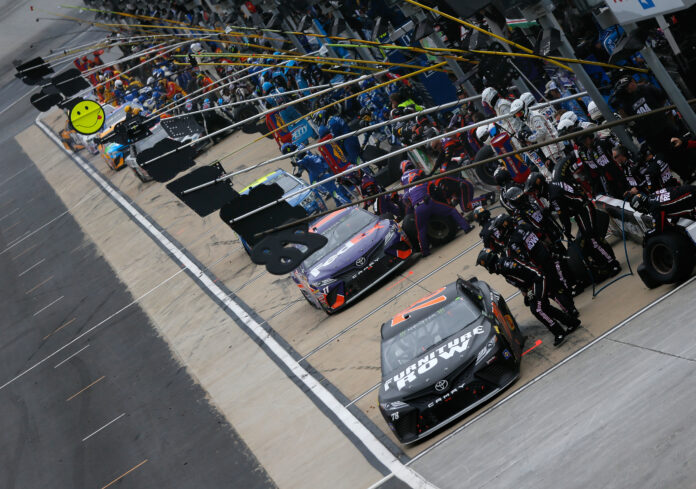
Why Your Daily Driver Needs Pit Crew Level Precision Maintenance

Photo by Jae Park on Pexels

Formula 1 race cars utilise between 250 and 300 sensors that sample data up to 1,000 times per second. This generates over a terabyte of raw diagnostic information during a single race weekend. Pit crews rely on this live telemetry to anticipate failures, monitor tyre degradation, and tune performance to absolute perfection before a critical failure occurs. While your morning commute might not involve hairpin turns at 200 kilometres per hour, your modern daily driver requires a surprisingly similar level of precision maintenance. Ignoring this reality can quickly turn a minor mechanical hiccup into a major financial burden.

The Hidden Complexity of Modern Vehicles

Today, mainstream and premium vehicles operate on complex Controller Area Network (CAN) bus systems. These networks constantly route thousands of data points to the Engine Control Unit to manage everything from fuel mixtures to traction control. Accurate servicing, especially for complex European cars, now requires advanced diagnostic software to read proprietary fault codes. This closely mirrors the telemetry analysis that motorsport technicians use to keep cars on the track.

Without specialised factory-level diagnostic scanners, general workshops simply cannot properly calibrate or reset the Advanced Driver Assistance Systems (ADAS) and electronic sensors standard in late-model vehicles. For example, if you are looking for a reliable mechanic in Taren Point, you must ensure they possess the specific diagnostic tools needed to communicate with your vehicle’s complex onboard computer. Relying on outdated equipment or guesswork often leads to misdiagnoses, unnecessary parts replacements, and expensive consecutive repairs that keep your vehicle off the road for extended periods.

The Rising Danger of Delayed Maintenance

Despite the advanced engineering of modern cars, proactive care is taking a back seat. A May 2026 YouGov report revealed that 64 percent of Australian drivers have delayed or skipped routine vehicle maintenance as cost-of-living pressures continue to rise. Furthermore, the 2026 Youi Generational Car Care and Costs Report noted a sharp increase in drivers deferring essential mechanical tasks like oil changes and tyre replacements. This figure jumped from 35 percent in 2024 to 47 percent in just two years.

The most alarming statistic from these recent studies is the false sense of security among motorists. Nearly half (49 percent) of Australian drivers who only fix their vehicles when they physically break down falsely believe their cars remain perfectly roadworthy and safe in the interim. Even more concerning, a 2026 mobility index study found that 33 percent of internal combustion engine drivers in Australia now trust artificial intelligence advice just as much as professional technicians when diagnosing vehicle issues. This overreliance on basic dashboard warning lights and untested advice ignores the complex mechanical realities of modern motoring. By the time a check engine light actually illuminates on the dashboard, the underlying issue has often progressed past the point of a simple, inexpensive fix.

Pit Crew Strategies for Your Daily Commute

Maintaining a vehicle in Australia costs money, but reactive repairs cost far more. While a mainstream hatchback costs between $1,000 and $1,500 annually to maintain, European brands typically range from $1,800 to $3,000 due to their specialised electronics and specific oil requirements. However, independent European auto specialists significantly narrow this price gap by utilising the exact same diagnostic tools as official dealerships but without the inflated labour rates.

Embracing preventative, pit crew style maintenance saves thousands of dollars compared to reactive engine rebuilds. A proactive approach involves several critical steps:

  • Targeted Diagnostics: Using factory-level software to read live sensor data and catch minor faults before they escalate.
  • Gearbox Servicing: Proactively servicing direct-shift gearboxes (DSG) at exact intervals to prevent friction wear and rough shifting.
  • Timing Chain Inspections: Replacing tensioners and chains at specific mileage marks to avoid catastrophic engine failure.
  • ADAS Calibration: Ensuring electronic safety sensors are perfectly aligned after any suspension or alignment adjustments.

Industry Standards and Warranty Protection

You do not need to visit a premium dealership to receive elite level care. The Bosch Car Service network is the world’s largest independent workshop organisation, with over 15,000 authorised workshops globally and more than 170 locations operating across Australia. Workshops that earn official certification are independently audited to ensure they maintain strict logbook schedules and adhere exclusively to original equipment manufacturer specifications.

Technicians in premium independent networks frequently undergo advanced instruction, such as the Bosch Automotive Technical Training Program, ensuring complete competence in high-level fault finding. Best of all, Australian consumer law legally protects vehicle owners. This legislation ensures that utilising a certified independent technician for logbook servicing will not void a new car’s manufacturer warranty. By applying a pit crew mentality to your daily driver, you can enjoy maximum performance, superior safety, and long-term reliability on the road.

Why NASCAR Is More Than Just a Sport for Drivers and Their Families

Photo credit: Pocono Raceway.

NASCAR is often defined by roaring engines, intense rivalries, and the excitement of racing at extraordinary speeds. For fans watching from the grandstands or at home, the sport revolves around competition and the pursuit of victory. Behind the scenes, however, NASCAR represents something much more personal for the drivers and families who dedicate their lives to racing.

Professional racing involves constant travel, demanding schedules, and relationships that extend far beyond the track. Families often become part of the racing environment, sharing celebrations, supporting one another through difficult weekends, and developing friendships with people who understand the challenges of the sport.

For many drivers, NASCAR is not simply a career but a way of life shaped by family traditions, personal sacrifices, and lasting connections. Understanding these experiences reveals why the racing community occupies such an important place in the lives of those involved.

Life Away From the Track Has Its Own Traditions

Although race weekends attract enormous attention, drivers also value the quieter moments between competitions. Time spent at home, familiar family activities, and comfortable everyday routines provide a welcome contrast to the intensity of professional racing.

Personal style often reflects this relaxed side of life. Away from racing suits and team uniforms, drivers can enjoy practical clothing suited to family gatherings, travel, and casual occasions. Comfortable knitwear, jeans, and familiar accessories are particularly useful during cooler months.

For those interested in classic casual clothing, exploring shawl collar cardigans online offers inspiration for outfits that combine warmth with understated style. These traditional knitted designs can complement the relaxed atmosphere of evenings spent with family and friends.

Such ordinary comforts matter in a profession where schedules change frequently. Maintaining familiar routines helps drivers enjoy an identity beyond their competitive responsibilities and appreciate the personal experiences that make life rewarding.

Racing Often Becomes a Family Tradition

Few aspects of NASCAR are more recognizable than its family connections. Several prominent racing families have participated in the sport across multiple generations, passing down knowledge, experience, and enthusiasm for competition.

The Earnhardt family is among the best-known examples. Dale Earnhardt Sr. established an extraordinary racing legacy, while Dale Earnhardt Jr. developed his own successful career and maintained a strong connection with NASCAR audiences.

The Petty family also demonstrates how racing traditions can extend across generations. Their history illustrates how involvement in motorsports may become closely connected with family identity.

However, these traditions are not limited to famous drivers. Mechanics, engineers, team personnel, and other professionals frequently introduce younger relatives to the racing environment.

Growing up around garages and racetracks can create lasting memories. For many families, the sport becomes a shared interest that connects generations through experiences extending well beyond individual victories.

The Racing Calendar Shapes Everyday Family Life

A NASCAR season requires considerable commitment from everyone involved. Drivers and team personnel spend substantial time traveling between racetracks, preparing equipment, attending meetings, and fulfilling professional obligations.

These responsibilities can complicate ordinary family routines. School activities, birthdays, anniversaries, and important celebrations may coincide with racing commitments, making advance planning especially valuable.

Some families attend selected events together, turning race weekends into opportunities to spend time with loved ones. Others maintain relationships through regular communication while family members remain at home.

The demands also affect spouses and partners, who may take on additional household responsibilities during busy periods.

Maintaining balance requires cooperation and flexibility rather than a perfectly predictable schedule. Families develop arrangements that suit their individual circumstances while protecting time for meaningful connections.

The support provided behind the scenes often plays an important role in helping drivers manage the pressures of professional competition.

The NASCAR Community Creates Lifelong Friendships

Competition is central to NASCAR, but the sport also brings together people who share similar experiences and professional interests. Drivers, crew members, families, and longtime participants frequently encounter one another throughout the racing season.

These repeated interactions can develop into friendships that continue beyond particular teams or racing careers.

Families may form relationships through shared travel experiences, community gatherings, and years spent attending the same venues. Children growing up around the sport can become familiar with people from different racing organizations.

Support becomes especially meaningful during challenging periods. Injuries, disappointing results, and career uncertainty can affect anyone involved in motorsports.

While competitive rivalries remain important, personal relationships sometimes extend beyond what happens on the track.

This sense of community contributes to NASCAR’s distinctive culture. For many participants, the people they meet become just as memorable as the races themselves.

Racing Teaches Lessons That Extend Beyond Competition

Professional motorsports demand discipline, preparation, and the ability to respond quickly to changing circumstances. Drivers must manage pressure while working closely with teams responsible for performance and safety.

These experiences can influence attitudes toward everyday responsibilities. Patience, communication, and resilience remain valuable whether someone is competing in a race or navigating family life.

Setbacks are also unavoidable. Mechanical problems, accidents, and disappointing finishes can interrupt even the most carefully prepared plans.

Learning to respond constructively to these experiences can encourage a broader perspective on achievement. Success involves preparation and teamwork, but also accepting circumstances that cannot always be controlled.

For younger family members, observing these challenges provides an opportunity to understand dedication and perseverance.

The lessons associated with racing therefore extend beyond improving lap times. They can influence personal development and the way families approach shared goals.

A Lasting Connection That Continues After Retirement

A driver’s competitive career eventually changes, but involvement in NASCAR does not necessarily end with retirement. Former competitors may remain connected through broadcasting, mentoring, business activities, or occasional appearances at racing events.

Family relationships and friendships developed over many seasons can continue long after a driver’s final professional race.

For those whose lives have revolved around motorsports, retirement may also provide opportunities to explore interests that previously received less attention. Spending additional time with children, traveling without competitive obligations, and participating in community activities can become important priorities.

NASCAR’s history is filled with relationships and traditions that connect different eras of the sport. These connections help preserve its identity while welcoming new generations of drivers and supporters.

Ultimately, NASCAR is more than a competition measured through finishing positions and championship trophies. It is a community shaped by families, friendships, shared sacrifices, and personal experiences.

The lasting significance of racing often lies in these relationships, which continue to matter long after the engines become quiet.

Life on the Road During a Demanding NASCAR Season

Photo: Sean Gardner/Getty Images

NASCAR racing is often remembered through dramatic overtakes, thrilling finishes, and celebrations in Victory Lane. However, the excitement fans experience on race day represents only a small part of the work involved in competing throughout a demanding season. Behind every successful weekend lies an extensive routine of travel, preparation, teamwork, and physical endurance.

For drivers, crew chiefs, mechanics, and other team members, professional racing involves spending considerable time away from home. Airports, hotels, race shops, and unfamiliar cities become regular parts of their working lives. The constant movement creates challenges that extend far beyond what happens on the track.

Maintaining performance throughout the season requires careful organization and personal discipline. Understanding how NASCAR professionals manage travel, physical demands, family responsibilities, and changing schedules reveals the commitment necessary to compete at the highest level of stock car racing.

Maintaining Health and Energy During Constant Travel

Traveling between racing venues can disrupt familiar routines. Early departures, long working days, changing meal schedules, and limited opportunities for relaxation may influence how team members feel throughout the season.

Nutrition becomes particularly important when convenient food options are limited. Drivers and crew members benefit from balanced meals, sufficient hydration, and practical strategies for maintaining consistent eating habits while moving between locations.

Interest in personal nutrition has also encouraged broader conversations about supplements and everyday health. Resources from https://resbiotic.com/ explore vitamin D3 and its relationship with weight management. Vitamin D contributes to normal bodily functions, although supplementation alone has not been established as an effective weight-loss strategy.

For NASCAR professionals, maintaining energy involves much more than choosing particular products. Regular meals, appropriate conditioning, and dependable sleep remain essential for handling demanding race weekends and extensive travel commitments.

The Weekly Schedule Leaves Little Room for Recovery

A NASCAR race weekend involves far more than arriving at the circuit and climbing into a car. Teams must prepare equipment, review technical information, coordinate transportation, and ensure every department understands its responsibilities.

Many crew members spend weekdays working at team facilities before traveling to the next event. Mechanics inspect components, engineers analyze performance, and crew chiefs coordinate preparation based on the upcoming track.

Once the team arrives, practice sessions, qualifying, technical inspections, and race-day responsibilities create a tightly organized schedule.

The workload can become especially demanding during consecutive racing weekends. Teams must quickly transition from evaluating one event to preparing for another, sometimes with limited opportunities to address unexpected problems.

Success depends on maintaining consistent standards throughout these busy periods. Even relatively small organizational mistakes can influence performance when preparation time is limited.

Drivers Experience Physical Demands Beyond Ordinary Travel

Although NASCAR drivers spend much of their working time seated, controlling a race car requires considerable physical effort. High temperatures, sustained concentration, steering forces, and repeated exposure to vibration contribute to the demands of competition.

Inside the car, drivers must maintain precise control while navigating traffic at high speeds. Their attention remains focused on changing track conditions, competitors, and instructions delivered through team communication systems.

Long races can also create substantial fatigue, particularly when temperatures rise and opportunities for physical relief are limited.

Professional drivers therefore maintain conditioning routines that support endurance, strength, and concentration. Training may include cardiovascular exercise, resistance work, and activities designed to develop physical resilience.

Between events, managing recovery becomes another responsibility. Consistent preparation helps drivers remain competitive across a season rather than concentrating exclusively on individual races.

Life Away From Family Can Be Emotionally Challenging

Frequent travel influences personal relationships as much as professional responsibilities. Drivers and crew members may miss family celebrations, weekend activities, and ordinary moments at home because racing schedules require their presence elsewhere.

Maintaining connections often depends on communication and careful planning. Phone calls, video conversations, and occasional opportunities for relatives to attend events can help families remain involved despite physical distance.

However, the demands of a racing career vary between roles. Some team employees travel regularly, while others work primarily at race shops and experience different schedules.

The emotional challenges are not always visible to spectators. A successful race weekend may be followed immediately by another journey, leaving limited time to celebrate or reconnect with loved ones.

For many professionals, family support becomes an important source of stability throughout the competitive season.

Teamwork Makes the Demanding Schedule Possible

NASCAR is sometimes presented as an individual competition between drivers, but every race depends on coordinated work involving numerous specialists.

Engineers interpret data, mechanics prepare vehicles, spotters communicate track information, and pit crews execute carefully rehearsed stops. Each department contributes to decisions that can influence the outcome.

Travel adds another layer of coordination. Equipment must reach the correct venue, personnel need reliable arrangements, and technical preparation must continue despite changing locations.

Strong communication becomes essential when unexpected problems arise. Weather delays, mechanical issues, and revised schedules can require teams to adjust their plans quickly.

The pressure also encourages close professional relationships. Crew members spend considerable time working together, developing trust through shared responsibilities and challenging experiences.

That cooperation helps transform demanding individual jobs into a coordinated competitive effort.

The Rewards of Racing Extend Beyond Victory Lane

Despite the difficulties associated with constant travel, NASCAR offers experiences that many participants value deeply. Competing at famous circuits, working alongside talented professionals, and contributing to successful race weekends can provide considerable satisfaction.

Each destination also brings a different atmosphere. From short-track racing to major speedway events, the character of individual venues creates variety throughout the season.

Experienced team members often develop personal routines that make travel more manageable. Familiar preparation habits, efficient packing, and opportunities to rest between commitments can reduce unnecessary stress.

The most rewarding moments are not always victories. Recovering from mechanical problems, improving performance after difficult weekends, or achieving a strong result through teamwork can be equally meaningful.

Ultimately, life on the road during a NASCAR season demands persistence, adaptability, and genuine dedication. The demanding schedules and sacrifices are part of a professional environment where preparation matters as much as speed.

For the people behind the race cars, every successful weekend represents countless hours of work performed away from the spotlight. That commitment is what keeps the sport moving from one checkered flag to the next.

Can You Buy a Car with Online Casino Winnings? Expectations vs. Reality

The cinematic image is hard to shake: a player stares at a glowing smartphone screen, watches the reels align, or the final blackjack card turn up, and triggers a life-changing payout. Minutes later, they are walking onto a luxury car lot, handing over a cashier’s check, and driving away in a brand-new vehicle paid entirely by house money.

While buying a car with online casino winnings is entirely possible, the path from a digital balance to a physical set of keys is governed by strict mathematics, rigorous banking regulations, and heavy legal compliance. Understanding the gap between expectations and reality ensures you approach online gaming with both clarity and financial sense.

1. The Mathematics of the Win: Expectations vs. Reality

The fantasy of buying a car usually begins with the allure of striking it rich overnight. However, understanding the underlying math helps ground those expectations in reality.

Every online casino game operates on a mathematical structure dictated by the House Edge, the statistical advantage the platform maintains over players in the long run. To measure how much money a game pays back over time, operators rely on Return to Player (RTP) percentages. For instance, a slot with a 96% RTP theoretically returns $96 for every $100 wagered across millions of spins, leaving the casino with a 4% edge.

To afford a car outright, players generally look toward two distinct routes:

  • High Volatility Play: Games with high Volatility / Variance offer infrequent but massive payouts, making them suitable candidates for chasing a car-sized win, though they carry a significantly higher risk of depleting your funds quickly.
  • Progressive Jackpots: Linked jackpot pools like Mega Moolah or Divine Fortune accumulate massive, multi-million-dollar sums across global platforms.

Even when targeting massive prizes, successful players rely on disciplined Bankroll Management, allocating a strict gambling budget to mitigate financial risk. For elite players wagering thousands per session, specialized casinos for high rollers cater to larger bankrolls, offering bespoke VIP perks, higher withdrawal ceilings, and tailored limits. Yet, regardless of the stakes, every digital spin or hand is governed by a certified Random Number Generator (RNG) software ensuring fair, unbiased outcomes.

2. From Digital Balance to Bank Account: Payout Realities

You cannot tap your smartphone screen against a car dealership’s card reader. Converting an online casino balance into cash requires navigating a complex web of financial compliance.

Licensed platforms operate under strict regulatory bodies to ensure player protection and financial integrity. Top-tier operators hold licenses from recognized authorities such as:

  • UKGC (UK Gambling Commission)
  • MGA (Malta Gaming Authority)
  • AGCO / iGaming Ontario (Alcohol and Gaming Commission of Ontario)
  • State Gaming Control Boards (e.g., NJDGE in New Jersey, PGCB in Pennsylvania)

Because of these regulatory frameworks, you cannot instantly withdraw a massive lump sum without scrutiny. Operators enforce strict KYC (Know Your Customer) Verification protocols, requiring official government-issued ID, proof of address, and recent utility bills before processing high-value payouts. Furthermore, anti-fraud measures and AML (Anti-Money Laundering) Protocols mean that large withdrawals undergo manual compliance reviews, often delaying Wire Transfer / ACH Payouts by several business days.

3. Real-World Case Studies: From Screen to Steering Wheel

Real-world examples illustrate how ordinary players turn online and digital gaming wins into actual vehicles:

The iLottery Practical Upgrade

In August 2024, Andrzej Kielbon of Mecklenburg County, North Carolina, played an online lottery game while waking up early for a routine car repair appointment. He unexpectedly hit a $379,747 jackpot through the North Carolina Education Lottery’s digital platform. After mandatory tax withholdings, Kielbon took home $271,520. Instead of paying for aging repair bills, he took his winnings directly to a local dealership and purchased a brand-new Electric Vehicle (EV) outright.

The Micro-Jackpot Comeback

Not everyone needs a six-figure jackpot to buy a car. Across online gambling community forums, verified players frequently document medium-scale jackpots. In one widely shared case, a player built a modest bankroll into a $26,000 online blackjack run over a short series of gaming sessions. After completing the platform’s KYC verification and requesting a bank wire, the player used the lump sum to purchase a reliable pre-owned car in cash.

Mega-Jackpots and Luxury Fleets

At the extreme end, lottery and massive progressive wins, such as Edwin Castro’s record-breaking $2.04 billion windfall, demonstrate how extreme jackpots fund luxury automotive collections. Castro famously purchased a vintage 1980s Porsche 911 valued at around $250,000, alongside a green Porsche 356 and a Ram 1500 TRX. While rare, these mega-wins highlight the ultimate realization of the dream car fantasy.

4. Buying the Car: Dealerships, Taxes, and Paperwork

Once your funds safely land in your bank account, you must face the realities of the car-buying process.

Tax Obligations

Depending on your jurisdiction, winnings may be subject to immediate taxation. In the U.S., casinos issue a Form W-2G for significant winnings, and winnings count as Taxable Income. In contrast, jurisdictions like the UK and Canada treat gambling winnings as tax-exempt. Tax withholdings instantly reduce your gross jackpot amount before you ever step foot on a dealership lot.

Dealership Verification and Paperwork

When purchasing a vehicle, dealerships cannot simply accept unverified funds. You must provide Proof of Capital / Funds or coordinate an Auto Dealership Financing / Outright Cash Purchase through certified banking channels.

Additionally, federal oversight applies to large cash transactions. Under Form 8300 (IRS / FinCEN) regulations, businesses, including car dealerships, must report cash or cashier’s check payments exceeding $10,000 to authorities, requiring buyers to document their Source of Funds (SoF). Finally, completing the legal transfer of ownership involves proper Vehicle Title & Registration filing.

Conclusion: Balancing Dreams and Reality

Can you buy a car with online casino winnings? Absolutely. Whether upgrading to a reliable pre-owned vehicle via a medium-scale blackjack win or purchasing a brand-new EV with a digital lottery jackpot, thousands of players turn gaming success into real-world mobility every year.

However, the reality involves patience, verification delays, tax considerations, and strict compliance checks. Always approach gambling with entertainment in mind rather than as an investment strategy. If you or someone you know ever needs support regarding gambling habits, trusted resources such as GamCare, the NCPG (National Council on Problem Gambling), and BeGambleAware offer confidential guidance and assistance. Play responsibly, understand the odds, and enjoy the journey safely.

Electric Bike Fit Checklist: Comfort, Reach & Sizing

An electric bike for adults can be the correct height on your sizing chart and still be a very uncomfortable bike to ride. You might find it very difficult to reach the handlebars, you might find it hard to put a foot down at a stop and you’ll probably end up feeling quite stretched out after just a couple of miles.

A proper e-bike fit is about more than just frame size. You also need to look at standover clearance, saddle height, handlebar reach, brake access, riding position and the overall weight of the bike. All of these things will have a bearing on how comfortable and confident you are in the saddle.

Use this checklist prior to buying an e-bike online or in a local shop. It’ll help you spot fit issues before they turn into costly errors.

1. Does the Electric Bike Match Your Height and Inseam?

Your height will obviously go some way towards determining the right frame size but your inseam gives you a bit more information as to how comfortably you can stand over the bike and how well you can reach the pedals.

Start with the manufacturer’s recommended rider height range for the particular model. Then measure your inseam by standing barefoot against a wall, placing a hardcover book between your legs and measuring from the floor to the top of the book. Make sure the book is level and take the measurement a couple of times to check it’s consistent.

Use your measurements as a starting point rather than a final decision. Two e-bikes recommended for the same height can end up with very different frame geometries, saddle ranges and bar positions.

If you’re between sizes then compare the actual geometry measurements rather than just go for the larger frame. A test ride or a professional fitting will go a long way to resolving any uncertainty.

2. Can You Stand Over the Frame Comfortably?

Standover height is the distance from the ground to the top of the frame when you’re standing on the bike to get on or off. Sufficient standover height makes getting on and off the bike much easier and provides you with some room to react when you need to stop.

For a traditional step-over frame, compare the manufacturer’s standover measurement with your inseam. A good starting point for a road bike might be 1-2 inches of clearance, off-road bikes may require more. The amount you need will be dependent on the frame in question and the type of riding you’re doing.

A step-through frame has a lower entry point which is very handy for those who stop off quite a bit or who just don’t like the idea of swinging a leg over a high top tube. A step-through doesn’t necessarily mean that the saddle, the bars or the overall geometry will be any good though.

Fit check: before you buy, make sure you can ride it naturally and stop with confidence. Don’t just go on frame height to determine whether it’s going to be a comfortable ebike.

3. Is the Saddle at the Right Height?

Saddle height has an effect on pedalling efficiency, on knee action and on comfort. A frame that’s the correct size can still feel wrong if the saddle is too high or too low.

At the bottom of the pedal stroke your knee should have a slight bend. If your leg is completely straight or your hips are rocking from side to side then the saddle is too high. If your knees are still extremely bent right through the pedal stroke then it’s too low.

Ensure the saddle can be adjusted to a comfortable height and that your hips are stable as you pedal. The seatpost must be within the minimum insertion and maximum extension markings. If you can’t get a comfortable position within those limits then the frame is probably not right for you.

Crank length and pedal position will also have an effect on how your legs move so saddle height is only one element of the overall fit.

4. Can You Reach the Handlebars Without Stretching?

Handlebar reach dictates how far forward you have to lean and how much weight you’re going to be placing on your hands. A bike that’s too long will lead to shoulder, neck and lower back discomfort and a cockpit that’s too short will feel quite cramped.

When you’re in your normal riding position you should be able to hold the grips with relaxed shoulders and slightly bent elbows. You shouldn’t need to lock your arms or slide forward on the saddle to get to the bars.

Two frame measurements help explain this difference:

  • Reach is the horizontal distance from the bottom bracket to the top of the head tube and is a measure of whether a frame will feel stretched or compact.
  • Stack is the vertical distance between those two reference points and is used to indicate how high or low the front of the bike is in relation to the pedals.

Neither measurement in itself determines comfort. Handlebar shape, stem size, saddle position and frame design all have an effect on the final riding position.

Don’t assume a longer reach is necessarily better for a taller rider. Body proportions are all different and the ideal setup is the one that allows you to control the bike.

5. Can You Reach the Brake Levers and Controls Easily?

You should be able to operate the brakes, shifter, display and all the other controls without having to change your grip in an awkward way. This is particularly important on an e-bike as you may well be required to be managing motor assistance whilst reacting to traffic or road conditions.

During the test ride check that your fingers can comfortably reach the brake levers, that the display is readable from your normal riding position and that the assist controls are easy to operate without you having to lose your secure grip. If it has a throttle make sure that doesn’t get in the way of the levers or the shifter.

Some brake levers do have reach adjustment but not all do. If you have smaller hands or less than average grip strength it’s worth checking that the levers are appropriate for you prior to ordering. A bike that fits your height in terms of frame size may well not be a bike that you can actually ride if the controls aren’t within your reach.

6. Does the Bike’s Weight Suit Your Daily Routine?

E-bikes are invariably heavier than normal bikes as they contain a motor, a battery and all sorts of other bits and pieces to support it. The total weight is going to be an issue if you need to carry it up a flight of stairs, lift it onto a vehicle rack or otherwise get it into a small storage space.

Does the Bike’s Weight Suit Your Daily Routine

For instance the Leoguar Flippo folding electric bike weighs in at around 55lbs with the battery and folds down to about 36.22 x 18.5 x 29.92 inches. All of that is very useful if you’re living in an apartment, storing the bike in a car or have very limited indoor space.

Folding doesn’t necessarily make a bike easy to carry. You need to consider whether it’s actually going to be easy to lift and move (particularly if you’re going to be doing it on a regular basis). You also need to look at the unfolded geometry, the recommended rider height range and the saddle adjustment just as thoroughly as you would with a conventional frame.

A bike that fits you but is a pain to store and/or manoeuvre may not be the right bike for your day to day use.

7. Does the Frame Style Match Your Riding Needs?

Different frame styles will have an impact on how easy it is to mount the bike, how your body is positioned and how confident you are in the handling. A step-through frame may be ideal for those who are going to be stopping off quite frequently whereas a step-over frame may be the preferred option for those who like the way it handles. Again, one style isn’t necessarily better than the other for every body type.

When is a step-through frame worth considering?

The Leoguar Fastron ST is a step-through electric bike with 26″ x 4.0″ fat tyres. The low entry will make it easier for some riders to mount (those who don’t like to have to lift a leg over a high top tube) and the tyres are obviously designed for mixed surfaces.

Tire width in no way determines whether a bike will suit you. You need to look at the recommended rider height range, standover clearance, saddle height, handlebar reach and total bike weight.

Fat tyres can also have an effect on the way the bike handles in low speed turns and when you’re just manually manoeuvring it. If you can, get a test ride and see if you can steer it, stop it and get it on and off reasonably comfortably.

8. Does Your Riding Position Match the Type of Electric Bike?

The right bike for you will also depend on how you plan to ride. A relaxed cruiser, a compact folding bike and an electric mountain bike are all designed around very different riding positions.

For daily commute you want comfortable reach, easy access to the controls and a natural riding position. For some relaxed cruising you may well be more concerned with an upright position and a comfortable saddle. For the folding and transport aspects you’ll want to look at the bike’s weight and how small it is when folded as well as its fit when it’s unfolded.

Mountain biking is a different proposition. The Leoguar Trailblazer Mid-Drive Electric is a full suspension off road bike and as such the frame geometry, control access and how it behaves when you’re standing on the pedals are all things you need to be very mindful of if you’re considering it.

A mountain bike may feel different to you than a commuter bike even if both are listed for the same rider height. Your riding posture, the terrain you’re riding on and your preferred riding style will all have an effect on which geometry you find works best.

9. Complete Your Electric Bike Fit Checklist Before Buying

Use this checklist to compare your shortlisted models. If you’re buying online then take a look at the geometry chart and get the manufacturer to clarify anything that isn’t clear to you.

Fit CheckWhat to VerifyWhy It Matters
Height and InseamYou fall within the model’s recommended fit rangeHelps narrow the correct size
StandoverYou can mount and dismount comfortablySupports confident stops
Saddle HeightYou can achieve a natural pedaling positionHelps avoid overextension or cramped pedaling
Handlebar ReachYou can hold the grips without excessive stretchingReduces unnecessary strain
Brake AccessYou can operate both brakes confidentlySupports safe control
Bike WeightYou can maneuver and store it safelyMatters for stairs and vehicle transport
Frame StyleStep-through, step-over, folding, or mountain geometry suits your needsMatches the bike to your routine
StorageThe bike fits your home, garage, or transport setupPrevents everyday storage problems

If a bike fails an important fit check then don’t just assume you can fix it all with a new saddle and a new stem. Small tweaks can make a difference, but they can’t change the frame geometry.

Final Thoughts: Fit Matters Beyond Frame Size

Choosing the right e-bike isn’t simply a matter of matching your height to a size chart. Standover clearance, saddle height, reach, brake access, riding posture and bike weight all have an effect on whether the bike is going to be comfortable and manageable.

Use the checklist to narrow your choices and then wherever possible go for a test ride. If you’re buying online be very careful to check the manufacturer’s measurements and ask questions before you order. A bike that fits your body and your way of life is going to be far easier to ride and far more enjoyable.

Frequently Asked Questions

1. How do I know that an e-bike is the right fit for me?

You should be able to mount the bike comfortably, adjust the saddle to a suitable height, reach the handlebars without excessive stretching, and operate the brakes confidently. Compare your height and inseam with the manufacturer’s sizing chart, then review the actual frame geometry.

2. Is height enough to choose the right electric bike size?

No. Height helps identify a suitable size range, but inseam, reach, stack, saddle adjustment, and frame style also affect fit. Two riders of the same height may need different geometries because their leg, arm, and torso proportions differ.

3. What is the most important electric bike fit measurement?

There is no single measurement that determines fit. Height and inseam help narrow the options, while standover clearance, saddle height, and reach determine how comfortably you can mount, pedal, and control the bike. Consider them together rather than choosing based on one number.

4. Is a folding electric bike easier to fit than a regular electric bike?

Not necessarily. Folding bikes can be easier to store and transport, but their riding geometry still needs to suit your body. Check the recommended rider-height range, saddle adjustment, handlebar reach, and overall weight before buying.

5. Can I fix an electric bike that feels too large or too small?

Minor issues may be corrected through saddle or handlebar adjustments, depending on the bike. However, these changes cannot fix every mismatch in frame geometry. If you cannot reach the controls comfortably or achieve a safe riding position, choosing another frame size is usually the better option.

What Pit Crew Timing Teaches Malaysian Mobile Gamers About Session Execution

Photo by depositphotos at https://depositphotos.com/

Pit Window Discipline: What Motorsport Timing Culture Reveals About Mobile Gaming Sessions in Malaysia

There is a moment in every race where the pit window decision defines the outcome more clearly than anything that happens on track. The crew chief who calls the pit stop at the right lap – who reads the tyre degradation curve correctly, estimates the field’s remaining fuel load, and times the stop to come out ahead of the cars that have not yet pitted – has made a decision that no amount of raw pace from the driver can overcome if it is wrong.

This decision is not made under calm analytical conditions. It is made in real time, under competitive pressure, with incomplete information about what the rest of the field is going to do. The crew chief who has done the pre-race preparation – who built the tyre delta model, who mapped the fuel consumption curve across practice sessions, who identified the lap range where the pit window opens – makes a better real-time decision than the one who is processing raw information for the first time when the situation demands an answer.

The Malaysian mobile gaming community that has grown around platforms like Kiss918 operates on the same timing discipline principle. The session that was planned before the first spin – the budget set, the time window defined, the game selection made based on RTP data rather than in-session impulse – executes better than the session improvised in real time under the emotional conditions that losing streaks and near-misses create.

The parallel is specific enough to be worth examining in detail.

The Pit Window and the Session Window

The pit window is the lap range during which a stop is strategically optimal – after the point where the tyre degradation has cost enough pace to justify the time loss of the stop, and before the point where fuel runs out forces an emergency pit under conditions where track position cannot be recovered.

The crew chief who pits inside the window is making a decision that the tyre and fuel data supports. The crew chief who pits outside the window – too early, burning off a tyre advantage that was not yet depleted, or too late, losing position to the green-flag pit cycle that passed them – is making a decision that the data does not support, regardless of how it feels in the moment.

The mobile gaming session window follows the same structure. The player who enters a slot session having defined the session budget, the time limit, and the exit conditions – the player who has established that they will stop when they hit MYR 200 profit, or when they have been playing for 90 minutes, or when the session budget is exhausted – is operating within a pre-defined window. The decision to stop is made in advance, in the analytical state, against clear parameters.

The player who makes the stop decision in real time – who decides whether to continue based on how the session feels at the 45-minute mark rather than against pre-committed parameters – is the crew chief processing the pit window decision without a pre-built model. The emotional conditions of an active gaming session – the near-miss that suggests the next spin will be different, the loss that creates the urge to recover – are worse decision-making conditions than the pre-session planning state, in the same way that the 150-lap mark of a 500-mile race under green-flag pressure is worse decision-making conditions than the Friday practice debrief.

Tyre Degradation and Volatility Management

Tyre degradation model is the foundation of every pit strategy decision. The compound that performs optimally in laps 1-15 of a stint is measurably different by lap 25 – the degradation is predictable in its general shape even if the specific lap where performance drops below an acceptable threshold requires real-time measurement.

The experienced crew chief does not react to tyre degradation as a surprise. They model it before the race, calibrate the model against practice data, and arrive at the race with a degradation curve they trust well enough to make pit window decisions against. The driver who radios in “tyres are gone” at lap 28 is confirming the model rather than providing new information.

Kiss918’s published RTP data is the slot player’s equivalent of the tyre degradation model. Aladdin Wishes at 98.0% RTP, Great Blue at 97.1%, Highway Kings at 97.0% – these are the compound performance specifications that the informed player uses to select their session titles before the session begins. The high-volatility title that produces long stretches without meaningful returns followed by concentrated large wins is the high-degradation compound: fast early, potentially costly if the session window closes before the performance peak arrives.

The Malaysian mobile gaming player who selects Aladdin Wishes at 98.0% RTP for a budget-constrained session is applying the same compound selection logic that the NASCAR strategy team applies when they specify a tyre compound based on the race’s lap count and the track’s specific abrasion characteristics. The decision is made before the session begins, against data that is available in advance, not improvised when the session’s emotional conditions are worst.

The Fuel Mileage Game and Session Budgeting

The fuel mileage game – the strategy variant where teams attempt to stretch fuel further than the opponent to gain track position without an additional stop – is one of motorsport’s most analytically demanding real-time decisions. The crew chief who attempts a fuel mileage stretch is committing to a strategy whose viability depends on accurate real-time fuel consumption tracking, opponent strategy assessment, and the ability to hold the decision under the pressure of watching competitors pit around them.

The discipline required to hold a fuel mileage strategy is the discipline of pre-commitment. The crew chief who commits to the stretch at lap 250 of a 500-lap race and then starts second-guessing at lap 280 because three competitors have pitted has not applied the discipline that makes the strategy work. The strategy was right at lap 250 or it was wrong. Abandoning it at lap 280 based on what competitors are doing – rather than against the fuel consumption model – is reactive decision-making that defeats the purpose of the analytical preparation.

The Kiss918 player whose pre-session plan includes a no-additional-deposit rule – the player who deposits MYR 200 at the start of the session and has committed to not topping up regardless of session outcome – is applying the same pre-commitment discipline. The losing streak at the 45-minute mark that creates the urge to deposit additional funds to recover the position is the lap 280 competitor pit stop: an emotional pressure that the pre-committed plan was specifically designed to hold against.

This is not a counsel of perfection. The driver who runs out of fuel because the crew chief held the fuel mileage strategy too long has also made a wrong decision. Pre-commitment requires calibrating the commitment correctly – the session budget that is too small for the game format’s variance profile will be exhausted before the session’s statistical distribution has had time to resolve, just as the fuel mileage target that is set beyond the car’s actual consumption capacity will end in a fuel-out rather than a strategic position gain.

Kiss918’s session time limit and deposit limit controls – accessible from account settings – are the race engineer’s tools that make pre-commitment executable in practice rather than aspirational in principle. The limit set before the first spin holds through the session’s pressure points without requiring the player to make the same decision again under worse psychological conditions.

The IndyCar Oval Strategy and Malaysian Time Zone Management

Oval racing – particularly the 500-mile events at Indianapolis, Pocono and Michigan – creates a specific strategy challenge that shorter-distance racing does not: the strategy must account for multiple pit cycles whose timing interacts across a field of 33 cars over a 200-lap race. The team whose strategy accounts for likely caution-period distributions across the race’s five pit cycles is better positioned than the one that plans only for the next stop.

The Malaysian mobile gaming session’s timing management challenge has a comparable multi-cycle dimension. The Saturday EPL betting session that includes an 11pm kickoff and a 1:30am kickoff is not a single session – it is two sequential engagement windows with an inter-match gap between them. The player who manages their session budget as a single allocation across both windows – reserving a defined portion for the 1:30am match rather than deploying the full budget in the first window – is applying the multi-cycle planning discipline that IndyCar’s oval strategy demands.

The inter-match gap is the caution period equivalent: a window where the pressure of the immediate competition pauses and the player has the analytical space to assess position, review budget remaining, and make the allocation decision for the next window from a calmer state than the live-session pressure would allow. The player who uses the inter-match gap to reassess rather than using it to top up impulsively is applying the caution-period strategy review that IndyCar teams use to adjust their pit cycle plan against actual race conditions.

The Singapore Grand Prix and Malaysian Automotive Culture

The reader whose motorsport following extends to Formula 1 will recognize the Singapore Grand Prix’s specific relevance to Malaysian motorsport culture. The night race through Marina Bay is one of Southeast Asia’s most attended annual sporting events – and the Malaysian motorsport fan whose engagement with F1 includes the Singapore GP and the 19-year history of the Malaysian Grand Prix at Sepang has developed the kind of motorsport analytical literacy that the community recognizes as genuine fan knowledge rather than surface-level brand awareness.

This motorsport analytical culture – the Malaysian fan who understands tyre compound selection, DRS zone positioning and safety car window strategy not as spectator information but as competitive context that changes how the race is understood – is the same culture that produces the Malaysian mobile gaming player whose game selection is based on RTP data rather than visual appeal.

Both analytical disciplines develop from the same foundation: the habit of treating competitive entertainment as something to understand and engage with analytically rather than simply watch. The Malaysian F1 fan who has spent 19 years attending or following the Malaysian GP develops motorsport analytical literacy the same way the Malaysian mobile gaming player who has followed the broader Malaysian gaming market develops gaming analytical literacy.

Kiss918 has been part of the Malaysian mobile gaming landscape since 2016 – the platform formerly known as SCR888 whose slot catalogue, fishing games and table game section reflect the same cultural specificity that the Malaysian GP’s domestic crowd brought to Sepang: a local audience whose engagement is genuine rather than imported.

The Pit Crew’s Silent Communication and Session Discipline Under Pressure

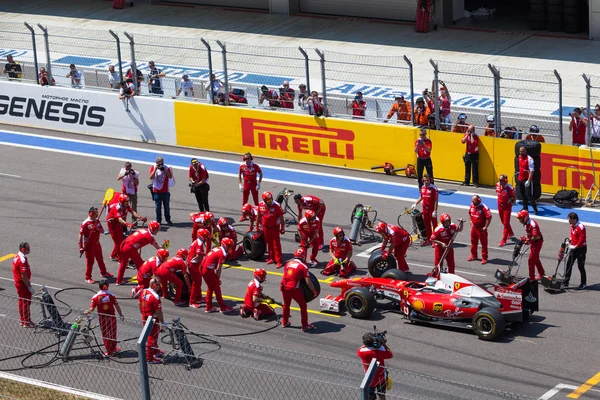
The choreography of a pit stop involves seven crew members performing assigned tasks in sub-12-second windows without verbal communication during the stop itself. The jackman who positions the jack, the tyre changers who manage four wheels simultaneously, the fuel man who delivers a precise fuel load – each operates against a pre-rehearsed sequence that does not require instruction during execution because the preparation before the stop made instruction unnecessary.

The session discipline that produces good gaming outcomes is the same silent execution model. The player who has decided on session parameters before starting does not need to reason through the stop-or-continue decision at the 60-minute mark under the emotional conditions of an active session. The decision was made in advance. The execution is automatic.

This is why the session planning that precedes a mobile gaming session is more valuable than any decision made during it. The RTP-based game selection made before the first spin is better than the RTP assessment attempted mid-session when recent near-misses have distorted probability perception. The budget set before the session is more accurate than the budget re-evaluated when a losing streak has created the pressure to recover.

For Malaysian players, the National Council on Problem Gambling Malaysia (NCPG) at ncpg.org.my provides free support if gaming behavior becomes a concern. The session planning discipline that makes gaming entertainment sustainable is the same discipline that makes racing strategy effective – the preparation in the garage, not the improvisation on the pit wall.

What It Adds Up To

The crew chief’s pit window decision, the oval strategy team’s multi-cycle planning, the F1 tyre compound selection before qualifying – each reflects the same principle: the best decisions in competitive entertainment are made in the analytical state before the pressure of real-time competition activates the emotional responses that deteriorate decision quality. Kiss918 is part of the Malaysian mobile gaming landscape that the SpeedwayMedia audience’s Southeast Asian following engages with – and the session discipline that the motorsport timing culture models is the same discipline that makes mobile gaming sessions rewarding rather than costly. The preparation happens before the first spin, just as the race strategy is built before the green flag drops.

Online casinos with highest slot payouts

Finding online casinos with the highest slot payouts is harder than most comparison sites suggest. Many guides focus on welcome bonuses, free spins and marketing offers while ignoring the factors that actually determine how much value players receive over time.

The reality is simple: casinos do not create slot RTP. Software providers do. What casinos control is which games they offer, how many high RTP pokies appear in their library, how quickly withdrawals are processed and whether players can access their winnings without unnecessary restrictions.

This guide focuses on the factors that genuinely influence payouts, the best payout casinos available to Australian players and the pokies that consistently rank among the strongest performers.

Best payout casinos comparison

CasinoBest RTP SlotHighest RTPWithdrawal SpeedPayout ScoreWebsite
NeospinBook of 9999.00%Under 1 Hour9.8/10neospin.com
GlorionUgga Bugga99.07%Under 1 Hour9.7/10theglorion.com
LuckyVibeBook of 9999.00%1-12 Hours9.6/10lyckyvibe.com
Golden CrownMega Joker99.00%Under 1 Hour9.6/10goldencrown.com
Mafia CasinoWhite Rabbit Megaways97.70%1-24 Hours9.5/10maficasino.com
REALZDead or Alive 296.80%1-24 Hours9.5/10realz.com
CrownPlayBook of 9999.00%1-12 Hours9.4/10crownplay.com
Wild TokyoMega Joker99.00%1-12 Hours9.4/10wildtokyo.com
VegasNowBlood Suckers98.00%1-24 Hours9.4/10vegasnow.com
VipLuck1429 Uncharted Seas98.60%1-24 Hours9.3/10vipluck.com

The truth about slot payouts in online casinos

One of the biggest misconceptions in online gambling is the belief that casinos decide how much individual pokies pay. In reality, providers such as Microgaming, NetEnt, Play’n GO, Pragmatic Play and Relax Gaming determine RTP, volatility and payout structures. Casinos simply choose which games appear in their portfolio.

This is why two casinos can offer completely different payout potential despite advertising similar bonuses. The highest payout online casinos usually share several characteristics:

  • Large collections of high RTP pokies.
  • Multiple premium providers.
  • Fast withdrawals.
  • Transparent terms.
  • Strong player reputation.
  • Support for modern payment methods.

What actually determines slot payouts?

FactorWhy It Matters
RTPTheoretical long-term return.
VolatilityFrequency and size of wins.
Hit FrequencyHow often wins occur.
Maximum WinPotential top payout.
Provider QualityOverall game mathematics.
Withdrawal SpeedHow quickly winnings arrive.

Many players focus exclusively on RTP. Experienced players usually look at volatility and provider quality as well.

Top 5 casinos for slot payouts

Neospin ranks first due to its combination of high RTP pokies, rapid withdrawal processing and deep provider coverage.

SkyCrown performs particularly well for players prioritising fast cashouts and access to several of the highest RTP slots available online.

Golden Crown stands out because of its strong selection of Microgaming classics, including some of the highest RTP pokies ever released.

LuckyVibe balances payout potential with mobile optimisation, making it attractive to smartphone users.

REALZ earns its position through strong volatility-focused games and consistent withdrawal performance.

What separates high payout casinos from average casinos?

After comparing dozens of casino libraries, several patterns become obvious. The best payout casinos rarely rely on a single flagship slot. Instead, they maintain entire collections of high-RTP pokies from multiple providers.

They also process withdrawals faster, maintain fair withdrawal limits and generally avoid restrictive terms that reduce the practical value of a successful win.

Highest RTP pokies available in Australian casinos

SlotRTP
Ryse of the Mighty Gods99.10%
Ugga Bugga99.07%
Mega Joker99.00%
Book of 9999.00%
Jackpot 600098.90%
Kings of Chicago98.80%
1429 Uncharted Seas98.60%
Starmania98.10%
Blood Suckers98.00%
Jokerizer98.00%
White Rabbit Megaways97.70%
Dead or Alive 296.80%

Average RTP by provider

ProviderTypical RTP Range
NetEnt96.5%-98.0%
Microgaming96.4%-99.0%
Relax Gaming96.0%-96.8%
Play’n GO96.0%-96.5%
Pragmatic Play96.0%-96.6%
BGaming96.0%-97.0%

Provider quality matters because high RTP pokies tend to cluster around specific studios. Casinos with broader provider coverage usually deliver stronger overall value.

Highest paying pokies by maximum win

SlotMaximum Win
Beast Below100,000x
Sweet Bonanza 100025,000x
Sugar Rush 100025,000x
Gates of Olympus 100015,000x
Wanted Dead or a Wild12,500x
Big Bass Splash5,000x

Maximum win and RTP are often confused. RTP measures long-term return, while maximum win measures theoretical upside from a single spin.

What we learned comparing 50 Australian casino libraries

The strongest casinos rarely excel in only one area. Almost every top-performing operator combined strong provider diversity, fair withdrawal policies and a meaningful collection of high RTP pokies.

Several casinos promoted one or two famous high-RTP games but offered relatively weak libraries overall. Others maintained stronger long-term value because dozens of quality pokies were available rather than a handful of headline titles.

RTP alone rarely predicts session outcomes. Several 96% RTP slots delivered more enjoyable sessions than some 98% RTP alternatives simply because volatility profiles were more balanced. Provider quality consistently emerged as one of the strongest indicators of long-term value.

Why Australian players prefer PayID casinos with high RTP pokies

PayID has become one of the most popular banking methods among Australian casino players. The reason is simple: players value fast access to winnings.

When high RTP pokies are combined with PayID withdrawals, players benefit from both strong theoretical returns and rapid cashout processing.

What Australian players consider a fast payout

Withdrawal TimePlayer Perception
Under 1 HourExcellent
1-24 HoursVery Good
1-3 DaysAverage
3-5 DaysSlow
5+ DaysPoor

Fast payout casinos consistently receive stronger player feedback than casinos offering similar RTP but slower withdrawal processing.

Fast withdrawals matter almost as much as RTP

Payment MethodTypical Withdrawal Time
PayIDMinutes to Hours
Skrill0-24 Hours
Neteller0-24 Hours
CryptoMinutes to Hours
Bank Transfer1-5 Days
Visa2-5 Days

Why some casinos advertise high payouts but disappoint players

Several warning signs appear repeatedly across weaker operators.

  • Limited provider selection.
  • Few high RTP pokies.
  • Slow withdrawals.
  • Low withdrawal limits.
  • Restrictive bonus conditions.

A casino can advertise huge wins while still offering a weaker overall payout environment than its competitors.

What the highest payout casino guides get wrong

Most guides focus exclusively on RTP. They ignore volatility, withdrawal speed, provider quality and practical payout accessibility.

In reality, the best online casinos that pay out the most usually perform well across multiple categories rather than relying on a single statistic.

How to identify a genuinely high payout casino

  • Average RTP above 96%.
  • Several slots above 97% RTP.
  • Fast withdrawals.
  • Strong provider diversity.
  • Transparent terms.
  • Fair withdrawal limits.
  • Reliable reputation.
  • Support for PayID or crypto.

Who should focus on high payout casinos?

High and fast payout casinos are ideal for players who prioritise long-term value, compare RTP figures and understand volatility.

They are particularly attractive to experienced pokies players looking for the strongest mathematical returns available.

Who should avoid them?

Players focused exclusively on progressive jackpots or short-term bonus hunting may prioritise different features over payout percentages.

Conclusion

The best online casinos with the highest slot payouts combine more than just strong RTP numbers. The strongest operators offer premium providers, deep game libraries, rapid withdrawals and consistent player-friendly policies.

For Australian players, evaluating slot quality first and bonuses second remains one of the most effective ways to identify genuine long-term value. That approach consistently separates the highest payout casinos from average competitors.

Beyond the Racetrack: The Lifestyle and Fashion Culture of NASCAR

Photo by Brian Lawdermilk/Getty Images.

NASCAR is best known for powerful engines, dramatic finishes, and the intense competition that unfolds on race weekends. However, the sport has developed a cultural identity that extends far beyond the racetrack. From distinctive clothing and accessories to music, entertainment, and family traditions, NASCAR influences how fans express their personalities and connect with one another.

The relationship between racing and fashion has evolved considerably. What began with practical team uniforms and merchandise has grown into a recognizable style that combines American heritage, casual clothing, and contemporary streetwear influences. Racing jackets, vintage graphics, and colorful team apparel now attract attention well beyond traditional motorsports audiences.

Understanding this culture reveals why NASCAR remains more than a sporting competition. Its influence can be seen in everyday wardrobes, social gatherings, and the experiences that bring generations of racing enthusiasts together.

Personal Accessories Bring Individuality to Racing Fashion

NASCAR fashion is often associated with oversized racing jackets, graphic shirts, and colorful caps, but personal accessories also play an important role. Jewelry, sunglasses, watches, and carefully selected footwear allow fans to develop individual looks while maintaining a connection to motorsports culture.

Gold jewelry can introduce an interesting contrast to the bold colors and athletic materials commonly found in racing-inspired outfits. For example, the collection at https://kuverajewelry.com/collections/24k-gold-hoop-earrings offers inspiration for pairing classic gold accessories with contemporary casual clothing. Hoop earrings can complement a vintage racing jacket or a simple team shirt without competing with the outfit’s distinctive graphics.

This combination of sportswear and personal accessories reflects a broader fashion movement. Fans increasingly interpret racing style according to their preferences rather than relying exclusively on officially licensed merchandise.

The result is a recognizable aesthetic that leaves considerable room for creativity.

Racing Jackets Have Become Fashion Statements

Few garments represent NASCAR culture as clearly as the racing jacket. Traditionally associated with drivers, teams, and corporate sponsors, these jackets feature bold color combinations, embroidered logos, and instantly recognizable designs.

Their appeal extends beyond motorsports because they offer a distinctive alternative to ordinary casual outerwear. Vintage racing jackets have become especially popular among collectors and fashion enthusiasts who appreciate their graphics and historical associations.

Modern streetwear has also embraced racing-inspired silhouettes. Oversized fits, contrasting panels, and prominent lettering appear in collections that borrow visual elements from professional motorsports.

Fans can style these jackets with denim, simple trousers, or neutral sneakers, allowing the design to become the focal point of the outfit.

The lasting popularity of racing jackets demonstrates how functional sporting apparel can develop an identity that remains relevant outside its original environment.

NASCAR Events Create a Distinctive Social Atmosphere

Attending a NASCAR race involves much more than watching cars compete. For many supporters, the experience begins hours before the green flag through tailgating, conversations with fellow fans, and activities surrounding the venue.

Camping areas and parking lots often become temporary communities where families and friends prepare food, display team colors, and exchange racing stories.

Clothing contributes to this atmosphere. Fans wear shirts featuring favorite drivers, recognizable sponsor designs, and merchandise collected during previous race weekends. These items can become reminders of memorable events and personal connections.

The social experience is particularly meaningful for families who attend races across several generations. Familiar traditions help transform individual sporting events into annual gatherings.

NASCAR’s cultural appeal therefore comes partly from the relationships formed around racing, not simply the results recorded on the track.

Music and Entertainment Strengthen Racing Culture

Music has long been connected with American motorsports, contributing to the atmosphere surrounding major racing events. Country music and Southern rock have particularly recognizable associations with NASCAR’s cultural heritage.

Pre-race concerts, live entertainment, and promotional appearances can turn a competition weekend into a broader celebration. These activities attract visitors who enjoy the social environment alongside the racing itself.

The connection between music and motorsports also influences fashion. Western-inspired clothing, denim, boots, and graphic merchandise often appear together in race-day crowds.

However, contemporary NASCAR audiences represent a wide range of musical preferences and personal styles. Modern events increasingly reflect this diversity through varied entertainment experiences.

This combination of sporting competition and popular culture helps NASCAR reach audiences whose interests extend beyond automobiles.

Vintage Merchandise Connects Fans With Racing History

Nostalgia plays an important role in NASCAR fashion. Older team shirts, collectible hats, and jackets featuring former drivers remain appealing because they represent recognizable periods in the sport’s history.

For longtime supporters, these items carry personal memories. A shirt purchased during a memorable race weekend may become more valuable emotionally than newer merchandise.

Younger fashion enthusiasts may appreciate vintage NASCAR designs for different reasons. Bold typography, distinctive sponsor graphics, and retro color palettes fit comfortably within contemporary streetwear trends.

Secondhand shops and vintage clothing retailers have helped introduce racing apparel to audiences who may not follow the sport regularly.

This renewed interest demonstrates how NASCAR’s visual identity can survive changes in drivers, teams, and commercial partnerships.

The clothing becomes part of a wider cultural archive, preserving the appearance and atmosphere of previous racing generations.

NASCAR Style Continues Evolving Beyond Race Weekends

The growing connection between NASCAR and lifestyle culture reflects the sport’s ability to remain recognizable while adapting to changing tastes. Racing-inspired clothing now appears at casual gatherings, concerts, and everyday social occasions.

Fans increasingly combine traditional merchandise with modern accessories, creating outfits that feel personal rather than strictly connected to a particular team.

For fashion brands, racing provides a rich source of inspiration through its bold graphics, color combinations, and association with speed and individuality.

For supporters, these influences offer another way to celebrate their interest in motorsports throughout the year.

Ultimately, NASCAR’s cultural impact cannot be measured through race results alone. Its clothing, music, social traditions, and visual history have created a lifestyle that reaches beyond the grandstands.

Whether expressed through a vintage racing jacket, a favorite driver’s cap, or a carefully styled casual outfit, NASCAR fashion continues connecting sporting heritage with modern personal expression.

Mike Cook named Ty Dillon’s interim crew chief for final two Cup events of 2026

Photo by Logan Allen for SpeedwayMedia.com.

Mike Cook will be serving as an interim crew chief for Ty Dillon and the No. 10 Kaulig Racing Chevrolet Camaro ZL1 team for the final two events of the 2026 NASCAR Cup Series season.

The news, which was made by Kaulig Racing on Wednesday, October 28, means that Cook replaces Andrew Dickeson, the latter of whom worked as Dillon’s full-time Cup crew chief since the start of the 2025 season. Cook, who is Kaulig’s first technical director and a former engineer for Stewart-Haas Racing from Tracy’s Landing, Maryland, will first work as Dillon’s interim crew chief this upcoming Sunday, November 1, at Martinsville Speedway. He will then cap off the 2026 Cup season with Dillon next Sunday, November 8, at Homestead-Miami Speedway.

Dillon, the 2011 ARCA Menards Series champion from Welcome, North Carolina, is currently ranked in 33rd place in the 2026 Cup standings. Through 34-scheduled starts, he has led three laps and notched an average-finishing result of 26.0 along with nine top-20 results. His current best on-track result this season is 12th, which occurred at Nashville Superspeedway in mid-May. He is coming off a 15th-place result during this past weekend’s event at Talladega Superspeedway.

Dillon is campaining in his eighth season as a full-time competitor in the Cup Series division. He is also competing in his third season at Kaulig Racing, an organization in which he first competed with on a part-time basis in 2024 before graduating to a full-time driving role in 2025. Through 315 current Cup starts, Dillon has recorded two top-five results, eight top-10 results, 109 laps led and an average-finishing result of 23.5 as he continues his pursuit for his first victory and championship.

Ty Dillon’s 2026 NASCAR Cup Series season resumes this Sunday, November 1, at Martinsville Speedway for the Xfinity 500. The event’s broadcast time is scheduled to commence at 2 p.m. ET on NBC, MRN Radio, SiriusXM and HBO MAX.