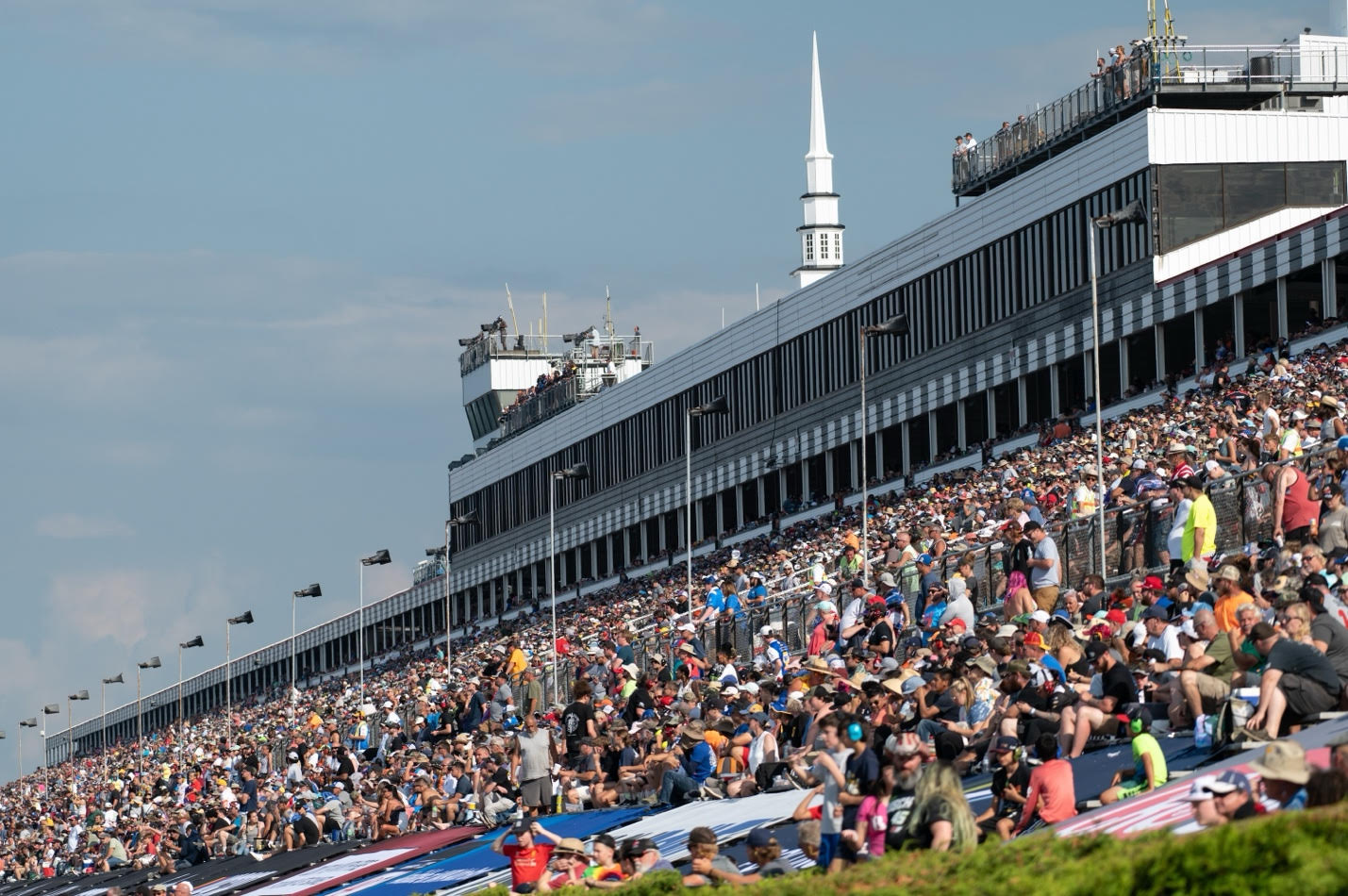
Formula 1 race cars utilise between 250 and 300 sensors that sample data up to 1,000 times per second. This generates over a terabyte of raw diagnostic information during a single race weekend. Pit crews rely on this live telemetry to anticipate failures, monitor tyre degradation, and tune performance to absolute perfection before a critical failure occurs. While your morning commute might not involve hairpin turns at 200 kilometres per hour, your modern daily driver requires a surprisingly similar level of precision maintenance. Ignoring this reality can quickly turn a minor mechanical hiccup into a major financial burden.
The Hidden Complexity of Modern Vehicles
Today, mainstream and premium vehicles operate on complex Controller Area Network (CAN) bus systems. These networks constantly route thousands of data points to the Engine Control Unit to manage everything from fuel mixtures to traction control. Accurate servicing, especially for complex European cars, now requires advanced diagnostic software to read proprietary fault codes. This closely mirrors the telemetry analysis that motorsport technicians use to keep cars on the track.
Without specialised factory-level diagnostic scanners, general workshops simply cannot properly calibrate or reset the Advanced Driver Assistance Systems (ADAS) and electronic sensors standard in late-model vehicles. For example, if you are looking for a reliable mechanic in Taren Point, you must ensure they possess the specific diagnostic tools needed to communicate with your vehicle’s complex onboard computer. Relying on outdated equipment or guesswork often leads to misdiagnoses, unnecessary parts replacements, and expensive consecutive repairs that keep your vehicle off the road for extended periods.
The Rising Danger of Delayed Maintenance
Despite the advanced engineering of modern cars, proactive care is taking a back seat. A May 2026 YouGov report revealed that 64 percent of Australian drivers have delayed or skipped routine vehicle maintenance as cost-of-living pressures continue to rise. Furthermore, the 2026 Youi Generational Car Care and Costs Report noted a sharp increase in drivers deferring essential mechanical tasks like oil changes and tyre replacements. This figure jumped from 35 percent in 2024 to 47 percent in just two years.
The most alarming statistic from these recent studies is the false sense of security among motorists. Nearly half (49 percent) of Australian drivers who only fix their vehicles when they physically break down falsely believe their cars remain perfectly roadworthy and safe in the interim. Even more concerning, a 2026 mobility index study found that 33 percent of internal combustion engine drivers in Australia now trust artificial intelligence advice just as much as professional technicians when diagnosing vehicle issues. This overreliance on basic dashboard warning lights and untested advice ignores the complex mechanical realities of modern motoring. By the time a check engine light actually illuminates on the dashboard, the underlying issue has often progressed past the point of a simple, inexpensive fix.
Pit Crew Strategies for Your Daily Commute
Maintaining a vehicle in Australia costs money, but reactive repairs cost far more. While a mainstream hatchback costs between $1,000 and $1,500 annually to maintain, European brands typically range from $1,800 to $3,000 due to their specialised electronics and specific oil requirements. However, independent European auto specialists significantly narrow this price gap by utilising the exact same diagnostic tools as official dealerships but without the inflated labour rates.
Embracing preventative, pit crew style maintenance saves thousands of dollars compared to reactive engine rebuilds. A proactive approach involves several critical steps:
- Targeted Diagnostics: Using factory-level software to read live sensor data and catch minor faults before they escalate.
- Gearbox Servicing: Proactively servicing direct-shift gearboxes (DSG) at exact intervals to prevent friction wear and rough shifting.
- Timing Chain Inspections: Replacing tensioners and chains at specific mileage marks to avoid catastrophic engine failure.
- ADAS Calibration: Ensuring electronic safety sensors are perfectly aligned after any suspension or alignment adjustments.
Industry Standards and Warranty Protection
You do not need to visit a premium dealership to receive elite level care. The Bosch Car Service network is the world’s largest independent workshop organisation, with over 15,000 authorised workshops globally and more than 170 locations operating across Australia. Workshops that earn official certification are independently audited to ensure they maintain strict logbook schedules and adhere exclusively to original equipment manufacturer specifications.
Technicians in premium independent networks frequently undergo advanced instruction, such as the Bosch Automotive Technical Training Program, ensuring complete competence in high-level fault finding. Best of all, Australian consumer law legally protects vehicle owners. This legislation ensures that utilising a certified independent technician for logbook servicing will not void a new car’s manufacturer warranty. By applying a pit crew mentality to your daily driver, you can enjoy maximum performance, superior safety, and long-term reliability on the road.