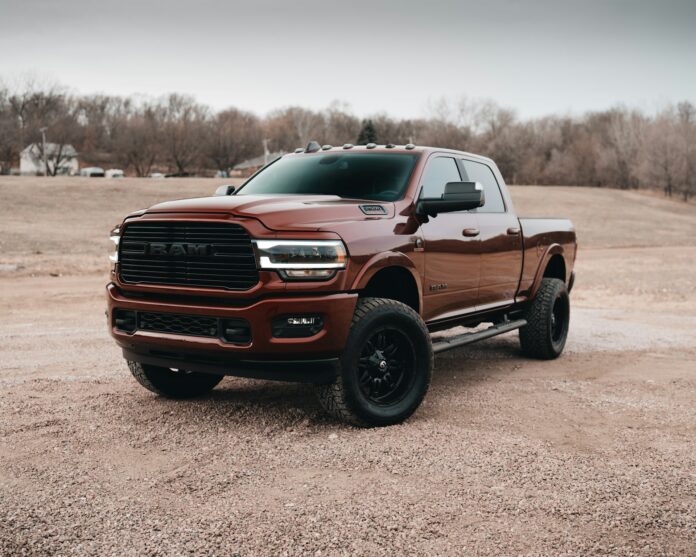
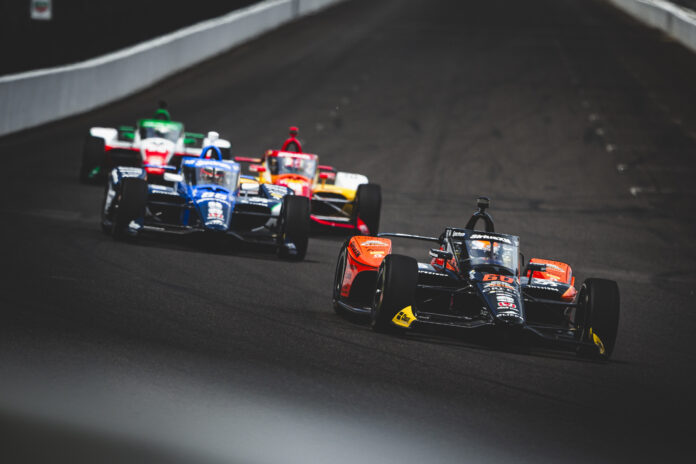
If you own a Ram truck in Michigan or are planning to purchase one, understanding the car registration rules for MI Ram trucks is crucial to ensure a smooth and legal driving experience. Whether you’re a first-time buyer or upgrading to a newer model, navigating the state’s vehicle registration process can sometimes feel overwhelming. For residents near Alma, Michigan, consulting with a trusted Chrysler Dodge Jeep Ram dealer Alma, Michigan can be invaluable for guidance on registration requirements, fees, and paperwork. This comprehensive guide will cover everything you need to know about registering your Ram truck in Michigan, including necessary documents, fees, title transfers, license plates, and more.
Understanding Michigan Vehicle Registration
Vehicle registration in Michigan is managed by the Secretary of State (SOS) office, which oversees the process of ensuring all vehicles on the road are properly documented and insured. For Ram truck owners, registration is mandatory and must be renewed annually. This registration proves that your vehicle is legally allowed to be driven within the state and helps with identification and law enforcement.
Required Documents for Registering a Ram Truck in Michigan
Before registering your Ram truck in Michigan, you must gather the necessary documents. These typically include:
Proof of Ownership: Usually the vehicle title or Manufacturer’s Certificate of Origin if the truck is brand new.
Proof of Michigan No-Fault Insurance: Michigan law requires all registered vehicles to have no-fault insurance coverage.
Michigan Vehicle Application Form (Form TR-11L): This form can be obtained at SOS offices or online.
Valid Identification: Such as a Michigan driver’s license or state ID.
Proof of Residency: Utility bills or lease agreements may be needed if your address on your ID is outdated.
Lienholder Information: If the Ram truck is financed, the lienholder’s details must be included on the title.
Having these documents ready will speed up the registration process.
How to Register a New or Used Ram Truck in Michigan
Registering a new or used Ram truck involves several steps:
Obtain the Title: If purchasing new from a dealership, the dealer usually handles the title application. For used trucks, you must have the signed title from the previous owner.
Complete the Vehicle Application: Fill out Form TR-11L with accurate vehicle and owner details.
Submit Proof of Insurance: Your insurance agent can provide the necessary documentation directly to the SOS.
Pay Registration Fees: Fees vary depending on the truck’s weight and license plate type.
Receive License Plates and Registration Sticker: These prove your vehicle is legally registered.
The process can be completed at your local SOS branch or online through Michigan’s official website.
Registration Fees for MI Ram Trucks
Michigan registration fees are calculated primarily based on the vehicle’s gross weight. For Ram trucks, which often have higher weight classifications, the fees will reflect this. The general fee structure includes:
Passenger Vehicles: Fees are lower for lighter trucks.
Trucks and Commercial Vehicles: Fees increase with the weight class.
Specialty Plates: If you opt for personalized or specialty plates, additional fees will apply.
Typically, a Ram 1500 will have a different fee than a Ram 2500 or 3500 due to weight differences. Be sure to check the latest fee schedule from the Michigan SOS.
Transferring Title and Registration When Buying a Ram Truck
When purchasing a used Ram truck in Michigan, transferring the title and registration is a critical step to avoid legal issues. The buyer must:
Obtain the signed title from the seller with the odometer reading.
Complete a Bill of Sale to document the transaction.
Visit the SOS office to apply for a new title in their name.
Pay title transfer fees and any outstanding taxes.
Update insurance information to reflect the new ownership.
Failure to properly transfer title and registration can result in fines or liability for tickets and accidents.
Registering a Ram Truck Purchased Out-of-State
If you’ve purchased a Ram truck outside Michigan, registering it in the state requires additional steps:
Title Verification: You will need to present the out-of-state title and any lienholder information.
Emissions Testing: Depending on the county, an emissions test might be required before registration.
Vehicle Inspection: In some cases, a vehicle identification number (VIN) inspection is necessary.
Pay Applicable Fees and Taxes: Michigan use tax is calculated based on the purchase price of the vehicle.
New residents moving into Michigan must complete this process within 30 days of establishing residency to avoid penalties.
Specialty License Plates for Ram Trucks in Michigan
Michigan offers a variety of specialty license plates that Ram truck owners may choose to customize their vehicle, including:
Commercial Plates: For trucks used in business operations.
Personalized Plates: Customized with specific letters or numbers.
Special Interest Plates: Supporting causes like veterans, universities, or conservation.
Applying for specialty plates typically involves extra fees and specific eligibility requirements.
Renewal of Registration for Ram Trucks in Michigan
Registration renewal in Michigan occurs annually, and Ram truck owners will receive a renewal notice before their current registration expires. Renewal can be done:
Online: Through the Michigan SOS website, using your vehicle’s plate number and last four digits of the VIN.
In-Person: At a local SOS branch.
By Mail: Returning the renewal notice with payment.
Late renewals can incur penalties, so it’s important to keep track of your renewal date and submit payments on time.
Understanding Michigan No-Fault Insurance Requirements for Ram Trucks
Michigan’s no-fault insurance laws require all registered vehicles, including Ram trucks, to carry specific minimum coverage. This includes:
Personal Injury Protection (PIP)
Property Protection Insurance (PPI)
Residual Liability Insurance
Before registering your Ram truck, you must have a valid insurance policy that meets these requirements. Failure to maintain proper insurance can result in registration suspension and fines.
What to Do if You Lose Your Registration or Title
Losing your vehicle registration or title can complicate your ability to legally drive or sell your Ram truck. In Michigan, you can request replacements by:
Filling out the appropriate replacement forms available at SOS offices or online.
Paying replacement fees.
Providing identification and vehicle details.
It’s advisable to keep copies of important vehicle documents in a safe place to avoid delays.
Special Considerations for Commercial Ram Trucks
If your Ram truck is used for commercial purposes, additional registration rules apply, such as:
Registering with commercial plates.
Providing proof of business ownership or operation.
Possible additional safety inspections.
Higher registration fees based on commercial weight classes.
Consulting with a Chrysler Dodge Jeep Ram dealer Alma, Michigan can help clarify these requirements and ensure your commercial vehicle stays compliant.
Where to Register Your Ram Truck in Michigan
Vehicle registration can be completed at any Michigan Secretary of State branch. Some dealerships, especially certified Chrysler Dodge Jeep Ram dealers in Alma, Michigan, may offer assistance with the registration process when you purchase a truck from them. Additionally, many registration tasks can now be done online for convenience.
Penalties for Driving an Unregistered Ram Truck in Michigan
Driving a Ram truck without proper registration in Michigan is illegal and can lead to consequences including:
Fines and tickets from law enforcement.
Vehicle impoundment.
Suspension of your driver’s license.
Additional penalties for repeat offenses.
Always ensure your Ram truck is properly registered before hitting the road to avoid these costly penalties.
Tips for a Smooth Registration Process
To avoid delays or issues when registering your Ram truck, consider these tips:
Double-check all paperwork for accuracy before submitting.
Keep your insurance current and notify your insurer of any changes.
Pay fees promptly to avoid late penalties.
Keep copies of all submitted forms and receipts.
Utilize local dealer resources like a Chrysler Dodge Jeep Ram dealer Alma, Michigan for expert advice.
Conclusion
Registering your Ram truck in Michigan involves understanding state-specific rules, fees, and documentation requirements. From obtaining and transferring titles to maintaining up-to-date insurance and renewing your registration, following the proper steps is essential for legal and hassle-free ownership. For residents in and around Alma, consulting a trusted Chrysler Dodge Jeep Ram dealer Alma, Michigan can provide helpful guidance and support throughout the registration process. With the right knowledge and preparation, you can enjoy driving your Ram truck with confidence, knowing you’re fully compliant with Michigan’s vehicle registration laws.
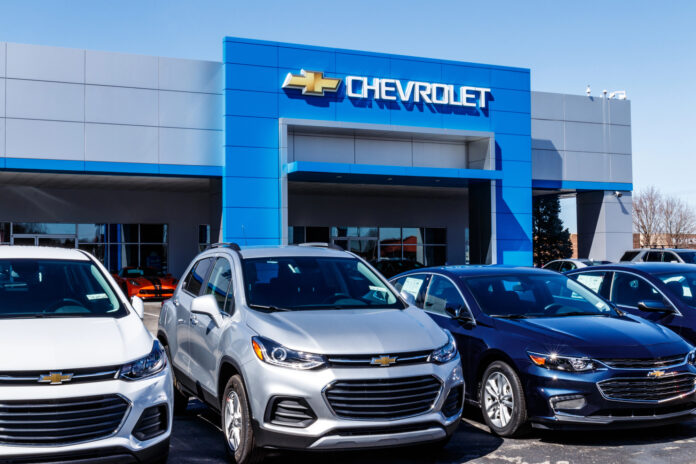
Tire maintenance is an essential part of car care, ensuring that your vehicle operates smoothly and safely. For Chevy owners in Knoxville, keeping your tires in top condition is easy with the right services. Whether you need a tire inspection, rotation, balancing, or new tire installation, Chevy Dealership Knoxville TN offers comprehensive tire services designed to keep your car on the road and performing at its best. Proper tire care extends the life of your tires, improves fuel efficiency, and enhances overall driving safety. In this article, we’ll explore the essential tire services available at Chevy dealerships in Knoxville and how they can help you get the most out of your tires.
The Importance of Regular Tire Maintenance
Many drivers overlook the importance of regular tire maintenance, but tires play a crucial role in vehicle performance, safety, and efficiency. Your tires are the only point of contact between your car and the road, making them essential for maintaining good traction, proper handling, and even braking distances. Regular tire services such as rotations, alignments, and balancing ensure that your tires wear evenly, increasing their lifespan and saving you money in the long run.
Additionally, well-maintained tires improve fuel efficiency by reducing rolling resistance, which helps optimize your vehicle’s gas mileage. Whether you’re driving in city traffic or heading out for a road trip, the health of your tires impacts your car’s handling and overall performance. Skilled technicians can help you stay on top of tire care, ensuring that your tires meet the highest standards of safety and functionality.
Tire Inspection Services
The first step in proper tire care is a thorough tire inspection. Tire inspections are essential for identifying wear, damage, and other issues that may compromise your vehicle’s safety. During a tire inspection, the following aspects are typically checked:
Tread Depth: The tread is crucial for traction, especially in wet or slippery conditions. A technician will check the depth of the tire’s tread to ensure it meets the recommended levels for safe driving.
Tire Pressure: Proper tire inflation is vital for safety and efficiency. Underinflated or overinflated tires can lead to poor handling, reduced fuel efficiency, and uneven wear. A tire pressure check ensures that your tires are inflated to the manufacturer’s recommended levels.
Tire Wear: Over time, tires can wear unevenly due to issues like misalignment or improper inflation. Technicians will inspect for signs of uneven wear, such as cupping or balding, which could indicate a problem.
Visual Inspection for Damage: Tires are prone to damage from road debris, potholes, and other hazards. A visual inspection helps identify punctures, cracks, bulges, or other signs of damage that could compromise the integrity of the tire.
By performing regular tire inspections, you can catch problems early and prevent costly repairs or tire replacements down the line.
Tire Rotation Services
Tire rotation is one of the most important services to ensure even tire wear. Tires wear at different rates depending on their position on the vehicle. For example, front tires often wear faster than rear tires due to steering and braking forces. Regular tire rotations help distribute the wear evenly across all four tires, extending their lifespan and improving vehicle handling.
Technicians recommend tire rotations at regular intervals—usually every 6,000 to 8,000 miles, or as recommended by your vehicle’s manual. During a rotation, the tires are moved from one position to another, helping to prevent uneven wear and optimize tire performance.
There are a few different rotation patterns, depending on your vehicle’s drive type (front-wheel drive, rear-wheel drive, or all-wheel drive). Skilled technicians will determine the best rotation method for your Chevy vehicle to ensure the most effective results.
Tire Balancing Services
Tire balancing is another critical aspect of tire maintenance that ensures your tires wear evenly and your vehicle handles properly. When a tire is imbalanced, it can cause vibrations, uneven wear, and poor handling, making for a less comfortable and less safe driving experience.
Tire balancing is typically performed when new tires are installed or when you notice vibrations in the steering wheel or vehicle. The technician uses specialized equipment to check the balance of each tire and places small weights on the wheel to correct any imbalance.
Balanced tires contribute to a smoother ride, reduced tire wear, and improved fuel efficiency. Regular balancing ensures that your Chevy vehicle drives as smoothly and safely as possible. Balancing services are quick and efficient, helping you maintain optimal driving comfort.
Tire Alignment Services
Wheel alignment is an essential service that affects both tire wear and vehicle handling. Misaligned wheels cause your tires to wear unevenly and can lead to poor handling, making it more difficult to steer or maintain control of your vehicle.
Several factors can cause misalignment, including hitting potholes, curbs, or simply wear and tear on suspension components. When your vehicle is misaligned, it’s essential to have the alignment checked and corrected by a professional technician.
During an alignment service, the technician will adjust the angles of your wheels so that they are perpendicular to the ground and parallel to each other. This ensures that your tires wear evenly and that your vehicle handles as it should.
An alignment service is usually recommended every 12,000 to 15,000 miles, or if you notice that your vehicle pulls to one side or your steering wheel is off-center. Proper alignment improves your vehicle’s handling, extends tire life, and enhances fuel efficiency.
New Tire Installation and Replacement
Eventually, all tires will need to be replaced due to wear, damage, or age. When the time comes for new tires, a trusted dealership is the best place to go for expert advice and top-quality products. Whether you’re replacing one tire or all four, they offer a wide selection of tires suited to your specific vehicle and driving needs.
When selecting new tires, the technicians will consider factors such as:
Vehicle type: Different vehicles require different types of tires to perform optimally.
Driving conditions: Whether you’re primarily driving on highways, off-road, or in all-weather conditions, the right tire can make a big difference.
Tire brands: The dealership offers a range of reputable tire brands that meet Chevrolet’s high standards for performance and safety.
Once your new tires are selected, professional installation ensures that your vehicle is ready to hit the road safely and efficiently. New tires will improve your car’s handling, performance, and fuel efficiency, giving you peace of mind on every drive.
Conclusion
Taking care of your Chevy vehicle’s tires is an essential part of maintaining its overall performance, safety, and efficiency. Regular tire inspections, rotations, balancing, and alignments are crucial services that keep your vehicle running smoothly while extending the life of your tires. Whether you need tire maintenance, repairs, or new tire installation, a trusted dealership is your go-to destination for reliable, high-quality tire services. By staying on top of your tire care, you can enjoy a safer, more comfortable driving experience, and make sure your vehicle is ready for whatever the road may bring.
In today’s fast-paced world, staying connected and knowing where you’re going is more important than ever. Nissan, a brand known for its innovation and commitment to customer satisfaction, integrates advanced technology into its vehicles, particularly through the Nissan car GPS navigation system. This system offers more than just directions—it provides convenience, safety, and efficiency for both short commutes and long road trips. If you’re looking to enhance your driving experience, visiting a Nissan dealership is a great place to explore the latest advancements in GPS navigation and vehicle technology. This overview will dive deep into how the Nissan GPS system works, its key features, and how it can elevate your driving experience.
What is the Nissan GPS Navigation System?
The Nissan GPS navigation system is a sophisticated tool designed to provide drivers with accurate, real-time directions, traffic updates, and location-based services. Available on a variety of Nissan models, this system aims to improve your driving experience by offering a user-friendly interface that simplifies navigation, even for unfamiliar routes. The system uses global positioning satellites (GPS) to track the car’s location, enabling it to offer step-by-step driving directions, help find the fastest routes, and provide points of interest nearby.
Additionally, the system often comes integrated with other vehicle functions such as voice control, touchscreen displays, and smartphone connectivity, making it an all-in-one solution for navigation and entertainment.
Key Features of the Nissan GPS Navigation System
The Nissan GPS navigation system is packed with features that not only help with getting from point A to point B but also enhance your overall driving experience. Some of its key features include:
1. Real-Time Traffic Updates
One of the standout features of the Nissan GPS system is its ability to provide real-time traffic information. Using traffic data, the system can re-route you around traffic jams, accidents, or road closures, ensuring you arrive at your destination as quickly as possible. Whether you’re on your daily commute or on a long-distance road trip, having live traffic updates can save you valuable time.
2. Voice Command Integration
To make the driving experience safer and more convenient, the Nissan GPS system integrates with voice command functionality. This allows you to input addresses, request directions, and even control media functions without taking your hands off the wheel or eyes off the road. Simply speak commands like “Find the nearest gas station” or “Navigate to the nearest restaurant,” and the system will instantly provide responses.
3. Point of Interest (POI) Search
With the Nissan GPS system, discovering nearby points of interest (POIs) becomes incredibly easy. Whether you’re looking for restaurants, hotels, gas stations, or even specific businesses, the system allows you to search for POIs based on categories or specific names. This feature is especially useful when you’re traveling in an unfamiliar area and need recommendations on where to stop.
4. Turn-by-Turn Navigation
The system provides clear, easy-to-follow turn-by-turn directions. This feature helps you navigate even the most complicated intersections or highway exits. The voice prompts and on-screen guidance ensure that you always know where to go, which reduces the stress of navigating in unfamiliar areas. It also offers lane guidance to help you position your vehicle correctly when approaching complex interchanges.
5. Bluetooth and Smartphone Connectivity
The Nissan GPS system works seamlessly with smartphones through Bluetooth connectivity. You can sync your phone to the system, allowing you to make hands-free calls, send text messages, or listen to music stored on your device. Additionally, some systems may integrate with popular navigation apps like Apple Maps or Google Maps, offering even more versatility.
How the Nissan GPS Navigation System Enhances Safety
Nissan’s commitment to safety extends to its GPS navigation system. Several safety features are integrated into the system to ensure that drivers are not only directed safely to their destinations but are also protected along the way.
1. Blind Spot Warning Integration
Some advanced Nissan models integrate the GPS navigation system with blind-spot monitoring, alerting drivers when there is a vehicle in their blind spot. This feature enhances safety by ensuring drivers are aware of surrounding traffic, especially when changing lanes.
2. Emergency Alert System
In case of an emergency or if the vehicle detects an accident, the Nissan GPS system can send real-time location data to emergency responders. This feature is part of Nissan’s commitment to providing peace of mind on the road, ensuring that help is quickly dispatched when needed.
3. Speed Limit Information
The Nissan GPS system provides speed limit data for your current location and route, ensuring that you are aware of the legal limits as you drive. This feature helps prevent unintentional speeding, promoting safe driving and helping you avoid potential fines.
Nissan GPS Navigation and the Infotainment System
In addition to providing navigation, the Nissan GPS system is integrated with the vehicle’s infotainment system. The NissanConnect platform combines navigation with entertainment, offering features such as:
SiriusXM Satellite Radio for music and news
Apple CarPlay and Android Auto for seamless smartphone integration
USB and auxiliary inputs for music streaming from your devices
Voice recognition for controlling navigation, music, and communication hands-free
With the infotainment system, you’re not only getting turn-by-turn directions but also staying entertained and connected throughout your journey. Whether it’s listening to your favorite playlist or catching up on the latest news, Nissan’s infotainment system ensures you enjoy the ride.
Nissan GPS Updates and Customization Options
To keep the Nissan GPS navigation system running at its best, it is essential to perform regular updates. These updates ensure the maps are up to date, offering the latest road changes, new addresses, and points of interest. Nissan provides easy ways to update your system, whether through USB downloads or over-the-air updates.
Furthermore, the system is customizable to suit your preferences. You can adjust settings for voice commands, display modes, and navigation preferences. This personalization allows you to make the system work exactly the way you want, improving overall convenience.
Nissan GPS Navigation on Different Models
Different Nissan models come equipped with different versions of the GPS system. Here are a few examples of how the system may differ across various models:
Nissan Altima: Offers an advanced navigation system with Apple CarPlay, Android Auto, and a high-definition touchscreen.
Nissan Rogue: Features an intuitive navigation system that includes lane guidance, real-time traffic updates, and integration with NissanConnect.
Nissan Titan: Equipped with a robust navigation system designed for truck drivers, including off-road route planning and enhanced map visibility.
Nissan Leaf: Offers an efficient navigation system that integrates well with eco-friendly route planning to maximize battery life during long trips.
Regardless of the model, you can expect the Nissan GPS navigation system to deliver a consistent, reliable experience, tailored to the specific needs of each vehicle.
Conclusion
The Nissan GPS navigation system offers a blend of convenience, safety, and advanced technology that makes driving easier and more enjoyable. Whether you’re navigating city streets, embarking on a long road trip, or looking for a nearby restaurant, the Nissan GPS system is designed to provide accurate, real-time guidance and ensure a smoother driving experience.
With features like real-time traffic updates, voice commands, and seamless smartphone integration, the system not only helps you reach your destination but also keeps you connected and entertained along the way. When you’re ready to explore the latest in vehicle technology. From better navigation to improved safety, this system is an essential part of modern driving.
In today’s world, fuel efficiency plays a major role in the decision-making process when buying a vehicle. Consumers are more conscious than ever about saving money at the pump, reducing carbon emissions, and choosing vehicles that are both powerful and economical. Ford, one of the most iconic automotive brands in the world, has made significant strides in developing fuel-efficient vehicles across its lineup—from compact hybrids to full-size trucks and electric SUVs. Whether you’re shopping for a daily commuter, a family vehicle, or a rugged pickup, Ford has something for every need and budget. For those browsing options with Missouri Ford dealers, understanding which models deliver the best fuel efficiency can make a big difference in long-term satisfaction and cost savings.
Ford Maverick – The Compact Truck With Big Fuel Savings
One of the most exciting recent additions to the Ford lineup is the Ford Maverick—a compact pickup truck that redefines expectations for fuel economy in a segment typically known for heavy gas usage. The standard model comes equipped with a 2.5L full hybrid engine that delivers outstanding fuel efficiency without sacrificing utility.
Fuel Economy: 42 MPG city / 33 MPG highway
Combined MPG: 37
Drive Type: Front-wheel drive (AWD available in non-hybrid versions)
The Maverick is perfect for urban drivers, young professionals, or anyone looking for a practical, affordable, and efficient vehicle that still offers the functionality of a truck. It has a 4.5-foot bed, can tow up to 2,000 pounds with the hybrid engine (and 4,000 with the 2.0L EcoBoost engine), and includes a well-designed interior with modern tech features. With its impressive fuel economy, the Maverick helps drivers save money without compromising on versatility.
Ford Escape Hybrid and Plug-In Hybrid – A Smart SUV Choice
The Ford Escape has long been a popular choice in the compact SUV segment, and its hybrid and plug-in hybrid variants offer excellent fuel efficiency for those who want to reduce their gas consumption. The Escape Hybrid combines a 2.5L Atkinson-cycle engine with an electric motor to deliver strong mileage and smooth performance.
Hybrid Fuel Economy: 44 MPG city / 37 MPG highway
Plug-In Hybrid MPGe: 101 MPGe (electric + gas combined)
Electric Range (PHEV): Around 37 miles on electric power alone
For many daily drivers, especially those with short commutes, the Escape Plug-In Hybrid allows for all-electric travel during the workweek with the gas engine providing added range for longer trips. Both versions offer a quiet, comfortable ride, advanced safety features, and enough cargo space for families or weekend travelers. The Escape proves you don’t have to give up convenience or style to enjoy high fuel efficiency in an SUV.
These types of new special cars from Ford can significantly reduce your monthly fuel expenditures while providing the latest SYNC 4 infotainment and Co-Pilot360 safety technologies. By choosing a model that balances electric capability with traditional gasoline reliability, you ensure that your vehicle remains adaptable for both city errands and spontaneous cross-country adventures.
Ford F-150 PowerBoost – Hybrid Strength Meets Smart Economy
The F-150 is one of America’s best-selling vehicles for a reason—it’s powerful, reliable, and now, more fuel-efficient than ever thanks to the available PowerBoost hybrid engine. This model pairs a 3.5L EcoBoost V6 with a 35kW electric motor and a 1.5 kWh lithium-ion battery, resulting in improved mileage and enhanced performance.
Fuel Economy: 25 MPG city / 26 MPG highway
Combined MPG: 25
Towing Capacity: Up to 12,700 pounds
This makes the F-150 PowerBoost one of the most fuel-efficient full-size trucks on the market. It’s a fantastic option for those who need the muscle of a traditional pickup but want to cut back on fuel costs. Additionally, the F-150 hybrid includes Ford’s Pro Power Onboard generator system, which provides up to 7.2 kW of power—ideal for job sites or recreational activities. It’s a truck that works smarter and harder while keeping fuel consumption in check.
Ford Mustang Mach-E – All-Electric and Ultra-Efficient
As Ford’s flagship electric SUV, the Mustang Mach-E is a bold and stylish step toward the future. It combines the sporty performance associated with the Mustang name with the zero-emissions benefits of an electric vehicle. The Mach-E is available in several configurations that balance power, range, and efficiency.
Estimated Electric Range: Up to 312 miles (Extended Range RWD)
MPGe: 110 city / 96 highway
Charging Time: 10% to 80% in about 45 minutes with a DC fast charger
Not only does the Mach-E eliminate gas station visits, but it also offers cutting-edge tech, advanced safety features, and thrilling acceleration. It’s an excellent fit for eco-conscious drivers who don’t want to compromise on performance or design. With various battery sizes and available all-wheel drive, drivers can choose the configuration that best fits their lifestyle and range needs.
Ford Explorer Hybrid – Roomy and Efficient for the Whole Family
The Ford Explorer Hybrid is a powerful, three-row SUV that manages to deliver solid fuel economy while maintaining the size and strength families need. Using a 3.3L V6 hybrid engine and a 10-speed automatic transmission, the Explorer Hybrid offers respectable mileage for its class.
Fuel Economy: 27 MPG city / 28 MPG highway
Combined MPG: 27
Towing Capacity: Up to 5,000 pounds
It’s one of the few midsize SUVs that combines seating for up to seven with a hybrid powertrain. The Explorer Hybrid is well-suited for road trips, carpooling, or outdoor adventures, offering plenty of space, comfort, and power. For drivers who want the benefits of an SUV without the typical fuel costs, it’s a well-rounded and efficient option.
Ford’s EcoBoost Engines – Efficient Power Across the Lineup
While hybrids and EVs offer the highest fuel savings, Ford’s EcoBoost engine technology brings enhanced fuel efficiency to many of its gas-powered models. These turbocharged, direct-injection engines come in multiple sizes and are found across the Ford range—from compact cars to trucks.
Benefits of EcoBoost technology include:
Higher fuel efficiency without sacrificing power
Reduced engine size with improved performance
Lower emissions compared to traditional engines
For example, the 1.0L EcoBoost engine in the Ford EcoSport and the 2.0L version in the Edge offer improved MPG ratings while keeping vehicles nimble and responsive. Even larger vehicles like the Expedition and Explorer benefit from EcoBoost options, providing a good balance between strength and efficiency.
Real-World Fuel Efficiency Tips for Ford Drivers
Regardless of the vehicle, drivers can take steps to maximize fuel efficiency in real-world conditions. Here are a few practical tips:
Use cruise control on highways to maintain consistent speeds
Avoid aggressive driving, including rapid acceleration and hard braking
Keep tires inflated to the proper pressure
Perform regular maintenance, including oil changes and air filter replacements
Remove unnecessary weight, especially roof racks and cargo carriers when not in use
Ford vehicles often come with built-in fuel efficiency monitors that help drivers track performance and adjust habits accordingly.
Conclusion
Fuel efficiency is no longer a luxury—it’s a necessity for many drivers seeking to reduce costs and environmental impact. Ford has responded to this demand by engineering a wide array of vehicles that prioritize MPG and overall performance. Whether you’re drawn to the all-electric Mustang Mach-E, the innovative Maverick hybrid truck, or the versatile Escape Hybrid, there’s a fuel-efficient Ford model tailored to your needs. With the right Ford vehicle, you’ll enjoy fewer stops at the pump and more time on the road, all while driving smarter and cleaner.
High-speed crashes have a way of stripping everything down to instinct, engineering, and luck. On the racetrack, those moments unfold in front of cameras, crowds, and emergency crews standing by. On city streets, they’re quieter—just a cyclist, a car door, a split-second miscalculation, and a hard landing. One environment is built for speed and protected by millions in safety research. The other isn’t.
But physics doesn’t care about context. Whether it’s a 190-mph collision at Daytona or a 20-mph fall on a Chicago street, the human brain is just as vulnerable. The difference lies in preparation. NASCAR has spent decades engineering ways to keep drivers alive when things go sideways. That same level of foresight is missing from most city streets, where cyclists ride through traffic with little more than a helmet and a prayer.
The Anatomy of a Crash: Track vs. Street
Every crash begins with motion and ends with force. In NASCAR, collisions happen at terrifying speeds, but the cars are built to break apart in ways that protect the driver. Crumple zones absorb impact. Restraints lock in milliseconds. Medical crews are standing by. Every piece of the system is tuned to give the person behind the wheel a second chance.
On city streets, the speed may be lower, but the margin for injury is just as thin. A cyclist moving at 18 or 20 miles per hour may not seem fast, but when metal meets bone, even modest velocity can turn dangerous. The difference? No roll cage. No fire suit. No crash team. Just a helmet—maybe—and a slab of asphalt.
Urban crashes often happen in unpredictable conditions: traffic congestion, blind intersections, and aggressive drivers. The forces might be smaller, but the consequences are often just as serious. Head trauma, fractures, internal damage—they don’t require high speeds, just a moment of vulnerability in an environment that wasn’t built to protect cyclists.
NASCAR’s Safety Playbook: Built to Protect
It didn’t start with innovation. NASCAR’s safety evolution was shaped by tragedy. The loss of Dale Earnhardt in 2001 marked a seismic shift in how the sport approached risk. What followed was a complete rethinking of driver protection, led by engineers, doctors, and policymakers unwilling to leave safety up to chance.
Today, that work is everywhere. HANS devices reduce spinal stress. SAFER barriers soak up wall impact. Helmets are optimized for airflow, weight, and crash resistance. Cars are built not just to go fast, but to crumple where needed and stay intact where it counts.
Just as important is the mindset. NASCAR doesn’t wait for an injury to identify a flaw. It anticipates. It is designed for failure. Teams rehearse every emergency possibility. Drivers know their escape plans. Everyone involved treats safety like a mission, not a feature.
That approach has saved lives. While cyclists don’t have pit crews or million-dollar crash tests, there’s plenty worth borrowing from racing’s approach to danger.
Where Urban Cyclists Are Left Exposed
For most cyclists, safety stops at the helmet—and even that’s not a guarantee. There’s no standard for proper fit, no regular checks, and no baseline for what constitutes adequate protection. Infrastructure varies block to block. Traffic enforcement is inconsistent. And the burden of safety falls almost entirely on the rider.
NASCAR drivers race in an ecosystem of protection, while cyclists ride in one of exposure. When bike lanes exist, they are often wedged between traffic and parked cars. Poor visibility, distracted driving, and limited reaction time leave little room for error. When a crash happens, the consequences are personal and immediate.
Even when cyclists do everything right—gear up, follow the rules, stay visible—they’re still at the mercy of roads designed for cars, not people. A door opens. A car turns wide. A wheel catches a rut. There’s no soft wall or crew to pull them out—only the unforgiving surface of the street.
From National Data to Local Impact: The Geography of Head Injuries
Head injuries remain one of the most common—and serious—outcomes of bike crashes in the U.S. According to the Centers for Disease Control and Prevention, thousands of cyclists are injured or killed each year, many suffering blunt-force trauma to the skull. Helmet use helps, but it’s not a catch-all solution. What surrounds the rider matters just as much.
Look closer, and the differences start to stand out. Cities like Portland and Minneapolis have prioritized cycling with protected lanes, redesigned intersections, and policy-backed infrastructure, and this is shown in their lower injury rates. Where planning falls short and cars still rule the road, the numbers tell a harsher story.
Chicago sits in a complicated middle ground. Cycling has grown rapidly in recent years—thanks to bike-share programs, climate-conscious policies, and changing commuter patterns. But the rise in ridership has brought a parallel increase in serious accidents, including a surge in the number of head injuries in bicycle accidents, particularly in high-traffic areas where protective infrastructure is lacking or inconsistent.
Not all neighborhoods face the same risk. Where infrastructure is absent or poorly maintained, collisions tend to be more severe. The presence of a bike lane isn’t always enough—design flaws, obstructed paths, and driver inattention continue to cause harm. While the city has pledged improvements through Vision Zero and other initiatives, rollout has been uneven.
Elsewhere in Illinois, cities like Springfield and Peoria face similar infrastructure gaps on a smaller scale. In other states, some metro areas have turned to helmet mandates, urban redesign, and enforcement-heavy strategies. But results vary widely. Nationwide, cyclists remain some of the most exposed people on the road, especially when it comes to head injuries.
5. Lessons Cyclists Can Steal from the Track
Racers don’t trust luck. They trust preparation. That mindset—planning for the worst, controlling the variables, respecting the danger—is exactly what urban cyclists need to adopt.
Start with equipment. A helmet isn’t a fashion accessory. It’s a carefully engineered device, and its effectiveness depends on fit, age, material, and impact rating. NASCAR drivers don’t settle for “good enough.” Cyclists shouldn’t either.
Situational awareness also translates. Racers rely on spotters and telemetry, while cyclists rely on their senses. However, they can still ride with purpose, scan for threats, and anticipate instead of react. Defensive cycling might not win style points, but it saves lives.
Maintenance matters, too. Brake feel, tire pressure, and chain tension are life-or-death details in racing. On a city street, they can be the difference between dodging a car and skidding under it.
Racing’s long game has worked. Major injuries are down. The gear has improved. Vehicle design continues to evolve. Following bicycle safety rules can reduce crash risk—especially when cyclists take a page from racing’s preparation-first philosophy.
Conclusion
Crashes reveal what a system was built to handle—and what it wasn’t. On the track, decades of design, investment, and urgency have transformed danger into something manageable. On city streets, cyclists face many of the same risks without the same resources.
But safety isn’t just about budget or gear. It’s about thinking ahead, choosing better habits, and refusing to accept that collisions are inevitable or that survival is out of our hands.
The racetrack doesn’t forgive mistakes—but it prepares for them. There’s no reason the same approach can’t protect the people who take risks on two wheels every day.
Have you been thinking about trying slot machine games online and wondering how real money play works?
You’re not alone. Many people are curious about how these games operate, especially when it involve real cash. Slot games are among the most popular options in online casinos because they’re easy to play, visually exciting, and full of potential rewards.
When you understand how real money play works, the experience becomes even more fun and rewarding.
Slot Machines Are Made to Be Fun and Simple
One reason slot machine games are so popular is because of how easy they are to play. You don’t need a complicated strategy or special knowledge to get started. You simply place your bet, hit the spin button, and let the reels do their thing. If certain symbols match up in winning combinations, you win a prize. It’s all driven by random number generators, which keep every spin fair and exciting.
The simplicity of slot online games makes them perfect for players who want to relax and have fun without overthinking. Whether you’re playing classic three-reel slots or modern video slots with wild features and exciting animations, everything is designed to keep the experience light, enjoyable, and full of surprises.
What It Means to Play with Real Money
Playing slot games with real money means you’re placing actual bets for a chance to win real cash prizes. When you sign up with an online casino, you can deposit funds into your account and use that balance to spin the reels. Every game has a minimum and maximum bet amount, so you can choose the level that feels right for you.
Choosing the Right Slot Game to Play
There are thousands of slot games available online, and each one has something unique to offer. Some are based on classic fruit machines with simple layouts, while others feature advanced graphics, immersive themes, and multiple bonus rounds. Whether you like fast-paced action or calm and colorful spins, there’s always something to suit your mood.
Games also vary in terms of paylines, bet limits, and special features. Some offer more frequent small wins, while others focus on bigger payouts that occur less often. You can explore different styles until you find the ones that feel the most enjoyable to play.
Exploring Game Features and Bonuses
Real money slot games on https://www.jdl66.net/sg/en-us/product/slot often include exciting features like free spins, multipliers, wild symbols, and interactive bonus rounds. These features are designed to boost your chances of winning and keep the gameplay interesting. When you land the right combination of symbols, you might unlock a bonus game or receive extra spins without using your balance.
Using Bonuses to Play More
Many online casinos offer welcome bonuses, free spins, or cashback offers when you start playing. These rewards are designed to give you extra value and help you try out different games without spending more than you want. Bonuses can help you extend your playtime, explore new games, and enjoy more opportunities to win.
Playing on Mobile Devices Is Easy
One of the best parts about real money slot games is that you can play them from almost anywhere. Online casinos are designed to work on desktops, laptops, tablets, and smartphones. Whether you’re on a lunch break, relaxing on the couch, or waiting for an appointment, you can open your favorite game and play a few quick rounds.
Safe and Secure Real Money Play
Trusted online casinos take your security seriously. When you play for real money, your deposits, withdrawals, and personal details are protected with strong encryption. The games themselves use certified random number generators to ensure fairness, so every spin is completely random.
Reliable platforms also offer several payment options to make transactions easy and convenient. You can choose the method that works best for you, whether it’s a credit card, e-wallet, or another secure payment system. Everything is built to keep your experience smooth and enjoyable.
Slot Game Payouts and RTP
Each slot game has its own payout structure, often shown as a return to player (RTP) percentage. This number represents the average return a player can expect from the game over time. While each spin is random, games with higher RTP values generally offer better returns.
Adjusting Bets to Match Your Style
One of the best parts of real money slots is how flexible they are. You can choose your bet size before each spin, giving you full control over how much you want to wager. Some players enjoy making small bets and playing for a longer time, while others prefer placing bigger bets for the chance at larger prizes.
The freedom to choose lets you play in a way that feels comfortable and fun. You can adjust your strategy based on the game, your mood, or your current balance, which keeps the experience personal and enjoyable.
Demo Modes Help You Practice First
Before you start placing real money bets, many casinos allow you to try out games in demo mode. This lets you get familiar with how the game works, learn the features, and get a feel for the pace and design. Once you’ve practiced and feel confident, you can switch to real money play and enjoy the excitement with a better understanding of what to expect.
Final Thoughts
Real money slot games offer a fantastic way to enjoy some quick entertainment with the added bonus of real cash rewards. With easy gameplay, mobile access, helpful bonuses, and secure platforms, everything is in place to help you enjoy every spin.
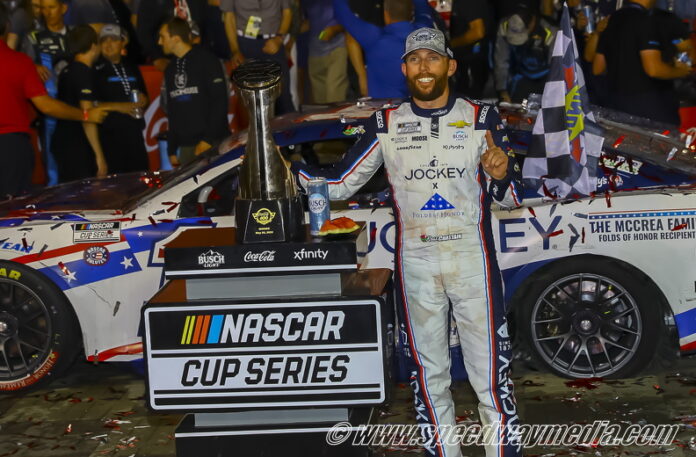
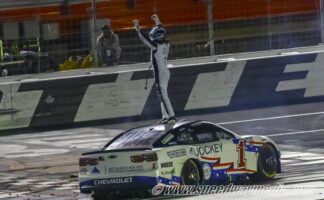
Ross Chastain executed an improbable comeback from starting at the rear of the field to outdueling William Byron in the closing laps and winning the Coca-Cola 600 at Charlotte Motor Speedway on Sunday, May 25.
The 32-year-old Chastain from Alva, Florida, led twice for eight of 400-schedueld laps in an event where he started at the rear of the field in a back-up car after he wrecked his primary car during Saturday’s practice session. Through methodically driving to the front, Chastain would notch top-10 results in the latter two of the event’s first three stage periods.
Then after making his way into the runner-up spot with approximately 25 laps remaining, Chastain reeled in the dominant Byron and was able to execute a bold overtake on the latter with six laps remaining to assume the lead. With Byron unable to regain any momentum to reclaim the lead, Chastain would proceed to retain the top spot for the remainder of the event and cruise to his first NASCAR Cup Series victory of the 2025 season and his first in a prestigious event.
With on-track qualifying that determined the starting lineup occurring on Saturday, May 24, Chase Briscoe notched his second Cup pole position with a pole-winning lap at 182.852 mph in 29.532 seconds. Joining Briscoe on the front row was Kyle Larson, the latter of whom clocked in his best qualifying lap at 182.729 mph in 29.552 seconds.
Prior to the event, Ross Chastain dropped to the rear of the field in a backup car. Kyle Busch and Erik Jones also dropped to the rear of the field due to unapproved adjustments made to their respective entries.
When the green flag waved and the race started, pole-sitter Chase Briscoe launched his No. 19 Bass Pro Shops Toyota Camry XSE entry ahead of the field from the inside lane and he proceeded to lead Kyle Larson through the first two turns and the backstretch. As the field fanned out through the backstretch, Larson used the outside lane to draw even with Briscoe and he led the first lap.
During the second lap, Larson and Briscoe continued to duel for the top spot until William Byron executed a three-wide move beneath both teammate Larson and Briscoe through the backstretch to make his presence at the front known. Byron would clear the latter two through Turns 3 and 4 as he led the second lap in his No. 24 AXALTA Chevrolet entry. Byron proceeded to lead through the eighth lap until Larson returned the favor and overtook Byron through the backstretch to reassume the lead. Despite having Byron closing in on his rearview mirror, Larson retained the top spot by the Lap 10 mark while Briscoe, Tyler Reddick and Chris Buescher trailed in the top five, respectively.
Through the first 25-scheduled laps, Larson was leading by four-tenths of a second over teammate Byron while Reddick, Buescher and Briscoe were racing in the top five ahead of John Hunter Nemechek, Christopher Bell, Noah Gragson, Ty Gibbs and AJ Allmendinger, respectively. Behind, Alex Bowman, Michael McDowell, Denny Hamlin, Austin Cindric and Chase Elliott trailed in the top 15 ahead of Ricky Stenhouse Jr., Justin Haley, Zane Smith, Ryan Preece and Joey Logano while Ryan Blaney, Austin Dillon, Carson Hocevar, Josh Berry, Erik Jones, Brad Keselowski, Ty Dillon, Ross Chastain, Bubba Wallace and Jimmie Johnson all trailed in the top 30.
Fifteen laps later, Larson, who brushed the Turn 3 outside wall a few laps earlier but continued to maintain pace at the front, stabilized his early advantage to over teammate Byron while Reddick, Buescher and Briscoe continued to pursue in the top five ahead of Nemechek, Bell, Gragson, Ty Gibbs and Allmendinger.
Just past the Lap 40 mark, a first cycle of green flag pit stops ensued as select names that included Austin Dillon, Josh Berry, Ryan Blaney, Chastain and Jimmie Johnson pitted their respective entries. Then amid the pit stops, the event’s first caution flew on Lap 42 when the leader Larson snapped sideways towards the outside wall in Turns 3 and 4 before he spun his No. 5 HendrickCars.com Chevrolet entry below the track and through the frontstretch’s grass. Amid Larson’s incident, where the latter managed to continue and avoided hitting the wall, Byron, who was among many who have yet to pit, was scored the leader ahead of Reddick, Buescher, Briscoe and Nemechek.
During the event’s first caution period, the lead lap field led by Byron pitted. Following the pit stops, Byron edged Reddick to exit pit road first and they were followed by Buescher, Bell, Nemechek, Gragson, Hamlin, Allmendinger, Gibbs and Elliott. Amid the pit stops, Brad Keselowski was penalized for vehicle interference while Briscoe was also penalized for an uncontrolled tire violation as a tire rolled out of his pit box. Prior to a scheduled restart within the Lap 50 mark, a right-rear wheel rolled out of Josh Bilicki’s entry in Turn 4, though Bilicki was able to nurse his entry back to his pit stall.
The start of the next restart on Lap 51 featured Byron muscling ahead of the field and retaining the lead over both Buescher and Reddick for a full lap. As Byron proceeded to lead the following lap, Buescher retained the runner-up spot over Reddick while Nemechek, Bell, Gragson and Allmendinger followed suit. As a series of on-track battles within the field ensued around every corner and straightaway, Byron retained the lead through the Laps 55 and 60 marks while Buescher, Reddick, Bell and Nemechek followed suit in the top five.
At the Lap 75 mark, Byron continued to lead by within four-tenths of a second over Reddick while Bell, Buescher and Nemechek pursued in the top five. Byron proceeded to lead by half a second at the Lap 80 mark and by more a second at the Lap 90 mark. Meanwhile, Reddick, who was trying to track Byron back down, retained second place ahead of Bell, Buescher and Nemechek while Allmendinger, Hamlin, Gragson, Alex Bowman and Chase Elliott trailed in the top 10, respectively.
The caution then flew with three laps remaining in the first stage period when Bowman, who was racing in ninth place, snapped sideways exiting Turns 3 and 4, hit the wall and spun through the frontstretch’s grass as he reported a potential broken toe link to his No. 48 Ally Chevrolet entry. Bowman’s incident was enough for the first stage period scheduled to conclude on Lap 100 to officially conclude under caution. As a result, Byron cruised to his fourth Cup stage victory of the 2025 season. Reddicks settled in second ahead of Bell, Nemechek and Allmendinger while Buescher, Hamlin, Gragson, Elliott and Michael McDowell were scored in the top 10, respectively.
Under the stage break, the lead lap field led by Byron returned to pit road for service. Following the pit stops, Byron retained the lead as he exited pit road first with four fresh tires ahead of Reddick while Denny Hamlin gained four spots on pit road by exiting in third place ahead of teammate Bell and Allmendinger. Amid the pit stops, Michael McDowell, who had actually exited pit road first, missed his pit stall, which resulted with him returning to pit road for his pit stall during the following lap. In addition, Ty Dillon was penalized for a pit crew interference.
The second stage period started on Lap 107 as Byron and Reddick occupied the front row. At the start, the latter two dueled for the lead through the first two turns while the field fanned out entering the backstretch. Reddick and Byron would continue to duel for the top spot during the following lap before Byron muscled ahead through the backstretch. As Byron led to the Lap 110 mark, Reddick retained second ahead of Hamlin, Nemechek and Bell while Gragson, Allmendinger, Carson Hocevar, Elliott and Erik Jones trailed in the top 10.
On Lap 112, the caution returned when Jimmie Johnson, who was racing towards the rear of the field, got sideways and barely clipped Connor Zilisch through Turns 3 and 4. As Zilisch made contact and wrecked entering the backstretch with Cole Custer while sliding down the track, Johnson proceeded to hit the outside wall and sustain more damage to his No. 84 Carvana Toyota Camry XSE entry. The incident was enough to terminate Johnson’s run as the latter was making his historic 700th Cup career start.
During the caution period, some including Todd Gilliland, Daniel Suarez, Ryan Preece, Brad Keselowski, Ty Gibbs, Joey Logano, Austin Dillon, Todd Gilliland, Bubba Wallace and Ty Dillon pitted while the rest led by Byron remained on the track.
The start of the next restart on Lap 117 featured Byron and Reddick dueling for the lead for a second consecutive time during the second stage period as both dueled from the first two turns and the backstretch. Byron would proceed to muscle ahead of Reddick through Turns 3 and 4 to lead the following lap while rookie Shane van Gisbergen, who got sideways amid contact with Ricky Stenhouse Jr. through the tri-oval, managed to keep his car racing straight and proceed without drawing a caution.
Just past the Lap 125 mark, Byron was leading by two-tenths of a second over Reddick as Hamlin, Hocevar and Allmendinger were in the top five. Byron stabilized his lead to two-tenths of a second by Lap 130 and by more than a second over Reddick towards Lap 140 while Hamlin, Hocevar and Nemechek were scored in the top five.
Towards the Lap 150 mark, a cycle of green flag pit stops commenced as Nemechek pitted from fifth place. Briscoe, Reddick, Stenhouse, Erik Jones and Justin Haley would pit their respective entries over the next three laps along with Allmendinger, Gragson and Buescher before Byron pitted from the lead on Lap 152. Meanwhile, Hamlin, who assumed the lead, pitted towards the Lap 155 mark along with Zane Smith, Austin Cindric and Chastain while Hocevar cycled into the lead.
By Lap 160 and with various pit strategies ensuing around Charlotte Motor Speedway, Byron cycled back into the lead once Bell pitted. As Byron led, Nemechek emerged in second place before Reddick reclaimed the spot by Lap 164. With Hamlin and Hocevar scored in the top five, Byron held an advantage of more than eight seconds over Reddick and Nemechek by Lap 170 while Allmendinger, Erik Jones, Gragson, Elliott and Chastain were trailing in the top 10.
At the Lap 185 mark, Byron added another second to his advantage as he led by more than nine seconds over Hamlin while Reddick trailed in third place by 10 seconds. Nemechek and Hocevar remained in the top five as Byron continued to lead within the Lap 190 mark.
When the second stage period concluded on Lap 200, Byron cruised to his second consecutive Cup stage victory of the 2025 season. Hamlin followed suit in second ahead of Reddick, Hocevar and Nemechek while Allmendinger, Jones, Chastain, Gragson and Elliott were scored in the top 10, respectively.
Under the stage break, a brief intermission period occurred as the field peeled off the racetrack and parked on pit road. During the intermission period, the entire NASCAR community took a moment of silence to honor and observe the men and women who sacrificed their lives in service of the United States of America on Memorial Day weekend.
Once the on-track activities resumed, the lead lap field led by Byron returned to pit road for service. Following the pit stops, Byron exited pit road first and he was followed by Hamlin, Reddick, Hocevar, Allmendinger, Chastain, Gragson, Elliott, Nemechek and Buescher, respectively.
The third stage period started on Lap 208 as Byron and Hamlin occupied the front row. At the start, Hamlin briefly muscled ahead from the outside lane through the backstretch as both he and Byron dueled for the lead through the first two turns and the backstretch. Byron would then use the inside lane to muscle his No. 24 AXALTA Chevrolet entry ahead through Turns 3 and 4 as he led the next lap. With Byron leading, Hocevar was up into third place while Reddick and Allmendinger pursued in front of Gragson, Elliott, Chastain, Bell and Ty Gibbs.
Through the Lap 225 mark, Byron, who was nearly challenged for the lead from Hamlin a few laps earlier, maintained his advantage by within three-tenths of a second over the latter while Hocevar, Reddick and Allmendinger continued to pursue in the top five. Hamlin would narrow the deficit to within one-tenth of a second by Lap 235 despite Byron maintaining the lead through every turn and straightaway.
On Lap 237, the caution flew when Zane Smith, who was racing in 20th place, got loose in front of van Gisbergen entering the backstretch, spun to the bottom of the track and pounded the inside wall head-on. During the caution period, the lead lap field returned to pit road for service. Following the pit stops, Byron managed to beat Hamlin off of pit road first as they were followed by Redick, Chastain, Gragson, Elliott, Hocevar, Allmendinger, Jones and Briscoe, respectively.
The start of the next restart on Lap 243 featured Byron outdueling Hamlin through the first two turns and the backstretch to retain the lead while Reddick, Hocevar and Gragson made brief contact while battling for fourth place entering the frontstretch.
As the field jostled for spots during the following lap, the caution returned when Suarez went up the track and squeezed Briscoe into Blaney, which resulted with Briscoe making contact with Blaney before he turned Suarez into Blaney as the latter two collided against one another through the frontstretch’s outside wall. Suarez’s wrecked car then swerved to the left and clipped both Haley and Larson, which sent the latter two spinning through the frontstretch, while the rest of the field scattered to avoid the carnage. The incident knocked Larson out of contention and it capped off an eventful double-duty attempt as he had returned from both competing and being involved in an accident during the 109th running of the Indianapolis 500 with Arrow McLaren.
When the event restarted under green on Lap 251, Hamlin used the outside lane to muscle his No. 11 National Debt Relief Toyota Camry XSE entry ahead of Byron from the outside lane through the first two turns before Byron side-drafted Hamlin through the backstretch and reassumed the lead entering Turns 3 and 4. With Byron leading the next lap, Hocevar used the outside lane to rocket past Reddick for third place before he dueled with Hamlin for the runner-up spot. Hamlin would fend off Hocevar entering the frontstretch on Lap 253 to retain the runner-up spot, but Hocevar kept pace with Hamlin as Byron led to the Lap 255 mark.
Then on Lap 261, Hamlin, who had been gaining ground on Byron, made his move beneath Byron through the first two turns in a bid for the lead. He would continue to battle with Byron through the backstretch before he assumed the top spot entering Turns 3 and 4. Hamlin proceeded to lead to the Lap 270 mark, where his lead stood to seven-tenths of a second over Byron while Hocevar, Reddick and Allmendinger were scored in the top five.
By Lap 280, Hamlin, who had held a steady advantage over Byron over the previous 10 laps, was reeled in by Byron, who was stronger on the long runs, through Turns 3 and 4 as he nearly reassumed the lead. Hamlin, however, blocked Byron’s momentum and retained the lead while third-place Hocevar tried to close in on the two leaders. Hamlin, whose car was beginning to lose handling grip on the long runs compared to the short runs, retained a narrow advantage over Byron through the Lap 290 mark before he side-drafted and reassumed the lead from Hamlin during the next lap. As Byron muscled away with the lead, Hamlin just fended off Hocevar for the runner-up spot while Reddick and Allmendinger trailed by within two seconds in the top five.
When the third stage period concluded on Lap 300, Byron, who prevailed in a three-wide battle with Hamlin and Hocevar four laps earlier, made himself three-for-three through the first three stage periods as he also racked up his sixth Cup stage victory of the 2025 season. Hamlin settled in second ahead of Hocevar, Reddick and Chastain while Allmendinger, Bell, Elliott, Briscoe and Ryan Preece were scored in the top 10, respectively.
During the stage break, the lead lap field pitted for service. Following the pit stops, Hamlin, who opted to not wait to have his fuel tank full on fuel, exited pit road first and he was followed by Hocevar, Byron, Reddick, Bell, Chastain, Briscoe, Elliott, Allmendinger and Austin Dillon, respectively.
With 93 laps remaining, the final stage period commenced as Hamlin and Hocevar occupied the front row. At the start, Hamlin and Hocevar briefly dueled for the lead entering the first two turns. Then through the turns, Hocevar’s strong run at the front evaporated when he fell off the pace and had smoke billowing out from beneath the left front of his No. 77 Ride the ‘Dente Chevrolet entry. As Hocevar continued to fall off the pace through the backstretch, the field scattered to avoid him before Buescher, who had gotten sideways amid contact with rookie Riley Herbst and Bubba Wallace, collided into Hocevar and sent the latter spinning and coming to a halt below the backstretch.
As the event restarted with 87 laps remaining, Hamlin received a push from Reddick from the inside lane to muscle ahead of Byron through the first two turns and the backstretch while the field fanned out and scrambled for late positions. Despite Hamlin’s efforts to lead the following lap, Byron stormed back into the lead during the next lap while Hamlin was being intimidated by Reddick for the runner-up spot. Behind, Allmendinger and Chastain fiercely dueled for fourth place while Bell tried to close in from sixth place.
Down to the final 75 laps of the event, Byron held a narrow lead over Hamlin, the latter of whom reclaimed the runner-up spot from Reddick three laps earlier, while Chastain overtook Reddick for third place. Two laps later, Hamlin then used the inside lane to get to Byron’s left-rear quarter panel entering the frontstretch. Amid a fierce duel between the two, Hamlin rocketed back ahead entering the first two turns. Byron, however, reeled Hamlin back in and reassumed the lead with 68 laps remaining, though Hamlin kept intimidating Byron through every corner and straightaway. Byron would proceed to slightly stretch his lead to three-tenths of a second over Hamlin with 60 laps remaining.
Another lap later, a late cycle of green flag pit stops slowly commenced as Austin Dillon pitted. By then, Nemechek, who made earlier contact with the outside wall, pitted under green a lap earlier before Bell pitted with 53 laps remaining. The leaders Byron and Hamlin then pitted simultaneously with 52 laps remaining and Byron managed to muscle ahead of Hamlin off of pit road first.
Over the next 12 laps, more names including Briscoe, Reddick, Allmendinger, Stenhouse, Preece, Erik Jones, Gilliland, McDowell, Keselowski, Chastain, Joey Logano, Elliott, van Gisbergen and Kyle Busch all pitted their respective entries under green while Ty Gibbs, who has yet to pit, led. Despite Gibbs’ effort to strategically remain on the track and lead with 40 laps remaining, Byron would track down and overtake Gibbs two laps later. As Byron proceeded to lead with 35 laps remaining, Hamlin, who was slowly gaining ground on Byron, trailed the lead by more than a second while Chastain, Gibbs and Briscoe occupied the top-five spots.
Down to the final 30 laps of the event, Byron maintained his advantage of one-and-a-half seconds over Hamlin while Chastain, Briscoe and Allmendinger were scored in the top five ahead of Keselowski, Bell, Gibbs, Austin Dillon and McDowell. By then, Hamlin, who did not receive enough fuel to potentially finish the event, went into fuel conservation mode as Chastain overtook him for the runner-up spot with nearly 25 laps remaining. By then, both trailed the leader Byron by more than a second as the latter, who barely dodged an incident involving Reddick in the backstretch a few laps later, retained the lead with 20 laps remaining.
Then with 15 laps remaining, Chastain, who spent the previous five laps slowly reeling in on Byron through every turn and straightaway, trailed Byron by a tenth of a second as he drew his No. 1 Jockey Chevrolet entry within inches of Byron’s rear bumper. With the leaders mired in lapped traffic, Byron went on defensive mode in an effort to stall Chastain’s late momentum while Hamlin, who ran out of fuel, pitted under green with 12 laps remaining. Amid Hamlin’s late-race misfortune, Byron continued to lead by two-tenths of a second with 10 laps remaining.
With seven laps remaining, Byron briefly got loose through Turns 3 and 4. This allowed Chastain to utilize a huge run through the turns to get close to Byron as Hamlin was trying to un-lap himself in the process. Then after getting to Byron’s rear bumper through the frontstretch for the following lap, Chastain made a move to the inside lane in Turn 1 and executed a bold slide job move to assume the lead from Byron as Byron barely scrubbed the outside wall. With Byron trying to reel Chastain back in, the latter led by three-tenths of a second with five laps remaining and he would continue to lead by as high as four-tenths of a second over a hard-charging Byron during the next four laps.
When the white flag waved and the final lap started, Chastain remained in the lead by two-tenths of a second over Byron. Despite Byron’s attempt to reel Chastain back in, the latter used the outside lane to maintain his momentum without slipping and cycle back to the frontstretch to claim the checkered flag and emerge victorious by six-tenths of a second.
With the victory, Chastain notched his sixth career win in NASCAR’s premier series, his first-ever crown jewel win, his first at Charlotte Motor Speedway and his first series’ victory since he won at Kansas Speedway in September 2024. The victory was also the fifth of the year for the Chevrolet nameplate and the first for Trackhouse Racing.
During his post-race celebration, Chastain, who smashed a watermelon on the frontstretch, credited the overnight work made by his No. 1 Trackhouse Racing team to have the back-up car competitive prior to Sunday’s marathon event. He also took a moment to dedicate the victory to the Late Army Specialist Kevin McCrae, whose name was featured on Chastain’s entry’s windshield, and his family as part of NASCAR’s 600 Miles of Remembrance program.
Photo by John Knittel for SpeedwayMedia.com.
“When I left the shop last night, I went over, sat in this car for the first time,” Chastain said on the frontstretch on Prime Video. “It was about 10 o’clock [p.m.] when I left. [The No. 1 team] worked till 2:30 [a.m.]. They were back at 5:30 [a.m.] this morning. I don’t even know if they slept back there at 5:30 to get this [car] ready. That’s the dedication it takes from Trackhouse. There was people there that had their Saturdays off yesterday and they came in.”
“The McCrea family told me to be a sponge,” Chastain added. “That was something that their dad told thema lot and I gotta tell you [that] I didn’t feel much like a sponge tonight. I was rattling around out there, but to drive on that final run in the [Coca-Cola] 600 and pass two cars that have been way better all night. [Crew chief] Phil [Surgen] wanted me to pit two laps earlier. I went two laps longer just out of a little bit of confusion and man, that paid off at the end. These Goodyear Eagles [tires] held on longer because we they were a little bit fresher. Holy crown, we just won the [Coca-Cola] 600!”
As Chastain celebrated on the frontstretch and in Victory Lane, Byron was left dejected after being denied a home track victory despite leading a race-high 283 laps and sweeping the event’s first three stage periods.
“[Chastain] was catching me, and I was trying to just defend,” Byron said. “I was getting a little bit tight. Then the scenario there with the cars we were, it was tough. So yeah, he got a run on me and was able to get to the bottom and clear me off of [Turn] 2. Disappointing just to lead that many laps and such a great effort by our whole team. I guess just could have anticipated that last run a little better. I ran in dirty air for a long time and heated my tires up. Then we lost a chunk of time, and [Reddick] about crashed in front of us. Sucks. We’ll just keep going and keep trying to put races together like that.”
Chase Briscoe came home in third place while AJ Allmendinger and Brad Keselowski finished in the top five. Chase Elliott, Michael McDowell, Christopher Bell, Ryan Preece and Noah Gragson completed the top 10 in the final running order.
There were 34 lead changes for 11 different leaders. The race featured eight cautions for 52 laps. In addition, 17 of 40 starters finished on the lead lap.
Following the 13th event of the 2025 Cup Series season, Byron leads the regular-season standings by 29 points over teammate Kyle Larson, 74 over Christopher Bell, 84 over Chase Elliott, 107 over Tyler Reddick and 109 over Denny Hamlin.
Results:
1. Ross Chastain, eight laps led 2. William Byron, 283 laps led, Stages 1, 2 & 3 winner 3. Chase Briscoe, one lap led 4. AJ Allmendinger 5. Brad Keselowski, five laps led 6. Chase Elliott, two laps led 7. Michael McDowell 8. Christopher Bell, five laps led 9. Ryan Preece 10. Noah Gragson 11. Ricky Stenhouse Jr. 12. Josh Berry 13. Erik Jones 14. Shane van Gisbergen 15. Kyle Busch 16. Denny Hamlin, 53 laps led 17. Joey Logano 18. Todd Gilliland, one lap down 19. Ty Dillon, one lap down 20. Austin Dillon, one lap down 21. Cole Custer, two laps down 22. Chris Buescher, two laps down 23. Connor Zilisch, two laps down 24. Ty Gibbs, two laps down 25. Cody Ware, two laps down 26. Tyler Reddick, two laps down, one lap led 27. John Hunter Nemechek, two laps down 28. Riley Herbst, three laps down 29. Alex Bowman, three laps down 30. Justin Haley, five laps down 31. Austin Cindric, 12 laps down 32. Derek Kraus, 20 laps down 33. Josh Bilicki – OUT, Fuel Pressure 34. Carson Hocevar – OUT, Engine, two laps led 35. Bubba Wallace – OUT, Accident 36. Daniel Suarez – OUT, Accident 37. Kyle Larson – OUT, Accident, 34 laps led 38. Ryan Blaney – OUT, Accident 39. Zane Smith – OUT, Accident 40. Jimmie Johnson – OUT, Accident
Next on the 2025 NASCAR Cup Series schedule is Nashville Superspeedway in Lebanon, Tennessee, for the Cracker Barrel 400. The event is scheduled to occur next Sunday, June 1, and air at 7 p.m. ET on Prime Video.
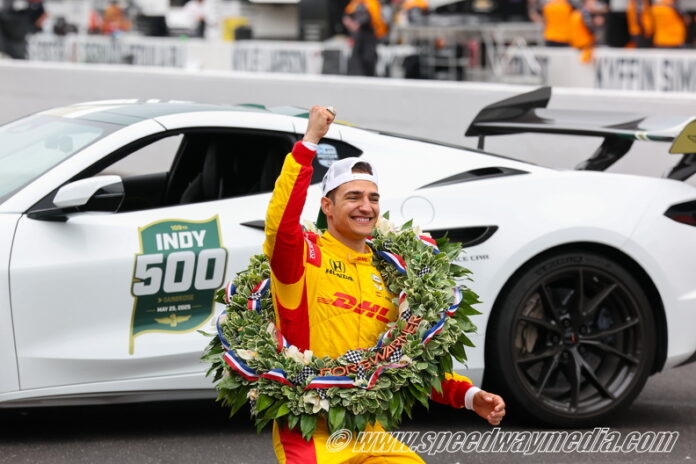
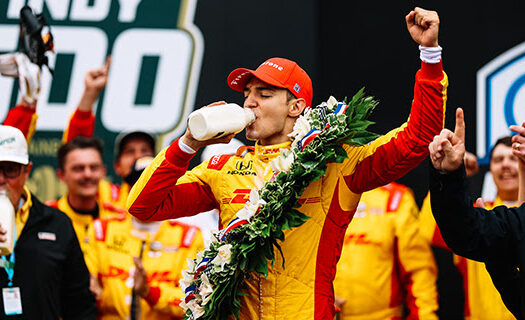
Alex Palou elevated his dream start to the 2025 NTT IndyCar Series season to the ultimate pinnacle of heights. He won Sunday’s Indianapolis 500 at Indianapolis Motor Speedway for the first time on Sunday, May 25.
The reigning three-time NTT IndyCar Series champion from Barcelona, Spain, led the final 14 of 200-scheduled laps. He started in sixth place and withstood an eventful race. It was highlighted with a total of seven caution periods. There were also numerous competitors encountering pit road issues and various pit strategies.
Palou’s key moment to victory started within the final 30 laps when he overtook David Malukas on the track after Malukas pitted and exited pit road in front of Palou, was mired in lapped traffic.
Despite being mired behind Marcus Ericsson as the latter utilized an alternate pit strategy by making a green-flag pit stop with 25 laps remaining, he worked to gain an advantage to assume the lead. Palou opted to settle behind and draft Ericsson while trying to conserve as much fuel as possible to reach the event’s distance.
Then with 14 laps remaining, Palou seized an opportunity. He exited the frontstretch and used a massive tow to overtake Ericsson for the lead. With the lead in his possession, the Spaniard spent the remainder of the event maintaining a reasonable advantage over Ericsson. He utilized the draft of the lapped competitors of Devlin DeFrancesco and rookie Louis Foster to remain out in front. A caution on the final lap flew due to Nolan Siegel wrecking in Turn 2 and made the event official. Palou fulfilled a dream as he cruised to both his first IndyCar victory on an oval-shaped circuit and his first Indianapolis 500 crown.
The starting lineup was determined through a two-day qualifying session, titled the PPG presents Armed Forces Qualifying, that occurred between May 17-18. During the two-day session, each competitor entered to bid for starting spots cycled around the Speedway for four qualifying laps. The average speed would then be generated between the four laps and determine the respective lineup from top to bottom.
At the conclusion of the two-day session, rookie Robert Shwartzman of Prema Racing sped to his first NTT P1 Pole Award with a four-lap average-qualifying speed of 232.790 mph (two minutes, 34.6459 seconds). Takuma Sato of Rahal Letterman Lanigan Racing qualified in second place with an average speed of 232.478 mph (two minutes, 34.8534 seconds). Pato O’Ward of Arrow McLaren completed the three-way front-row grid by claiming the third-place starting spot with an average speed of 232.098 mph (two minutes, 35.1069 seconds).
Following the pre-race ceremonies, the command to start engines was delayed by more than 40 minutes due to on-track precipitation. When the competitors fired off and cycled around the track for pace laps following the delay, early disaster struck. Scott McLaughlin, who was set to start in 10th place, collided into the Turn 4 inside wall while swerving his No. 3 Pennzoil/Team Penske Dallara-Chevrolet entry to get the tire temperatures up to race pace. The damage to McLaughlin’s entry was beyond repair as he retired without completing a single lap.
Amid McLaughlin’s issues, Scott Dixon had a small fire and smoke coming out from beneath his No. 9 PNC Bank/Chip Ganassi Racing Dallara-Honda entry due to an issue involving his left-rear braking system. Eventually, the smoke and fire evaporated. Dixon was able to remain on the track in his starting spot of fourth place, with the six-time IndyCar champion getting his braking system cooled off.
When the green flag waved and the event officially commenced on the third lap, rookie pole-sitter Robert Shwartzman gained a strong start from the inside lane through the frontstretch. He muscled his No. 83 Prema Racing Dallara-Chevrolet entry ahead of both Takuma Sato and Pato O’Ward as he led through the first two turns.
The caution, however, quickly returned. Marco Andretti, who started in 29th place, was hit by Jack Harvey and got sideways both exiting the frontstretch and entering the first turn. Despite his efforts to keep his car straight, Andretti spun through the first turn. He was hit by Marcus Armstrong before he slapped his car against the Turn 1 outside wall. The damage to Andretti’s No. 98 MAPIE/Curb/Andretti Herta w/Marco & Curb-Agajanian Dallara-Honda entry was beyond repair as retired from further competition.
During the latest caution period, some including Will Power, Josef Newgarden, Jack Harvey, Rinus VeeKay and Graham Rahal pitted their respective entries while the rest led by Shwartzman remained on the track.
The start of the next restart on the ninth lap featured O’Ward using the outside lane to overtake Shwartzman through the frontstretch as the latter led through the first two turns. As the field fanned out to multiple lanes, O’Ward proceeded to lead through the backstretch while Sato used the outside lane to overtake Shwartzman for the runner-up spot. O’Ward led the Lap 10 mark before Sato tracked down and overtook O’Ward to assume the lead for himself exiting the backstretch. By then, Shwartzman dropped to fourth place while Felix Rosenqvist moved into third place.
On Lap 17, the caution returned due to on-track conditions as light sprinkles were reported around the speedway. At the moment of caution, Sato was leading by four-tenths of a second over O’Ward while Rosenqvist, Shwartzman and Marcus Ericsson followed suit in the top five, respectively.
During the latest caution period, multiple names, including the front-runners led by Sato, pitted while the rest led by Alexander Rossi and including his teammates Christian Rasmussen and Ed Carpenter remained on the track. During the pit stops, O’Ward spun his rear tires and nearly got sideways while also nearly being hit by Rosenqvist amid a tight squeeze play that involved Ericsson while leaving his pit stall. In addition, Larson had issues launching out of his pit box due to a clutch issue while Dixon endured a slow pit service due to a slow air gun service. Shwartzman also lost a bevy of spots on pit road due to an issue in having his right-rear tire changed. Prior to the restart, Dixon would return to pit road to have a rear caliber addressed to his entry.
As the event restarted under green on the 30th lap, Rasmussen used the outside lane to overtake teammate Rossi for the lead through the frontstretch as the field behind fanned out to five lanes. With the field navigating cleanly through the first two turns and the backstretch, Rasmussen retained the lead for the following lap while Rossi, Carpenter, Devlin DeFrancesco and Jack Harvey followed suit in the top five, respectively.
Through the first 35-scheduled laps, Rossi, who reassumed the lead from Rasmussen two laps earlier, was leading by two-tenths of a second over Rasmussen. Team owner Ed Carpenter followed suit in third place by four-tenths of a second. Meanwhile, Sato carved his way up to sixth place on his fresh tires behind DeFrancesco and Harvey. Rasmussen and Rossi utilized teamwork by swapping the top two spots by Lap 37. They continued to swap the top spots through the Lap 40 mark as Rossi was out in front by the mark.
Then on Lap 42, teammates Rossi and Rasmussen pitted their respective ECR Dallara-Chevrolet entries under green. This allowed Ed Carpenter to cycle into the lead while Harvey, Sato, Rinus VeeKay and Conor Daly followed suit in the top five. Carpenter then pitted during the following lap, which allowed Harvey to cycle into the lead. Harvey would lead up to the Lap 45 mark before he pitted, which allowed Sato to cycle back into the lead as Daly moved up to second place.
At the one-quarter mark on Lap 50, Sato was leading by more than a second over Daly while David Malukas, Alex Palou and Santino Ferrucci followed suit in the top five, respectively. Meanwhile, Newgarden, the reigning two-time Indianapolis 500 champion who started at the rear of the field, was up into 14th place while teammate Will Power, who also started at the rear of the field, was mired in 19th place.
Ten laps later, a series of mixed pit strategies within the field that occurred since the start continued as Daly pitted under green before a bevy of names led by Sato pitted during the next lap. By then, Kyle Kirkwood, who has yet to pit, remained on the track before he pitted on Lap 62. Kirkwood’s move allowed Sato to cycle back into the lead while a hard-charging David Malukas, who navigated his way up into the runner-up spot, closed in. Meanwhile, Colton Herta was assessed a drive-through penalty due to a speed violation.
Then on Lap 74, Rossi’s strong Indy 500 event came to an end on pit road when fire erupted out of his No. 20 ECR Java House Dallara-Chevrolet entry due to a fuel leakage as he had pitted. Amid Rossi’s issues on pit road that left the former Indy 500 champion fuming, the event remained under green flag conditions as Sato and Malukas occupied the top-two spots ahead of Palou, Daly and Harvey.
Just past the Lap 80 mark, the caution flew when Rinus VeeKay, who was peeling off the track to pit under green, snapped sideways upon entering pit road and hit the inside wall on his right-rear section. The incident, which was due to a braking issue, broke the right-rear suspension of VeeKay’s No. 18 askROI Dallara-Honda entry and terminated his event from further contention.
During the latest caution period, nearly the entire field led by Sato pitted while the rest that included Ryan Hunter-Reay, DeFrancesco, Carpenter and Harvey remained on the track as the latter four were on a different pit strategy. During the pit stops that involved the rest of the field, the leader Sato lost a bevy of spots due to overshooting his pit stall. In addition, Shwartzman turned in too-left deep into his pit stall and ran over several of his pit crew members, including his fueler who was taken to the infield care center for further evaluation. The incident not only damaged Shwartzman’s entry, but it terminated his first IndyCar career event from further contention.
The start of the next restart on Lap 91 did not last long when Kyle Larson, who was racing in the mid-pack region, got sideways in Turn 2 and did a full 360 spin from the inside lane. As Larson spun up the track, he clipped Kyffin Simpson while Sting Ray Robb, who tried to steer as far right as possible to avoid hitting Larson, ended up slipping toward the outside wall.
The contact resulted in both Larson and Simpson slapping the outside wall while Robb, who tried to keep his car straight, spun down the track and collided with the tire barriers. The incident spoiled Larson’s attempt of completing all 1,100 miles from his second double-duty attempt, though he will next travel to Charlotte Motor Speedway and compete in the NASCAR Cup Series’ Coca-Cola 600 event on Sunday evening.
Following an extensive caution period, the event was about to restart under green with 94 laps remaining, but the caution quickly returned when Christian Rasmussen, who restarted towards the tail end the field, got loose and nearly hit the outside wall in Turns 3 and 4 as he smoked his No. 21ECR Splenda Dallara-Chevrolet entry. At the moment of caution, DeFrancesco, who inherited the lead when Hunter-Reay pitted during the caution period, retained the lead.
During the next restart with 91 laps remaining, DeFrancesco retained the lead through the frontstretch while Daly capitalized on a bold four-wide move to move into second place. As Daly moved up the leaderboard, the trio of Malukas, Palou and Ferrucci trailed in the top five while Callum Ilott moved his way up to sixth place. In addition, Newgarden was up to ninth place while DeFrancesco led the next lap.
Down to the final 80 laps of the event, DeFranceso, who was racing on a different pit strategy and was still needing to make an extra pit stop compared to most of the front-runners, continued to lead ahead of Malukas Palou, Ferrucci and Ilott. Once DeFrancesco pitted, Daly cycled into the lead. Daly would continue to lead with 75 laps remaining as he had Malukas, Palou, Ferrucci and Ilott, respectively, pursuing him.
With 67 laps remaining, select names that included Palou, Newgarden and O’Ward pitted under green. The pit stops occurred a lap after Castroneves and Sato pitted while Ferrucci and Malukas pitted with 66 laps remaining. Newgarden, however, returned to pit road with 65 laps remaining due to a fuel pressure issue with his No. 2 Shell/Team Penske Dallara-Chevrolet entry.
Newgarden dropped both out of the lead lap category and out of contention to win a record-setting third consecutive Indy 500. Hunter-Reay, Rasmussen, Ericsson and Lundgaard occupied the top four spots while Palou, Daly and Malukas all aggressively battled for fifth place. The trio continued to jostle amongst one another for a potential late-race battle for the lead before Daly executed a bold move on his fellow competitors to claim fifth place.
Down to the final 60 laps of the event, Rasmussen, Ericsson and Hunter-Reay occupied the top three spots. Daly and Malukas were in the top five. Behind, Palou, Ferrucci, Rosenqvist, O’Ward and DeFrancesco were aggressively jostling in the top 10 while Foster, who was racing in the top five, pitted under green.
With 50 laps remaining, Hunter-Reay, who spent the previous several laps fiercely battling with Louis Foster as Foster was trying to un-lap himself, continued to lead by two-tenths of a second over Daly. Behind, Malukas, Palou and Ferrucci followed suit in the top five. Rosenqvist, Ericsson, O’Ward, Rasmussen and Ilott were racing in a long single-file line, and were scored in the top 10, respectively.
Ten laps later, Hunter-Reay slightly stretched his advantage to seven-tenths of a second over Daly while Malukas, Palou and Ferrucci continued to follow suit in the top five, respectively. As the laps dwindled, Daly, who reported handling and tire grip issues, was overtaken by Malukas, Palou, Ferrucci and Rosenqvist, which dropped Daly to sixth place within the final 35-lap mark. Daly then pitted under green and was nearly hit by Rasmussen while trying to enter pit road for fresh tires. Amid Daly’s issues, Hunter-Reay continued to lead by half a second over Malukas while Palou, Ferrucci and Rosneqvist pursued in the top five.
Palou and Ferrucci would then pit under green with 32 laps remaining as Palou exited pit road with a huge advantage over Ferrucci. Then within the final 30 laps, Hunter-Reay encountered a roadblock due to stalling his entry. With Hunter-Reay’s being eliminated from further contention, Malukas led before he pitted with 29 to go.
By the time Malukas exited pit road and returned to the track, he managed to blend his No. 4 AJ Foyt Racing Dallara-Chevrolet entry back ahead of Palou and Palou would settle behind Malukas. By then, they were racing in fourth and fifth while Ericsson, Rasmussen and Lundgaard, the trio of whom have yet to pit, occupied the top three spots.
Down to the final 25 laps of the event, Ericsson pitted from the top two spots under green. By the time Ericsson blended back on the track, he managed to blend his No. 28 Allegra/Andretti Global Dallara-Honda entry ahead of Palou. By then, Palou had overtaken Malukas on the track due to the latter getting mired in lapped traffic.
Despite getting mired behind lapped traffic, Ericsson continued to lead ahead of Palou, Malukas and O’Ward, the latter trio were trailing the lead by within a second, while fifth-place Rosenqvist trailed by one-and-a-half seconds.
With 15 laps remaining, Ericsson, who was mired behind two lapped competitors of DeFrancesco and Louis Foster, retained the lead by two-tenths of a second over Palou and by seven-tenths of a second over Malukas while O’Ward and Rosenqvist continued to trail in the top five by more than a second.
Another lap later, Palou made his move beneath Ericsson entering the first two turns to assume the lead in his No. 10 DHL/Chip Ganassi Racing Dallara-Honda entry. Palou continued to lead by three-tenths of a second over Ericsson with 10 laps remaining while Malukas trailed in third place by six-tenths of a second. O’Ward and Rosenqvist remained in the top five while Ferrucci trailed by two seconds in sixth place.
With five laps remaining, Palou maintained his steady advantage of three-tenths of a second over runner-up Ericsson and by seven-tenths of a second over third-place Malukas while O’Ward and Rosenqvist trailed by more than a second. By then, Palou was given the green light to try and overtake the lapped competitors of Foster and DeFrancesco while maintaining the lead over Ericsson and having enough fuel to reach the event’s finish.
When the white flag waved and the final lap started, Palou remained in the lead with a steady margin over Ericsson while Malukas, O’Ward and Rosenqvist continued to pursue in the top five. Then as Palou maintained his advantage over Ericsson through the first three turns, the caution flew when Nolan Siegel wrecked in Turn 2.
Siegel’s incident, which occurred on the final lap, was enough for the event to officially conclude under caution as Palou cruised back to the frontstretch and streaked across the finish line first for the biggest checkered flag of his career.
With the victory, Palou, who notched his 16th career win in the NTT IndyCar Series division, became the 76th competitor overall to win the Greatest Spectacle in Racing at Indianapolis Motor Speedway and he notched his first-ever IndyCar victory on an oval circuit. Palou, who won the Sonsio Grand Prix at Indy’s Road Course venue two weeks earlier, also became the first Spaniard to win the Indy 500 in his sixth attempt.
The 2025 Indy 500 victory was the sixth overall for Chip Ganassi Racing and the first for both the organization and Honda since 2022. As an added bonus, Palou, who has won all but one of the first six-scheduled events of the 2025 IndyCar season, became the first competitor to win five of the first six events on a schedule since AJ Foyt made the previous accomplishment in 1979.
Photo by Andrew Boyd for SpeedwayMedia.com.
“I cannot believe it,” Palou said. “What an amazing day. What an amazing race by the No. 10 crew, everybody at [Chip Ganassi Racing], HRC. I cannot believe it,” he continued. “It’s amazing, it’s amazing to be here, it’s amazing to win. There was some moments that I felt really good in the race, but at the end, I didn’t know if I was able going to pass Marcus or not. [I] Made it happen. First oval win. What a better place.”
“Best milk I’ve ever tasted,” Palou added. “It tastes so good. What an amazing feeling. [This season]’s been amazing. Everybody at Chip Ganassi Racing, all our partners, it’s just been amazing. Honestly, all the team around that I have, they make me look good on track.”
“[Palou] is just unbelievable,” Chip Ganassi, owner of Chip Ganassi Racing, added. “I don’t know what else to say. We saved fuel all day, doing this, doing that and we were in the draft. At the end, we had those guys in front of us, helping us and [Palou] just beat everybody today. It’s just great. [The Indy 500 victory]’s going to make Alex Palou’s career, going to make his life and it certainly has made mine.”
Marcus Ericsson, the 2022 Indy 500 champion who was attempting to become the 22nd competitor to win multiple 500 events, settled in second place for a second time over his previous three 500 starts. Meanwhile, David Malukas capped off a strong performance with AJ Foyt Racing by finishing in third place for his career-best result in the 500 and his first IndyCar podium result since finishing third at World Wide Technology Raceway in August 2023.
Amid the strong performances and results, both Ericsson and Malukas were left disappointed over falling short of winning the 2025 Indy 500.
“That was painful to miss out,” Ericsson said. “[I was] So close again. Second time, second place here and this is a winner-takes-all all kind of place. Just really painful. Still proud of the Allegra No. 28 crew. They did a really good job. We had a really tough race. The car was really hard to drive. We were running in the back for the middle part of it, but we kept fighting.” He continued, “we kept trying to get back, kept fighting and we had a tough couple of years here, but today, we showed what we can do. We can fight for it, but of course, finishing second is just really tough. This one hurts, for sure.”
“I’m not going to lie, I was crying coming into the pits,” Malukas added. “Man, we were just so close to getting it. Out of all the cars, we were number one until the end. [Palou] got lucky, lappers came in and he was able to get a run. We were leading, so he had a good toe. He time that perfectly, but from our side, we did everything absolutely perfect, We were in the number one car. With the pit stops coming out, you saw everybody saw when we came out of the pits there, we were ahead of everybody. It was an incredible job from the crew and strategy…Bittersweet, but a lot of positives to take from [today].”
Pato O’Ward and Felix Rosenqvist rounded out the top five while Kyle Kirkwood, Santino Ferrucci, Christian Rasmussen, Christian Lundgaard and Conor Daly completed the top 10 in the final running order.
There were 22 lead changes for 14 different leaders. The event featured seven cautions for 45 laps. In addition, 15 of 33 starters finished on the lead lap.
Following the sixth event of the 2025 NTT INDYCAR SERIES season, Alex Palou leads the championship standings by 115 points over Pato O’Ward, 128 over Kyle Kirkwood, 129 over Christian Lundgaard and 143 over Felix Rosenqvist.
Results:
1. Alex Palou, 14 laps led
2. Marcus Ericsson, 17 laps led
3. David Malukas, two laps led
4. Pato O’Ward, two laps led
5. Felix Rosenqvist
6. Kyle Kirkwood, two laps led
7. Santino Ferrucci
8. Christian Rasmussen, eight laps led
9. Christian Lundgaard
10. Conor Daly, 13 laps led
11. Takuma Sato, 51 laps led
12. Callum Ilott
13. Helio Castroneves
14. Devlin DeFrancesco, 17 laps led
15. Louis Foster
16. Nolan Siegel – OUT, Contact
17. Colton Herta, one lap down
18. Ed Carpenter, one lap down, one lap led
19. Will Power, one lap down
20. Graham Rahal, one lap down
21. Marcus Armstrong, two laps down
22. Jack Harvey, two laps down, three laps led
23. Scott Dixon, three laps down
24. Ryan Hunter-Reay – OUT, Mechanical, 48 laps led
25. Josef Newgarden – OUT, Mechanical
26. Sting Ray Robb – OUT, Contact
27. Kyle Larson – OUT, Contact
28. Kyffin Simpson – OUT, Contact
29. Robert Shwartzman – OUT, Contact, eight laps led
30. Rinus VeeKay – OUT, Contact
31. Alexander Rossi – OUT, Mechanical, 14 laps led
32. Marco Andretti – OUT, Contact
33. Scott McLaughlin – OUT, Contact
The 2025 NTT INDYCAR Series season continues with the Chevrolet Detroit Grand Prix at the Streets of Detroit, Michigan. The event is scheduled to occur next Sunday, June 1, and air at 12:30 p.m. ET on FOX.
INDIANAPOLIS (Sunday, May 25, 2025) – Alex Palou’s place among the legends is now secure.
Three-time NTT INDYCAR SERIES champion Palou earned the first oval victory of his career, capturing the biggest race of them all, the 109th Indianapolis 500 presented by Gainbridge on Sunday at Indianapolis Motor Speedway.
“Best milk I’ve ever tasted,” Palou said on the Victory Podium after a hearty swig from the traditional winner’s bottle of milk. “It tastes so good. What an amazing feeling.”
Palou won under caution when “500” rookie Nolan Siegel crashed his No. 6 Arrow McLaren Chevrolet in Turn 2 on the final lap of the 200-lap race, which started 43 minutes late due to passing sprinkles. Two-time defending series champion Palou passed the No. 28 Allegra Honda of Andretti Global’s Marcus Ericsson on Lap 187 and never trailed thereafter.
“I cannot believe it,” Palou said. “It’s amazing to win. There were some moments that I felt really good in the race, but at the end I didn’t know if I was going to able to pass Marcus or not, but I made it happen. First oval win. What a better place?”
Palou earned his fifth win in six series races this season in the No. 10 DHL Chip Ganassi Racing Honda, padding his championship lead to a whopping 115 points over Pato O’Ward of Arrow McLaren. But more importantly for his legacy as one of the great all-time champions of the sport, he gained a spot on the Borg-Warner Trophy – the first Spaniard to earn that distinction – and immortality.
“It’s going to make Alex Palou’s career, it’s going to make his life, and it certainly has made mine,” winning team owner Chip Ganassi said.
Chip Ganassi Racing earned its sixth victory in “The Greatest Spectacle in Racing” and first since Ericsson won in 2022.
Ericsson finished second for the second time in the last three years, as he also was the narrow runner-up to Josef Newgarden in 2023. Newgarden’s drive to become the first to win three consecutive Indianapolis 500s ended with a mechanical problem in his No. 2 Shell V-Power NiTRO+ Team Penske Chevrolet, as he ended up 25th after completing 135 laps.
David Malukas, who missed last year’s race with injury, finished a “500” career-best third in the No. 4 Clarience Technologies Chevrolet of A.J. Foyt Enterprises.
O’Ward finished fourth in the No. 5 Arrow McLaren Chevrolet, his fourth top-four “500” finish in the last five years, but with none ending on Victory Podium. Felix Rosenqvist rounded out the top five in the No. 60 SiriusXM Honda of Meyer Shank Racing w/Curb-Agajanian.
Robert Shwartzman, the first rookie pole sitter since 1983, ended up in 29th place. He was eliminated from the race during a pit lane mishap on Lap 87 when his No. 83 PREMA Racing Chevrolet skidded through his pit box, hitting the inside wall and a few crew members.
The race, which took place under cloud cover in unseasonably cool air temperatures in the low 60s, featured a chaotic first half with six of the race’s seven caution periods in the first 108 laps. That attrition eliminated seven cars, including in separate incidents marquee drivers such as Team Penske’s Scott McLaughlin, Marco Andretti of Andretti Herta w/Marco & Curb-Agajanian and NASCAR Cup Series champion Kyle Larson, who was attempting to complete the “500” and the Coca-Cola 600 this evening at Charlotte Motor Speedway in the same day.
But once the race settled into a groove, it became a furious contest of dueling pit strategies and breathtaking passes amid thick traffic.
Palou made his final pit stop on Lap 168, playing a potentially dangerous game with fuel mileage, as 32 laps was around the maximum fuel mileage on one tank.
Malukas took the lead on Lap 169 when 2014 winner Ryan Hunter-Reay pitted in the No. 23 DRR CUSICK WEDBUSH SECURITIES Chevrolet, the last of his 48 laps led. Only two-time “500” winner Takuma Sato led more laps, with 51 out front on the 2.5-mile oval. Hunter-Reay stalled on pit exit, ending his chance to contend for a second win.
Chicago native Malukas then made his final stop on Lap 170, handing the lead to Ericsson. Malukas exited the pits ahead of Palou, giving him perhaps a chance to contend for the win once Ericsson made his final stop.
But Palou then hustled past Malukas for position, taking advantage of lapped traffic that slowed Malukas. Ericsson made his final stop on Lap 175 with slick and quick service from Andretti Global and exited the pits in front of Palou and Malukas.
“I’m not going to lie: I was crying coming into the pits (after the race),” Malukas said. “Man, we were just so close to getting it. Lappers came in, and he (Palou) was able to get a run. We were leading, so he had a good tow, and he timed that perfectly. It’s bittersweet because we didn’t get it.”
Palou sat in second while in Ericsson’s aerodynamic draft, saving fuel, stalking and presumably waiting until the last five to 10 laps to pounce. Ericsson was trying to navigate the turbulent air from the cars of Rahal Letterman Lanigan teammates Devlin DeFrancesco and Louis Foster, who were battling for 15th place on the tail end of the lead lap ahead of Ericsson.
But Palou surprised the sellout crowd of 350,000 on Lap 187 by using the aerodynamic tow from Ericsson’s car and diving under the Swede entering Turn 1 for the last of the 22 lead changes in the race.
“We had those lappers ahead of us that were making it difficult,” Ericsson said. “He got a run on me. I didn’t know if he was going to go for it or not. That’s the thing that I’m thinking about constantly now – I should have covered that inside, of course.”
Ericsson stayed close to Palou for the next 13 laps but never got close enough to make a run for his second spot on the Borg-Warner Trophy.
“That was painful,” Ericsson said. “To miss out, so close again. Second time second place here, and this is a winner-takes-all kind of place. It’s really painful. We kept fighting. Congrats to Alex and Chip Ganassi Racing.”
The next NTT INDYCAR SERIES race is the Chevrolet Detroit Grand Prix presented by Lear on Sunday, June 1 on the streets of downtown Detroit (12:30 p.m. ET, FOX, FOX Sports app, INDYCAR Radio Network).
109th Running of the Indianapolis 500 Race Results
(6) Alex Palou, Honda, 200, Running
(9) Marcus Ericsson, Honda, 200, Running
(7) David Malukas, Chevrolet, 200, Running
(3) Pato O’Ward, Chevrolet, 200, Running
(5) Felix Rosenqvist, Honda, 200, Running
(23) Kyle Kirkwood, Honda, 200, Running
(15) Santino Ferrucci, Chevrolet, 200, Running
(18) Christian Rasmussen, Chevrolet, 200, Running
(8) Christian Lundgaard, Chevrolet, 200, Running
(11) Conor Daly, Chevrolet, 200, Running
(2) Takuma Sato, Honda, 200, Running
(21) Callum Ilott, Chevrolet, 200, Running
(22) Helio Castroneves, Honda, 200, Running
(16) Devlin DeFrancesco, Honda, 200, Running
(20) Louis Foster, Honda, 200, Running
(24) Nolan Siegel, Chevrolet, 199, Contact
(27) Colton Herta, Honda, 199, Running
(14) Ed Carpenter, Chevrolet, 199, Running
(33) Will Power, Chevrolet, 199, Running
(28) Graham Rahal, Honda, 199, Running
(30) Marcus Armstrong, Honda, 198, Running
(26) Jack Harvey, Chevrolet, 198, Running
(4) Scott Dixon, Honda, 197, Running
(25) Ryan Hunter-Reay, Chevrolet, 171, Mechanical
(32) Josef Newgarden, Chevrolet, 134, Mechanical
(17) Sting Ray Robb, Chevrolet, 91, Contact
(19) Kyle Larson, Chevrolet, 91, Contact
(13) Kyffin Simpson, Honda, 91, Contact
(1) Robert Shwartzman, Chevrolet, 87, Contact
(31) Rinus VeeKay, Honda, 80, Contact
(12) Alexander Rossi, Chevrolet, 73, Mechanical
(29) Marco Andretti, Honda, 4, Contact
(10) Scott McLaughlin, Chevrolet, 0, Contact
Race Statistics Winner’s average speed: 168.883 mph Time of Race: 2:57:38.2965 Margin of victory: Under caution Cautions: 7 for 45 laps Lead changes: 22 among 14 drivers
Lap Leaders: Shwartzman, Robert 1 – 8 O’Ward, Pato 9 – 10 Sato, Takuma 11 – 23 Rossi, Alexander 24 – 29 Rasmussen, Christian 30 – 32 Rossi, Alexander 33 – 36 Rasmussen, Christian 37 – 38 Rossi, Alexander 39 – 42 Carpenter, Ed 43 Harvey, Jack 44 – 46 Sato, Takuma 47 – 60 Kirkwood, Kyle 61 – 62 Sato, Takuma 63 – 86 Hunter-Reay, Ryan 87 – 102 DeFrancesco, Devlin 103 – 119 Daly, Conor 120 – 132 Malukas, David 133 Hunter-Reay, Ryan 134 – 139 Rasmussen, Christian 140 – 142 Hunter-Reay, Ryan 143 – 168 Malukas, David 169 Ericsson, Marcus 170 – 186 Palou, Alex 187 – 200
Indianapolis, Ind. (25 May 2025) – Meyer Shank Racing (MSR) fought through a myriad of incidents, pit strategies and even some early-race rain to post its best Indianapolis 500 result since 2021 as Felix Rosenqvist (No. 60 SiriusXM Honda) used a strong late-race run to finish fifth at the Indianapolis Motor Speedway Sunday.
Drivers Helio Castroneves (No. 06 Cleveland-Cliffs Honda) and Marcus Armstrong (No. 66 Spectrum Honda) each improved nine positions over 200 laps of the 2.5-mile IMS oval, and only a late run down pit lane for a splash of fuel kept four-time Indianapolis 500 champ Castroneves from bagging his 18th Indy 500 top 10. The Brazilian was running in eighth with two laps to go before the fuel stop dropped him out of the hunt and left him to finish 13th. Armstrong also needed a late fuel stop but climbed from 30th on the starting grid to finish 21st.
Rosenqvist started from the middle of the second row and put his CREED / SiriusXM Turbo-themed MSR machine in the mix right away, moving up to third quickly before a Lap 19 caution that was extended by a brief rain delay turned meticulously-planned race strategies into a pile of lottery tickets.
The middle portion of the 500-mile event saw three different factions taking turns leading the 33-car field, but the MSR trio stayed on the same strategy as the leaders, allowing Rosenqvist to remain in the top five as the leaders rotated through their fuel stops.
A Lap 92 caution flag was extended to 18 orbits behind the pace car by the last of the brief showers that blew through Central Indiana on Sunday, but perhaps as an homage to the legendary event, Mother Nature retired for the afternoon and turned the second half of the day into a true race.
The MSR trio pitted one by one over their last two stops, importantly with Rosenqvist pitting one lap later than his stablemates on both of the final stops – a move that paid off for the Swede in the final moments of the race.
Rosenqvist found himself in the lead draft after his last stop, running fifth in a group that was separated by less than two seconds over the final 30 laps. He fought desperately over those final trips around the oval and was able to fight off the advances of those behind him to come home in fifth.
The result was the third top-five run of the 2025 NTT INDYCAR SERIES season for Rosenqvist and his fifth top 10 in the year’s six races. Castroneves’ impressive effort yielded his best Indy 500 finish since placing seventh in 2022 while Armstrong also posted his best-ever Indy result.
MSR will get right back to work next week as the series heads to the streets of Detroit for the Detroit Grand Prix, which will run on a temporary circuit through the downtown streets of the Motor City for the second straight season. Sunday’s race will get underway at 12:30 ET and can be seen live on FOX. Fans can also follow the action live on Sirius XM radio on Channel 218.
Felix Rosenqvist: “The CREED wagon was really quick. It was a good race, we had two restarts where we lost a lot, kinda just got stuck on the inside. We also had some really good restarts as well. Everyone kind of went through the same thing and we were hanging in the same group. It was hard to pass and I feel like we were a bit quicker than the guys in front. I felt like I was just risking the car every corner to try to get a run and I wasn’t even close to get around Pato. We started fifth and finished fifth. As much as I’m disappointed for having the opportunity to win, I’m super proud of my group – the 60 car crew did a masterclass execution with good pit stops and good strategy and that’s what we need for the rest of the season.”
Helio Castroneves: “Wow, the No. 06 Cleveland-Cliff’s machine, setup-wise was really good, I was having a blast out there. We had a couple of issues unfortunately but we had a phenomenal car to be battling in the end, but unfortunately, as I said, those issues cost us a little bit. I’m so proud of this MSR group, Felix did a phenomenal job in the top 5, I feel that Marcus learned a lot today, and I want to come back. I want to come back next year and we can have three fast cars again and with a better ending.”
Marcus Armstrong: “I’m sorry to the team for getting a questionable penalty on the restart. We went a lap down because of that. Otherwise, we were kind of in the game. It was a trying week, after the accident and everything, but I think we handled everything really well. We went forward several places, so good job to the team, the car was strong.”