For its 21st season of racing, the Whelen Mazda MX-5 Cup presented by Michelin will continue to visit legendary racetracks across North America.
Maintaining a roster of all-star tracks with events that support both the IMSA WeatherTech SportsCar Championship as well as INDYCAR weekends, the 2026 Whelen Mazda MX-5 Cup schedule changes only slightly from the 2025 version, as the series makes a return to the iconic Indianapolis Motor Speedway in September, displacing a return to Barber Motorsports Park.
“With our 2026 schedule, I believe we’ve addressed the primary needs of our competitors,” Mazda Motorsports Senior Manager Jonathan Applegate said. “The MX-5 Cup paddock values consistency, budget considerations, and world-class tracks that put a lot of eyes on their sponsors. The addition of Indianapolis to the 2026 schedule will definitely be a welcomed modification.”
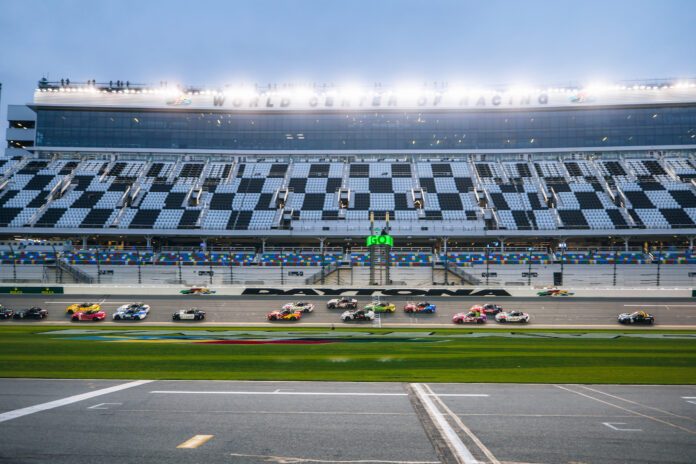
As has been tradition since Mazda MX-5 Cup became part of the IMSA family, the 2026 season will kick off at Daytona International Speedway, January 21 – 23.
The series stays in Florida for Rounds 3 and 4 with another trip to the streets of St. Petersburg, February 27 – March 1. This is the sole event on the 2026 schedule that will be with the NTT IndyCar Series.
Mid-Ohio Sports Car Course consistently produces some of the best MX-5 Cup racing, so naturally the series is back June 5 – 7 as part of the IMSA-hosted event weekend.
Later this week, MX-5 Cup rolls into Ontario to race at Canadian Tire Motorsport Park, which it will do again in 2026, July 10 – 12.
August brings the traditional trip to VIRginia International Raceway, August 20 – 23.
Then comes the Indy road course, Sept 18-20. MX-5 Cup last raced at Indy in 2017.
The 2026 season comes to a close at Michelin Raceway Road Atlanta for the sixth year in-a-row. A new champion will be crowned following the final two races, October 1-3.
2026 Whelen Mazda MX-5 Cup presented by Michelin Schedule
Date Track Jan. 21 – 23 Daytona International Speedway Feb. 21 – March 1 St. Petersburg Street Course (with IndyCar) June 5 – 7 Mid-Ohio Sports Car Course July 10 – 12 Canadian Tire Motorsport Park Aug. 20 – 23 VIRginia International Raceway Sept. 18 – 20 Indianapolis Motor Speedway Road Course Oct. 1 – 3 Michelin Raceway Road Atlanta *All events are doubleheaders
About: The Whelen Mazda MX-5 Cup presented by Michelin is the signature spec series for Mazda Motorsports. The series has been operated by Andersen Promotions since 2017 and is currently sanctioned by IMSA. Mazda-powered grassroots champions can earn Mazda scholarships for this pro-level series. The Whelen Mazda MX-5 Cup awards more than $1 million in prizes and scholarships.
ANDERSON, Ind: Greg Van Alst Motorsports announced today the formation of a part-time NASCAR CRAFTSMAN Truck Series team that will launch later this month at Lucas Oil Raceway at Indianapolis on July 25, 2025.
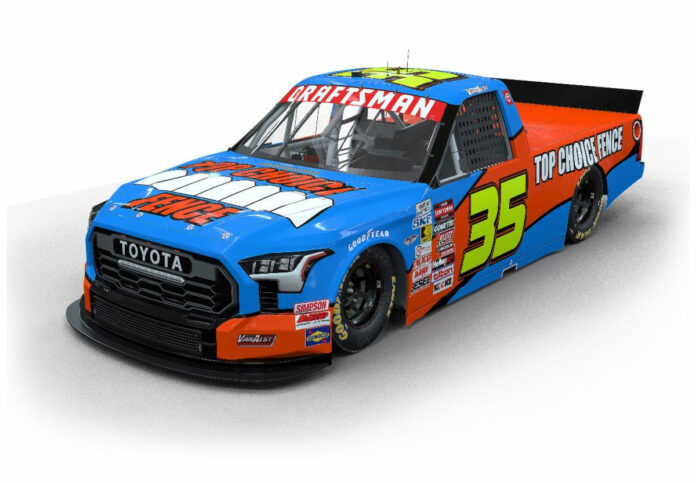
Veteran race car driver Greg Van Alst will pilot the team’s No. 35 Toyota Tundra TRD Pro throughout its inaugural schedule, with an eye toward expanding the team’s footprint in 2026.
Based in Anderson, Indiana, the team plans to compete in a minimum of four Truck Series events this season.
Following its debut at Lucas Oil Raceway, the schedule includes Bristol (Tenn.) Motor Speedway on September 11, Talladega (Ala.) Superspeedway on October 17 and the penultimate Truck Series race of the season at Martinsville (Va.) Speedway on October 24.
Van Alst’s company, Top Choice Fence, will serve as a partner for the team’s debut at Lucas Oil Raceway; however, Greg Van Alst Motorsports continues to actively seek additional marketing partners to join forces with the former CRA | ARCA Series champion as the team builds toward the future.
“This has been in the works for the last couple of months,” said Greg Van Alst. “Starting a Truck Series program has been an eventual goal of mine for a long time, and to finally see it coming together — especially at a place like Lucas Oil Raceway, where I’ve turned so many laps — is incredibly special.
“We know there’s a lot of work ahead, but we’re committed to building something competitive and sustainable, and we’re excited to take this next step with Top Choice Fence, and hopefully, more partners join us along the way.”
Van Alst has reunited with his championship-winning crew chief, Kevin Shannon, from his CRA | ARCA days, bringing familiarity and proven chemistry to the No. 35 Toyota team as they prepare for their Truck Series debut.
“Having Kevin back on top of the box means a lot to me,” added Van Alst. “We’ve had a lot of success together over the years, and there’s a level of trust and communication between us that you just can’t manufacture. Bringing that into our Truck Series effort gives us a solid foundation to build on right out of the gate.”
Van Alst has established realistic goals for this season, emphasizing the importance of gaining experience and building momentum with each race.
“We’re not coming into this expecting to set the world on fire right away,” explained Van Alst. “We’ve set some realistic goals for this season and know the key is gaining experience and improving each time we hit the track. The more races we run, the stronger this team will become.”
Van Alst brings some prior experience to his new venture in the NASCAR CRAFTSMAN Truck Series, which he hopes to apply this season. In 2023, he made five starts with Young’s Motorsports before a back injury sustained at Talladega cut his campaign short.
The 2023 Daytona ARCA winner began the 2025 season competing part-time in the NASCAR Xfinity Series with Joey Gase Motorsports with Scott Osteen. After eight starts, Van Alst opted to step back and reset his racing schedule for the remainder of the year.
He plans to return to Xfinity Series competition later this season, with details of his next start to be announced.
For more on Greg Van Alst and Greg Van Alst Motorsports, please visit GregVanAlst.com, like them on Facebook (Van Alst Motorsports) and follow him on X | Twitter (@GregVanAlst35).
From Track Days to Road Trips: Why a Car GPS Tracker is Essential
In an increasingly connected world, the way we interact with our vehicles is evolving. No longer just a means of transportation, our cars have become extensions of our digital lives, offering entertainment, navigation, and even advanced safety features. Amidst this technological revolution, one unassuming device — the car GPS tracker — is rapidly becoming an indispensable tool for drivers, regardless of their driving style or usage. Whether you’re a seasoned track day enthusiast pushing your car to its limits, a family embarking on an epic road trip, or simply a concerned parent wanting to keep tabs on a teenage driver, a car tracker offers a suite of benefits that enhance security, safety, and overall peace of mind.
This comprehensive article delves into the myriad reasons why a car GPS tracker is essential in today’s world, spanning the spectrum from high-performance driving to everyday commuting and beyond. We’ll explore its capabilities, benefits, and how it can empower you to take control of your vehicle’s security and performance.
1. Unveiling the Power of Location Tracking: Beyond Basic Navigation
At its core, a car GPS tracker is a small, often discreet device that uses the Global Positioning System (GPS) to pinpoint the exact location of your vehicle in real-time. This data is then transmitted to a server and accessible via a user-friendly mobile app or web portal. However, the power of a car GPS tracker extends far beyond simply knowing where your car is parked.
Real-Time Location Monitoring: Know precisely where your car is at any given moment. This is crucial for tracking stolen vehicles, monitoring teen drivers, or ensuring the safety of elderly relatives who may be prone to getting lost.
Geofencing: Set virtual boundaries around specific locations, such as your home, work, office, business, or school. Receive alerts whenever your vehicle enters or exits these zones. This feature is invaluable for setting boundaries for young drivers and preventing unauthorized use of your car.
Route History and Driving Analysis: Review past routes, speeds, and travel times. This feature can be used to analyze driving habits, identify areas for improvement (such as aggressive acceleration or hard braking), and provide valuable insights into your vehicle’s usage.
2. Enhanced Security: Protecting Your Investment from Theft and Unauthorized Use
Car theft remains a persistent problem, and recovering a stolen vehicle can be a frustrating and time-consuming ordeal. A car GPS tracker significantly increases your chances of recovery and offers a proactive layer of security.
Rapid Recovery of Stolen Vehicles: In the event of theft, the GPS tracker provides law enforcement with the precise location of your vehicle, significantly expediting the recovery process. Many trackers offer features like remotely disabling the ignition or sounding an alarm to further aid in recovery.
Deterrent to Theft: Some trackers come with warning stickers that can be prominently displayed, signaling to criminals that the vehicle is being monitored. The presence of a GPS tracker can act as a deterrent to potential thieves.
Unauthorized Use Alerts: Receive notifications if your vehicle has been started or moved without your permission. This is particularly useful for cars parked for extended periods of time or those used by multiple drivers.
Insurance Benefits: Many insurance companies offer discounts for vehicles equipped with GPS trackers, recognizing the increased security they provide.
3. Peace of Mind for Parents: Monitoring Teen Driving Habits
Newly licensed drivers, the road can be a source of anxiety for their parents. A car GPS tracker offers a powerful tool for monitoring teen driving habits and promoting safe driving practices.
Speed Monitoring: Set speed limits and receive alerts when the vehicle exceeds those limits. This helps prevent reckless driving and encourages teens to adhere to speed regulations.
Driving Behavior Analysis: Track instances of hard braking, rapid acceleration, and sharp turns. This data can be used to identify areas where teens need to improve their driving skills and address any risky behaviors.
Curfew Alerts: Set curfew hours and receive notifications if the vehicle is used outside of those designated times. This helps enforce curfew rules and ensures that teens are not driving unsupervised during late hours.
Location History and Geofencing: Verify that teens are driving to approved destinations and staying within designated areas. Receive alerts if they deviate from their planned route or enter restricted zones.
Open Communication and Education: The data collected by the GPS tracker can be used as a basis for open and honest conversations about safe driving practices. It’s not about being controlling but about educating and empowering teens to become responsible drivers.
4. Track Day Domination: Analyzing Performance and Improving Lap Times
For track day enthusiasts, a car GPS tracker is more than just a security device; it’s a powerful performance analysis tool.
Precise Lap Timing and Data Logging: Record lap times with pinpoint accuracy, eliminating the need for manual timing methods. Many trackers integrate with performance analysis software to provide detailed insights into your driving.
Speed and G-Force Data: Track your speed, acceleration, braking force (G-force), and cornering forces throughout each lap. This data helps you identify areas where you can optimize your driving technique and improve your lap times.
Route Optimization: Analyze your track data to identify the optimal driving line and braking points. Experiment with different approaches and compare the results to find the fastest and most efficient route.
Driver Skill Development: By analyzing your performance data, you can identify weaknesses in your driving and focus on improving specific areas. This leads to faster lap times and a more rewarding track day experience.
Vehicle Performance Monitoring: Track key vehicle parameters, such as engine temperature, oil pressure, and coolant temperature, to ensure that your car is performing optimally under demanding conditions.
5. Road Trip Adventures: Ensuring Safety and Convenience on Long Journeys
Road trips are all about freedom and adventure, but they can also present unique challenges. A car GPS tracker can help ensure a safe and enjoyable journey.
Real-Time Location Sharing: Share your location with family and friends so they can track your progress and ensure your safety. This is particularly useful for solo travelers or those venturing into remote areas.
Navigation Assistance: While most vehicles have built-in navigation systems, a GPS tracker can provide an alternative or backup navigation solution. Some trackers offer advanced features like real-time traffic updates and rerouting.
Emergency Assistance: In the event of an accident or breakdown, the GPS tracker can automatically alert emergency services with your precise location. Some trackers even offer SOS buttons that can be pressed to summon help.
Theft Protection: Protect your vehicle and belongings from theft while parked at rest stops or hotels. The GPS tracker provides an extra layer of security and peace of mind.
Route Recording and Documentation: Record your road trip route and save it for future reference. This is a great way to document your adventures and share them with others.
6. Fleet Management Solutions: Optimizing Efficiency and Reducing Costs
Beyond personal use, businesses that manage fleets of vehicles can utilize car GPS trackers together with fleet management systems to help them further improve efficiency, reduce costs, and enhance overall operations.
Beyond personal use, car GPS trackers are essential tools for businesses that manage fleets of vehicles. They offer a range of benefits that improve efficiency, reduce costs, and enhance overall operations.
Real-Time Tracking of Vehicle Locations: Monitor the location of all vehicles in the fleet in real-time. This allows dispatchers to efficiently assign vehicles to jobs, optimize routes, and improve customer service.
Driving Behavior Monitoring: Track driving behavior metrics, such as speeding, hard braking, and idling time. This data can be used to identify drivers who need additional training and promote safer driving practices.
Fuel Efficiency Monitoring: Track fuel consumption and identify areas where drivers can improve their fuel efficiency. This can lead to significant cost savings over time.
Maintenance Tracking: Monitor vehicle mileage and schedule preventative maintenance to avoid costly breakdowns.
Route Optimization and Geofencing: Optimize routes for efficiency and set geofences to ensure that vehicles are operating within designated areas.
Improved Security and Accountability: Deter unauthorized use of vehicles and improve driver accountability.
7. Choosing the Right Car GPS Tracker: Features and Considerations
With a wide variety of car GPS trackers available on the market, it’s important to choose one that meets your specific needs and budget. Consider the following factors:
Accuracy and Reliability: Look for a tracker that offers accurate and reliable location tracking. Read reviews and compare specifications to ensure that the tracker performs as advertised.
Battery Life: Consider the battery life of the tracker and choose one that meets your needs. Some trackers require a wired connection to the vehicle’s battery, while others are battery-powered.
Subscription Fees: Be aware that many GPS trackers require a subscription fee for data transmission and access to the tracking platform.
Features and Functionality: Choose a tracker that offers the features you need, such as geofencing, speed monitoring, and driving behavior analysis.
Ease of Use: Select a tracker with a user-friendly mobile app or web portal.
Customer Support: Ensure that the manufacturer offers reliable customer support in case you have any questions or issues.
Tamper Detection: Some trackers feature tamper alerts that notify you if the device is disconnected or moved.
2024 FIA World Endurance Championship
Interlagos, Sao Paulo, Brazil
10th - 14th July 2024
Photo: Drew Gibson
Cadillac Hertz Team JOTA seeks to take next step following positives at Le Mans
DETROIT (July 7, 2025) – Capitalizing on precision and performance is the objective for Cadillac Hertz Team JOTA’s factory Hypercars this weekend in the Rolex 6 Hours of São Paulo.
The contest on the 4.409 km (2.677-mile), 15-turn Autódromo José Carlos Pace – commonly known as Interlagos – is the fifth of eight rounds on the FIA World Endurance Championship (WEC) calendar and eagerly awaited by the team and drivers of the Nos. 12 and 38 Cadillac Hertz Team JOTA V-Series.R.
Following the pole start and fourth-place finish last month in the 93rd edition of the 24 Hours of Le Mans, drivers Alex Lynn, Norman Nato and Will Stevens look forward to building on momentum.
Their No. 12 Cadillac Hertz Team JOTA V-Series.R is the only Hypercar to compete in Hyperpole (Hyperpole2 at Le Mans) in each of the four races and has qualified three times in the top five. CHART The No. 12 Cadillac Hertz Team JOTA V-Series.R has crossed the finish line fifth and fourth in the past two races and the drivers have sat at the points table in every race.
“We’re improving a lot, which we showed at Le Mans. The car has a lot of strong points, and we aim to utilize them on the Interlagos circuit,” Lynn said of the first-year Hypercar works team.
The No. 38 Cadillac Hertz Team JOTA V-Series.R has also displayed performance gains as drivers Earl Bamber, Sebastien Bourdais and Jenson Button continue to learn and extract more out of the car. Bamber qualified second at Le Mans and the trio have combined to place sixth and seventh the past two races.
Also, in the 21-car Hypercar field at Circuit de la Sarthe, Bourdais recorded the fastest race lap, and Jack Aitken set the qualifying pace in Hyperpole1 in the sister No. 311 Whelen Cadillac V-Series.R campaigned by Action Express Racing.
Following a decade-long absence, the historic Autódromo José Carlos Pace rejoined the WEC schedule in 2024, with more than 73,000 spectators cheering the action. Cadillac Racing’s lone Hypercar entry, with Bamber and Lynn sharing the duties, qualified fourth and placed 13th (routine service stop issue required a return trip down pit lane to make corrections). The Hertz Team JOTA entries finished seventh and 18th with another manufacturer.
Drivers and teams will attempt to quickly find their car’s balance on the demanding circuit. A pair of 90-minute free practice sessions Friday will be followed by a 60-minute free practice Saturday that precedes qualifications and the 10-minute Hyperpole.
What they’re saying
No. 12 Cadillac Hertz Team JOTA V-Series.R
Alex Lynn: “I think the progress we’ve made since last year in Brazil and understanding the importance of tire management on the circuit puts us in a better position to challenge for the podium. We’ve done sim work and other things to prepare, and hopefully data collected at Le Mans and Spa will be put to good use.”
Norman Nato: “After a quite good effort in Le Mans, another challenge of us in Brazil with different track conditions. A lot of tire degradation at the rear, which makes the tire strategy and driving different than the other races in term of management. We will focus on being efficient in the race, where we need to find the best car setup compromise to be smooth on tires. Such an iconic track I discovered last year, very passionate fans, looking forward to driving the Cadillac V-Series.R.”
Will Stevens: “Brazil, it’s actually kind of my home race because I’m married to a Brazilian. So, looking forward to it and it’s great we have a race so soon after Le Mans. I think we learned a lot at Le Mans because there’s a lot of track time to learn what we want from the car, things we can still improve. At the end of the day, (Le Mans) is only just the beginning of what we’re doing. We’re six months into this program, we’re going to keep improving, we’re going to keep getting better. Let’s go to Brazil and full attack and hopefully come away with the great result.”
No. 38 Cadillac Hertz Team JOTA V-Series.R
Earl Bamber: “I’m looking forward to returning to Interlagos and taking what we’ve learned, what we’ve developed over the past few months to this historic circuit. Cadillac Hertz Team JOTA had overall great results in the 24 Hours of Le Mans and though Interlagos is a different track we believe the strengths of the Cadillac V-Series.R will come through there. Aside from a pit miscue in 2024 that cost us two laps, we were competitive in Brazil, so I expect us to be in the mix again.”
Sebastien Bourdais: “Interlagos is a very different animal than Le Mans. It tends to be quite high tire deg. The altitude makes it that you lose downforce as well, so it’s not an easy track. I wasn’t there last year, so it’s difficult to know what to expect. Overall, looking forward to it. It feels like we’re building on from the last couple of events. We’re starting to catch some references. The team is working and gelling. We’ll have a tough task ahead of us there and will give it our best shot.”
Jenson Button: “We have some work to do for the races to come but I left Le Mans very proud of the entire team. Interlagos is a demanding circuit with a pair of alternating downward left and right turns at the start to a long uphill left turn toward the end of the lap. The unpredictability of the weather adds to the mix, too. We’ll keep pushing forward with the goal of reaching the top step of the podium.”
General Motors (NYSE:GM) is driving the future of transportation, leveraging advanced technology to build safer, smarter, and lower emission cars, trucks, and SUVs. GM’s Buick, Cadillac, Chevrolet, and GMC brands offer a broad portfolio of innovative gasoline-powered vehicles and the industry’s widest range of EVs, as we move to an all-electric future. Learn more at GM.com.
Grant Park 165 – Chicago Street Course Chicago, Ill. – July 6, 2025
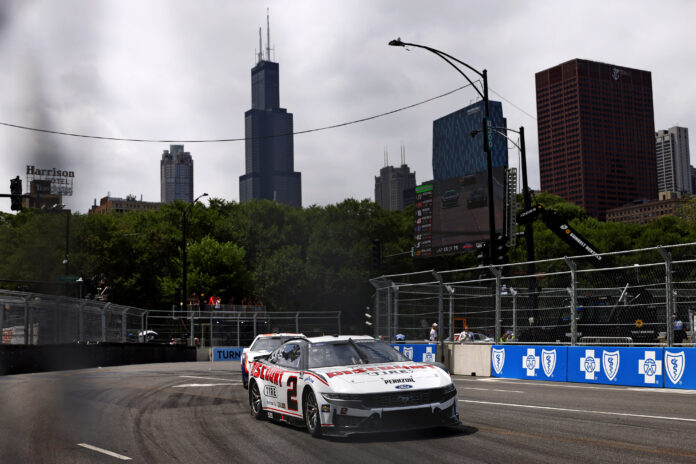
AUSTIN CINDRIC No. 2 DISCOUNT TIRE FORD MUSTANG START: 27TH STAGE 1: 25TH STAGE 2: 23RD FINISH: 27TH POINTS: 15TH RACE RUNDOWN: Austin Cindric and the No. 2 Discount Tire team showed steady progress in Sunday’s Grant Park 165 on the streets of Chicago, but their day was ultimately derailed by a late-race incident that left the team with significant damage and a 27th-place result. Cindric started the race from the 27th position and gained several spots following a multi-car incident on Lap 4, moving up to 16th. He stayed out under the yellow and restarted just outside the top 15 on Lap 7. As the opening stage wore on, the handling began to shift free and he pitted on Lap 18 for four tires, fuel, and an air pressure adjustment, just prior to finishing Stage 1 in 25th after the early pit stop. The race returned to green on Lap 25, only to see another caution shortly after. With a few laps remaining in Stage 2, the team brought Cindric back to pit road for another set of tires and adjustments, wrapping the segment in the 23rd position. Cindric lined up 16th for the start of the final segment and began working his way forward. With less than 20 laps to go, he cracked the top 15 and was scored 14th when a caution flew with 16 laps remaining. The No. 2 team stayed out and Cindric restarted from the 11th position. Unfortunately, his run came unraveled just a few laps later when he was involved in an incident with 12 to go, suffering heavy damage and a broken right rear toe link. The team made repairs on pit road and Cindric returned to the track to finish the race. The event ultimately ended under caution, with Cindric scored 27th at the checkered flag.
CINDRIC’S THOUGHTS: “Definitely an interesting day out there. We made some gains early and had a shot at a solid finish, but just got caught up late. Appreciate the effort from everyone on the No. 2 Discount Tire team to get us back out there at the end.”
RYAN BLANEY No. 12 MENARDS/DUTCH BOY FORD MUSTANG START: 17TH STAGE 1: 16TH STAGE 2: 1ST FINISH: 12TH POINTS: 7TH RACE RUNDOWN: Ryan Blaney picked up his fourth stage win of the season as the Menards/Dutch Boy Ford Mustang Dark Horse came away with a 12th-place finish in Chicago Sunday. After taking the green flag from 17th, Blaney made his way around a pileup on lap three while sustaining minimal nose damage, prompting a red flag during the opening run. Once the 20-lap first stage resumed, Blaney was called to pit road with four laps remaining in the segment in order to flip track position as he crossed the line 16th in Stage 1. Crew chief Jonathan Hassler made the call to run the entirety of the second stage without making a trip to pit road as Blaney cycled into the top-five before taking the lead with two laps to go in Stage 2 and went on to pick up the stage win. Following a four tire stop under caution, Blaney lined up to restart 23rd before making contact with the wall in turn 11 on lap 52, causing the right front tire to go down and consequently making an unscheduled stop on pit road. Despite losing a lap in the process, Blaney got himself back on the lead lap after a caution with 12 laps remaining and charged through the field during the final run to salvage a 12th-place finish on the day.
BLANEY’S THOUGHTS: “I thought overall it was a pretty decent day. It was nice to win that stage. I knew we were going to lose track position, but we were fine. We made up really good ground on the restart in the third stage and then I hit the inside wall in [turn] 11 and popped the right-front tire. We had to work our way back from there, but, overall, it was a decent recovery.”
JOEY LOGANO No. 22 SHELL-PENNZOIL FORD MUSTANG START: 12TH STAGE 1: 15TH STAGE 2: 19TH FINISH: 11TH POINTS: 12TH RACE RUNDOWN: Joey Logano and the No. 22 Shell-Pennzoil Ford Mustang Dark Horse team were involved in a late-race incident Sunday afternoon in Chicago but rallied back in the closing laps to pick up an 11th-place finish. After starting 12th, the 22 team opted to flip the opening stage and pit with three laps remaining in the 20-lap segment, resulting in a 15th-place finish in Stage 1. Logano worked his way into the top-10 by lap 28 before crew chief Paul Wolfe called him to pit road with three to go in the second stage to set up their track position for the final run of the afternoon as Logano crossed the line 19th in Stage 2. Following a caution with 16 laps remaining, Logano lined up ninth to take the green flag before making his way through a stack up in turn one, but contact from the No. 1 heading into turn two sent the Shell-Pennzoil Ford spinning into the tire barrier – collecting the No. 47 in the process – as the caution flag flew moments later to reset the field. After a four tire stop under yellow prior to the final restart of the 75-lap event, Logano worked his way from outside the top-20 back up to 11th in the closing laps to cap off the day.
LOGANO’S THOUGHTS: “Proud of the effort today and all weekend from our 22 team. Definitely think our finish should have been a few spots better with how our track position was playing out on the second-to-last restart, but still showed decent speed at the end to come back through the field on that final run.”
The NASCAR Cup Series heads west to Sonoma for the Toyota/Save Mart 350 on Sunday, July 13. Coverage from Sonoma begins at 3:30 p.m. ET on TNT and Sirius XM NASCAR Radio Channel 90.
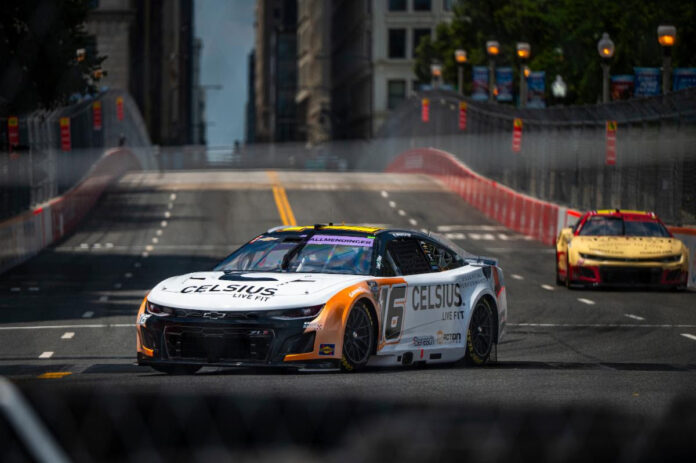
AJ Allmendinger qualified 16th for the Grant Park 165 at the Chicago Street Course. Within the first lap, Allmendinger drove up to 13th place. On lap three, Allmendinger was running 11th when he was hit in the door as the caution came out. Under the red flag the team evaluated the damage sustained and opted to stay out to restart in ninth place. With three laps remaining, the No. 16 came to pit road for tires, fuel and an air pressure adjustment to help tighten up the car. In Stage 2, Allmendinger raced up to third place by lap 30. When the next caution came out on lap 31, he stayed out to restart on the front row. The No. 16 maintained second place until the leader, the No. 88, came to pit road, and Allmendinger assumed the lead, before making his scheduled pit stop one lap later. Allmendinger restarted the final stage in 10th place and was up to third place when the caution flew on lap 64. On old tires, Allmendinger restarted in third place with nine laps to go and went on to finish in sixth place, earning his best finish in the NASCAR Cup Series at the Chicago Street Course.
“I’m proud of our day. From the bit of the struggle we had on Saturday, I felt like we did a good job getting everything out of it. I was just way too loose there at the end and struggled with rear tires. I need to focus on that to be better, but it felt like at times we definitely had a top three or four car. We worked hard to make it better throughout the weekend and executed our race. Overall, at a racetrack that I haven’t been overly confident at, to come here and almost get a top five, that was our ultimate goal. Having a solid day and getting the finish we did was important. I’m really happy with that and just know, for myself, I’ll keep working to be better to try to go out there and try to win these races.” – AJ Allmendinger
Ty Dillon and the Kaulig Racing No. 10 SeaBest Chevrolet team started Sunday’s Grant Park 165 on the Chicago Street Course from the 36th position and the rear of the field after an incident in qualifying forced the team to make repairs to the No. 10 on Saturday evening. Focused on improving the handling of the No. 10 Chevy, Dillon pitted from the 30th position during the lap four caution following a multi-car accident. With an extended stay on pit road for adjustments, Dillon returned to the track and finished the opening stage in 32nd. Making routine stops throughout the race, Dillon made an unscheduled stop on lap 52 after making contact with the wall and cutting a right-front tire. With the unscheduled stop, Dillon was scored one lap down. Running in the ‘Lucky Dog’ position, Dillon returned to the lead lap when the caution was displayed on lap 61. Restarting the race from the 28th position, Dillon was able to advance multiple positions to finish the race in 20th. With his finish, Dillon advances to the ‘Elite Eight’ in the In-Season Challenge and will face Alex Bowman in the next round at Sonoma Raceway.
“We survived and advanced! This No. 10 Kaulig Racing Chevrolet team is just a tough team – we never quit. We don’t even know how to. I’m just so proud of Kaulig Racing and our No. 10 team. I knew in a basketball city, going up against Brad in a game of knock-out, I was going to have a good chance. This race was tough on us. I felt like halfway through the race, we were rolling pretty good and we could have had a chance at a top-15. I clipped the wall again and knocked the toe out and kind of bent the ball joint pretty bad. I was just kind of hanging on and hoping we could get everything we could there at the end. We’re just going to keep working hard; put pressure on who we’re facing next and see if we can keep it rolling.” – Ty Dillon
As multiple cars in front of him began wrecking on lap three, Will Brown was unable to avoid the carnage. The No. 13 car was too damaged to continue, and Brown was scored 39th.
“Overall, a bit of a disappointing weekend. I probably went a little bit easy in qualifying, then made a mistake on my fast lap and ended up 19th. I felt okay the first couple of laps in the race, and then I just came around the corner there and just got caught up in someone else’s crash. We couldn’t really avoid it. There was nowhere to go in the position I was in.
A lot of time and effort went into the weekend from the team at Kaulig Racing, as well as everyone from my team back home and all my sponsors that helped make this happen. I’m disappointed for them, but I’m really appreciative of this opportunity. Hopefully there will be more to come.” – Will Brown
About Kaulig Racing
Kaulig Racing™ is a full-time, multi-car NASCAR Cup Series (NCS) and NASCAR Xfinity Series (NXS) team, owned by award winning entrepreneur, Matt Kaulig. Established in 2016, Kaulig Racing™ has earned 27 NXS wins, made the NXS Playoffs consecutively each season since the playoff system started, and won two regular-season championships. In 2021, the team competed in select NCS events, before expanding to a two-car, full-time NCS team in 2022 and adding a third, part-time entry during the 2023 season. Since its first NCS start in 2021, the team has earned two wins. Kaulig Racing is currently fielding two full-time entries in the NCS and continues to field three full-time NXS entries. To learn more about the team, visit kauligracing.com.
Lexington, N.C. (July 6, 2025): AJ Allmendinger finished in sixth place Sunday in the Grant Park 165 at the Chicago Street Course, earning his fifth top-10 finish of the season.
“I’m proud of our day,” said Allmendinger. “From the bit of the struggle we had on Saturday, I felt like we did a good job getting everything out of it. I was just way too loose there at the end and struggled with rear tires. I need to focus on that to be better, but it felt like at times we definitely had a top three or four car. We worked hard to make it better throughout the weekend and executed our race. Overall, at a racetrack that I haven’t been overly confident at, to come here and almost get a top five, that was our ultimate goal. Having a solid day and getting the finish we did was important. I’m really happy with that and just know, for myself, I’ll keep working to be better to try to go out there and try to win these races”
Allmendinger qualified 16th for the race and quickly drove his way into the top 10. At the beginning of the second stage, Allmendinger drove up to third place, where he maintained position until the caution came on lap 31. The No. 16 restarted on the front row and held second position until taking over the lead on lap 42 when the No. 88 came to pit road. Allmendinger pitted on schedule the following lap.
“It was actually a great day,” said crew chief, Trent Owens. “We were competitive in the top three most of the day; we were on a good strategy to finish well. I thought the last set of tires was a little off from our two previous sets. At a place we haven’t really had the greatest of finishes at, I thought AJ did really well fighting on the old tires at the end. To come away with a sixth-place finish is a success in Chicago, but obviously we want top fives and wins. To leave here with a sixth-place finish and a race like that, it’s a good deal.”
Allmendinger’s finish in Chicago advanced him to 15th in driver points. The team heads to Sonoma Raceway next week, another road course, looking to build on the momentum.
About Kaulig Racing
Kaulig Racing™ is a full-time, multi-car NASCAR Cup Series (NCS) and NASCAR Xfinity Series (NXS) team, owned by award winning entrepreneur, Matt Kaulig. Established in 2016, Kaulig Racing™ has earned 27 NXS wins, made the NXS Playoffs consecutively each season since the playoff system started, and won two regular-season championships. In 2021, the team competed in select NCS events, before expanding to a two-car, full-time NCS team in 2022 and adding a third, part-time entry during the 2023 season. Since its first NCS start in 2021, the team has earned two wins. Kaulig Racing is currently fielding two full-time entries in the NCS and continues to field three full-time NXS entries. To learn more about the team, visit kauligracing.com.
If you’re in the market for a reliable, high-performing vehicle, Toyota is likely one of the top names on your list and for good reason. Known for durability, innovation, and value, Toyota vehicles consistently rank among the most trusted brands. But beyond choosing the right vehicle, choosing where to buy it is equally important. For Houston residents, purchasing from a local Toyota dealership comes with a range of advantages that go far beyond convenience.
In this blog, we’ll dive into the key benefits of buying from a Houston Toyota dealership, and why it’s a smart move for both first-time buyers and seasoned drivers.
1. Wide Selection of New and Certified Pre-Owned Vehicles
Houston Toyota dealerships offer an extensive inventory of both brand-new models and certified pre-owned (CPO) vehicles, giving you plenty of options to find the perfect fit. Whether you’re eyeing a fuel-efficient Corolla, a rugged Tacoma, or a family-friendly Highlander, you’re more likely to find your preferred trim, color, and features when shopping locally.
Certified pre-owned Toyotas from dealerships undergo rigorous multi-point inspections and come with extended warranties offering peace of mind and great value.
2. Access to Exclusive Deals and Financing Offers
One major perk of shopping at a dealership is access to special promotions, rebates, and financing options. Houston Toyota dealers often partner with Toyota Financial Services to offer:
Low or zero-percent interest rates
Cash-back offers
Lease specials
First-time buyer programs
These dealership-exclusive deals are not usually available through third-party sellers or private listings, helping you save significantly on your purchase.
3. Certified Technicians and Genuine Toyota Parts
When you purchase from a Houston Toyota dealership, you’re also gaining access to a trusted service center staffed by factory-trained technicians. These professionals specialize in Toyota models and use genuine OEM parts to ensure your vehicle runs safely and smoothly for years to come.
Routine maintenance like oil changes, brake checks, or tire rotations is quicker and more reliable when done through a dealership that knows your car inside and out.
4. Customer-Centric Service and Ongoing Support
Reputable Toyota dealerships in Houston prioritize customer satisfaction from your first test drive to years down the road. Most offer:
Transparent pricing
Detailed vehicle history reports (for used cars)
Trade-in evaluations
Concierge services for vehicle pick-up/drop-off
This level of support ensures you’re not just buying a car — you’re building a relationship with a team that cares about your driving experience.
5. Convenient Location and Community Connection
With several Toyota dealerships located throughout Houston and surrounding areas, you’re never far from help or service. Plus, these dealerships are part of the local community, often sponsoring events, charities, and schools, which means your purchase helps support Houston’s growth and well-being.
Final Thoughts
Buying from a Houston Toyota dealership offers a blend of choice, security, service, and savings. Whether you’re upgrading your ride or buying your first car, the benefits of dealership-backed transactions, from expert service to exclusive offers, far outweigh the risks of buying privately.
In technical and contact-heavy sports, where milliseconds and micromovements dictate performance, physical form is not just important — it’s foundational. In speedway racing, where balance, acceleration, and corner transitions must happen in unison with the machine, BMI (Body Mass Index) has quietly become more than just a medical metric. It’s emerging as a true performance parameter — one that affects aerodynamics, control, safety, and ultimately, results.
BMI Isn’t About Fat — It’s About Function
In public health, BMI is often used to assess obesity risk. In sport, and particularly in speedway, BMI plays a different role: it represents the rider’s weight-to-height ratio — a variable that directly impacts riding physics. Just a few kilograms can change how a bike feels under pressure. In speedway, this affects:
The rider’s center of gravity
Corner entry and exit dynamics
Initial acceleration off the gate
Stability over loose track surfaces
In practical terms, 2–3 extra kilograms at 170 cm tall can cause drift in corner balance or delay in bike positioning mid-race. Polish Ekstraliga coaches confirm: all else equal, the rider with a better-optimized BMI holds the ideal line through the bend more consistently.
Height and Compact Strength: The New Profile
BMI also intersects with rider morphology. While riders around 180 cm were once considered the ideal size, today’s top-performing juniors more often measure around 165–170 cm — compact, muscular, and mechanically efficient. With a BMI between 20 and 22, these riders:
Minimize air resistance
Drop into position faster off the gate
Hold a tighter tuck through corner entries
This isn’t about being lighter for its own sake. It’s about having a densely packed muscle profile that aligns with how modern bikes are engineered. Coaches are now training riders not just to lose weight, but to build compact strength within optimal BMI boundaries.
The Optimal BMI for Speedway: Is There a Sweet Spot?
In 2023, the Swedish Sports Medicine Institute in Linköping conducted a study involving 47 speedway riders across three levels (juniors, national team, and elite). Findings showed:
Average BMI among riders aged 18–22: 21.2
Ages 23–29: 22.5
Veterans 30+: 23.8, often due to added muscle mass
Riders with a BMI above 24.5 tended to experience reduced cornering stability, especially on loose tracks or during close-contact passes. On the other hand, those with a BMI under 20 accelerated faster from the gate but had less grip stability at higher corner speeds.
The takeaway? The working “sweet spot” for competitive riders seems to be between 21 and 23.5, depending on style, track type, and machine setup.
What Top Teams Are Doing
Elite clubs in Poland, Denmark, and the UK now conduct monthly BMI and body composition scans, often including DEXA scans. This isn’t just about fitness — it’s part of the engineering equation. Adjustments are made to:
Rear suspension angles, based on rider mass
Tyre pressure differentials
Bike geometry relative to the rider’s center of mass
Teams like Unia Leszno and Apator Toruń assign riders personal nutritionists who track weight cycles for each race weekend, adjusted for weather and track material. BMI is now a data point in the bike’s telemetry setup.
The Medical Edge and the Danger of Extremes
There’s also a cautionary side. The pressure to hit the “ideal” BMI, especially among young riders, can push some into:
Overtraining syndrome
Disordered eating patterns
Hormonal imbalance, especially during junior-to-pro transitions
Medical experts, including sports physicians from Medilux, emphasize that BMI should never be treated as a target in isolation. It must be viewed in combination with lean mass ratio, endurance tests, VO₂ max, and neuromuscular performance. A well-balanced BMI is a tool — not a finish line.
The Future of BMI in Speedway
As speedway continues to modernize, the next step is already visible: biomechanical personalization. BMI will remain important, but it will be integrated into wider digital rider profiles. Looking toward 2030, we can expect:
AI-generated bike settings, using rider BMI, muscle density, and reflex profiles
Real-time body feedback loops, where BMI and hydration levels adjust traction control recommendations
Track-specific ideal BMI ranges, matched to friction, humidity, and engine configuration
The result? A sport where rider physiology and machine intelligence blend into a fully synchronized racing system.
Final Thoughts
In modern speedway, body mass isn’t just weight — it’s leverage, stability, aerodynamics, and reaction time. BMI has become a performance indicator, one that guides how a rider trains, how the bike is tuned, and how a corner is attacked at full speed.
To ignore BMI is to overlook a variable that sits at the heart of modern rider dynamics. The future belongs not to the lightest rider, but to the most precisely built one. And BMI, properly understood, remains one of the sport’s most valuable diagnostic tools.
Are you tired of seeing the wear and tear on your vehicle’s interior? Protecting your car’s interior is key to its longevity and looks. It’s essential to keep your vehicle looking new.
Finding the proper car seat protection can be tough. Whether you have an SUV, sedan, truck, or sports car, the right covers matter a lot.
In this article, we’ll examine the top-rated seat covers for various cars. We’ll help you find the perfect fit for your vehicle.
Why Car Seat Covers Are Essential for Your Vehicle
Car seat covers are a smart way to protect your car’s interior. They block spills, stains, and wear, extending the life of your car’s seats.
Protecting Your Investment
Your car’s seats are a big part of its inside. Car seat covers stop damage from everyday use. They keep your seats looking new for a longer time.
By stopping spills and stains, you keep your car in great shape. This can even help increase your car’s value when you sell it.
Enhancing Comfort and Style
Car seat covers do more than protect. They also enhance the comfort and style of your car’s inside. You can choose from a variety of materials, colors, and designs.
Whether you prefer soft fabric or sleek leather, there’s a cover to suit you. They let you show off your style while keeping your car comfy.
Easy Maintenance
Car seat covers are also easy to clean and maintain. They can be taken off and washed, unlike the original seats. This makes keeping your car clean and fresh a simple task.
This is great for families with kids or pet owners. When selecting car seat covers, consider reading car seat cover reviews. This helps you find the top car seat covers that fit your needs.
Different Materials for Car Seat Covers
The material of your car seat covers is very important. It affects how well they work. Whether you want universal car seat covers or custom-fit car seat covers, the material matters a lot. It impacts how long they last, how comfortable they are, and their overall appearance.
Car seat covers are available in various materials, each with its advantages and disadvantages. Knowing these differences helps you choose the right one for you.
Fabric Versus Leather
Fabric and leather are two common materials for car seat covers. Fabric covers, made from polyester or nylon, are more affordable and available in a wide range of colors and patterns. They’re also easy to clean. Leather covers, on the other hand, feel luxurious and last a long time. A car expert says, “Leather car seat covers can make your car’s interior look fancy, something fabric covers can’t match.”
“Leather car seat covers can last for many years if properly maintained, making them a worthwhile investment for many car owners.”
Automotive Accessory Expert
Choosing between fabric and leather depends on your personal preference. Leather is excellent for a fancy look and durability, especially when fitted by car trimmers melbourne. However, if you’re looking for something affordable with numerous design options, fabric might be a better choice.
Waterproof Options
Waterproof car seat covers are excellent for keeping your seats clean from spills and stains. They’re made from synthetic materials that prevent water from entering. This is perfect for families with kids or pet owners.
Easy to clean and maintain
Protects against spills and stains
Durable and long-lasting
Waterproof covers are practical but might not breathe as well as other materials. This could lead to moisture buildup. Consider what you need before making a decision.
Breathable Fabrics
Breathable fabrics allow air to circulate, helping to keep you cool and dry. This is ideal for hot weather or if you tend to sweat a lot while driving. Materials such as mesh and cotton are suitable for this.
A car care expert notes, “Breathable car seat covers make driving more comfortable by keeping you cooler and drier, which is great for long drives.”
When selecting breathable fabrics, consider your location and personal preferences. These covers are comfortable but may not offer as much protection as waterproof ones.
Choosing the Right Car Seat Covers for SUVs
SUVs require special car seat covers that are durable, comfortable, and aesthetically pleasing. Picking the right ones is key. You want the best protection and style for your vehicle.
Features to Look For
Look for waterproofing in car seat covers for SUVs. Waterproof covers keep your seats safe from spills, rain, and mud. They’re perfect for families or those who love the outdoors. Also, make sure they’re easy to install and fit your SUV well.
Other essential features include:
Breathable materials to keep you cool and comfy on long trips.
Durable stitching and top-notch materials for heavy use.
Custom-fit designs provide a snug and secure fit, enhancing both protection and comfort.
Popular Brands for SUVs
Many brands focus on car seat covers for SUVs. They offer a variety of styles, materials, and features. Some top brands are:
Brand A is famous for its waterproof and rugged covers.
Brand B, with custom-fit designs and many fabric choices.
Brand C offers stylish and practical covers with cool features, such as heated seats.
When selecting a brand, consider what you need. Do you want waterproofing? Does the color match your SUV’s interior? Check out customer reviews for quality assurance.
Best Car Seat Covers for Sedans
Sedan car seat covers are available in various materials and fits. Leather car seat covers are renowned for their elegant appearance and luxurious feel. They offer both elegance and protection, making the choice between custom-fit and universal fit important.
Custom-Fit vs. Universal Fit
Choosing between custom-fit and universal-fit car seat covers depends on your needs. Custom-fit covers are made for your sedan’s exact make and model. They fit perfectly, improving your car’s interior. Universal-fit covers, while versatile, might not fit as well as custom-fit ones.
Here are some key points to consider:
Precision Fit: Custom-fit covers to fit your sedan’s seats perfectly, ensuring a sleek appearance.
Versatility: Universal fit covers can be used across different sedan models, offering flexibility.
Ease of Installation: Custom-fit covers are generally easier to install since they are designed for your sedan.
Top Recommendations
For sedan owners, some top car seat cover recommendations include:
CalTrend Neo-Supreme Car Seat Covers: Renowned for their durability and comfort, these covers are available in a range of colors and are specifically designed to fit sedans perfectly.
WeatherTech Car Seat Covers: Offering a waterproof and stain-resistant solution, WeatherTech covers are designed to protect your sedan’s interior.
FH Group Car Seat Covers: These covers are praised for their luxurious feel and custom-fit design, making them a popular choice among sedan owners.
As noted by automotive experts, “The right car seat covers can significantly enhance your sedan’s interior, both in terms of style and durability.”
“Investing in high-quality car seat covers is a practical way to maintain your vehicle’s appearance and resale value.”
Car Seat Covers for Trucks: What to Consider
Finding the right car seat covers for trucks involves considering both durability and versatility. Trucks are used for both work and leisure, so their interiors require protection from various types of damage.
When picking car seat covers for your truck, focus on features that boost both function and comfort. Affordable car seat covers that meet these needs are available, making them a wise choice for truck owners.
Durability and Toughness
Trucks are designed to withstand tough use, and their seat covers should be too. Heavy-duty fabric or waterproof leather is excellent for this. They keep seats clean from spills, stains, and wear from frequent use.
Examine the stitching, material thickness, and construction of the covers. High-quality stitching and strong materials help your covers last longer.
Multi-Purpose Use
Trucks are used for various purposes, including hauling cargo and daily transportation. Therefore, their seat covers should be flexible to accommodate different needs. Covers with pockets are handy for storing small items, such as tools or personal belongings.
Additionally, covers that are easy to clean and maintain are key for various uses. Choose ones that can be wiped down or machine-washed easily.
Feature
Importance
Benefit
Durable Materials
High
Withstands heavy use and spills
Easy Cleaning
High
Simplifies maintenance
Multi-Purpose Design
Medium
Accommodates various uses
Affordability
High
Offers budget-friendly options
By thinking about these points and choosing affordable car seat covers that are tough and versatile, truck owners can keep their vehicles inside safe. They also make their truck more useful.
Stylish Car Seat Covers for Sports Cars
For sports car lovers, the interior is just as important as the exterior. Premium car seat covers can make a significant difference. They protect your car and make it look better inside.
Choosing the right car seat covers is key. They should look good and feel comfortable. Plus, they need to last a long time.
Design and Aesthetics
The look and feel of your car seat cover matter a lot. Premium car seat covers are available in a variety of styles. You can pick from fabric, leather, or synthetic materials to match your car’s inside.
Some cool design options for sports car seat covers include:
Custom-fit designs that perfectly match your car’s seats
Bold colors and patterns add a touch of personality
Contrasting stitching and accents for a sporty look
Brands Known for Sporty Styles
Many brands are famous for their sporty and stylish car seat covers. They know what sports car owners want. They offer premium car seat covers that meet those needs.
Some top brands to check out include:
Coverking: Known for their custom-fit designs and wide range of materials
CalTrend: Offers a variety of sporty and stylish designs, including custom-fit options
WeatherTech: Provides durable and functional car seat covers with a sporty twist
How to Measure Your Car Seats for Covers
Getting the right fit for your car seat covers starts with accurate measurements. Whether you’re searching for the Best Car Seat Covers for every vehicle type or something specific, measuring first is key. This step ensures your covers fit well, offering both comfort and protection.
Tools You Need
To measure your car seats correctly, you’ll need a few basic tools.
A flexible measuring tape
A pen and paper to note down the measurements
A calculator (optional)
Step-by-Step Guide
Here’s a simple guide to measuring your car seats.
Begin by measuring the width of the seat. Place the tape across the seat, from one side to the other, at its widest point.
Next, measure the seat’s height, from bottom to top, at its highest point.
Then, measure the seat’s depth from the front to the backrest.
Remember to measure the headrest and any adjustable parts.
Measurement
Description
Value (inches/cm)
Width
Across the seat at the widest point
Height
From the bottom to the top at the highest point
Depth
From the front to the backrest
Headrest Height
From the base to the top of the headrest
By following these steps and using the right tools, you can ensure your car seat covers fit perfectly. This will enhance both the comfort and style of your vehicle’s interior.
Installation Tips for Car Seat Covers
Getting your car seat covers to fit perfectly needs careful attention. Whether you choose universal car seat covers or ones specifically designed for your car, taking the right steps is key. This ensures a smooth and lasting finish.
DIY Installation Guide
To install your car seat covers like a pro, start by preparing your vehicle’s seats. Remove any covers, headrests, and accessories that may obstruct the view.
Start by lining up the cover with the seat. Make sure it fits the seat’s shape well.
Then, pull the cover tight around the seat. Use the straps or hooks to keep it in place.
Make any needed adjustments to avoid wrinkles. This will give you a smooth finish.
Common Mistakes to Avoid
Even with a simple installation, there are common mistakes to avoid. These mistakes can ruin your top car seat covers if not avoided:
Insufficient Alignment: Failing to align the cover correctly can result in a poor fit and wrinkles.
Over-Tightening: While it’s essential to secure the cover, avoid over-tightening. This can cause the material to stretch or distort.
Ignoring Manufacturer Instructions: Each car seat cover comes with its installation guide. Not following these can lead to mistakes.
By following these DIY installation tips and avoiding common errors, you can achieve a professional look with your car seat covers. Whether you’re protecting your car’s interior or adding style, a well-installed cover makes a big difference.
Care and Maintenance of Car Seat Covers
Proper care and maintenance are essential for keeping your custom-fit car seat covers in top condition. Whether you have waterproof car seat covers or another type, the appropriate cleaning and storage will keep them looking fresh. This ensures they remain comfortable and protective.
Regular Cleaning Tips
Regular cleaning stops dirt and stains from becoming permanent. For most covers, a gentle vacuum and a damp cloth wipe are enough. For stubborn stains, a mild detergent might be needed. Always check the manufacturer’s cleaning instructions to avoid material damage.
Vacuum the seat covers gently to remove loose dirt.
For stains, apply a mild detergent and gently scrub.
Rinse with a damp cloth and let air dry.
For waterproof car seat covers, you can clean them more thoroughly. Use a soft brush for tough dirt. But avoid harsh chemicals or abrasive cleaners to protect the waterproof coating.
“Cleaning your car seat covers regularly not only keeps them looking great but also helps maintain the overall hygiene of your vehicle’s interior.”
Storing Tips for Off-Season
When seasons change and you use your car less, proper storage is essential. Here are some tips:
Clean the covers thoroughly before storing them.
Allow them to dry completely to prevent mold and mildew.
Store them in a breathable bag or container to maintain airflow.
Keep them away from direct sunlight to prevent fading.
By following these care and maintenance tips, you can make your custom-fit car seat covers last longer. Regular upkeep keeps them looking new. It also ensures they continue to offer comfort and protection.
Where to Buy the Best Car Seat Covers
Finding the right car seat covers can seem complicated. However, knowing where to shop helps a great deal. Whether you’re looking for leather, something affordable, or top-notch quality, the right store has what you need.
Shopping Online or In-Store
Online stores offer a wide range of options and are easily accessible from home. Local shops allow you to touch and see products before making a purchase. Think about what matters most to you.
Top Retailers for Car Seat Covers
Amazon, Autozone, and car stores are great places to find car seat covers. They offer a range of covers, from affordable to luxury leather. This means you can find the perfect match for your car.
Choosing the right store and thinking about what you need helps. You’ll get car seat covers that protect your car’s inside and make it look better.
FAQ
What are the benefits of using car seat covers?
Car seat covers protect your car’s interior from damage, spills, and stains. They also make your vehicle more comfortable and stylish. These covers are a smart way to keep your car looking new and can be made from many materials, like waterproof ones.
How do I choose the right car seat covers for my vehicle?
When selecting car seat covers, consider the material, their durability, and whether they fit your vehicle. You can choose covers that fit your car perfectly or ones that work for many cars.
What types of car seat covers are available for different vehicle types?
There are many car seat covers available for various types of cars, including SUVs, sedans, trucks, and sports cars. You can find covers made from leather, fabric, and even waterproof ones to match your car’s needs.
How do I measure my car seats for covers?
To measure your car seats, use a tape measure and a piece of paper. Note the seat’s length, width, and any special features, like headrests. This ensures your covers fit perfectly.
Can I install car seat covers myself?
Yes, you can install car seat covers by yourself. Just follow a DIY guide and avoid common mistakes. This way, you’ll get a secure and correct fit.
How do I care for and maintain my car seat covers?
To keep your car seat covers in top shape, follow cleaning and storing tips. This will help them last longer, no matter the material or type.
Where can I buy high-quality car seat covers?
You can find top-notch car seat covers online or in local stores. Look for recommended retailers and websites. They offer a variety of covers, ranging from leather to more affordable options, to suit your car’s needs.
Are there any affordable car seat covers available?
Yes, there are affordable car seat covers that are both good quality and priced right. You can find durable yet affordable options that protect and enhance the comfort of your car’s interior.
Can I get custom-fit car seat covers for my vehicle?
Yes, you can get car seat covers made just for your car. Custom-fit covers fit perfectly and can be made from a variety of materials, including leather and fabric.