Home Blog Page 49

NASCAR community mourns the loss of Kyle Busch

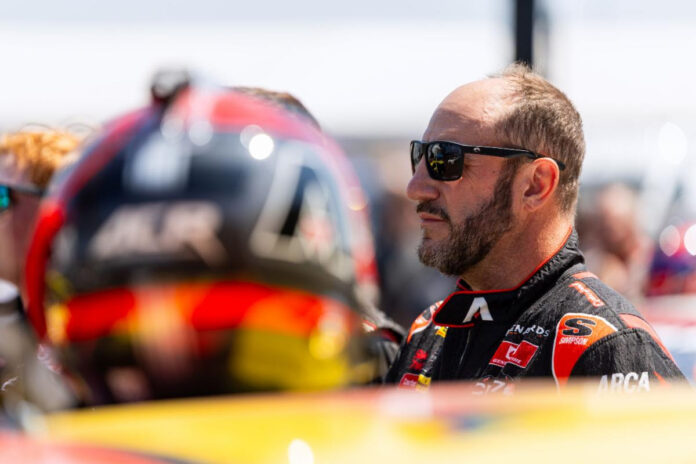
Photo by John Knittel for SpeedwayMedia.com.

It was announced on Thursday that Kyle Busch had passed away suddenly at the age of 41.

This season marked his 22nd full-time season in the NASCAR Cup Series. His accomplishments include two Cup Series titles (2015, 2019) and 63 race wins. He also claimed 102 victories in what is now the O’Reilly Auto Parts Series and 69 wins in the Craftsman Truck Series.

As the NASCAR community continues to mourn the sudden loss of the two-time NASCAR Cup Series champion, several icons of the sport have shared their memories and experiences with him both on and off the track.

Dale Earnhardt Jr. said, “Kyle and I had a really challenging existence for many years. But we luckily took the time to figure out our differences and that was something he instigated with a conversation in his bus around how we each managed our racing teams. I was super eager for us to get on better terms. But it was he who made the effort for that to be possible.

“We did some media together also to laugh through some of the things we put each other through many years ago. Most recently, we had even been discussing him running my Late Model at Wilkesboro this summer. He seemed extremely happy and we had planned to meet up next Thursday to get his seat to the shop. He laughed over the idea of his fans and JRM fans having to cheer in unison during that race.

“Kyle was one of the greatest drivers in NASCAR history. No one can deny that. But he was also a father, a husband, brother, son, and a friend to many. My heart is broken for the Busch family. I will never be able to make sense of this loss, but I am thankful that we had found a way to become friends.”

Kevin Harvick commented on their relationship, saying, “Kyle Busch and I spent years pushing each other to the limit. We raced hard, traded paint and fought for every inch because all either of us wanted to do was beat the other.

“What people may not realize is how much that rivalry drove us both. Kyle made me better because you had to be at your absolute best to beat him. Over time, that fierce competition turned into a mutual respect.

“As our careers evolved, so did our conversations. We talked over building race teams, life beyond the racetrack, and our families, especially raising young sons who want to be racers themselves.

“I’m deeply saddened for Samantha, Brexton and Lennix. There’s nothing that can replace a husband or a father. I’m also saddened for our sport. NASCAR lost one of its true giants, whose impact is almost beyond measure.”

Brad Keselowski spoke about their rivalry on the track. “I made him earn every victory and stole a few from him along the way. We took our shots at each other, in the media and on the track. But I’d like to think that somewhere deep down there was an appreciation that we pushed each other to perform at the highest level, even if neither of us would’ve admitted it.

“Tonight, I feel a little like the coyote with no more roadrunner to chase. His loss is all of our loss, but none more so than his family’s. Thinking of Samantha, and Brexton and Lennix who lost their father today.”

Jimmie Johnson reflected on Busch’s talent and intensity on the track. “Kyle Busch wasn’t just one of the fiercest competitors our sport has ever seen; he was one of the most talented race car drivers I’ve ever shared a track with. We spent years as teammates at Hendrick Motorsports, and even as competitors, there was always a deep respect for what he could do behind the wheel.  Kyle pushed all of us to be better. His passion, intensity, and love for racing were unmatched, and his impact on this sport will be felt forever.

“I’ll always remember the many laughs and conversations away from the spotlight, and most importantly, the way he cared so deeply about his family.

“My heart goes out to Samantha, Brexton, Lennix, Kurt, his parents, many teammates across the industry, fans and everyone who loved Kyle. NASCAR lost one of its greatest talents today, and we’ve all lost a friend.”

Joe Gibbs Racing issued the following statement: “Our hearts are broken for Samantha, Brexton, Lennix, and the entire Busch family. Kyle was a fierce competitor, an incredible teammate, and, far more importantly, a devoted husband, father, and son. His impact on our organization and on the sport of NASCAR will never be forgotten. During this unimaginable time, everyone at Joe Gibbs Racing and the Gibbs family are lifting the Busch family up in prayer.”

The Busch family, Richard Childress Racing and NASCAR issued the following statement: “On behalf of the Busch family, everyone at Richard Childress Racing and all of NASCAR, we are devastated to announce the sudden and tragic passing of Kyle Busch.

“Our entire NASCAR family is heartbroken by the loss of Kyle Busch. A future Hall of Famer, Kyle was a rare talent, one who comes along once in a generation. He was fierce, he was passionate, he was immensely skilled and he cared deeply about the sport and fans.

“Throughout a career that spanned more than two decades, Kyle set records in national series wins, won championships at NASCAR’s highest level and fostered the next generation of drivers as an owner in the Truck Series. His sharp wit and competitive spirit sparked a deep emotional connection with race fans of every age, creating the proud and loyal ‘Rowdy Nation.’

“Our thoughts are with Samantha, Brexton and Lennix, Kyle and Samantha’s parents, Kurt and all of Kyle’s family, Richard and Judy Childress, everyone at Richard Childress Racing, his teammates, friends and fans. NASCAR lost a giant of the sport today, far too soon.

“During this incredibly difficult time, we ask everyone to respect the family’s privacy and continue to keep them in your thoughts and prayers. Further updates will be shared as appropriate.”

The family issued the following statement on May 23: “The medical evaluation provided to the Busch Family concluded that severe pneumonia progressed into sepsis, resulting in rapid and overwhelming associated complications,” the family said in a statement.

Funeral or memorial service arrangements have not been announced.

Romain Grosjean praises “atmospheric” environment with Dale Coyne Racing throughout 2026 IndyCar season

Photo by James Black (Penske Entertainment).

Romain Grosjean returned to full-time NTT INDYCAR SERIES competition at the start of the 2026 season after being absent from the grid throughout the past season. This upcoming Sunday, May 24, he will make his fourth career start in the Indianapolis 500 at Indianapolis Motor Speedway.

The 40-year-old French-Swiss competitor was picked up by Dale Coyne Racing to pilot the No. 18 Dallara-Honda entry, one of the last open entries that was not yet vacated days before the 2026 IndyCar season commenced. As a result, Grosjean reunited with Dale Coyne Racing, the team with which he competed in his maiden IndyCar campaign on a part-time basis in 2021 following an 11-year career racing in Formula 1 between Lotus and Haas. 

During his rookie IndyCar season (2021), Grosjean notched his first career pole in the Sonsio Grand Prix, three podiums (two runner-up results at the Indianapolis Motor Speedway Road Course and a third-place result at WeatherTech Raceway Laguna Seca), and a 15th-place result in the final standings. Since then, he spent the following two seasons (2022-23) competing with Andretti Global before his previous full-time IndyCar campaign was in 2024 with Juncos Hollinger Racing. Grosjean then spent the 2025 season as a reserve competitor for Prema Racing when he was replaced at Juncos by Sting Ray Robb before his return to full-time INDYCAR with Dale Coyne struck before the start of the 2026 season. 

Currently, Grosjean is ranked in 23rd place in the standings with an average finishing result of 17.6 and his highest-finishing result is eighth, which occurred at the Streets of St. Petersburg in early March. His on-track average-qualifying result stands at 12.2 as he made two Firestone Fast Six appearances and qualified sixth at both St. Petersburg and Barber Motorsports Park. Grosjean also has had a roller coaster history in three prior Indianapolis 500 starts, with respective finishes of 31st, 30th and 19th to his racing resume.

Despite the difficult start, Grosjean is content with the atmospheric environment in competing with Dale Coyne Racing and notes the team’s progress towards being competitive on the track. He now strives to implement the progress with on-track results for the remainder of the 2026 season, starting with this Sunday’s 110th running of the Indianapolis 500, as he also strives to become the first-time winner of the event since Alexander Rossi made the latest achievement in 2016. 

“I think we had a good team,” Grosjean said in the DEX Imaging Media Center. “We haven’t had fast cars in qualifying, but we felt pretty good in traffic last week. I think we have a lot of experience in the timing stance and in the garage now. This is a great atmospheric team. I think we’ve made a lot of progress since race number one this year. It hasn’t been really showing on the track for various reasons, but I feel happy. I feel good. I’m glad to be in the team. I think it is a great atmosphere. Over the long months is important.”

Romain Grosjean’s 2026 Indianapolis 500 campaign is scheduled to occur this Sunday, May 24. The event’s pre-race coverage is slated to air at 10 a.m. ET before the drop of the green flag is scheduled to follow suit at 12:45 p.m. ET, both airing on FOX.

Takuma Sato primed for third Indy 500 victory pursuit in 2026

Photo by Paul Hurley (Penske Entertainment).

Takuma Sato returns for a one-race NTT INDYCAR SERIES appearance as a competitor at an event he is widely familiar with: the Indianapolis 500 at Indianapolis Motor Speedway. 

When it comes to breaking down Sato’s story with the Indianapolis 500 event, the story commences in 2010, the year in which he made his first start in IndyCar’s prestigious, crown-jewel event on the calendar. Two years later, the Tokyo, Japan, racing veteran was in a prime position to win it until he and eventual winner Dario Franchitti made contact on the final lap, which resulted in Sato wrecking out of contention.

Sato redeemed himself and fulfilled his dream in 2017 when he fended off Helio Castroneves to become the first Japanese competitor to win the Indianapolis 500 while driving for Andretti Global. Another three years later, he doubled down amid a late fuel mileage battle with Scott Dixon, and he did so in an event where Indianapolis Motor Speedway was restricted from allowing fans to participate in person due to the COVID-19 pandemic. During Sato’s latest ’500′ victory, he became the 20th competitor to repeat as a champion of the event. He also achieved it with Rahal Letterman Lanigan Racing (RLL), a team with which he previously competed on a full-time basis in the IndyCar competition from 2018 to 2021. 

After Sato campaigned in what would be his latest full-time IndyCar season with Dale Coyne Racing in 2022, he made five oval starts with Chip Ganassi Racing in 2023, including the year’s Indianapolis 500, before he landed one-race deals with RLL and drove the No. 75 Dallara-Honda entry for the ‘Indianapolis ‘500’ over the previous two seasons (2024-25). This past season, he narrowly missed the pole position and had an opportunity to win his third Indianapolis 500 slip out of grasp due to a pit road error, where he slid through his pit stall during a caution period and lost both a bevy of track position and time. Ultimately, Sato, who led a race-high 51 of 200 laps, settled in ninth place. 

Even a year later, Sato admits that the use of overachieving on the track can lead to misfortunes, either on or off the track, and/or even both simultaneously, and can result in a dominant run to victory evaporating, per his experience from the 2025 Indianapolis 500 event.

“We’re all focusing that we try to improve ourselves,” Sato said in the DEX Imaging Media Center. “As a consequence, it’s just sometimes out of control that you can’t [win it]. You need to be there to grab [the victory] when you have a chance. To be able to do so, you have to be competitive, and you have to be strong, fast all the time, and stay out of trouble. That is certainly the key.”

Since then, Sato coined the phrase ‘unfinished business’ as he worked with RLL to return for another one-race campaign for the 2026 Indianapolis 500, a deal that was officially revealed on March 17. Having not competed as a full-time INDYCAR competitor since the 2022 season, he described the challenges of navigating through an entire racing season on preparing for a single prestigious event, with months-long absences from competing and on-track testing sessions being key factors to the preparation challenges.

“Short program is not an easy program,” Sato said. “I was out of the car for half a year, and then I jump in the car for the fall testing, which was very fortunate back in the car and another five months, off and did nothing. Eleven months out of the competition, and now it’s going 230 mph, going toe-to-toe with 33 most-competitive drivers, it is not easy.”

Amid the challenges of a one-race appearance, Sato, who is scheduled to make his 17th consecutive start in the Indianapolis 500 this Sunday (May 24), praises the RLL No. 75 team’s efforts in making the No. 75 entry competitive for the Japanese veteran striving to become the 11th competitor to reach at least three victories in the Indianapolis 500. To achieve this feat, Sato will have to work from starting on the fourth row (12th place) and preserve his entry through the event’s 200-lap distance. Despite failing to reach the top-12 mark to contend for pole position qualifying this past week, Sato was the second-fastest competitor during this past Monday’s post-qualifying practice session.

“The preparation is all about dynamic of the teams and all about the details,” Sato said. “I’m fully proud of my No. 75 boys as entirely on the racing team that’s fully supportive on what we try to do. We’re here to correct something we did not finish the job, but I think, as everybody does, that’s what makes this sport so competitive.”

Takuma Sato’s 2026 Indianapolis 500 event is scheduled to occur this Sunday, May 24. The event’s pre-race coverage is slated to air at 10 a.m. ET before the drop of the green flag is scheduled to follow suit at 12:45 p.m. ET, both airing on FOX.

Nolan Siegel “happy” with pace gained ahead of second Indy 500 start

Photo by Andrew Boyd for SpeedwayMedia.com.

A year after making his Indianapolis 500 debut, Nolan Siegel returns for a second tackle at the Greatest Spectacle in Racing this upcoming Sunday, May 24.

The 21-year-old Siegel from Palo Alto, California, will take the green flag at the start of Sunday’s ‘500’ event from the seventh row, 20th place, in his No. 6 Arrow McLaren Dallara-Chevrolet entry. From his starting spot, he will be rolling off the grid near two of his teammates, 18th-place starter Christian Lundgaard and 22nd-place starter Ryan Hunter-Reay, while his third teammate, Pato O’Ward, starts near the front in sixth place. 

Despite starting within the midfield area, Siegel pinpoints the notes and the on-track experience he gained from competing in the Indianapolis 500 in 2025 and last week’s practice sessions prior to qualifications. All these factors have made him optimistic in searching and gaining speed when preparing his entry for the main event.

“I think having done the race last year gives me a different perspective through all of the practice this year,” Siegel said in the DEX Imaging Media Center. “Just knowing what to expect and what I need from the car, what I need for myself, has changed a little bit. I have a much better idea of what I need and how to get that. I think that I’ve done a better job of getting what I need sooner.”

At this time a year ago, Siegel was the 31st-fastest competitor at the conclusion of the Fast Friday practice session that occurs a day before on-track qualifications. This season, he boosted himself up to 10th place and generated speeds that were above the 232-mph range. Qualifications for this year’s Indy 500 generated a different story for Siegel, who registered a four-lap average-qualifying speed that was nearly four-tenths of a second slower compared to 2025 (230.571 in 2025 vs. 230.213 in 2026).

Nevertheless, Siegel fought through the warm and windy temperatures to start four places better on the starting grid (20th). Despite being the 27th-fastest competitor during the latest practice session this past Monday, May 21, Siegel maintains his confidence with the pace of his car as he strives to be 12 places higher than from the 2025 Indianapolis 500, an event in which he wrecked out of on the last lap.

The time to utilize the speed gained throughout practice for the main event comes as a crucial point for Siegel, who is fighting to retain his place as an NTT INDYCAR SERIES competitor with Arrow McLaren. Currently, the Californian is ranked in 20th place in the 2026 driver’s standings with an average finishing result of 18.2. He achieved his first top-10 result of this season at the Indianapolis Motor Speedway Road Course nearly two weeks ago. 

Now, Siegel will attempt to become the first competitor to achieve a first-career INDYCAR victory in the ‘500’ since Alexander Rossi accomplished the previous feat in 2016. Should he win, he would also join Johnny Rutherford, Pato O’Ward and Christian Lundgaard as the only competitors to win driving for McLaren in the INDYCAR division. He would also achieve a landmark victory as this season marks the 50th anniversary of when Rutherford recorded McLaren’s latest Indy 500 victory (1976).

Siegel’s closing statement was: “[I’m] really happy with our race car now and I’m excited about our chances moving forward on Sunday.”

Nolan Siegel’s second start in the Indianapolis 500 is scheduled to occur this Sunday, May 24. The event’s pre-race coverage is slated to air at 10 a.m. ET before the drop of the green flag is scheduled to follow suit at 12:45 p.m. ET, both airing on FOX.

Why Edmonton Truck Owners Choose Neoprene Seat Covers and Quality Diesel Engine Parts

Photo by depositphotos at https://depositphotos.com/

Edmonton truck owners know their vehicles face more than ordinary wear and tear. From icy winter roads and muddy job sites to long highway drives and heavy towing, diesel trucks in Alberta work hard every day. Whether a truck is used for construction, farming, commercial hauling, or daily commuting, keeping it in excellent condition is a top priority.

That’s why many drivers are investing in practical upgrades that improve durability, comfort, and long-term reliability. Two of the most popular choices are neoprene seat covers and dependable diesel engine parts. Together, these upgrades help protect both the inside and outside performance of a hardworking truck while reducing future repair costs.

Edmonton’s Harsh Conditions Can Wear Trucks Down Quickly

Life in Edmonton can be tough on vehicles. Freezing temperatures during winter place extra strain on diesel engines, while road salt, moisture, and rough driving conditions accelerate wear on both mechanical systems and interiors.

Truck owners who work outdoors often enter their vehicles with wet boots, muddy gear, or tools that can damage factory seats over time. Daily use from pets, passengers, and work equipment also contributes to fading, cracking, and stains inside the cabin.

At the same time, diesel engines are constantly exposed to demanding workloads. Hauling trailers, carrying equipment, and driving long distances all create pressure on engine components. Without proper maintenance and quality replacement parts, small problems can eventually turn into expensive repairs.

For many owners, preventative protection simply makes sense. Maintaining a truck properly not only helps improve reliability but can also preserve resale value for years to come.

Why Neoprene Seat Covers Are a Smart Investment

Truck interiors often experience just as much wear as the engine itself. Factory upholstery may look great initially, but constant exposure to dirt, moisture, and friction can quickly shorten its lifespan.

That’s one reason neoprene seat covers have become increasingly popular among truck owners in Edmonton. Designed to handle rugged daily use, the neoprene material offers excellent resistance against spills, mud, snow, and general wear.

Many drivers appreciate how easy these covers are to clean after long workdays or outdoor trips. Instead of worrying about permanent stains or damaged seats, owners can simply wipe down the material and continue using their truck without hassle.

Another reason truck owners choose neoprene covers is comfort. Unlike some materials that become extremely hot or cold depending on the weather, neoprene provides a more balanced seating experience throughout the year. This makes daily driving more comfortable during Edmonton’s changing seasons.

Drivers who regularly use their trucks for work also understand the value of maintaining a professional-looking interior. Torn or stained seats can make even a reliable truck appear neglected. Learning more about the practical neoprene seat cover benefits can help owners understand how interior protection contributes to long-term vehicle value and comfort.

For fleet owners and contractors, these protective upgrades are especially useful because they help reduce interior replacement costs across multiple vehicles.

Reliable Diesel Engine Parts Matter More Than Ever

A truck’s performance depends heavily on the quality of its engine components. Diesel engines are built for strength and durability, but they still require proper care and reliable replacement parts to operate efficiently.

In Edmonton, cold weather can create additional challenges for diesel vehicles. Hard starts, fuel system strain, and increased engine stress during winter months all make routine maintenance essential.

Some of the most commonly serviced diesel components include:

  • Fuel injectors
  • Turbochargers
  • Glow plugs
  • Air and fuel filters
  • Cooling systems
  • Belts and hoses

When these parts begin to wear out, truck performance often suffers. Drivers may notice reduced fuel efficiency, slower acceleration, rough idling, or difficulty starting the vehicle.

Unfortunately, using low-quality aftermarket parts can sometimes create even bigger issues. Inferior components may fail prematurely, increase repair frequency, or place additional stress on surrounding engine systems.

That’s why many repair professionals recommend sourcing dependable parts from trusted suppliers. Truck owners looking to maintain performance and minimise downtime often prefer to Order diesel engine parts in Edmonton from Behind the 8 to ensure they are using components designed for demanding conditions.

Having access to reliable local parts suppliers can also reduce waiting times for repairs, which is especially important for commercial truck owners who rely on their vehicles for daily operations.

Repair Shops Play a Big Role in Preventive Maintenance

Repair shop owners understand that preventative maintenance is one of the best ways to protect a diesel truck investment. Waiting until major problems appear often leads to higher repair bills and longer downtime.

Routine inspections allow mechanics to catch small issues early before they become serious engine failures. This can include checking fuel systems, monitoring filters, inspecting belts, and testing engine performance regularly.

Many repair professionals also encourage customers to think beyond mechanical repairs alone. Interior protection, proper cleaning habits, and seasonal preparation all contribute to keeping trucks in better overall condition.

For example, seat protection upgrades can reduce long-term upholstery damage, while proper winter maintenance helps improve engine reliability during extreme cold. These smaller preventative measures often save truck owners money over time.

Fleet managers especially benefit from consistent maintenance schedules because dependable trucks are essential for keeping business operations running smoothly.

Long-Term Truck Protection Pays Off

For many people in Edmonton, trucks are far more than simple transportation. They are work vehicles, towing machines, family travel vehicles, and daily essentials all rolled into one.

Because of this, truck owners are becoming more proactive about protecting their investments both mechanically and cosmetically. Durable seat covers help maintain clean and comfortable interiors, while quality diesel engine parts support better reliability and performance.

These upgrades may seem simple, but they can significantly extend a vehicle’s lifespan while helping reduce costly repairs down the road.

In a city where trucks work hard year-round, smart preventative maintenance can make all the difference. By protecting both the interior and engine system, Edmonton truck owners can enjoy greater reliability, better comfort, and stronger long-term value from their vehicles.

Santino Ferrucci aiming for historic ‘firsts’ ahead of 100th IndyCar career start in 2026 Indy 500

Photo by Andrew Boyd for SpeedwayMedia.com.

The 2026 Indianapolis 500 is scheduled to mark Santino Ferrucci’s eighth consecutive start in the Greatest Spectacle in Racing. Ahead of his eighth start in the ‘500’, he has an opportunity to extend a streak of his own.

In seven prior Indianapolis 500 starts (2019-2025), Ferrucci has finished in the top 10 in all of his starts, a feat that has not been previously achieved. Within his seven consecutive top-10 streak, the 27-year-old native of Woodbury, Connecticut, has filled nearly every top-10 spot, with his highest on-track result being third in 2023. The only trio of spots he has not finished in for the ‘500’ are 1st, 2nd and 9th. 

Now this upcoming Sunday, May 24, Ferrucci has an opportunity to make history on multiple ends. By notching another top-10 result, he extends his top-10 finishing streak to eight consecutive seasons. Having made 99 previous NTT INDYCAR SERIES starts with no victories yet recorded to his racing resume, he also has an opportunity to become the first, first-time winner of the Indianapolis 500 since Alexander Rossi made the latest achievement in 2016.

There is also another record on the line for Ferrucci entering this year’s Indianapolis 500 event. By taking the green flag for Sunday’s main event, he will make his 100th IndyCar career start. In the history of IndyCar competition, a total of six competitors have won in the centennial start (Mario Andretti, Patrick Carpentier, A.J. Foyt, Pato O’Ward, Bobby Unser and Roger Ward), but none of their achievements occurred in the ‘500’. 

So, what would achieving a first-ever victory in IndyCar in the Indianapolis 500 during the centennial start mean for Ferrucci?

“[Winning in 100th start] would be quite the day,” Ferrucci said in the DEX Imaging Media Center. “It would be a [day filled with a] lot of firsts. We have a great career. There’s no reason as to why we won’t be there [to contend for the win]. I think if we keep our heads down and worry about us, there’s no reason to why we can’t be doing that at the end of the day.”

Ferrucci made his first four IndyCar career starts throughout the 2018 season with Dale Coyne Racing. He then became a full-time IndyCar competitor in 2019, during which he achieved the Indianapolis 500 Rookie-of-the-Year title by finishing in seventh place and finished in 13th place in the final standings.

Since then, Ferrucci has accumulated a single pole at Portland International Raceway in 2024, three podiums, 172 laps led and an average-finishing result of 13.6 through 99 current IndyCar starts. His best result on the track is second place, which he achieved at the Streets of Detroit, Michigan, in early June 2025, and his best result in the final standings is ninth place, which occurred in 2024. His starts have included competing with Dale Coyne, Rahal Letterman Lanigan Racing, Juncos Hollinger Racing and A.J. Foyt Enterprises, the latest team of which is his current as he is piloting the No. 14 Dallara-Chevrolet entry.

Even as Ferrucci eyes a chance of making history this season in the Indianapolis 500, he took a moment to reflect on the road to nearly reach 100 INDYCAR starts as if his campaign just began not too long ago.

“It’s kind of wild, 100th start around this place,” Ferrucci added. “It’s really special. Just that milestone in general for me, so really happy about it. It still feels like 2019 [rookie season]. It’s been fun. It’s really fun to where you’re here and you have a good car.”

Santino Ferrucci’s 2026 Indianapolis 500 campaign is scheduled to occur this Sunday, May 24. The event’s pre-race coverage is slated to air at 10 a.m. ET before the drop of the green flag is scheduled to follow suit at 12:45 p.m. ET, both airing on FOX.

The Ultimate Guide to Classic Car Storage Prep

Owning a vintage vehicle is a true passion project that brings immense joy. These beautiful machines require special care when the time comes to put them away for a season. Leaving a vintage automobile sitting without the right preparation can lead to unexpected mechanical issues and physical deterioration. 

Taking the time to follow a strict maintenance routine protects your investment and preserves automotive history. Proper planning guarantees that the engine fires up smoothly when the driving season returns. A systematic approach to storage is the best way to keep your prized possession in pristine condition.

Clean the Exterior and Interior Thoroughly

A deep clean is the perfect starting point before placing your vehicle into any long term facility. Dust, road grime, and bird droppings can permanently damage classic paint jobs if left sitting for months. Wash the entire body by hand and apply a thick coat of high quality wax. This wax layer acts as a protective barrier against moisture and airborne contaminants.

Vacuum the carpets and wipe down the seats to remove any crumbs that might attract small pests. Clean the inside of the windows to remove any film that could turn into mold. Leave the windows cracked by a tiny fraction of an inch to allow air to circulate through the cabin.

Choose the Right Storage Facility

Finding the right home for your vehicle is a critical step in this preservation process. Many owners choose dedicated facilities to keep their investments safe from harsh weather elements. 

Researching options such as Epping self storage can provide the perfect secure environment for your vehicle. Having a dedicated space prevents accidental garage dings and scratches from daily household foot traffic. Indoor units also keep the car out of direct sunlight, which fades classic paint and cracks vintage dashboards.

A climate controlled environment remains the top choice for absolute vehicle protection. These units maintain a steady temperature and prevent dramatic humidity spikes throughout the year. Keeping the climate steady prevents condensation from forming on metal parts.

Manage Engine Fluids Correctly

Changing the oil right before you park the vehicle is an absolute necessity. Old engine oil contains contaminants and acids that can corrode internal engine components over time. Run the engine for a few minutes after the oil change to circulate the clean fluid through the block.

One expert guide explained that checking the coolant, brake fluid, and oil level serves as a major step before parking a car for months. Top off all these fluids to prevent air pockets from forming inside the reservoirs. Air pockets invite moisture, which leads to internal rust and component failure. Flush the braking system if the fluid looks dark or discolored.

Stabilize the Fuel System

Leaving a fuel tank half empty invites moisture to condense inside the tank walls. This condensation leads to rust, which can quickly clog up vintage carburetors and fuel injectors. Fill the gas tank completely with premium, ethanol free fuel right before parking.

Add a high quality fuel stabilizer to the tank to prevent the gasoline from breaking down into a gummy residue. Drive the car for 10 minutes after adding the stabilizer so the treated fuel reaches the entire delivery system. This simple drive guarantees that the carburetor or injectors are filled with protected fuel.

Protect the Electrical System

Car batteries naturally lose their charge when sitting idle for extended periods. A completely drained battery will suffer internal damage and may refuse to hold a charge in the future. Clean the battery terminals with a wire brush to remove any existing corrosion before storage.

One leading insurance company recommended either disconnecting the battery completely or using a trickle charger to maintain voltage. A smart trickle charger monitors the power levels and only delivers electricity when the battery needs it. This device prevents overcharging while keeping the battery healthy and ready for action.

Save the Tires from Flat Spots

Proper Inflation Techniques

Tires lose air pressure over time, especially when the temperature drops during colder seasons. When a vehicle sits on one spot for months, the weight creates permanent flat spots in the rubber. Pump the tires up to their maximum recommended pressure level to help the sidewalls maintain their round shape.

Alternative Tire Care

  • Use heavy duty jack stands to lift the vehicle completely off the ground.
  • Place specialized curved tire cradles under each wheel to distribute weight evenly.
  • Move the vehicle forward or backward by a few feet every few weeks.
  • Place thick pieces of carpet under each tire to insulate the rubber from cold concrete.

Preparing a classic automobile for extended storage requires patience and attention to detail. Skipping these basic steps can result in costly mechanical repairs and permanent cosmetic damage. Taking the time to clean the body, refresh the fluids, and protect the battery preserves the value of your vintage machine. A well protected vehicle rewards your efforts by starting up effortlessly when warm weather returns. Your future self will appreciate the care you put into preservation today.

Why Polarized Optics are the Ultimate Trackside and Highway Safety Gear

The Importance of Clear Vision on the Road

Driving on busy highways or spending long hours at racetracks requires more than just skill and concentration. Clear vision is one of the most important safety factors for every driver, rider, and motorsport enthusiast. Sunlight reflecting off roads, vehicle windows, metallic surfaces, and wet pavement can create dangerous glare that affects visibility and reaction time. This is why polarized optics have become one of the most effective solutions for improving safety and comfort during travel.

How Polarized Lenses Reduce Dangerous Glare

Polarized lenses are specially designed to filter out intense reflected light. Unlike standard sunglasses that only darken vision, polarized technology actively reduces glare from horizontal surfaces. This allows drivers to see road markings, traffic signals, pedestrians, and nearby vehicles more clearly. Many people now consider investing in the best polarized sunglasses an important step toward safer daytime driving.

One of the biggest advantages of polarized eyewear is reduced eye strain. Long hours behind the wheel can cause fatigue when the eyes constantly adjust to bright reflections and changing light conditions. Polarized lenses help stabilize vision by improving contrast and reducing excessive brightness. Drivers can remain focused for longer periods without feeling the discomfort commonly caused by harsh sunlight.

Why Polarized Optics Matter at Racetracks

Trackside environments are even more demanding. Racing surfaces, chrome vehicle parts, helmets, and barriers reflect sunlight intensely throughout the day. Spectators and racing professionals often struggle with visual fatigue due to constant exposure to glare. Polarized optics improve clarity by cutting down reflections and enhancing detail. This makes it easier to follow fast-moving vehicles and maintain concentration during races or outdoor sporting events.

Weather conditions also play a major role in road visibility. Wet roads after rain can produce strong glare that makes it difficult to judge distance and road conditions. Polarized sunglasses help eliminate this reflective light, giving drivers a clearer and more accurate view of the road ahead. This additional clarity can contribute to faster reaction times and safer decision-making while driving.

Convenient Solutions for Prescription Glass Wearers

For individuals who wear prescription glasses, switching between regular eyewear and sunglasses can be inconvenient. A practical alternative is using clip-on sunglasses. These accessories attach directly to prescription frames, allowing users to enjoy polarized protection without carrying multiple pairs of glasses. Clip-ons are especially useful for commuters, travelers, and outdoor enthusiasts who need quick adaptability in changing light conditions.

Anti-Glare Technology for Day and Night Driving

Night driving presents another challenge for eye comfort and visibility. Bright headlights from oncoming vehicles and reflections from digital displays can create visual stress. Many drivers now prefer anti-glare optical frames to reduce unwanted reflections and improve visual comfort during evening travel. Anti-glare coatings help minimize light distortion while supporting clearer and sharper vision in low-light conditions.

Beyond safety, polarized optics also improve the overall driving experience. Colors appear more natural, contrasts become sharper, and visibility remains consistent even during bright afternoons. Drivers can better detect road signs, lane markings, and obstacles, which contributes to improved confidence behind the wheel. For motorsport fans, clearer vision also enhances enjoyment by making races easier to watch in changing outdoor lighting.

Modern Polarized Eyewear Combines Safety and Style

Modern polarized eyewear combines functionality with style. Today’s designs are lightweight, durable, and suitable for daily use. Whether someone is driving to work, traveling on highways, or attending racing events, polarized optics offer reliable eye protection while maintaining comfort throughout the day.

Conclusion

As road safety awareness continues to increase, more people recognize the importance of proper eye protection. Polarized sunglasses are no longer simply fashion accessories; they are valuable tools for reducing glare, minimizing eye strain, and improving visibility in challenging environments. Combined with anti-glare technology and convenient clip-on options, polarized optics provide a complete solution for safer and more comfortable travel on both highways and racetracks.

Vehicle Technology vs Driver Responsibility: What Causes More Accidents Today?

Modern vehicles feature technology that would have seemed like science fiction just two decades ago. From automatic emergency braking to lane departure warnings, today’s cars can detect hazards and intervene faster than any human driver. Racing technology has long driven these innovations, with features developed on the track eventually making their way into consumer vehicles. Yet despite these dramatic safety improvements, accident rates remain stubbornly high. The question facing drivers and safety authorities alike is whether technology can truly overcome human error, or if the responsibility for safe driving still rests primarily with the person behind the wheel.

The answer reveals uncomfortable truths about both the promise and limitations of modern safety systems.

How Vehicle Technology Has Advanced Safety

The National Highway Traffic Safety Administration reports that vehicle safety developments have raised the annual number of lives saved from just 115 in 1960 to over 27,000 by 2012. Technologies like electronic stability control, improved airbag systems, and advanced crash structures have fundamentally changed accident outcomes. These systems work continuously in the background, correcting small errors before they become dangerous situations.

Modern vehicles also incorporate sensors and cameras that provide 360-degree awareness around the car. Blind spot monitoring alerts drivers to vehicles in adjacent lanes, while rear cross-traffic alerts warn of approaching cars when backing up. Adaptive cruise control maintains safe following distances automatically. Many of these technologies trace their lineage to racing applications, where split-second awareness and vehicle control mean the difference between winning and crashing.

The statistics demonstrate real impact. According to NHTSA data, seat belts and airbags alone have prevented an estimated 425,000 fatalities in traffic crashes since they were first required. Electronic stability control has reduced fatal single-vehicle crashes by approximately 49 percent and fatal rollover crashes by 75 percent.

Where Driver Error Still Dominates

Despite these technological advances, human factors remain the overwhelming cause of traffic accidents. The NHTSA’s National Motor Vehicle Crash Causation Survey found that among drivers assigned critical reasons for crashes, recognition errors accounted for approximately 41 percent of accidents, while decision errors contributed to 33 percent. Combined, these driver-related factors far outweigh mechanical failures or environmental conditions.

Research from state transportation departments reinforces this pattern. Pennsylvania’s crash analysis indicates that 85 to 90 percent of all traffic crashes involve some form of driver error that contributes to the accident. Florida’s evaluation of traffic crash fatalities found that human factors were the primary causative factor in 94 percent of fatal crashes. The most common issues include distracted driving, impaired driving, speeding, and basic recognition failures like failing to see another vehicle or misjudging its speed.

Even with advanced driver assistance systems, technology cannot compensate for fundamental human mistakes. A lane departure warning system cannot help a driver who is texting and drifts into oncoming traffic if the driver ignores the alert. Automatic emergency braking can reduce collision severity, but it cannot always prevent crashes caused by drivers who are impaired or making aggressive maneuvers.

The Gap Between Technology and Responsibility

The disconnect between advanced safety features and continued high accident rates reveals an important reality. Technology serves as a backup system, not a replacement for attentive driving. Many drivers misunderstand this relationship, placing too much trust in systems designed only to assist, not take over control.

This misplaced confidence can actually increase risk. Drivers may engage in riskier behavior because they believe the technology will protect them. They might follow more closely, change lanes more aggressively, or pay less attention to the road because they assume their vehicle’s systems will intervene if necessary.

When accidents do occur despite modern safety technology, questions of liability become more complex. If a vehicle’s collision avoidance system fails to prevent a crash, was it a technology failure or a driver failure? These questions matter significantly when determining fault and pursuing injury claims. Local attorneys in Kentucky increasingly encounter cases where advanced vehicle systems play a role in both crash causation and the resulting legal proceedings.

Understanding What Really Prevents Accidents

The evidence clearly shows that while technology has made driving safer, it cannot eliminate the need for responsible driving behavior. The most effective accident prevention strategy combines technological assistance with conscientious human decision-making. Drivers must understand that adaptive cruise control does not mean they can stop watching the road, and that lane-keeping assistance does not excuse inattentive driving.

Technology excels at handling specific, predictable scenarios. It can apply brakes faster than a human in an emergency stop situation. It can maintain a vehicle in its lane if the driver becomes momentarily distracted. But it cannot anticipate the infinite variations of real-world driving conditions or make the complex judgments required in many traffic situations.

Racing professionals understand this balance instinctively. They use every technological advantage available, from telemetry systems to advanced suspension controls, but they never stop actively engaging with the vehicle and making split-second decisions. The same principle applies to everyday driving.

Moving Forward With Technology and Accountability

As vehicles continue to advance toward higher levels of automation, the relationship between technology and driver responsibility will keep evolving. Current driver assistance systems still require human oversight and intervention. Understanding this reality helps drivers use technology appropriately rather than depending on it absolutely.

The data makes clear that driver behavior, not technology limitations, remains the primary factor in most accidents. Recognition errors, decision errors, impairment, distraction, and speeding cause far more crashes than any mechanical failure or technology gap. While advanced safety systems save lives and prevent injuries, they work best when supporting attentive, responsible drivers who understand that technology assists rather than replaces good judgment behind the wheel.

Shorty vs Long Tube Headers 5.7 Hemi: Exhaust Headers Guide

A lot of 5.7 Hemi owners start looking at headers after the factory manifolds begin holding the engine back. Some want more sound. Others are chasing better throttle response, stronger midrange pull, or a little extra horsepower before moving into bigger upgrades. Then the debate starts: shorty or long tube?

The internet usually makes the decision sound simple. Long tubes make more power. Shorties are easier to install. End of discussion.

Realistically, it is not that black and white.

The right header setup depends heavily on how the truck or car is actually used. A Ram 1500 that spends weekends towing a trailer has very different needs than a Challenger RT that sees late night highway pulls and occasional drag strip runs. Too many buyers focus only on dyno numbers and ignore everything else that comes with the upgrade, including tuning requirements, cabin drone, heat management, emissions issues, and long term drivability.

Headers can absolutely wake up a 5.7 Hemi, but only when the setup matches the vehicle’s purpose. Otherwise, the result is usually a louder exhaust and an expensive lesson.

The goal here is to break down the real differences between shorty and long tube headers from a performance and ownership perspective, not just from marketing claims.

Why Factory Hemi Manifolds Become a Limitation

The stock manifolds on most 5.7 Hemi applications were never designed with maximum airflow in mind. Automakers build around emissions regulations, production costs, packaging constraints, and noise control long before enthusiast performance enters the conversation.

That becomes obvious once you start modifying the engine.

At lower RPM, factory manifolds are acceptable for normal driving. The problem appears once airflow demand increases. Higher RPM operation creates more exhaust pressure, and restrictive manifolds slow down scavenging efficiency. That trapped exhaust gas reduces cylinder efficiency and limits horsepower potential.

This is where aftermarket exhaust headers start making a noticeable difference.

Unlike cast factory manifolds, headers use smoother bends and tuned primary tubes to improve exhaust evacuation. The engine breathes easier, especially under load. Most drivers notice the improvement first through throttle response rather than outright horsepower. The engine simply feels less restricted.

On the 5.7 Hemi specifically, headers also help complement other common modifications like cold air intakes, cam upgrades, and cat back systems. Without improved exhaust flow, those supporting mods cannot fully perform.

Shorty Headers: Practical Performance Without the Headache

Shorty headers tend to get dismissed online because they do not produce huge dyno gains. That criticism misses the point of why many owners buy them in the first place.

A quality shorty setup improves flow while keeping the factory-style exhaust layout intact. That matters more than people think.

Installation is significantly easier compared to long tubes. Most shorty headers bolt directly into the stock location without major fabrication work. On trucks like the Ram 1500, that alone can save several hundred dollars in labor.

They also work better for owners who want to avoid constant tuning complications or emissions headaches.

From a drivability standpoint, shorties maintain a very OEM-like character. The truck or car behaves normally during commuting, towing, and stop-and-go traffic, but gains a slightly sharper feel under acceleration. Throttle tip-in improves, and the exhaust note gets deeper without becoming obnoxious.

This is why shorty headers are surprisingly common among experienced truck owners. Many people towing boats or trailers prefer maintaining low-end consistency and reliability instead of chasing peak horsepower numbers they rarely use.

In real-world driving, a mild gain that works smoothly every day often matters more than dyno-sheet bragging rights.

Horsepower gains usually land somewhere between 5 and 15 HP depending on the rest of the setup. That may not sound dramatic, but paired with a tune and freer-flowing exhaust, the engine feels noticeably more responsive.

Long Tube Headers: Where the 5.7 Hemi Starts Feeling Serious

Long tube headers completely change the personality of the 5.7 Hemi.

The first thing most owners notice is not even the horsepower. It is the sound.

Cold starts to become sharper and more aggressive. Under throttle, the engine develops that deep muscle-car tone people expect from a Hemi. Once paired with a proper exhaust setup, the truck or car sounds substantially more alive compared to stock manifolds.

Performance gains are where long tubes justify their reputation.

Longer primary tubes improve scavenging efficiency by helping exhaust pulses pull spent gases from adjacent cylinders. That process reduces backpressure and improves cylinder filling during the next combustion cycle.

The result is stronger power throughout the RPM range, especially in the upper band where stock manifolds struggle most.

Many owners comparing 5.7 hemi shorty & long tube headers eventually lean toward long tubes because the performance difference becomes more noticeable once supporting modifications enter the picture.

A tuned 5.7 Hemi with long tubes, intake upgrades, and a quality exhaust can feel dramatically different from stock. Midrange acceleration improves substantially, highway pulls feel stronger, and the engine revs more freely.

That said, long tubes are not a casual modification.

Installation can become frustrating quickly, especially on trucks with tighter engine bays. Depending on the platform, mechanics may need to loosen motor mounts, reposition steering components, or modify sections of the exhaust.

Heat is another issue many first-time buyers underestimate.

Long tubes generate considerable underhood temperature. Without ceramic coating or proper thermal management, nearby components absorb additional heat over time. Spark plug wires, starter motors, and surrounding electronics can all suffer if the setup is poorly planned.

Experienced builders usually budget for heat management from the start instead of treating it as an afterthought.

The Tuning Side Most People Ignore

This is where many header discussions online become misleading.

People often talk about headers as if they are simple bolt-on horsepower parts. On the 5.7 Hemi, tuning quality matters just as much as the hardware itself.

Long tube headers alter exhaust flow enough to affect oxygen sensor readings and fuel trims. Without proper calibration, the ECU may struggle to optimize air-fuel ratios correctly. That can lead to check engine lights, drivability inconsistencies, or reduced performance.

A proper tune does more than remove warning lights.

Good tuning sharpens throttle mapping, improves transmission behavior, adjusts ignition timing, and helps the engine fully utilize the increased airflow. In many cases, the tune itself is what makes the vehicle finally feel transformed.

This is especially true on automatic-equipped Rams and Chargers, where factory transmission behavior can feel sluggish until recalibrated.

Shorty headers generally require less aggressive tuning adjustments because they maintain a more factory-style exhaust configuration. That simplicity is one reason some owners deliberately avoid long tubes, even if the power potential is lower.

Not everybody wants to constantly deal with emissions readiness monitors, inspection concerns, or tuning revisions after every modification.

Sound Quality: Aggressive vs Livable

Exhaust sound is subjective, but there are clear differences between the two setups.

Shorty headers usually produce a cleaner, slightly deeper exhaust tone without drastically increasing overall volume. They work well for owners who want a noticeable improvement while still keeping the vehicle comfortable for daily driving.

Long tubes are different entirely.

The engine becomes louder, more raw, and far more aggressive under acceleration. Some setups sound incredible. Others introduce unbearable highway drones depending on muffler choice and cabin insulation.

This is something experienced enthusiasts learn the hard way. The loudest setup is not always the most enjoyable after several months of ownership.

A Ram used for long road trips may become exhausting with an overly aggressive long tube configuration. Meanwhile, a weekend Challenger build might benefit from exactly that type of setup.

The best exhaust systems are balanced around how the vehicle is actually driven.

Cost Differences Go Beyond the Parts Themselves

Many buyers underestimate the total cost of long tube headers because they focus only on the purchase price.

The headers themselves are just the beginning.

A complete long tube setup often includes:

  • Mid pipes
  • New gaskets
  • Oxygen sensor extensions
  • ECU tuning
  • Additional labor
  • Possible exhaust modifications

Labor alone can become expensive because long tube installations are time-consuming. On some platforms, shops charge several hours more compared to shorty header installs.

Shorty headers are usually more budget-friendly overall. The simpler installation and reduced tuning requirements keep total ownership costs lower.

For many owners, that balance makes more sense financially.

There is also the reliability factor. Simpler setups generally create fewer long-term problems. That matters when the vehicle serves daily-driver duty instead of existing purely as a weekend toy.

Which Header Setup Is Actually Better?

There is no universal answer because the better option depends entirely on the build strategy.

Shorty headers make sense for:

  • Daily drivers
  • Tow rigs
  • Mild street builds
  • Owners wanting easier installation
  • Drivers concerned about emissions compliance

Long tube headers make more sense for:

  • Performance-focused builds
  • Aggressive street setups
  • Drag racing applications
  • Cammed engines
  • Enthusiasts planning future power upgrades

The mistake many people make is buying parts for internet approval instead of real-world use.

A mildly modified Ram that tows regularly may never benefit enough from long tubes to justify the extra cost and complexity. Meanwhile, a Challenger RT with intake upgrades, custom tuning, and performance gearing can genuinely take advantage of what long tubes offer.The smartest builds are usually the ones with the clearest purpose.

Final Thoughts

Headers are one of the important modifications that will change how a 5.7 Hemi feels, sounds, and responds. The difference can be more noticeable once supporting upgrades and proper tuning enter the equation.

Shorty headers can offer a cleaner, simpler and upgrade path with fewer compromises. They improve drivability, sharpen response, and maintain factory-like manners without creating major ownership headaches.

Long tube headers can have substantially more performance potential, but they also demand more commitment. Installation complexity, tuning requirements, heat management, and emissions concerns all become part of the equation.

That tradeoff is ultimately what separates casual upgrades from serious performance builds.

The best decision is not the one with the highest dyno number. It is the setup that still feels right six months later when you are driving the vehicle every day, paying for fuel, dealing with traffic, and actually living with the modification.