Home Blog Page 5

How to Plan a Comfortable Car Tour in Victoria

Photo by Tim Meyer on Unsplash

A car tour around Victoria can be a relaxing way to experience coastal scenery, parks, charming communities, and the wider Vancouver Island area. A comfortable trip depends on more than choosing interesting destinations. Route length, vehicle condition, weather, rest stops, luggage, and time between activities can all affect the experience. If you are considering a suitable vehicle for a road trip, dealerships in Victoria can provide an opportunity to compare vehicles based on space, comfort, and driving needs.

Choose a Route That Matches Your Schedule

Start by deciding how much time you want to spend behind the wheel. A short tour can focus on Victoria and nearby coastal roads, while a full-day journey can explore areas farther from the city.

The Pacific Marine Circle Route is one option for a longer adventure. Tourism Victoria describes the loop as approximately 289 kilometres and notes that it connects Victoria with Duncan, Lake Cowichan, Port Renfrew, and Sooke.

For a more relaxed experience, consider choosing fewer destinations and spending more time at each stop. A packed itinerary can turn a scenic drive into a stressful schedule.

Select a Comfortable Vehicle

The vehicle you choose can have a major impact on the journey. For longer drives, look for supportive seats, adequate legroom, useful storage, good visibility, and a smooth ride.

An SUV may be practical for families or groups carrying luggage and outdoor equipment. A smaller car can work well for couples or shorter tours where easy parking and maneuverability are priorities.

Consider the number of passengers and the amount of luggage before choosing a vehicle. Everyone should have enough personal space to remain comfortable throughout the drive.

Check the Vehicle Before Leaving

A pre-trip vehicle check can help reduce avoidable problems. Inspect the tires, lights, windshield, brakes, fluid levels, and battery. If the vehicle is due for scheduled maintenance, completing it before the tour can provide additional peace of mind.

It is also worth checking the air-conditioning or climate-control system, particularly if you expect to spend several hours in the vehicle. A clean cabin and properly adjusted seats can make a noticeable difference during longer drives.

Plan Breaks Into the Journey

Even a comfortable vehicle cannot replace regular breaks. Plan places where passengers can stretch, use restrooms, have refreshments, or simply enjoy the scenery.

Avoid treating every stop as a rushed photo opportunity. Building extra time into the schedule allows everyone to enjoy the journey without constantly checking the clock.

For longer routes, it is also useful to identify fuel stops and towns along the way. Some stretches of Vancouver Island have fewer services, so planning ahead can make the trip more comfortable.

Pack Practical Comfort Essentials

A small travel kit can make a car tour easier. Bring drinking water, snacks, sunglasses, phone chargers, light layers, tissues, and any personal items passengers may need.

Keep frequently used items accessible to passengers rather than placing everything in the trunk. Navigation, music, and charging devices should also be set up before driving so the driver does not need to make adjustments while the vehicle is moving.

Consider Scenic Routes and Rest Stops

Victoria and the surrounding area offer a variety of driving experiences. The Malahat provides elevated views around Saanich Inlet, while the West Coast Road toward Sooke offers coastal scenery and a slower, more winding drive.

You can also create shorter routes around the city if you prefer a leisurely outing. The key is to choose roads that match your available time and comfort level rather than trying to cover as much ground as possible.

Check Weather and Road Conditions

Weather can influence both driving comfort and travel time. Before leaving, check the forecast and current road conditions for your planned route. Fog, rain, construction, traffic, or other conditions may make a route slower than expected.

Having a backup plan is useful. If weather or road conditions make a longer route unsuitable, you can switch to a shorter local drive instead of forcing the original itinerary.

Keep the Driving Schedule Flexible

One of the simplest ways to make a car tour more comfortable is to avoid overplanning. Leave some time between major stops so unexpected traffic, longer visits, or scenic viewpoints do not disrupt the entire day.

For longer tours, starting earlier can also provide more daylight and more flexibility. If anyone in the vehicle becomes tired, take a break rather than trying to reach the next destination immediately.

Make Safety Part of the Experience

Comfort and safety should work together. Always use seat belts, follow posted speed limits, and stop only in appropriate areas. Scenic viewpoints can be tempting, but do not stop somewhere that creates a hazard for other road users.

The driver should also avoid distractions. Set navigation and other controls before departing, and let passengers handle phones, maps, snacks, or other tasks whenever possible.

Conclusion

Planning a comfortable car tour in Victoria is largely about finding the right balance between driving, sightseeing, and downtime. Choose a vehicle that suits your passengers and luggage, select a realistic route, prepare the car, plan regular breaks, and check weather and road conditions before departure. With a flexible schedule and thoughtful preparation, the journey can be just as enjoyable as the destinations along the way.


10 Things to Do When the Other Driver Disputes Responsibility

Photo by depositphotos at https://depositphotos.com/

You know the other driver caused the crash. The problem is, they’re telling everyone the opposite. It’s one of the most frustrating situations on the road, and it happens more than you’d think. On McAllen’s busy streets, a disputed accident can quickly turn into a stalemate of two conflicting stories. When that happens, what you do next can decide who the evidence ends up believing.

A denial of fault raises the stakes fast, especially in Texas, where your share of the blame directly reduces what you can recover. That’s why car accident attorneys in McAllen, TX, stress acting quickly and deliberately when the other side points the finger back at you. The good news is that facts tend to win these fights if you protect them. Here are ten things to do when the other driver disputes responsibility.

1. Stay Calm and Don’t Argue

When the other driver starts shifting blame, it’s tempting to argue it out on the spot. Resist that urge. A roadside shouting match settles nothing and can make you look bad later. Stay composed, stick to the facts, and let the evidence do the talking instead.

2. Call the Police

An official report becomes crucial the moment fault is contested. Call the police so an officer can document the scene and record both accounts. In Texas, this is the CR-3 report, and it’s often the first thing insurers weigh. Request a copy once it’s available and check it for errors.

3. Photograph Everything

When stories conflict, images clarify the situation. Take wide shots of the scene and close-ups of the damage on both cars, plus skid marks, road signs, and any traffic signals. The vehicles’ positions and the angle of the damage can quietly reveal who really did what.

4. Get Witness Information

An impartial witness can break a tie that your word never will. Politely ask anyone who saw the crash for their name and phone number before they leave. A neutral account from someone with no stake in the outcome carries real weight when two drivers tell opposite stories.

5. Look for Nearby Cameras

Video can end a dispute in seconds. Check whether a dashcam, a traffic camera, or a nearby business caught it. This kind of footage gets deleted or recorded over quickly, so it’s worth identifying and requesting right away, before the evidence disappears for good.

6. Write Down Your Account

Memory fades fast, especially under stress. As soon as you’re able, write down everything you remember: the sequence of events, the speeds, the lights, and the weather. A detailed account recorded while it’s fresh is far more convincing than one pieced together weeks later from memory.

7. Get Medical Attention

Seeing a doctor protects both your health and your claim. Prompt treatment creates a record tying your injuries to the crash, which matters even more when the other side is disputing what happened. A gap in care gives them one more thing to point to.

8. Never Admit Fault

Be careful with your words at the scene and afterward. Even a polite apology can be twisted into an admission. Don’t speculate about what you could have done differently, either to the other driver or to an insurer. Stick to the facts and let the evidence establish who was responsible.

9. Report to Your Insurer Carefully

Notify your own insurance company promptly, since most policies require it. Give the basic facts and stick to what you know for certain. Avoid guessing or volunteering opinions about fault. When responsibility is disputed, a careless word to your insurer can complicate your claim later.

10. Talk to a Lawyer Before You Settle

When fault is contested, this step protects everything else. Before giving a recorded statement or accepting any offer, get advice. A disputed-fault case often hinges on evidence and strategy most people aren’t equipped to handle alone, and the wrong move early can cost you the whole claim.

Conclusion

When the other driver denies responsibility, the truth doesn’t defend itself; you have to. The steps above come down to one idea: gather and protect the facts before they slip away, and be careful what you say while you do. Handle it well, and a disputed case can still end in your favor.

The Details That May Matter When Fault Is Disputed

Photo by depositphotos at https://depositphotos.com/

Not every car accident has a clear culprit. Sometimes both drivers walk away certain the other one caused it, and the insurance companies are left to sort out a story with two conflicting endings. These disputed-fault cases are some of the trickiest on the road. In a busy city like San Antonio, where crowded intersections and fast-moving highways can lead to split-second collisions, a wreck can easily come down to your word against theirs. When it does, the small details become everything.

This matters more in Texas than many people realize. The state reduces your compensation by your share of the blame, and if you’re mostly at fault, you recover nothing. That’s why car accident lawyers in San Antonio pay such close attention to the details others overlook. When fault is contested, the right evidence can shift the story and the money in your favor. Here are the details that may determine the outcome of a disputed case.

The Police Report

When officers respond to a crash, they document what they see and often note who they believe was at fault. In Texas, that report is the CR-3, and it usually carries real weight with insurers. It’s not the final word, and reports can contain errors, but it’s frequently the first thing everyone looks at. If the report favors you, it’s a strong starting point. If it doesn’t, correcting mistakes early can matter enormously to a contested case.

Physical Evidence at the Scene

The scene itself tells a story, if you capture it before it disappears. Skid marks show whether someone braked and how hard. Debris and broken glass mark the point of impact. The final resting positions of the vehicles, and the location of the damage on each car, can reveal who hit whom and from what angle. In a disputed case, this physical evidence often speaks louder than either driver’s memory.

Photos and Video Footage

Footage can settle an argument in seconds. A dashcam or a nearby business’s security camera may have recorded the whole thing, and so might a city traffic camera. Bystanders’ phone videos can help too. Because this kind of evidence gets deleted or overwritten quickly, tracking it down fast is critical. In a he-said, she-said dispute, a few seconds of clear video is often worth more than pages of conflicting statements, so it’s worth looking for right away.

Independent Witnesses

An impartial witness can break a tie that two drivers never will. Someone with no stake in the outcome, like a pedestrian or a nearby shop owner, carries credibility that the drivers themselves don’t. Their account of who ran the light or who drifted across the line can be decisive. The catch is that witnesses leave quickly, so getting names and numbers at the scene, or soon after, is well worth the effort.

Statements Made at the Scene

What people say in the first rattled minutes after a crash can matter later. An apology or a casual “I didn’t see you” can be used to assign blame later, and so can an admission about speeding. The same works in your favor, too. If the other driver admitted fault at the scene, document it right away. In a contested case, these offhand words sometimes carry more weight than anyone expects.

Traffic Laws and Right of Way

Fault often depends on who broke a rule. Who had the right of way at the intersection, who was speeding, whether a turn was legal, and whether a signal was even used. Matching the physical evidence against Texas traffic law helps show which driver’s actions actually caused the crash. When both sides claim they had the green light, the details that prove who was really following the rules can be the difference between winning and losing the argument.

The Bottom Line

When fault is disputed, a car accident case stops being about what happened and becomes about what you can prove. The police report, the scene, the footage, the witnesses, and the words spoken in the moment all feed into that picture. Any one of them can tip a contested case, which is why acting quickly to gather and preserve them matters. If you’re facing a fight over who was to blame, speaking with an experienced injury attorney early can help you build the strongest version of your side. 

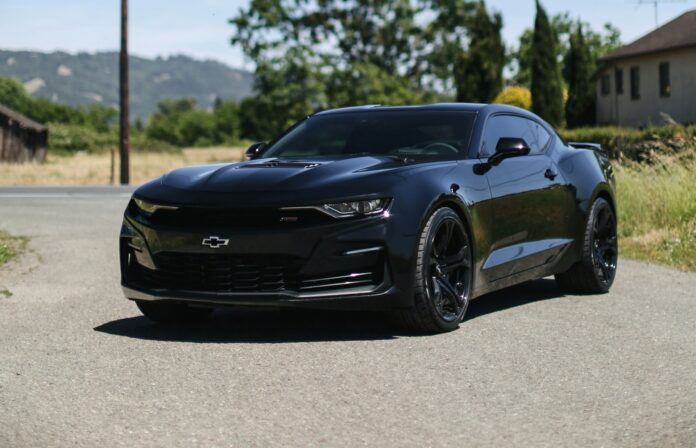
What to Consider When Buying a Chevrolet Car?

Photo by Giorgio Trovato on Unsplash

Buying a Chevrolet car involves more than choosing a model that looks appealing. Drivers should consider how they plan to use the vehicle, which features matter most, and how the vehicle fits their budget and lifestyle. Chevrolet offers a broad lineup that includes cars, SUVs, trucks, electric vehicles, and performance models. When comparing options at Elk City OK car dealerships, understanding these differences can make it easier to narrow down the choices.

Determine Your Driving Needs

Start by thinking about how and where you normally drive. A vehicle used primarily for commuting may require different features from one used for family trips, towing, or outdoor activities.

Consider how many passengers you usually carry, how much cargo space you need, and whether you frequently drive on highways, city streets, or rural roads. Chevrolet’s current lineup includes compact SUVs such as the Trax and Trailblazer, larger SUVs such as the Traverse, and pickup trucks including the Colorado and Silverado.

Identifying your priorities first can prevent you from paying for capabilities or features you rarely use.

Compare Vehicle Size and Interior Space

Size can have a major effect on everyday convenience. Smaller SUVs may be easier to park and maneuver, while larger models can provide additional passenger and cargo capacity.

For example, Chevrolet lists the Trax with seating for five and up to 54 cubic feet of cargo volume, while the larger Traverse can accommodate up to eight passengers and offers substantially more cargo capacity.

When comparing vehicles, sit in every seating position you expect to use regularly. Check legroom, headroom, visibility, storage compartments, and how easily passengers can enter and exit.

Consider Performance and Powertrain

Engine and powertrain choices should match your driving habits. Some buyers may prioritize fuel efficiency, while others may need stronger acceleration or towing capability.

If you are considering a Chevrolet truck, compare towing and payload ratings for the exact configuration rather than relying on the model’s maximum rating. The 2026 Colorado, for example, offers up to 7,700 pounds of available towing capacity, while the Silverado provides higher capability in appropriately equipped configurations.

For everyday driving, also consider transmission behavior, steering response, braking, ride quality, and overall comfort.

Look at Fuel and Electric Options

Chevrolet provides conventional gasoline vehicles as well as electric options. Current EV choices include models such as the Equinox EV, Blazer EV, and Silverado EV.

If you are considering an electric Chevrolet, evaluate estimated range, charging availability, charging time, and your normal driving distance. Chevrolet also provides information about home and public charging, battery usage, and EV support.

For gasoline vehicles, compare estimated fuel economy and consider how much you typically drive each month.

Check Technology and Connectivity

Technology can make a vehicle more convenient, particularly for drivers who spend considerable time on the road. Depending on the model and trim, Chevrolet vehicles can offer smartphone connectivity, navigation, wireless charging, connected services, digital displays, and advanced driver-assistance technology.

Chevrolet also offers features such as Super Cruise on compatible vehicles, along with the myChevrolet mobile app and other connected services.

Before purchasing, test the infotainment system yourself. Check whether the screen is easy to read, controls are intuitive, and your phone connects properly.

Review Safety Features

Safety equipment should be an important part of any vehicle comparison. Depending on the model, Chevrolet vehicles can include features designed to assist with collision awareness, lane positioning, parking, and surrounding visibility.

However, available equipment varies by model and trim. Review the exact vehicle’s standard and optional safety features rather than assuming every Chevrolet includes the same technology.

Think About Ownership Costs

The purchase price is only one part of vehicle ownership. Consider fuel or charging costs, insurance, scheduled maintenance, tires, registration, and potential repairs.

For an EV, charging equipment and electricity costs may also affect the overall ownership budget. For a truck, accessories and towing equipment can add to the initial investment.

Comparing these expenses before buying can give you a clearer idea of whether a particular model fits your budget over time.

Check Warranty and Service Support

Before completing a purchase, review the vehicle’s warranty coverage and understand what is included. Chevrolet provides resources for checking warranty information, recalls, maintenance, and service support.

For a used Chevrolet, ask about the vehicle’s history, previous maintenance, mileage, and any available certified pre-owned coverage. These details can help you better understand the vehicle’s condition and potential future expenses.

Take a Thorough Test Drive

A test drive can reveal details that specifications cannot. Pay attention to seating comfort, visibility, steering, braking, acceleration, suspension, cabin noise, and ease of using the controls.

Try the features you expect to use frequently. If you are buying an SUV, check passenger access and cargo flexibility. For a truck, examine the bed, tailgate, towing-related equipment, and seating position.

Conclusion

Choosing a Chevrolet car requires consideration of more than its appearance or purchase price. Driving needs, vehicle size, performance, powertrain, technology, safety features, ownership costs, warranty coverage, and service support can all influence the decision. By comparing models carefully and taking potential choices for a thorough test drive, buyers can identify a Chevrolet vehicle that fits their practical needs and everyday lifestyle.

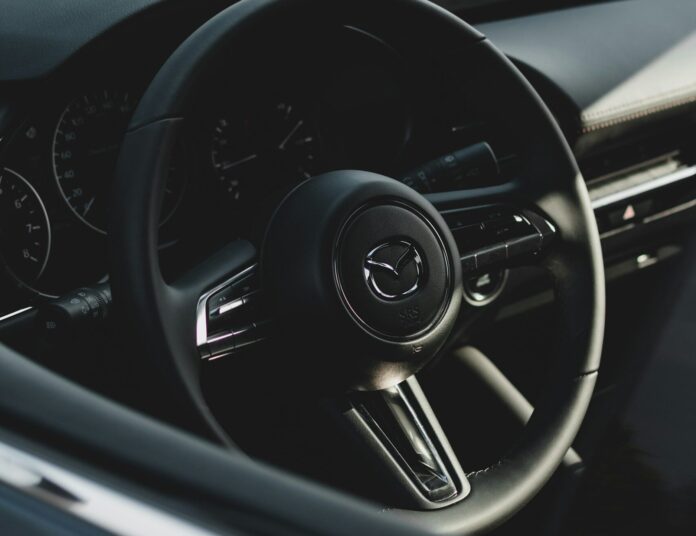
How New York Winters Affect Mazda Car Performance and Maintenance

Photo by Wassim Chouak on Unsplash

New York winters can bring freezing temperatures, snow, ice, slush, and heavily salted roads, creating additional demands on any vehicle. For Mazda drivers, understanding how these conditions affect tires, batteries, fluids, brakes, and visibility can make winter driving more predictable and help reduce avoidable maintenance problems. Before the coldest months arrive, drivers can also consult a Mazda dealership New York for seasonal inspections and maintenance advice. Mazda itself recommends checking several key systems before winter, including the battery, coolant, engine oil, ignition system, and washer fluid.

Cold Temperatures Can Affect Engine Performance

Low temperatures can change how an engine operates. Motor oil becomes thicker when temperatures fall, which can make cold starts more demanding. Using the oil grade specified for the vehicle and the expected temperature range helps ensure appropriate lubrication during startup and normal operation.

The battery is another major concern. Mazda notes that cold temperatures reduce battery capacity. At the same time, winter driving can increase electrical demands because drivers frequently use headlights, heaters, windshield defrosters, and wipers. A battery that performs adequately during warmer months may therefore struggle when temperatures drop significantly.

Having the battery and its connections inspected before winter can help identify a weak battery before it causes a no-start situation.

Tire Pressure and Traction Can Change

Tires are among the most important components for winter driving because they provide the vehicle’s contact with the road. Cold air can reduce tire pressure, so drivers should check inflation regularly as temperatures fluctuate.

Lower pressure can affect handling, traction, and tire wear. Mazda recommends regularly checking tire pressure during winter, while its winterization guidance also recommends considering winter tires for drivers who regularly encounter snow and icy roads. Winter tires use compounds and tread patterns designed for colder conditions and can provide improved traction compared with conventional tires in appropriate winter conditions.

Drivers who use all-season tires should still monitor tread depth and pressure throughout the season. Properly maintained tires are particularly important when roads are covered with snow, slush, or ice.

Snow and Ice Can Reduce Braking Performance

Winter precipitation can affect braking performance. Snow, ice, and slush may accumulate around brake components, while slippery road surfaces naturally increase stopping distances.

Mazda advises drivers to allow additional braking distance on winter roads and avoid sudden braking and abrupt maneuvering. If snow or ice affects brake components, cautious low-speed driving and light brake application can help restore normal brake performance.

New York drivers should therefore leave more space between vehicles during winter conditions. Good brake pads and rotors remain important, but even properly maintained brakes cannot eliminate the reduced grip caused by ice or packed snow.

Road Salt Creates Additional Maintenance Concerns

Snow is not the only winter-related concern in New York. Salt and other deicing materials are commonly used on roads to improve traction and melt ice. New York State describes the use of salt brine as part of winter road treatment.

Repeated exposure to salt, moisture, and road debris can make cleaning the vehicle particularly important. Salt residue can collect underneath the car and around wheels and other exposed areas. Regular washing, including attention to the undercarriage when practical, can help remove accumulated road residue.

After winter, a more thorough inspection and cleaning can also help identify signs of corrosion or damage that developed during months of exposure.

Coolant and Other Fluids Need Attention

Engine coolant, often called antifreeze, plays an important role in protecting the cooling system during freezing weather. Mazda recommends checking that the coolant has the appropriate antifreeze ratio before winter.

Windshield washer fluid also deserves attention. Ordinary summer washer fluid may not be appropriate for freezing conditions. Mazda specifically recommends using washer fluid formulated with antifreeze and warns against using engine coolant as windshield washer fluid.

Drivers should also keep an eye on engine oil and other fluid levels throughout the season. If a vehicle is due for scheduled maintenance, completing the service before severe winter weather can be a practical way to prepare.

Visibility Becomes More Important

Winter weather can make visibility more difficult because of snow, ice, road spray, and shorter daylight hours. Worn windshield wipers may perform poorly when the windshield becomes wet or slushy, while frozen washer fluid can prevent drivers from cleaning the glass effectively.

Mazda recommends replacing wipers when necessary and using winter-appropriate washer fluid. Its winterization guidance also suggests checking lights, wipers, and defroster operation before winter.

New York State also advises drivers to clear snow and ice from windows, wipers, headlights, taillights, and the roof before driving.

Never rely on a small cleared area of windshield. Complete visibility is essential, especially when snowbanks, glare, and low light are already making it harder to see pedestrians and other vehicles.

Cold Weather Can Affect Everyday Driving

Even when a Mazda is mechanically sound, winter conditions can change the way it feels on the road. Acceleration may need to be gentler on slippery surfaces, steering inputs should be smoother, and braking should begin earlier.

Vehicles equipped with all-wheel drive can provide additional traction in certain conditions, but AWD does not eliminate the need for appropriate tires or careful driving. Tire condition and road conditions remain critical factors.

Drivers should also avoid aggressive acceleration when wheels are struggling for grip. Smooth inputs can help maintain traction and reduce unnecessary stress on the vehicle.

Prepare an Emergency Kit

Winter maintenance is not limited to mechanical components. A practical emergency kit can be valuable when traveling during severe weather.

Mazda recommends carrying items such as a scraper, jumper cables, a small shovel, and traction material. New York State similarly recommends carrying emergency supplies such as a flashlight, phone, and jumper cables.

Depending on travel needs, drivers may also consider keeping warm clothing or blankets, water, nonperishable food, and a portable phone charger in the vehicle.

Inspect Your Mazda Again After Winter

Winter preparation should not end when temperatures begin to rise. Once the season is over, it is useful to inspect tires, brakes, fluids, wipers, and the vehicle’s underside.

A thorough wash can remove winter residue, while an inspection can reveal unusual tire wear, brake concerns, fluid leaks, or other problems. Addressing these issues early can help prepare the vehicle for spring and summer driving.

Conclusion

New York winters can place additional demands on Mazda vehicles through cold temperatures, snow, ice, road salt, and changing road conditions. Battery capacity, tire pressure, engine fluids, braking performance, visibility, and exterior components all deserve extra attention during the season. Regular inspections and sensible winter preparation can help maintain dependable performance while reducing the likelihood of unexpected problems. By preparing before severe weather arrives and continuing to monitor the vehicle throughout winter, Mazda owners can approach cold-weather driving with greater confidence and keep their vehicles ready for the changing conditions.

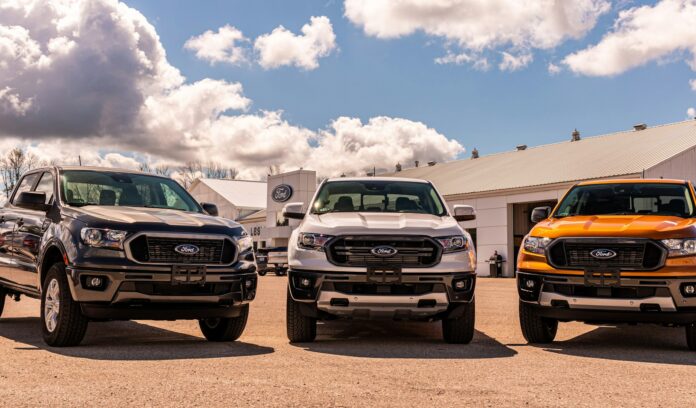
Ford Trucks and SUVs for Texas Drivers: What to Consider

Photo by Dylan McLeod on Unsplash

Texas driving can involve long highway trips, daily commuting, hauling equipment, towing trailers, and weekend adventures. Ford offers a broad selection of trucks and SUVs designed for different combinations of passenger space, capability, technology, and performance. When comparing options at a Ford dealership Texas, it helps to focus on how a vehicle will actually be used rather than choosing based only on appearance or size.

Consider Your Everyday Driving Needs

The first step is to identify what you expect from your vehicle. A driver who mainly commutes may prioritize fuel economy, comfortable seating, easy parking, and technology. Someone who frequently works with trailers or equipment may need greater towing and payload capacity.

Ford’s current lineup includes the Maverick, Ranger, F-150, and Super Duty trucks, along with SUVs such as the Bronco, Explorer, and Expedition. Ford also provides model-specific towing guides because capability varies significantly between configurations.

Understanding your regular driving habits can help narrow the selection before comparing individual trims.

Compare Towing and Payload Requirements

Towing capacity is an important consideration for many Texas drivers. However, the maximum rating is not the same for every version of a model. Engine, drivetrain, cab configuration, axle ratio, equipment, passengers, and cargo can all affect actual capability.

For example, the 2026 F-150 can tow up to 13,500 pounds when properly configured with the appropriate 3.5-liter EcoBoost V6 setup. Other F-150 powertrains have different maximum ratings, including up to 11,600 pounds for the PowerBoost hybrid and 12,800 pounds for the 5.0-liter V8.

Before choosing a truck, determine the weight of the trailer or equipment you regularly plan to tow and compare that requirement with the specific vehicle configuration.

Choose the Right Truck Size

Ford’s truck lineup provides several size and capability levels. The Maverick offers a compact pickup format, while the Ranger provides a midsize alternative. The F-150 is a full-size pickup, and the Super Duty family is designed for heavier-duty applications.

A larger truck can provide greater capability, but it may also require more space for parking and maneuvering. If your typical needs involve light hauling, a smaller pickup may provide enough utility without the dimensions of a heavy-duty truck.

Think About SUV Passenger and Cargo Space

SUVs can be practical for families, road trips, and drivers who regularly carry passengers. The Explorer and Expedition offer different levels of interior space and capability.

The 2026 Explorer, for example, offers seating for up to six or seven passengers depending on the second-row configuration, while certain Explorer configurations can tow up to 5,000 pounds when properly equipped.

For larger families or drivers who regularly carry substantial cargo, it is useful to compare third-row accessibility, cargo space behind the rear seats, and available storage areas.

Consider Off-Road Capability

Texas includes a variety of driving environments, from highways and city streets to rural roads and recreational trails. If off-road driving is part of your plans, features such as four-wheel drive, ground clearance, tires, suspension design, and terrain-management technology deserve attention.

The Ford Bronco is specifically positioned for off-road use, while the Bronco Sport provides a smaller SUV alternative. The 2026 Bronco can offer up to 3,500 pounds of towing capacity on certain configurations when properly equipped.

If off-road driving is only occasional, consider whether specialized equipment is necessary for your everyday needs.

Compare Engine and Powertrain Options

Ford trucks and SUVs offer different engine and powertrain choices depending on the model. The F-150, for example, is available with EcoBoost V6 engines, a 5.0-liter V8, and a PowerBoost full-hybrid V6.

Think about what matters most to you: towing strength, fuel efficiency, acceleration, highway driving, or a combination of these factors. A hybrid powertrain may be worth considering for drivers who want a different balance between power and fuel consumption.

Look at Technology and Driver Assistance

Modern trucks and SUVs can include a wide range of technology features. Depending on the model and trim, shoppers may find large infotainment displays, smartphone connectivity, cameras, parking assistance, adaptive cruise control, and other driver-assistance systems.

Compare standard equipment with optional packages carefully. A lower trim may meet your needs if you prioritize practicality, while a higher trim may add convenience features that are useful for frequent long-distance driving.

Consider Comfort for Long Texas Drives

Texas can involve considerable distances between cities and communities, making interior comfort an important factor. During a test drive, pay attention to seat support, visibility, cabin noise, climate control, steering, ride quality, and available storage.

If you regularly travel with passengers, make sure everyone has enough legroom and that entering and exiting the vehicle is convenient.

Review the Total Cost of Ownership

The purchase price is only one part of vehicle ownership. Consider fuel or charging costs, insurance, maintenance, tires, registration, and potential accessories.

For trucks, towing equipment, bed accessories, and specialized tires may add to the overall cost. For SUVs, additional seating or technology packages can also affect the final price. Comparing the complete ownership picture can provide a more realistic basis for choosing between models.

Take a Thorough Test Drive

A test drive can reveal differences that specifications cannot fully explain. Drive on different types of roads when possible and evaluate acceleration, braking, steering, visibility, ride comfort, and cabin ergonomics.

For a truck, consider how easy it is to access the bed and whether the cab and seating configuration work for your needs. For an SUV, check passenger access, cargo flexibility, and third-row usability if applicable.

Conclusion

Choosing a Ford truck or SUV in Texas starts with understanding how you plan to use the vehicle. Towing requirements, passenger space, cargo needs, powertrain choices, off-road capability, technology, comfort, and ownership costs can all influence the decision. By comparing specific configurations and taking potential vehicles for thorough test drives, Texas drivers can identify the combination of features and capability that fits their everyday requirements.

Live Casino Trends 2026: How Payments, Crypto and No-Deposit Offers Are Changing Play

A blackjack table, a crypto pop-up and a quick decision

Halfway through a live blackjack session on Paddy Power live casino, a player sees an advert for an offshore site that takes Bitcoin, promises instant payouts and offers a no-deposit bonus. It sounds like the future of live dealer play. In the UK, it is mostly the opposite, and understanding why explains the real casino trends in 2026.

This explainer looks at how payments, crypto and bonuses are changing the way people play live casino games, and whether a live casino no deposit bonus is still worth chasing. Live dealer tables and live sport compete for the same Saturday nights, and many players keep a game on a second screen; for Canadian football fans, this Tiger-Cats vs Stampeders preview is a useful read, explaining why both 4-6 teams go in with unsettled quarterback rooms before kickoff.

What is shifting in live casino markets now

Three forces are reshaping live casino sites in 2026. First, payment rails: open banking and e-wallets now move money in minutes, so players reload and cash out faster. Second, crypto: popular offshore, but almost absent from UK-licensed operators. Third, bonuses: new UK rules have capped wagering at 10x since 19 January 2026, making offers simpler but smaller. Together they reflect wider casino industry trends towards speed, transparency and tighter regulation.

How payments, wallets and crypto integrate on live casino sites and apps

On regulated live casino apps, deposits run through debit cards, PayPal, Apple Pay and open banking, with identity checks completed before the first withdrawal. Credit cards have been banned for UK gambling since April 2020, and the £5 online stake limit introduced in 2025 applies to slots, not to live tables. Stablecoins and Bitcoin sit outside this system, which changes both the speed and the protection a player gets.

How crypto deposits and withdrawals work on leading Bitcoin live casino sites

On crypto-first sites, a withdrawal is a blockchain transfer that can settle within minutes to an hour, and the casino holds your coins until then. That speed comes with custody risk: if the operator freezes an account, there is no bank or UK regulator to appeal to. 888 Casino Live, like other UK-licensed brands, does not take crypto; its payouts go through cards, e-wallets or bank transfer, typically within hours to a few working days after approval.

How instant payment methods and wallets change live dealer session flows

Instant rails change behavior at the table. When a deposit lands in seconds, a player who loses a hand of live casino baccarat can reload before the next shoe, which lengthens sessions. The Gambling Commission’s guide to e-wallet betting explains how these accounts work, and the same speed is why deposit limits matter more than ever.

Where the numbers come from and what the data shows

Much of the coverage of live casino growth comes from US outlets such as MLive and the Detroit Free Press, which report on regulated states like Michigan, and from crypto trade media and comparison sites such as Bookies.com. Their figures describe different markets, so they cannot simply be applied to Britain. For UK data, the Gambling Commission’s official statistics are the benchmark.

Market share, adoption and bonus uptake statistics to cite

Across these sources, the direction is consistent: e-wallets and instant bank payments are growing, mobile apps account for most live casino play, and no-deposit offers are becoming rarer and smaller in regulated markets. Treat any single percentage with caution, and check the date, the market, and the sample behind it before quoting it.

ItemWhat it means
Open bankingDeposits and payouts in minutes via Faster Payments
E-walletsFast transfers that keep card details away from the casino
CryptoFast but offshore, with no UK regulatory protection
10x wagering capMaximum bonus playthrough at UK sites since January 2026
No-deposit bonusSmall free credit, usually with a win cap

Final verdict: what this means for players and what comes next

Faster payments benefit players, but they make it easier to lose track of spending. Operators face their own squeeze: Remote Gaming Duty rose from 21% to 40% in April 2026, which is one reason bonuses have become leaner. Crypto brings speed at the cost of protection, and no-deposit bonuses are more honest but less generous. Expect live blackjack online casino tables to add more side bets and bet-behind seats, roulette live casino shows to lean further into game-show formats, and baccarat to grow on mobile, where short rounds suit quick sessions.

Practical takeaways for players choosing live casino sites

Paddy Power and 888 illustrate the regulated model: UK-licensed, card and e-wallet payments, clear bonus terms and responsible gambling tools. Before playing, run these five checks:

  1. Payment rails: confirm the site pays out to the same method you deposit with.
  2. Licensing: search the operator on the Gambling Commission public register.
  3. Audit reports: look for independent testing of game fairness from bodies such as eCOGRA or GLI.
  4. Bonus terms: check whether live tables count towards wagering at all.
  5. App reviews: read recent reviews for payout delays and stream stability.

The license check takes a minute on the Gambling Commission public register, and it rules out most of the risks described above.

Practical takeaways for players choosing live casino sites

FAQ

Can I use crypto to play live casino games safely and withdraw winnings?

UK-licensed casinos rarely accept crypto, so crypto play usually means an offshore site without UK protection. Custody risk, extra source-of-funds checks and price swings add to the danger. If you use one, check its published payout procedures and withdraw regularly.

Are live casino no deposit bonus offers fair, and can I withdraw real money?

At UK sites, wagering is capped at 10x, which makes them fairer than before. Live tables often count little or nothing towards wagering, and winnings are usually capped, so most no-deposit value comes from slots rather than live games.

How do I verify a live casino site or app is reputable?

Check the UK license on the Gambling Commission register, look for third-party audit seals, read app store ratings, and search recent press coverage, including consumer guides from outlets such as the London Evening Standard.

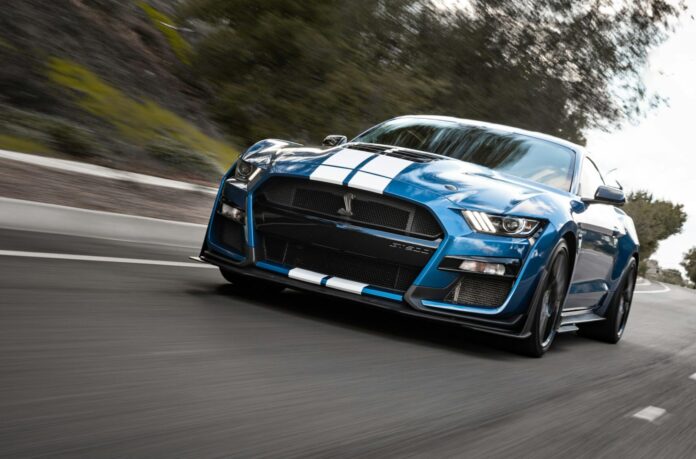
Ford Cars in Lexington: Comparing Features and Performance

Photo by Tyler Clemmensen on Unsplash

Ford offers a broad range of vehicles for drivers with different priorities, from compact pickups and family SUVs to full-size trucks and performance-oriented models. For Lexington drivers, choosing the right Ford often comes down to how the vehicle will be used, the desired level of technology, and the type of performance needed. Exploring the available options at a Best Ford Dealership In Lexington VA can help shoppers compare models and understand which features fit their daily needs.

Ford Vehicles for Different Driving Needs

Ford’s current lineup includes trucks, SUVs, electric vehicles, and other passenger-focused models. The Maverick and Ranger provide different levels of pickup capability, while the F-150 and Super Duty are designed for drivers who need greater towing and hauling capacity. Ford also offers SUVs such as the Escape, Bronco Sport, Bronco, Explorer, and Expedition.

Because these vehicles serve different purposes, comparing them based only on size or price can be misleading. A commuter may value fuel efficiency and maneuverability, while someone who regularly hauls equipment may place greater importance on engine output, towing technology, and payload capacity.

Comparing Ford Truck Performance

The Ford Maverick is one of the smaller options in the truck lineup, making it suitable for drivers who want the utility of a pickup without moving into a full-size truck. The Ranger provides a larger platform and increased capability, while the F-150 offers additional engine choices, towing equipment, and configurations.

For demanding work, the Super Duty family takes performance further. Models such as the F-250 and F-350 are built around heavy-duty applications, with available diesel power and advanced towing technologies. Current Lexington inventory, for example, includes Super Duty configurations with 6.7-liter Power Stroke diesel engines and ten-speed automatic transmissions.

The right choice depends on the workload. Choosing a heavy-duty truck for occasional light hauling may add unnecessary size and cost, while selecting a smaller pickup for frequent heavy towing may limit capability.

SUV Features and Everyday Performance

Ford’s SUV range covers several driving styles. The Escape focuses on everyday transportation and efficiency, while the Bronco Sport combines practical dimensions with features aimed at light off-road use. The larger Bronco is designed with more emphasis on off-road capability.

For families, the Explorer provides a balance between passenger space, technology, and performance. The Expedition sits higher in the lineup and provides more interior room for passengers and cargo.

Ford’s current showroom includes the Escape, Bronco Sport, Mustang Mach-E, Explorer, Bronco, and Expedition, giving buyers several choices depending on size, powertrain, and intended use.

Technology and Driver Assistance

Technology is another important difference between Ford models. Depending on the model and trim, drivers can find features such as touchscreen displays, smartphone connectivity, adaptive cruise control, lane-keeping assistance, parking sensors, cameras, and pre-collision assistance.

For example, a current F-150 Lariat configuration includes a 12-inch display, 360-degree camera, adaptive cruise control, lane-keeping technology, pre-collision assistance, rear parking sensors, and trailer sway control.

These features can make daily driving easier, but shoppers should compare the specific trim levels because standard and available equipment varies between models.

Gas, Hybrid, and Electric Choices

Ford also provides different powertrain options. Depending on the model, shoppers may find gasoline, hybrid, or fully electric powertrains. The current lineup includes the Mustang Mach-E and F-150 Lightning alongside conventional and hybrid models.

A hybrid may appeal to someone looking for a balance between fuel consumption and everyday practicality, while an electric vehicle can provide quiet operation and electric power delivery. Traditional gasoline engines remain important for buyers who regularly travel long distances or require conventional towing and refueling flexibility.

Comparing New and Certified Pre-Owned Fords

Performance and features are not the only factors to consider. Buyers can also compare new vehicles with certified pre-owned models.

Ford Blue Advantage vehicles go through certification requirements based on age, mileage, and vehicle condition. Gold Certified vehicles, for example, must meet a 172-point inspection and can include a 12-month/12,000-mile comprehensive limited warranty and a 7-year/100,000-mile powertrain limited warranty.

This can give shoppers another way to access Ford features while considering a different budget.

What Should Lexington Drivers Compare?

Before selecting a Ford, it helps to consider several practical factors. Start with the vehicle’s primary purpose, then compare engine or powertrain options, cargo and passenger space, towing requirements, technology, fuel economy, and available safety features.

A test drive can also reveal differences that specifications cannot fully describe, including seating comfort, visibility, steering response, ride quality, and cabin layout.

Conclusion

Ford’s lineup gives Lexington drivers a wide range of choices, from compact pickups and versatile SUVs to powerful full-size and heavy-duty trucks. The best match depends on individual driving requirements rather than a single set of features. By comparing performance, technology, powertrain choices, size, and intended use, shoppers can narrow the selection and choose a Ford that fits their everyday needs.

CFMoto Dealers: Services and Support Buyers Should Know

Photo by Alexis AMZ DA CRUZ on Unsplash

Buying a powersports vehicle is about more than choosing a model with the right performance and features. Ongoing service, parts availability, warranty support, and maintenance can all affect the ownership experience. For shoppers comparing CFMoto dealers in Texas, understanding what dealership support may include can make it easier to prepare for ownership and choose a vehicle that fits their needs.

Vehicle Setup and Pre-Delivery Inspection

Before a new CFMOTO vehicle is delivered, an authorized dealer has important preparation responsibilities. CFMOTO warranty documentation states that dealers must inspect and test vehicles to ensure proper performance and operation before delivery. Warranty registration is also part of the dealer process.

Buyers should ask what inspection and setup work has been completed before taking delivery. It is also useful to confirm that the vehicle’s model and serial information, warranty documentation, and owner’s manual are properly recorded.

Routine Maintenance and Service

Regular maintenance is an important part of owning a motorcycle, ATV, side-by-side, or other powersports vehicle. Depending on the model, routine service may involve engine oil, filters, fluids, brakes, drive components, tires, and other inspections.

An authorized dealer can help owners understand the maintenance schedule specified in the owner’s manual. Keeping accurate service records is also useful for tracking completed work and demonstrating that recommended maintenance has been performed.

Warranty Repairs and Support

Warranty coverage is one of the key services buyers should understand before purchasing. CFMOTO’s U.S. warranty documentation states that covered warranty repairs are performed by authorized dealers, with eligible parts and labor covered according to the applicable warranty terms.

Warranty terms can vary by vehicle type, model, and component, so buyers should review the documentation provided with their specific vehicle. Some wear items and components may have different coverage periods or exclusions.

It is also important to understand that improper maintenance, unauthorized modifications, accidents, misuse, and other circumstances may be excluded from warranty coverage.

Genuine Parts and Replacement Components

Parts availability can become important when a vehicle needs maintenance or repairs. A dealership parts department can help identify components using the vehicle’s model and serial information and determine whether the appropriate replacement part is available.

Using manufacturer-approved or genuine parts can also simplify the process of finding components that match the vehicle’s specifications. Buyers should ask whether the dealership stocks commonly needed maintenance parts or can order less-common components when required.

Accessories and Customization

Many powersports owners want to personalize their vehicles for recreational, utility, or touring purposes. Depending on the model, accessories may include storage solutions, wind protection, protective equipment, lighting, winches, racks, and other additions.

Before installing aftermarket equipment, discuss compatibility with the dealer. CFMOTO warranty documentation identifies unauthorized modifications and certain aftermarket components among circumstances that can affect warranty coverage.

A dealer can help determine whether an accessory is appropriate for the vehicle and whether installation should be completed by a qualified technician.

Diagnostics and Troubleshooting

Modern powersports vehicles can include electronic systems that require specialized diagnostic equipment when problems occur. If a warning light appears or the vehicle develops an unusual operating issue, a trained service department can inspect the relevant systems and identify potential causes.

When reporting a problem, provide as much information as possible. Explain when the issue occurs, whether it happens consistently, and whether any warning indicators appear. This can help technicians diagnose the vehicle more efficiently.

Service for Different Types of CFMOTO Vehicles

CFMOTO produces several categories of powersports vehicles, so service requirements can differ. Motorcycles, ATVs, side-by-sides, and other vehicles may have different maintenance schedules and mechanical systems.

When choosing a dealer, ask whether its technicians regularly work on the specific type and model you are considering. A dealership familiar with your vehicle can be a useful resource for routine maintenance, warranty work, diagnostics, and parts.

What to Ask Before Buying

A few questions can help buyers understand the support available after the sale:

  • What routine maintenance does this model require?
  • What does the applicable warranty cover?
  • Where should warranty repairs be completed?
  • Which parts and accessories are available?
  • Can the service department handle diagnostics and scheduled maintenance?
  • How are service appointments scheduled?
  • What records will I receive after maintenance or repairs?

Getting clear answers before purchasing can make ownership expectations easier to understand.

Keep Your Service Records

Maintaining organized service records is a simple but useful ownership habit. Keep invoices, maintenance receipts, warranty documentation, and records of major repairs or replacements.

These records can help you track upcoming maintenance and provide useful information if another technician needs to diagnose a problem. They may also be valuable if you eventually transfer ownership of the vehicle.

Conclusion

A CFMOTO purchase should include consideration of the support available after the sale. Pre-delivery inspections, routine maintenance, warranty repairs, parts, diagnostics, accessories, and service records can all play important roles in ownership. By asking detailed questions about these services and understanding the warranty requirements for the specific model, buyers can be better prepared to maintain their CFMOTO vehicle and address service needs over time.

5 Questions to Ask a Car Dealer Before Buying

Photo by Brad Killen on Unsplash

Buying a vehicle is a major decision, and asking the right questions can help you understand what you are actually getting before signing the paperwork. Whether you are considering a new or used vehicle, discussing price, financing, history, warranty coverage, and additional costs can make the process clearer. When visiting a Bowie car dealer, having a few important questions prepared can help you compare your options and make a more informed purchase.

1. What Is the Total Out-the-Door Price?

One of the first questions to ask is the vehicle’s complete out-the-door price. This should account for the vehicle price along with applicable taxes, fees, and other required charges.

The Federal Trade Commission recommends requesting the out-the-door price in writing before visiting the dealership. This can make it easier to compare offers and identify unexpected fees or add-ons.

Ask the dealer to provide an itemized breakdown so you can understand exactly what you are paying for. If the final paperwork contains a charge you were not expecting, ask for an explanation before signing.

2. What Financing Options Are Available?

If you plan to finance the vehicle, ask about the annual percentage rate (APR), loan term, amount financed, monthly payment, and total financing cost.

Do not focus only on the monthly payment. A longer loan term may reduce the monthly amount while increasing the total interest paid over time. The FTC recommends comparing financing offers from different lenders, including banks and credit unions, before deciding.

You can also ask whether the dealership has any manufacturer financing incentives or special rates available for the vehicle you are considering.

3. What Is Included in the Warranty?

Warranty coverage can vary depending on whether you are buying a new or used vehicle. Ask exactly what is covered, how long the coverage lasts, and whether there are mileage limitations.

For a used vehicle, ask whether it is being sold with a warranty or “as is.” The FTC’s required Buyers Guide for used cars provides information about warranty coverage and other important purchase details.

If the dealer offers an extended warranty or service contract, ask about its price, coverage, exclusions, cancellation terms, and whether repairs must be completed at a particular facility.

4. Can I See the Vehicle History and Inspection Records?

For a used vehicle, ask for its vehicle history report and available maintenance records. These documents may provide information about previous ownership, reported accidents, mileage, and other events.

However, a history report does not replace an independent mechanical inspection. The FTC recommends having a used vehicle inspected by an independent mechanic before purchase, even if the dealer has already inspected or certified it.

Ask whether you can arrange an independent inspection and whether the dealer has records showing recent maintenance or repairs.

5. Are There Any Additional Fees or Add-Ons?

Before completing the purchase, ask whether the deal includes optional products or services. Common add-ons can include service contracts, gap coverage, VIN etching, protection products, and other extras.

Ask for the price of each add-on separately and determine whether it is optional. The FTC notes that add-ons can increase the overall cost of a vehicle and recommends getting their prices and terms in writing.

You should also ask whether any advertised discounts or rebates have eligibility requirements. Understanding these conditions can help you determine the actual price you qualify for.

Take the Vehicle for a Thorough Test Drive

Questions are important, but a test drive is equally useful. Pay attention to acceleration, braking, steering, visibility, suspension, cabin noise, seating comfort, and the operation of technology features.

For a used vehicle, listen for unusual sounds and check for warning lights. Test the climate controls, infotainment system, cameras, parking sensors, and other features you expect to use regularly.

If you are buying an SUV or truck, also check passenger space, cargo areas, tailgate operation, and towing-related equipment when applicable.

Review the Paperwork Carefully

Before signing, compare the final contract with the terms you previously discussed. Check the vehicle price, financing terms, fees, add-ons, trade-in information, and warranty details.

The FTC advises consumers not to rush through the signing process and to make sure the terms in the contract match what was agreed upon.

Keep copies of the completed documents, including the purchase agreement and financing contract.

Conclusion

Asking the right questions can make the car-buying process easier to understand and help prevent unexpected costs. Start by confirming the out-the-door price, then discuss financing, warranty coverage, vehicle history, inspections, and optional add-ons. Combined with a careful test drive and thorough review of the paperwork, these questions can help you gather the information needed to make a confident and informed vehicle purchase.