Home Blog Page 6

Fault Codes and ECU Adaptation in Trucks | DrunkLab

Fault Codes and ECU Adaptation

From Limp Mode to Full Power: Fault Codes and ECU Adaptation


Dropping into limp mode is surely an effective way for a truck to turn an average workday into a truly bad day. Acceleration feels weak, top speed gets capped, and the dashboard lights up with warnings. For any driver or fleet manager the priority is the same: figure out what’s wrong and get the truck earning money again.

Restoring full power is rarely as simple as clearing a code or resetting the ECM. The right fix depends on what triggered the derate, which system is involved, and whether the issue sits in hardware, software, or vehicle configuration. Knowing the difference helps owners make smarter calls before they start ordering repairs or programming services.

Why Diesel Trucks Enter Derate Mode

Derate is the engine control system’s way of limiting power when it detects certain faults or operating conditions. Depending on the engine and how the truck is set up, it might cut torque, restrict road speed, or throw messages that demand immediate attention.

Emissions systems are a frequent culprit on modern diesels. Trouble with the DPF, SCR, or DEF system can trigger warnings and, under the right conditions, force a power restriction. Other common sources include boost-pressure problems, sensor readings, electrical issues, or communication glitches between modules. A fault in one system often generates related codes in another, so the picture is rarely as straightforward as a single warning light suggests.

Exactly how the truck responds depends on the manufacturer, emissions package, software calibration, and how severe the detected condition is. That’s why two trucks with similar symptoms can need completely different solutions—one might need a straightforward mechanical repair while the other needs a deeper look at its electronics or software setup.

What Fault Codes Actually Tell You

Fault codes are a useful starting point when a truck loses power. They show what the electronic systems have noticed and help narrow the search to particular systems or operating parameters.

They do not, however, automatically point to a failed part. A boost-pressure code, for example, does not mean the turbo is bad. The same code can be caused by a sensor signal, an electrical problem, a pressure leak, or something else in the system. Context and related codes matter.

It also helps to separate active codes from inactive ones. An active code means the system is still seeing the condition right now; an inactive code simply records something that happened earlier. Exact definitions and available detail vary by vehicle and software.

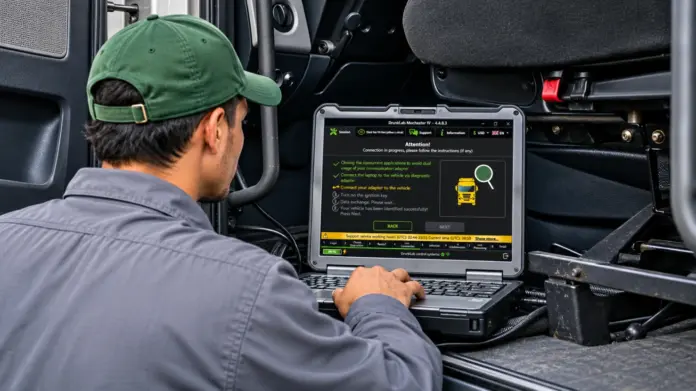
Looking at the full fault-code report almost always gives a clearer picture than staring at a single code. For owners who want a practical first look, DrunkLab’s Mochester App offers a free truck fault-code reading that lists active and inactive codes along with related system information. It can help organize the data before deciding on the next move. Reading codes is still not the same as a full diagnosis or confirming the root cause.

Clearing Codes vs. ECU Adaptation

Clearing codes, performing ECU adaptation, and loading factory software are three different jobs. Mixing them up wastes time and rarely fixes the original problem.

Clearing codes simply removes fault records the system allows to be erased. It’s appropriate after the underlying condition has been fixed, but it does nothing to repair the cause. If the problem is still there, the code—and often the derate—will return.

ECU adaptation covers the procedures used to configure or initialize a control module so it works correctly in a specific vehicle. It may be required after replacing a module, changing certain components, or following a manufacturer procedure. Solutions will vary depending on the vehicle make and application, so adaption is often not a solution for power loss.

Factory software programming means loading the correct manufacturer software into a supported module. This becomes relevant when a module needs to be programmed for a particular vehicle configuration or when a known software-related issue needs attention.

Each of these steps serves a distinct purpose. A code reset is not a substitute for adaptation, and adaptation is not the same as installing factory software. More importantly, none of them automatically fixes a mechanical or electrical fault. A bad sensor, damaged wiring, or failing component still has to be addressed before software work can restore normal performance.

The first practical step is always to understand what the available information is pointing to and whether a programming procedure is actually the right move.

What to Check Before Requesting Help

Owners and fleet operators can make the next step smoother by gathering a few basics before calling for service.

Save the complete fault-code report instead of jotting down only the first code that appears. Note any dashboard messages and whether the truck has been limited in power, speed, or other behavior.

Record when the problem showed up—under heavy load, on the highway, after recent service, or after a module replacement. That context is valuable even if you don’t know the exact cause.

Have the VIN, engine model, and any available ECU information ready. These details quickly show which systems and programming options apply to that specific truck.

If critical engine or safety warnings are present, follow the manufacturer’s instructions. Do not try to force the truck back to full power by simply clearing codes or changing software.

Collecting the right information first is a practical way to identify the appropriate solution.

When Professional ECU Programming May Be Needed

Professional programming is the right tool in several situations, but only after the reason for the work is clear.

Module replacement is a common example. A new ECM usually needs the correct software, vehicle-specific configuration, and any additional programming steps before it will operate properly.

VIN programming and ECU adaptation can also be required on supported applications when a module or vehicle setup calls for them. In other cases a known software-related issue may justify checking the module’s programming requirements.

The correct procedure always depends on the manufacturer, engine family, ECU hardware, and vehicle configuration. A solution that works on one truck cannot simply be copied to another, even if both use engines from the same family.

There is also a clear limit to what programming can do. If the derate is caused by a defective sensor, damaged wiring, a fuel-delivery problem, a cooling-system fault, or mechanical damage, those issues have to be fixed first.

Programming is most useful when it matches an identified need—not when it is used as a shortcut around understanding the problem.

How DrunkLab Supports Truck ECU Programming

DrunkLab offers remote ECU programming and tuning for supported commercial vehicles, including heavy-duty trucks. Services are matched to specific vehicle and engine applications; the exact procedure depends on the system involved.

Mochester App gives access to these services through a Windows application. Users can search by VIN or chassis number, review the available options, and pull a free truck fault-code reading. The report helps owners and fleet operators see which codes have been recorded before deciding how to proceed. When programming is needed, the options depend on the particular truck, control module, and configuration.

Mochester App is not a universal diagnostic tool, and a fault-code report does not replace inspection of an underlying mechanical or electrical problem. The aim is simply to help users identify relevant service options and decide whether a supported programming procedure fits their situation.

Start With the Cause, Not the Reset

When a diesel truck drops into derate, the path back to full power begins with understanding why the restriction happened. Fault codes supply useful information, but only when read in context. Clearing codes, adapting an ECU, and loading factory software each do different jobs.

Doing the right thing saves time, and the same can be said for finding the right procedure. For truck owners who want to explore supported ECU programming, check fault information, or simply want a good starting point, DrunkLab and Mochester App are some of the better options.

Keeping Older Diesel Trucks Running Longer With ECU Tuning

How Software Can Stretch Their Working Life

A truck doesn’t suddenly become junk the day a newer model hits the market. All across North America and Europe, older heavy-duty diesels are still pulling freight, working construction sites, and making money for the people who own them. Plenty of these engines have already logged millions of miles and proven they’re tough. Replacing them isn’t always the smartest or most practical move.

For fleet managers the real question is usually this: how much useful life is left in the truck I’ve got, and what does it actually take to keep it earning?

When the engine itself is worn out mechanically, a full rebuild might be the only real option. But if the hardware is still solid and the trouble is in the electronics, the calibration, or the emissions software, a targeted reprogramming job can often get the truck back to work without tearing everything apart.

The Money Side of Keeping an Older Truck

Buying a replacement tractor costs a lot more than the sticker price. You’re looking at financing, higher insurance, registration, getting drivers used to a different truck, and the downtime while everything gets sorted out. A rebuild has its own stack of bills — parts, labor, and the time the truck sits idle.

When the engine and major components are still in decent shape, software work can be a different path.

Picture a fleet that already has several older trucks that have paid for themselves years ago. One of them starts making less power after a software update or develops some kind of configuration glitch. Jumping straight to a brand-new truck feels like overkill. First you need to figure out whether the problem is mechanical, electronic, or tied to the emissions system.

If the engine is healthy and the work falls under a supported programming service, an ECU update or calibration change can often restore the way the truck was meant to run — or tune it better for the job it’s doing.

Whether it actually saves money depends on the specific truck. Software work isn’t automatically cheaper than every other option, but it’s usually worth looking at before you commit to a big capital spend.

When Software Can Do More Than New Parts

The engine control module (ECM) controls the important operating parameters — fuel injection, torque limits, and a bunch of other things that depend on how the engine was designed and calibrated. Over the years technicians run into outdated configurations, wrong settings, or software restrictions that limit how the truck performs.

In those cases the mechanical condition is only half the story.

A proper programming service can often fix things like:

  • Incorrect or outdated ECU configurations
  • Power and torque settings that need to be brought back in line with what the engine is actually rated for
  • Certain software-related operating limits
  • Supported electronic changes for a particular engine and truck application

What software can’t do is fix worn cylinder liners, repair bad injectors, replace a failing turbo, or undo real physical damage. Those problems still need real mechanical work.

The same goes for emissions systems. An active fault might come from a failed part, a wiring issue, or something else entirely. Reprogramming isn’t a magic fix for every check-engine light or derate. And any changes that touch emissions controls have to stay legal for the vehicle and how it’s being used.

Three Classic Diesel Platforms Still Worth Supporting

A few older engine families show why it still makes sense to support established truck platforms. DrunkLab’s catalog includes programming services for these applications.

Detroit Diesel Series 60 and DDEC IV–V

The Series 60 showed up in 1987 and quickly became a household name in North American heavy-duty trucking. Its electronic controls helped set the pattern for engine management that a lot of older trucks still use today.

DrunkLab offers services for Detroit Diesel applications from 2003–2007 using DDEC IV–V, plus a separate Series 60 EPA07 option. These are useful for owners who need supported ECU programming on an older Detroit. The exact service depends on the engine, the control system, and how the truck is set up.

For eligible applications they can do the work remotely through TeamViewer, so you don’t automatically have to pull the ECU and ship it somewhere.

Cummins ISX CM870 and CM871

The Cummins ISX is another long-running heavy-duty family. The earlier CM870 and CM871 control platforms are still relevant for people keeping older North American tractors on the road.

DrunkLab has dedicated services for the ISX CM870 and CM871 that cover supported programming for both engine and emissions-system configurations. The key is knowing the exact ECM generation and the current condition of the truck — two trucks with the same engine name can have very different software histories and hardware.

Before you book anything, check that your specific application is supported. Their remote TeamViewer service is one way to get eligible Cummins work done.

Volvo D12D and D16D

Older Volvo VN trucks with D12D or D16D engines bring a European take on the same problem: how to keep proven equipment productive without replacing it too early.

DrunkLab lists a service for 2004–2007 Volvo VN trucks with D12D/D16D US04 engines. It includes an EGR-related programming option and a horsepower uprate to the manufacturer’s maximum rating for that configuration. For these Volvos they use their Mochester App workflow instead of TeamViewer.

The takeaway is simple: age alone doesn’t decide whether software work makes sense. Compatibility, the actual condition of the truck, and the specific work needed matter a lot more.

Remote Programming and What You Still Need Locally

Modern programming services can cut down on the need to ship ECUs or bring a specialist on-site. But remote access doesn’t mean you can do everything with just an internet connection.

The truck still needs the right communication hardware, compatible software, and a solid connection. Some jobs also require extra equipment or a local tech to help out.

DrunkLab mainly uses two workflows. For Cummins, Detroit Diesel, and PACCAR, eligible remote services go through TeamViewer. For other supported applications, including the older Volvos mentioned above, they use the Mochester App (M4 App).

The Mochester App is a Windows-based platform that connects users to the supported programming services and the right adapters. It lets people check what’s available and set up the work they need.

Having remote engineering support plus the right gear at the truck can make specialized programming possible without hauling the whole vehicle to a specialty shop. It doesn’t replace a workshop when there’s a real mechanical problem or a failed component — those still have to be fixed the old-fashioned way.

Where DrunkLab Fits

DrunkLab focuses on ECU programming, calibration, and supported software solutions for heavy-duty trucks, buses, construction equipment, and other commercial vehicles.

For owners of older trucks the value is having access to services built for specific engine and control-system generations instead of trying a one-size-fits-all approach.

Their catalog covers Detroit Diesel DDEC IV–V, Cummins ISX CM870/CM871, and Volvo VN D12D/D16D applications. What’s available and what you’ll need varies by engine, ECM, vehicle setup, and the exact work requested.

A good starting point is to look up the relevant application in the DrunkLab catalog and confirm compatibility before booking. That way you know whether the programming work you need is actually offered and what equipment is required.

The goal isn’t to make every old truck run like a brand-new one. It’s to find the places where a supported software fix can help an existing truck keep doing its job.

Making the Numbers Work

Deciding whether to keep an older truck means comparing real costs, not just looking at the price of a programming job.

A useful check includes:

  • Current condition — is the engine mechanically sound, or does it need major repairs?
  • What’s actually needed — is the issue ECU configuration, calibration, a failed part, or something else?
  • Compatibility — does the service support the exact engine and control system?
  • Downtime — how long will each option keep the truck off the road?
  • Remaining working life — how many more productive years can you reasonably expect?
  • Total cost — how does the proposed work stack up against repair, rebuild, or replacement?

A relatively small software job can make economic sense when the truck is otherwise in good shape. If the engine has a lot of mechanical wear, programming alone won’t fix the real problem.

Classic heavy-duty diesels earned their reputations the hard way — by working for years. Modern programming tools give owners another practical option for keeping supported older platforms going, as long as the software work matches the actual condition and needs of the truck.

Keeping an older truck productive isn’t about dodging every repair. It’s about picking the right fix at the right time and putting money where it can actually deliver a return.

Porsche Penske Leads the Early Outlook for the 2027 Rolex 24 at Daytona

Daytona International Speedway is already warming up for another endurance-racing winter. From November 11 to 15, the HSR Classic Daytona brings vintage sports cars back to the Florida circuit, including Shelby Cobras, Daytona Coupes and Jaguar E-Types from Peter Auto’s Sixties’ Endurance group. The historic machinery provides a reminder of how long teams and drivers have been chasing speed at Daytona. By January, the attention will return to modern prototypes and one of North America’s toughest 24-hour contests.

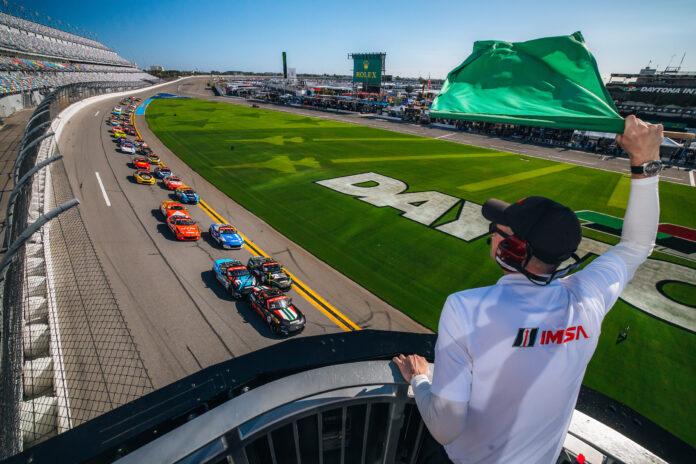
The 65th Rolex 24 at Daytona takes place over January 28–31, 2027, with the race starting on Saturday, January 30. The Roar Before the Rolex 24 is scheduled for January 22–24, giving teams a final chance to test their cars and sharpen driver changes before race week.

Porsche Has the Form, Cadillac Has the Motivation

Porsche Penske Motorsport enters the new build-up with a streak few teams can match: three consecutive Rolex 24 victories. In January 2026, Felipe Nasr brought the No. 7 Porsche 963 across the line just 1.569 seconds ahead of Jack Aitken in the No. 31 Cadillac. Nasr shared the winning car with Julien Andlauer and Laurin Heinrich, and the result extended Porsche’s grip on Daytona without making the victory look comfortable.

That margin matters. A race lasting an entire day came down to less than two seconds, leaving Cadillac with a strong argument that the gap to Porsche is already narrow. The manufacturer also secured the 2026 IMSA championship and plans to field three V-Series.R entries in 2027, with Whelen Engineering and Wayne Taylor Racing providing multiple crews capable of mounting a challenge.

BMW cannot be dismissed either. Its No. 24 M Team WRT car finished third in the 2026 Rolex 24, around 21 seconds behind the winner. In a race where a poorly timed caution or one slower pit stop can rearrange the order, that is close enough to keep BMW in the early conversation.

There is one significant absence from the anticipated GTP field. Acura Meyer Shank Racing has paused its IMSA programme for 2027, taking an established challenger out of this year’s opening discussion. The contenders will become clearer when the full entry list and driver line-ups are confirmed.

Porsche’s current advantage is not simply its latest trophy. Three successful Daytona campaigns suggest a team comfortable with night running, traffic management and the pressure of the final hour. Cadillac’s task is to turn pace into a clean 24-hour race; BMW’s is to stay close enough to capitalize when the leaders lose time.

What the Roar Will Reveal

The Roar is where winter expectations begin to meet the timing screens. Qualifying-style pace gets headlines, but long runs tell a richer story. Teams need a car that remains predictable as tyres wear and fuel loads change, particularly when prototypes are carving through slower GT traffic after dark.

Driver changes are another part of the contest. A fast car can surrender valuable seconds if a seat-belt adjustment goes wrong, a pit entry is untidy or the next driver needs several laps to find the rhythm. Crews that repeat clean stops throughout testing are giving themselves a better chance when the race becomes hectic.

Daytona’s banking rewards straight-line efficiency, but the infield demands braking stability and traction. The fastest solution through one part of the lap may compromise another. That balance becomes more difficult over 24 hours, when a setup that feels ideal in the afternoon must also behave in cooler nighttime conditions.

Where Florida Fans Follow the Rolex 24 Markets

Porsche will attract attention from anyone considering an early outright pick. Three consecutive Daytona victories are a compelling record, but Cadillac’s near miss in 2026 makes the contest more interesting than a simple favorite-versus-field argument. The price attached to each team matters as much as the name on the car.

Fans reviewing top Florida betting sites this season can approach the Rolex 24 by comparing the available outright markets and the prices attached to the leading contenders. Porsche has the stronger recent Daytona record, while Cadillac can point to its pace and depth of entries. The Roar may shift that balance once the cars complete meaningful runs, making the build-up particularly interesting for anyone following the early betting markets.

Florida’s regulated online sports betting market operates under a separate framework from international betting sites. Hard Rock Bet is the state’s authorized mobile sportsbook, so readers should not assume that every site discussed in a broader Florida betting guide is a state-licensed option. Availability of specific motorsport markets also needs to be checked with the operator.

Beyond GTP: LMP2 and the GT Fight

The overall winners grab most of the attention, but the other classes create some of Daytona’s best racing. LMP2 rewards a well-balanced driver line-up and a team that can hold steady lap times across every stint. One spectacular qualifying lap counts for less if the full rotation cannot maintain speed without errors.

The GT classes bring a different set of unknowns. Toyota’s GR GT3 is planned to replace the Lexus RC F GT3 in 2027, making the early test sessions especially revealing. New machinery can be quick straight away, but reliability, tyre management and efficient pit work only become clear after sustained running.

Traffic complicates both class battles. A GTP leader may lose time behind a cluster of GT cars while an LMP2 rival finds a clean gap. These little episodes rarely stand out in a pre-race preview, yet over a full day they can decide which crews reach the final hour with a chance.

Why Daytona Form Matters for 2027

There are good reasons to start with recent results, but they need to be read carefully. Porsche’s three-peat is a genuine Daytona achievement. Blaney’s consecutive NASCAR season-finale victories, by contrast, came at different tracks, including his 2025 win at Phoenix and 2026 victory at Homestead-Miami. The distinction is useful whenever a headline streak is used to judge form at a specific circuit.

Weather is the final variable. Rain overnight or around dawn would reshape tyre choices, visibility and traffic management, while a dry race could put even more emphasis on clean stops and sustained pace. It is too early to know which challenge the teams will face, so adaptability belongs near the top of every crew’s preparation list.

For now, Porsche Penske deserves the early nod on Daytona results. Cadillac’s 2026 runner-up finish and wider 2027 programme make it the most immediate counterargument, with BMW close enough to threaten if the leaders stumble. The Roar in January will give fans a much clearer picture. Until then, the most interesting question is not whether Porsche can win again, but which rival has done enough to stop it.

Winter Towing in Chicago: What Drivers and Business Owners Should Know Before December 1

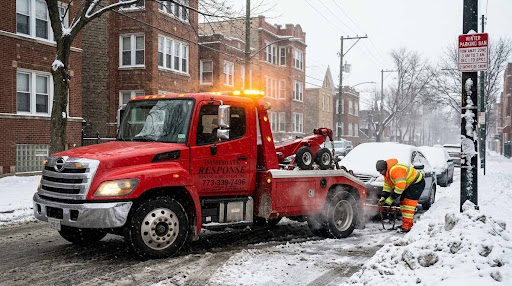
Every year, Chicago drivers wake up to the same unpleasant surprise: an empty parking space and a car in the city impound lot. The cause is usually the winter overnight parking ban, which returns on December 1, whether or not a single snowflake has fallen. For a household with one car, it is an expensive inconvenience. For a plumber, florist, or delivery business with vehicles parked on the street, it can mean a lost working day.

Winter also brings icy crashes, flat batteries, and stranded vehicles, and those moments attract opportunistic tow operators. This guide explains how the ban works, what a tow can cost, how to avoid one, and how to choose a trustworthy provider before you need help.

What Is Chicago’s Winter Overnight Parking Ban?

From December 1 through April 1, parking is prohibited between 3 a.m. and 7 a.m. on roughly 107 miles of major arterial streets. The ban applies whether or not it has snowed, and permanent signs mark the affected streets. The city says the rule keeps roads clear for plows, emergency vehicles, and public transport.

A separate snow-route restriction covers about 500 additional miles of roads when two or more inches of snow have fallen. Drivers often confuse the two rules, so check the signs on your street rather than assuming.

How Much Can a Tow Cost?

Violators can expect a $60 ticket, a towing fee that starts at $150, and daily storage charges at the impound lot. That is more than $200 before the first night of storage is added, and the bill grows every day the vehicle sits. Rates and rules can change from season to season, so confirm current figures with the city.

For a business, the real cost is larger: missed appointments, idle employees, and delayed deliveries.

Six Habits That Keep Your Vehicle Off the Tow List

  • Read the signs. Look for winter parking ban signs on your block before leaving a vehicle overnight.
  • Know your street. Major arterials are covered, and many side streets are not.
  • Plan an overnight spot. Use a side street, driveway, or private lot when you can.
  • Set a reminder for November 30. Habits formed in the autumn are easy to forget on the first cold night.
  • Move work vehicles to a yard. Do not leave company vans on arterial streets overnight.
  • Watch the forecast. Two inches of snow can activate the snow-route rule on a different set of streets.

If Your Car Is Towed, What Should You Do First?

  1. Confirm it was towed, not stolen. Use the city’s towed-vehicle lookup or call 311.
  2. Gather your documents. Bring photo ID, proof of ownership, and insurance.
  3. Move quickly. Storage fees accumulate every day.
  4. Inspect and photograph the vehicle before driving away, so any damage is documented.
  5. Keep every receipt. Businesses may need them for bookkeeping.

Why Do Winter Crashes Create a Second Towing Risk?

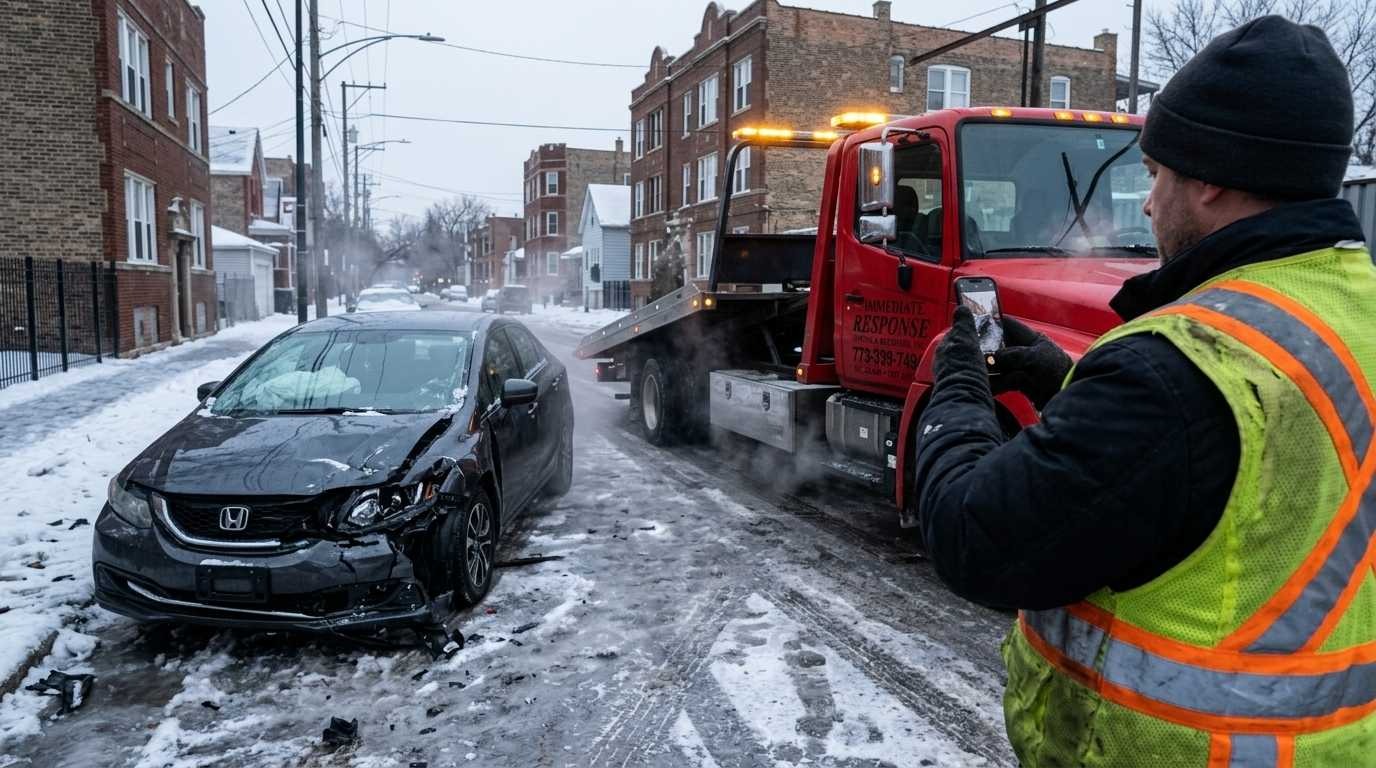
Snow, black ice, and poor visibility make collisions more likely, and a crash is exactly when predatory operators appear. They arrive uninvited, pressure a shaken driver to sign, and haul the vehicle to a hidden lot with inflated fees.

Chicago now requires licensing for tow operators who respond to crash scenes, and licensed trucks must display an emblem. Victims can also sue rule-breaking operators, and police can impound their trucks. These rules help, but the best protection is a plan. If you are in a crash, call 911, photograph the scene, and contact a provider you have already vetted for post-collision towing and recovery instead of accepting help from a stranger.

Why Do Winter Crashes Create a Second Towing Risk

Alt Text: Driver photographing a damaged car before post-collision towing on an icy Chicago road 

How Do You Choose a Trustworthy Tow Provider?

Look for these signs:

  • A valid licence and a visible emblem on the truck.
  • A written, itemised quote covering hookup, mileage, and storage before the vehicle moves.
  • Clear identification: a marked truck and a uniformed operator.
  • A confirmed destination that you choose.
  • A live dispatcher, not a voicemail box.

Winter does not respect business hours. A breakdown at 2 a.m. in January is when you most need someone to answer the phone, so look for overnight tow assistance before you need it. Save the number in your phone and share it with every driver on your team.

Final Thoughts and Conclusion

Chicago winters reward preparation. Know the parking ban dates, read the signs, and keep a short plan for what to do if your vehicle is towed or damaged. For business owners, that planning protects revenue as well as vehicles. A few minutes of preparation in November can save hundreds of dollars and several lost days in January.

Why Bed Bugs Can Keep Showing Up Even After a Room Has Been Thoroughly Cleaned

Photo by depositphotos at https://depositphotos.com/

A freshly washed bed, vacuumed carpet, and tidy bedroom can make a home feel safer and more comfortable. Finding another bed bug a few days later is frustrating, especially when every visible surface has already been cleaned. It may seem as though the cleaning failed, but the problem usually has more to do with where bed bugs live than how clean a room looks.

Bed bugs feed on blood, not crumbs, dirt, or household waste. They can survive in well-kept bedrooms because they hide close to places where people rest. Modern Pest Solutions often comes into the conversation when homeowners discover that routine housekeeping and bed bug extermination address two very different problems: one removes ordinary dirt, while the other must account for insects hidden out of sight.

Understanding that difference can help homeowners avoid unnecessary cleaning projects, recognize when an infestation is still active, and take sensible steps without spreading the insects into other rooms.

A Clean Room Can Still Offer Everything Bed Bugs Need

Many common household pests seek food scraps, standing water, or clutter. Bed bugs are different. Their main resource is a sleeping or resting person, and they can find hiding places even when the room contains very little furniture.

During the day, these insects tend to stay tucked into narrow spaces. They may emerge when a person is resting, feed for a short period, and return to shelter. A neatly made bed does not interrupt this pattern. Neither does fresh bedding, although washing and drying suitable items with appropriate heat can help remove bed bugs from those particular belongings.

Clutter creates more places to inspect, but removing it does not eliminate every hiding spot. An uncluttered bedroom can still have seams, joints, gaps, and fixtures that shelter insects and their eggs.

The Places Ordinary Cleaning Rarely Reaches

A vacuum reaches exposed surfaces well, but its attachments cannot necessarily reach the deepest parts of furniture and building materials. Bed bugs are flattened insects that can fit into surprisingly tight spaces.

Bed Frames and Headboards

Screw holes, joined wood pieces, decorative trim, and the backs of headboards can conceal activity. Some upholstered headboards also have fabric folds or staples along their undersides. Wiping the visible headboard surface does little to address those areas.

Mattress and Box Spring Details

People often focus on the middle of the mattress, where they sleep. Bed bugs are more likely to be found around seams, piping, labels, and folds, as well as in accessible crevices of a box spring. A quick change of sheets may leave those areas untouched.

Nearby Furniture and Room Edges

Nightstands, drawer joints, baseboard gaps, and the spaces behind nearby objects can harbor insects. In more established infestations, hiding places may extend farther from the bed. This is one reason an inspection should not stop at the mattress.

A homeowner describing these hard-to-reach areas to Modern Pest Solutions can help make the inspection conversation more specific, though only direct findings can establish where activity is occurring.

A useful starting point is to look for live insects, shed skins, pale eggs, or small dark fecal spots. These signs are not always easy to identify, however, and suspected evidence should be checked rather than treated as proof on its own.

Why Laundry Can Help Without Solving the Whole Problem

Washing sheets and pillowcases feels like a logical first response. It is useful, but the results depend on how items are handled and what happens to insects that remain elsewhere.

Heat from a clothes dryer, used at a suitable high setting for an adequate period when the fabric allows it, can kill bed bugs on items placed inside. Washing alone, particularly in cool water, is not a reliable substitute. Items also need to be moved carefully so insects are not dropped on the way to the laundry area.

Once cleaned, belongings can be kept in sealed bags or containers until the room’s treatment plan is complete. Otherwise, returning clean linens to an untreated bed may expose them to the same hiding insects.

This is also why preparation for bed bug extermination in Waynesboro often includes careful laundry handling rather than an instruction to wash every item without a plan.

This distinction matters: successfully treating a load of laundry is not the same as treating a bedroom. The first task deals with movable fabric; the second must address the insects and eggs that may remain in furniture and cracks.

When a New Sighting Does Not Tell the Whole Story

After cleaning, someone might see one insect and assume that a large infestation has returned. Another person might go several nights without seeing anything and decide the problem is gone. Neither observation is conclusive.

Bed bugs are difficult to detect when numbers are low. They do not necessarily emerge every night, and people react differently to bites. Skin marks alone cannot confirm an infestation because other conditions can cause similar reactions.

A later sighting might mean insects survived in a missed hiding place. It could also reflect a new introduction through travel or belongings. In apartments and other connected housing, movement between units may be another factor. Determining which explanation fits requires evidence and, often, a careful inspection.

For that reason, bed bug extermination should involve more than a one-time visual check of the sheets. An effective plan includes identifying affected areas, selecting appropriate treatment methods, and monitoring for continued activity afterward.

Common Reactions That Can Make the Situation Worse

Frustration often leads homeowners to take several actions at once. Some feel productive but can make the infestation harder to manage.

Moving to Another Bedroom

Sleeping on the sofa or in a guest room may seem like a way to escape bites. But moving bedding and personal items between rooms can carry insects along. Continue using the usual sleeping area unless a qualified professional advises otherwise as part of a specific plan.

Throwing Away Furniture Immediately

A mattress is not always beyond treatment. Carrying an infested item through a hallway without containment can spread insects, while a replacement may become infested if the room remains untreated. Ask about inspection and treatment options before deciding to discard furniture.

Spraying Whatever Is Available

Household sprays, foggers, and improvised treatments may fail to reach sheltered insects. Misusing pesticides can also create health and fire hazards. Never apply a product to bedding, skin, or other surfaces unless its label explicitly permits that use. Avoid mixing products or attempting hazardous home heat treatments.

Cleaning Away Useful Evidence

Vacuuming is helpful, but a clear photograph or securely captured specimen can make identification easier. If possible, record where and when a suspected insect appeared before removing it. Correct identification matters because several harmless household insects resemble bed bugs.

What a More Focused Response Looks Like

Rather than repeatedly deep-cleaning the entire home, start with a controlled plan that separates inspection, containment, treatment, and follow-up.

First, confirm the insect when possible. Photograph suspected bed bugs and note where you found them. Inspect the immediate sleeping area carefully without dragging furniture or fabrics into other rooms. Reduce loose clutter in a way that keeps potentially affected items contained.

Next, follow clear instructions for fabric handling. Separate untreated items from treated ones, use an appropriate dryer cycle for materials that tolerate it, and store cleaned belongings so they do not become exposed again. Vacuuming accessible seams and edges may remove some insects, but the vacuum contents should be sealed and discarded promptly outside the living area.

A professional may recommend a combination of approaches based on the infestation, room layout, and occupants’ needs. Modern Pest Solutions is one example of a company homeowners might consult when the source of continued activity is unclear. The key questions to ask any provider concern inspection findings, preparation steps, treatment limitations, and how follow-up will be handled.

Also consider whether neighboring rooms or shared walls require attention. A plan that treats only the most obvious spot may overlook nearby hiding areas. Monitoring devices placed appropriately can sometimes help track activity after treatment, but they are not a stand-alone cure.

A Room Can Look Better Before the Infestation Is Gone

Clean bedding and orderly furniture make a bedroom easier to live in and inspect. They are worthwhile goals, but appearance is a poor measure of whether bed bugs remain.

The more dependable approach is to distinguish surface cleaning from control of hidden insects. Careful identification, contained handling of belongings, targeted treatment, and follow-up checks give homeowners a clearer picture of progress. If sightings continue despite thorough housekeeping, the next step is not necessarily more scrubbing. It is finding out where the insects are sheltering and whether the response has addressed those places.

How NASCAR betting works for Canadian race fans

Photo by Landon Liedtke on Unsplash

For a lot of Canadian race fans, a Sunday NASCAR broadcast now comes with a betting slip open in another tab. Single-event sports betting has been legal in Canada since August 2021, and motorsport markets sit alongside hockey and football on most sportsbooks. Racing is a different animal from stick-and-ball sports, though. There are close to 40 cars on track, not two teams, and the way the odds are built reflects that. This guide walks through how NASCAR betting markets work, what moves the numbers, and where Canadians can legally place a wager.

Why racing odds look so different

In a hockey game, one side wins and one side loses. In a Cup Series race, the winner comes out of a full field, so even the favourite is usually priced well above even money. That reflects how hard it is to pick one car out of a crowded field over several hundred laps, with pit stops, cautions and wrecks along the way.

Because every driver in the field has a price, the bookmaker’s margin is spread across a long list. Add up the implied probability of every driver and the total will be well over 100 percent. That gap is the house edge, and on outright winner markets it tends to be larger than on a two-way hockey moneyline. It is worth knowing before you start building a race card.

The main NASCAR bet types

Race winner. The headline market. You pick the driver who takes the chequered flag. High payouts, low hit rate.

Top 3, top 5 and top 10 finish. These pay if your driver finishes inside the stated position. The price drops as the window widens, but the bet survives a late restart or a missed pit window that costs the lead.

Head-to-head matchups. The book pairs two drivers and you pick which one finishes ahead of the other. The rest of the field does not matter. Matchups turn a full-field race into something close to a two-way bet, which is why experienced racing bettors spend a lot of time here. Read the rules on what happens if a driver fails to start or retires early, since sportsbooks handle this differently.

Props and stage markets. Depending on the book, you may see bets on stage winners, fastest lap, number of cautions or the winning margin. Liquidity on these is thinner, so limits are often lower.

Futures. Championship odds are posted before the season and move week to week. For 2026, NASCAR brought back the Chase name for a 10-race championship format, with the title race moving to Homestead-Miami Speedway, so futures prices shift a lot once the field is set for those final races.

Track type matters more than recent form

NASCAR runs on very different circuits, and drivers are not equally strong everywhere. Before betting, look at how the driver and team have done at the same style of track rather than just last week’s result.

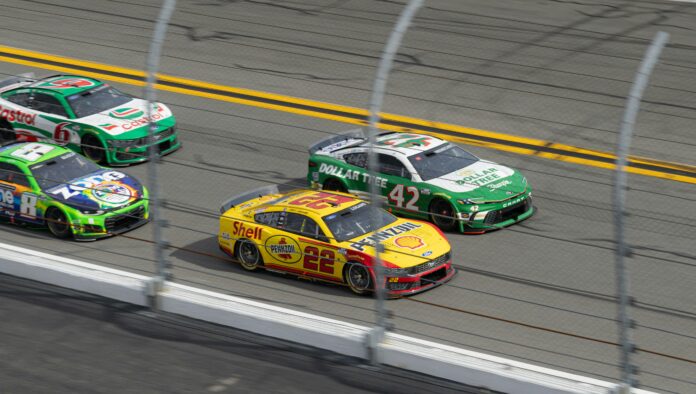
Superspeedways such as Daytona and Talladega race in tight packs at high speed. Big multi-car crashes are common and the finishing order can be close to random. Long shots win here more often than anywhere else, which is fun but makes these races hard to handicap.

Intermediate ovals, the 1.5-mile tracks, reward raw car speed and a good pit crew. Teams that have found a strong setup on one intermediate often carry it to the next.

Short tracks like Martinsville put a premium on brake management, patience and track position. Passing is difficult, so starting spot carries more weight.

Road courses such as Watkins Glen and Sonoma bring turning left and right, and some drivers have a clear edge on them. Strategy calls around stages and fuel can also decide these races.

Qualifying and practice: the information edge

Odds are posted early in the week, but a lot of useful information arrives on race weekend. Practice speeds show which cars are fast over a long run, not just one lap. Qualifying sets the starting order, and at tracks where passing is hard, a front-row start is a real advantage. Inspection failures or a backup car can also send a driver to the rear.

Prices often move after qualifying. If you like a driver, there can be value in waiting to see where they start, though the market will usually react quickly to big surprises.

Reading the odds

Canadian books show odds in decimal or American format. For example, a decimal price of 11.00 returns 11 dollars for every 1 dollar staked, including the stake. The same price in American odds is +1000. To turn a price into an implied chance, divide 1 by the decimal odds. At 11.00, that works out to about 9 percent. If you think a driver’s real chance is meaningfully higher than that, the bet may be worth considering. If not, pass.

Shopping between sportsbooks matters more in racing than in most sports, because prices on mid-field drivers can vary widely from one book to the next.

Yes. Bill C-218, the Safe and Regulated Sports Betting Act, amended the Criminal Code and allowed single-event wagering from August 27, 2021. Before that, Canadians could only bet on parlays through provincial lotteries. Each province now decides how betting is offered within its borders.

Ontario opened a regulated, competitive online market on April 4, 2022, with private operators licensed by the AGCO and run through iGaming Ontario. Alberta followed with its own regulated online market, which launched on July 13, 2026. In the other provinces, the legal online option is the provincial lottery corporation’s own platform, such as PlayNow in British Columbia and Manitoba, Mise-o-jeu in Quebec, and Proline in Atlantic Canada and Ontario.

Not every provincial platform offers the same depth of racing markets. Some carry the full menu of matchups and top-10 bets, while others are limited to outright winner prices. For a broader look at how sports betting works in each province, the betting guides at CanadaGamblers cover the legal options, bet types and odds formats in more detail.

A few practical habits

Set a budget for the season, not just the race. Motorsport outrights lose far more often than they win, and long losing streaks are normal even for sharp bettors. Keep stakes small on long shots, focus on matchups and top-10 markets if you want steadier action, and keep a simple record of your bets so you can see what is and is not working.

Most importantly, treat it as entertainment that costs money. The legal betting age is 19 in most provinces and 18 in Alberta, Manitoba and Quebec. Use the deposit limits and time-out tools your sportsbook offers, and if betting stops being fun, contact your provincial responsible gambling helpline.

Kyle Busch named 2026 NASCAR Cup Series Most Popular Driver

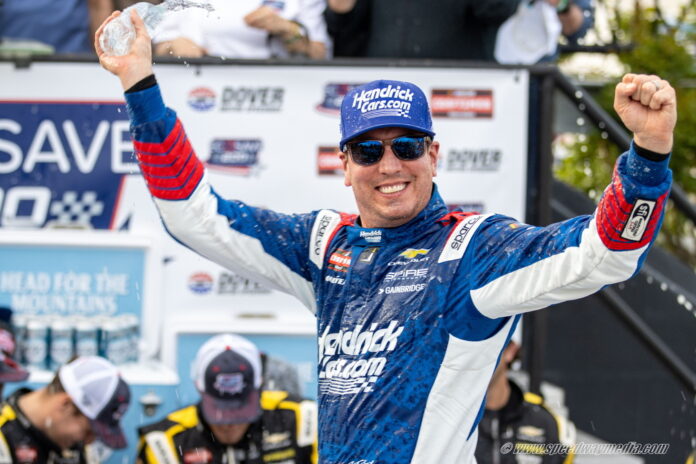
Photo by Logan Allen for SpeedwayMedia.com.

Kyle Busch has been posthumously named the 2026 NASCAR Cup Series Most Popular Driver.

The reveal of Busch being posthumously named the recipient of this year’s Most Popular Driver Award in the Cup Series division, which was based on fan voting, was made during the 2026 NASCAR Awards ceremony in Miami, Florida, on Tuesday, November 10. Busch’s widow, Samantha, accepted the award while delivering an emotional speech to pay tribute to Kyle and express the gratitude, love and support received from the NASCAR community, fellow competitors and fans.

Busch died unexpectedly on May 21 from complications from pneumonia that progressed into sepsis. A native of Las Vegas, Nevada, Busch was a two-time Cup Series champion with 234 victories across NASCAR’s top-three national touring series (63 in Cup Series, 102 in O’Reilly Auto Parts Series & 69 in FedEx Freight Truck Series). He also achieved the 2009 O’Reilly championship and holds the most all-time victories between the O’Reilly and Truck divisions.

Busch was campaigning in his fourth consecutive Cup season with Richard Childress Racing at the time of his death and had achieved what would be his final NASCAR victory at Dover Motor Speedway in the Truck division, the latter of which occurred six days prior to his death. Busch had also won his 35th and final Cup career pole position for this year’s 68th annual running of the Daytona 500 at Daytona International Speedway in February.

With the award, Busch is the 21st competitor to be named the Most Popular Driver in the Cup Series division as he achieves the title for the first time ever between the Truck, O’Reilly and Cup divisions. He is also the first competitor not named Elliott or Earnhardt to be named the Most Popular Driver since Darrell Waltrip in 1990. 

Chase Elliott, who was named NASCAR’s Most Popular Driver over the previous eight seasons, withdrew his name from the ballot as he was among multiple competitors who encouraged fans to vote for Busch for the award. Ironcially, Chase’s father, Bill, utilized the exact course of action that enabled Dale Earnhardt to be named the Most Popular Driver in 2001 following Earnhardt’s death from the Daytona 500. 

With Busch being named this year’s Cup Series Most Popular Driver, Justin Allgaier and Layne Riggs were also receipients of this year’s Most Popular Driver Awards between the Truck and O’Reilly Auto Parts Series divisions. Allgaier, who notched his second O’Reilly championship this season, was voted Most Popular Driver for a sixth time while Riggs, this year’s Truck championship runner-up, was named Most Popular Driver for first time ever. Allgaier holds the record for the most Most Popular Driver Awards in the O’Reilly division at six while Riggs became the 26th competitor to achieve the title in the Truck division.

NHRA FINALS: ELITE MOTORSPORTS EVENT PREVIEW

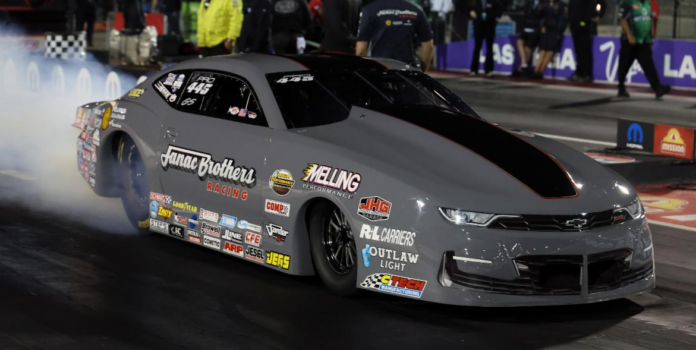
POMONA, Calif. (Nov. 10, 2026) — Elite Motorsports arrives at the historic In-N-Out Burger Pomona Dragstrip this weekend for the 2026 season-ending In-N-Out Burger NHRA Finals armed with momentum and race-winning consistency. Wrapping up NHRA’s historic 75th anniversary season, the multi-car Pro Stock powerhouse enters the final event of the Countdown to the Championship following a dominant postseason stretch where the team swept three consecutive Countdown events and has had a driver visit the final in five of the last six races.

Greg Stanfield Leads Elite Camp in Point Standings

Veteran driver Greg Stanfield enters the finale sitting third in the Pro Stock point standings to lead the Elite Motorsports roster. Stanfield’s standout 2026 campaign features two national event victories. His first win of the season was at the NHRA Sonoma Nationals where he defended his 2025 title. Stanfield raced to victory over teammate Erica Enders after capping off a historic all-Elite Motorsports semifinal sweep.

His second win of the season, eighth of his career, came at race two of six in the Countdown to the Championship at the NHRA Nationals at The Rock. The win put him in the points lead and was the second of three consecutive Elite Motorsports victories. A runner-up finish in St. Louis followed by two uncharacteristic first round losses at the hands of teammates Jeg Coughlin Jr. and Troy Coughlin Jr. has Stanfield sitting third in points, 99 points back from the lead with 191 points up for grabs in Southern California this weekend.

“I’m not someone who is going to obsess over points. Not saying I don’t look at them, but it’s not my focus,” said Stanfield. “My focus is to do what we’ve been doing all season long: come out here and be the best we can, work hard and keep at it. We’ll try to qualify well, maybe earn some bonus points each session, and then come out on race day ready to win rounds. Our goal is to win the race, if we win the race then we’ve given ourselves the best chance at the championship. At the end of the day, it’s been an amazing season and this Janac Brothers team has nothing to hang our heads about. The entire Elite Motorsports camp has worked their butts off and I just hope we can wrap up 2026 in the winners circle.”

Along with his two national event victories and runner-up finish to son Aaron Stanfeild in St. Louis, Greg also reached the final round in Seattle and has posted eight semifinal finishes across 2026. He also set a personal career-best mark earlier in the year at 6.460 seconds at 213.88 mph.

Troy Coughlin Jr. Rides Late-Season Surge

Troy Coughlin Jr. enters Pomona as one of the hottest drivers in Pro Stock following an explosive postseason run. At the NHRA Great Lakes Nationals Troy Jr. kickstarted Elite Motorsports’ three-race Countdown sweep by driving his midnight JEGS Chevrolet Camaro to a victory at 131 Motorsports Park in Martin, Michigan.

Troy Jr. followed his Michigan win with semifinal runs at the NHRA Midwest Nationals in St. Louis and the Texas NHRA FallNationals. Most recently he raced to his second runner-up finish of the season at the NHRA Las Vegas Nationals at The Strip at Las Vegas Motor Speedway. Troy Jr. started the Countdown in the 10th position but enters this weekend’s season finale sitting fifth in points just 12 out of fourth and 32 back from third.

“We’re staying in the moment and enjoying the ride. Heading into Pomona, our approach doesn’t change—we’re bringing the exact same mindset that carried us through Las Vegas and the previous rounds,” said Troy Jr. “The goal is simple: be ready, put our best foot forward from the first qualifying pass straight through to the final round on Sunday, and let the chips fall where they may.”

Competition at the In-N-Out Burger NHRA Finals at In-N-Out Burger Pomona Dragstrip begins with four rounds of qualifying Friday at noon and 2:30 p.m. and Saturday at 11:30 a.m. and 2:00 p.m. Eliminations are slated for Sunday at 11:00 a.m. with Pro Stock first round set for noon. Television coverage of the event will be on FOX Sports 1 (FS1) with a qualifying show Sunday at 11:00 a.m. ET and eliminations at 5:00 p.m. ET.

Whelen Mazda MX-5 Cup 2027 Schedule Brings Subtle Changes with Big Impact

Mazda Motorsports has unveiled the 2027 Whelen Mazda MX-5 Cup presented by Michelin schedule. The calendar features the return of some driver favorite circuits, plus events that place the ultra-competitive series on a shared stage with IMSA and IndyCar next season. 
 
Since the series joined IMSA in 2021, the season opener has been held at Daytona International Speedway. This will not change in 2027; however, it will now take place a week earlier, at the Roar Before the 24, January 22 – 24.
 
Mazda MX-5 Cup drivers and teams will have the month of February off before Rounds 3 and 4, March 5 – 7, at a track to be announced at a later date.
 
Another track returning to the lineup is WeatherTech Raceway Laguna Seca. This driver and fan favorite circuit has been absent from the calendar for the past two years. Rounds Five and Six will take place at the iconic circuit, April 30 – May 2 as part of the West Coast swing for the IMSA WeatherTech SportsCar Championship. 
 
Speaking of tracks beloved by fans and drivers alike, Road America is back! Mazda MX-5 Cup returns to the ‘National Park of Speed,’ June 24 – 27 with IndyCar.
 
July brings the series back to Canadian Tire Motorsport Park with IMSA, July 9 – 11, followed by the traditional late summer trip to VIRginia International Raceway, August 20 – 22.
 
For the first time since 2021, the series will not stage a nail-biting finale at Michelin Raceway Road Atlanta, instead, the 2027 series finale will take place at the legendary Indianapolis Motor Speedway, where a lucky driver could potentially get to kiss the bricks and take home a championship check for $250,000.
 
“We are extremely proud of the 2027 Mazda MX-5 Cup schedule,” Mazda Motorsports Senior Manager Jonathan Applegate said. “We’ve listened to our teams and our fans about what’s important to them, and I think we’ve achieved that with this schedule. Putting it all together took a lot of careful negotiation, so I want to thank everyone at IMSA, IndyCar and all the tracks for working with us to make it happen.”
 
Details on how to watch the 2027 Whelen Mazda MX-5 Cup season will be available soon.
 
2027 Whelen Mazda MX-5 Cup presented by Michelin Schedule
 

DateTrackwith
January 22 – 24Daytona International SpeedwayIMSA
March 5 – 7TBATBA
 
April 30 – May 2WeatherTech Raceway Laguna SecaIMSA
June 24 – 27Road AmericaIndyCar
July 9 – 11Canadian Tire Motorsport Park (CTMP)IMSA
August 20 – 22VIRginia International RacewayIMSA
September 17 – 19Indianapolis Motor SpeedwayIMSA


About: The Whelen Mazda MX-5 Cup presented by Michelin is the signature spec series for Mazda Motorsports. The series has been operated by Andersen Promotions since 2017 and is currently sanctioned by IMSA. Mazda-powered grassroots champions can earn Mazda scholarships for this pro-level series. The Whelen Mazda MX-5 Cup awards more than $1 million in prizes and scholarships.

Find out more at http://www.mx-5cup.com.

Auto Shop SEO: Why the Best Performance Shops Still Lose Customers to Worse Ones on Google

Mechanic tuning a performance car engine in an auto shop bay

A guy rolls into town for a race weekend with a misfire he can’t ignore. He pulls into a gas station, types “performance shop near me” into his phone, and calls the first name in the map results. That shop has a clean listing, 400 reviews, and photos of a lift bay.

Two miles away sits the builder every local racer swears by, the one who has dialed in half the cars in the paddock. He never gets the call.

That gap between reputation and visibility is what auto shop SEO is about. The best wrench in town doesn’t automatically get found. The shop Google understands best does.

Word of Mouth Has a Ceiling

Racing and car culture still run on word of mouth. You trust the shop your buddy trusts, the tuner who built the car you admired at the track, the guy whose name comes up in the pit lane.

That network is powerful, but it has a ceiling. It reaches people already inside the scene. The new transplant with a built truck, the weekend visitor with a problem, the owner who just bought a classic and doesn’t know anyone yet, all of them start the same way. They search.

When they do, Google has no idea who the local racers recommend. It only knows what it can read online.

What Google Actually Looks At

Google is open about how local results work. Its own guidance for local rankings comes down to three factors: relevance, distance, and prominence.

Relevance is how well a listing matches what someone searched. Distance is how close the business is. Prominence is how well known the business is, measured through things like reviews, links, and how often it shows up across the web.

A shop can be legendary on the track and nearly invisible on all three. If the website never says “turbo installs” or “dyno tuning,” Google can’t match it to those searches. If the business profile is half filled out, it looks less trustworthy than a competitor that updates theirs every week.

Reviews Are the New Pit Lane Chatter

Reviews are where reputation turns into something Google can measure. Consumer research from BrightLocal shows that most people read online reviews before choosing a local business, and that recent reviews carry more weight than old ones.

That’s bad news for the shop with 30 glowing reviews from five years ago. A newer shop collecting a steady stream of fresh reviews will often outrank it, even if the work is worse.

The fix isn’t complicated. Ask happy customers at the moment they pick up their car, make the link easy to find, and reply to every review, good or bad. Replies show both Google and future customers that someone is paying attention.

The Website Still Matters

A lot of shop owners treat their website like a business card. One page, a phone number, a photo of the building. That works for people who already know you. It does nothing for someone searching for a specific job.

Google’s SEO starter guide makes the point plainly: pages should be written for people and clearly describe what the business offers.

For a shop, that means a page for each core service, real photos of real builds, and the makes and models you actually specialize in. A page about LS swaps will always compete better for that search than a homepage that just says “full service auto repair.”

Speed and mobile usability matter too. Most of these searches happen on a phone, often from the side of the road.

Why Good Shops Fall Behind

Here’s the pattern that shows up again and again. The shops with the strongest reputations are often the busiest, and the busiest shops are the least likely to spend time on their online presence. Their bays are full, so marketing feels optional.

Then a slow season hits, or a newer shop opens down the road with a sharp website and a review strategy, and the phone gets quieter. Curious Fortune Media, a Los Angeles-based digital marketing agency, describes this as a common problem for premium businesses whose reputation hasn’t caught up to their work.

The shops that hold their ground treat search visibility the way they treat maintenance, as a routine rather than a repair. The core pieces of how automotive SEO works, from technical foundations to local listings and reviews, are the same whether you run a dealership, a restoration shop, or a two-bay tuning garage.

Where a Shop Should Start

The good news for the best shops is that the hardest part is already done. Great work is the thing no marketing can fake. The rest is making sure Google can see it.

Start with the business profile. Fill out every field, choose accurate categories, add real photos, and keep the hours current. Then build a review habit into every pickup. Next, give the website a page for each service that actually brings in money, written the way customers describe their problems.

None of this replaces the reputation you built in the paddock. It just makes sure the next person searching from a gas station parking lot finds you before they find someone else.