

Graham Rahal searching for second Rolex watch
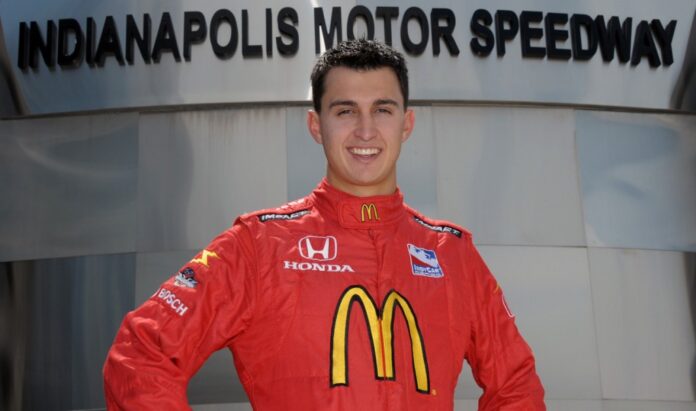
Graham Rahal won the Rolex 24 at Daytona in 2011 and received the coveted watch that the winner receives – but has yet to wear it. Rahal put it up in a case and has left it there ever since.
“It’s signed by my team owners and co-drivers,” he said. “That will never leave its box, but maybe if I get a second I’ll wear it.”
Cole Custer to run limited Camping World Truck Series Schedule
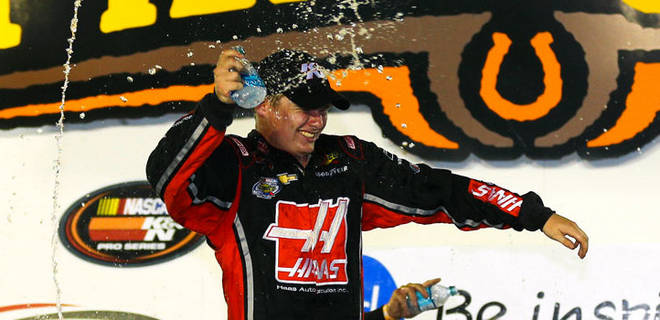
Cole Custer celebrated his 16th birthday today and got a special present for the occasion – he will run a limited schedule in the Camping World Truck Series in 2014.
The Ladera Ranch, California native will run the No. 00 Haas Chevrolet in nine races in 2014 for Haas Racing Development. HRD will be using Hendrick Motorsports engines and Turner-Scott Motorsports chassis; Joe Shear Jr. will crew chief the effort. His debut will come at Martinsville on March 29th.
Last year, Custer finished eighth in the K&N Pro Series East standings, driving for Ken Schrader Racing; he won a pair of races at Iowa Speedway and New Hampshire Motor Speedway.
Custer, the son of Stewart-Haas Racing Executive Vice President Joe Custer, will also be running the nine K&N Pro Series races also in 2014 for Bill McAnally Racing.
“We are very excited to expand BMR into the K&N Pro Series East,” said BMR President Bill McAnally. “This is a great opportunity to expand the program with our partners, NAPA AUTO PARTS and Toyota. We have been able to join together a top-caliber team and look for great things in 2014 for our sponsors and fans.
“Cole Custer displayed his potential in winning races as a series rookie and we look for that performance to continue in 2014,”
On top of being Custer’s crew chief, Matt Goslant will be the General Manager of BMR’s K&N Pro East Series involvement.


NOTES FROM THE NASCAR NATION: A tip of the racing hat goes to NASCAR for the new qualifying procedures
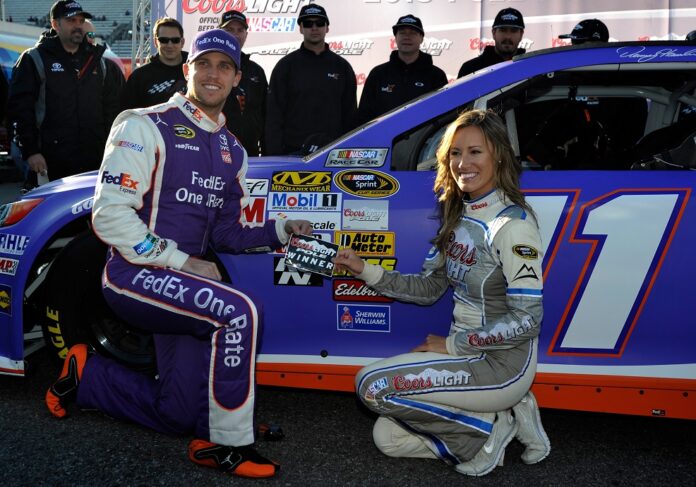
In a sweeping move that addressed their Coors Light qualifying procedures, NASCAR has created a plan that will surely be praised by their fans and their race teams. The new procedure calls for a series of multi-car elimination rounds.
The announcement of these changes came via a January 22nd press release, from NASCAR headquarters in Daytona Beach-Florida, that said:
“In a move aimed toward enhancing the fan experience watching at the track and at home, NASCAR has announced a new group qualifying format for its three national series that is more compelling, more closely emulates actual on-track competition and underlines the sport’s on-going commitment to innovation.”
For decades NASCAR’s qualifying pole day, and practice sessions, has been a part of the total fan weekend experience. But, let’s be honest here: sometimes qualifying day could be somewhat tedious. The fans were basically watching one race car running two laps around a speedway against the time clock. With the policy of the qualifying order being set on reverse order of the practice speed charts, it was quite a long wait for the fans to see the hot shoe teams that were capable of winning the pole and possibly even setting a new track record.
With all due respect to the talent and hard work displayed by the television networks that broadcasts NASCAR racing, there were many times when their presentation of qualifying day was like watching paint dry.
NASCAR’s newly announced qualifying procedures has more than addressed those issues. The result is a plan that will raise the qualifying procedure to a higher level of fan entertainment.
The new procedure will also be a boon to the NASCAR teams. It will spare them the time of having to convert their cars to qualifying trim because the group qualifying format will be run under actual racing conditions. That also eliminates the need for spending valuable time during practice sessions conducting mock qualifying runs.
NASCAR’s January 22nd announcement outlined the details of the new procedure. Here are the major bullet points:
At tracks measuring 1.25 miles in length or larger, qualifying for the Coors Light Pole Award will consist of three rounds:
- The first qualifying elimination round will be 25 minutes in duration and includes all cars / trucks. The 24 cars / trucks that post the fastest single lap from the first qualifying round will advance to the second round.
- The remaining cars / trucks will be sorted based on their times posted in the first round of qualifying in descending order.
- The second qualifying elimination round will be 10 minutes in duration and the 12 cars / trucks that post the fastest single lap time will advance to the third and final round. The fastest remaining cars / trucks earn positions 13th through 24th based on their times posted in qualifying in descending order.
- The third and final qualifying round will be five minutes in duration and the fastest single lap time will determine positions 1st through 12th in descending order.
- There will be a five-minute break between each qualifying round.
At tracks measuring less than 1.25 miles, qualifying for the Coors Light Pole Award will consist of two rounds:
- The first qualifying elimination round will be 30 minutes in duration and includes all cars / trucks. The 12 cars / trucks that post the fastest single lap time from the first qualifying round will advance to the second and final round.
- The remaining cars / trucks will be sorted based on their times posted in the first round of qualifying in descending order.
- There will be a 10-minute break between the two qualifying rounds.
- The second and final qualifying round will be 10 minutes in duration and the fastest single lap time posted will determine positions 1st through 12th in descending order.
The new qualifying format does not apply to the Daytona 500, which will preserve its historic and unique qualifying format. Additionally, it does not apply to non-points NASCAR Sprint Cup Series events or the NASCAR Camping World Truck Series event at Eldora Speedway.
NASCAR previewed the concept of group qualifying with its national series teams late last fall and expects the new format will be a well-received improvement by its fans, competitors, tracks, sponsors and media partners.
“We believe the timing is right for a new qualifying format across our three national series,” said Robin Pemberton, vice president for competition and racing development. “This style of group qualifying has all the makings of being highly competitive and more engaging to our fans in the stands and those watching on television and online. For the drivers and teams, we believe this new qualifying will fuel even greater competition leading into the events. Additionally, it provides our tracks, broadcasters and other key partners with a greater opportunity to develop more entertaining content for our race weekends.”
A tip of the racing hat goes to NASCAR officials for, first, recognizing that these changes were in order and, second, for creating a new program that is bound to receive instant acceptance from the fans.
