

Home Blog Page 537

CHEVROLET NCS AT MEXICO CITY: Daniel Suarez and Ross Chastain Media Availability Quotes

NASCAR Cup Series
Autódromo Hermanos Rodríguez
Team Chevy Driver Quotes
June 13, 2025

 Daniel Suarez, driver of the No. 99 Trackhouse Racing Chevrolet, and Ross Chastain, driver of the No. 1 Trackhouse Racing Chevrolet, met with the media in following the NASCAR Cup Series practice session at Autódromo Hermanos Rodríguez.

Media Availability Quotes:

I only wanted to ask you something simple. It’s about drivers. What would you say to a young child, especially now that we are in Mexico, that wants to be part of the motorsports world, whether it’s by being a driver, an engineer, a PR person, or social media specialist?

ROSS CHASTAIN: “I think right here in Mexico City you better be going to the go-kart track in the mall. What’s it called?”

DANIEL SUAREZ: “Go Kart Mania.”

ROSS CHASTAIN: “Go Kart Mania. We were there last night. That place is awesome. I would be ripping laps there. I would have my kids there.

Then as a driver you just have to start racing, whatever level you can afford. Everybody has a different path. There’s no right or wrong way to do this.

There’s multi-generation families that are racing that Daniel and I are racing against. There’s guys like Daniel and I that our dads liked racing and helped us get going and worked to make money so they could spend on go-karts for Daniel, Pro Trucks for me, late models, asphalt late models in the States.

Whatever you can race, keep moving up. If you are successful, if you can win, keep moving up. Be around older racers.

Then on the other fronts as far as PR or engineering, yeah, there’s definitely going to be scholarship — or you’re going to need to have some sort of degree, so finding scholarships to go get those degrees and go to school to know what to do when you get to the team.

And mechanics, some have degrees, and some just know how to turn wrenches, and they are really good at it. You got to be willing to be really good at it to be on our teams. We put them through a lot.”

DANIEL SUAREZ: “You know, for me I think this is a very good opportunity not just for drivers, but also for mechanics, for engineers, even pit crew members.

You know, right now we are racing in a stage that is different than 90% of the races that we do, so in my mind this is a great opportunity for the Mexico Series and, just like Ross mentioned, drivers, mechanics, engineers, pit crew members, everything to hopefully, for those that really want to exceed Mexico and go to the United States, trying to build some connections somehow.

I remember when I was going to United States, I feel my mechanics of NASCAR Mexico, they really wanted to go to United States. At that time I didn’t have the connections. I didn’t know anyone. I was just trying to survive myself, but right now I feel like I’m in a little bit different position. I would love to help.

I think that this is very important to continue to grow the diversity in the sport, and we need more people from Mexico. We need more Latinos in the sport. Not just drivers, everything across the board.

Hopefully this race really opens the eyes for many young guys or girls that want to do something in NASCAR in the U.S.”

ROSS CHASTAIN: “If there’s somebody in a NASCAR Mexico team, I think you never — you miss every shot you don’t take. So walk up to our garage, they’ve been out on pit road, and find the guy in like a nice shirt that’s not getting dirty and, like, shake his hand, introduce yourself. Okay, they say no. Okay, they say we don’t have a spot. Okay, find the next ones.

Find the guys in the clean shirts and introduce yourself. You have a business card. Write your name and number on a piece of paper. Ask how to submit a résumé. What would it take?

It’s going to take moving to the States to work in NASCAR. Ask. It’s scary. I get it, I know. We’ve been there, but go ask, and if they say no, you got a cool story to tell when you’re drinking beer.”

There’s been a lot of hype and build-up to the race. You’ve been the central focus of this. Now that you’re here and this week, what has it been like? Has it been even more or less than what you anticipated?

DANIEL SUAREZ: “Man, it’s very hard to put into words. I had an expectation on the hype of the people and energy and the fans coming and the media, you guys. The entire week and weekend now, it has exceed every single expectation that I had. For that I want to say thank you to you guys.

This event I feel like it hasn’t even started yet, and it has been — I’ve been living a dream. That’s exactly what has been happening for me the last few days. I feel very blessed, very happy to be here racing in front of you guys.

I feel that finally I was able to drive the car, not just talk about it. I feel really a fish in the water. Hopefully I ask just continue to have fun and continue to enjoy this moment. We’re making history right now together. Not just NASCAR, not just me, but the entire country of Mexico.

This is something very special, and it’s also a very good example when these two countries work together, the sky is the limit. I think that it’s a great example of the work that NASCAR and Mexico Series and all the promoters have been doing together.”

With all the stuff going on this week, how hard has it been to focus in for practice and qualifying this weekend, and how are you feeling for Sunday’s race?

DANIEL SUAREZ: “Honestly, a lot of people has been worried about that, but I haven’t. I have had a plan in my mind of what I was going to do, and I’ve been following that plan since Tuesday.

You know, you have no idea how many people has been telling me, Daniel, you’re going to be burned out. Daniel, slow down a little bit. I know, I have a plan in my mind, and I already know what I need to do, how much to push. I’m just enjoying it.

I’m like a kid on Christmas. That’s why you guys see me with a smile pretty much everywhere I go. It’s been a blast so far. Like I said, this is just getting started. This is only the first day of the weekend.”

I want to do English and Spanish. I want to start with Ross. How has it been adapting physically to Mexico City? One thing is what they tell you it’s going to be like, and the second it’s ride in the car. I guess the second one is, how are the Spanish lessons going with Daniel?

ROSS CHASTAIN: “No Spanish lessons. I’m honest with everybody. I didn’t even try. I know a lot of people that I know, they say, Oh, I’m going to try, I’ve got an app. No, not me.

And I don’t feel very good, I’ll be honest. I’ve had a headache ever since I woke up the first morning. I did go for a run, and I had to run slower at a higher heart rate than normal.

Yeah, I mean, I feel tired, and we haven’t done a whole lot. I’m ready for bed right now after a Frosty. Yeah, I feel pretty bad, honestly.”

DANIEL SUAREZ: “You want a Chamoy Frosty, like the one that you tried of myself?”

ROSS CHASTAIN: “No. Actually, I want a Baconator, if I’m being honest.”

Daniel, so much build-up for you this week, and then your team nearly doesn’t get here, and some of them aren’t even here yet. What were your emotions the last 24 hours knowing you might be without some team members, who knew if your car was getting on track, what NASCAR was going to do, or did you just say, What happens, happens?

DANIEL SUAREZ: “Listen, one of my main mechanics is not here yet. All my engineers are not here yet. So definitely today we’re running, limping a little bit (laughing), but I love adversity. I love it.

You put me against the world, and I’m going to come at you swinging, and my team is the same way. I’m good with it. This is just going to be a better story.

You know, we win on Sunday, and then we’re going to be laughing about, Hey, hey, we almost didn’t make practice (laughing). I’m okay with it.

It’s a shame that it happened, but we don’t blame anyone. We just find solutions, and we continue to move forward.”

For both of you, what needs to happen after these practices today between now and Sunday for you have a chance to win on Sunday?

DANIEL SUAREZ: “Well, for me it’s everything about execution, you know, and continue to improve our race cars. My car in the first practice, I was not happy at all with it, but second practice I was okay with it. I’m not — I’m happier. I’m not super happy, but I’m happier.

So I’m okay with it. I’m okay starting here and making progress here. Now we have to continue to make the car a little bit better. I don’t believe that we fire up as the best car, but I believe that we are slowly heading into that group of cars.

So once we get into that group of cars, it’s a free game. You know, it’s anyone’s race. I feel like my job is to continue to push our groups to continue to make these cars better and execute the best possible race that we can.

Tomorrow is going to be qualifying, and then on Sunday it’s going to be a (indiscernible) and everything in between. So it’s going to be just important to execute the best possible weekend that we can possibly do.”

ROSS CHASTAIN: “Qualify. I have to qualify good. Or we have to play the strategy to put me up there on equal tires because how do you do that? I don’t know.

So it all goes to qualifying for me, and then we’ll figure it out in the race. Then from the driving, like, feedback side, I have the two best road course drivers in the garage, so I don’t give my team much feedback at these places. I’m, like, Please build it like theirs. Whatever you think they say is better, do it. I’ll just go drive it.

You saw me — I don’t know if you saw. It was chaotic, but I was trying to follow SVG in first practice. Couldn’t find him. He didn’t have a spotter, so he wasn’t even on the track. So I found Daniel and followed him.

Actually, I got confident to drive by myself, which I usually need, like, Rudolph out there in front of me.”

About General Motors

General Motors (NYSE:GM) is driving the future of transportation, leveraging advanced technology to build safer, smarter, and lower emission cars, trucks, and SUVs. GM’s Buick, Cadillac, Chevrolet, and GMC brands offer a broad portfolio of innovative gasoline-powered vehicles and the industry’s widest range of EVs, as we move to an all-electric future. Learn more at GM.com.
Toyota GAZOO Racing – NCS Mexico City Quotes – Bubba Wallace – 06.13.25

Toyota GAZOO Racing – Bubba Wallace
NASCAR Cup Series Quotes

MEXICO CITY (June 13, 2025) – 23XI Racing driver Bubba Wallace was made available to the media on Friday prior to this weekend’s NASCAR Cup Series race at Autodromo Hermanos Rodriguez.

BUBBA WALLACE, No. 23 Chumba Casino Toyota Camry XSE, 23XI Racing

What motivates you to be one of the fan favorite drivers based on your liveries?

“That’s a good question. I think our team does a really good job with our partners – to represent, one, the brand the right way, but also, in just a fun, innovative way that are different, and not your same traditional things that you have been seeing – whether it is plastered around the town or just things you have seen over the years. I think we do a really good job – all of our paint schemes on all of our cars for the most part are really, really sharp and out there, and different and that’s what we want to be. We are big on being different.”

Has your mindset changed going into road courses now?

“Yeah, for sure. I mean, I’ve always said – no matter how pissed off I was after practice or qualifying or a race on a road course in years past, I always said that I enjoyed them because it was different. It’s not just turning left and the same old stuff that we are used to. It was just when the competitive side kicked in, which was always lap one, it was really hard for me to find the enjoyment inside said weekend. When you look at Chicago, we’ve been fast every time we’ve unloaded – bad luck has struck twice there. ROVAL – really good finishes there, multiple top-10 finishes there I believe, always have speed there. Hell, COTA qualified second this year – it is starting to click. It takes me back to 2018, my rookie year – Kasey Kahne was driving the 95 car, and we were sitting down in the drivers meeting, I had qualified next to last or something and he walks up and says, I was in the same boat once, and all of a sudden it just clicked and I think he has won a couple of road course races – I think he won at Sonoma one year. Like you don’t know what it is, but it just clicks. I feel like we are in that transition period where it is clicking, we are putting a lot of work and a lot of prep into every road course weekend, we are already starting to prep for Chicago coming up, prepped for this for the last month and change, so yeah, I embrace it every time it comes up because it is a race. There is points on the line, and I don’t have the mindset to just ride around with the top down. I might suck but I’m going to give it my all, and I think that is where I would get in trouble before, is I would try too hard with no plan – I’m just like let’s see if this works, and it doesn’t, and so now, kind of understanding where to position the car and what to do on five-lap tires versus 20-lap tires is different now. I have all of those bullet points built up, so all that being said – excited to get on track. Looking forward to it. For me, it’s just another opportunity another set of downs to go and capitalize on.”

What should we call you now?

“Whatever you want. I’m embracing it. I’m having a good time. Being down here has been a lot of fun. I think, honestly, I’m excited to see (Daniel) Suarez in his element. Away from the race track and embracing his home culture – like I can’t imagine how big this is for him, and I get joy out of just thinking about that for him. I’ve seen Ryan’s (Blaney) video this morning, and there is one rule this week – is to not wreck Suarez, and I’m like I didn’t think about that, but definitely adopting that rule too.”

When did you get here and what have you enjoyed so far?

“We got here on Wednesday afternoon, and Thursday morning, Mobil 1, a partner of ours – we had an early morning and spent time on a Trajineras, hopefully, I said that right to my locals here. Did some racing on the water with Ruben – that was a lot of fun and just got to dive deeper into the Mexican culture and understand eating different foods and candies. They love their spice here, and it is good. I think the spice levels here compared to back home in the States – is they will bring out three different sauces, right, and they will be like this one is good, this one is medium and this one is really hot – they warn you beforehand, and we do the same – this one is really hot, well when you get home, ours is stupid hot – no flavor, nothing at all. Their hottest one has a decent kick to it, but it has a tremendous amount of flavor to go with it, and so I’m like they are doing it right down here. I do appreciate that fact. I think we are just looking for who can be in the most pain in the States, and that is good for us (laughter). “

Where did you get the mask?

“I was just handed it as I was walking over here from NASCAR themselves. The NASCAR team gave this to me, so I appreciate that.”

Can you talk about the track limits and the tire packs?

“So, to the tire packs, I will answer that really quick because we were just talking about that in the hauler, I think it is good for us. Us Cup drivers, we push to find the limits of the race cars and the race tracks, and it seems like we are always revamping the race tracks to meet the driver’s needs – like, well the track needs to be wider here for us. Slow down, slow down and we can make the corner. We are taking a race track and making it – cup cars 2.0 and it doesn’t make sense to me, so I was a big fan of the tire packs. It forces you to stay on the track limits and I spent the majority of my time on the sim, staying tidy and staying on the racing surface, and I think hopefully that pays dividends for when we get on track later. But I’m a big fan of the tire packs, keeping us on line and keeping us on the racing surface.”

Do you think NASCAR is ready to go to other countries, and which country should they go to?

“I think this is a massive step to be in this demographic, in this market. I think if we can work out the kinks of logistics and traveling – we’ve all seen the traffic nightmares that some teams have had over the last 24 hours. I think if we can all come together and come up with some solid plan that we won’t have to run into that issue again. Nothing is ever the same. I think it can be done. I think the leadership has done a good job with everything that is in place for us to get here and put on an event for the local crowd here in Mexico. The real answer to that will be post-race once we all see it all – like this is my first couple of hours on the race track grounds, and I’ve enjoyed it so far. I’ve enjoyed being away from the race track, I’ve enjoyed my time at the race track, so there is no reason that we can’t create this environment somewhere else across the seas – it’s just the logistics of it all is really, really hard. I know the teams go through a lot of stress. Our truck drivers are the real heroes for this week traveling 2500 miles, or somewhere around that number if I’m correct, just to not go home and have an off weekend, we go right back to Pocono – it is still game on for the next several weeks. Logistics need to be worked out for sure, but I think we can do it.”

About Toyota

Toyota (NYSE:TM) has been a part of the cultural fabric in North America for nearly 70 years, and is committed to advancing sustainable, next-generation mobility through our Toyota and Lexus brands, plus our more than 1,800 dealerships.

Toyota directly employs nearly 64,000 people in North America who have contributed to the design, engineering, and assembly of nearly 49 million cars and trucks at our 14 manufacturing plants. In spring 2025, Toyota’s plant in North Carolina will begin to manufacture automotive batteries for electrified vehicles. With more electrified vehicles on the road than any other automaker, Toyota currently offers 31 electrified options.

For more information about Toyota, visit www.ToyotaNewsroom.com.

CHEVROLET NCS AT MEXICO CITY: Shane van Gisbergen Media Availability Quotes

NASCAR Cup Series
Autódromo Hermanos Rodríguez
Team Chevy Driver Quotes
June 13, 2025

 Shane van Gisbergen, driver of the No. 88 Trackhouse Racing Chevrolet, met with the media in advance of the NASCAR Cup Series race weekend at Autódromo Hermanos Rodríguez.

Media Availability Quotes:

Walk us through your travel day getting here and what that was like…

“Yeah, it wasn’t real fun. Yesterday was a long day. But yeah, pretty scary when the plane launched itself on take-off.

But yeah, they stopped and were trying to just get another plane. And then it was first thing this morning, so early start this morning. I think we got up at 3:30 a.m. at home and got on an early flight down here.”

Shane, welcome to Mexico. I know the road course is more like your Australian style for your career. How do you feel about this road course?

“Yeah, it’s cool to be here. Always good to come to a new track. I haven’t been here before and trying to study the place and learn what it’s like. Unfortunately, I missed the track walk this morning, so the first look will be on the drive around. But yeah, it looks great. Should be some good racing. Nice to have a little break from the ovals for me, even though we’ve been getting a lot better the last few weeks. We’ve got a good run of road courses coming up. Time for us to start getting some good results. Looking forward to putting some good races together, and hopefully this weekend being competitive.”

Do you feel behind at all? There’s only a few guys working on your car right now…

“Not really. They’ve got it all pretty under control. Obviously, it’s not ideal, but it’s fine. Thankfully, practice being delayed has given us more than enough time to get everything sorted. It’s fine.”

Are you good with the way NASCAR has handled this whole situation?

“Yeah, I’m fine with it. You can’t predict that kind of stuff happening. You know, there’s so many moving parts. I think what they got us, everyone’s down here now. I think it’s all the important people, I guess, needed for today, so I think they’ve done a good job salvaging it.”

I saw Ryan Ellis was also on that plane. He said your way to take off speed, all of a sudden you hit the brakes, and you heard the boom. He likened it to a bunch of crazy people that hit walls for a living… o one really panicked. What was your take on the way that everybody on the plane acted, and what happened?

“Yeah, I don’t know. I guess it’s a big deal when you think about it, but I’m not really too fussed about it. I’m already focused on today. But yeah, obviously not ideal, but it happened and we fixed it.”

Shane, after you went to Chicago and won that race, and that was a new circuit to everybody else in the field, there’s a lot of speculation that you’re going to have an edge or be the favorite here this weekend. Do you agree with that at all?

“I don’t know, that’s your guys’ jobs, but I do know that we will be competitive if we get everything right. It’s so hard to know what the car’s going to be like – it’s a different track, how it’s going to be affected by the altitude and the surface. Watching those NASCAR Mexico cars drive around, they look like they’re driving on ice. It’s going to be interesting to feel what our cars are like in these conditions. But yeah, we should be up front. These are the types of tracks I’m good at, so we’ll see.”

There’s the potential of rain, as well. Is that something you actively root for, given your proficiency there?

“I absolutely hate racing in the rain, but I’m good at it. I’d rather it didn’t rain, but if it happens, we put the wets on and go.”

You say you hate it. Clearly, you’ve proven you’re really good at it. How can you hate something that you’re very good at?

“I just don’t enjoy it. It’s just never fun. You’re always sliding around, and it just turns stuff into chaos. It’s fun to watch, but I don’t really enjoy driving.”

And then kind of a big-picture question… How would you evaluate where you are in your transition to a full-time NASCAR career?

“Yeah, it’s been definitely a big upswing the last few weeks. I feel like I’ve had to start again.

Last year taught me a lot and helped me get acclimated into American racing, but the cars are just chalk and cheese different. There’s no comparison to how they drive; how they react in the air. I feel like I’m learning everything again. I went to Nashville the other weekend and the cars drive nowhere similar. I feel like I’m not a complete rookie altogether, but the results are improving and the pace is getting better. I feel like we’re not forcing it. I’m not doing stupid stuff trying to keep up every week. I think we’re being methodical; getting better every week, learning our processes and our genuine competitiveness has gotten a lot better. We’ve been frustrated with 18th or whatever it’s been the last couple of weeks because we had potential to be at the back end of the top-10 or 15th, which is a decent result for how it’s been going. If we keep progressing on the ovals and with these road courses coming up, anything can happen. I’m relatively happy.

Justin has been amazing in supporting me and just giving me all the time I need and not putting pressure on me. It’s been really cool.”

My question is kind of along those lines, but the progress that you’ve made on the ovals and the confidence obviously that you’re picking up, is it good to take a break and go on a road course, or do you kind of wish you were still only going over the ovals, or is this kind of a good spot to come for you to continue with the confidence?

“A bit of everything. You just feel the confidence in the team and even the pit crew guys. Everyone’s just uplifted the last few weeks. Not that everyone was down, but it was a bit of a grind. The last few weeks, things have started to come a lot easier. Our pit stop averages are much quicker. Just all the simple things were getting a lot better and better. My restarts are finally in the positive, with it being well negative for the first half of the year. Every single area, we seem to be getting a lot better in, so it’s been fun.”

On the stretch of road courses coming up to end the regular season…

“It feels like a holiday for me, I guess. Yeah, it’ll be fun. There’s some good tracks coming up. Sonoma, I haven’t raced a Cup car at, but looking forward to that. Obviously I’ll be in a competitive Xfinity car, as well, to do some fun races. Looking forward to being out there.”

I understand you haven’t been on the track, but what are you curious to see on track and how it compares to the sims, since that’s your only point of reference at this point?

“Yeah, we didn’t do all that much sim racing. Just study as much film as I can. There was a TCR race here not long ago, trying to understand what they can do. But it’s more about the bundles and how they’re going to move. And then also there’s some corners that don’t have bundles, how they’re going to police them, and if you can use the curbs. But the best thing is, which I really enjoy, is the long practices. We get time to try some stuff, not only with car setup, but with driving. Every time we’ve had a long practice, I’ve been at my most competitive, especially on ovals, as well. So yeah, I’d love if we had more weekends like this, where we could try some stuff and play with the cars a bit more.”

What might it be like to race your teammate Daniel (Suarez) for the win at this place, and how aggressive could you be, or how easy would it be, to put it out of line that it’s Daniel and it’s just another car?

“Yeah, when you’ve got the helmet on, I normally have no problem with whoever it is. Obviously, you’d race your teammates a bit with a little bit more leniency. But yeah, if I spin out the No. 99, I’ll be hiding under cover trying to get out of this place (laughs). But I won’t be doing that.”

You talked about the ovals, and you talked about the other courses, but next week we’re at the Triangle. Have you studied Pocono at all, or are you prepared for that?

“Yeah, I enjoyed that place last year. It was very difficult, that track. It’s so hard to get in the rhythm, and every corner was different, but it was awesome. The speed that you’re going down into turn one is crazy. So yeah, I’m looking forward to that track. I like the variety of our schedule. You’re not just doing mile-and-a-halves every week, every track, and the style of the racetrack is so different. So yeah, you never get bored of what we do in this series, so I’m looking forward to that.”

About General Motors

General Motors (NYSE:GM) is driving the future of transportation, leveraging advanced technology to build safer, smarter, and lower emission cars, trucks, and SUVs. GM’s Buick, Cadillac, Chevrolet, and GMC brands offer a broad portfolio of innovative gasoline-powered vehicles and the industry’s widest range of EVs, as we move to an all-electric future. Learn more at GM.com.

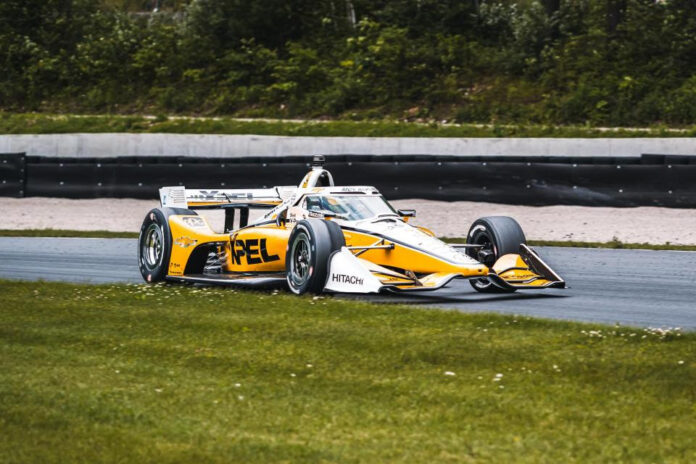
INDYCAR XPEL Grand Prix Presented by AMR Returns to Road America June 19–22

ELKHART LAKE, Wis., June 13, 2025 – The engines are set to roar to life at Road America as the INDYCAR XPEL Grand Prix presented by AMR comes to Elkhart Lake, June 19–22. As the ninth round of the 2025 NTT INDYCAR SERIES, the weekend promises a high-octane showcase of elite open-wheel racing, fan-focused activities, and unforgettable experiences at one of the world’s most iconic road courses.

This season’s field is led by Alex Palou, who enters Road America at the top of the championship standings after multiple victories, including a dominant performance at the 2025 Indianapolis 500. Joining him on the grid will be a fiercely competitive roster of INDYCAR talent, including Pato O’Ward, Will Power, Josef Newgarden, and others—each hungry for glory on the 4-mile, 14-turn circuit known for its elevation changes and challenging layout.

Road America’s reputation for thrilling wheel-to-wheel action is unmatched, with last year’s event featuring a record number of on-track passes for position. Fans can expect more of the same this year as drivers test their skill and strategy on one of the most demanding tracks in motorsport.

In addition to INDYCAR’s main event on Sunday, June 22 at 12:30 p.m. CDT, airing live on FOX, the weekend lineup includes action from INDY NXT by Firestone, USF Pro 2000, USF2000, and the Radical Cup North America—showcasing the next generation of racing stars. The Vintage Indy™ exhibition will also return, featuring historic INDYCAR machines both on display and in parade laps throughout the weekend.

Also for 2025, fans can take advantage of a cross-promotional offer with the Road America Challenge at Plymouth Dirt Track, held on Saturday, June 21. This Bumper to Bumper IRA Outlaw Sprint Series event will include a scannable QR code for a $15 discount on Sunday INDYCAR admission. Grab your tickets at this link: https://www.myracepass.com/series/1012/tickets/1456266

Off-track amenities include public karting at the Briggs & Stratton Motorplex, a Disc Golf Course, a Family Fun Zone, and a variety of food and beverage options. As always, children 16 and under receive free admission with a paying adult, and racing takes place rain or shine.

Tickets are available now at www.roadamerica.com or by calling 800-365-7223.

CHEVROLET NCS AT MEXICO CITY: Chase Elliott Media Availability Quotes

NASCAR Cup Series
Autódromo Hermanos Rodríguez
Team Chevy Driver Quotes
June 13, 2025

 Chase Elliott, No. 9 Hendrick Motorsports Chevrolet, met with the media in advance of the NASCAR Cup Series race weekend at Autódromo Hermanos Rodríguez.

Media Availability Quotes:

I’m curious, what does a Georgia native do for fun in Mexico City?

“Well, we came down about a couple of months ago, so I had a little bit of an idea of what to expect. But yeah, I got in last night; ate dinner and went to bed, and then got up and came to the track this morning. So I haven’t done anything, so far. I think tomorrow, probably tomorrow afternoon, we’ll have some time to maybe find a good restaurant or something along those lines. But the schedule here is kind of spread out. We’re at the track pretty early in the morning and we don’t get back until later in the evening. So really, it’s kind of all about the race for me, at least this trip. Not a lot of time to mess around for a long time.”

I passed you and Carl (Edwards) in the garage this morning. I found it kind of humorous that you guys kind of admitted you all never really talked or seen each other. He’s been gone for a while. Now you guys are talking two weeks in a row. One, what is it like to get to know Carl a little bit? How important is it to have him as a storyteller in the sport, being in the garage, talking to you guys and picking all of your brains?

“Yeah, I mean, I’ve met Carl before. You know, I raced with him my rookie year in 2016. I guess that was his last — yeah, I think that was his last year or so.

Yeah, I know we raced together at least one season. And I remember having, you know, some conversation with him throughout the course of that season. But certainly, since he’s been gone, I’ve not had any communication with him or contact at all. He’s always been a guy that I’ve appreciated and admired. Just kind of how he’s handled his business, I think is admirable over the years. He is a great storyteller. He’s always been very professional and he does good in front of cameras. But he’s also a good guy away from that, too. I think he’s good choice for Amazon. I have not gone back and watched the races thus far. But I will say this, everyone that has come up to me – you know, friends or fans or whatever that have watched the races over the last few weeks – have had nothing but incredible things to say. And it seems like it’s been really well done, at least that’s kind of been the perception that’s out there that I’ve heard. So, I think Carl has a big role in that. I think he does a really good job.

You know, I’ve enjoyed talking to him over the last couple weeks and I look forward to spending some more time with him at some point down the road. I think he has a lot of great insight. He raced for a long time. He stepped away, but his re-involvement now, I think he’s learned kind of how things have changed… what’s changed and what hasn’t. I enjoy talking to people like that that just have a different perspective because you can always learn something from them. He’s definitely been a fun guy to talk to and, like I said, hopefully spend some more time with down the road.”

Chase, after going through the track walk, is there anything that kind of stood out to you, what you saw? And also, how would you view the track limits or how NASCAR may rule on that?

“Yeah, you know, I really don’t know. You know, in the sim, which is all I kind of have to go off of, at least at this point, you didn’t have tire barriers. And I didn’t, at that point in time, I didn’t know what they were going to police and what they weren’t. So, you know, I ran laps where I was really aggressive running off the road and kind of taking advantage of different areas that I felt like might be worth a little bit of time. But I would say the majority of laps that I ran, you know by choice, was just really staying inside the lines because I had a feeling that might be a little more of a reality.

But, you know, there are some areas that I think you’ll take advantage of off the racetrack. I think the tire barriers have, especially through (turns) eight and nine or whatever numbers… I don’t know which track map you’re looking at, right, the numbers change. But the last two, that’s before you get to the stadium section, for clarity, the tire packs, where they’re located through that section, I think will significantly change how at least I was approaching that section in the sim. But I do think –- you know, look, we have some practice to get some time on the track. I think everyone’s going to be super aggressive with taking every advantage that you can take and probably stepping over that line. And if you get caught, you’ll get caught, and you’ll learn what you can and can’t do. So my intention is to go and push the limits as far as I can push them. I’ll probably step over them, you know, at different points in time. And I want to know for sure what’s going to be called and what wasn’t.

COTA was a really interesting situation because, you know, it was a section of the track that I thought was off limits. And halfway through the race, everyone started running on it and I thought — well, I guess I’ll do it, too. So I just don’t want that.

I think it just, you know, there was obviously a little bit of miscommunication on what was and what wasn’t. So I want to make sure I do my due diligence to know that I can take advantage of areas if they’re not being called.”

You were talking about the stadium section. Coming in there, you’ve never seen anything like that in the track. I mean, that’s really cool for you. What do you think it would be like going through there at speed with racing with all those fans surrounding you?

“Slow speed. Going through there at very slow speed. But the environment, I think, is really neat. And, you know, to my knowledge, I don’t think I’ve ever raced anywhere that has that type of section to a racetrack where you exit in between two grandstands like that. So it is really cool. I’ll give it to them. They have a really cool setup through there. It’s a great place for the fans to watch and kind of see who’s in position to win the race, you know, right there coming to the last turn. So, yeah, it’d be an awesome place to watch a race. I’m sure it’ll be a good show for them on Sunday. But with how slow we’re going to be going through, I think that it has potential to be pretty rough through that section, right? It’s going to depend on who you’re racing around; what kind of respect is expected or shown from whoever is in position to have an opportunity to run you over.”

When you think of tracks that you’ve raced at, like COTA, Chicago or Daytona, an iconic tracks like that, what would that part rank at some point when you look at all this?

“I think it’s just so foreign to me. I don’t even know it right now. I still haven’t made a lap. A part of what makes some of those places that you mentioned special is like race day environments and experiences and seeing that stuff firsthand. So I would like to just experience it and kind of see what it’s like to know where it ranks and understand it a little better.”

About General Motors

General Motors (NYSE:GM) is driving the future of transportation, leveraging advanced technology to build safer, smarter, and lower emission cars, trucks, and SUVs. GM’s Buick, Cadillac, Chevrolet, and GMC brands offer a broad portfolio of innovative gasoline-powered vehicles and the industry’s widest range of EVs, as we move to an all-electric future. Learn more at GM.com.

Toyota GAZOO Racing – NCS Mexico City Quotes – Ryan Truex – 06.13.25

Toyota GAZOO Racing – Ryan Truex
NASCAR Cup Series Quotes

MEXICO CITY (June 13, 2025) – Joe Gibbs Racing driver Ryan Truex was made available to the media on Friday prior to this weekend’s NASCAR Cup Series race at Autodromo Hermanos Rodriguez.

RYAN TRUEX, No. 11 Yahoo Toyota Camry XSE, Joe Gibbs Racing

Can you talk about your preparation for this opportunity?

“It’s been a crazy few weeks – especially since Charlotte, I’ve been on standby. I’m glad it is at a track where I can practice and have time and know what to do to. I found out on Wednesday night, so it has been kind of chaotic getting here and putting all of that together, but I’m just grateful for the experience and grateful to be here. Really just want to enjoy it. I don’t really have any set goals or expectations – I just want to enjoy the weekend. I’m driving a Cup car for Joe Gibbs at an international race – this is not something I ever dreamed of doing, just want to take it all in and have a good time.”

Can you take us through what you’ve went through since Wednesday?
“I’ve been at the track – like I said – every weekend since Charlotte, and Charlotte, Nashville, Michigan was more precautionary than anything. Michigan was when it started to get close – I felt like there was a pretty good chance I was going to be in the car at some point, but yeah, their due date was during the Michigan race and that week leading into Mexico – I don’t have kids. I don’t know how any of it works. I don’t what happens, when it is supposed to happen, so I’m just kind of hanging on waiting for the call yes or no. Every time (Chris) Gayle (crew chief) would text me, my heart would stop and be like is it a yes or no, and every time it was a maybe. So, that definitely fuels the anxiety a little bit when you don’t know what is going on and what is going to happen. I’ve been prepping every week. Preparing like I’m going to be in the car, and yeah, found out on Wednesday night and flew out on Thursday. So, it was a quick turnaround, but everyone made it happen and we made it here.”

First Cup race since 2014. What does it mean to be back in a Cup car?

“My last time in Cup was not a fun experience. It didn’t go well for me. I didn’t enjoy it. That was probably not the right move for me, career-wise, and I’ve kind of been fighting back since then. I enjoy everything I do at JGR (Joe Gibbs Racing). I’ve been able to race part time the last couple of years, and do all of this stuff away from the track. It has been nice. It has been fun to race part-time and have some Saturdays at home, but it is also fun to be at the track, so I feel like I’ve had a good balance the last few years and the Cup cars then are so different than what they are now. I have some experience now with the gen 7 car with some testing and things and doing the sim stuff every single week – I feel like I’ve run a million laps here already the past month. I definitely feel like I’m ready. Like I said, it is good that we have full practice, and I have three sets of tires, and I can work through that, work on pit road, work on my positioning around other cars and race trim. Everyone is kind of on equal footing on that regard, yeah, it should go well, I hope it goes well.”

Is it possible that you have more laps than any other driver on the simulator too?

“I don’t know. Everyone has prepared a lot because no one has been here. It is hard to say. I know I’ve run a lot, and I’ve spent some time with the 11 team this week – with the prep session they usually do with Denny (Hamlin) – I did that with them, so I have a little bit of experience working with them, and made some laps with the setup that we are going to run this weekend. It’s been a lot of laps – it will be interesting to see how close it is, or how far away it is. It’s never one-on-one perfect, but with the limited practice and test time, it is a huge tool for everyone to use, especially at a place like this, so I’m not sure, I probably have the most, but we will see if it translates.”

Do you think muscle memory will click in?

“I plan on using the same brake markers and things like that. I just hope they actually are the same – and not too deep. I would rather be a little more conservative than not, but I guess we will find out.”

Is this kind of the best scenario for you to make this start?

“Yeah, I was definitely more nervous about Charlotte. The idea of jumping in for 600 miles with no practice or anything – just going for it, was a little nerve-wracking, same with Nashville. Michigan – I was pretty comfortable with. I did the test a few months ago, so I did at least have some reps to fall back on. Yeah, I feel like this is the best-case scenario, obviously, I have tracks that I enjoy – Dover, Richmond, New Hampshire – where I feel like I know what I need, but with this car it is a whole different animal. Just the fact that we get practice – we get 50-minutes and then a half-an-hour – that’s huge for me. It is so hard when you just go out for 20 minutes and first of all, know the track, and then be fast. I feel like it always takes a lot to find that last tenth or two. When you only race Xfinity part-time, after a while, when you come back, it is always that last tenth or two that takes a while to find or is hard to find compared to the guys that are doing this every single week. They know what they need and are faster off the bat. I think that is the biggest thing for me – just having practice.”

Is it your seat and are the pedals set for you?

“I mean it is close. It is a little bit of a mismatch because the cars came straight from Michigan and we weren’t sure if this was going to happen. When the car got here, it was set up for Denny (Hamlin), so they are making adjustments after tech. Honestly, I fit pretty well – the pedals are a little far away, so they are going to have to move those. If it was an oval, I could have made deal with how the pedals were, but for a road course, you are going to be braking a lot and throttle modulation, so we need to move those, but for the most part, for all of the JGR (Joe Gibbs Racing) guys, I feel like I fit close. Obviously, if it is a 600-mile race, you want to be perfect, because any little pinch point or tight point is going to drive you crazy, but for the most part we should be able to get it close.”

Do you have any memories of Martin’s victory here?

“I watched it on TV, but I remembered watching it. I forget who was driving the 5 car – he was really, really fast, and something happened to him and he was trying to come back and he was trying to run Martin (Truex Jr.) down, and I got super nervous and I couldn’t really watch. I get really nervous when he races, when he’s leading or going for a win – I don’t have to worry about that now, I guess. I texted him this week when I found out and he said Truex’s are one-for-one in Mexico, so no pressure. I’m glad he could throw that at me (laughter), but he’s been good for advice. I did ask him about Michigan – and he just said a lot of throttle. That was his whole debrief with me – a lot of throttle. What you guys see on TV, that is him. That’s how he is – short and to the point. If I ask him stuff, he will tell me, but I don’t know how much it will translate from 2005.”

Were you rooting for this outcome to be in the car?

“I mean, when you are in this situation, you don’t want anyone to get hurt, or be sick or have something crazy bad happen – like you said this is a good thing. The timing just worked out where we are racing in a different country and it all happened at the same time. It is a great opportunity for me. Like I said, I don’t have a set goal or expectation, I just want to enjoy it, have fun and hope that the result comes.”

Are you aware of the effect that one race could have on your career?

“Yeah, I’ve thought about that. I try not to think about it too much and put too much pressure on myself, because it is really easy to do that and make mistakes. I have a lot of confidence with this group and just JGR (Joe Gibbs Racing) as a whole. I feel like it has really been family for me the last few years and they’ve really taken me in and done a lot for me, helped me develop my skills and made me a better driver. I just want to return that investment into a good finish for them.”

Have you talked to Denny and what was that conversation like?

“We’ve seen each other a little bit. I haven’t talked to him about this weekend yet. He’s been pretty preoccupied with the new baby, but we’ve communicated through (Chris) Gayle (crew chief). We did talk before Michigan a little bit – just about Michigan, nothing about Mexico, but I’m sure after practice, once we get some time, we will debrief a little bit and see if he has any advice or not. I’m not sure if he will be watching – I’m sure he will – but I know it is hard to watch someone else drive your car, so I totally understand if he didn’t want to watch, because I’ve been there before too. We will probably debrief and move on from there.”

Were you on a charter or a commercial flight?

“Yeah, no issues. It was all good. All smooth. I get in last night, had a good sleep, got used to the elevation and I’m ready to go.”

Did you go through Toyota’s program for the altitude?

“Yeah, I’m there pretty much every week, so I train like I’m racing for that weekend, so I’ve been doing everything to get ready – pretty much for every weekend. Obviously, no one really knows what to expect with the elevation, because none of us have really ever done a race at this elevation before. I did talk to Martin (Truex Jr.) about it and he said he was fine, and I don’t think he’s ever been in the same room as a treadmill (laughter), so I should be good, but I guess we will find out. We are all in the same boat here, but we will see how everyone feels today and go from there.”

What was your favorite part of altitude training?

“It’s nothing crazy honestly.”

So, you didn’t sleep in a tent like Tyler?

“I didn’t sleep in a tent. I didn’t do all of that. I did hear about that. I heard it was really hot – like 90 degrees when you are sleeping in them – so I don’t think I could have physically actually done that. Yeah, I think I’ll be alright. I feel like I’m in good shape, and I feel good so far, so we will see what happens.”

About Toyota

Toyota (NYSE:TM) has been a part of the cultural fabric in North America for nearly 70 years, and is committed to advancing sustainable, next-generation mobility through our Toyota and Lexus brands, plus our more than 1,800 dealerships.

Toyota directly employs nearly 64,000 people in North America who have contributed to the design, engineering, and assembly of nearly 49 million cars and trucks at our 14 manufacturing plants. In spring 2025, Toyota’s plant in North Carolina will begin to manufacture automotive batteries for electrified vehicles. With more electrified vehicles on the road than any other automaker, Toyota currently offers 31 electrified options.

For more information about Toyota, visit www.ToyotaNewsroom.com.

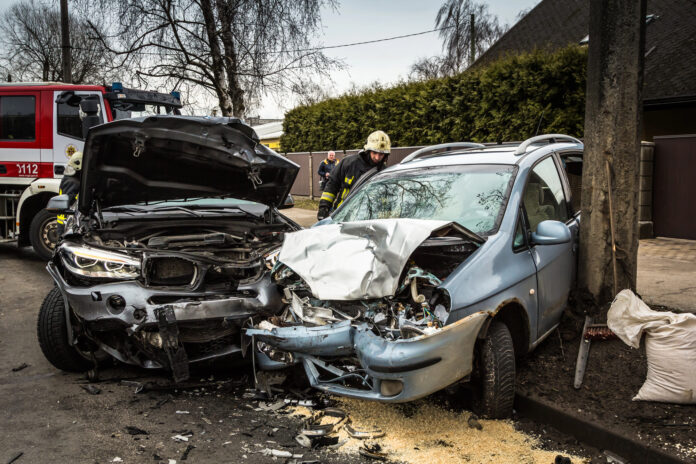
Tempe’s Hidden Crash Traps: Driveways, Alleys, and Private Lanes

Photo by depositphotos at https://depositphotos.com/

When most Tempe drivers think about car accidents, images of busy intersections like University Drive and Rural Road immediately pop into mind. But what about those less obvious, yet equally treacherous, spots? We’re talking about hidden crash traps—driveways, alleys, and private lanes—areas you probably overlook daily until it’s too late.

Here’s the kicker: These small, seemingly innocent spaces account for a surprising number of Tempe collisions each year. Let’s break down exactly why these areas pose such a hidden risk.

The Dangerous Dance of Driveways

Tempe neighborhoods and commercial areas are filled with driveways, each acting as a miniature intersection. Every driveway is an opportunity for confusion. Drivers exiting these spaces might misjudge the speed of approaching traffic or simply fail to check properly before merging onto the street. Likewise, drivers on main roads often aren’t prepared for cars suddenly appearing from driveways, leading to rear-end or side-impact crashes.

For more insights into liability issues specific to these accidents, you might consider consulting a knowledgeable Arizona car accident attorney.

Alleyway Ambushes

Tempe’s alleyways are narrow, often poorly lit, and surrounded by obstacles that block visibility. When drivers pull out of alleys onto bustling streets like Apache Boulevard or Mill Avenue, limited sightlines significantly increase collision risks. Drivers, pedestrians, and cyclists are equally vulnerable in these scenarios, creating the perfect storm for unexpected crashes.

If you’re navigating these tricky areas in downtown, consulting with a Downtown Tempe lawyer can clarify your rights and responsibilities.

Private Lanes: The Overlooked Risk

Private lanes, especially in busy areas like apartment complexes or shopping centers near ASU, carry their own unique dangers. These roads typically lack clear signage, sufficient lighting, or well-defined rules about right-of-way. The ambiguity means drivers must navigate these lanes with heightened caution, yet many drivers overlook these details, assuming others will yield, increasing the potential for accidents.

To better understand local regulations and initiatives improving road safety, the official Tempe government website offers helpful resources and updates.

Why Insurance Companies Cringe at These Crashes

Driveways, alleys, and private lanes introduce complicated insurance scenarios. Often, these areas blur the line between public and private property, causing headaches during liability assessments. Was a stop sign obscured by foliage? Was lighting inadequate in a private parking lane? Determining fault can become intricate and contentious, potentially delaying settlements.

Protect Yourself from Tempe’s Hidden Crash Traps

While the danger is real, you’re not helpless. Here are quick, actionable tips for navigating these risky areas safely:

  • Slow down and be extra alert when passing through residential neighborhoods or commercial driveways.
  • Always anticipate vehicles emerging unexpectedly from alleys and private lanes.
  • Use defensive driving tactics: Don’t assume the other driver sees you. Pause, check, and double-check before proceeding.

If you do find yourself involved in an accident within these complex scenarios, reaching out promptly to a skilled Tempe car accident attorney can make a significant difference in navigating your claim.

Ultimately, understanding Tempe’s hidden crash traps—those unexpected danger zones lurking in plain sight—is your best defense against a collision. Drive with heightened awareness, and you’ll significantly reduce your risk of falling victim to one of Tempe’s most underestimated hazards.

CHEVROLET NCS AT MEXICO CITY: Michael McDowell Media Availability Quotes

NASCAR Cup Series
Autódromo Hermanos Rodríguez
Team Chevy Driver Quotes
June 13, 2025

 Michael McDowell, driver of the No. 71 Spire Motorsports Chevrolet, met with the media in advance of the NASCAR Cup Series race weekend at Autódromo Hermanos Rodríguez.

Media Availability Quotes:

Michael, how did you start processing and preparing for this weekend in Mexico City? Just what is the process to get yourself ready to make your first lap start in just a few minutes?

“Yeah, I think that you started looking at the layout, configuration and things like that months ago. As far as, putting pen to paper and kind of drawing out your game plan — whether it’s time on simulation at the GM Tech Center, those things, I would say probably about a month ago it all started. And then kind of ramped up each week a little bit more and a little bit more because you’re still getting ready for Charlotte, Nashville, Michigan and all those things. We kept working Mexico in, Mexico in. So, yeah, I would say it’s been about a month, as far as that goes.

And then just in general, just trying to think about how to approach it… what other road courses is it close to? What are the curves going to be like? You know, all those things. You’re trying to put pieces together that you don’t know until you can physically see it and touch it. But, yeah, it’s been fun to get here I’m glad it’s finally here and looking forward to it.”

As somebody who is so proficient on road courses, how exciting is it to come here and get on this road course that’s used by Formula 1? Do you enjoy going to the new road courses and the challenge that that presents?

“Yeah, I love it. You know, obviously I’m biased because road racing is kind of my thing and I love it and we know that those are opportunities for us. But also, too, it’s not as intimidating to me getting into the rhythm and learning new tracks and things like that. But that doesn’t mean that it’s easy. I’m not trying to portray that. But it’s kind of like Kyle Larson going to a dirt track tonight. He figures it out really fast. I feel like road courses are a little bit like that for me, where I can get acclimated pretty quickly and pretty comfortable, and so it’s fun. Any time that you go somewhere new is fun because you know that it’s the same for everybody and that it’s kind of like starting from ground zero. Some of us do have experience here, but track configuration has changed and a lot has changed since we ran here.

So yeah, that part of it is exciting. And for me, any time that they add a road course to the schedule, I’m excited. This is a big weekend for all of us.”

What do you expect out of this weekend, and what is your favorite thing about Mexico?

“So my favorite thing about Mexico — it’s been 20 years since I’ve raced here, but it’s the fans. I just know how Sunday is going to be. It’s incredible energy and incredible atmosphere. It feels like a festival and a concert and a race all happening at one time. Like I said, it was 20 years ago when I was here. But at the time, Luis Diaz and Mario Dominguez were racing, and those guys were heroes. Like every time they went into a corner, you heard the crowd cheer. And wherever they walked, the crowd went nuts. And I’m just like, I can’t imagine what it’s going to be like for Daniel (Suarez) on Sunday… I really can’t. It’s going to be wild. But just the energy that the fans have here is electric.

You know, the challenges with the race course and all those things is — road courses for us, everybody’s super aggressive and there’s long straightaways. You get brake zones. There’s going to be opportunities for chaos, and we usually find a way to create it. So, you know, that’s what you get nervous about. That’s the challenges, is that you keep putting together a perfect race, and you’ll be having a great weekend and just, you know, get wiped out. Those are the concerns you have going into it.”

How important is it for the NASCAR Cup Series Series to take the show here in Mexico and to the world stage in general?

“Yeah, really important. I think that, I mean I want to be careful because I know people will take a little soundbite, but we have some of the best racing in the world, if not the best racing, when it comes to side-by-side passes, passing for the lead. And I think that the product that we put on and the race that we put on, we should be on a global stage, and this is that first step for us to do that. I hope that in the future, we’ll continue to make those advancements because I feel like our sport is cool and big enough and exciting enough to pull that off. And you just see the momentum. That’s what I’m wanting to see there, you know, with INDYCAR. Yes, our racing is different, but I believe that when you sit in the stands, we put on a better show.”

You never know with the mountains here. There’s a lot of rain in the forecast, and you’re familiar with that, as well. Are you pro-racing in the rain or anti-racing in the rain?

“I’m neutral. I don’t mind it if it rains. I like driving in the rain. I like racing in the rain. It does add challenges and it adds variables that sometimes are controllable and sometimes are not controllable. What I don’t love is mixed, and a lot of times that’s what we get, right? It’s usually that they’re just straightforward… this is going to be a rain race or a dry race. So I don’t mind it. I don’t mind it. I actually look forward to it.

I hope that we get a rain session today and a dry session today… get one of both so we can be prepared. But the fun part about racing in the rain is your ability, the driver’s ability, to find grip and to find the right line and to miss the puddles and to extract the most out of the car in a really difficult situation. And so I enjoy the challenge of it. Probably what I don’t enjoy is no different than we talked about in the dry, is somebody locking up hydroplaning at the end of the straightaway and wiping you out when you’re having a good day. Those are the variables you can’t control. But we’re ready for each and every situation. I think our cars handle well in the rain. The Next Gen cars have done well in the rain. It’s not the hydroplaning and all those things. It just depends on how much water there is. The drainage is pretty good here in most areas. There’s a few areas that looked like they were creating some puddles, but I feel like overall, we should be able to do both well.”

Michael, what are the areas you feel like you need to be good at here and what are the compromises you have to make on track to be good in those areas?

“You want to be good in the brake zones just because they’re so important here. Turn One, obviously, 4,000 feet straightaway — you want to be good in brakes into one, into four and again into 11. But a lot of times when you try to put braking potential into the car, you do sacrifice some handling and stability through the esses, in particular. That’s the compromise. The compromise is you want to be strong in both and you don’t want to give up too much. But I feel like the braking zones here are going to be really important.”

Also, you talked about the crowd experience and what it’s like to race here and some of the heroes that have raced here. If you’re running second on Sunday and the No. 99 is in front of you…

“Oh, this is a fun conversation (laughs).

My crew chief and I had a fun conversation about this. I don’t think there’s a good answer to this or a right answer, but AJ (Allmendinger) and I actually spoke about this on the bus this morning, too. We were just having some fun and (Alex) Bowman was on there with us, too. I told him about my experience down here. My experience down here was Timo Glock was my teammate and we had identical cars. They were bright yellow rocket sport cars with a little bit of red on them. They looked identical. Hard to tell the difference between the two cars. Timo spun out Mario Dominguez, I believe. The crowd was chanting. I won’t tell you what they were chanting, but we had to have an escort to get out of here… no joke. Just because I was wearing the same suit and the same car, and so I was reminiscing about that. I was like, you do not want to spin out (Daniel) Suarez as here, I can tell you that. You do not want to do that. That is not a part of your strategy for the weekend.

But my crew chief and I were talking about it and he said, what do you mean? You’re telling me last lap, last corner, you’re not going to move him out of the way? I’m like, no, I’m not. I think that when it comes to that, in the moment, things happen. If you’re side-by-side and you’re racing hard and you’re doing all those things, our sports like that, I’m not going to give up a win. You guys know how much wins mean in this sport and getting into the playoffs and everything that comes with it. You’re never going to lay over for anybody. At the same time, I’m not going to go out of my way to rough him up, that’s for sure. I think that goes the same for everybody. I think that’s part of the weird etiquette at road course racing. Daniel and I have had great battles at road course racing. Him and I battled at Sonoma the time that he won. There’s moments in there where I wish I could go back and be like, oh man, if I just came off the brake and got in front of him, I think I would have gotten the lead. He was the guy that I passed for the Indy win. If you guys remember, he was leading and I passed him to take the win. I think him and I have a high level of mutual respect. We’re both guys that go for it. If we’re in that situation, that’s great. That means we had a great day and we’re racing for the win, but I would be careful. I think that’s the best way to say it. It’s not the safety part of it. This is a great opportunity, an unbelievable opportunity. I think everybody knows that and sees that.”

There’s an extreme elevation difference here. Have you and the team prepared any differently for the extreme difference?

“Yeah, for sure. There’s a lot of effort that’s gone into it. Obviously, you’re not going to change the altitude.

We knew what it was going to be before we got here. The teams have been working hard on cooling and preparing for that, as far as engines and brakes. With the air density, that’s a big part of it. It’s just super inefficient here. You’re losing close to 30% of your efficiency of cooling. That’s definitely a concern for everybody and something that’s been on everybody’s minds.

When it comes to the driver and the altitude training, there’s a lot of different strategies and a lot of different philosophies. I, by no means, feel like the scientist that has got it right, but I’ve been here a few times and I’ve experienced it a few times, so I know what works for me. It is a challenge. Honestly, it’s part of the reason why I decided not to run the Xfinity race was because I felt like this is a really physically demanding weekend, getting acclimated to the altitude and road racing in general. Yes, extra laps and extra seat time would be great to be more familiar, but I felt like you’re going to be at your limit on Sunday and I want to make sure that I have the best possible day of the week.”

Is there anything you’ve changed in your prep for the race with elevation, but specifically to get more acclimated to the racing on Sunday?

“I mean, we increased things, but nothing changed dramatically. I mean, we did do some different things as far as — I mean, I won’t tell you, we did some things to train for it, but I feel like everybody’s probably done some version of what they feel like to help them get acclimated. But I feel like nutrition and sleep and hydration and supplementation is a big part of it, too, and I feel like I have that worked out for me.

We’ll see. Sunday, if you go to interview me after the race and I can’t breathe, you know that I didn’t do a very good job.”

About General Motors

General Motors (NYSE:GM) is driving the future of transportation, leveraging advanced technology to build safer, smarter, and lower emission cars, trucks, and SUVs. GM’s Buick, Cadillac, Chevrolet, and GMC brands offer a broad portfolio of innovative gasoline-powered vehicles and the industry’s widest range of EVs, as we move to an all-electric future. Learn more at GM.com.
From Pit Strategy to Profit Strategy: How NASCAR Fans Are Fueling Financial Wins Off the Track

Photo by depositphotos at https://depositphotos.com/

High-Speed Passion Meets Smart Planning

In the world of NASCAR, speed isn’t everything—strategy wins races. From tire management to fuel windows, every split-second decision on the track can make or break a team’s position. It’s this delicate balance of risk, precision, and timing that keeps fans glued to the edge of their seats every race weekend.

What’s interesting, though, is that the same qualities that make for a great NASCAR crew chief or driver—quick thinking, data analysis, and a gut for timing—also translate incredibly well into another arena: online trading. Specifically, forex trading.

For the average racing fan, the adrenaline of NASCAR doesn’t have to end when the checkered flag waves. There’s another way to put your strategic mindset to work—through managing your own financial “pit crew” and gaining control over your personal economy.

The Similarities Between Motorsports and the Markets

You don’t have to look far to see that trading, like racing, is driven by performance, analysis, and timing. Here’s how the two worlds align:

  • Track Conditions vs. Market Trends: Just as teams monitor changing track temps and weather, traders monitor economic data and chart movements.
  • Pit Stops vs. Entry/Exit Points: Knowing when to pull in or stay out of a trade is just as critical as a perfectly timed pit stop.
  • Crew Chief Decisions vs. Trade Management: Both rely on data, instinct, and fast reaction times under pressure.

And just like in racing, you don’t need to be a pro to get involved—you just need the right tools, training, and drive.

Gearing Up with Forex Knowledge

Forex (foreign exchange) trading is all about buying and selling currencies based on market trends. It might sound far from Daytona or Talladega, but for many NASCAR fans who love stats, strategy, and chasing gains, it’s a natural fit.

If you’re just starting out, a smart way to dive into the basics is through a clear, structured guide. That’s why many beginners start with a helpful resource like this forex trading for beginners PDF. It simplifies the complex and explains how the market works, how to spot patterns, and how to make calculated trades—all without needing a background in finance.

It’s like getting a race manual before hopping into a stock car. You’ll understand the layout, the signals, and the rhythm of the market so you can make moves with confidence, not guesswork.

Why Racing Fans Make Smart Traders

NASCAR followers are no strangers to analytics. You’ve likely found yourself comparing lap times, pit strategies, and championship standings during the season. That same data-driven mindset is a major asset in trading.

Here are a few reasons why motorsport fans often excel in financial strategy:

  • Pattern Recognition: Spotting trade setups on a chart isn’t too different from spotting tire falloff trends or fuel strategies.
  • Patience Under Pressure: Trading, like racing, is about waiting for the right moment to pounce—not making rash decisions.
  • Risk Assessment: Knowing when to push and when to hold back is a skill that translates perfectly from the speedway to the market.

Comparing Forex and Motorsports Strategy

AspectNASCAR RacingForex Trading
Environment MonitoringTrack conditions, weather, competitionMarket trends, economic indicators
Teamwork/PreparationPit crew, engineering, car setupResearch, planning, broker selection
Decision-MakingWhen to pit, when to draftWhen to enter, hold, or exit a trade
ToolsTelemetry, timing data, simulationsCharts, indicators, trading platforms
Risk ManagementAvoiding crashes, managing tiresStop-loss orders, risk-reward ratios

Trading from the Garage or the Stands

Another great advantage of forex trading is its flexibility. You don’t need an office setup or a huge investment to get started. With just a laptop or smartphone, you can trade from your garage between car maintenance sessions, or even from the stands during a rain delay.

There are also demo accounts available, allowing you to practice in real market conditions without real money—kind of like sim racing before getting on the actual track. It’s a safe way to build your skills before going full throttle.

And much like following a driver’s progression over a season, trading success is about steady improvement. You build confidence lap after lap, trade after trade.

Final Lap: What’s Your Next Move?

For fans who live and breathe NASCAR, adding another layer of excitement to their week through trading isn’t as far-fetched as it might seem. With a strategic mindset, a passion for analysis, and a reliable resource like a beginner’s trading PDF, many are finding that the thrill of forecasting market moves is not unlike predicting a race outcome.

It’s about control, timing, and pushing your limits—all while staying grounded in preparation. And whether it’s a green flag start or a global currency move, those who study the course ahead often come out in front.

Collision Course: What Motorsports Teaches Us About Real-World Car Accident Risks and Response

Photo by depositphotos at https://depositphotos.com/

Every weekend, motorsports captivate fans around the world with speed, strategy, and split-second decisions. Beneath the thrill of the race lies a constant battle against risk. Professional drivers rely on sharp instincts, advanced vehicle tech, and strict safety protocols to avoid catastrophic outcomes. While most people never experience a racetrack firsthand, the lessons learned in this high-stakes environment have real-world relevance.

Car accidents happen daily on public roads, often with severe consequences. Although the average driver doesn’t face the same speeds or conditions as a professional racer, the principles of risk mitigation, awareness, and response apply universally. By examining what motorsports has taught us about crashes and safety, we gain insights that can improve outcomes for everyday drivers involved in accidents.

The Mechanics of a Crash: Speed, Impact, and Human Reaction

In racing, understanding the physics behind a crash is essential. Forces increase exponentially with speed, and small miscalculations can lead to dramatic results. Engineers and drivers work together to design vehicles that absorb energy effectively, minimizing harm to the individual. These same concepts—crumple zones, roll cages, and restraint systems—have trickled into consumer vehicle design, directly reducing fatalities on the highway.

According to www.michaelwaks.com, In typical car accidents, many of the same dynamics are at play. Sudden deceleration, driver reflexes, and point of impact all affect injury severity. However, most people aren’t trained to react under pressure like racecar drivers are. This difference in preparedness is critical. The motorsport world has long prioritized simulation training and emergency drills, practices that could benefit everyday drivers through public education and better licensing processes.

When considering everyday driving environments, it’s important to note how conditions like weather, traffic flow, and visibility can influence crash outcomes. Unlike controlled tracks, real-world roads are unpredictable, making it all the more essential for drivers to adopt crash-prevention habits learned from racing—anticipating potential hazards and keeping their vehicles properly maintained.

Injury Outcomes and Vehicle Safety Features

Motorsports have been instrumental in the development of innovative safety features. Technologies such as the HANS device (Head and Neck Support) and five-point harnesses have inspired advancements in airbags and seatbelt systems. These innovations, when adapted for commercial vehicles, have saved countless lives. The key takeaway is proactive design—building safety into the structure rather than treating it as an afterthought.

In real-world crashes, the presence and performance of safety features often determine whether a collision ends in minor bruises or long-term trauma. Despite this, many drivers overlook the importance of vehicle maintenance and model safety ratings. Motorsports reinforce that safety doesn’t end with purchase; it involves routine inspection and respect for mechanical limitations. The more aware we are of our car’s protective capabilities, the better we can trust them when it counts.

As newer cars adopt technologies like automatic emergency braking, lane assist, and collision warnings, there’s growing potential to prevent crashes altogether. These systems, initially tested in high-speed environments, bring race-inspired intelligence to the average commute, offering both passive and active support to help reduce injury risks.

Driver Responsibility and Mental Conditioning

A racecar driver’s greatest asset isn’t just skill—it’s discipline. They train their minds to remain calm under pressure, stay hyper-focused, and adapt instantly to changing conditions. This mental toughness reduces error and improves reaction time. On public roads, distracted driving remains a leading cause of accidents. Unlike professionals, average drivers contend with phones, fatigue, and emotional stress behind the wheel.

We can learn from motorsports by treating every drive with similar mental engagement. Being intentional about reaction times, maintaining a clear head, and avoiding multitasking while driving all contribute to fewer accidents. Racing culture demands total focus, and that mindset—if adopted by everyday drivers—could dramatically reduce collisions caused by human error.

Incorporating mental conditioning techniques such as visualization, situational awareness drills, and stress management can further reduce road risk. While these practices are commonplace in the racing world, there’s room to bring them into driver education programs, preparing everyday motorists to handle unexpected challenges more calmly and competently.

Emergency Response and Aftermath Management

When an accident occurs on the racetrack, response time is immediate. Medical personnel, fire crews, and communication teams work in tandem to assess and treat injuries. This coordinated effort saves lives and limits damage. The racing world has shown that the minutes after a crash are as important as any safety feature built into the car.

Off the track, response times vary widely. Delays in emergency services or lack of immediate first aid knowledge can worsen injury outcomes. Public awareness campaigns could borrow from motorsports’ efficiency by emphasizing the importance of fast, organized response. Additionally, how a driver handles the aftermath—gathering evidence, documenting injuries, and seeking medical evaluation—is crucial for insurance claims and legal recovery. Motorsports culture reminds us that what happens after impact matters just as much as the crash itself.

Training the public in basic first aid, promoting the use of in-vehicle emergency kits, and implementing real-time crash notification systems can improve post-collision outcomes. These practices, adapted from motorsport operations, could significantly increase survival rates and improve recovery experiences for everyday drivers.

Conclusion: Lessons Worth Applying

The world of motorsports offers more than entertainment; it delivers practical lessons in risk, preparedness, and resilience. Although most drivers will never face the G-forces of a racetrack, the principles of controlled driving, attention to safety, and quick recovery translate seamlessly to everyday road use. These shared values create an opportunity to make driving safer across the board.

By treating public roads with the same seriousness as a track, we promote a culture of responsibility. Learning from professional racing doesn’t require a helmet or pit crew—just a commitment to safety, awareness, and smarter responses. Whether you’re behind the wheel of a racecar or commuting to work, these lessons can make the difference between disaster and survival.
