Home Blog Page 56

Why Authenticity Matters More Than Ever in Classic Car Restoration

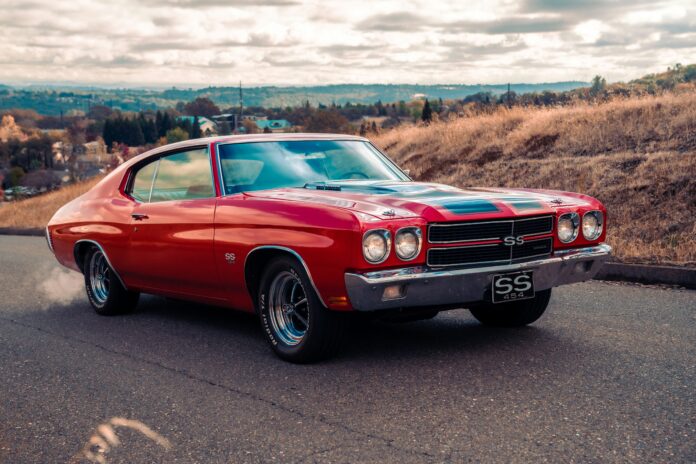
Photo by Meritt Thomas on Unsplash

Classic car restoration has never been a one-size-fits-all endeavor. Every project involves a series of decisions about what to preserve, what to repair, and what to replace. Some owners want their vehicles to look and perform exactly as they did when they left the factory decades ago. Others prefer to incorporate modern upgrades that improve drivability, comfort, or reliability. Neither approach is inherently right or wrong, but in recent years there has been a noticeable shift within the collector car world toward a greater appreciation for authenticity.

Part of that change stems from the growing maturity of the collector market itself. Enthusiasts today have access to more information than ever before. Production records, factory documentation, historical photographs, specialized restoration resources, and online communities make it easier to research a vehicle’s original specifications and understand what makes a particular model significant. As a result, buyers have become more knowledgeable and often more discerning. Rather than focusing solely on appearance, many now pay close attention to details such as original components, factory-correct finishes, matching numbers, and documented ownership history. Resources that focus on collector vehicles, restoration craftsmanship, and automotive preservation can help enthusiasts better understand these distinctions and the factors that contribute to a vehicle’s long-term significance.

The value of authenticity extends beyond the financial considerations that often dominate discussions about collector cars. A classic automobile represents a moment in time. It reflects the engineering priorities, manufacturing methods, design trends, and cultural influences of the era in which it was built. When a vehicle retains its original character, it provides a more accurate connection to that history. That connection is part of what makes classic cars so compelling in the first place.

Why Originality Carries Weight

This does not mean that every original part should be preserved regardless of condition, nor does it suggest that all modifications diminish a vehicle’s worth. The reality is more nuanced. Many classic cars require extensive work simply to remain roadworthy, and thoughtful upgrades can sometimes improve safety or reliability without compromising the essence of the vehicle. The key distinction is whether restoration decisions are made with an understanding of what gives a car its identity. Owners who appreciate that identity are often more deliberate about what they change and what they leave untouched.

One reason authenticity has become increasingly important is that it cannot easily be recreated once it has been lost. Mechanical components can be rebuilt. Damaged body panels can be repaired. Paint can be refinished. Historical originality, however, is a finite resource. Once factory markings disappear, original materials are discarded, or distinctive details are replaced with generic alternatives, those elements are often gone forever. In many cases, restoring them later requires significant expense, extensive research, or simply becomes impossible.

The premium placed on originality can be seen in the collector market itself. In 2025, a largely untouched 1971 Mercedes-Benz 280 SE 3.5 Cabriolet was marketed as one of the finest surviving examples of its kind because it retained its original chassis, engine, transmission, bodywork, and interior. Much of the vehicle’s appeal came from preservation rather than restoration, illustrating how authenticity can become a defining part of a classic car’s story and long-term desirability.

The importance of these details may not be immediately obvious to casual observers. To someone unfamiliar with a particular vehicle, a trim piece, badge placement, upholstery pattern, or hardware finish may seem insignificant. Yet within the collector community, these details often tell an important story. They reveal how a car was originally produced and help distinguish a carefully restored example from one that merely looks attractive from a distance.

Enthusiasts who spend years studying specific marques and models understand that authenticity is often found in the small things. A period-correct interior, the proper fasteners, original finishes, or factory markings may not attract attention from everyone who sees the car, but together they contribute to its credibility and historical integrity. In many cases, these details are what separate a restoration that is admired by knowledgeable collectors from one that simply photographs well.

There is also an important historical dimension to restoration work that is sometimes overlooked. Many of the most admired collector cars survive today because previous owners invested the time, effort, and resources required to maintain them. Each generation effectively serves as a caretaker, preserving the vehicle for the next. Seen from that perspective, restoration becomes less about ownership and more about stewardship. The goal is not simply to create a beautiful finished product, but to ensure that an important piece of automotive history remains intact for future enthusiasts, collectors, and historians.

The best restorations often balance technical expertise with a genuine respect for the vehicle’s story. They recognize that preserving history can be just as important as improving appearance. In a market where truly original examples are becoming harder to find, that perspective has only become more valuable.

The Appeal of Authentic Experiences

This attention to detail reflects a broader trend that extends far beyond automobiles. In an increasingly digital world, many people are seeking experiences that feel tangible, personal, and connected to craftsmanship. The renewed interest in vinyl records, mechanical watches, handcrafted goods, and traditional trades speaks to a desire for authenticity that technology alone cannot satisfy.

Classic cars occupy a similar space. They offer a driving experience defined by mechanical feedback, distinctive design, and a level of character that many modern vehicles intentionally smooth away in pursuit of convenience. While modern automobiles are often faster, safer, and more technologically advanced, they can sometimes feel detached from the driving experience itself. Older vehicles ask more of their drivers and, in return, often provide a stronger sense of connection.

The desire for authentic, hands-on experiences is also helping attract a new generation of enthusiasts. A Hagerty survey found that 57% of Millennials and 53% of Gen Z respondents expressed interest in owning a classic car, challenging the assumption that collector vehicles appeal only to older generations. The findings suggest that appreciation for automotive history, mechanical craftsmanship, and analog experiences continues to resonate with younger buyers despite the rise of digital technology and increasingly automated vehicles.

For many enthusiasts, restoring a classic car is therefore about more than preserving an object. It is about preserving an experience. The sound of a particular engine, the feel of a manual gearbox, the simplicity of the controls, and even the imperfections of an older design all contribute to what makes the vehicle memorable. A restoration that respects those qualities allows future owners to experience the car in a way that remains true to its origins.

That desire for authenticity helps explain why so many collectors invest considerable time and resources researching a vehicle before beginning a restoration. They are not simply trying to create a beautiful car. They are trying to preserve the qualities that made the car meaningful in the first place.

Looking Ahead

As classic vehicles continue to age and truly original examples become harder to find, authenticity will likely become even more significant. Collectors will always have different preferences, and there will always be room within the hobby for customization, performance upgrades, and creative interpretations. At the same time, the growing emphasis on authenticity reflects something fundamental about why people value classic cars in the first place. These vehicles connect us to a different era of engineering and design, and that connection becomes stronger when their original character has been carefully preserved.

In the end, authenticity is not about resisting change or insisting that every vehicle remain frozen in time. It is about understanding what makes a particular automobile special and making restoration decisions that respect that history. The most admired restorations are rarely those that attract attention through excess. More often, they are the ones that demonstrate patience, knowledge, and a commitment to preserving the qualities that made the car worth saving in the first place.

How to Safely Transport a Classic Car After Buying Online or at Auction

Image by F. Muhammad from Pixabay

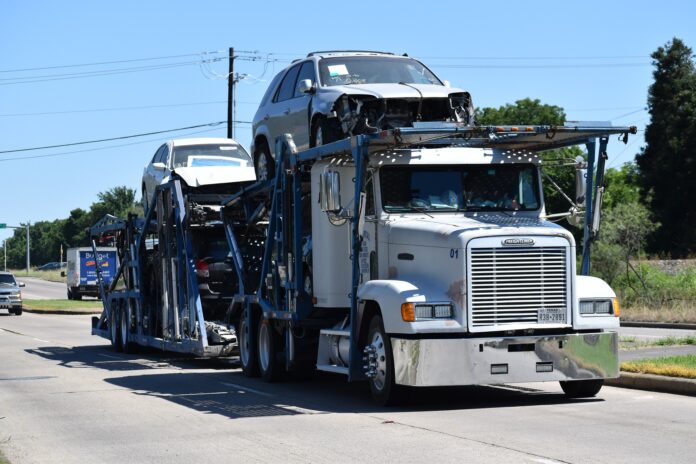
Buying a classic car online or at auction is an exciting moment for any car enthusiast. Whether you have found a pristine 1967 Ford Mustang or a rare Chevrolet Camaro, the main challenge is: how are you gonna get it safely home? This is where the part where classic car transport comes in.

​Unlike modern vehicles, old classic cars often require some extra care during transportation because of their age, value, and unique mechanical condition. ​If you’re thinking of compromising on transportation, you may regret it. When you finally receive your coolest classic, it may come with some scratches, mechanical damage, or even something worse.

​You do not have to worry. I’ll guide you on everything to get your classic car safely after buying it online or at auction.

Before You Arrange Transport: Check the Vehicle Condition First:

One of the biggest mistakes buyers make when they buy something online or remotely through an auction platform is that they arrange transport without checking the vehicle condition.

Well, when you see something online, you must know that they’ll try to hide their defect in their product. It may appear that the classic car you bought looks good, but when you receive the car, you may find various defects in that car, like rust, oil leaks, engine smoke, transmission faults, brake wear, electrical issues, suspension damage, etc.

In that case, you’ll have to inspect the car carefully. To do that, you should hire a third-party inspector to assess the car in person, request detailed photographs, maintenance records, and any available inspection reports.

You’ll have to pay close attention to:

  • Existing dents, scratches, or rust.
  • Mechanical condition.
  • Tire condition and air pressure.
  • Fluid leaks.
  • Battery status.
  • Ground clearance.

This will ensure the dream car you’re buying will come to you as you expected.

Open Transport vs. Enclosed Transport: Which One Does Your Classic Need?

One of the most important decisions is choosing the right transport for your classic car. To make it easy for you, let’s break down the open and enclosed transport.

Open Transport:

Open transport is an affordable option for car transport. In open transport, the vehicles are transported on an open trailer. Here, your car will be exposed to the elements like road debris, rain, dust, and whatever else the motorway throws at it.

Enclosed Transport:

Enclosed transport offers a higher level of protection and caring. This is a safer way to transport expensive or rare classic cars. The vehicle will be transported on a fully covered transporter, completely protected from the weather and road grime.

For transporting a rare classic, the obvious option is enclosed transportation. Many collectors consider it the safest option for transporting their valuable cars during long-distance transport.

Transporting a Non-Runner Classic:

Many classic vehicles are not fully operational. They can’t be driven due to mechanical issues, brake problems, or an incomplete restoration. In this situation, you have to inform the transport company before booking. Non-runner cars require special equipment like winches, ramps, lift gates, etc., for a safe loading and unloading process.

You must know that this is definitely not a job for standard transportation. That’s why you’ll have to provide the accurate info to the transport company. So, they arrange the required equipment for that job. Otherwise, for lack of care, your car may take some damage during this process.

Prepare for Vehicle Collection:

Preparing for the vehicle collection is necessary for a smooth collection process. Before the transporter arrives, you have to make sure:

  • You removed personal items and loose accessories.
  • Secure or remove valuable spare parts.
  • Take date-stamped photos from all angles.
  • Note any existing damage in writing.
  • Ensure the fuel tank is only partially filled unless otherwise instructed.
  • Confirm drop-off details with the driver.

Verify Insurance Coverage:

Before shipping your classic car, please confirm its insurance during transportation. Then ask the transport company about its liability and coverage limits. You need to consider:

  • What is the maximum coverage amount?
  • Does the policy cover classic and collector vehicles?
  • Does the coverage apply throughout the entire transport journey?
  • Insurance Coverage Limits.
  • Is coverage provided by the transport company or a third-party insurer?
  • What documentation is required in the event of a claim?

Why Comparing Specialist Transport Quotes Makes Sense?

Classic car transportation isn’t something that happens too often. So, not all transport providers have experience in handling classic vehicles. In this kind of situation, comparing multiple quotes helps a lot.

​Comparing quotes from multiple specialist classic car transporters helps you calculate the pricing easily, understand service levels, insurance coverage, and customer reviews, what’s included: enclosed vs. open transport, door-to-door service, etc. It will genuinely help you make a clear decision.

When you are searching for a company that specializes in classic car transport, you need to evaluate their experience, driver skill, and handling procedures. These qualities will help minimize risk throughout the journey. Instead of choosing a transport company based on price, consider the overall package, including protection, communication, and experience.

Final Thought:

Getting a classic car online or at auction is surely an incredible moment. But, the journey isn’t over yet. You still have to go through the full process of transporting and collecting it. That’s where the problems begin. You’ll have to inspect the vehicle’s condition by hiring a third-party inspector for this. Then choose a transport company, making sure they’re capable of handling your case, ensuring your car is under good coverage, and comparing specialist transport providers. In this way, you can significantly reduce the risk to the lowest.​

Casino Etiquette: Unwritten Rules Every Player Should Know

Photo by Michał Parzuchowski on Unsplash

Casino etiquette is not written on the table, but everyone notices it. The difference between a smooth game and an awkward one often comes down to small habits. New players pick up most mistakes from online content, not from real tables.

How online habits show up at real tables

Many players today start with digital betting, then move into live tables or land-based venues. It changes how they behave without them noticing. Someone who browses odds or follows races through online horse betting gets used to instant feedback and fast clicks.

That same person may scroll through the best betting websites in India, compare options quickly, and expect the same pace everywhere. At a blackjack or roulette table, that mindset slows the game down instead of helping.

In a real setting, every action affects others. A delayed decision or distraction holds the entire table. Etiquette starts with understanding that the game is shared, not individual.

Chips are not just yours to touch

Handling chips looks simple, but it’s one of the first things that signals experience. At a table, players keep their stack organized and visible. Touching someone else’s chips, even by accident, gets attention immediately.

Dealers also follow strict rules. Once a bet is placed, it stays in position until the round ends. Moving chips mid-hand creates confusion and breaks the flow. In busy rooms, that small action can delay multiple players.

Things that quietly annoy everyone at the table

Some behaviors don’t break rules, but they disrupt the rhythm. They stand out more than loud mistakes because they repeat often. These are the ones that come up the most:

  • Reaching into the betting area after the deal starts.
  • Commenting on other players’ bets or decisions.
  • Filming the table or other players without asking.
  • Arguing with the dealer over clear outcomes.

Each of these slows the game and shifts attention away from play. A smooth table depends on quick, predictable actions.

Talking to the dealer the right way

Dealers manage pace, payouts, and order. Respect keeps everything running smoothly. Simple phrases like “thank you” or a nod after a hand go a long way.

In live dealer rooms, the same applies through chat. Messages are visible to everyone, not just the dealer. Short, clear comments work better than long reactions or repeated questions. Understanding the basics of a casino background helps explain why dealers follow strict routines and why consistency matters during play.

Phones, photos, and timing

Phones are part of the modern table, but they need to be controlled. Checking a message between hands is fine. Holding up the game to answer a call is not. Recording video or taking photos is more sensitive. Other players expect privacy. In many venues, staff will step in if a camera stays out too long.

How etiquette is changing in 2026

New players bring habits from short videos and fast apps. That shift is visible on casino floors. Observations in casino floor trends show how digital-first users approach games differently.

Players will expect speed and constant action, and etiquette adapts, but the core stays the same. Clear actions, respect for others, and a steady pace still define a great table experience.

Reading the table before joining helps. Watch a few rounds, notice how others act, and match that pace. It avoids awkward pauses and keeps the game smooth. Simple awareness often matters more than knowing every rule in advance.

How Data Analytics Is Reshaping Strategy in Today’s NASCAR

Modern NASCAR teams are using advanced data analytics to refine competitive strategies and boost their chances on race day. From enhanced car setups to in-the-moment decisions on the pit wall, analytics now informs every layer of competition, which has changed not only team preparation but also the immediate choices made during races.

Data-driven decision-making is now commonplace in today’s NASCAR, influencing how the action unfolds each week. While the foundations of racing remain constant, an increased use of technology has unlocked more precise ways to measure, anticipate, and adjust to developments as they occur. Analytics now stretch past engineering and anchor themselves in the heart of race-day planning. For many fans, understanding probabilities and odds is familiar—casino bonuses for players illustrate how statistical analysis helps make sense of chance and performance, offering a reference point for how analytics deepen strategic understanding in NASCAR. Teams increasingly rely on analytics to maximize competitive results, acting quickly as situations change and using every available metric to inform split-second decisions.

Advanced metrics have redefined what teams measure

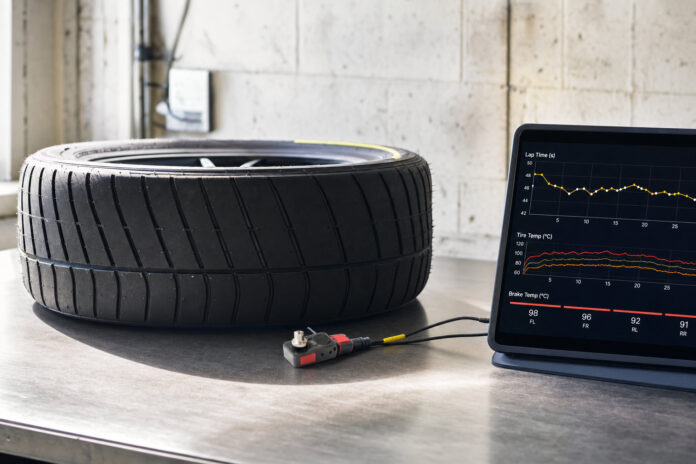
Modern NASCAR teams collect extensive metrics from their cars during practice, qualifying, and live competition. Telemetry includes a broad set of sensors, capturing data on tire pressure and temperature, fuel burn rates, aerodynamic downforce, and points of suspension travel each lap. Crew members analyze these inputs to understand the current state of the vehicle and identify subtle performance trends throughout a session.

Another crucial aspect is lap-time falloff, where teams assess how much slower a car becomes as tires wear. This feeds directly into pit stop calculations. By closely tracking tire degradation and fuel consumption, crew chiefs can time pit stops more accurately, helping to avoid unnecessary trips down pit road. These integrated data streams enable squads to keep their tactical options open, seeking every possible edge in a dynamic race environment where flexible strategy can be the key to a podium finish.

Translating streaming data into race strategy decisions

The engineering teams within NASCAR organizations specialize in turning massive streams of telemetry into actionable direction for race management. They use predictive modeling and real-time processing to help crew chiefs weigh different risk scenarios. For example, models can indicate whether a driver should attempt to undercut or overcut the competition by staying out longer or pitting sooner, based on expected tire drop-off and the likelihood of a caution period.

During green-flag runs, these engineering groups provide streamlined updates to spotters and strategists, ensuring everyone has a clear interpretation of current trends and potential threats. The process forms a rapid feedback loop between garage, pit wall, and driver seat, guiding teams through rapidly changing circumstances. Data informs not just when to pit, but also when to conserve tires, push for extra speed, or alter race tactics on the fly, allowing for complex risk management tailored to each developing race phase.

Simulation and historical data guide car setup choices

Preparing a stock car for race day means running countless simulation scenarios enhanced by in-depth historical records. Engineers reference performance logs from previous events at a given track to help dial in aerodynamic balance, adjust gear ratios, and configure suspension components, ensuring the car setup matches both the specifics of the speedway and recent weather patterns.

Although NASCAR’s regulations provide guardrails on what can be changed, teams still face a multitude of fine-tuning decisions within these rules. Modern simulation programs allow them to test potential setups virtually, experimenting with combinations before committing time and cost to physical adjustments. These virtual models are updated with real track data—such as grip levels and “rubbering in”—so teams can account for evolving race conditions as the weekend progresses. This hybrid of advanced modeling and real-world adjustment helps deliver the stable, predictable performance required to challenge at the front of the field.

Competitive balance, accessibility, and future innovations

While the sport’s largest teams benefit from highly advanced analytics suites and ongoing technical investment, even smaller operations now use accessible data tools and standardized sensor packages to close the gap. Core telemetry and basic simulation capabilities are increasingly available across the field, allowing teams with fewer resources to make informed decisions on race strategy and car setup. This broader access is helping level the playing field, though differences in staffing and computational power remain.

Sanctioning bodies actively monitor teams’ use of data analytics to ensure fair competition and regulatory compliance within NASCAR. Analytics also play a significant role in the fan experience; television broadcasts frequently feature performance probabilities, predictive lap charts, and trends, focusing on information that enhances audience understanding. These applications avoid the mechanics of wagering and instead are designed for informational and entertainment purposes. Looking ahead, continuous innovation is expected through expanded sensor networks, more sophisticated simulation technologies, and new tools aimed at deeper fan engagement—demonstrating just how rapidly data analytics is shaping the future of NASCAR.

COLLINS WINS WILD PRO MOD RACE; TWO NEW BRISTOL WINNERS; TWO MORE NEW ENGLAND WINNERS IN BRISTOL; FINALLY A TWO-TIME BIKE WINNER

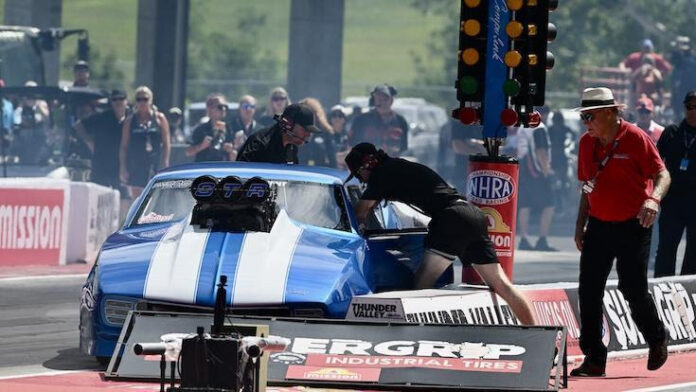
NHRA Pro Mod driver Jason Collins had a wild round Sunday where he nearly mowed down the Christmas Tree en route to winning the Super Grip NHRA Thunder Valley Nationals at Bristol.

BRISTOL, Tenn. (June 18, 2026) – On the surface, drag racing is a straight-forward sport. Two cars line up beside each other, take the green light and each go as fast as possible to try and cross the finish line first.

Every so often, the lines can get blurred a bit, and fans will be treated to a wild and wacky round that they will be talking about for years to come.

NHRA JBS Equipment Pro Mod Series racer Jason Collins treated the Super Grip NHRA Thunder Valley Nationals crowd to such a round on Sunday at historic Bristol Dragway.

Quite literally, you had to see it to believe it.

In the second round Collins nearly lost the race before it even got started. During his burnout the royal blue and white 1969 Camaro’s removable steering wheel came off in Collins’ hands as the car was performing the burnout. The car veered out of control to the left and Collins was hanging on with all he had and on the brakes as the car plowed into the center island guardwall that protects the Bristol Dragway Christmas Tree.

Collins’ machine hit the wall but managed to stop the car just short of hitting the Christmas Tree starting device. While race officials accessed the situation, it was determined that Collins could continue if his car was able. His out of line burnout isn’t a disqualification under NHRA rules. Collins then reattached his steering wheel, backed the car up, re-staged and lined up against his opponent for the run.

Then there was even more fun.

While Collins was staging his car, it kept moving forward, likely from some minor damage of the earlier impact. Collins went straight in during the staging process and double-bulbed his opponent, Travis Harvey. Generally, each opponent will turn on the top bulbs, and then one by one will inch forward to turn on the bottom bulbs in the staging process. Collins just turned them both on at the same time in rapid fashion right at the start, which is highly unusual, and could be seen as gamesmanship from his opponent. He said afterward that his staging situation was definitely not the plan.

As the cars took the green light, Collins pulled away and won the race that he nearly lost two times earlier. Collins powered to a 5.786-second pass at 247.79 mph while Harvey encountered problems and slowed dramatically, giving Collins the victory and one of the most memorable moments of the weekend.

“This is crazy,” Collins admitted. “I’m really embarrassed to be honest. The steering wheel came off in the burnout and I can’t blame nobody but myself because I’m the one that had it off. Obviously, I didn’t lock it on.

“I’ve never had that happen in all my years of racing.”

Collins said the situation escalated immediately when the steering wheel came free.

“The steering wheel came off in the burnout and all I could do is lock the brakes up,” Collins said. “I couldn’t get the steering wheel back on. I was trying to get it back on and I had to call (the crew chief) on the radio to come over there and help me put the steering wheel back on it.”

After he won the round, he was also questioned about the double-bulb move during the staging process.

“It wasn’t on purpose,” Collins said with a grin.

According to Collins, the damaged Camaro continued creeping forward while he fought to hold it in place.

“I was sitting there holding the brake and then it was creeping and I kept mashing (the brake) harder,” Collins explained. “(Harvey) took a long time to get in right there on the first one because I was in the first one pretty long and I thought, well, he’s playing some game over there or whatever.

“When I saw it stuck the second one on, I just grabbed the trans brake. I was like, all I can do is just sit here and do it.”

“Good Lord must be looking out for us today because I can’t believe we won that round,” Collins said.

After beating Harvey in the wild round, he also beat Stan Shelton in the semifinals. In the final round he got the automatic victory when Mike Stavrinos, the race’s No. 1 qualifier, turned on the redlight at the start.

“I wasn’t supposed to win today, but my car was really good,” Collins said. “I didn’t mean to tear it up and that was a little close in the final. This one is all because of my crew. I had some luck and my crew did a great job. I’m just out here chasing a dream and it was unbelievable. Now, we’re in the playoffs and who knows what can happen.”

BRISTOL FIRST-TIMERS: Two NHRA Mission Foods Drag Racing Series superstars finally broke through on Sunday to win at legendary Bristol Dragway. Antron Brown has four world championships and 80-plus victories, but he had never won at Bristol in three previous final round attempts. On his fourth, he was able to bust through the heat and humidity at 330 mph and get the job done in his Matco Tools dragster. And he didn’t just win at Bristol. He took down the current kingpin, NHRA points leader Shawn Langdon in a heavyweight titan final round. Meanwhile, over in Pro Stock, a similar story of a competitor who has been at the game for more than two decades – Matt Harford – was able to push his 200-mph machine to the Thunder Valley Winner’s Circle for the first time. Both were elated to check that particular item off their NHRA bucket list. “Getting my first Bristol win after 82 career victories is pretty special,” Brown said. “This place has always been tough on me.” It was Hartford’s first Bristol final round attempt as he took out three-time Bristol winner Greg Anderson. “I’ve been racing at Bristol since the early 2000s and never managed to win here,” Hartford said. “To finally get a Bristol trophy is an awesome feeling. We had a great car all weekend.”

TWO MORE NEW ENGLAND WINNERS IN BRISTOL: On Friday Bristol fans were treated to the final rounds that were delayed from the circuit’s previous race at New England Dragway in New Hampshire. The nitro finals at the New England Nationals were once again rain-delayed. Bristol fans have seen this movie before. In 2023 Top Fuel’s Justin Ashley swept the competition of the New England race and won the Bristol race on Sunday for a sweep that he still holds exclusive claim to. Leah Pruett was able to defeat category Kingpin Shawn Langdon on Friday in the one-round takes all New England Nationals final. Interestingly, it was Langdon, who leads the points and earlier in the year posted an amazing 345 mph speed, who was the runner-up to Antron Brown in Sunday’s Bristol final. In Funny Car, Jack Beckman beat his teammate Jordan Vandergriff in the New England Nationals final and he went on the claim the Mission #2Fast2Tasty Challenge for Funny Car in a re-match the next day.

NEW TRACK SURFACE PRODUCED AWESOME SUNDAY RACING: After a couple of days of laying down rubber, Bristol Dragway’s new surface showed out on Sunday, producing thrilling racing from start to finish in each one of the Mission Foods Drag Racing Series pro classes. The side-by-side racing in Top Fuel in all rounds featured 3.7 and 3.8 second runs at 330 mph-plus throughout the day with many nail-biting finishes. In Funny Car, Sunday produced some winning 3-second runs for Jordan Vandergriff (3.999), newly-enshrined Legend of Thunder Valley Ron Capps (3.989 and 3.980), Austin Prock (3.986) after No. 1 qualifier and race winner Matt Hagan was only able to post at 4.009 to claim the No. 1 spot after four rounds of qualifying. Hagan never ran quicker than 4.079 in eliminations but still got the job done even though the 3-second runs were flickering around him. “I’m like an old plow horse that goes out there and get it done,” Hagan said. “I’m not pretty like Lean (Pruett) and famous like Tony (Stewart), but I just go out there and at the end of the day when you look around the field is plowed.”

CATEGORY’S FIRST TWO-TIME BRISTOL WINNER: After six seasons of competition at Bristol Dragway, finally a rider in the two-wheel class emerged as a two-time winner on historic quarter-mile. Gaige Herrera ran great all weekend and on Sunday he defeated his teammate Richard Gadson in the final round of the Pro Stock Motorcycle class to become the first multi-time winner on the Tennessee track. Herrera was also the No. 1 qualifier aboard his Suzuki. He used a 6.838 second run at 198.47 mph to take the win over Gadson’s Suzuki in the final round. Herrera’s previous Bristol win came in 2024. Other Bristol bike winners have included Jerry Savoie (2022); Angelle Sampey (2021); Steve Johnson (2023); and Gadson (2025). “We’ve been beating our heads against the wall trying to figure out what happened to our performance,” Herrera said. “It felt like we had some bad luck hanging over us, but it feels good to come here and get the win. I wouldn’t say, ‘I’m back,’ but it definitely feels good to get the win and build some confidence heading into (the rest of the season)…Winning with Richard in the final was pretty cool. It reminded me of last year when he got his first win (here at Bristol). We’ve got a lot of fun with it, but I’m glad to be the one taking home the trophy this time.”

About Bristol Dragway

Affectionately known as “Thunder Valley,” Bristol Dragway is nestled between two mountains in northeast Tennessee near the Virginia state line and sits adjacent to the iconic Bristol Motor Speedway. In 2026, the historic dragstrip is celebrating its 61st anniversary and is scheduled to play host to numerous major events including the fan-favorite Super Grip NHRA Thunder Valley Nationals, a marquee event in the NHRA Mission Foods Drag Racing Series. Other key events at the Dragway in 2026 include the DER Bracket Series, Summit Racing Equipment Thunder Valley Street Fights series, BTE World Footbrake Challenge races, PDRA Thunder Valley Throwdown, JEG Summer Fling, RAD Fall Fling 500K, and the NHRA Jr. Drags Eastern Conference Finals. Bristol Dragway also transforms into a premier outdoor concert venue for the world’s greatest music performers and becomes The Thunder Valley Amphitheatre presented by Ballad Health. With more than 50 event days each season and serving as the longtime starting point for The Food City Speedway in Lights holiday spectacular, Bristol Dragway continues to be one of the busiest drag racing facilities in the nation. For more information, please visit www.bristolmotorspeedway.com/dragway.

Country band Old Dominion and hip-hop star Busta Rhymes will headline fifth annual Confluence Music Festival

The Blues Brothers & The Sacred Hearts and Dasha are among more than 30 acts performing Sept. 11-13 as part of NASCAR Cup Series Playoff Weekend at World Wide Technology Raceway.

MADISON, Ill. (June 18, 2026) — Country band Old Dominion and hip-hop star Busta Rhymes will headline the fifth annual Confluence Music Festival when the event returns to the St. Louis region Sept. 11-13 as part of NASCAR Weekend at World Wide Technology Raceway.

The event will feature more than 30 national and local acts, including Busta Rhymes, Ying Yang Twins and a special guest, who will perform prior to the 225-mile Nu Way 225 Sauced by Blues Hog NASCAR O’Reilly Auto Parts Series Chase race on Saturday, Sept. 12, and Old Dominion and The Blues Brothers & The Sacred Hearts, who will perform as part of the Enjoy Illinois 300 NASCAR Cup Series Chase event on Sunday, Sept. 13.

Old Dominion, the award-winning country band known for its signature blend of clever songwriting, warm harmonies and contemporary country sound, has become one of the genre’s most successful groups. The band has earned numerous No. 1 hits, including the multiplatinum “One Man Band,” “Break Up With Him” and “Hotel Key,” along with fan favorites such as “Memory Lane” and “Written in the Sand.” Celebrated for chart-topping recordings and dynamic live performances, Old Dominion has helped redefine modern country music while maintaining a strong connection to its storytelling roots.

Busta Rhymes, the Brooklyn-born hip-hop icon and Grammy-nominated artist, has remained one of rap’s most influential and energetic performers for more than three decades. Known for his rapid-fire delivery, larger-than-life personality and innovative music videos, he has earned numerous chart-topping hits including “Put Your Hands Where My Eyes Could See” and “Break Ya Neck”. A celebrated rapper, songwriter and actor, Busta Rhymes has collaborated with some of music’s biggest names and is widely recognized for pushing the boundaries of hip-hop while maintaining a lasting impact on the culture.

Confluence Music Festival acts from across the region include DJ Rashida, Tim Dugger, Blackwater Acoustic, Cardboard Dale, DJ Big D, DJ Mahf, Dr. Zhivegas, Emily Wallace Trio, Ethan Carl, Jonny Lackey & The Pocket Aces, Lamar Harris, Malena Smith, Macalester Dose & The Rebels, Monte Cristo, Phillip Graves, Red and Black Brass Band, and more.

The Confluence Music Festival is a showcase of innovation, talent and live entertainment. The festival attracts fans from across the country in welcoming NASCAR, the premiere form of motorsports in the United States, to WWTR.

“Fueled by the support and vision of Dave Steward, the Steward Family Foundation and World Wide Technology, NASCAR weekend continues to bring a dynamic lineup of world-class musical talent alongside the thrill of on-track competition,” said Curtis Francois, owner and president of World Wide Technology Raceway. “The Confluence Festival has earned a reputation across the sports and entertainment industry as a premier celebration of the powerful connection between music, motorsports and our community.”

A race ticket includes access to the Confluence Music Festival post-race concert and midway concerts. For closer viewing of the pre-race infield concerts, an upgrade to the Infield Fan Zone is required. In addition to racing and music, the weekend features interactive entertainment displays, a STEM education showcase, car displays, autograph sessions, and live interviews with NASCAR drivers and St. Louis-area sports legends.

On-track action begins Saturday, Sept. 12, with NASCAR O’Reilly Auto Parts Series practice at noon CT, followed by qualifying at 1:05 p.m. The NASCAR O’Reilly Auto Parts Series Nu Way 225 Sauced by Blues Hog, or the 225-mile, 180-lap event, will begin at 6:30 p.m. for the second of the nine NASCAR O’Reilly Auto Parts Series Chase races.

The NASCAR Cup Series stars also will be on track that day with practice at 2:30 p.m. and qualifying at 3:40 p.m.

The weekend will be highlighted by the fifth annual Enjoy Illinois 300 NASCAR Cup Series race on Sunday, Sept. 13, beginning at 2 p.m. The 300-mile, 240-lap feature will serve as the second of 10 races in the NASCAR Cup Series Chase format.

The weekend’s events get started Sept. 11 with a Runway to Raceway fashion show, presented by Neiman Marcus. Festivities on the campgrounds kick off Sept. 11.

Nearly 75,000 fans from 48 states, four Canadian provinces and more than 30 countries attended the festival and race in 2025.

Confluence Music Festival upgrade packages include Gateway Garage/Fan Zone access with front-of-stage viewing for Sunday’s prerace driver introductions, celebrity red carpet walk and Old Dominion post-race concert. Adult Sunday ticket packages start at just $69.

“On the fifth anniversary of Confluence Music Festival, we’re proud to continue the tradition of bringing exceptional live entertainment to this one-of-a-kind event, creating a vibrant destination weekend with something for the whole family,” said Kwofe Coleman, executive producer for the festival. Coleman also is president & CEO of The Muny, which supports production of Confluence Music Festival. “From the ‘Runway to Raceway’ kickoff to the finale concert, Confluence Music Festival is committed to connecting people through music, racing and culture. And we couldn’t do any of it without the support of Dave Steward, World Wide Technology, the Steward Family Foundation and our generous sponsors who continue to invest in this mission.”

More Confluence Music Festival entertainment acts and a schedule with performance times will be announced.

For tickets and more information, call World Wide Technology Raceway at (618) 215-8888 ext. 1, visit WWTRaceway.com, or follow @WWTRaceway and @ConfluenceMusicFestival on social media.

About World Wide Technology Raceway

World Wide Technology Raceway (WWTR) is the home of NASCAR, INDYCAR and NHRA racing in St. Louis’ Metro East region. Located just five minutes from downtown St. Louis and covering 700 acres, WWTR is the largest outdoor entertainment facility in the area. WWTR’s facilities include a 1.25-mile superspeedway; 1/4-mile drag strip; 2.0-mile road course; the Gateway Kartplex state-of-the-art karting facility; and the adjacent Gateway National Golf Links. WWTR and Owner & CEO Curtis Francois have been recognized with several awards, including: 2023 St. Louis Sports Hall of Fame induction; 2023 Innovation in Philanthropy Award by the St. Louis Business Journal; 2022 Explore St. Louis Hospitality Hero Recognition; 2022 Best in Show and Best Event & Festival from the Illinois Governor’s Conference on Tourism; 2021 Comcast Community Champion of the Year; 2021 Jack Buck Award; 2020 NASCAR Drive for Diversity Track Award; 2018 Innovator Award from the St. Louis Convention & Visitors Commission; 2017 Outstanding Facility of the Year Award from the Race Track Business Conference; and the 2017 Spirit of St. Louis Award from the St. Louis Attractions Association. Our mission: We are committed to making a difference in our community, while providing first-class entertainment and memories that last a lifetime.

About The Muny

Now in its 108th season in St. Louis, The Muny — the recipient of the 2025 Regional Theatre Tony Award — is a 501(c)(3) nonprofit dedicated to producing exceptional musical theatre that is accessible to all, continuing its remarkable tradition in Forest Park. As the nation’s oldest and largest outdoor musical theatre, The Muny welcomes more than 300,000 patrons each summer for seven world-class productions, each built from the ground up in St. Louis. Learn more at muny.org, and follow along at facebook.com/munytheatre, instagram.com/themuny and youtube.com/themunytv.

TWO QUALIFYING SESSIONS ON BOTH FRIDAY AND SATURDAY HIGHLIGHT MUCKLESHOOT CASINO RESORT NHRA NORTHWEST NATIONALS

SEATTLE (June 18, 2026) – Two qualifying sessions on both Friday and Saturday return to the schedule for the upcoming 37th annual Muckleshoot Casino Resort NHRA Northwest Nationals, NHRA officials announced today.

As part of NHRA’s celebratory 75th anniversary season, it returns to Pacific Raceways on July 24-26 as one of the final events of the regular season in the NHRA Mission Foods Drag Racing Series.

The weekend will shift to a more traditional weekend schedule, featuring two qualifying sessions on Friday and Saturday – both before the early-evening sunset – as well as the Mission #2Fast2Tasty Challenge on Saturday and eliminations on Sunday.

The tight qualifying schedule will give fans the chance to see plenty of incredible racing action and 12,000-horsepower, 340-mph nitro cars on both Friday and Saturday, leading into a can’t-miss raceday on Sunday. All the stars in Top Fuel, Funny Car and Pro Stock will be on hand for the annual trek to the Northwest, with qualifying set for 2 and 4:30 p.m. PT on Friday, July 24 at the 12th of 20 events during the 2026 season.

On Saturday, July 25, qualifying – and the Mission #2Fast2Tasty Challenge – takes place at 12 and 2:30 p.m. PT, with eliminations set for 10 a.m. PT on Sunday, July 26. The event will also be broadcast on FOX, starting at 4 p.m. ET on Sunday, July 26.

This year’s event will also feature several 75th anniversary items, including:

  • A special tribute and celebration of Jim Dunn, the legendary team owner who has been in the sport for more than 75 years. He was a two-time runner-up in Seattle and tuned his Funny Car to a win in 2008 with Tony Bartone behind the wheel.
  • A new-look Nitro Mall, special displays and much more.

Last year’s winners in Seattle included Shawn Langdon (Top Fuel), Matt Hagan (Funny Car) and Dallas Glenn (Pro Stock).

Langdon has been on a roll in 2026, winning four races and holding a commanding points lead over a loaded Top Fuel class that includes teammate and reigning world champ Doug Kalitta, Tony Stewart, Leah Pruett, Antron Brown, rookie sensation Maddi Gordon, Josh Hart, Clay Millican and Justin Ashley.

Hagan won for the second time in Seattle a year ago and is currently second in Funny Car points behind three-time champ Ron Capps. Other marquee names include back-to-back world champ Austin Prock, past champs J.R. Todd, Jack Beckman and Cruz Pedregon, Chad Green and Funny Car newcomer Jordan Vandergriff.

Seattle native Glenn won at his home track for the first time a year ago en route to his first world title. He’s second in points behind teammate and six-time champ Greg Anderson, while top names in the category include six-time champ Erica Enders, Matt Hartford, who has three wins this year, Aaron Stanfield and Jeg Coughlin Jr.

Tickets for the 37th annual Muckleshoot Casino Resort NHRA Northwest Nationals are currently on sale at www.NHRA.com/tickets. All children 12 and under will be admitted free in the general admission area with a paid adult. For more information about NHRA, visit www.NHRA.com. For more information on Muckleshoot Casino Resort, visit https://muckleshootcasino.com.


About Muckleshoot Casino Resort

The Muckleshoot Casino Resort, celebrated as the “Biggest and Best in the Northwest,” has just become even more impressive with the unveiling of their new hotel tower. This exciting expansion features 401 elegant guestrooms, a more expansive casino floor, a serene indoor pool, a luxurious spa, and the exquisite rooftop steakhouse, Smoke & Cedar. From here, guests can indulge in breathtaking views of Mt. Rainier, the Olympic Mountain range, and the Seattle skyline. As one of Washington’s premier casino gaming destinations, Muckleshoot Casino offers the largest selection of games in the state, with over 3,500 machines, an array of table games, and one of the most extensive smoke-free gaming areas in the region. Muckleshoot Casino also tantalizes the taste buds with a variety of dining options that take guests on a culinary adventure around the world and provides world-class entertainment at the Muckleshoot Events Center and Galaxy! Guests can enjoy additional perks like complimentary valet service, Wi-Fi, covered parking, and electric vehicle charging stations, making every visit even more convenient and enjoyable.

https://muckleshootcasino.com

About Muckleshoot Indian Tribe

The Muckleshoot Indian Tribe is composed of descendants of the Native people who inhabited the Duwamish and Upper Puyallup watersheds of central Puget Sound for thousands of years before non-Indian settlement. The word, Muckleshoot, is derived from the Native name for the prairie on which the tribe’s reservation was established in 1857. Today, the Muckleshoot Indian Tribe is a major contributor to the local economy and community providing resources to other governments, schools, nonprofits, and churches throughout Washington. The benefits of the Muckleshoot Tribe’s economic revival go well beyond financial contributions. From landmark agreements protecting fish and wildlife habitats and innovative educational programming to hundreds of partnerships with organizations serving those in need throughout the state, the Muckleshoot Tribe is committed to improving the quality of life of its citizens, neighbors and work force while preserving its culture and laying the groundwork for a bright future.

https://www.muckleshoot.nsn.us

About Mission Foods

MISSION®, owned by GRUMA, S.A.B. de C.V., is the world’s leading brand for tortillas and wraps. MISSION® is also globally renowned for flatbreads, dips, salsas and Mexican food products. With presence in over 112 countries, MISSION® products are suited to the lifestyles and the local tastes of each country. With innovation and customer needs in mind, MISSION® focuses on the highest quality, authentic flavors, and providing healthy options that families and friends can enjoy together. For more information, please visit https://www.missionfoods.com/

About NHRA

NHRA is the primary sanctioning body for the sport of drag racing in the United States. NHRA presents 20 national events featuring the NHRA Mission Foods Drag Racing Series and NHRA Lucas Oil Drag Racing Series, as well as the JBS Equipment NHRA Pro Mod Drag Racing Series presented by Elite Motorsports and NHRA Flexjet Factory Stock Showdown™ at select national events. NHRA provides competition opportunities for drivers of all levels in the NHRA Summit Racing Series and NHRA Street Legal™. NHRA also offers the NHRA Jr. Street® program for teens and the Summit Racing Jr. Drag Racing League® for youth ages 5 to 17. With more than 100 Member Tracks, NHRA allows racers to compete at a variety of locations nationally and internationally. NHRA’s Youth and Education Services® (YES) Program reaches over 30,000 students annually to ignite their interest in automotive and racing related careers. NHRA’s streaming service, NHRA.tv®, allows fans to view all NHRA national events as well as exclusive features of the sport. In addition, NHRA owns and operates three racing facilities: Gainesville Raceway in Florida; Lucas Oil Indianapolis Raceway Park; and In-N-Out Burger Pomona Dragstrip in Southern California. For more information, log on to www.NHRA.com, or visit the official NHRA pages on Facebook, Instagram, Twitter, and YouTube.

How Motorsports Continue to Shape the Future of Automotive Technology

Photo by depositphotos at https://depositphotos.com/

Motorsports have always been more than entertainment. Behind every race weekend, every pit stop, and every last-lap battle, there is a world of engineering, testing, strategy, and innovation. From NASCAR ovals to IndyCar street circuits and endurance racing experiments, racing remains one of the most demanding laboratories in the automotive world. The pressure is intense, the margins are small, and every improvement must prove itself under real speed, heat, vibration, and competition.

For fans, the excitement comes from the noise, the rivalries, and the skill of the drivers. For engineers and manufacturers, the value goes deeper. Racing pushes ideas to their limits. A part that works on a race car at high speed may later influence production vehicles, safety systems, materials, or efficiency strategies. Even when a race car looks far removed from a road car, the thinking behind it often reflects the future of mobility.

Racing as a Technology Laboratory

A race track is one of the harshest testing environments in the world. Cars are pushed harder than almost any road vehicle will ever be. Engines run at extreme loads, brakes face repeated punishment, tires operate at the edge of grip, and aerodynamic surfaces must perform with precision. This makes motorsports a natural place to test new ideas.

The advantage of racing is speed of feedback. A team can make a change, send the car out, measure the result, and decide quickly whether the idea works. In normal automotive development, testing can take months or years. In racing, the cycle is compressed. That urgency creates innovation.

This is why manufacturers continue to invest in motorsports even when the marketing benefits are not the only goal. Racing teaches lessons about durability, cooling, materials, electronics, driver feedback, and energy management. Those lessons may not move directly from track to showroom, but they often influence the way engineers think about future vehicles.

NASCAR and the Modern Stock Car

NASCAR has always carried a strong connection to American car culture. Its identity is built around stock car racing, close competition, powerful engines, and passionate fan communities. However, modern NASCAR is also deeply technical. The latest generation of cars reflects a changing balance between tradition and innovation.

The modern NASCAR race car still delivers the physical, aggressive style that fans expect, but it also includes more contemporary design thinking. Improved components, updated suspension concepts, larger wheels, and better braking systems show how the sport has adapted. The challenge is to modernize without losing the character that makes NASCAR unique.

For automotive fans, this balance is important. NASCAR’s appeal comes from being both familiar and advanced. The cars look connected to showroom models, yet they are built for brutal competition. That combination keeps the series relevant to longtime fans while also giving manufacturers a platform to showcase performance identity.

IndyCar and the Efficiency Challenge

IndyCar has a different personality. It combines high-speed oval racing with road courses and street circuits, requiring a car that can perform in many conditions. The series has long been associated with precision, open-wheel engineering, and driver bravery. In recent years, the conversation around performance has also included efficiency and energy recovery.

Hybrid technology adds another layer of strategy. It is no longer only about engine power, aerodynamics, and tire management. Drivers and teams must also think about when to deploy extra energy, how to recover it, and how to integrate that system into race craft. This makes the racing more complex and creates another bridge between motorsports and the wider automotive industry.

The road car world is already moving toward electrification, hybrid systems, and smarter energy use. IndyCar’s approach shows how performance and efficiency can exist together. A racing series does not have to abandon speed to explore modern technology. Instead, it can use technology to make speed more strategic.

Endurance Racing and Real-World Lessons

Endurance racing offers another kind of test. While NASCAR and IndyCar often focus on intense bursts of competition, endurance events demand long-term reliability. A car must survive hours of punishment, changing track temperatures, traffic, driver changes, and mechanical stress. Success depends on speed, but also on consistency and survival.

This is why endurance projects capture the imagination of automotive engineers. They reveal weaknesses that shorter events may not expose. A car that is fast for ten laps may not be strong enough for twenty-four hours. Cooling, fuel use, lighting, tire wear, driver comfort, and repairability all become critical.

When stock car technology enters an endurance environment, the result is especially interesting. It allows fans to compare different racing cultures and shows how adaptable a platform can be. A project like that can summarize what makes motorsports special: competition, engineering courage, and the willingness to try something unusual in public.

The Human Side of High Technology

Even as racing becomes more technical, the human element remains essential. Data can show what the car is doing, but the driver explains how it feels. Engineers can model a setup, but the crew must adjust it under pressure. Strategy software can suggest options, but a team still has to make decisions in real time.

This combination of human instinct and technical knowledge is what makes motorsports so compelling. A race is never just a machine test. It is a collaboration between driver, engineers, mechanics, strategists, manufacturers, and sometimes pure luck. Technology improves the tools, but people still determine how those tools are used.

The same lesson applies to the automotive world. Modern cars are becoming more connected, more intelligent, and more efficient, but trust still depends on human experience. Drivers want vehicles that feel safe, responsive, and reliable. Racing helps build that trust because it proves technology under extreme conditions.

Why Motorsports Still Matter

Some people ask whether motorsports remain relevant in a changing automotive world. The answer is yes, because racing continues to reflect the challenges facing the industry. Performance, safety, efficiency, durability, sustainability, and innovation all meet on the track.

Motorsports also create emotional value. People do not follow racing only because of technology. They follow it because machines and humans are pushed to the limit together. A great race can make engineering feel alive. A bold overtake, a perfect pit stop, or a clever strategy call can turn technical details into unforgettable moments.

As the automotive world changes, motorsports will continue to evolve. NASCAR, IndyCar, endurance racing, and future racing formats will each play a role in testing ideas and inspiring fans. The cars may change, the powertrains may change, and the technology may become more advanced. But the core appeal will remain the same: speed, risk, innovation, and the constant search for a better lap.

Hendrick Motorsports Media Advance: Naval Base Coronado

Naval Base Coronado
Sunday, June 21
3.4-Mile Street Course
4 p.m. ET
Location: Coronado, California
TV: Fox
Event: NASCAR Cup Series (Race 17 of 36)
RADIO: SiriusXM

5 KYLE LARSON
Age: 33 (July 31, 1992)
Hometown: Elk Grove, California
Last Race: 5th (Pocono)
Crew Chief: Cliff Daniels
Standings: 6th

No. 5 Patriotic HENDRICKCARS.COM Chevrolet

  • Kyle Larson and the No. 5 HENDRICKCARS.COM Chevrolet earned a fifth-place finish at Pocono Raceway last weekend. It marked the team’s third top-five result in the last four races. The team currently sits sixth in the NASCAR Cup Series standings, just 12 points behind fifth and 15 points behind fourth with 10 races remaining before the Chase.
  • Among active drivers, Larson ranks third in road course victories with six career wins, just one shy of the active lead. Three of those six victories have come during the Next Gen era.
  • The 33-year-old has led 597 laps during the 2026 season, second-most among all Cup Series drivers. He also leads the series with 142 stage points earned through 15 races.
  • This weekend, the No. 5 Patriotic HENDRICKCARS.COM Chevrolet will sport a special red, white and blue paint scheme honoring the military and celebrating America’s 250th birthday.

9 CHASE ELLIOTT
Age: 30 (Nov. 28, 1995)
Hometown: Dawsonville, Georgia
Last Race: 11th (Pocono)
Crew Chief: Alan Gustafson
Standings: 4th

No. 9 NAPA Gold Filters Chevrolet

  • Chase Elliott is scheduled to make his 375th NASCAR Cup Series start this Sunday at Naval Base Coronado.
  • The 2020 Cup Series champion has led the sixth-most laps (275) this season and has the third-most wins (two). His average finish ranks fourth (13.06).
  • On road courses in the Next Gen era, Elliott is tied for the most top-five finishes (11) and tied for the third-most top 10s (15). He has the third most laps led (147) on that track type in that span and the fourth-best average finish (10.88).
  • The 30-year-old driver ranks second in average finish at road courses among active drivers with at least four starts.
  • Elliott is tied for the most wins (seven) on road courses among active drivers at serpentine tracks and is third all time behind NASCAR Hall of Famers Jeff Gordon and Tony Stewart. His 489 laps led on road courses leads active drivers.
  • In the last nine road course races, Elliott has four top-five finishes and six top 10s. In two road course races this season, his best finish is seventh (Circuit of The Americas).

24 WILLIAM BYRON
Age: 28 (Nov. 29, 1997)
Hometown: Charlotte, North Carolina
Last Race: 3rd (Pocono)
Crew Chief: Rudy Fugle
Standings: 11th

No. 24 Anduril Chevrolet

  • Running double duty at Pocono Raceway, William Byron scored two podium finishes, including a runner up in the NASCAR O’Reilly Series race and a third-place result in the NASCAR Cup Series event.
  • In the past 15 road course races, Byron has two wins (Circuit of The Americas, Watkins Glen International), six top-five finishes and nine top 10s.
  • Byron’s two road course wins are the fifth most by a Hendrick Motorsports driver.
  • In the Next Gen era on road courses, Byron is tied for the fourth-most wins (two), tied for the sixth-most top fives, led the sixth-most laps (139) and has the seventh-best average finish (14.16).

48 ALEX BOWMAN
Age: 33 (April 25, 1993)
Hometown: Tucson, Arizona
Last Race: 27th (Pocono)
Crew Chief: Blake Harris
Standings: 32nd

No. 48 Ally Chevrolet

  • Alex Bowman is among the 15 active drivers with one or more road course victories in NASCAR Cup Series competition.
  • The 33-year-old has already won on a street course, securing a victory after leading the final eight laps in the 2024 Chicago Street Race.
  • On road courses, Bowman is tied for the fourth most top-five finishes (six) in the Next Gen era.
  • The Arizona driver has scored at least a top-10 finish in nearly 40% (17) of all Cup Series road course races (43) he has competed.

17 COREY DAY
Age: 20 (November 28, 2005)
Hometown: Clovis, California
Last Race: 38th (Pocono)
Crew Chief: Adam Wall
Standings: 3rd

  • In recognition of the United States’ 250th anniversary, the No. 17 HENDRICKCARS.COM Chevrolet will carry a special patriotic paint scheme for this weekend’s race.
  • Corey Day has made four career NASCAR O’Reilly Series (NOAPS) starts on road courses, earning a career-best fifth-place finish at Circuit of The Americas (COTA) earlier this season.
  • Through 17 NOAPS starts in 2026, the Clovis, California, native has recorded two wins, one pole, six top-five and 12 top-10 finishes.
  • The No. 17 team has made 24 starts on road courses, with Kyle Larson delivering its most recent victory at COTA in 2024.

Hendrick Motorsports

2026All-TimeRoad Courses
Races161,43340
Wins2322*31*
Poles0259*27*
Top 5161,338*104*
Top 10272,287*174*
Laps Led91386,280*2,462*
Stage Wins714416
  • Hendrick Motorsports has the all-time lead in NASCAR Cup Series poles (27), wins (31), top-fives (104), top-10s (174) and laps led (2,462) on road courses.
  • Three different Hendrick Motorsports drivers have won five of the last 15 road course races: Kyle Larson (two), William Byron (two), Alex Bowman (one).
  • The Hendrick Motorsports engine department enters the weekend with 573 victories across all three national NASCAR touring series including 14 of 17 events in the NASCAR O’Reilly Series this season.
  • Hendrick Motorsports remains the Cup Series’ all-time standard bearer in wins (322), poles (259), top-five finishes (1,338), top 10s (2,287), laps led (86,280) and championships (15).

QUOTABLE

Kyle Larson, driver of the No. 5 Chevrolet, on preparing for San Diego: “I spent a little time working on the simulator last week, and I’ll do some more this week before we head out west. The track is definitely bumpy, but that’s pretty normal for a street course – Chicago was bumpy as well. Right now, it’s all about figuring out the corners. I still need more laps to identify the most optimal lines, angles, and approaches through some of the sections.

“I feel like this race is a huge opportunity for us and for the product we can put on display. It’s going to be great to showcase the military, and it will be pretty special to race on a military base and experience everything that comes with it. I’m pumped and really looking forward to getting out there.”

Chase Elliott, driver of the No. 9 Chevrolet, on racing in San Diego: “Hopefully, we can kind of keep building on the stuff we worked on in the simulator, or I can continue to get more familiar with the racetrack throughout the course of the week. Then certainly, when we get kind of first looks at it on Friday, hopefully, just fall into a good groove and a good rhythm and try and repeat some good laps out there and be able to do it all day. So, we’ll see. I don’t know what the challenges are going to be. I know, in my experience, when you do these sim learning sessions of a place you’ve never seen before, and then you get there, there’s going to be sections that are really similar, and there’s going to be sections that look really different, and there’s going to be sections that feel really different. Just dissecting all that and finding some comfort within it in real life and getting up to speed and hopefully do it efficiently, and we’ll just kind of see what the weekend brings. But I’m excited about it, excited to go do something different, and I think it’ll be a good event, good show for everybody to watch.”

William Byron, driver of the No. 24 Chevrolet, on racing San Diego’s new street course: “I don’t have a sense of how it’s going to race. The middle of the course is very difficult, like there’s a lot of open sections. There’s just a lot of open space that is really not used, so I think you’re going to see a lot of passing opportunities through there. You’re going to see dive bombs because you can give up an exit just to get position on someone, but they might be able to kind of make a run back at you.

“It’s tough. It’s visually difficult because you’re just trying to figure out what corner is coming up next. It is way more complicated, I feel like, than Chicago (Street Course) was the first time. Chicago was a lot of 90 degree turns, you know, kind of pretty simple, in terms of layout, just tight. San Diego is tight, but also very technical. My goal when I go next weekend is just to make laps, I really just want to make all the laps throughout the weekend. I want to build my pace as I go and build my confidence. But I feel like it’s going to be really detrimental if you push too hard in certain sections.”

Alex Bowman, driver of the No. 48 Chevrolet, on partnership for San Diego: “There’s a lot of excitement within the industry as we head to San Diego this week and I’m looking forward to being a part of it. Our Ally 48 group is proud to have the USO on board our Chevrolet this weekend. Ally Racing has partnered with the USO of North Carolina since 2019 to support our troops through packing events – it’s special to expand on that as we head to Coronado.”

Corey Day, driver of the No. 17 Chevrolet, on racing in San Diego and on a street course for the first time: “I’m super excited to get the opportunity to race in San Diego. It’s going to be a cool event, one that I’m not too sure they’ll do in years to come, so it’s an honor to be a part of it. I think it’s going to be a really tricky racetrack based off what I’ve seen in the simulator. Everything that’s been shown so far makes it look like an unorthodox racetrack. It’s a street course and it’s a really long one, racing a street course will be a first for me, but I’m excited to have the opportunity to do it. San Diego is a beautiful place so I’m looking forward to hanging out there for the weekend and hopefully we’ll have a good run.”

You Stay Classy, San Diego

Inaugural NASCAR Race Weekend at Naval Base Coronado is a First-Class Affair

MOORESVILLE, N.C. (June 18, 2026) – The inaugural NASCAR race weekend at Qualcomm Circuit on Naval Base Coronado in San Diego is just like the fictional KVWN Channel 4 News anchorman and favorite son of San Diego, Ron Burgundy. It’s kind of a big deal.

Racing on the 3.4-mile, 16-turn street circuit has been highly anticipated ever since its announcement last July. It’s the first time a NASCAR event has ever been held on an active United States military base, and it coincides with the 250th anniversary of the U.S. Navy.

The only parallel to this first-time venue is the Chicago Street Course, which ran from 2023 through 2025 on the streets surrounding Grant Park. But unlike Chicago, where its downtown circuit was asphalt, San Diego will feature new pavement, old pavement, new concrete, old concrete, and a few girder rails embedded in the various surfaces. While it’s the same for everyone, simulation is all drivers and teams have to go on. But races aren’t contested on flat screens. It’s real-world running, where drivers in 3,400-pound racecars pound the ground and each other in pursuit of a big trophy.

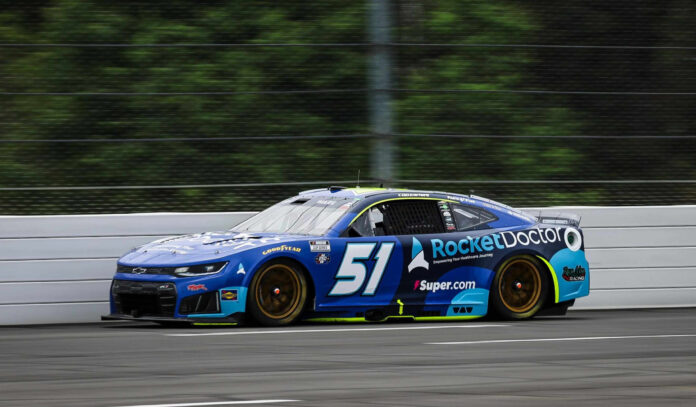
“NASCAR is a contact sport on road courses,” said Cody Ware, driver of the No. 51 Rocket Doctor AI Chevrolet for Rick Ware Racing. “We go into it with a have-at-it mentality, to where if there’s a racing surface that you can plant four tires on, you do it. Beating and banging is expected. It’s very different from the etiquette and thought process behind road racing anywhere else.”

Ware knows. He won the 2019-2020 LMP2 championship in the Asian Le Mans Series with co-driver Gustas Grinbergas, and in a prelude to that title, Ware was the 2014 Lamborghini Super Trofeo North America Rookie of the Year. In January 2024 at Daytona (Fla.) International Speedway, Ware piloted a Ligier JS P320 to a podium finish in the IMSA VP Racing SportsCar Challenge LMP3 class. He has also competed in Whelen Mazda MX-5 Cup and the NTT IndyCar Series.

“If you go anywhere else and you even breathe on someone the wrong way, you’re penalized and get a drive-thru penalty,” Ware said. “In other series, there are so many rules and regulations on how to pass and when to pass and when you have to let somebody go, you feel like you’re not able to race at your full capacity.”

Full capacity is the name of the game in NASCAR. It’s expected of the drivers, and it’s the drivers’ expectation of their racecars.

“Our cars can take the hits, they can take the rubbing, they can take the racing. They’re very durable. Our races have become more of a left-and-right-turn short-track race than a road-course race,” Ware said.

“Sports cars are very fragile compared to stock cars. If you’re in a dedicated sports car series, you give someone a donut, that can rip off a body panel, or if you hit them too hard from behind, their wing falls off.”

The no-holds-barred nature of Cup Series road-course racing, where things can escalate quickly, has made for compelling viewing, be it in person or on TV.

“NASCAR racing on road courses right now is some of the best it’s ever been. We have a lot of parity from first to last,” Ware said. “Whether we’re racing in the dry or racing in wet conditions, everyone’s gotten really good at road racing, so we put on a great race.”

Fans coming to San Diego for Sunday’s Anduril 250 shouldn’t act like they’re not impressed.

“I think the street race at Naval Base Coronado is going to be a spectacle. It’ll be on a whole new level when compared to Chicago,” Ware said.

Even before NASCAR went to Chicago, Ware was familiar with street racing.

“I ran the Nashville street course with IndyCar back in ’21, and that’s probably the closest thing I can compare San Diego to,” Ware said. “We went across that bridge into downtown Nashville at a very high rate of speed, but there was a lot of runoff. The track was built way wider than San Diego. So I’d say from the aggressiveness and speed standpoint, Nashville is very similar, but from a technical and tightness standpoint, I’ve really never experienced a street course like San Diego. There’s no room for error. It’s going to make for a very chaotic race.”

Chaos, however, can sow opportunity. And with San Diego being a first-time event, everyone arrives with the same amount of track time.

“Anytime the playing field is a little bit more level, it plays in our favor,” Ware said. “There’s a lot that’s in my hands to have a really good day, more so compared to other tracks where drivers have more experience.”

Drivers begin building their San Diego experience Friday with a 90-minute track walk starting at 6:30 a.m. PDT. The first time they get to turn a wheel in anger around the bayside circuit is at 2 p.m. PDT/5 p.m. EDT on Friday for a 50-minute open practice, and that’s all the time they’ll have before qualifying at 11 a.m. PDT/2 p.m. EDT on Saturday. A driver’s quick lap in qualifying will set their starting spot on Sunday when the Anduril 250 goes green at 1 p.m. PDT/4 p.m. EDT. All of the action will be broadcast live by Prime Video and SiriusXM NASCAR Radio.

About Rick Ware Racing:

Rick Ware has been a motorsports mainstay for more than 40 years. It began at age 6 when the third-generation racer began his driving career and has since spanned four wheels and two wheels on both asphalt and dirt. Competing in the SCCA Trans Am Series and other road-racing divisions led Ware to NASCAR in the early 1980s, where he finished third in his NASCAR debut – the 1983 Warner W. Hodgdon 300 NASCAR Grand American race at Riverside (Calif.) International Raceway. More than a decade later, injuries would force Ware out of the driver’s seat and into full-time team ownership. In 1995, Rick Ware Racing was formed, and with his wife Lisa by his side, Ware has since built his eponymous organization into an entity that competes full-time in the elite NASCAR Cup Series while simultaneously campaigning successful teams in the Top Fuel class of the NHRA Mission Foods Drag Racing Series, Progressive American Flat Track, FIM World Supercross Championship (WSX) and zMAX CARS Tour.