Home Blog Page 57

How Old Can a Car Be for Lemon Law?

Photo by depositphotos at https://depositphotos.com/

Many people wonder whether their vehicle is too old to be protected under Lemon Law. Usually, age is not the only factor that dictates whether a vehicle is protected under Lemon Law. The protections will most likely depend on the state handling the case and the vehicle’s repair history and warranty.

Under the car lemon law in California, the refund-or-replace remedy applies only to disputes involving the manufacturer’s new vehicle warranty. The California Supreme Court applied this limit to used cars in its 2024 decision in Rodriguez v. FCA US, LLC. A used car sold with leftover factory coverage generally does not qualify unless a new vehicle warranty was issued with the sale. A car’s age matters less than whether that warranty came with the sale.

Age Is Usually the Wrong Question

Consumer lemon laws allow for the recovery of money paid or a replacement of a product when a substantial warrantied defect is not repaired by the manufacturer within a reasonable number of repair attempts. Rather than the model year, these laws primarily link eligibility to warranty coverage and repair attempts. Some states start counting the clock toward a lemon claim from the date of delivery, while others use the duration of the warranty.

How California Handles It

Timing controls when California’s presumption of a reasonable number of repair attempts can arise. The presumption arises only when a qualifying situation happens inside the window, which is 18 months from delivery or 18,000 miles on the odometer, whichever the vehicle reaches first. Four or more repair attempts on the same defect can trigger the presumption. A defect likely to cause death or serious bodily injury has a lower bar. At least two repair attempts can trigger the presumption. Time out of service matters too. A vehicle that spends more than 30 calendar days out of service for repairs, counted cumulatively, can also trigger the presumption. Additional requirements apply, including direct notice to the manufacturer when the warranty materials call for it.

The presumption is a shortcut, not a ceiling. A car bought new can still qualify outside that window if it remains under the manufacturer’s warranty and the owner can show the manufacturer failed to fix a substantial defect in a reasonable number of attempts. It just takes more proof.

Recent legislation added another layer. The Department of Consumer Affairs explains that the new lemon law procedures under AB 1755, as amended by SB 26, apply only to manufacturers that make an irrevocable election to use them. Manufacturers that do not make that election stay under the existing lemon law statutes or a certified arbitration program. As a result, the rules can differ from one manufacturer to another.

Other States Draw Different Lines

Not every state takes California’s warranty-centered view. New York offers a useful contrast. According to the New York Attorney General’s lemon law overview, the state’s new car lemon law covers vehicles within two years or 18,000 miles of original delivery, whichever comes first.

In New York, separate legislation governing used car sales requires car dealerships to provide customers a used car warranty whose term is determined by the vehicle’s mileage at the time of sale. Vehicles with mileage over 18,000 and up to 36,000 carry a minimum warranty of 90 days or 4,000 miles, whichever comes first. On vehicles with 80,000 up to 100,000 miles, dealers must provide a minimum of 30 days or 1,000 miles, whichever comes first. The law covers used cars priced at $1,500 or more with fewer than 100,000 miles.

So a seven-year-old car might have no lemon law protection in one state and a short window of it in another. That is why a car’s age never has a single national effect on lemon law eligibility.

The Warranty Is Where Most Cases Start

For older cars, most cases start with the warranty that came with the vehicle’s sale. Federal law does not force anyone to offer one. The Federal Trade Commission’s guide to federal warranty law states that businesses decide for themselves whether to warrant their products in writing. Implied warranties are separate from any lemon law claim. The guide states that they can apply to used goods when the seller is a merchant who deals in them.

Several practical questions decide whether an older car qualifies. One is whether the car was sold with a manufacturer’s new vehicle warranty, which California requires. Another is when the problem first showed up and how many times the dealer tried to fix it. Individuals seeking a refund for their faulty cars should know which state’s law governs the purchase.

Vehicle owners often overlook repair orders. These orders document the owner’s complaint, the shop’s repairs, the vehicle’s mileage, and other valuable information, which often serve as the basis for the owner’s entire case. Along with these repair orders, there are other records, which could determine whether the claims succeed, especially with old vehicles.

Motorsport Technology in 2026: How Racing Is Changing On and Off Track

How New Technologies Are Changing Modern Motorsport

In 2026, motorsport is no longer changing mainly at the engine dyno or in the wind tunnel; energy recovery, active aerodynamics, cloud computing, and software now influence decisions made by the driver and pit wall on the same lap. That changes racecraft. Formula 1 has introduced its biggest power-unit reset in more than a decade, IndyCar is already racing with a driver-controlled hybrid system, and Formula E has put its faster GEN4 car on track ahead of the 2026-27 season. The mechanical car still decides whether any of it works, but the competitive margin increasingly sits in how quickly teams can harvest, process, and deploy energy and information.

F1 Made Electrical Power Part of the Fight

Formula 1’s new rules put electrical deployment right in the middle of race strategy. The MGU-K can deliver 350 kW in designated acceleration zones, while recent FIA changes cap deployment at 250 kW elsewhere on the lap. The 1.6-liter V6 also runs on fully sustainable fuel. Active front and rear wing elements switch between Corner Mode and the low-drag Straight Mode. Drivers can use Boost to take direct control of energy deployment, and Overtake Mode replaces the old DRS eligibility system. Much of the recharging is still managed by preset maps and the ECU, so now, the challenge is knowing when to leave the system alone and when to take over.

IndyCar Gave Drivers a Second Power Lever

IndyCar got to hybrid power first, introducing its system at Mid-Ohio in July 2024. The 48-volt motor-generator unit and energy-storage system, built around 20 ultracapacitors, sit in the bellhousing between the combustion engine and gearbox. Drivers can harvest energy and deploy it when they choose, while road and street courses still keep push-to-pass as a separate tool. In practice, that gives them two different ways to manage extra power instead of one all-purpose boost button. The next car, IR-28, is due in 2028 and is expected to use a battery-based storage system with roughly 14 times the energy capacity of today’s supercapacitor package.

The Pit Wall Is Becoming a Compute Center

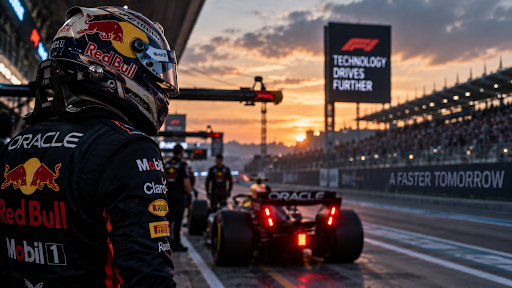
The pit wall is changing just as quickly as the car. Oracle says Red Bull Racing’s infrastructure can process about one million Monte Carlo simulations per second during a Grand Prix, recalculating likely outcomes as telemetry, GPS position, tire degradation and weather inputs change. For 2026, Oracle and Red Bull have also introduced an AI-powered strategy agent designed to automate data collection, interpret historical and real-time information and surface options for human engineers. The software does not call the pit stop by itself; a Safety Car, damaged wing or sudden shower can still turn a statistically attractive plan into the wrong move within seconds.

Live Markets Now React to More Than Track Position

That richer data stream also changes how motorsport is followed in betting markets. A driver running third may be protecting energy, extending a tire stint or waiting for a pit window, so the current order alone can give an incomplete picture of likely race outcomes. Bettors checking MelBet can compare live prices with tire age, weather, pit-stop timing and hybrid deployment rather than reading position as a complete form guide. A fixed bankroll stake remains useful because a Safety Car or badly timed stop can reprice the race almost instantly, even when the underlying pace has barely changed.

Formula E Is Moving Past GEN3 Evo Already

Formula E is about to make another large jump. The GEN3 Evo used up to 600 kW of regenerative braking and could recover nearly half of the energy required for a race, while all-wheel drive was available only in qualifying duels, race starts, and ATTACK MODE. GEN4, which made its public track debut at Paul Ricard in April 2026 and is scheduled to race from the 2026-27 season, raises standard race power to 450 kW and reaches 600 kW in ATTACK MODE and qualifying while making all-wheel drive permanent. Software is lap time. Energy maps, traction control logic and regeneration targets now shape performance as directly as mechanical setup.

Le Mans Is Heading Toward One Hybrid Rulebook

Endurance racing is moving toward the same convergence of hardware and software. Ferrari’s 499P combines a twin-turbo V6 with a 200 kW front-axle ERS that recovers braking energy into a high-voltage battery, while Toyota’s updated TR010 HYBRID entered the 2026 WEC season with revised front and rear bodywork developed through CFD and wind-tunnel work. From 2030, WEC’s Hypercar class is expected to merge the LMH and LMDh categories into one technical framework. The cars will remain rear-wheel drive and hybrid-powered, but manufacturers will still have a choice between bespoke and shared hybrid systems. That leaves room for distinct engineering philosophies, even as the regulations place more weight on energy management, simulation, and the way each team makes the car’s systems work together.

Publication Media Website Owner Partnership Opportunities

Photo by depositphotos at https://depositphotos.com/

A successful website owner partnership can help publishers earn revenue, advertisers reach relevant audiences, and SEO agencies build stronger link-building campaigns. A partnership supports these connections by bringing advertisers, SEO professionals, and website publishers together through guest posting opportunities. When each party understands its goals and responsibilities, the partnership can deliver long-term value without compromising content quality or audience trust.

For website owners, the right partnership can turn an established website into a revenue stream. For advertisers and SEO agencies, it offers a practical way to publish useful content on relevant websites. The key is to focus on quality, transparency, and shared business goals rather than short-term gains.

What Is a Website Owner Partnership?

A website owner partnership is a professional arrangement between a publisher and another business that wants to reach the publisher’s audience. In guest posting, this often involves an advertiser or SEO agency submitting an article for publication on a relevant website.

Depending on the agreement, the publisher may receive payment, useful content, or another agreed benefit. The advertiser gains an opportunity to introduce its brand, share expertise, and attract relevant visitors. SEO agencies may also use guest posting to support a client’s content marketing and search visibility strategy.

However, a good partnership involves more than publishing an article. Both parties should agree on content standards, editorial control, publication timelines, fees, and link policies before work begins. Clear expectations help prevent misunderstandings and create a reliable working relationship.

How Guest Posting Benefits Website Publishers and Advertisers

Guest posting can support different business goals when the content matches the website’s audience and editorial standards.

For website publishers, accepting suitable guest posts can reduce the workload involved in producing every article internally. Paid publishing arrangements may also create an additional revenue stream. This can be particularly useful for websites that already attract a defined audience and maintain consistent editorial quality.

Advertisers benefit from sharing their expertise with readers interested in related topics. A well-written article can explain a problem, offer practical advice, and introduce a relevant product or service without becoming an obvious sales pitch.

SEO agencies can use publisher relationships to manage client content placements. Instead of contacting every website individually, they can work with an agency that helps identify suitable publishing opportunities. This can simplify communication and make campaign management more efficient.

The value of a guest post depends on its relevance, usefulness, and credibility. Publishing on a website simply because it offers a link may deliver little lasting value if the audience is unrelated or the content is poor.

How to Choose the Right Website Owner Partnership

Choosing the right partner requires more than checking a website’s domain metrics. Publishers and advertisers should evaluate whether the relationship fits their audiences and business objectives.

Check audience relevance. Review the website’s main topics, existing articles, and intended readers. A relevant website gives an article a better chance of reaching people who care about its subject.

Review content quality. Look for original articles, clear writing, accurate information, and consistent editorial standards. A website filled with unrelated sponsored posts may offer less value than a focused publication with a clear identity.

Discuss terms in advance. Agree on pricing, article length, revision limits, publishing timelines, link placement, and disclosure requirements. Written terms make the process easier to manage and help both parties understand what to expect.

Set realistic goals. Determine whether the campaign aims to increase brand awareness, reach a new audience, attract referral traffic, or support an SEO strategy. These goals help both parties assess whether a placement is suitable.

Protect editorial integrity. Publishers should retain appropriate control over the content appearing on their websites. Advertisers should provide accurate information and accept reasonable editorial changes. Paid links should also follow applicable search engine policies, including requirements for appropriate link qualification.

These checks help create partnerships based on mutual value instead of relying on publication volume alone.

How It Helps Connect Publishers and SEO Agencies

Finding suitable publishers can take time, especially when an SEO agency needs websites that match a client’s industry, budget, and content requirements. Managing separate conversations with multiple website owners can also make campaign coordination more difficult.

A media partnership helps bridge this gap by connecting advertisers and SEO agencies with website publishers. This service makes it easier to explore guest posting opportunities, communicate publishing requirements, and identify potential partners for content campaigns.

Website owners can benefit by presenting their publishing opportunities to businesses looking for relevant websites. Advertisers and SEO agencies can use these connections to find potential placements that align with their marketing objectives.

For the best results, every party should still assess each opportunity carefully. Website owners should review submitted content before publication, while advertisers should check audience relevance, editorial standards, and the proposed terms. A platform can help establish connections, but successful partnerships depend on responsible decisions and clear communication.

Conclusion

A strong website owner partnership creates value for publishers, advertisers, and SEO agencies when it combines relevant content, fair agreements, and clear expectations. Guest posting can support website monetization, brand visibility, and content marketing when quality remains the priority.

It helps bring these groups together, making it easier to explore potential publishing relationships. By choosing relevant websites, agreeing on transparent terms, and protecting editorial standards, all parties can build more dependable partnerships that support their long-term goals.

The Most Iconic Car Numbers in NASCAR History

Photo by Sean P. Twomey on Pexels

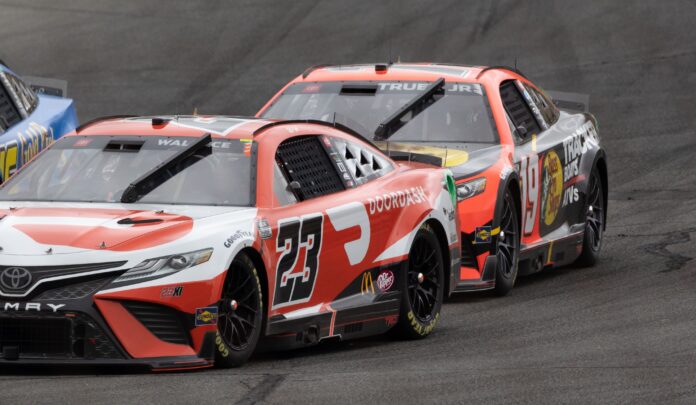
In NASCAR, a car number is much more than a simple way to identify a vehicle on the track. Over time, certain numbers have become closely connected with legendary drivers, unforgettable races, and major moments in American motorsport history. For many fans, seeing a familiar number immediately brings back memories of a specific driver or era.

Some numbers have become so famous that they are now part of NASCAR culture itself. Even after a driver retires, fans may continue to associate a particular number with that person for decades.

No. 3 – Dale Earnhardt

Few numbers in NASCAR are as recognizable as the No. 3. The number is most strongly associated with Dale Earnhardt, one of the most successful and influential drivers in the history of the sport.

Earnhardt’s aggressive driving style and ability to compete at the highest level helped turn the No. 3 into one of NASCAR’s most famous symbols. His black Chevrolet became instantly recognizable to racing fans across the United States.

Even people who do not follow NASCAR closely may recognize the No. 3 because of Earnhardt’s popularity and long-lasting influence on American racing culture.

No. 43 – Richard Petty

Another legendary number is No. 43, forever connected with Richard Petty. Known as “The King,” Petty became one of NASCAR’s most successful drivers and one of its most recognizable personalities.

The No. 43 car became famous for its distinctive appearance and long history in the sport. Petty’s success helped make the number a symbol of NASCAR’s early growth and development.

For many longtime racing fans, No. 43 represents the classic era of NASCAR, when the sport was becoming increasingly popular across the United States.

No. 24 – Jeff Gordon

During the 1990s and 2000s, the No. 24 car became one of the most recognizable vehicles in NASCAR thanks to Jeff Gordon.

Gordon helped introduce NASCAR to a new generation of fans and became one of the sport’s biggest stars. His colorful cars and consistent success made the No. 24 easy to recognize both on television and at the racetrack.

The number became especially popular with younger fans who began following NASCAR during Gordon’s career. Today, No. 24 remains strongly connected with one of the most successful periods in modern NASCAR history.

No. 48 – Jimmie Johnson

The No. 48 is closely associated with Jimmie Johnson, another driver who became one of NASCAR’s all-time greats.

Johnson’s long period of dominance helped turn No. 48 into a symbol of consistency and success. His championships and race victories made the car one of the most familiar sights in NASCAR during the 2000s and 2010s.

Like many famous NASCAR numbers, No. 48 became part of the driver’s identity. Fans often remember the number just as easily as they remember the name.

No. 11 – A Number With a Long NASCAR History

While some numbers are mainly linked to one driver, others have been used by several successful racers. No. 11 is a good example.

The number has appeared throughout NASCAR history and has been driven by multiple well-known competitors. Its long presence in the sport makes it one of the more recognizable numbers on the grid.

This shows how NASCAR car numbers can develop their own history over time, even when different drivers use them.

Why NASCAR Numbers Matter So Much

NASCAR numbers are important because they help fans quickly identify cars at high speed. During a race, drivers may be difficult to recognize from a distance, but a large number on the side and roof of the car makes identification much easier.

Numbers also become part of a team’s branding. Fans buy hats, shirts, die-cast models, and other merchandise featuring their favorite driver’s number.

Over time, the connection between a driver and a number can become so strong that the number itself becomes part of motorsport history.

From Racing Numbers to License Plates

Numbers are also an important part of everyday automotive life. Outside the racetrack, vehicles are identified using registration plates rather than racing numbers.

The appearance and format of these plates can vary significantly between countries. Some use long combinations of letters and numbers, while others use shorter formats or distinctive colors and symbols. Anyone interested in automotive design and vehicle identification can explore license plates from around the world and compare how different countries approach vehicle registration.

The United States is especially interesting because each state creates its own license plate designs. This results in a huge variety of colors, slogans, symbols, and layouts. Automotive enthusiasts can also browse U.S. license plates by state to see how plates differ across the country.

In a way, both NASCAR numbers and license plates serve a similar basic purpose: they make vehicles easy to identify. The difference is that NASCAR numbers are designed for racing, branding, and fan recognition, while license plates are part of official vehicle registration systems.

More Than Just Numbers

The most iconic NASCAR numbers have become much more than identifiers. They represent drivers, teams, victories, rivalries, and entire eras of racing history.

Numbers such as 3, 24, 43, and 48 continue to be recognized because of the legendary drivers who made them famous. They show how something as simple as a number can become a powerful symbol in automotive culture.

Whether it appears on the side of a race car or on the back of an everyday vehicle, a number can tell a story. In NASCAR, some of those stories have become an unforgettable part of American motorsport history.

Dark Brown Hair Filter: Try a Natural and Stylish New Look

Photo by depositphotos at https://depositphotos.com/

Dyeing your hair is a fun way to try out a new look without committing to it permanently! Many people choose dark brown hair because it looks organic, elegant, and is very versatile. You can use a dark brown hair filter to see what this lovely color looks like on your pictures before you finalize your choice.

What Is a Dark Brown Hair Filter?

A dark brown hair filter is a digital photo effect that renders your hair a rich brown color. You can try a variety of hair colors using AI-powered editing tools while maintaining a natural look of your face and appearance. It is an easy way to try something new without going to a salon or using hair dye.

Why Try Dark Brown Hair?

Dark brown is an ideal neutral if you want your hair to look warm, rich and elegant all at the same time. In contrast to very light tones, it has the potential to make a more significant change without looking too far away from natural. That said, it can also work with a variety of hairstyles, from long waves to short cuts, straight hair and layered styles.

Applying a dark brown hair filter lets you get a glimpse of how this hue would look with your skin tone, eye color and overall style. You can see the different versions of your photo and select the look that you prefer. 

How to Use a Dark Brown Hair Filter

Even for beginners, applying a hair color filter is usually easy. To begin, follow these steps:

  • Upload a clear photo: Select a photo in which your hair is clearly visible and your face is brightly lit.
  • Select the hair color: In your favorite photo editing app or online tool, select the dark brown shade.
  • Preview the result: See how the new color looks with your characteristics and hairstyle.
  • Customize the effect: If the tool allows customization, adjust the color intensity for a natural-looking finish.
  • Save your photo: Once you are satisfied with the outcome, download or share the edited picture. 

For optimal results, use a bright, high-quality photo without many shadows. 

Who Can Benefit From This Filter?

A dark brown hair filter is handy for those wondering about a hair color change. This can be useful for anyone who is: Planning a trip to the salon Creating content for social media Empresas o Alguien Que Haya Querido Cambiar Su look O simplemente quieren verse diferentes. It’s also useful when you want to compare dark brown to lighter brown or to black or caramel.

But digital preps may not result in the exact same outcome as real hair dye. Your natural hair color, hair texture and lighting will all have an impact on the finished look. 

Final Thoughts

A dark brown hair filter lets you try a classic hair color option without the commitment. For a subtle update or a total change of look, this easy-to-use digital tool lets you see what’s possible. Try out different pictures and colors and see if you can find a style that fits your personality and gives you confidence for your next move. 

Kostecki and Hazelwood snatch Bathurst 1000 victory with 22 corners to go

Photo by depositphotos at https://depositphotos.com/

Brodie Kostecki and Todd Hazelwood won the Bathurst 1000 on 11 October 2026, driving the #17 Shell V-Power Racing / Dick Johnson Racing Ford Mustang.

The crew completed the 161 laps in 5:54:04.749. They didn’t hit the front until the final lap, 22 corners before the chequered flag.

Mount Panorama in New South Wales doesn’t let a comfortable lead hold up the way it might on a flatter circuit. The narrow track, an elevation change of about 174 metres and the fast run down Conrod Straight leave almost no room for error over a distance of just over a thousand kilometres. The result here comes down to more than raw speed: pit stops, fuel strategy and how the Safety Car falls all play their part. In some years the winning margin has stretched out to half an hour; this time it came down to less than a second.

It’s the season’s marquee event on the Supercars Championship calendar. Grandstands along Mount Panorama fill from Friday, and the race goes to air nationwide. In Australia it’s long been known as The Great Race. Any slip-up here costs more than at any other round on the calendar. Teams value Bathurst separately from the championship points. A single win here means just as much for a team’s prestige as a strong finish in the overall standings.

Kostecki and Hazelwood made a strong start, qualifying second and running in the lead group for almost the whole race. On lap 125, a pit stop nearly undid their race. A front brake change ran more than 25 seconds over and dropped the crew from first to fifth. Kostecki made his final stop on lap 150, leaving him an 11-lap dash to the flag. On laps 152 and 153 he set back-to-back lap records for Gen3 cars, clawing back the time lost in the pits.

After Kostecki’s stumble, the lead passed to Anton De Pasquale and Lee Holdsworth in the #18 Chevrolet Camaro. The crew made their final refuelling stop on lap 139 and emerged 15.5 seconds clear of Zach Bates. The gap looked comfortable. With ten laps to go, though, the team took a gamble and asked De Pasquale to save fuel rather than hold the pace. Punters would call that kind of logic volatility. A high-volatility pokie can sit without paying out for ages; then one spin suddenly lands a big combination, and there’s no picking it in advance. The fuel-saving plan was meant to get De Pasquale’s car home first; instead, it decided the race against him. Supercars liveries and team colours have long since moved beyond the track, turning up in merchandise, video games and, increasingly, online pokies, including whole ranges of themed motorsport slot games. Supercars liveries and team colours have long since moved beyond the track, turning up in merchandise, video games and, increasingly, online pokies, including whole ranges of themed motorsport slot games. Releases in this genre are tracked by Wild Tokyo Casino, whose figures show that these games have long overtaken roulette and live dealer tables in popularity.

On lap 156, Chaz Mostert’s crash at Forrest’s Elbow brought out the race’s only Safety Car. That left the drivers with a three-lap sprint instead of a steady run to the flag. Kostecki made the most of the restart. On lap 159 he passed Bates at Murray’s Corner to move into second, within sight of the leader.

The decisive moment came on the final lap, lap 161. De Pasquale ran out of fuel on Mountain Straight and the Camaro slowed abruptly. Kostecki moved into the lead with 22 corners left to run. De Pasquale never made it to the chequered flag.

Will Brown and Scott Pye crossed the line second, 1.184 seconds back. Zach Bates and Aaron Seton took third, 1.927 seconds off the pace. It’s the second Bathurst 1000 win together for Kostecki and Hazelwood, and the fifth in the race’s history for Dick Johnson Racing. The Queensland team has long ranked among the most successful at Mount Panorama. As it turned out, even a lengthy pit stop on lap 125 doesn’t rule a crew out of the fight, not when there’s pace in reserve for a late charge.

Three episodes in a row decided the outcome, not a steady pace across the distance: the botched pit stop on lap 125, the leader’s risky fuel-saving gamble and Kostecki’s pass in the closing metres. It was that combination, not the fastest lap of the race, that the #17 Ford Mustang carried home.

Liên Quân Mobile in Vietnam: How Arena of Valor Became an Esports Phenomenon

Competitive gaming has become a popular pastime among the Vietnamese public due to the success of Liên Quân Mobile. Domestic and international tournaments have drawn large fan bases to professional esports. The mobile game, known internationally as Arena of Valor, is a 5-player team strategy game that can be played with a smartphone. Vietnamese esports players have made international showcases and title wins that have brought them recognition across the world. Find out how Liên Quân has become one of the most well known esports games in Vietnam.

Liên Quân Mobile Became More Competitive Through the Establishment of a Pro League

The Đấu Trường Danh Vọng professional league launched in Vietnam in 2017, strengthening Liên Quân Mobile’s competitive structure. It gave clubs opportunities to develop player rosters, improve coaching methods, and establish recognizable identities. To stay connected during matches, many supporters run Melbet Android for instant score tracking, smooth mobile performance, and fast payouts. Supporters could follow familiar players and teams across multiple competitions throughout the season. Regular league matches also allowed fans to watch professional organizations without waiting for major international tournaments.

With the establishment of the league, the top teams in Vietnam faced greater competition. Teams were no longer able to rely solely on style and individual play to achieve success. Teams would analyze prior play, communication, drafts, and strategies to formulate their own. Coaches focused more on communication, team play, drafting, and game preparation. The pros provided a structure through which skilled mobile players could compete at a high level as part of an organized esports organization.

Liên Quân has made use of both accessible gameplay and competitive mechanics which depend on teamwork and experience. The following have played a part in Liên Quân establishing a large fan base in Vietnam;

  • Mobile friendly – Can be played on mobile phones and does not require expensive gaming computers or other specific gear.
  • Team oriented – Teams of five allow for individual strengths, diverse tactics and specific roles.
  • Local Tournaments – Provide an ongoing competitive scene with well known teams and major events happening constantly throughout the year.
  • International competition – Allows Vietnamese pros to compete against the top from other regions in Arena of Valor.

This has allowed for a successful transition from casual to professional gaming in a manner that is identifiable. The game allows for fans to grasp the core gameplay and also the differences between pros and casual players.

Domestic Rivalries Have Created Recognizable Esports Teams

Liên Quân’s professional scene became more compelling as successful organizations developed loyal audiences and established competitive histories. Team Flash and Saigon Phantom have played important roles in that development. Their achievements show how domestic rivalries and international ambitions can strengthen the same esports community.

Team Flash Established Vietnam’s International Reputation

Team Flash became one of Vietnam’s most successful Arena of Valor organizations through strong domestic performances and international results. The team won both the Arena of Valor World Cup and Arena of Valor International Championship in 2019. Their legendary tournament runs inspired many fans to follow competitive match odds and fast payouts via nhà cái Melbet while supporting local teams. Those victories demonstrated that Vietnamese players could defeat leading opponents from other competitive regions.

Their success also changed expectations for professional teams competing in Vietnam. International championships required disciplined drafting, effective communication, and the ability to adapt during difficult series. Team Flash showed that domestic preparation could produce results against established international opponents. Their achievements gave younger competitors a clear example of what professional development could accomplish.

Saigon Phantom Built a New Period of Competitive Success

Saigon Phantom Built a New Period of Competitive Success

Saigon Phantom developed into another major organization through repeated domestic championship campaigns and strong international performances. The team became particularly recognizable for its aggressive play, coordinated team fights, and experienced competitive roster. Its continued presence near the top helped establish important rivalries within Vietnam’s professional league.

Winning the Arena of Valor Premier League in 2023 marked a significant achievement for Saigon Phantom. The title confirmed the team’s ability to compete successfully against strong regional opposition. Maintaining that standard required adjustments as opponents studied its strategies and individual players. Its progress demonstrated how new competitive leaders could emerge without weakening the overall professional scene.

Digital Coverage Has Made Professional Players More Accessible

Besides full tournament coverage, there are multiple ways to keep up with the popular game Liên Quân. Highlights for games, post-tournament interviews, and livestreams keep the public apprised of professional games. Brief highlight clips are made for surprise hero picks, key in-game team battles, and crucial events in the tournament finals.

Professional players also interact with the player base through individual livestreams and content between tournaments. This allows the audience to gain insight into the playing style of individual players and experienced players’ decision-making. Analysts can also provide content regarding map and draft choices, objective and hero control. These streams aid in the general comprehension of professional Liên Quân by providing content for players of all skill levels.

Vietnam’s Competitive Liên Quân Structure Provides a Strong Foundation for Future Growth

Vietnam already has a competitive ecosystem for mobile gamers that links amateur players to pros and global competitions. Saigon Phantom and Team Flash have both successfully competed outside of local competitions. Fans can also watch established and up-and-coming players through consistent events and online content. Continuing this ecosystem will aid in the growth of new talent and the expansion of Vietnam in the global esports scene.

Formula One 2026: The Risks Behind Red Bull’s New Engine Power

Photo by depositphotos at https://depositphotos.com/

The introduction of new Formula 1 regulations in 2026 has changed how teams approach car development. Engineers now face different challenges as they work to meet the FIA’s updated technical requirements. One of the biggest developments is Red Bull’s decision to compete with a power unit created through its partnership with Ford. While strong engine performance could give the team an advantage, it also brings challenges that may affect its results.

Major Technical Changes for the 2026 Formula 1 Season

Power units are at the center of the latest regulatory changes. Electricity now accounts for a much greater share of the power produced by Formula 1 engines, with the electric system capable of delivering around 350 kW. Another major change is the removal of the MGU-H, a complex component used in previous engine designs.

The regulations also introduce sustainable fuel and active aerodynamic systems. Together, these changes make energy management an essential part of racing. Producing more power is no longer enough on its own. Teams must also decide how to use their available energy effectively across an entire lap.

The growing importance of energy management in Formula 1 highlights how strategic decision-making can influence results. A similar emphasis on timing, risk assessment, and adapting to changing circumstances can be found in an online poker cardroom, where players must carefully evaluate their options rather than rely on luck alone.

The Hidden Challenges of High Engine Performance

An engine capable of producing more power than its rivals may seem like a clear competitive advantage. However, the 2026 regulations place greater demands on overall car performance. A successful power unit must operate reliably, maintain suitable temperatures, use energy efficiently, and work smoothly with the rest of the vehicle.

Prioritizing outright power without considering these factors could leave a team struggling with consistency. The problem becomes particularly noticeable on tracks where drivers need to carefully manage electrical energy between periods of acceleration.

Another factor is the FIA’s approach to manufacturers that fall behind in engine performance. Under the new rules, those facing a significant disadvantage may be given additional development opportunities. This means a manufacturer that starts the season ahead of its competitors cannot assume that its lead will remain unchanged.

Red Bull Faces a New Engineering Test

For Red Bull, the 2026 championship represents a major change in how the team operates. Its Red Bull Ford Powertrains project brings engine development into the team’s own operations, creating new responsibilities for its engineers.

Building a competitive power unit involves more than achieving impressive performance figures. Different engineering departments must work closely together to ensure that every system functions as intended.

A powerful engine could still become a weakness if it suffers from technical failures, struggles to maintain the right operating temperature, or uses electrical energy inefficiently. Any of these issues could prevent Red Bull from turning its engine’s potential into strong race results.

Technical reliability and consistency will be crucial to Red Bull’s success throughout the 2026 season. Beyond Formula 1, the importance of preparation, calculated decisions, and adapting to unexpected challenges is also familiar to players exploring platforms such as poker-rooms.net, where strategic thinking plays a central role in competitive poker.

The Factors That Could Determine Red Bull’s Success

The new Formula 1 era places greater importance on the complete performance of a racing car rather than engine power alone. Teams need to combine strong acceleration with efficient energy use, effective aerodynamics, and dependable mechanical systems.

Red Bull’s position in the 2026 championship will therefore depend on how successfully it integrates its new power unit into the overall car package. Developing a fast engine is only part of the challenge. Maintaining reliable performance and responding quickly to the demands of the new regulations could ultimately determine whether the team remains among the championship’s leading contenders.

Christian Eckes NCTS Phoenix Raceway Preview

Race Information

Venue: Phoenix Raceway
Event: Zero Carbon Bioethanol 150
Date: Friday, October 16
Location: Avondale, AZ
Track Description: 1.0-mile tri oval
Distance: 150 laps, 150 miles (7:30 p.m. ET, FOX Sports 2 & FOX Business, Motor Racing Network, SiriusXM)

Eckes Dreaming of Desert Breakthrough in Phoenix

Closing In … Christian Eckes has generated tremendous momentum in the NASCAR CRAFTSMAN Trucks Series (NCTS) Chase and is closing in on a long-awaited return to victory lane. The driver of the No. 91 Columbia Bank Chevrolet Silverado RST is a former winner at Phoenix Raceway and looks to vault himself into championship contention on Friday evening in the desert. Eckes has recorded consecutive runner-up results in the last two events entering Arizona’s one-mile trioval. Four races remain in the NCTS Chase with Eckes still within reach of the title if he is able to extend his streak of elite performances.

Phoenix Front Runner … Phoenix Raceway is steeped in history with a heritage of hosting the Copper Classic, deciding six years of NASCAR champions, and hosting the first NCTS points race in 1995. Eckes has a piece of his own history at the diamond in the desert, where he drove to victory lane in the 2023 NCTS finale. That triumph was the first of three one-two finishes in MHR’s history. Over six NCTS outings in Phoenix since 2018, Eckes has been a mainstay near the front with three top-five’s and five top-10 finishes. Additionally, the 2024 regular season titlist has been a fixture at the front over the past eight races with five top-five results during that stretch. He looks to collect another Phoenix trophy on Friday night to renew his championship aspirations.

Season to Date … With four races remaining in the Chase, Eckes holds the fourth position in the standings, 88 points out of the lead. Through 21 races, Eckes has recorded eight top-five’s and 13 top-10 results, along with three stage victories and a whopping +319 pass differential.

Tune In … Friday’s NCTS duel in the desert will be simulcast on FOX Sports 2, FOX Business, and the FOX One app at 7:30 p.m. ET. On-track activity gets underway at 3:30 p.m. ET Friday afternoon with practice and qualifying on FOX Sports 2. Stay connected with the No. 91 Columbia Bank team by following @BMR_NASCAR on Twitter, @bmr_nascar on Instagram, and Bill McAnally Racing on Facebook.

Christian Eckes Quote:

On returning to Phoenix:

“We’ve elevated ourselves to have top-five speed just about every week now and we’ve been putting it together the last couple of races. We want to win, obviously, but the effort that’s translated to pace on the racetrack has been great to see. Our goal is to do that in Pheonix this week with our Columbia Bank Chevrolet and contend for a win. We feel like we’re close, but we’re pushing ourselves to have enough pace to control these races. Phoenix has been good for us in the past. Got a win and ran top-three a few years ago. Hopefully we can do it again this week.”

Christian Eckes 2026 NCTS Statistics

Starts: 21

Wins: 0

Top-5’s: 8

Top-10’s: 13

Poles: 0

Average Finish: 12.8

Laps Led: 173

Stage Wins: 3

Points Position: 4th

At Columbia Bank, we’re committed to empowering businesses and families as they pursue their ambitions. With a team of dedicated professionals and a comprehensive suite of financial solutions, we offer specialized expertise and personalized support tailored to meet our clients’ needs at every stage. As one of the largest banks headquartered in the West, our reputation is built on forging strong relationships, providing expert advice, and delivering resources tailored to each custome

Daniel Hemric NCTS Phoenix Raceway Preview

Race Information

Venue: Phoenix Raceway
Events: Zero Carbon Bioethanol 150
Date: Friday, October 16
Location: Avondale, AZ
Track Description: 1.0-mile trioval
Distance: 150 laps, 150 miles (7:30 p.m. ET – FOX Sports 2 & FOX Business, Motor Racing Network, SiriusXM)

Hemric’s Renewed Consistency Continues Into Phoenix

Renewed Consistency … Daniel Hemric is elevating his game at the most crucial time of the season as the NASCAR CRAFTSMAN Trucks Series (NCTS) Chase arrives in the desert. The driver of the No. 19 CRC Brakleen Chevrolet Silverado RST returns to Phoenix Raceway fifth in the standings riding a season-high momentum streak of four top-10 results in the last five races and looks to score MHR’s second victory at the storied one-mile venue. Hemric arrives on the strength of a sixth-place finish at Charlotte Motor Speedway last week and has gained four positions in the standings over the last four races.

Phoenix Flair … The desert mile was the site of Hemric’s crowning achievement thus far in his NASCAR career. The North Carolinian underscored his underdog-type ascent when he scored his first NASCAR Xfinity Series (NXS) victory and the series championship in the 2021 finale. As he fights to thrust himself back into the NCTS title conversation, Hemric returns for his 22nd start at Phoenix Raceway across the three national series. He’s pursuing his first NCTS top-10 finish in Arizona but has the championship-winning victory, three top-five’s, and eight top-10’s from his NXS tenure, along with five NASCAR Cup Series starts. In the NCTS tour’s most recent stop at a one-mile venue, Hemric scored 41 points at New Hampshire Motor Speedway in August with an eighth-place finish.

Season to Date … Hemric’s late-season hot streak has advanced him from ninth to fifth-place in the NCTS Chase standings over the last four races. Through 21 races, and three of seven Chase events, the 2021 NXS champion has recorded three top-five’s and 10 top-10 results. After two straight finishes of sixth or better, Hemric still sits 109 markers out of the points lead.

Tune In … Friday’s showdown in Phoenix will be simulcast at 7:30 p.m. ET on FOX Sports 2, FOX Business, and the FOX One app. The day’s schedule gets underway with practice and qualifying on FOX Sports 2 at 3:30 p.m. ET. Stay connected with the No. 19 CRC Brakleen team by following @BMR_NASCAR on Twitter, @bmr_nascar on Instagram, and Bill McAnally Racing on Facebook.

Daniel Hemric Quote:

On his expectation at Phoenix:

“Everyone at MHR has been pulling the rope in the same direction and it’s been gratifying to see the results lately. Our No. 19 CRC Brakleen team has done a great job progressing throughout the year and got ourselves into the top-five in points. We need to keep that going this week at Phoenix. We felt good about our flat track pace at Loudon and Richmond a few weeks ago. Phoenix is a little different with the two ends of the racetrack so unique, but think we’ll have a good place to start the day. It’s a short race, track position will be important right off the bat. If we can execute to the level we’re capable of, we can have a great night for CRC, NAPA Auto Care, Gates Hydraulics, and everyone that makes this program possible.”

Daniel Hemric 2026 NCTS Stats

Starts: 21

Poles: 0

Wins: 0

Top-5’s: 3

Top-10’s: 10

Average Finish: 14.0

Laps Led: 5

Stage Wins: 1

Points Position: 5th

CRC BRAKLEEN®, the ORIGINAL aerosol brake parts cleaner, was developed in 1971. Brakleen was the very first brake cleaner product of its kind and is still the industry leader today. Hundreds of thousands of technicians and do-it-yourselfers rely on BRAKLEEN and CRC professional-grade brake maintenance products for fast and effective brake service solutions.